Self-Employed Paving Services Contract
Understanding this form
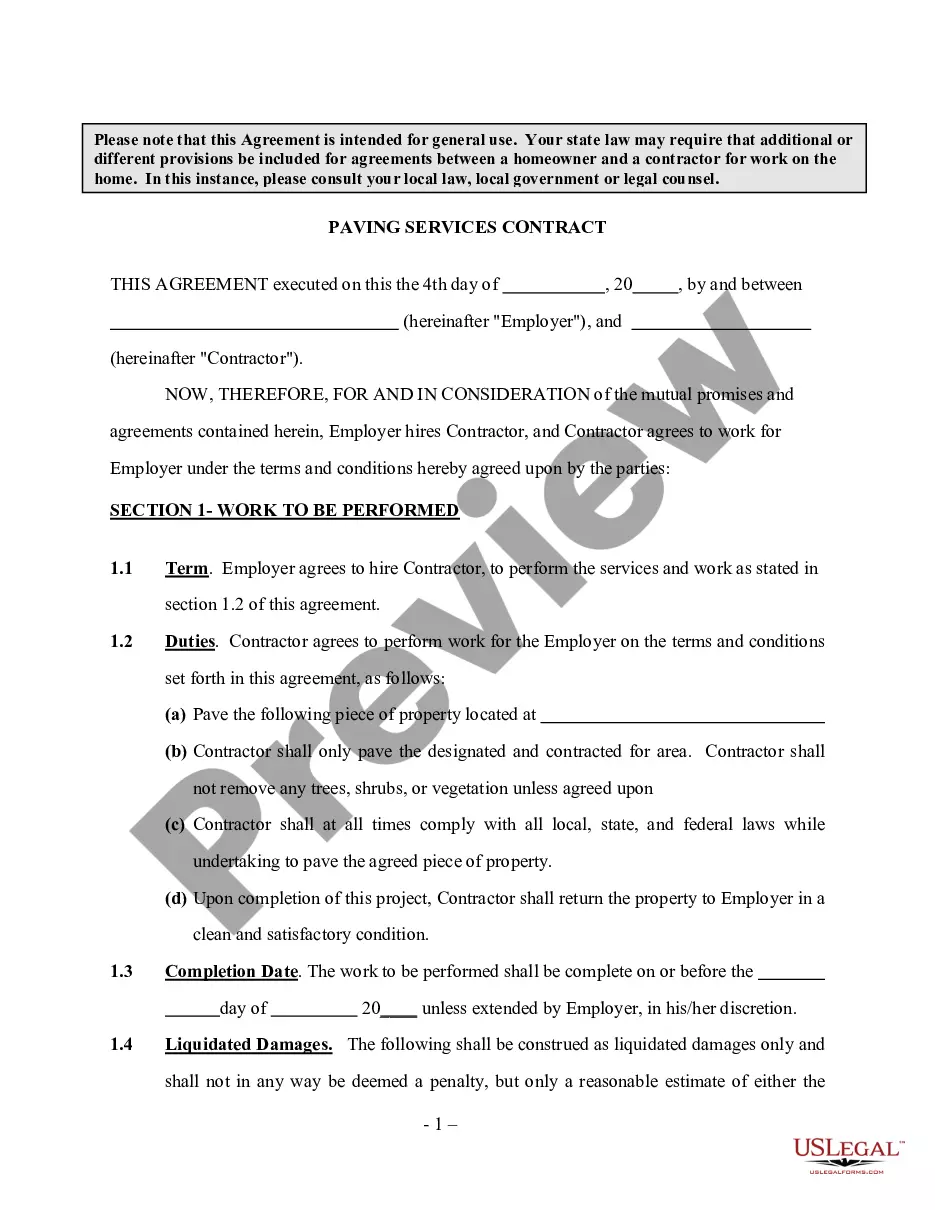
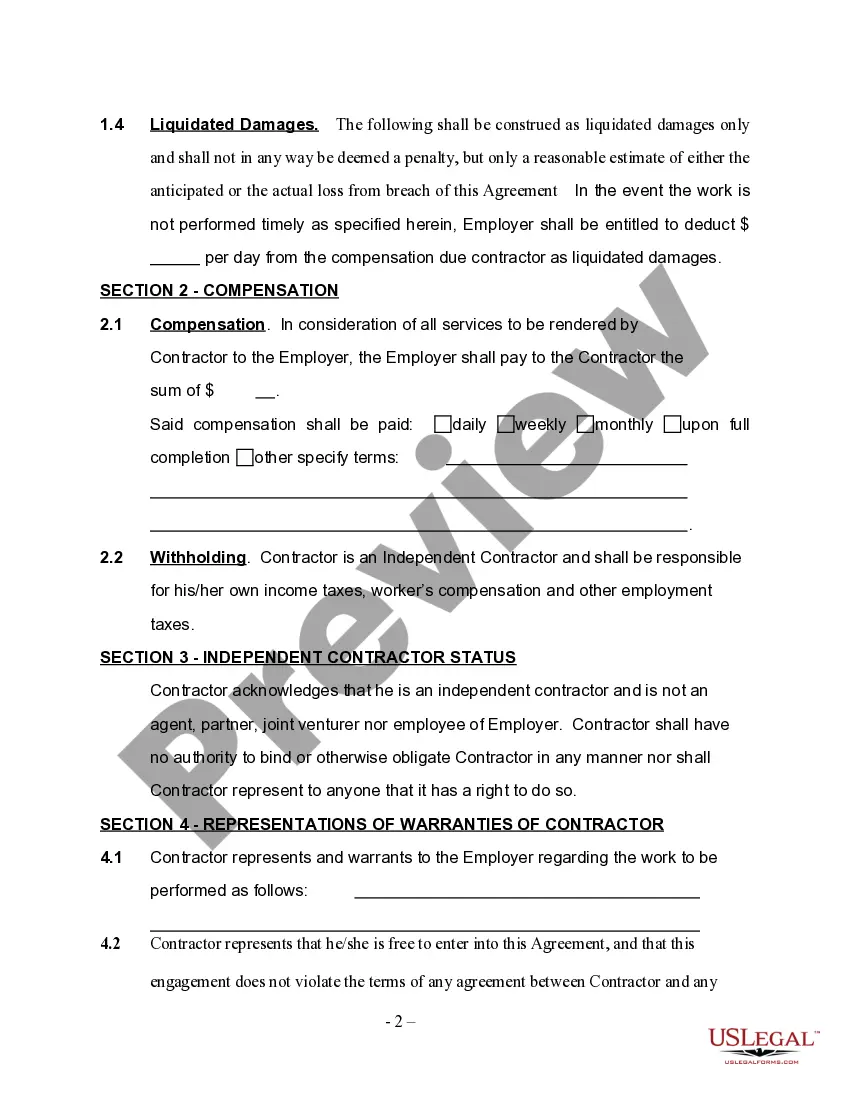
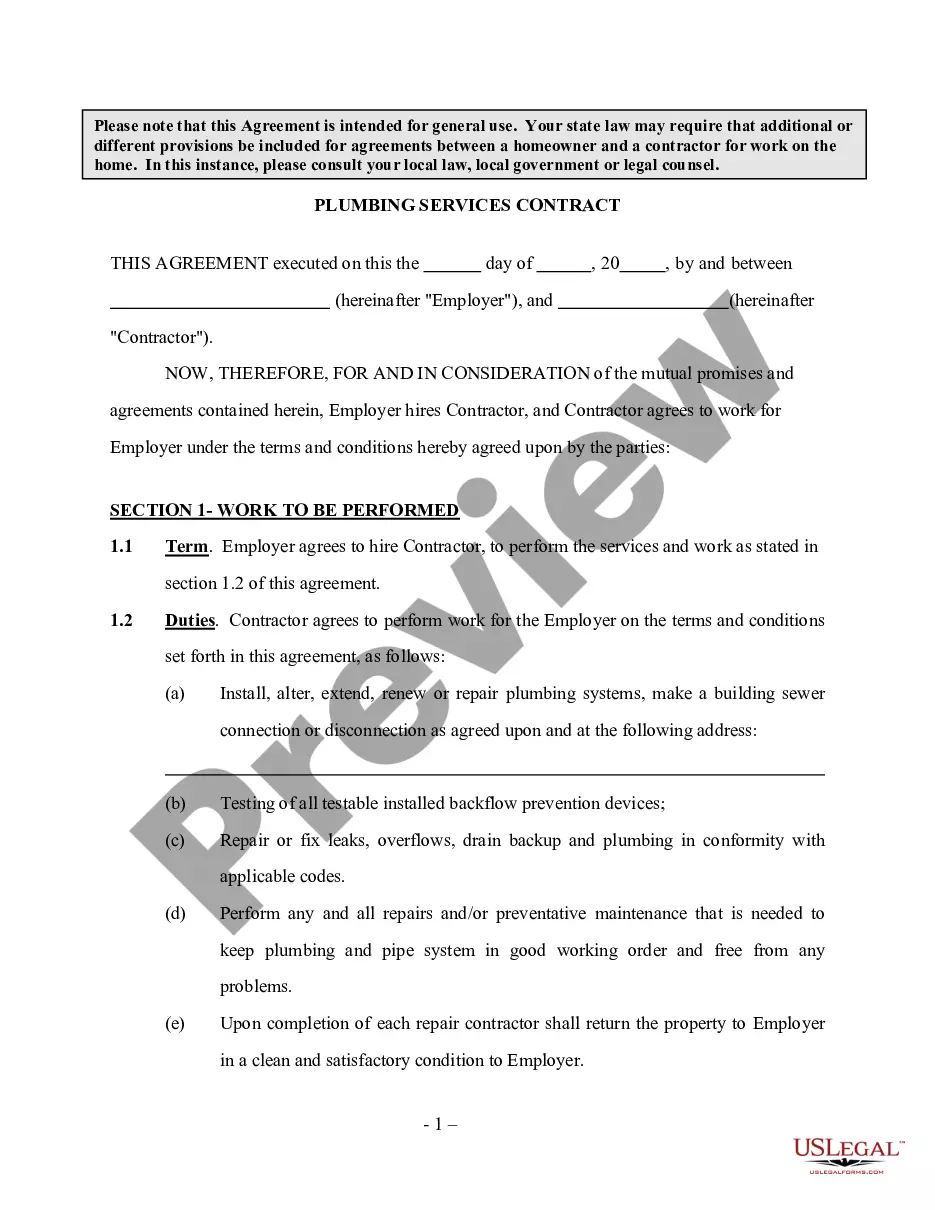
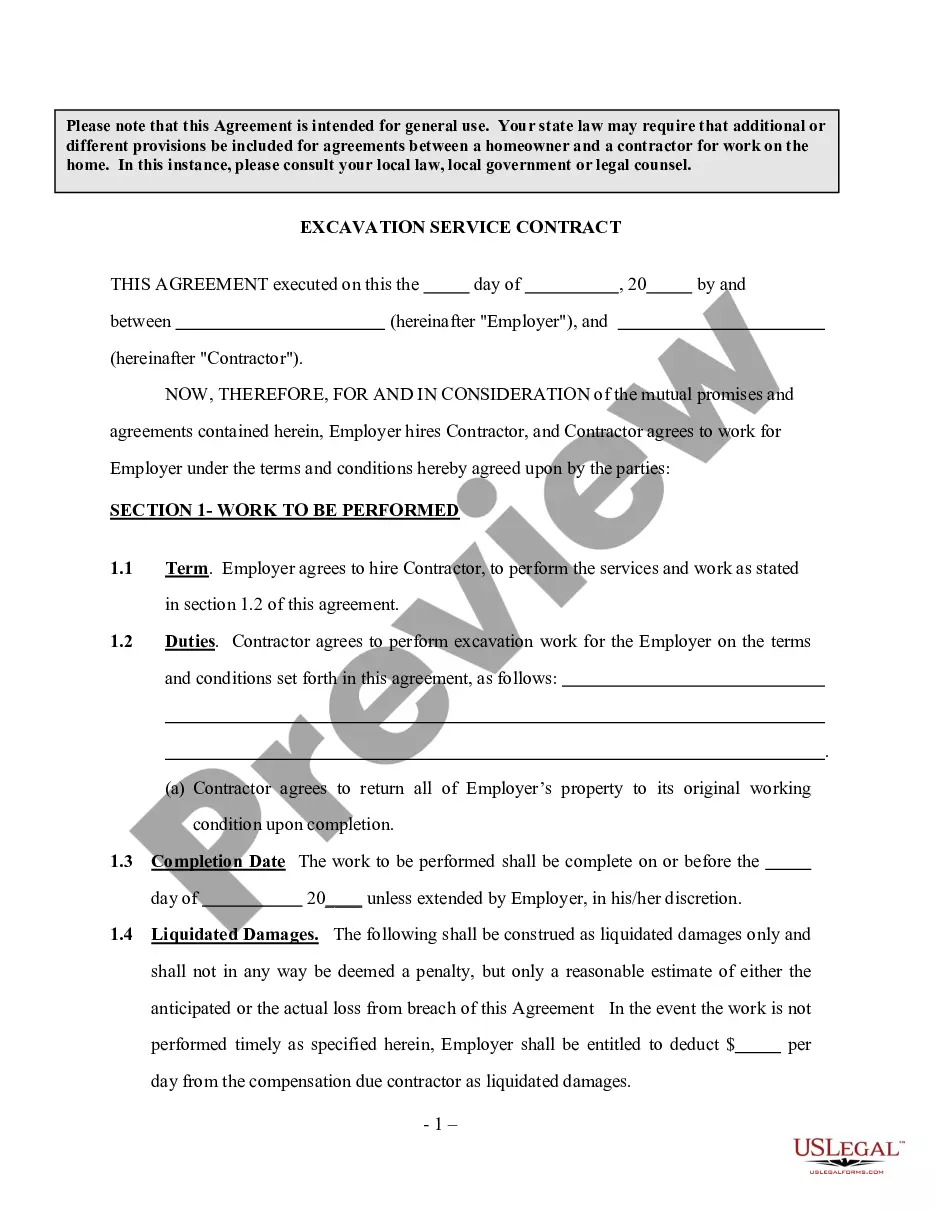
The Self-Employed Paving Services Contract is a legal agreement that outlines the terms between a homeowner (Employer) and a paving contractor (Contractor). This contract specifies the scope of paving work to be performed, ensuring that both parties understand their rights and responsibilities. Unlike other construction contracts, this form is tailored for situations where the contractor operates independently, allowing for flexibility and clarity in the working relationship.
Main sections of this form
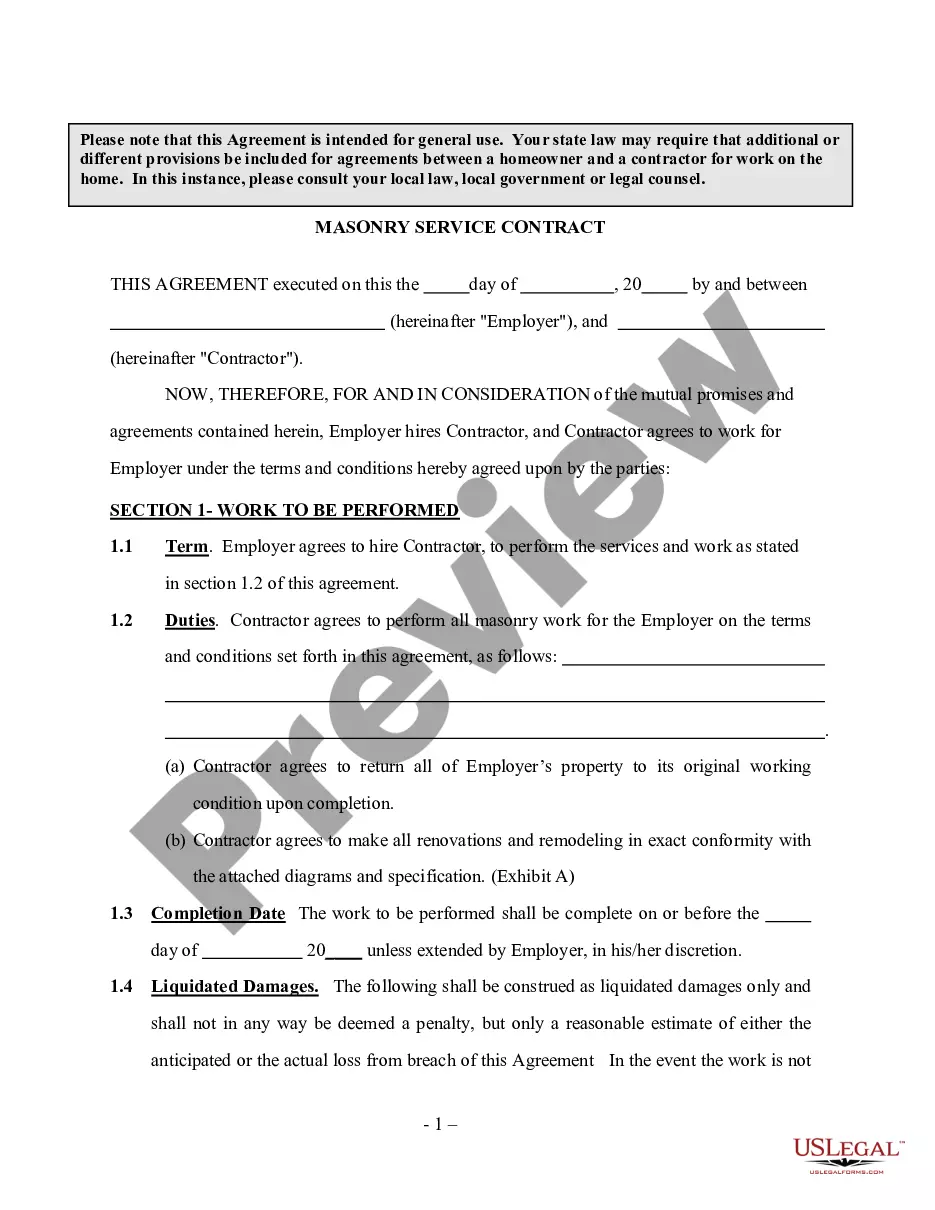
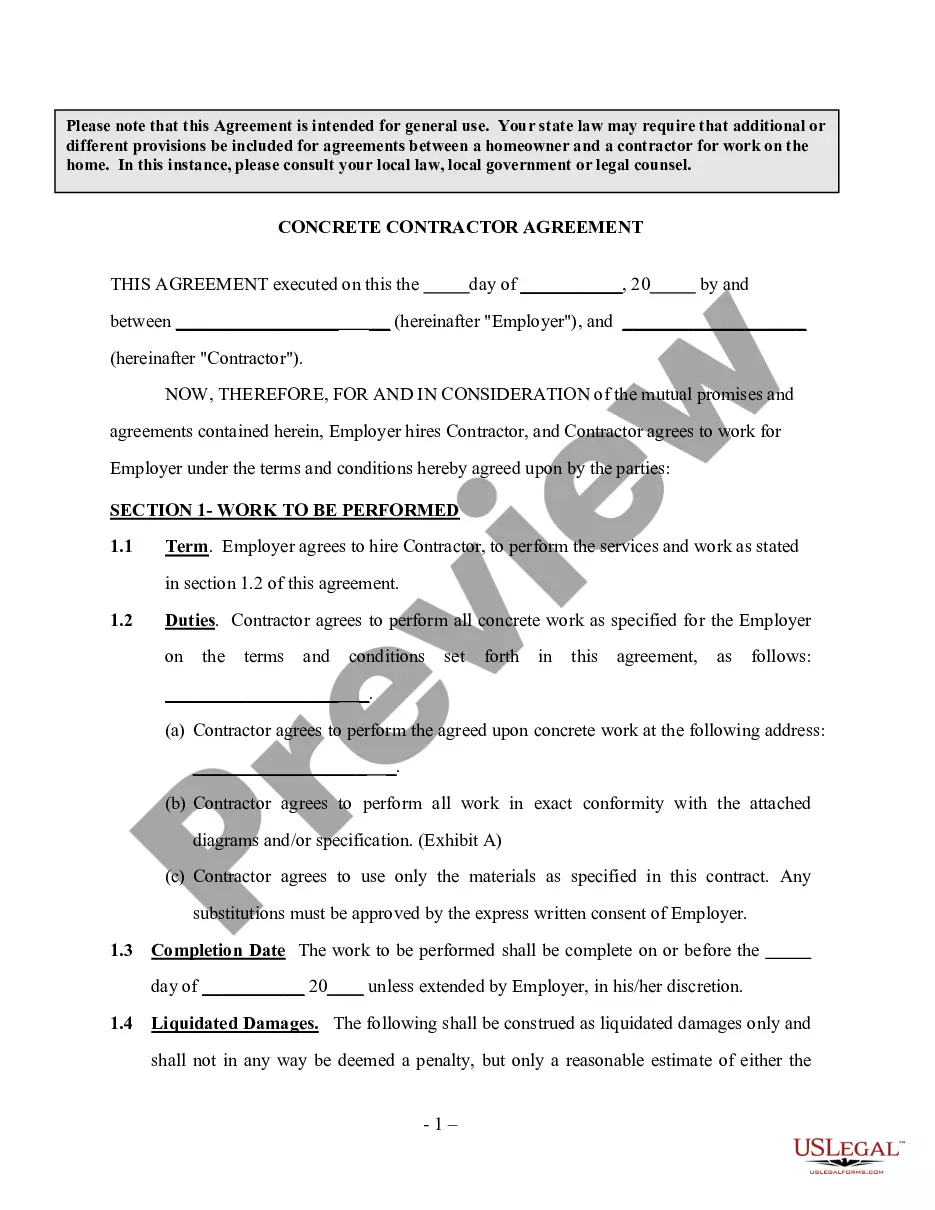
- Work to be performed: Details the specific paving services to be conducted.
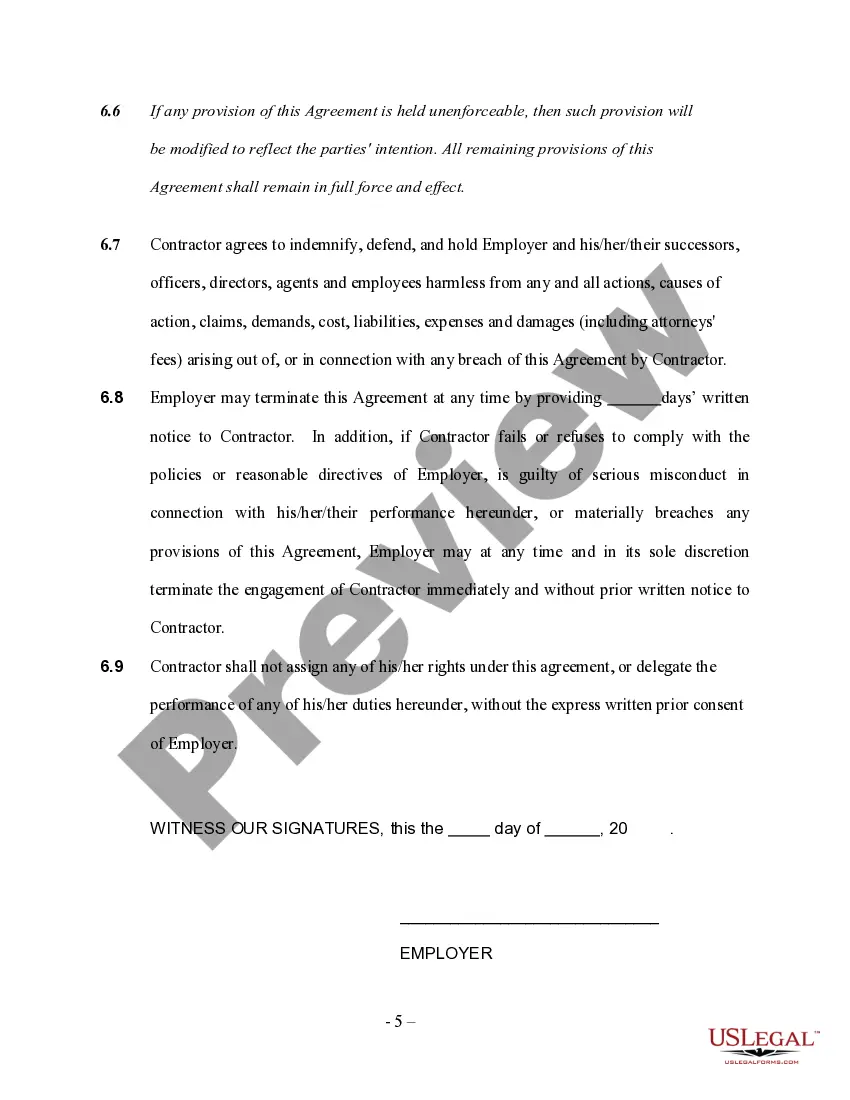
- Independent contractor status: Clarifies that the contractor operates independently and is not an employee of the Employer.
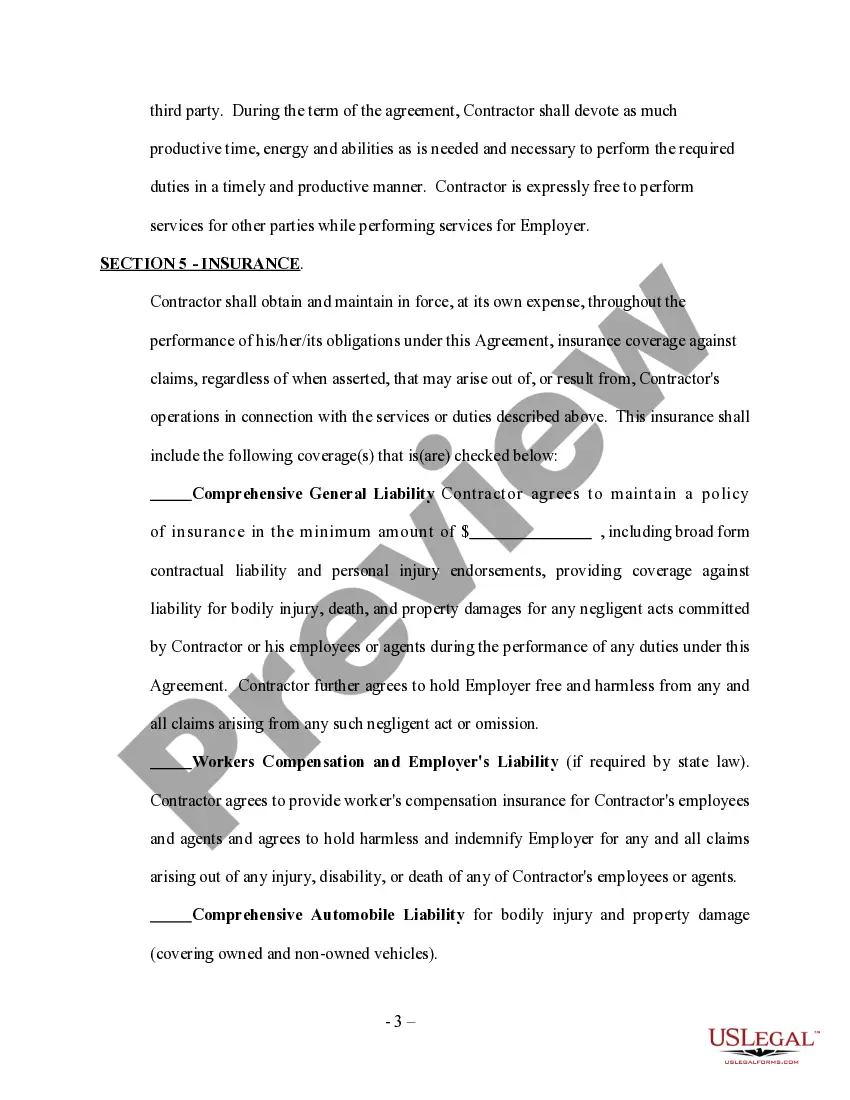
- Insurance requirements: Mandates the Contractor to maintain insurance coverage during the project.
- Representations and warranties: Outlines any guarantees made by the Contractor regarding the work.
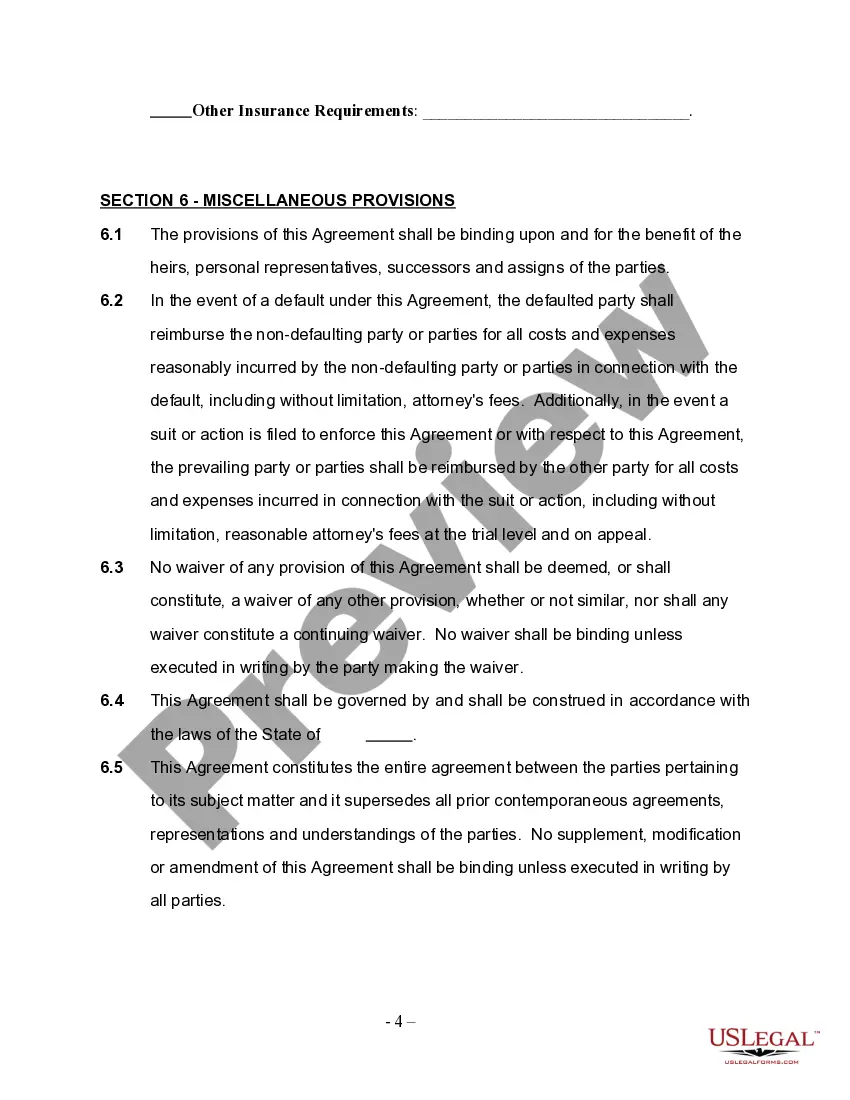
- Miscellaneous provisions: Covers binding agreements and rights of heirs and assigns.


When this form is needed
This form should be used when a homeowner or property owner wants to hire an independent paving contractor for a specific project. It is applicable in situations such as paving driveways, sidewalks, or parking lots, where clear terms and responsibilities need to be established to ensure the work meets expected standards.
Who this form is for
- Homeowners looking to engage independent paving services.
- Paving contractors seeking to formalize agreements with clients.
- Property managers overseeing paving projects.
- Individuals wanting to ensure legal clarity in home improvement contracts.
Instructions for completing this form
- Identify the parties: Clearly state the name and contact information of both the Employer and Contractor.
- Specify the work details: Describe the paving services to be performed in detail.
- Set the project timeline: Include start and completion dates for the work.
- Outline payment terms: Note the total fee and payment schedule agreed upon by both parties.
- Include insurance information: Ensure that the Contractor details their insurance coverage as required by the contract.
Notarization requirements for this form
Notarization is not commonly needed for this form. However, certain documents or local rules may make it necessary. Our notarization service, powered by Notarize, allows you to finalize it securely online anytime, day or night.
Get your form ready online
Our built-in tools help you complete, sign, share, and store your documents in one place.
Make edits, fill in missing information, and update formatting in US Legal Forms—just like you would in MS Word.
Download a copy, print it, send it by email, or mail it via USPS—whatever works best for your next step.
Sign and collect signatures with our SignNow integration. Send to multiple recipients, set reminders, and more. Go Premium to unlock E-Sign.
If this form requires notarization, complete it online through a secure video call—no need to meet a notary in person or wait for an appointment.
We protect your documents and personal data by following strict security and privacy standards.

Make edits, fill in missing information, and update formatting in US Legal Forms—just like you would in MS Word.

Download a copy, print it, send it by email, or mail it via USPS—whatever works best for your next step.

Sign and collect signatures with our SignNow integration. Send to multiple recipients, set reminders, and more. Go Premium to unlock E-Sign.

If this form requires notarization, complete it online through a secure video call—no need to meet a notary in person or wait for an appointment.

We protect your documents and personal data by following strict security and privacy standards.
Avoid these common issues
- Failing to specify the exact scope of work, leading to misunderstandings.
- Not clarifying payment terms, which can result in disputes over fees.
- Ignoring insurance requirements, which can expose both parties to liability.
Why complete this form online
- Convenient access to customizable templates that can be downloaded instantly.
- Editability allows users to tailor the contract to specific needs without legal expertise.
- Reliable legal framework provided by templates created by licensed attorneys.
Legal use & context
- This contract is enforceable as long as it adheres to local laws and regulations.
- Clear definitions of roles and responsibilities help reduce disputes later.
- Consulting legal counsel is advisable to ensure compliance with specific state requirements.
Quick recap
- The Self-Employed Paving Services Contract is essential for clarifying the scope of paving work between homeowners and contractors.
- It is crucial to ensure that all terms, including payment and work details, are explicitly stated to avoid future conflicts.
- Reviewing local legal requirements can provide added protections for both parties involved in the contract.
Looking for another form?



Form popularity
FAQ
Generally, the amount subject to self-employment tax is 92.35% of your net earnings from self-employment. You calculate net earnings by subtracting ordinary and necessary trade or business expenses from the gross income you derived from your trade or business.
Make sure you really qualify as an independent contractor. Choose a business name (and register it, if necessary). Get a tax registration certificate (and a vocational license, if required for your profession). Pay estimated taxes (advance payments of your income and self-employment taxes).
Get it in writing. Keep it simple. Deal with the right person. Identify each party correctly. Spell out all of the details. Specify payment obligations. Agree on circumstances that terminate the contract. Agree on a way to resolve disputes.
The bottom line is simple and basic if you form a small California corporation and treat yourself as a corporate officer, you can not legally be an independent contractor.
Think of a Name for Your Self-Employed Business. Consider what services you will offer, and then pick a name that describes what you do. Choose a Self-Employed Business Structure and Get a Proper License. Open a Business Bank Account. Advertise Your Independent Contractor Services.
People who work for themselves or who own their own company are sometimes alternately referred to as self-employed or independent contractors, though there is a difference between the two. In general, all independent contractors are self-employed, but not all self-employed people are independent contractors.
Writing Your Construction Contract. Write the title and a little preamble. Your title should describe the purpose of the contract. The preamble should simply state basics like: the date the agreement was entered into, the parties' names, the project, the work site location, and work commencement and end dates.
The law codifies and expands on an April 2018 California Supreme Court decision that set a strict new test for employers. Independent contractors must be free to perform their work as they wish, must be in a different line of work from the company contracting with them and must operate their own business.
The bottom line is simple and basic if you form a small California corporation and treat yourself as a corporate officer, you can not legally be an independent contractor.