Hardship Letter to Mortgagor or Lender to Prevent Foreclosure
Understanding this form
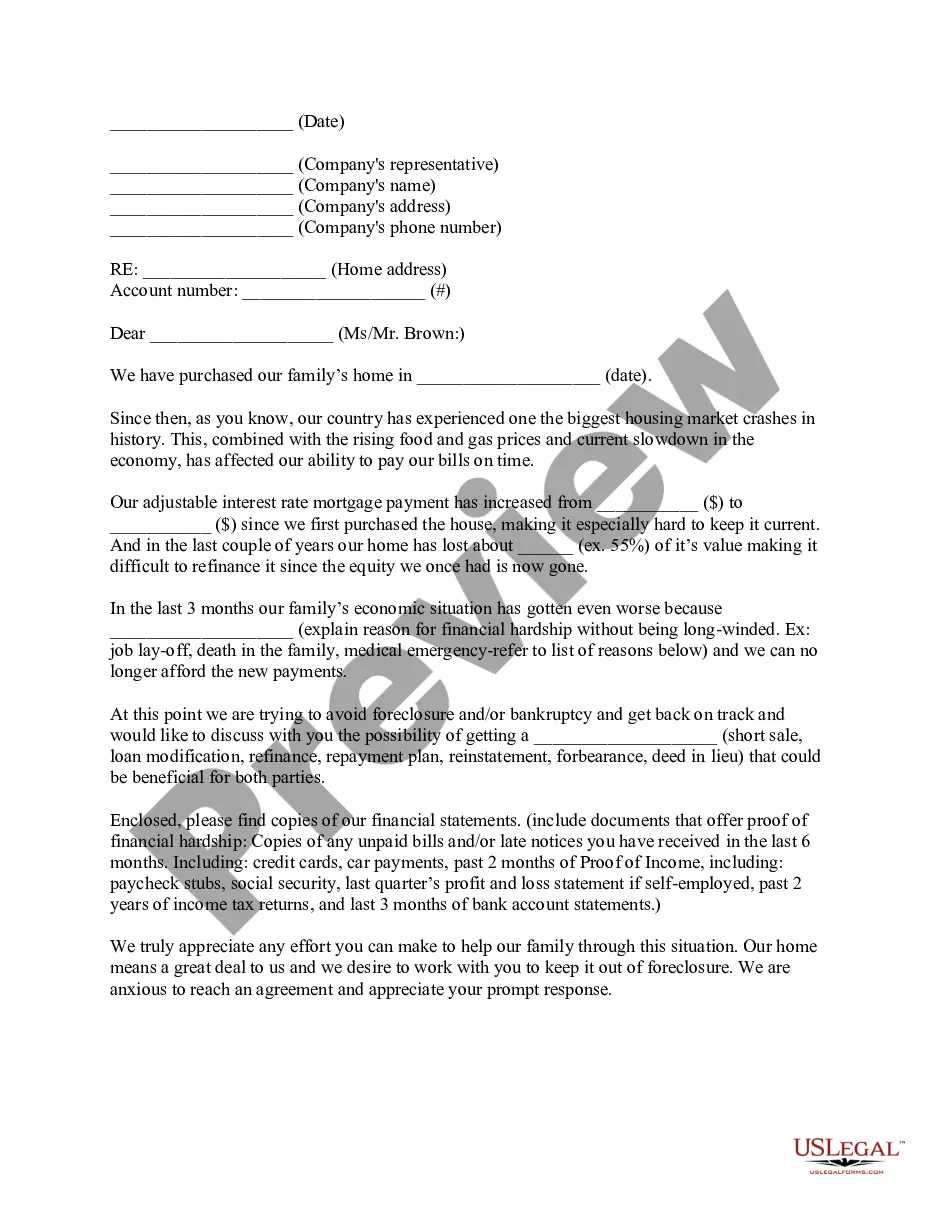
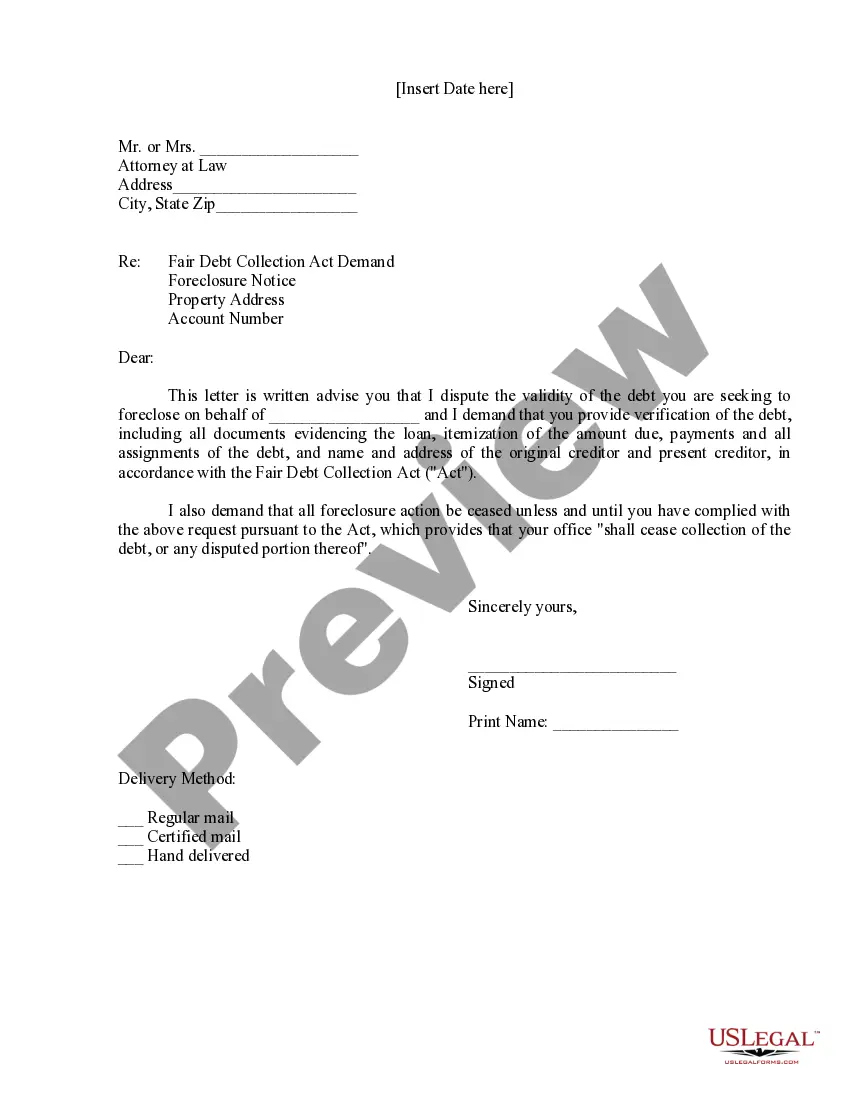
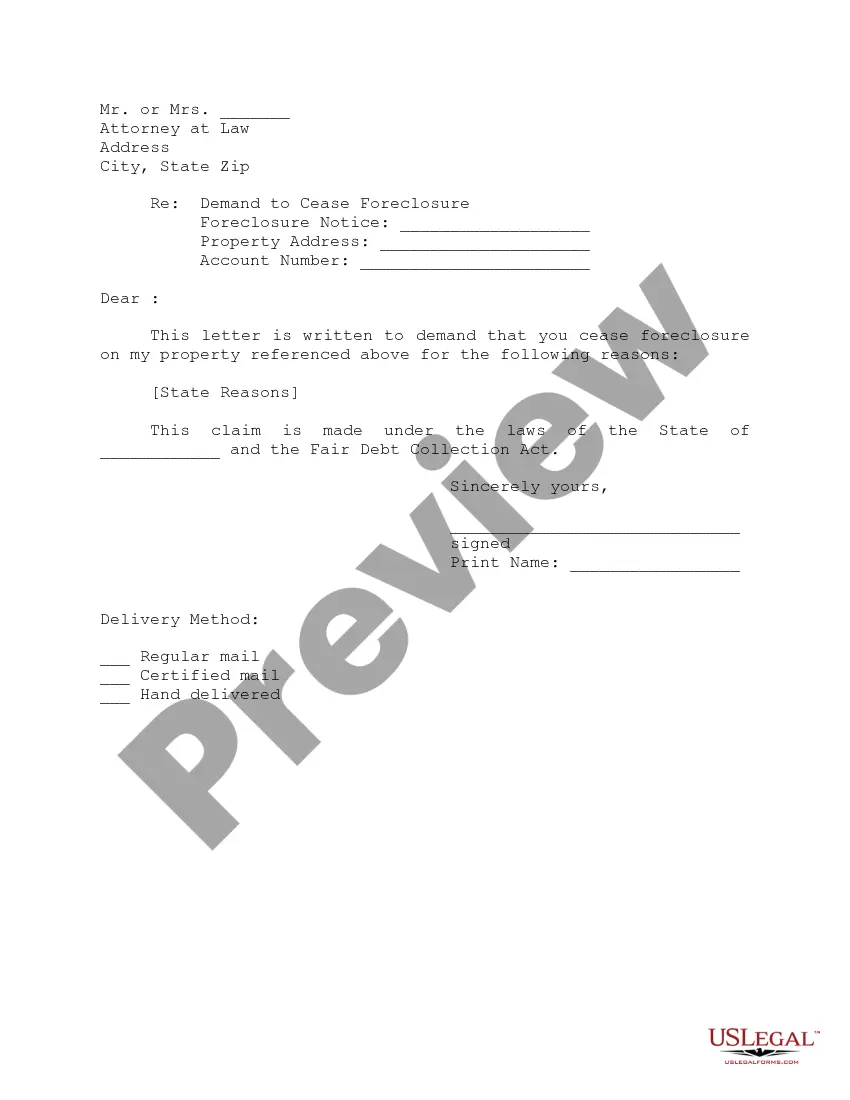
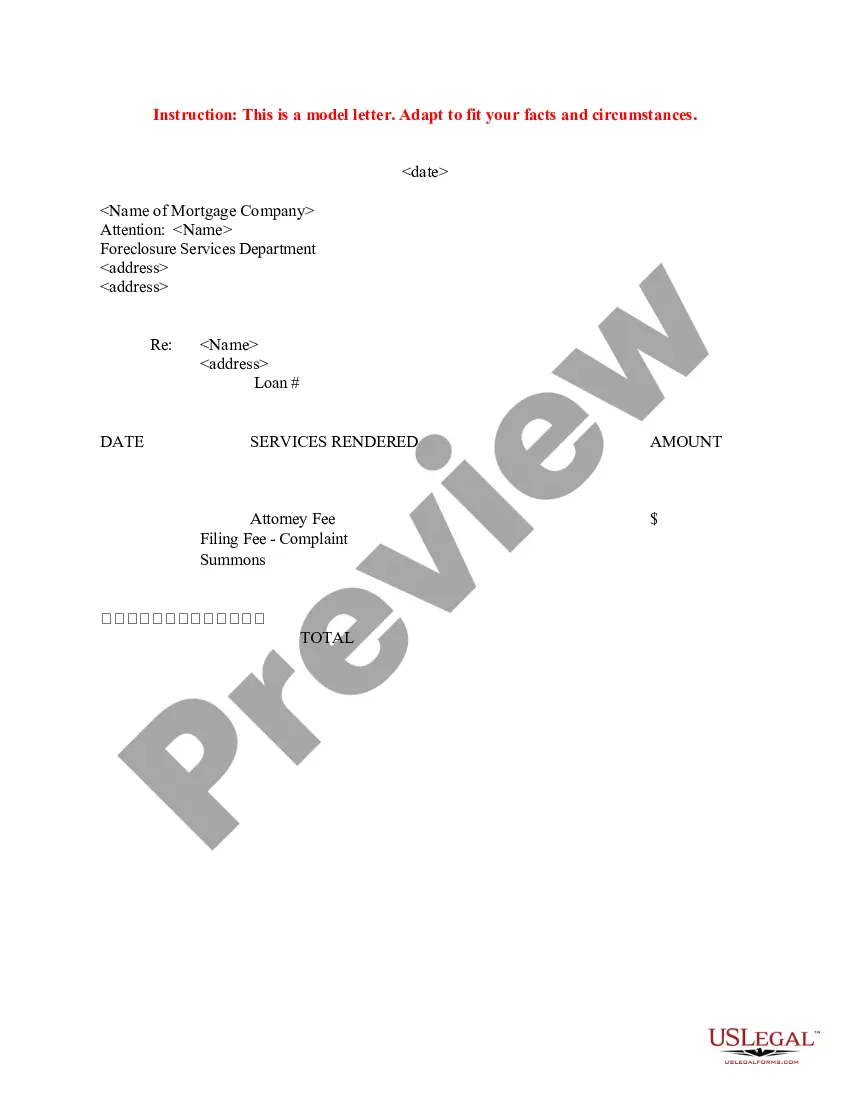
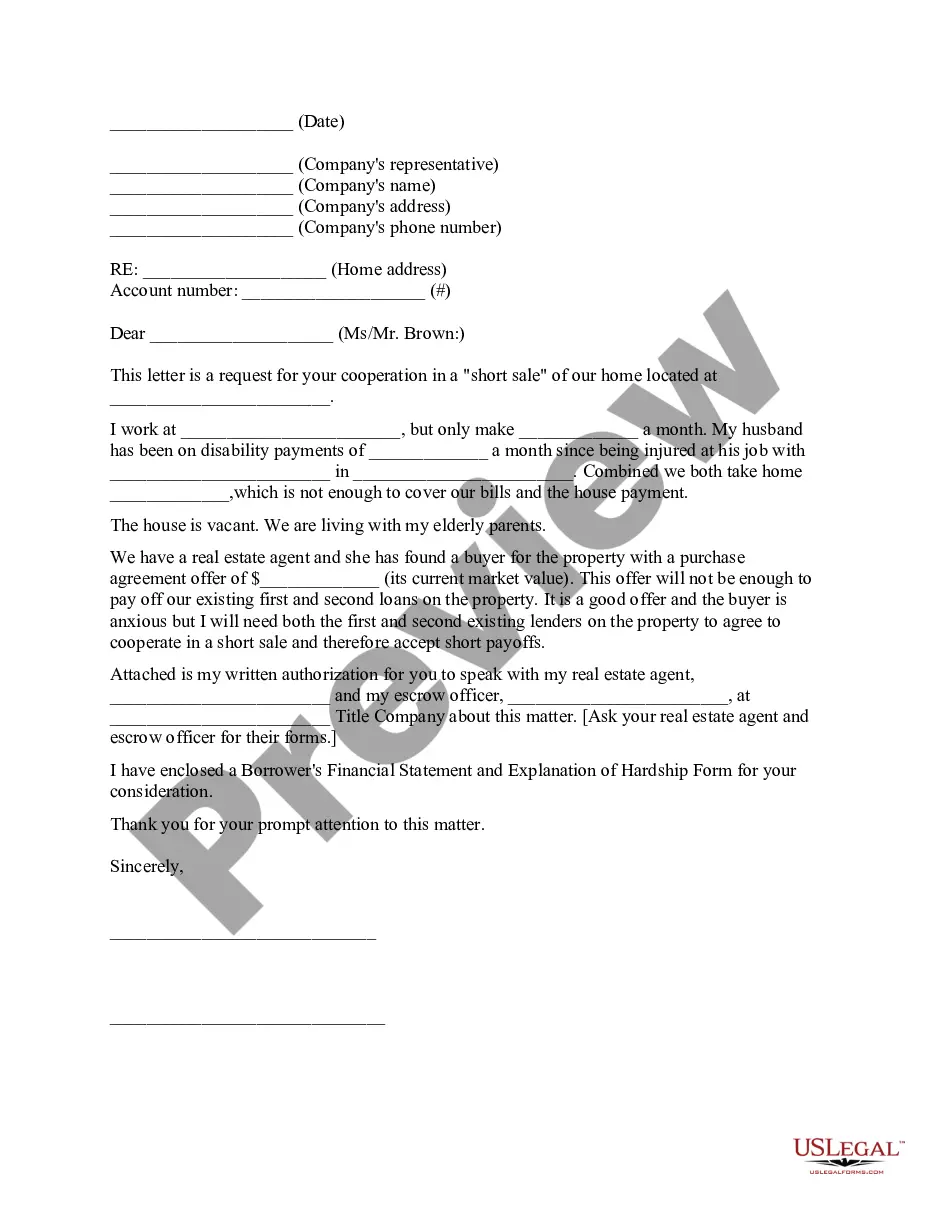
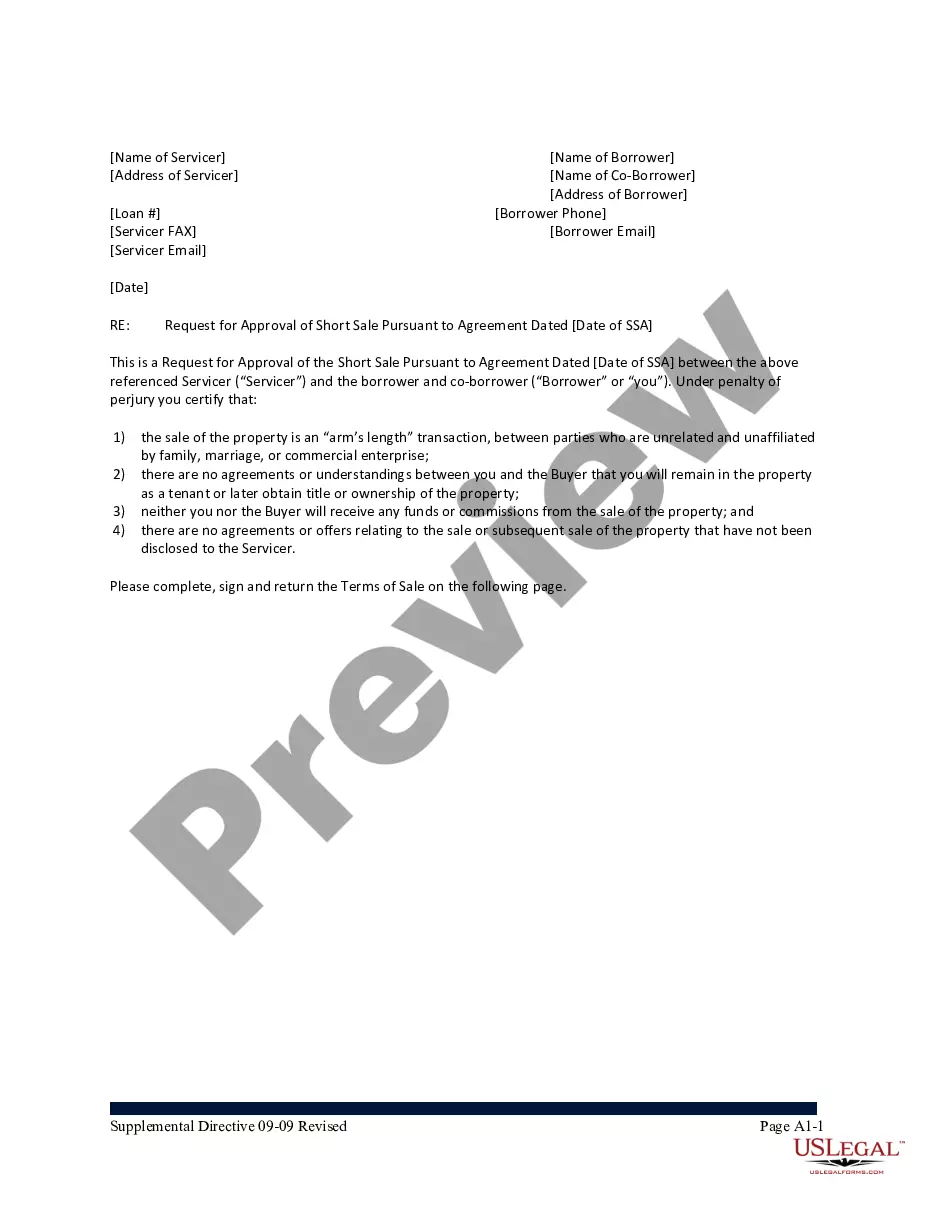
The Hardship Letter to Mortgagor or Lender to Prevent Foreclosure is a formal request sent to your lender, seeking assistance to avoid foreclosure on your home. This letter outlines your financial difficulties and requests options such as a loan modification, short sale, or forbearance. Unlike standard communication with your lender, this document is specifically designed to demonstrate your hardship and engage the lender's help in finding a resolution.
Main sections of this form
- Identification details of the sender and recipient
- Account and property information
- Detailed explanation of financial hardship
- Request for specific assistance options
- Enclosure of supporting financial documents
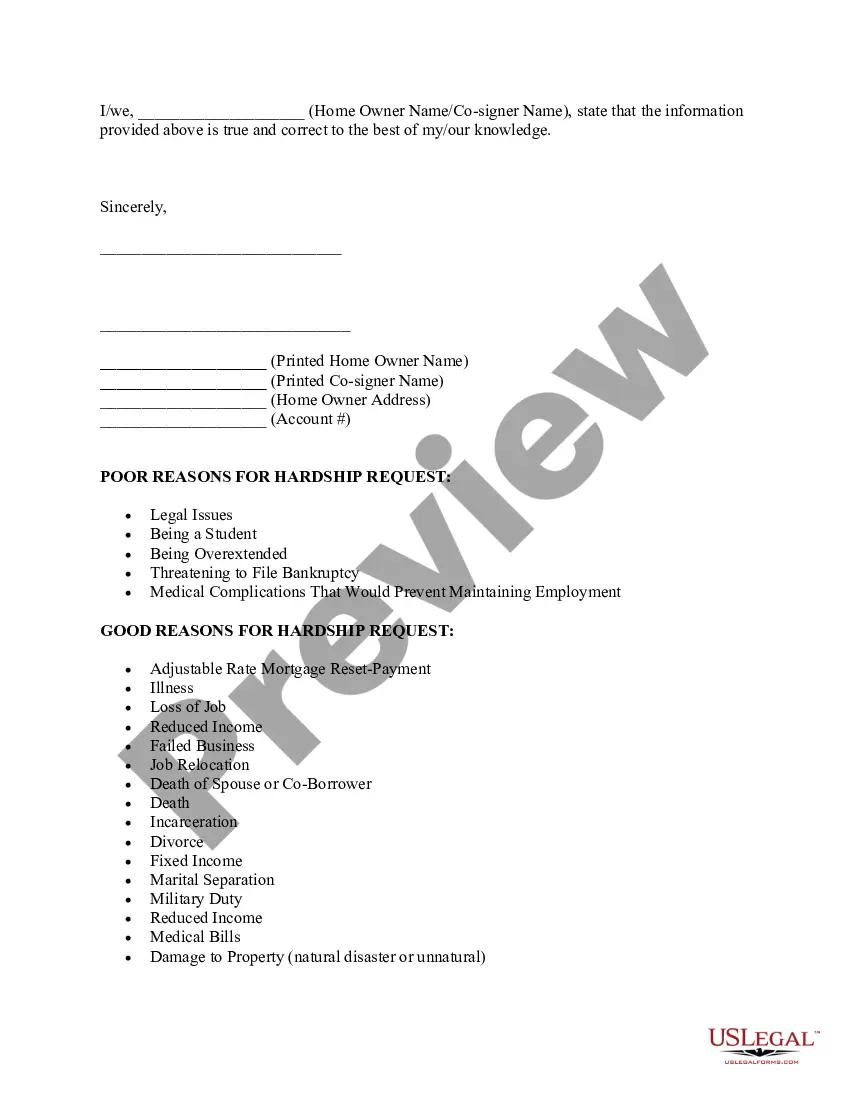
- Signatures of the homeowners
When to use this document
This form is essential when you are facing financial challenges that threaten your ability to keep your home. Use it in scenarios such as job loss, increased mortgage payments due to variable interest rates, medical emergencies, or any personal hardship that impacts your finances. Submitting this letter can help you initiate discussions with your lender about alternative solutions to foreclosure.
Who this form is for
This form is suitable for homeowners who are experiencing financial difficulties and may be at risk of foreclosure. It is intended for:
- Homeowners facing unexpected financial hardships
- Individuals seeking loan modification or alternative payment plans
- Families wanting to prevent foreclosure on their primary residence
- Persons looking to negotiate a short sale or forbearance agreement with their lender
Instructions for completing this form
- Fill in the sender's and recipient's identification details accurately.
- Provide the account and property information, including the mortgage account number.
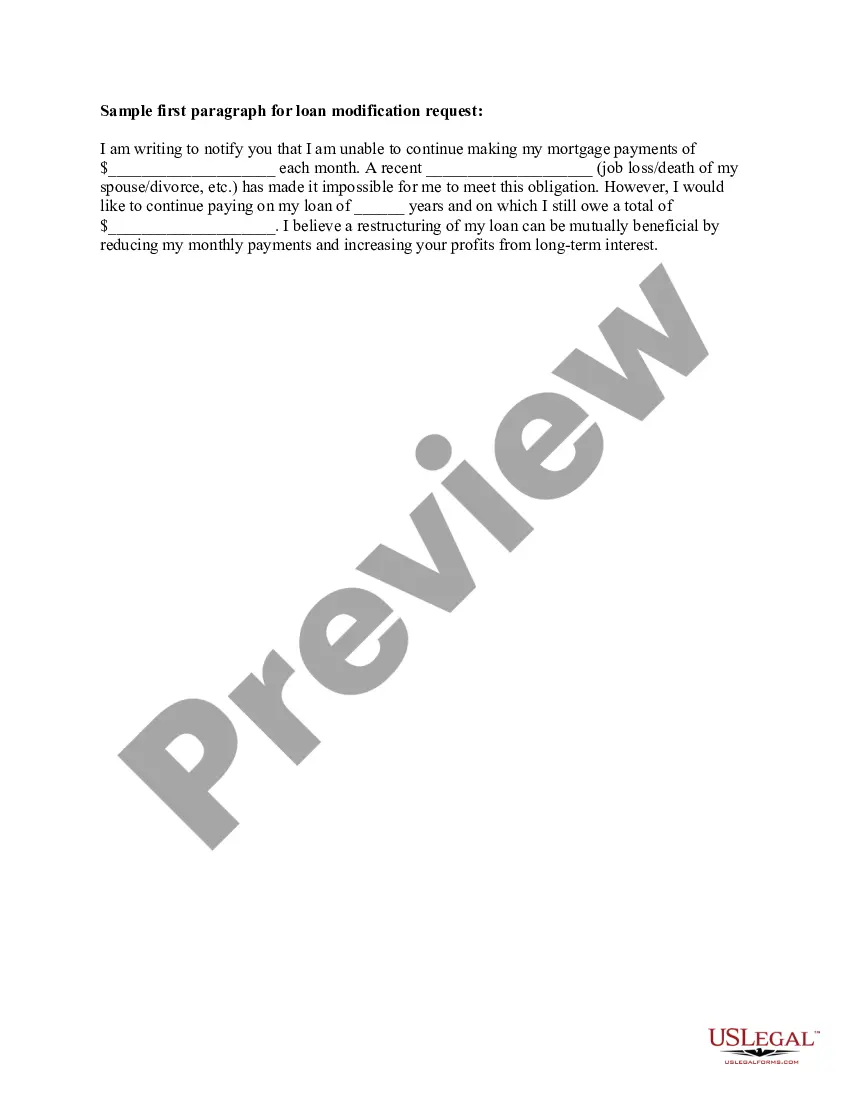
- Clearly describe your financial hardship, including any relevant circumstances.
- Select the type of assistance you are requesting from the lender.
- Compile and attach supporting financial documents that validate your hardship.
- Sign and date the letter, ensuring both homeowners' names are included if applicable.
Notarization guidance
This form does not typically require notarization to be legally valid. However, some jurisdictions or document types may still require it. US Legal Forms provides secure online notarization powered by Notarize, available 24/7 for added convenience.
Get your form ready online
Our built-in tools help you complete, sign, share, and store your documents in one place.
Make edits, fill in missing information, and update formatting in US Legal Forms—just like you would in MS Word.
Download a copy, print it, send it by email, or mail it via USPS—whatever works best for your next step.
Sign and collect signatures with our SignNow integration. Send to multiple recipients, set reminders, and more. Go Premium to unlock E-Sign.
If this form requires notarization, complete it online through a secure video call—no need to meet a notary in person or wait for an appointment.
We protect your documents and personal data by following strict security and privacy standards.

Make edits, fill in missing information, and update formatting in US Legal Forms—just like you would in MS Word.

Download a copy, print it, send it by email, or mail it via USPS—whatever works best for your next step.

Sign and collect signatures with our SignNow integration. Send to multiple recipients, set reminders, and more. Go Premium to unlock E-Sign.

If this form requires notarization, complete it online through a secure video call—no need to meet a notary in person or wait for an appointment.

We protect your documents and personal data by following strict security and privacy standards.
Typical mistakes to avoid
- Failing to include complete and accurate financial information.
- Not attaching relevant supporting documents.
- Using vague language instead of clearly stating the financial hardship.
- Neglecting to proofread for errors before submission.
- Addressing the letter to the wrong department or individual.
Advantages of online completion
- Convenient access to the template from anywhere, at any time.
- Editable format allows you to customize the letter to fit your specific situation.
- Legally vetted to ensure compliance with state requirements.
- Efficient document management saves time in printing and mailing.
What to keep in mind
- This letter is crucial for homeowners experiencing financial hardship.
- Clearly outline your situation and request specific assistance to avoid foreclosure.
- Include all necessary documentation to support your claims.
- Ensure accuracy and clarity in your communication with the lender.
Looking for another form?
Form popularity
FAQ
The Hardship Letter to Mortgagor or Lender to Prevent Foreclosure is a formal written request to your lender explaining financial hardship and asking for relief such as a loan modification, forbearance, or short sale to avoid foreclosure. It includes identification, account and property details, hardship explanation, requested relief, supporting documents, and homeowner signatures.
Qualifying hardship includes events that reduce income or increase expenses, such as job loss, reduced hours, medical emergencies, or other financial setbacks. The letter should clearly describe the hardship and attach supporting documents. The form itself is intended to help homeowners explain the hardship and request relief options like modification, forbearance, or short sale.
Begin with identification details, then describe the financial hardship and its impact on mortgage payments. State the specific relief sought (e.g., loan modification, forbearance, or short sale) and reference any attached documents. Sign and date the letter to formalize the request and start lender discussions.
An example would describe the homeowner’s hardship, provide account and property details, explain how income or expenses changed, request relief (modification, forbearance, or short sale), note that supporting documents are enclosed, and be signed by the homeowners. This mirrors the form’s main sections and purpose.
Clearly state the hardship and its effect on mortgage payments, request specific relief options (such as a modification, forbearance, or short sale), reference attached documents, and indicate willingness to provide additional information. Keep the tone respectful and factual to align with the form’s purpose.
This form is specifically designed to prevent foreclosure and engages the lender with a focused request for relief. It includes defined sections for identification, account and property data, hardship explanation, requested relief, and supporting documents, making it a foreclosure-focused document rather than a generic hardship letter.