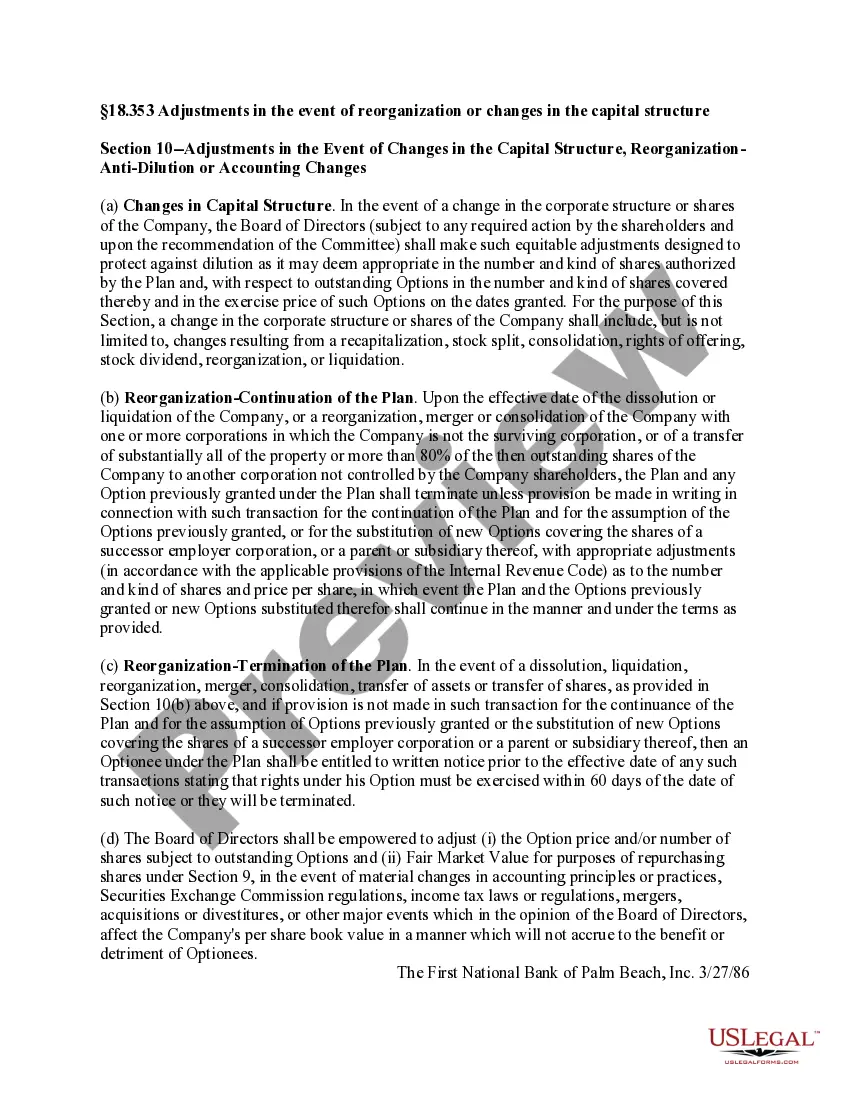
Adjustments in the event of reorganization or changes in the capital structure
About this form
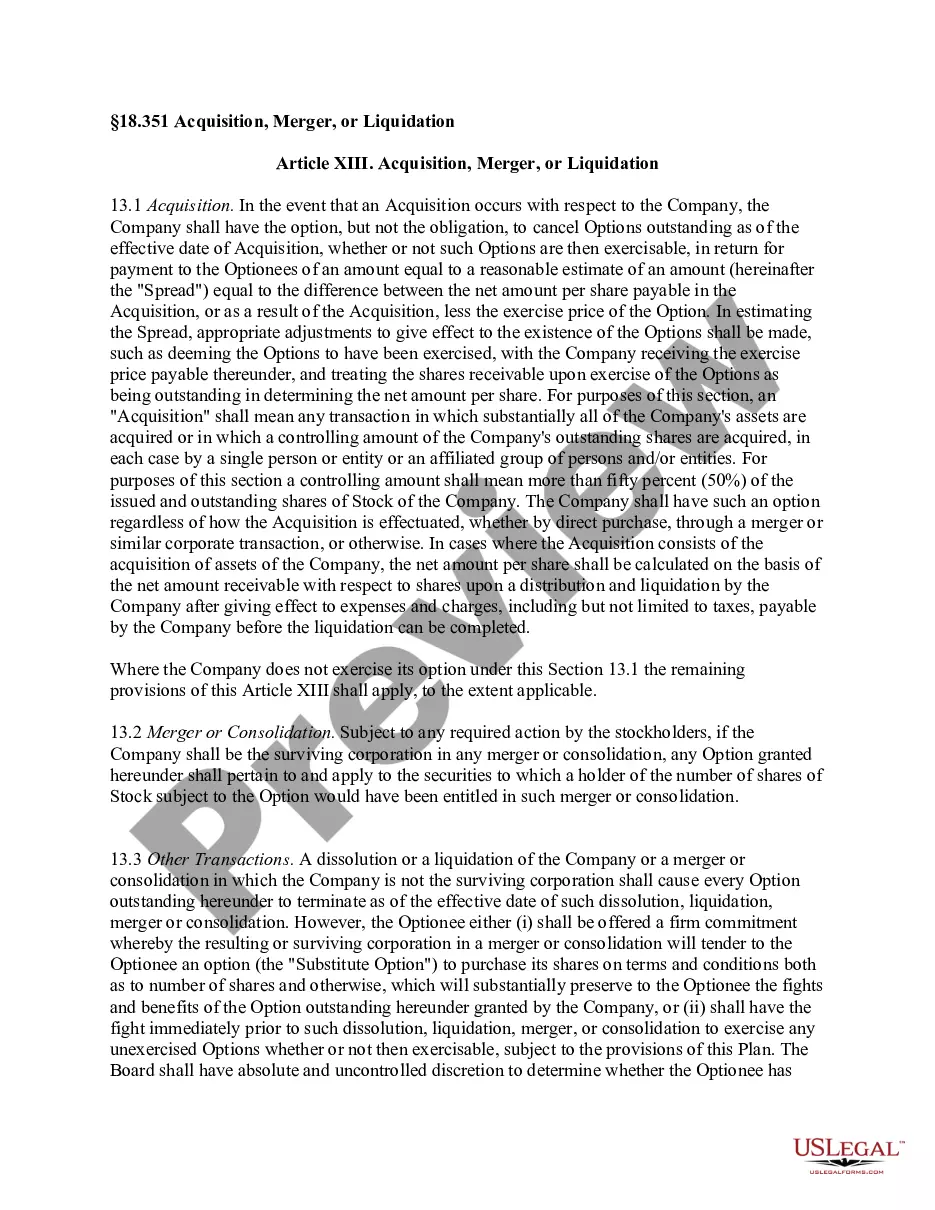
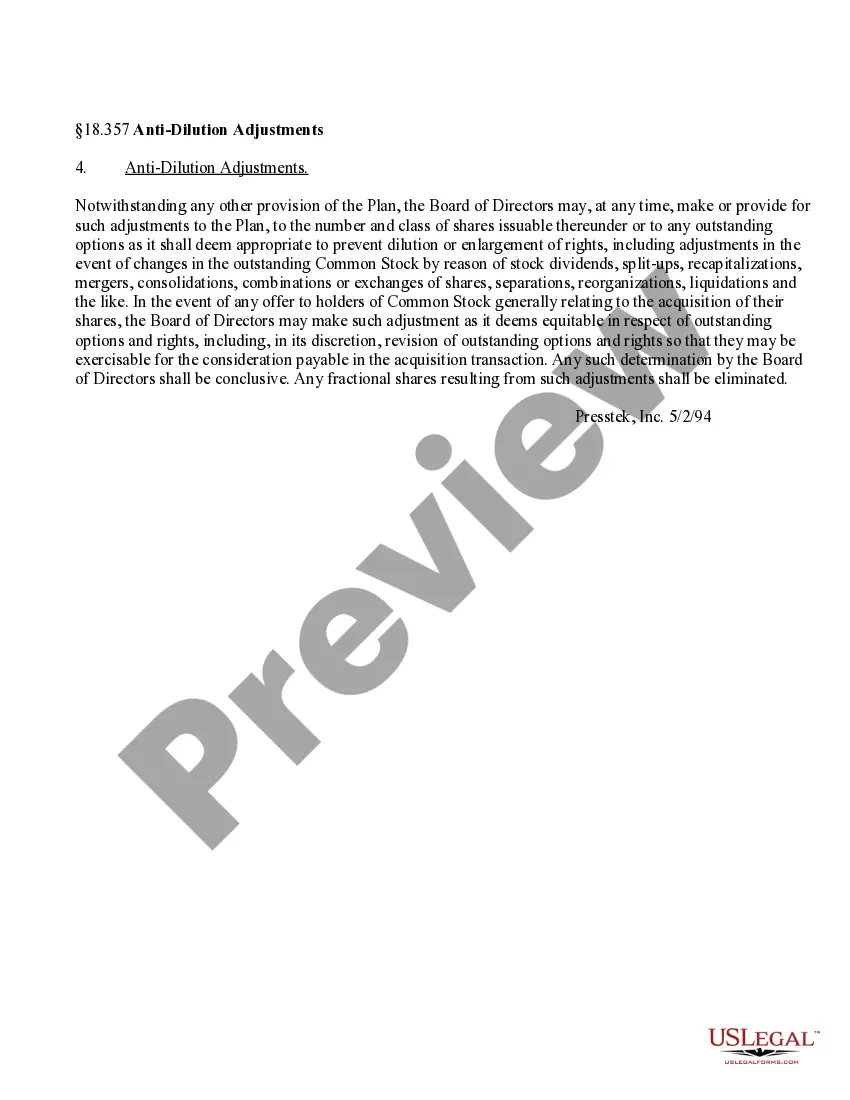
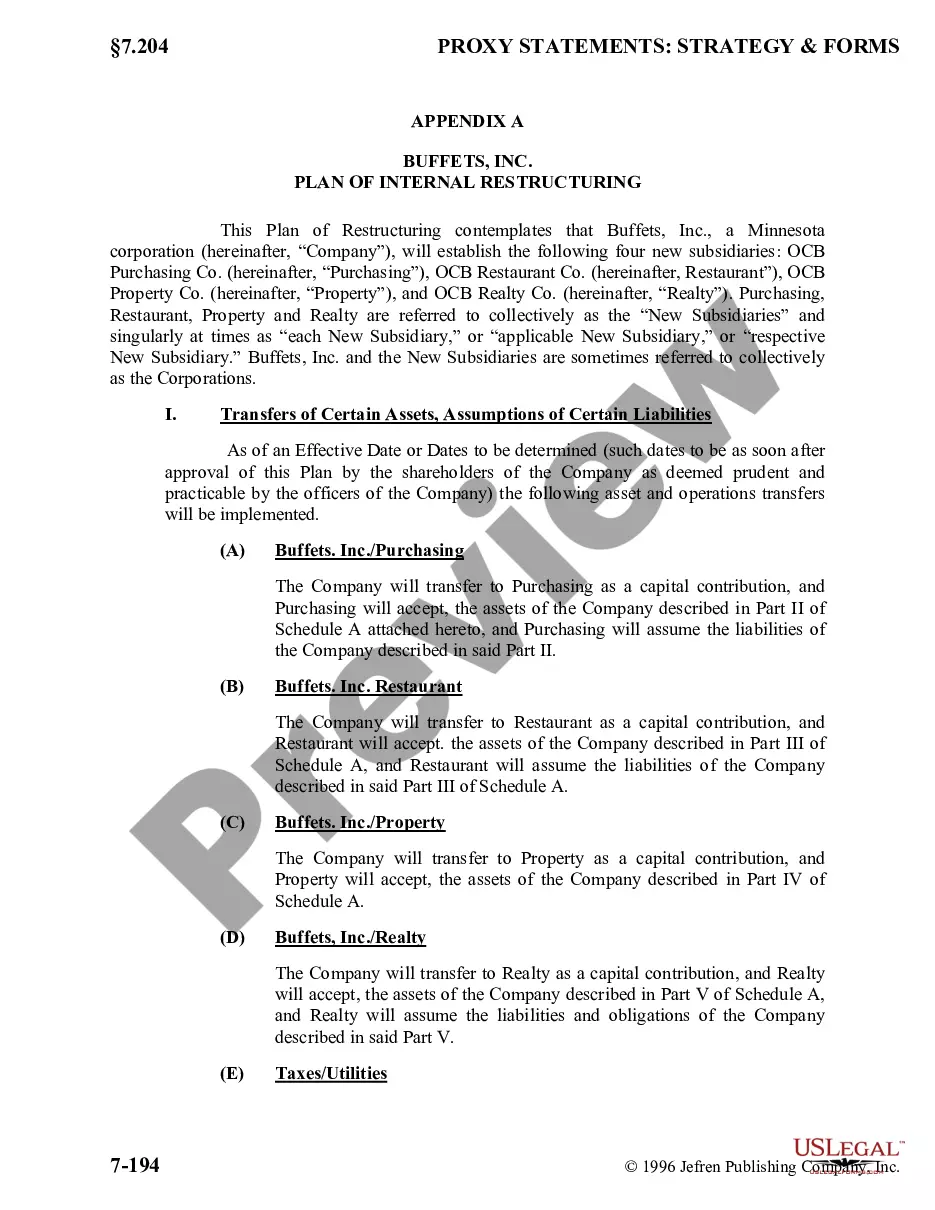
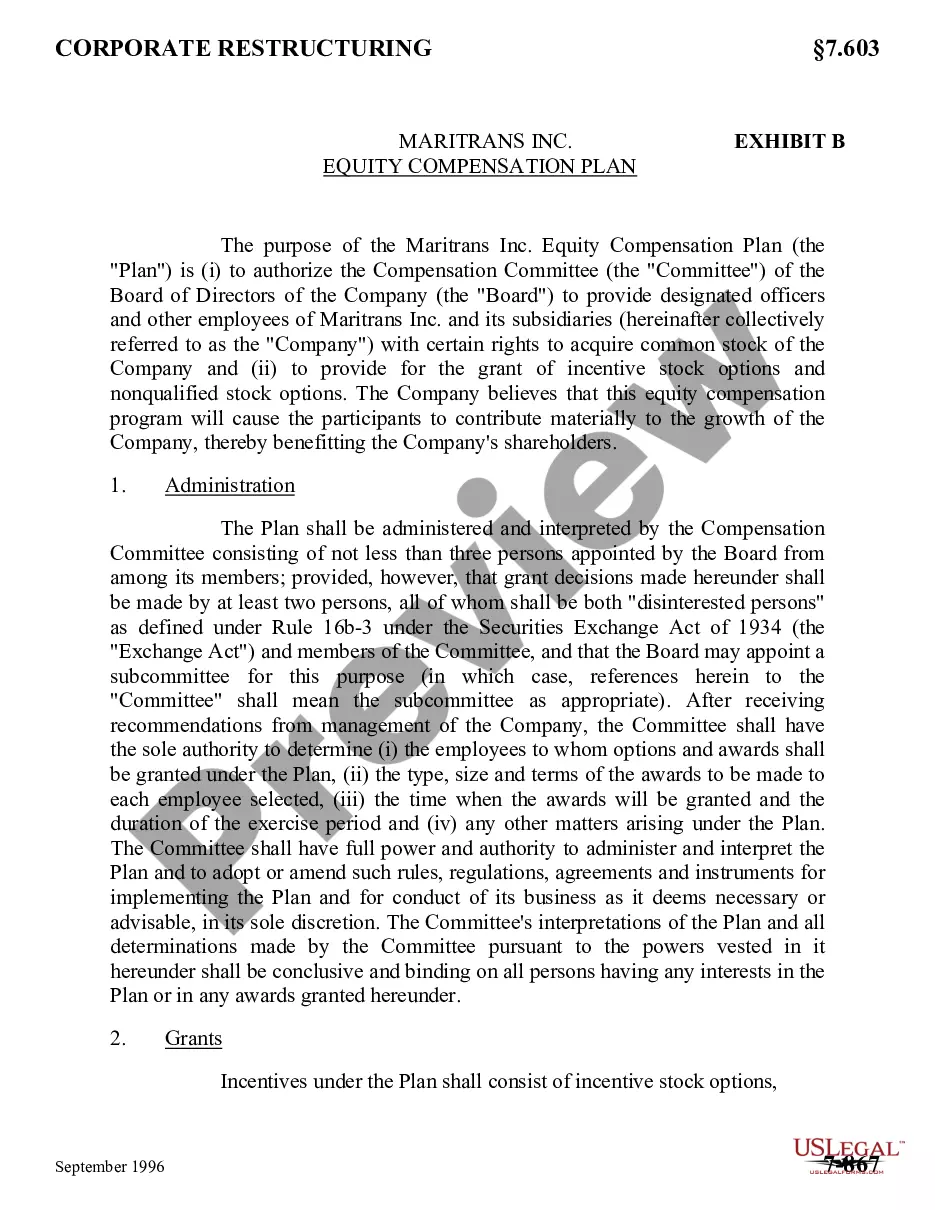
This form addresses adjustments in the event of reorganization or changes in the capital structure of a company. It outlines procedures for protecting shareholders and option holders from dilution when the company's capital structure changes. This is important for maintaining fair treatment during events like mergers, stock splits, and other significant corporate changes. Unlike other forms, it specifically targets anti-dilution measures and continuity provisions for options granted under a companyâs stock option plan.
Form components explained
- Adjustments to shares in response to changes in capital structure.
- Provisions for reorganization and continuation or termination of the plan.
- Equitable adjustments in option exercise prices and share counts.
- Notice requirements for option holders in the event of a transaction.
- Empowerment of the Board of Directors to make necessary adjustments.
When to use this form
This form should be utilized in scenarios where a company undergoes significant changes to its capital structure, including mergers, acquisitions, or other corporate reorganizations. Companies need this form when they wish to ensure that existing shareholders and option holders are treated fairly and that their rights are protected during these substantial changes. It is also essential when developing stock option plans that may be impacted by such events.
Who can use this document
This form is designed for:
- Corporate boards of directors looking to plan for changes in capital structure.
- Shareholders seeking to understand their rights during corporate reorganizations.
- Companies implementing or reviewing their stock option plans.
- Legal professionals advising clients on corporate structure changes.
Instructions for completing this form
- Review the current stock option plan and identify necessary adjustments.
- Document the specific changes to the corporate structure or capital.
- Consult the Board of Directors for recommendations on equitable adjustments.
- Notify option holders regarding their rights and any significant changes.
- Ensure proper legal compliance with applicable regulations and document all actions taken.
Does this document require notarization?
This form usually doesn’t need to be notarized. However, local laws or specific transactions may require it. Our online notarization service, powered by Notarize, lets you complete it remotely through a secure video session, available 24/7.
Get your form ready online
Our built-in tools help you complete, sign, share, and store your documents in one place.
Make edits, fill in missing information, and update formatting in US Legal Forms—just like you would in MS Word.
Download a copy, print it, send it by email, or mail it via USPS—whatever works best for your next step.
Sign and collect signatures with our SignNow integration. Send to multiple recipients, set reminders, and more. Go Premium to unlock E-Sign.
If this form requires notarization, complete it online through a secure video call—no need to meet a notary in person or wait for an appointment.
We protect your documents and personal data by following strict security and privacy standards.

Make edits, fill in missing information, and update formatting in US Legal Forms—just like you would in MS Word.

Download a copy, print it, send it by email, or mail it via USPS—whatever works best for your next step.

Sign and collect signatures with our SignNow integration. Send to multiple recipients, set reminders, and more. Go Premium to unlock E-Sign.

If this form requires notarization, complete it online through a secure video call—no need to meet a notary in person or wait for an appointment.

We protect your documents and personal data by following strict security and privacy standards.
Avoid these common issues
- Failing to notify option holders about changes in the capital structure.
- Not consulting legal counsel when drafting adjustments to the plan.
- Overlooking required shareholder approvals during reorganizations.
- Neglecting to adjust option prices or shares for dilution correctly.
Advantages of online completion
- Convenient access to legal forms tailored to your specific needs.
- Edit and customize the form as required for your unique circumstances.
- Reliable templates based on attorney-drafted standards, ensuring legal soundness.
- Instant download allows for immediate use in your business transactions.
Legal use & context
- This form is essential for ensuring fair treatment during capital structure changes.
- It helps protect the rights of shareholders and option holders under specific circumstances.
- Proper use ensures compliance with federal regulations regarding stock options.
What to keep in mind
- This form is vital for managing adjustments during corporate reorganizations.
- It provides mechanisms to protect against shareholder dilution.
- Users must ensure proper notification and legal compliance when using this form.
Looking for another form?

Form popularity
FAQ
Capital Structure is referred to as the ratio of different kinds of securities raised by a firm as long-term finance. The capital structure involves two decisions- Type of securities to be issued are equity shares, preference shares and long term borrowings (Debentures).
Corporate restructuring is an action taken by the corporate entity to modify its capital structure or its operations significantly.
The capital structure is the particular combination of debt and equity used by a company to finance its overall operations and growth.Debt comes in the form of bond issues or loans, while equity may come in the form of common stock, preferred stock, or retained earnings.
Equity Capital. Equity capital is the money owned by the shareholders or owners. Debt Capital. Debt capital is referred to as the borrowed money that is utilised in business. Optimal Capital Structure. Financial Leverage. Importance of Capital Structure.
The only way any decision can change the value of operations is by changing either expected free cash flows or the cost of capital. Business Risk. Business Risk. F/P - V. The higher the fixed costs, the higher the operating leverage and the higher the operating leverage, the higher the business risk.
A firm's capital structure is the composition or 'structure' of its liabilities. For example, a firm that has $20 billion in equity and $80 billion in debt is said to be 20% equity-financed and 80% debt-financed. The firm's ratio of debt to total financing, 80% in this example, is referred to as the firm's leverage.
Theoretically, restructuring leads to a more efficient and modernized entity, however it may lead as well to the deletion of jobs and the layoff of personnel. The procedure of restructuring generally focuses on problems with financing debt and very often, involves selling portions of the company to investors.
Reorganization, or business restructuring, is a process where a company does an overhaul of its current strategy, setup, and operations.A successful company restructure can result in increased profits, operational efficiency, and debt paydown.
Capital restructuring involves changing the amount of leverage a firm has without changing the firm's assets. The firm can increase leverage by issuing debt and repurchasing outstanding shares. The firm can decrease leverage by issuing new shares and retiring outstanding debt.