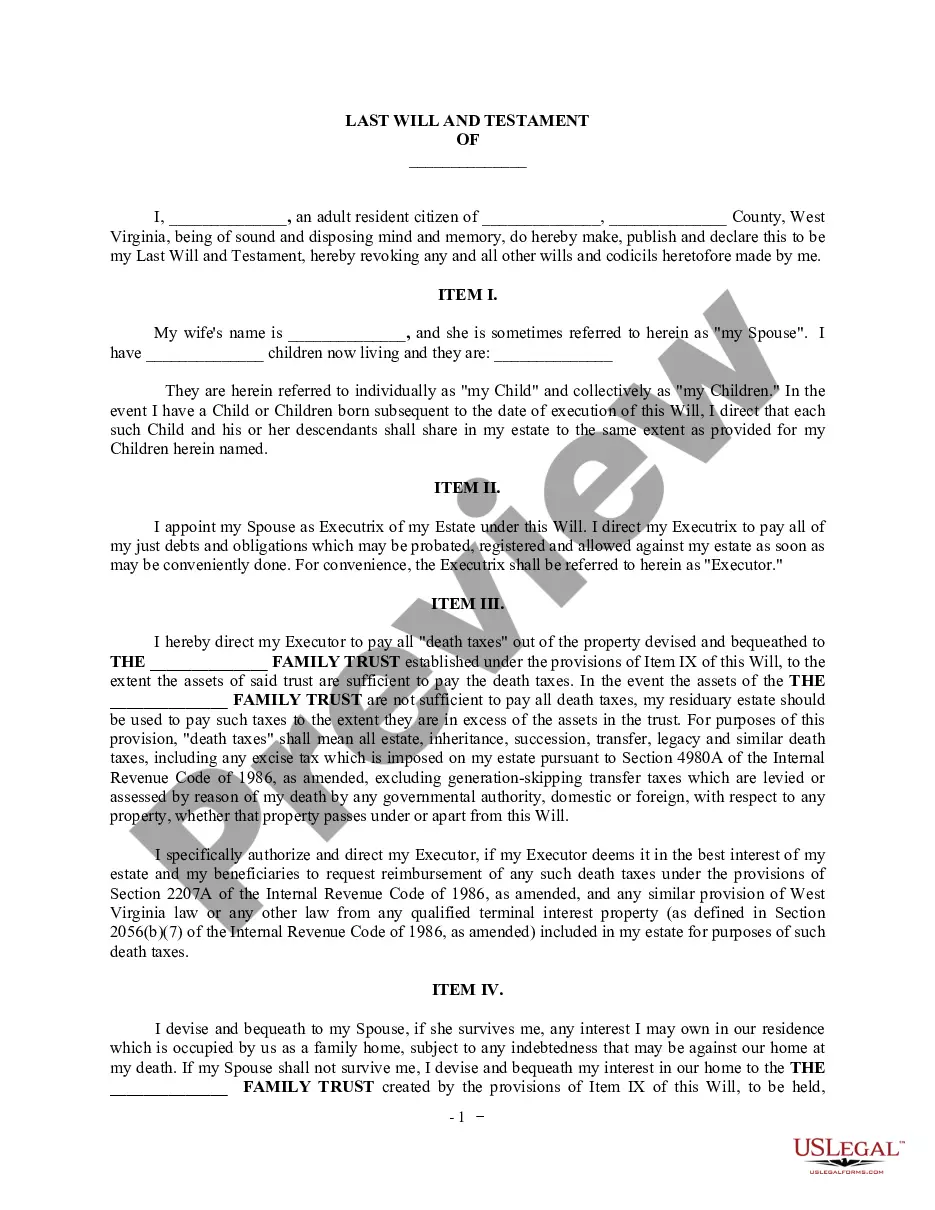
Employment Agreement General Form
Understanding this form
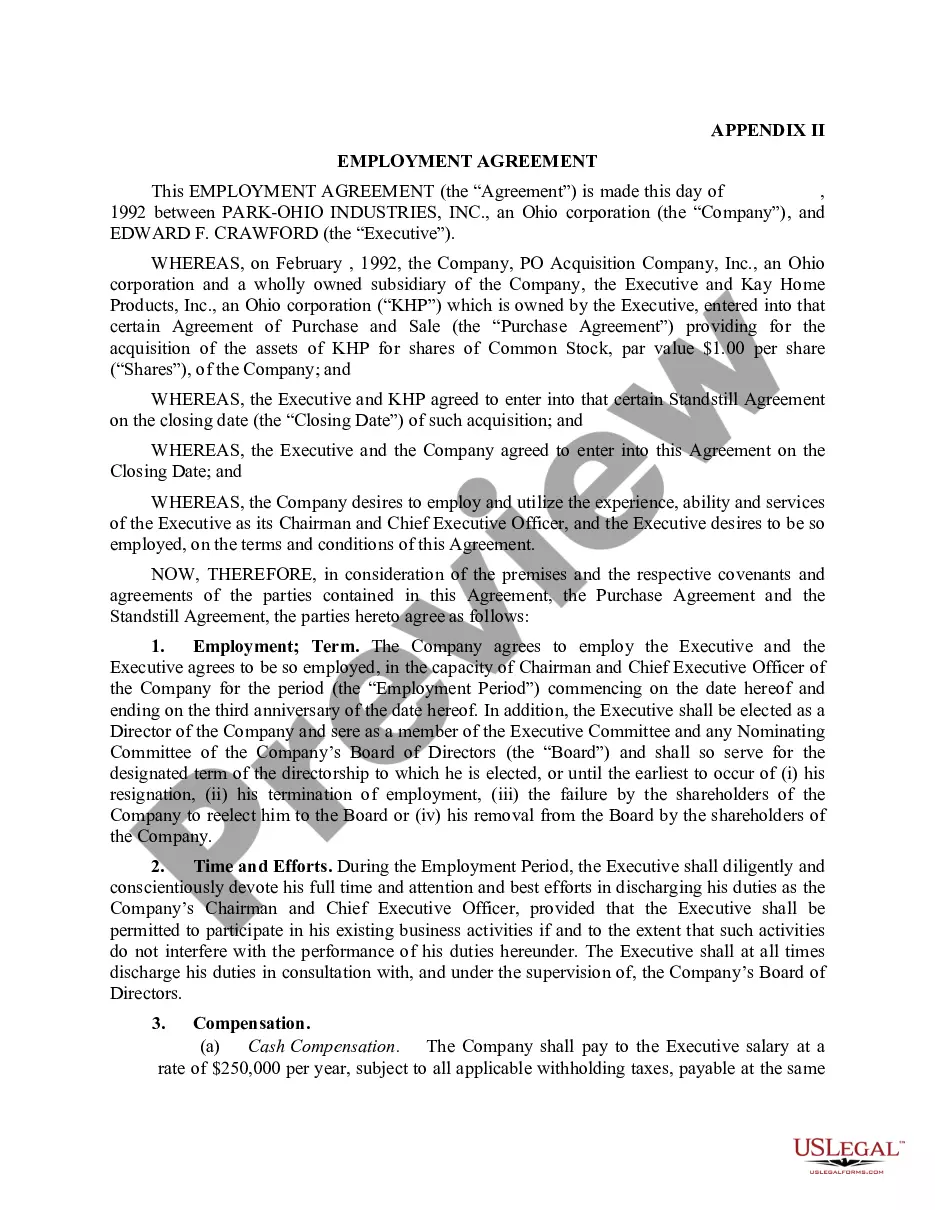
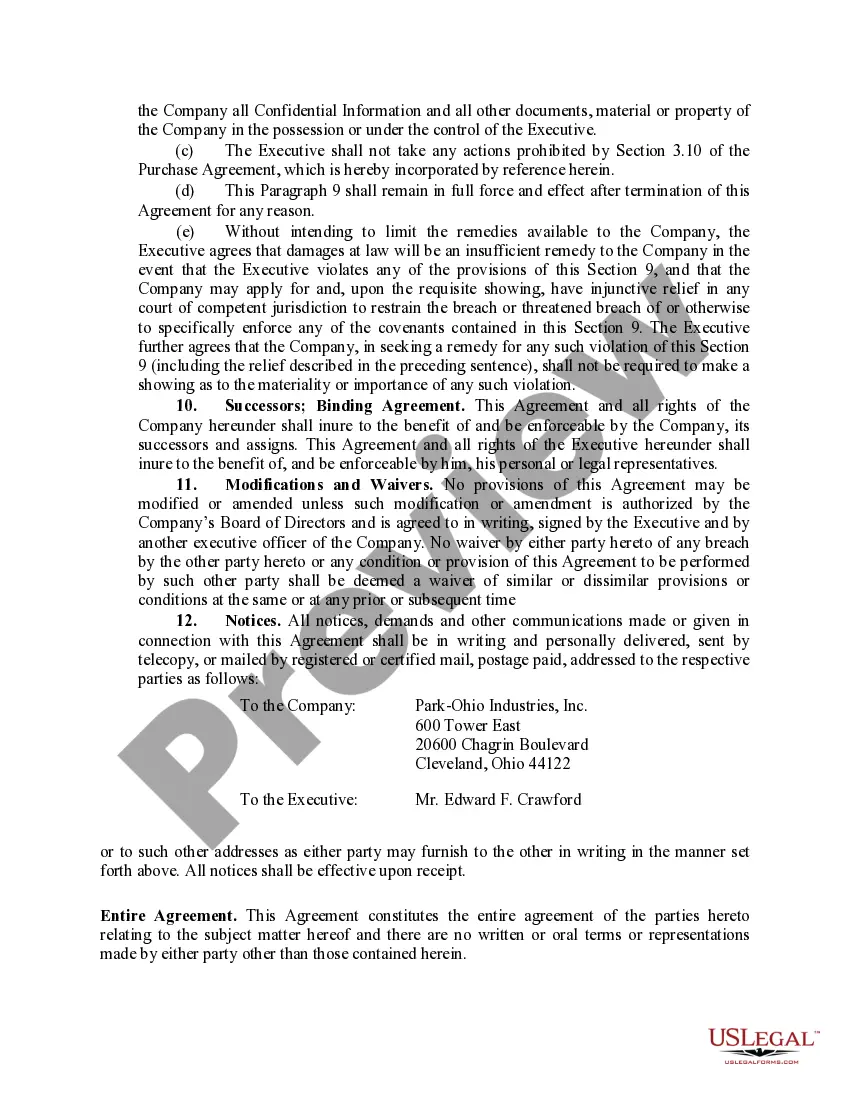
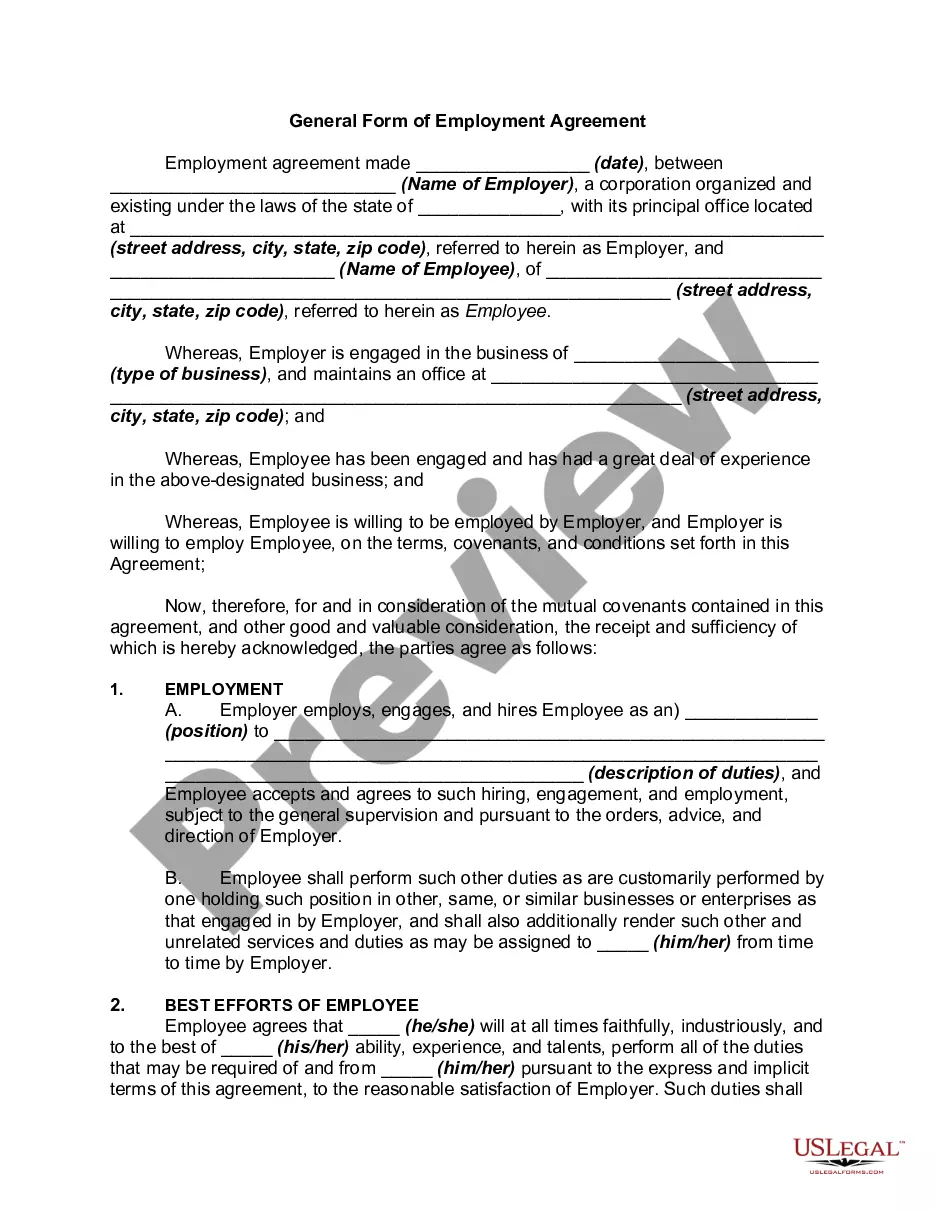
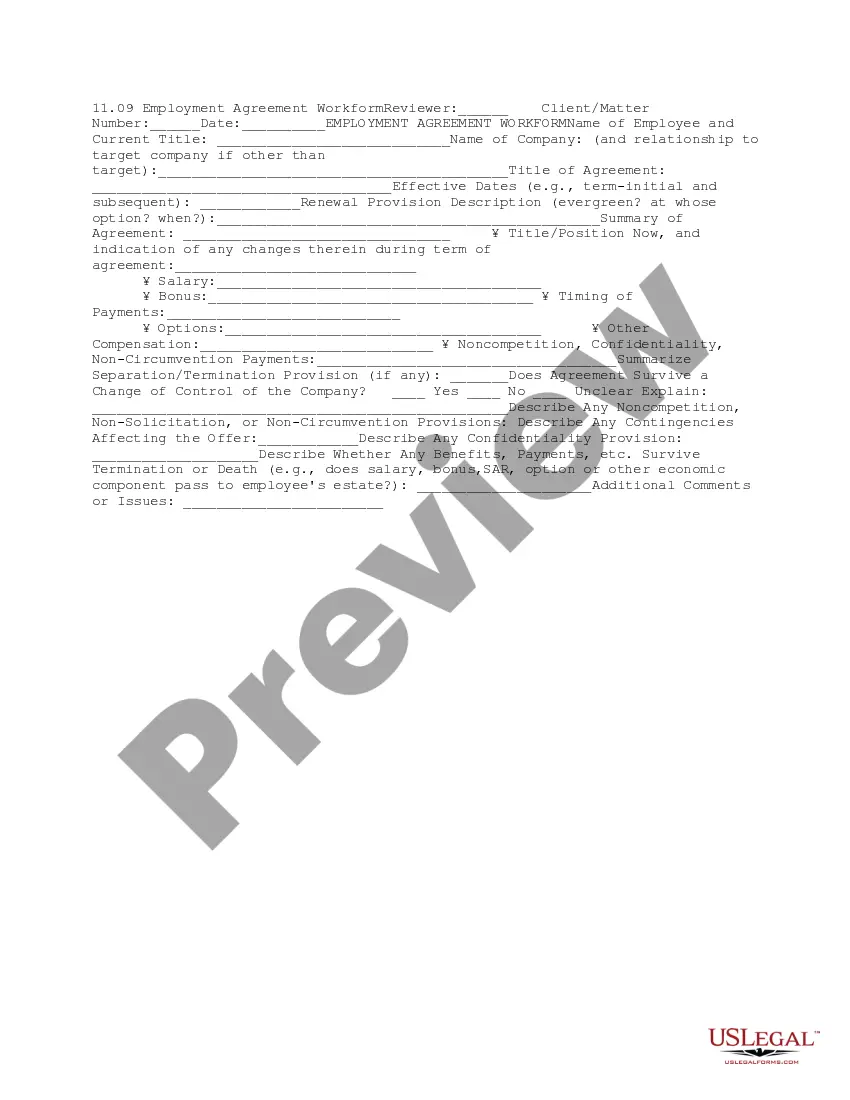
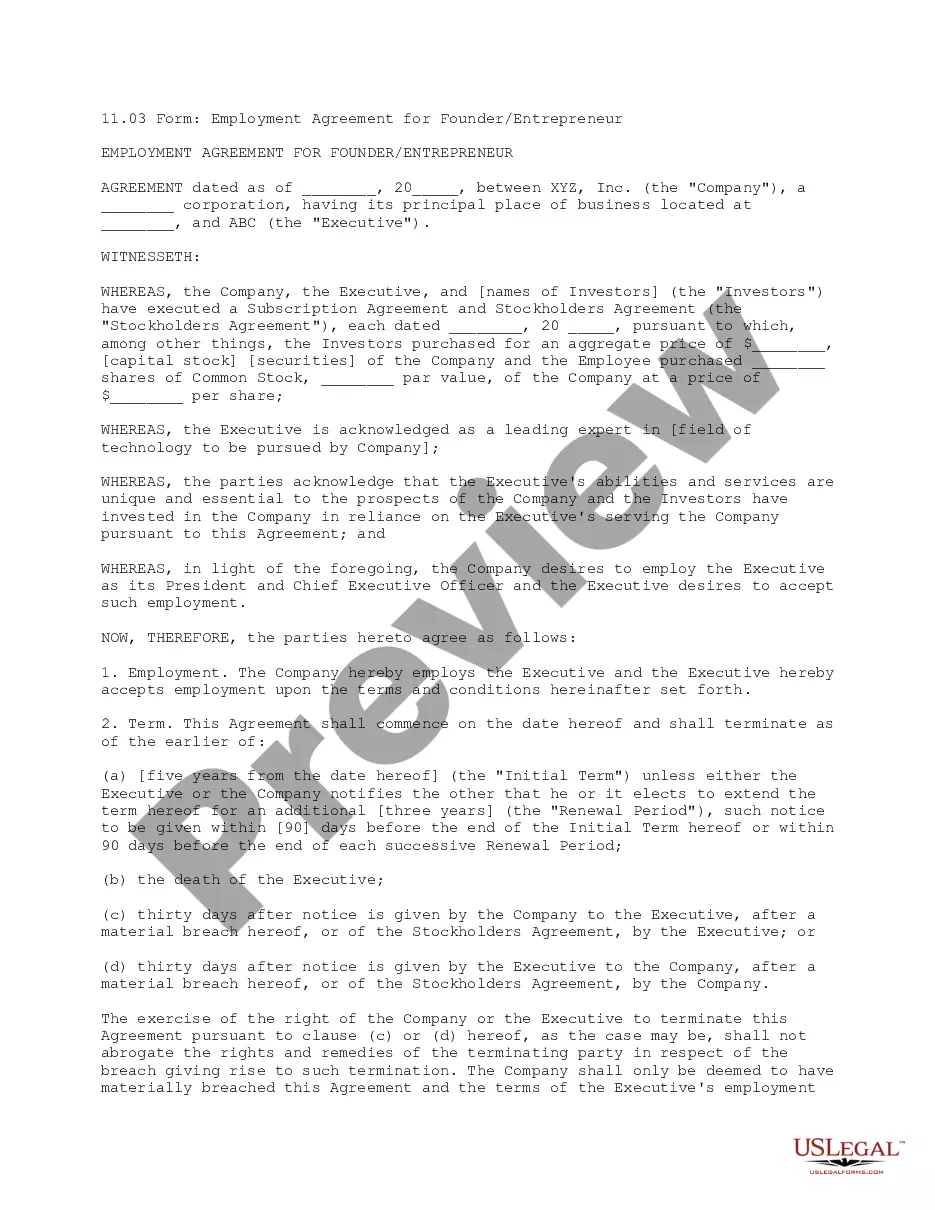
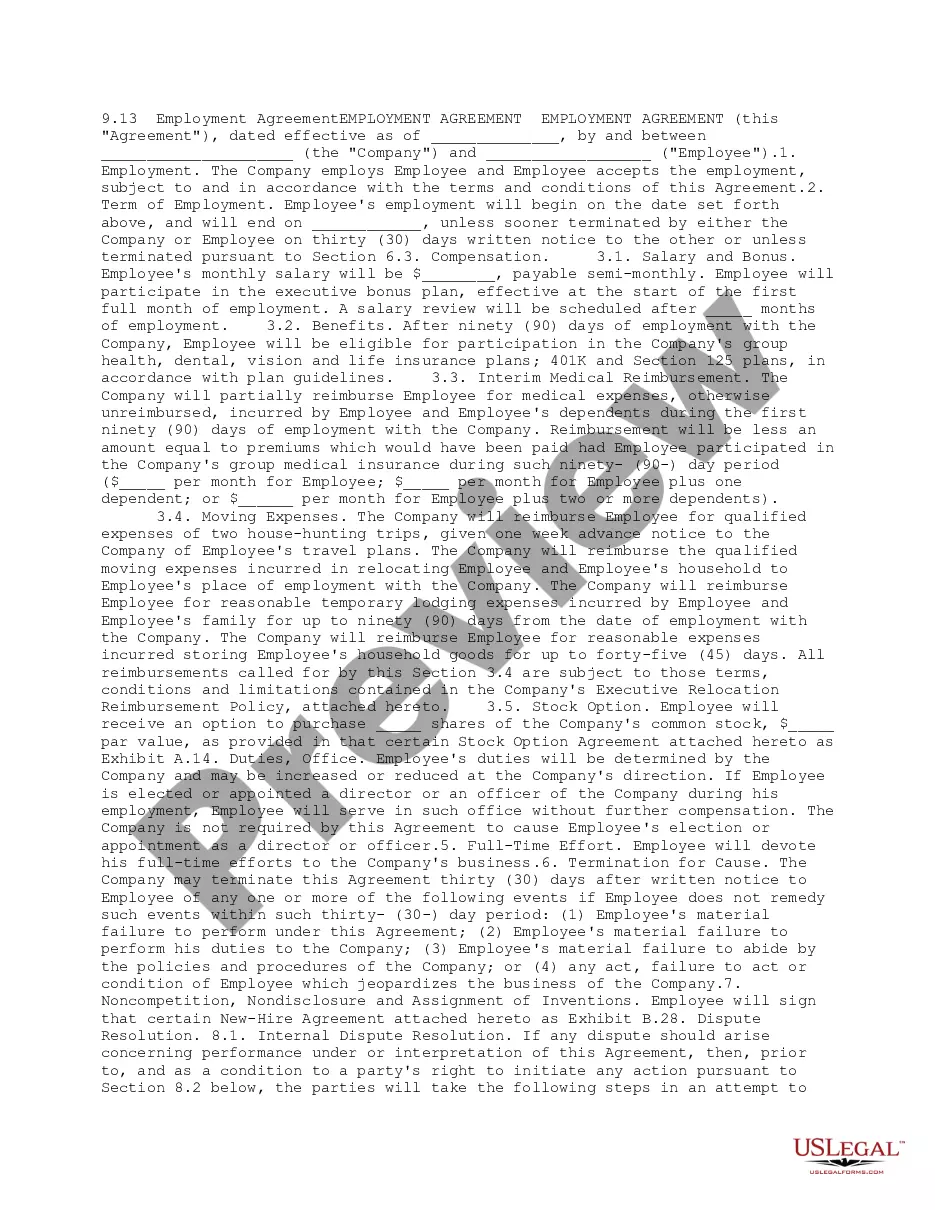
This Employment Agreement is a legal document outlining the terms and conditions of employment between an employer and an employee. It serves as a model to create clear expectations for job responsibilities, compensation, and duration of employment. Unlike other contracts, this general employment agreement is adaptable, enabling both parties to modify it according to their unique needs and circumstances.
Key components of this form
- Employment term detailing the duration of the employment relationship.
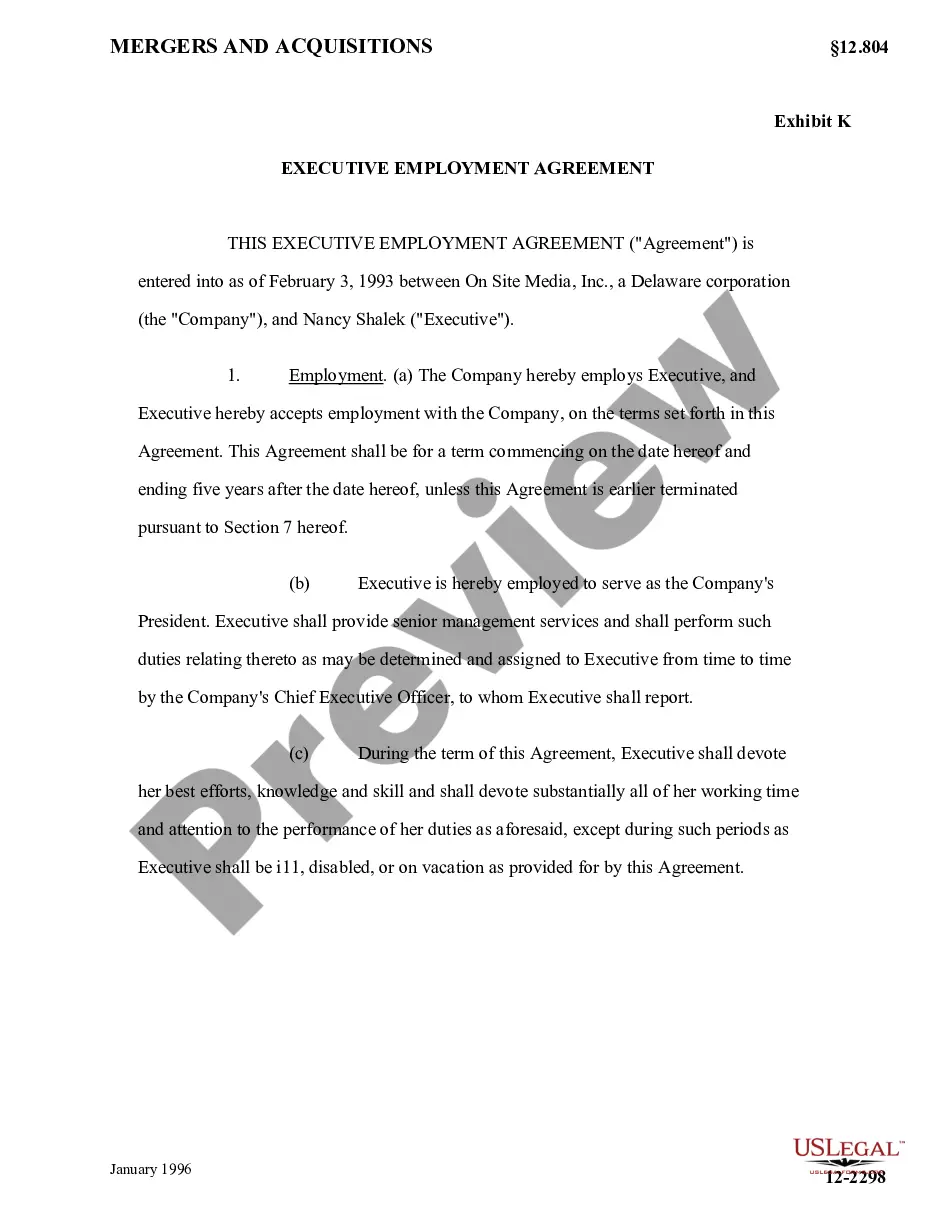
- Job responsibilities and expectations for the Executive.
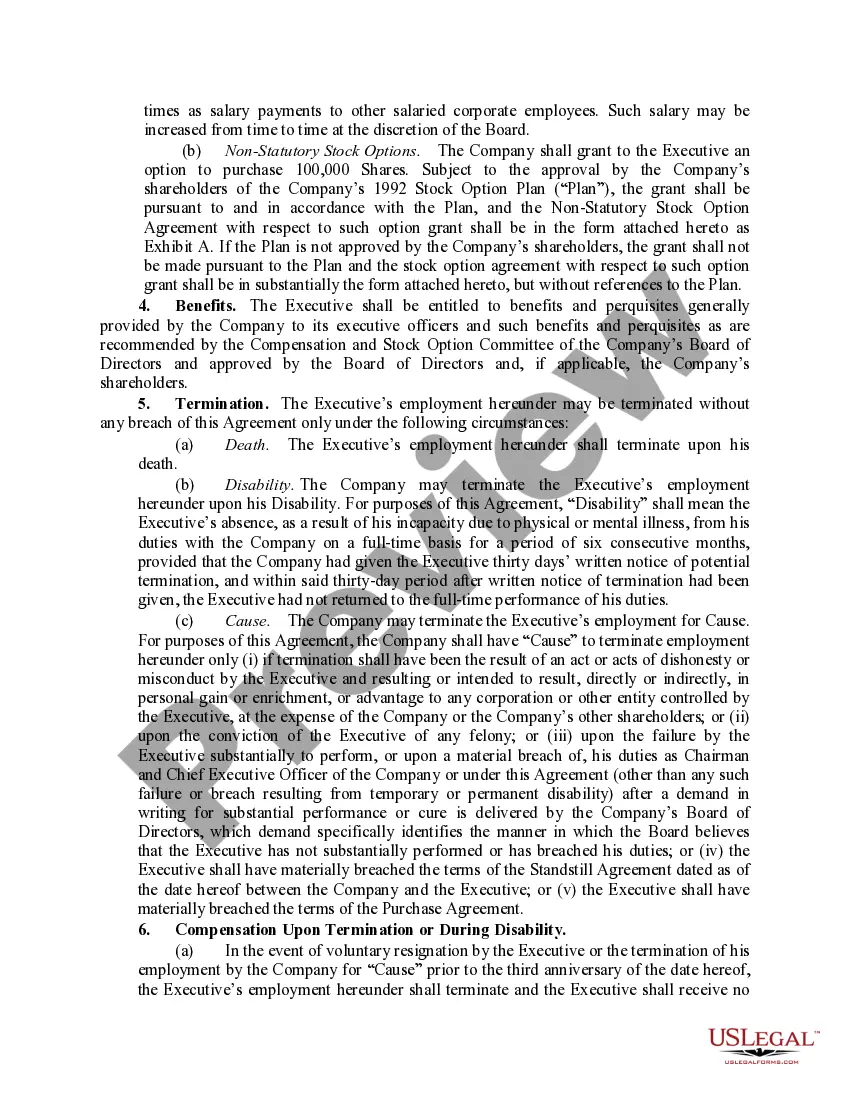
- Compensation structure including salary and stock options.
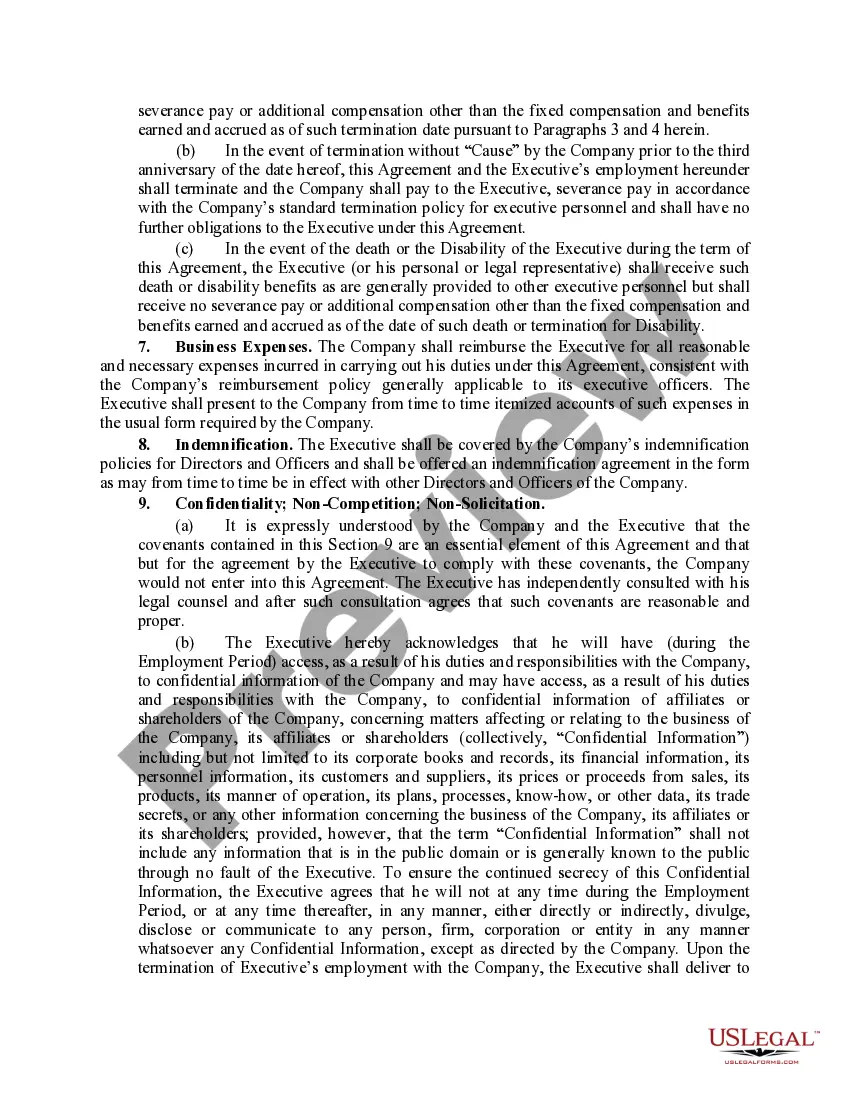
- Conditions of termination, including for cause, disability, or death.
- Confidentiality, non-competition, and non-solicitation clauses to protect company interests.
- Indemnification policies ensuring protection for the Executive.
Situations where this form applies
This Employment Agreement should be used when hiring or engaging an executive-level employee, such as a CEO or senior manager. It is particularly useful in establishing a formal relationship and ensuring that both the employer and the executive agree on their rights and responsibilities, including compensation and job performance expectations.
Who should use this form
- Employers seeking to hire executive-level personnel.
- Business owners establishing employment terms with key hires.
- Human resources professionals drafting employment contracts for executives.
- Executives looking to formalize their employment terms with potential employers.
How to prepare this document
- Identify the parties involved: employer and employee, including their legal names and addresses.
- Specify the duration of the employment and any terms related to renewals or end dates.
- Detail the compensation structure, including salary and benefits.
- Include any specific responsibilities and expectations of the executive's role.
- Outline the conditions under which the agreement can be terminated.
- Ensure all parties sign and date the agreement for it to be legally binding.
Notarization requirements for this form
Notarization is generally not required for this form. However, certain states or situations might demand it. You can complete notarization online through US Legal Forms, powered by Notarize, using a verified video call available anytime.
Get your form ready online
Our built-in tools help you complete, sign, share, and store your documents in one place.
Make edits, fill in missing information, and update formatting in US Legal Forms—just like you would in MS Word.
Download a copy, print it, send it by email, or mail it via USPS—whatever works best for your next step.
Sign and collect signatures with our SignNow integration. Send to multiple recipients, set reminders, and more. Go Premium to unlock E-Sign.
If this form requires notarization, complete it online through a secure video call—no need to meet a notary in person or wait for an appointment.
We protect your documents and personal data by following strict security and privacy standards.

Make edits, fill in missing information, and update formatting in US Legal Forms—just like you would in MS Word.

Download a copy, print it, send it by email, or mail it via USPS—whatever works best for your next step.

Sign and collect signatures with our SignNow integration. Send to multiple recipients, set reminders, and more. Go Premium to unlock E-Sign.

If this form requires notarization, complete it online through a secure video call—no need to meet a notary in person or wait for an appointment.

We protect your documents and personal data by following strict security and privacy standards.
Common mistakes to avoid
- Failing to specify the employment term clearly.
- Omitting specific responsibilities and expectations related to the role.
- Not consulting legal counsel before finalizing terms.
- Neglecting to include compensation details, particularly stock options.
Why use this form online
- Convenience of accessing and downloading the form at any time.
- Editable templates that allow customization according to specific needs.
- Reliability of forms drafted by licensed attorneys for legal adherence.
Looking for another form?




Form popularity
FAQ
If you didn't use a job description, take an hour to sit down and write out the duties you want your employee to perform. Be as specific as possible. The job description also should have included the target wage. You should consider whether or not you are paying a fair rate.
Company Name. Nature of Work: Your duty hours will be 40 hours a week. Salary & Benefits: You will be drawing a salary of $8000 per month. Rules & Regulations: The company expects you to stick to all the rules and regulations effective at the time of your employment.
Fixed price contracts. With a fixed price contract the buyer (that's you) doesn't take on much risk. Cost-reimbursable contracts. With a cost-reimbursable contract you pay the vendor for the actual cost of the work. Time and materials contracts.
Types of Employment Contracts: Permanent employment, temporary employment and independent contractors.
Contact information for both parties. Location/state whose laws apply to the agreement. Terms and conditions of the business relationship. Terms of payment. Start date of the agreement. End date of the agreement.
Contract Types Overview. Express and Implied Contracts. Unilateral and Bilateral Contracts. Unconscionable Contracts. Adhesion Contracts. Aleatory Contracts. Option Contracts. Fixed Price Contracts.
Add employment details. Agreement to employers policies, rules & regulations. Mention position related responsibilities. Compensation package. Vacation contract. Employee benefits contract. Add probation period details. Performance reviews. Termination.
There are three types of employment status: employee, worker and self-employed. The three are often not in practice used correctly and the difference is not always known.
When you write a contract letter, you should include the following: the position title, company name, starting date, employee's status as full-time or part-time, their status as exempt or non-exempt (relating to overtime pay), salary amount, timing of payment, a summary of company benefits, details about paid time off,