Sample Letter for Right to Sue Letter
What this document covers
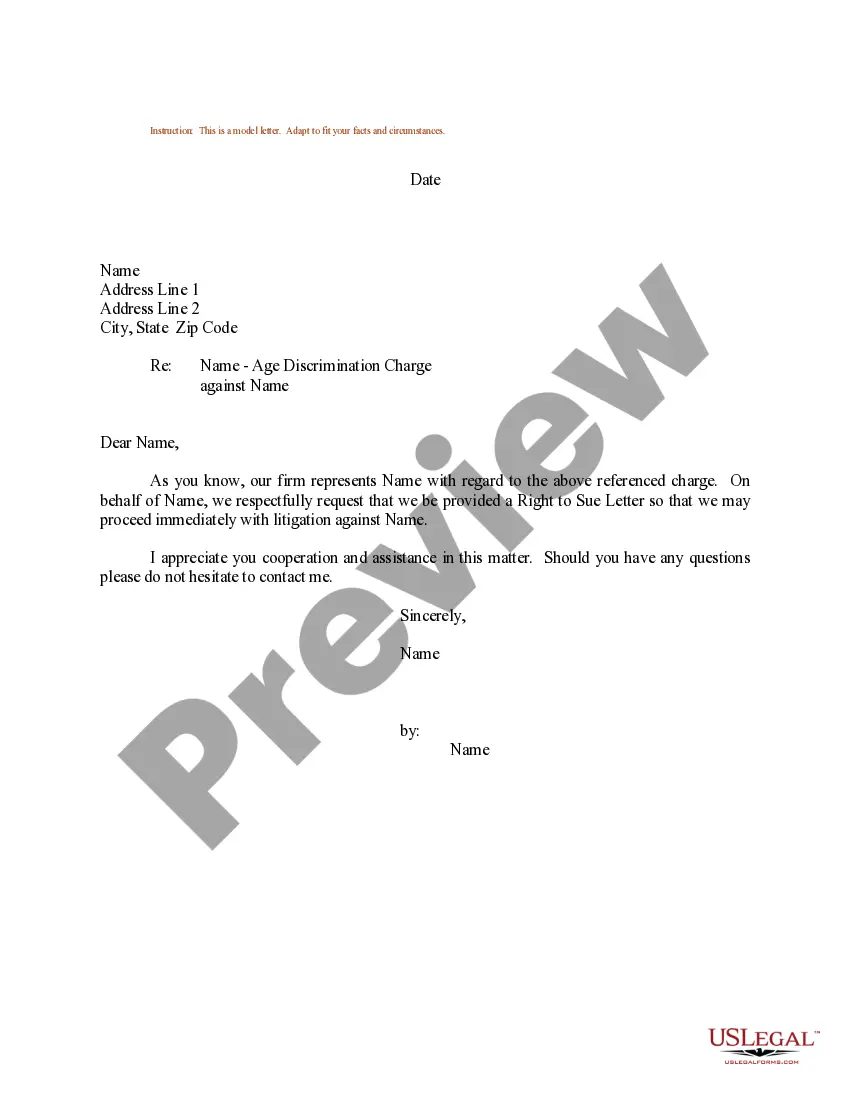
This Sample Letter for Right to Sue Letter is a template designed to request permission from the Equal Employment Opportunity Commission (EEOC) to proceed with a lawsuit related to an age discrimination charge. Unlike other forms, this letter serves as a formal communication for individuals who have reached the end of the EEOC's investigation period and are seeking to advance their legal claims.
Key parts of this document
- Date: The date the letter is being written.
- Recipient's information: Includes name, address, city, state, and zip code.
- Subject line: Clearly states the purpose of the letter, including the name and type of charge.
- Request for Right to Sue Letter: A formal appeal for the right to initiate litigation.
- Closing remarks: A courteous expression of gratitude and an offer for further contact.
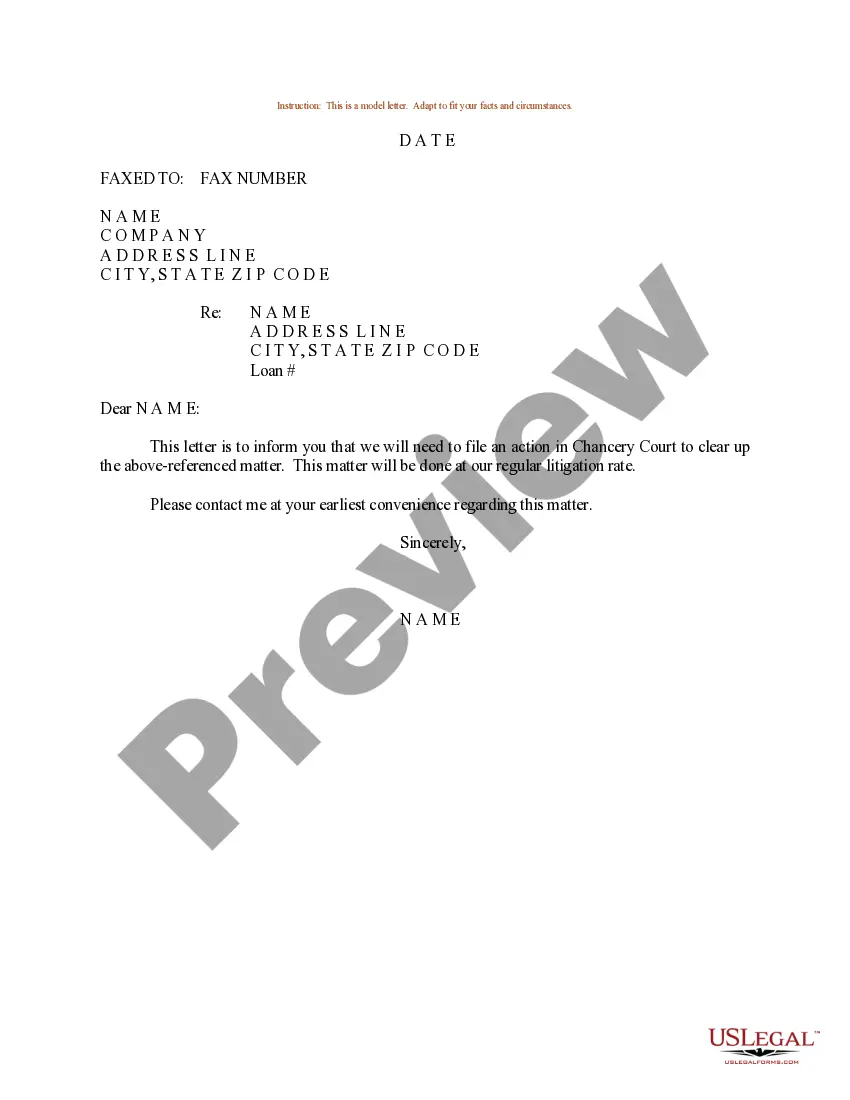
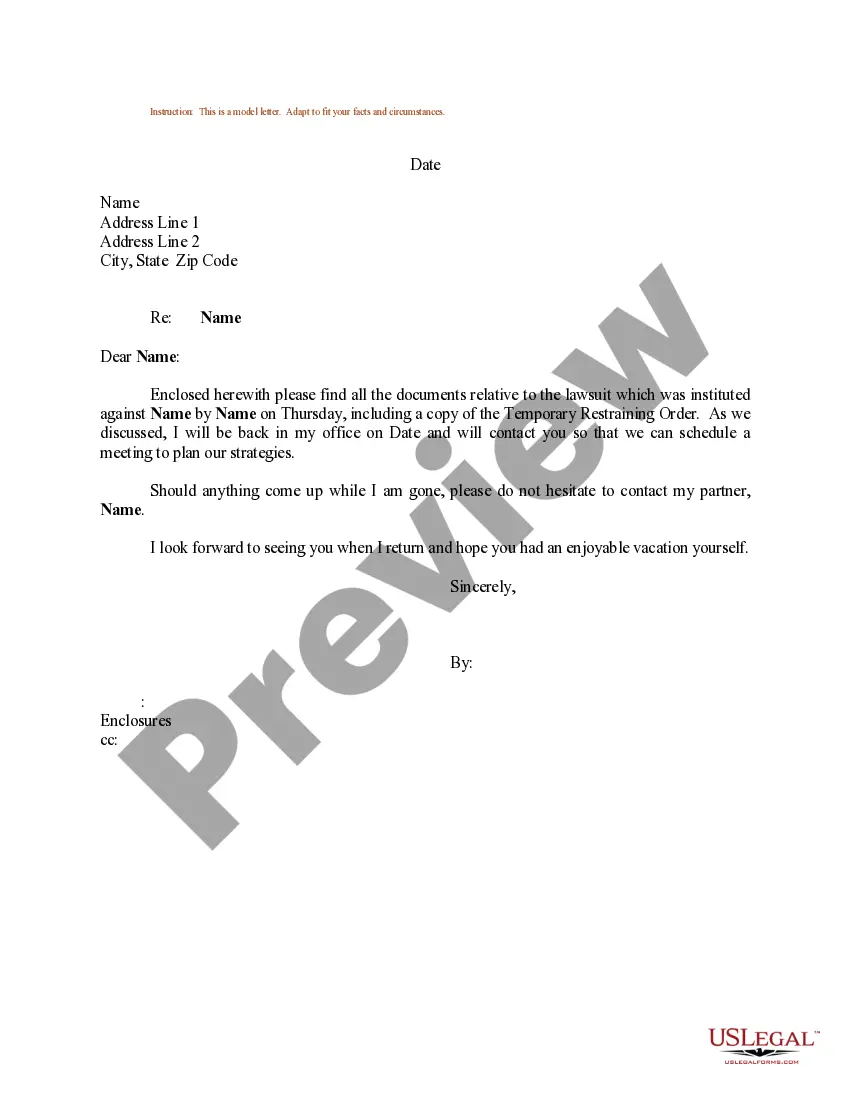
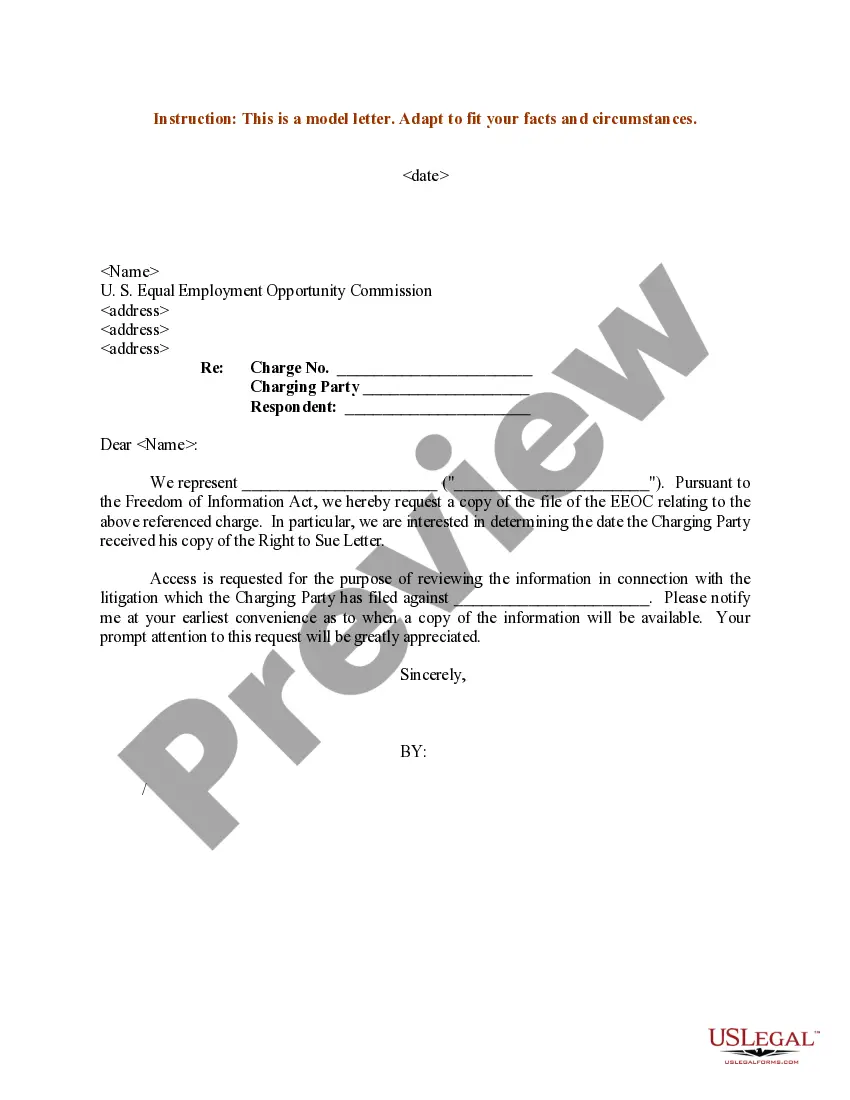
Situations where this form applies
You should use this Sample Letter for Right to Sue Letter after you have filed a charge of age discrimination with the EEOC and have reached the end of the investigation period. It is necessary when you intend to initiate a lawsuit against an employer in relation to that charge, and it confirms that you have taken the appropriate steps with the EEOC before proceeding to court.
Intended users of this form
This letter is suitable for:
- Individuals who believe they have been subjected to age discrimination at their workplace.
- Employees who have filed a charge with the EEOC and received no resolution within the designated timeframe.
- Anyone seeking formal legal recourse against an employer for age-related discrimination issues.
How to prepare this document
- Fill in the date at the top of the letter.
- Enter the recipient's name and address details.
- Include a clear subject line detailing the age discrimination charge.
- Draft the request for a Right to Sue Letter, specifying your intention to file a lawsuit.
- Sign the letter with your name and title if applicable, and provide your contact information.
Is notarization required?
This form does not typically require notarization unless specified by local law. However, it is advisable to check local requirements to ensure compliance.
Get your form ready online
Our built-in tools help you complete, sign, share, and store your documents in one place.
Make edits, fill in missing information, and update formatting in US Legal Forms—just like you would in MS Word.
Download a copy, print it, send it by email, or mail it via USPS—whatever works best for your next step.
Sign and collect signatures with our SignNow integration. Send to multiple recipients, set reminders, and more. Go Premium to unlock E-Sign.
If this form requires notarization, complete it online through a secure video call—no need to meet a notary in person or wait for an appointment.
We protect your documents and personal data by following strict security and privacy standards.

Make edits, fill in missing information, and update formatting in US Legal Forms—just like you would in MS Word.

Download a copy, print it, send it by email, or mail it via USPS—whatever works best for your next step.

Sign and collect signatures with our SignNow integration. Send to multiple recipients, set reminders, and more. Go Premium to unlock E-Sign.

If this form requires notarization, complete it online through a secure video call—no need to meet a notary in person or wait for an appointment.

We protect your documents and personal data by following strict security and privacy standards.
Mistakes to watch out for
- Failing to include the correct recipient's information.
- Writing an unclear subject line that does not specify the nature of the charge.
- Not signing the letter, which can render it unofficial.
Why complete this form online
- Convenience: Access the form anytime from anywhere.
- Editability: Customize the template to fit your specific situation.
- Reliability: Ensure you are using a form drafted by licensed attorneys, reducing the risk of errors.
Legal use & context
- This letter serves as a formal request to the relevant agency to expedite legal proceedings.
- Timely submission of the Right to Sue Letter request is crucial for maintaining your rights to pursue a discrimination claim.
Summary of main points
- The Sample Letter for Right to Sue Letter is essential for moving forward with age discrimination lawsuits.
- Ensure all information is accurate and clear to facilitate a successful request.
- Using an online template can streamline the process and enhance accuracy.
Looking for another form?
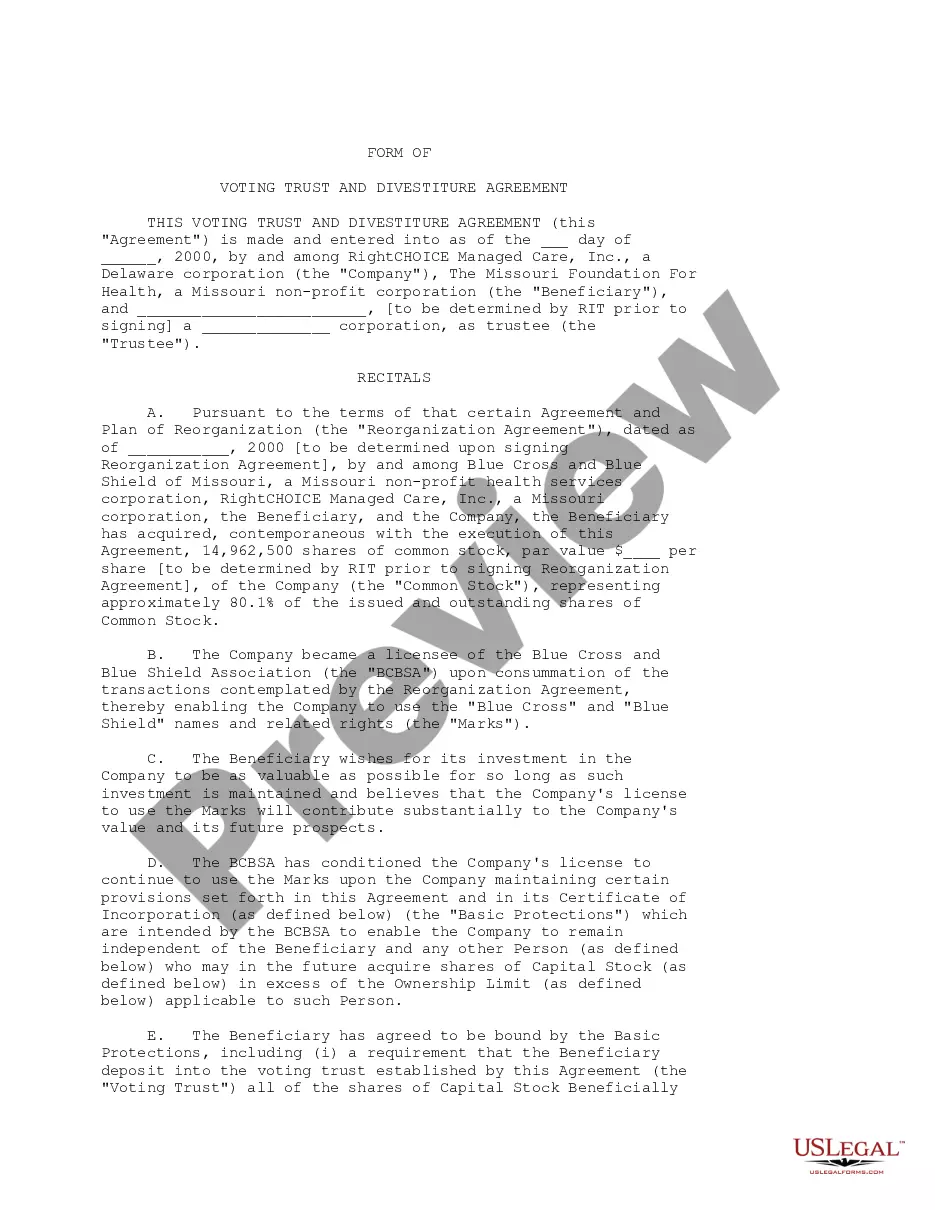
Form popularity
FAQ
A right to sue letter gives you permission to file suit in federal court. In fact, you need a right to sue letter in order to file most kinds of employment discrimination cases. A right to sue letter is not needed to file an age discrimination or equal pay act case.
If you plan to file a lawsuit under the Equal Pay Act, you don't have to file a charge or obtain a Notice of Right to Sue before filing.To file a Title VII lawsuit in court, you must have filed a charge with EEOC and received a Notice of Right to Sue.
A Right to Sue letter is issued when the agency cannot determine whether the employer discriminated against an employee. It does not mean a claim is weak. These agencies are often understaffed, and many claims are not fully investigated. Other investigations are not properly or thoroughly conducted.
Generally, you must allow the EEOC 180 days to resolve your charge. Although, in some cases, the EEOC may agree to issue a Notice of Right to Sue before the 180 days.
Generally, you must allow the EEOC 180 days to resolve your charge. Although, in some cases, the EEOC may agree to issue a Notice of Right to Sue before the 180 days.
If you have received a Right to Sue letter, it means that the EEOC has determined that there are grounds for a discrimination claim. But even if you have received a Dismissal and Notice of Rights, you still may be able to file a successful lawsuit.As soon as you receive your Right to Sue, contact your attorney.
If you know you want to file a lawsuit, you can request a right to sue letter at any time. If it has been more than 180 days since you filed your charge, the agency must issue you the letter. If not, the agency will issue you the letter if it believes it won't be able to complete its investigation within 180 days.
A right to sue letter gives you permission to file suit in federal court. In fact, you need a right to sue letter in order to file most kinds of employment discrimination cases. A right to sue letter is not needed to file an age discrimination or equal pay act case.
If you don't have an online charge account, send your request for a Notice of Right to Sue to the EEOC office responsible for investigating your charge and include your EEOC charge number and the names of the parties. After 180 days have passed from the date your charge was filed.