Service Learning Consent Form
Understanding this form
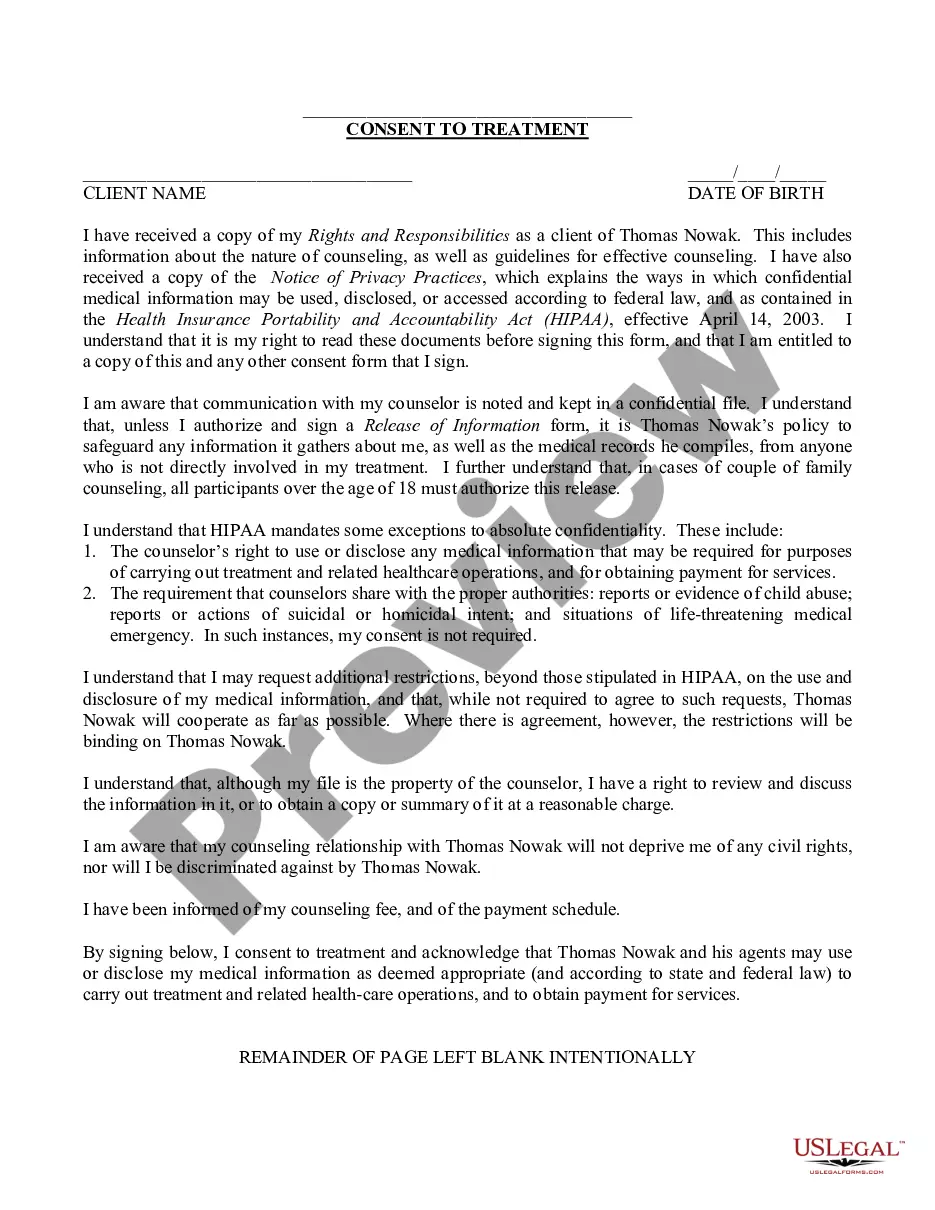
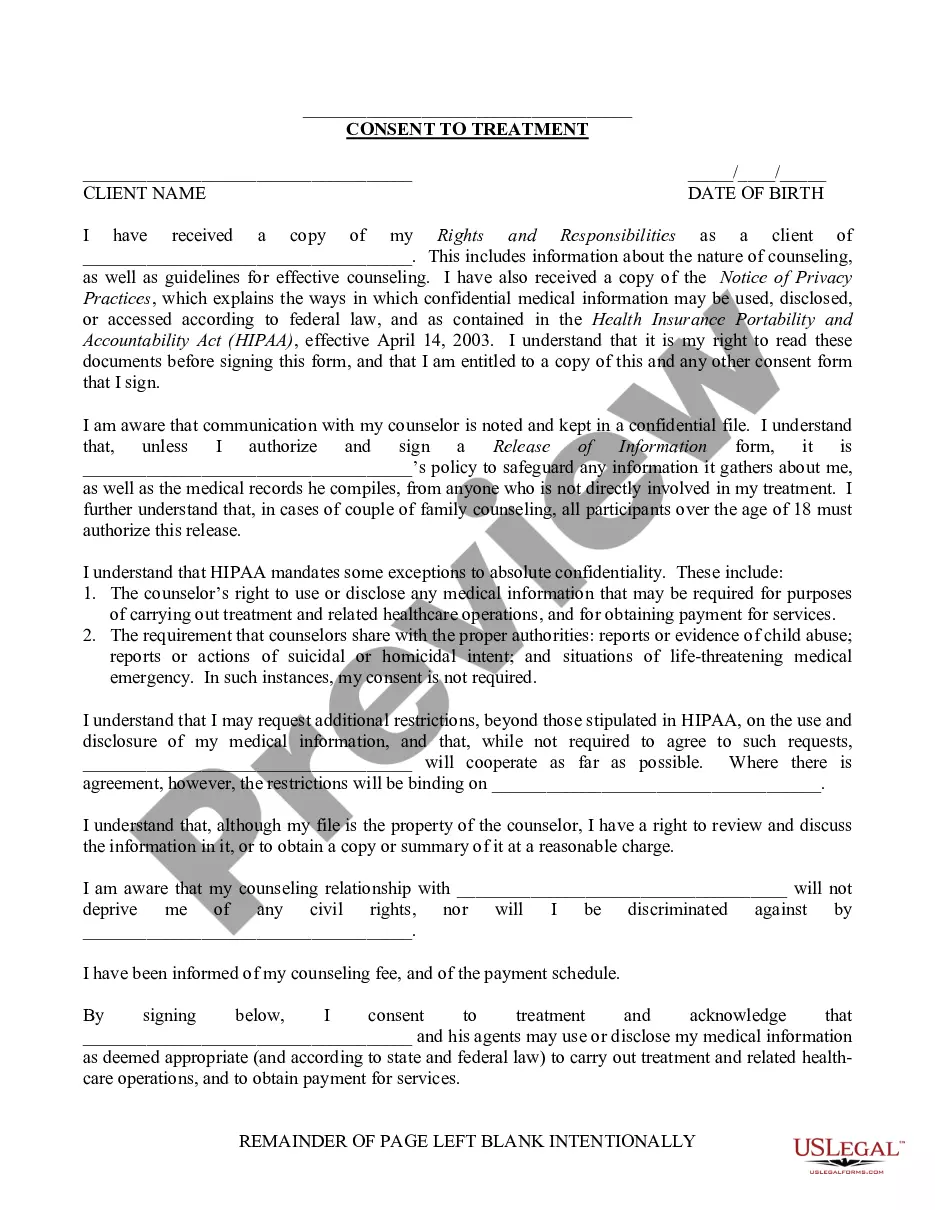
The Service Learning Consent Form is designed for individuals participating in service learning programs. This form ensures that participants understand their rights, responsibilities, and any potential risks associated with the program. It serves as an informed consent document, distinguishing it from general consent forms as it explicitly relates to educational activities surrounding community service and learning initiatives.
Key parts of this document
- Client's name and date of birth for identification.
- Notification of client rights and responsibilities regarding counseling.
- Details about confidentiality and HIPAA regulations governing medical information.
- Information regarding the treatment process and counseling fees.
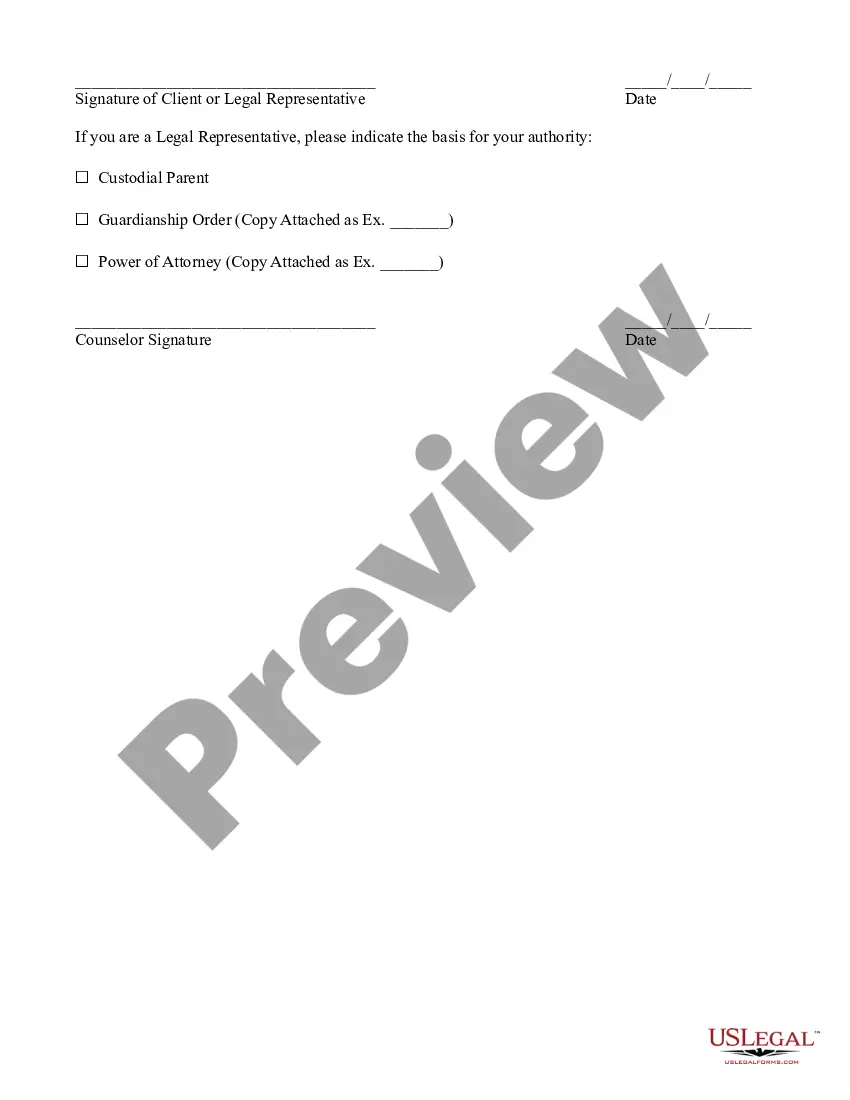
- Signature lines for the client or legal representative and counselor.
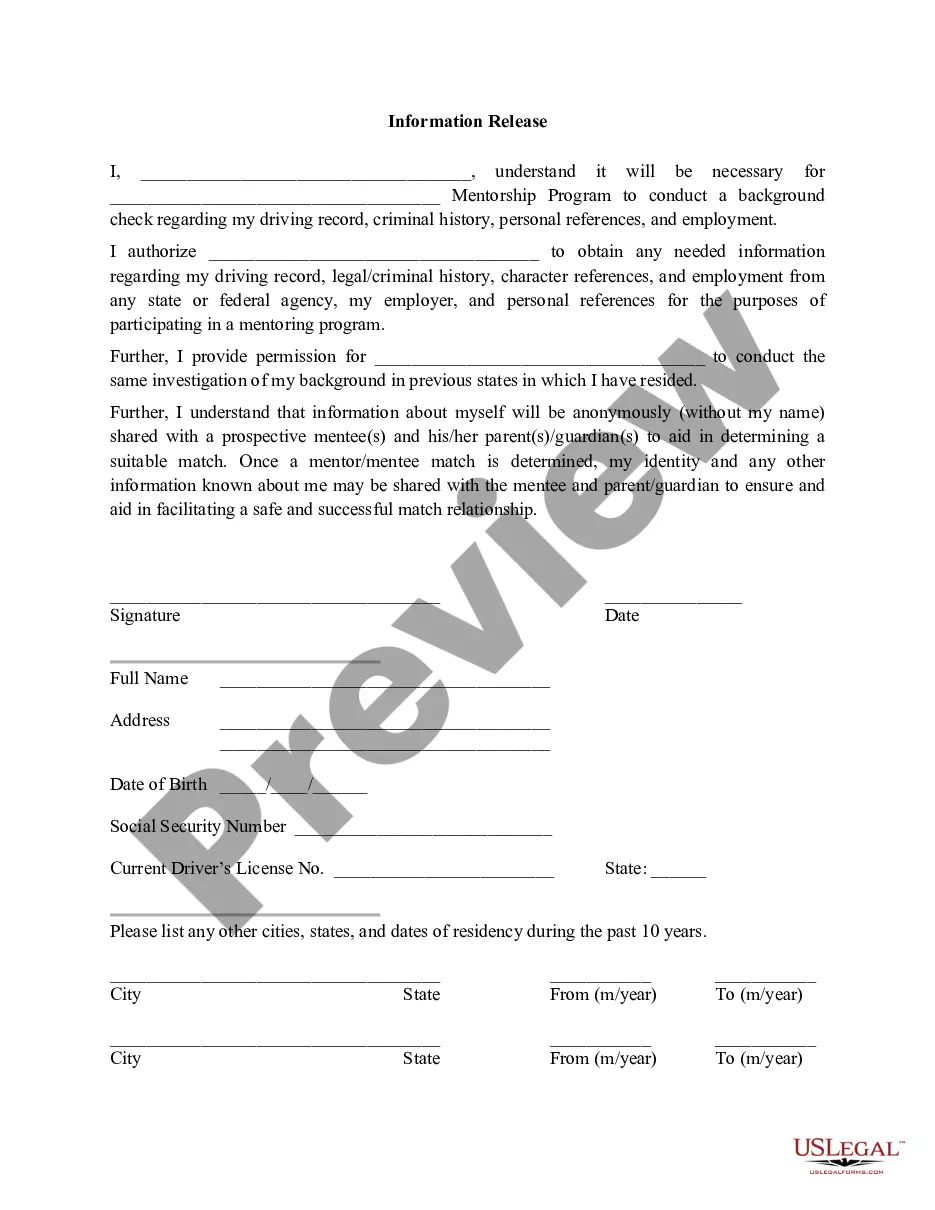
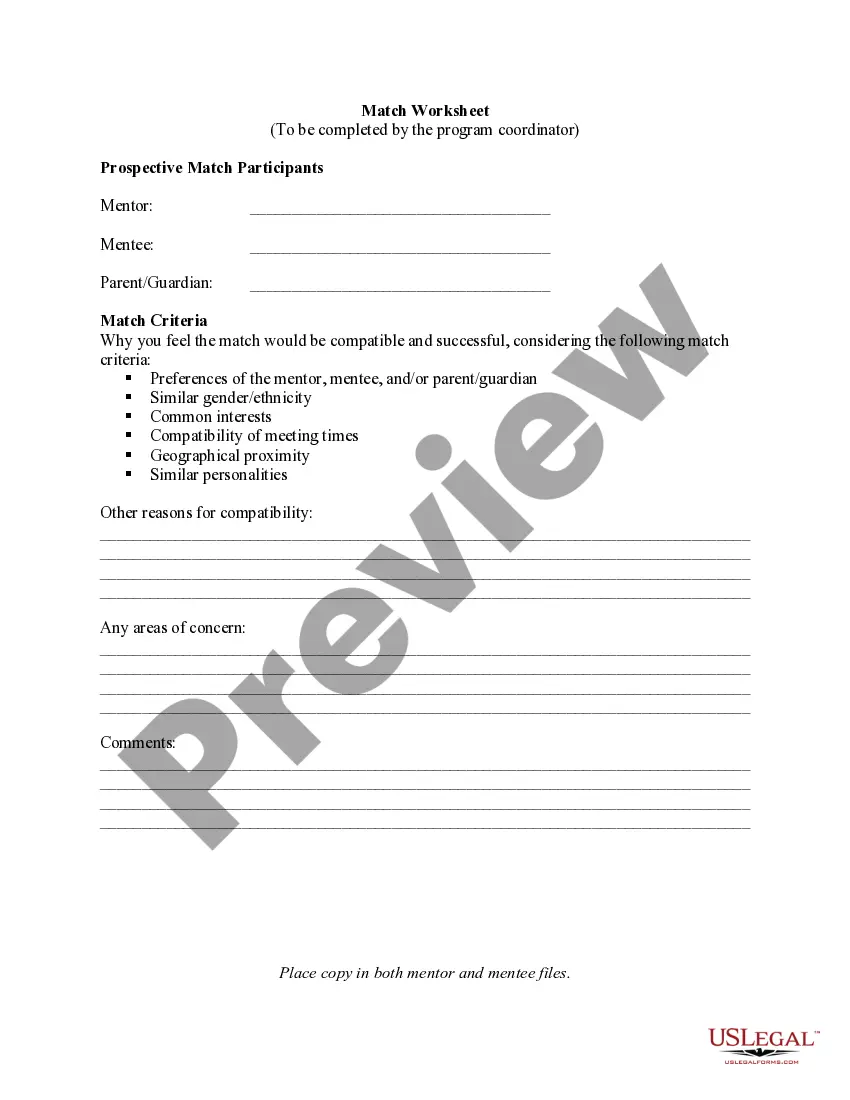
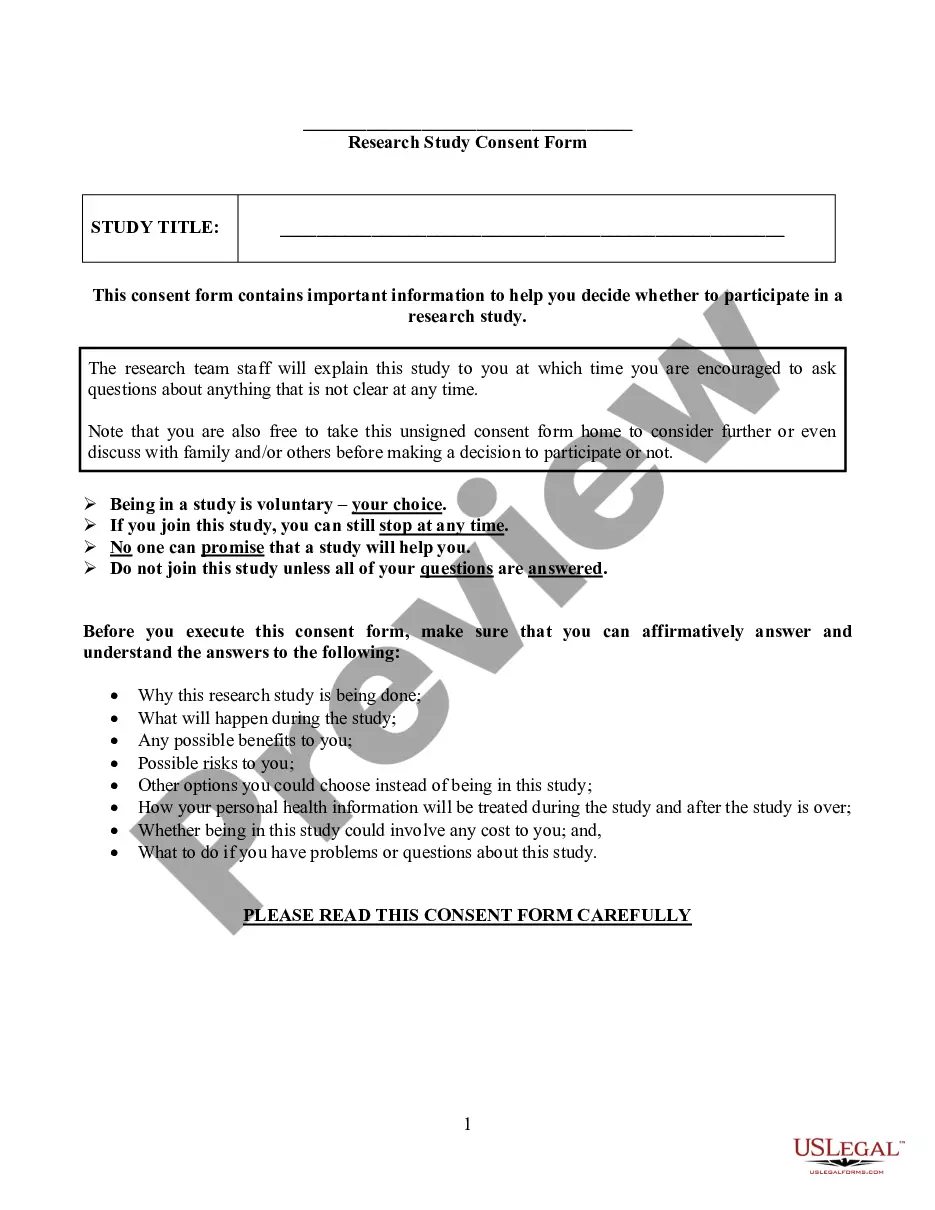
When this form is needed
This form should be used when an individual is participating in a service learning program that includes counseling or psychological support. It is essential for ensuring that all participants are aware of their rights and the confidential nature of the services provided. Use this form before commencing any activities that involve personal reflection on service experiences.
Who can use this document
The Service Learning Consent Form is intended for:
- Students participating in service learning programs.
- Educational institutions offering service-related experiences.
- Counselors and educators responsible for guiding participants.
- Legal representatives for individuals incapable of signing independently.
Completing this form step by step
- Fill in the client's name and date of birth at the top of the form.
- Review the rights and responsibilities to understand the counseling framework.
- Sign and date the consent section to authorize treatment and the use of medical information.
- If applicable, indicate your authority if signing as a legal representative.
- Ensure the counselor also signs the form to validate the consent.
Is notarization required?
This form does not typically require notarization unless specified by local law. It is important to check specific state guidelines to confirm any additional requirements.
Get your form ready online
Our built-in tools help you complete, sign, share, and store your documents in one place.
Make edits, fill in missing information, and update formatting in US Legal Forms—just like you would in MS Word.
Download a copy, print it, send it by email, or mail it via USPS—whatever works best for your next step.
Sign and collect signatures with our SignNow integration. Send to multiple recipients, set reminders, and more. Go Premium to unlock E-Sign.
If this form requires notarization, complete it online through a secure video call—no need to meet a notary in person or wait for an appointment.
We protect your documents and personal data by following strict security and privacy standards.

Make edits, fill in missing information, and update formatting in US Legal Forms—just like you would in MS Word.

Download a copy, print it, send it by email, or mail it via USPS—whatever works best for your next step.

Sign and collect signatures with our SignNow integration. Send to multiple recipients, set reminders, and more. Go Premium to unlock E-Sign.

If this form requires notarization, complete it online through a secure video call—no need to meet a notary in person or wait for an appointment.

We protect your documents and personal data by following strict security and privacy standards.
Avoid these common issues
- Failing to read the rights and responsibilities thoroughly before signing.
- Not providing accurate personal information, such as the date of birth.
- Overlooking the requirement for a legal representative's signature when applicable.
- Forgetting to sign and date the form, making it invalid.
Advantages of online completion
- Convenience of instant access and download from any location.
- Editable fields allow for quick customization to meet specific needs.
- Reliable forms are developed and reviewed by licensed attorneys.
- Secure storage of completed forms for future reference.
Looking for another form?
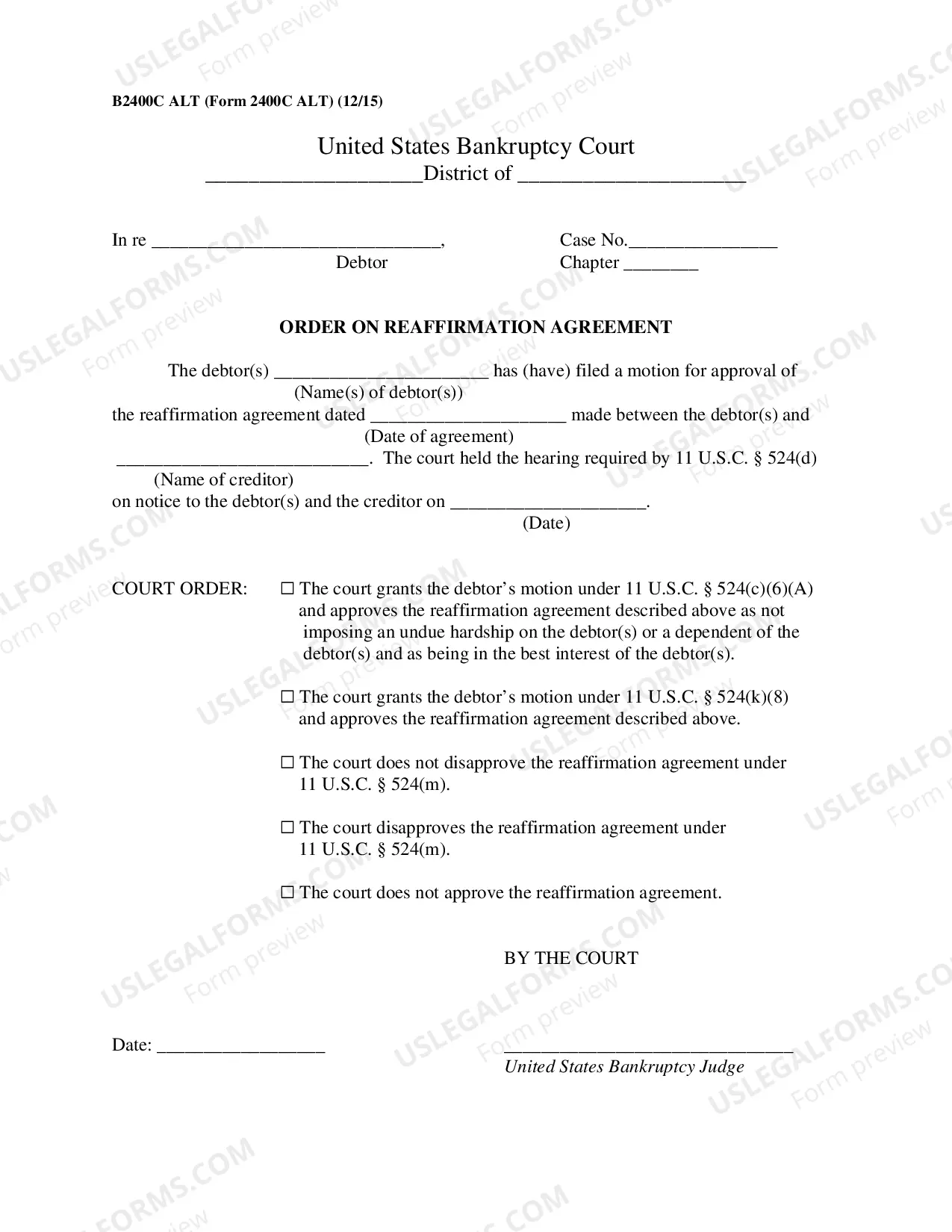


Form popularity
FAQ
Service Learning involves almost any helping activity. We generally refer to direct service to individuals, indirect service to people, and advocacy work. Direct service includes tutoring, serving meals, working with patients, helping a refugee family, walking foster dogs, or participating in events at a nursing home.
Direct, Indirect, Advocacy and Research This may include volunteering or cleaning up a park. Indirect Service may not be in the presence of the person or thing you are impacting. Service might take the form of fundraising or collections.
Service Learning involves almost any helping activity. We generally refer to direct service to individuals, indirect service to people, and advocacy work. Direct service includes tutoring, serving meals, working with patients, helping a refugee family, walking foster dogs, or participating in events at a nursing home.
Six Types of Service-Learning Discipline-Based: Students are expected to have a presence in the community throughout the semester and reflect on their experiences on a regular basis?Problem-Based (Project-Based):Capstone:Community-Based Action Research:Pure SL:Service Internship:
The service-learning process takes students through the stages of Investigation, Preparation, Action, Reflection, Demonstration and Evaluation.
The service-learning process takes students through the stages of Investigation, Preparation, Action, Reflection, Demonstration and Evaluation.
Any time a student is engaged in an off-campus service learning experience in conjunction with a course for credit, a Service Learning Agreement (SLA) is needed in order to protect the student and the University.
Effective strategies for fostering reflection are based on five core elements of reflection known as ?the Five C's? -? ?Creative, Continuous, Connected, Challenging, Contextualized? (Eyler and Giles 1999).