Slow Pay Motion
Understanding this form
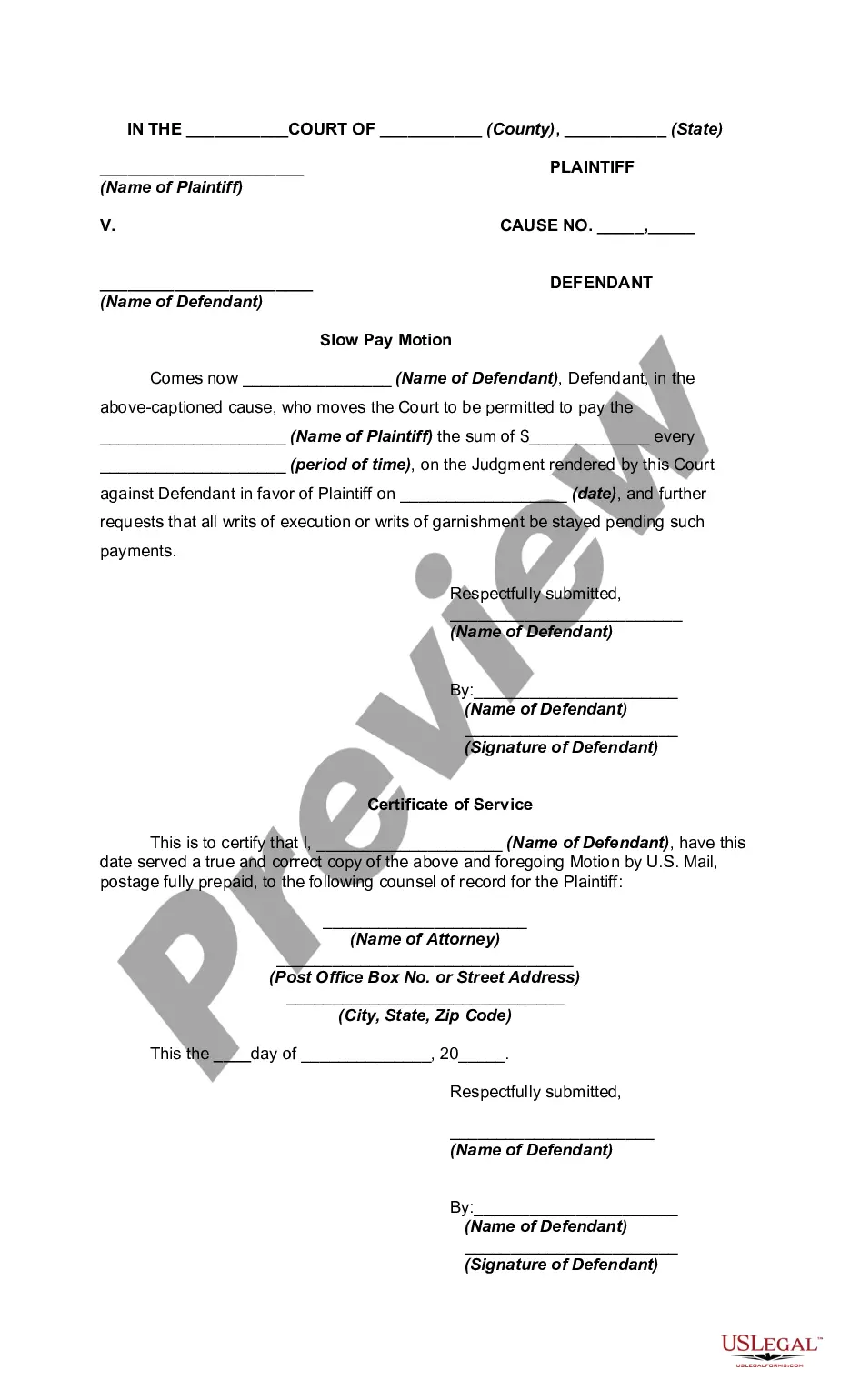
A Slow Pay Motion is a legal document requesting the court to allow a defendant to make smaller, manageable payments on a judgment against them. This motion is typically used when the defendant cannot pay the full judgment amount at once, ensuring they can still meet other necessary financial obligations. Unlike other motions, this form specifically focuses on structuring payment terms to ease the financial burden on the defendant.
Form components explained
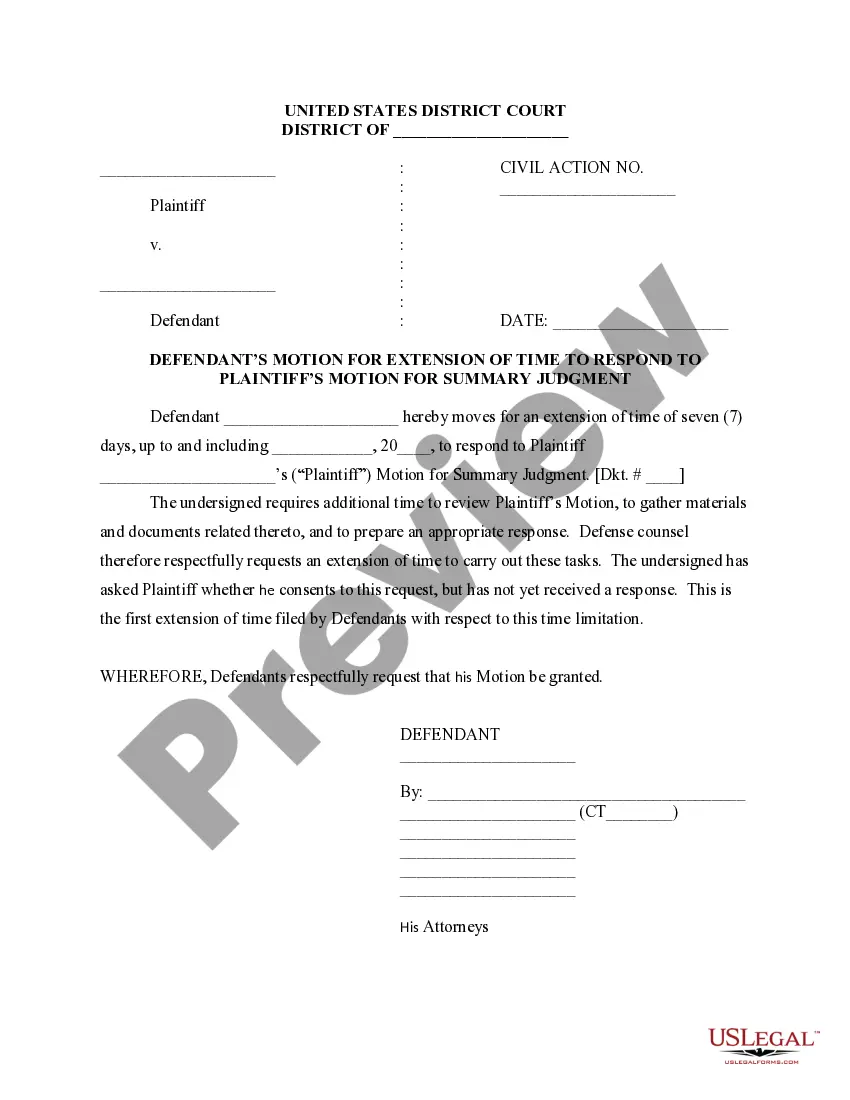
- Caption: Includes the court name, case number, and names of the plaintiff and defendant.
- Payment Request: Specifies the amount the defendant proposes to pay and the frequency of the payments.
- Judgment Date: Includes the date the judgment was entered against the defendant.
- Request to Stay Execution: Requests that all enforcement actions, like garnishments, be paused while payments are made.
- Certificate of Service: Confirms that the plaintiff's attorney has been notified of the motion.
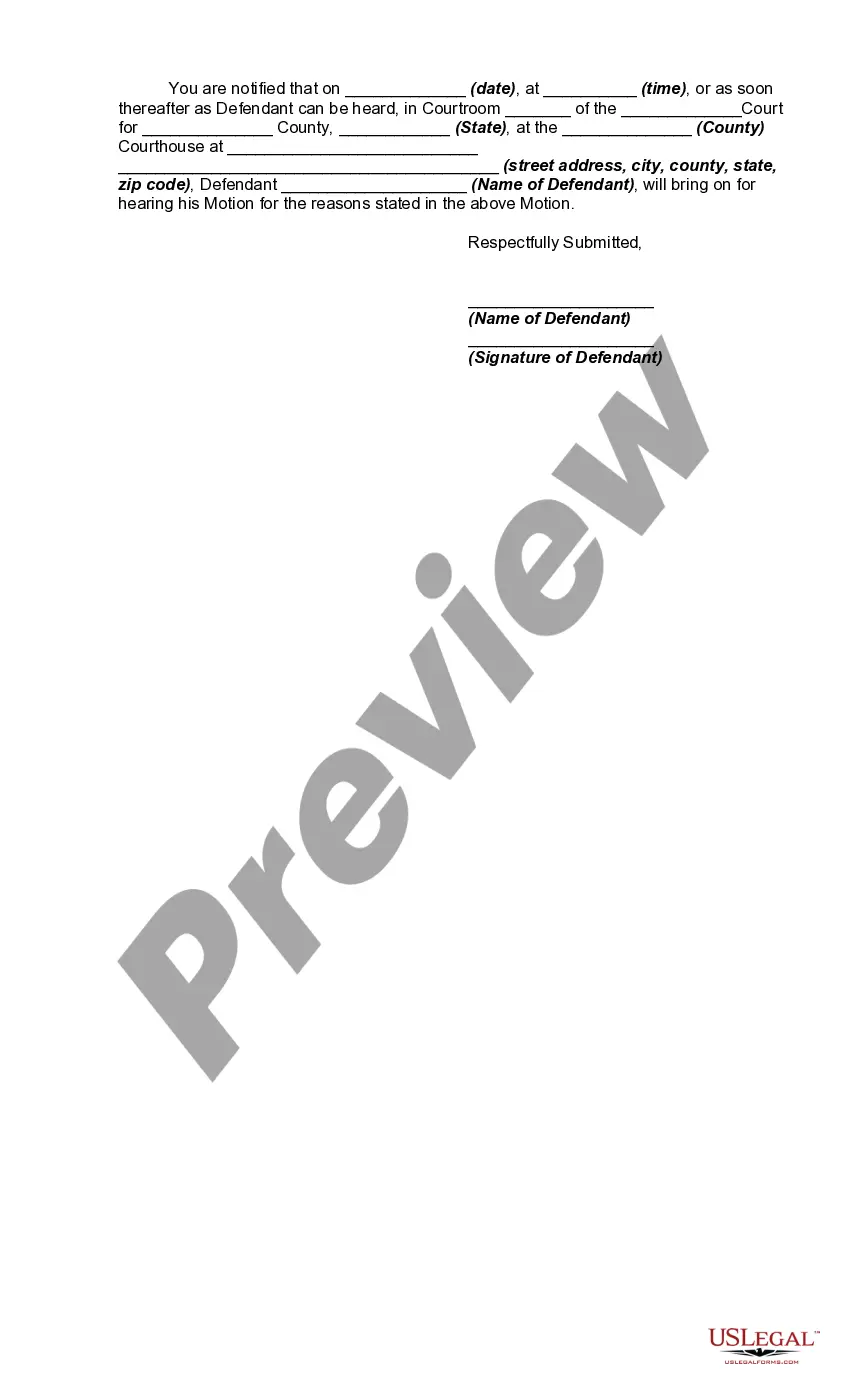
- Notice of Motion: States the hearing date and time for the motion.
Situations where this form applies
This form should be used when a defendant has been ordered to pay a judgment but cannot afford to pay the full amount due in one lump sum. Situations that may prompt the use of a Slow Pay Motion include unexpected job loss, medical emergencies, or other financial hardships. It is a proactive step to avoid potential wage garnishment or further legal action.
Intended users of this form
- Individuals who have received a judgment against them and wish to negotiate payment terms.
- Defendants experiencing financial difficulties but want to avoid harsher collection actions.
- Those seeking a formal arrangement for manageable payments in order to settle debts without incurring additional fees.
Completing this form step by step
- Identify the parties: Fill in the names of the plaintiff and defendant as indicated.
- Enter payment details: Specify the amount the defendant wishes to pay and how often (e.g., weekly, monthly).
- State the judgment date: Include the date when the court issued the judgment.
- Complete the certificate of service: Confirm the date and method of serving the motion to the plaintiff's attorney.
- Fill in the hearing notice: Provide the date, time, and location for the court hearing.
Notarization guidance
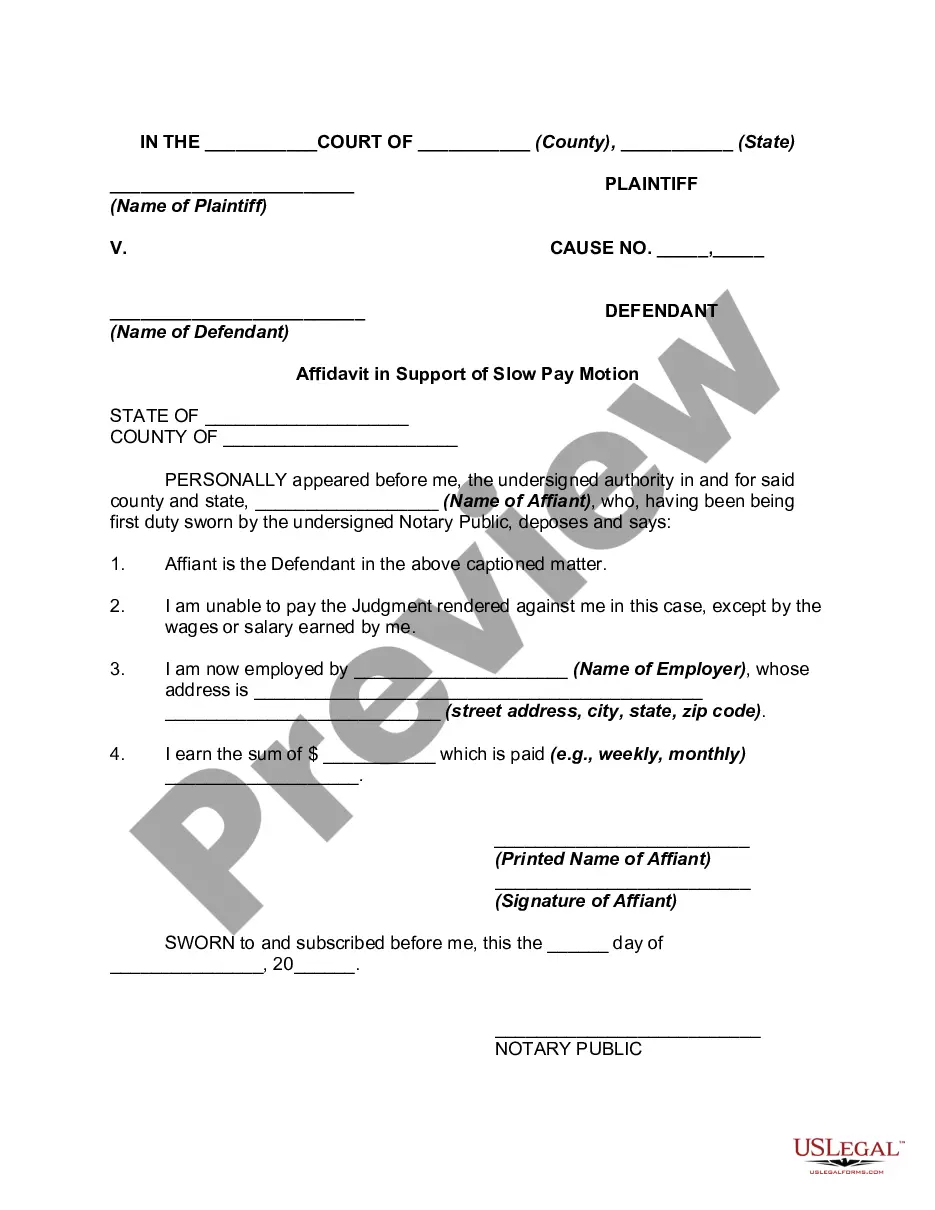
This form does not typically require notarization unless specified by local law. However, it is important to verify specific requirements in your jurisdiction to ensure the form is legally valid.
Get your form ready online
Our built-in tools help you complete, sign, share, and store your documents in one place.
Make edits, fill in missing information, and update formatting in US Legal Forms—just like you would in MS Word.
Download a copy, print it, send it by email, or mail it via USPS—whatever works best for your next step.
Sign and collect signatures with our SignNow integration. Send to multiple recipients, set reminders, and more. Go Premium to unlock E-Sign.
If this form requires notarization, complete it online through a secure video call—no need to meet a notary in person or wait for an appointment.
We protect your documents and personal data by following strict security and privacy standards.

Make edits, fill in missing information, and update formatting in US Legal Forms—just like you would in MS Word.

Download a copy, print it, send it by email, or mail it via USPS—whatever works best for your next step.

Sign and collect signatures with our SignNow integration. Send to multiple recipients, set reminders, and more. Go Premium to unlock E-Sign.

If this form requires notarization, complete it online through a secure video call—no need to meet a notary in person or wait for an appointment.

We protect your documents and personal data by following strict security and privacy standards.
Avoid these common issues
- Failing to serve the motion to the plaintiff's attorney properly.
- Not including the correct payment amount or schedule.
- Ignoring local court rules regarding formatting or filing deadlines.
Benefits of using this form online
- Convenience: Access and complete the form from anywhere without having to visit a lawyerâs office.
- Editability: Easily modify the document to suit your specific circumstances.
- Reliability: Forms are drafted by licensed attorneys to meet legal standards.
Legal use & context
- A Slow Pay Motion is generally accepted by courts as a valid request for payment modification.
- This form may help prevent immediate enforcement actions like wage garnishment or asset seizure.
- Consulting an attorney before submission can enhance the motion's chances of approval.
Looking for another form?
Form popularity
FAQ
You can stop a garnishment by paying the debt in full. You can stop a wage garnishment by asking the court to order installment payments in your case. Read Getting an Installment Payment Plan to learn more. Objecting to a garnishment will stop it until the objection is decided.
In general terms, to attempt to have a wage garnishment ended, modified or reversed, you have the following options. First, you could attempt to negotiate a monthly payment agreement with the creditor/collector.Third, you could file an appeal with the court if you do not agree with the garnishment.
Respond to the Creditor's Demand Letter. Seek State-Specific Remedies. Get Debt Counseling. Object to the Garnishment. Attend the Objection Hearing (and Negotiate if Necessary) Challenge the Underlying Judgment. Continue Negotiating.
Respond to the Creditor's Demand Letter. Seek State-Specific Remedies. Get Debt Counseling. Object to the Garnishment. Attend the Objection Hearing (and Negotiate if Necessary) Challenge the Underlying Judgment. Continue Negotiating.
If it's already started, you can try to challenge the judgment or negotiate with the creditor. But, they're in the driver's seat, and if they don't allow you to stop a garnishment by agreeing to make voluntary payments, you can't really force them to. You can, however, stop the garnishment by filing a bankruptcy case.
Respond to the Creditor's Demand Letter. Seek State-Specific Remedies. Get Debt Counseling. Object to the Garnishment. Attend the Objection Hearing (and Negotiate if Necessary) Challenge the Underlying Judgment. Continue Negotiating.
Generally, any creditor can garnish your wages. But some creditors must meet more requirements before doing so. Specifically, most must file a lawsuit and obtain a money judgment and court order before garnishing your wages. However, not all creditors need a court order.
What you can do about wage garnishment.You have to be legally notified of the garnishment. You can file a dispute if the notice has inaccurate information or you believe you don't owe the debt. Some forms of income, such as Social Security and veterans benefits, are exempt from garnishment as income.