Sample Letter for Invalid Power of Attorney
Understanding this form
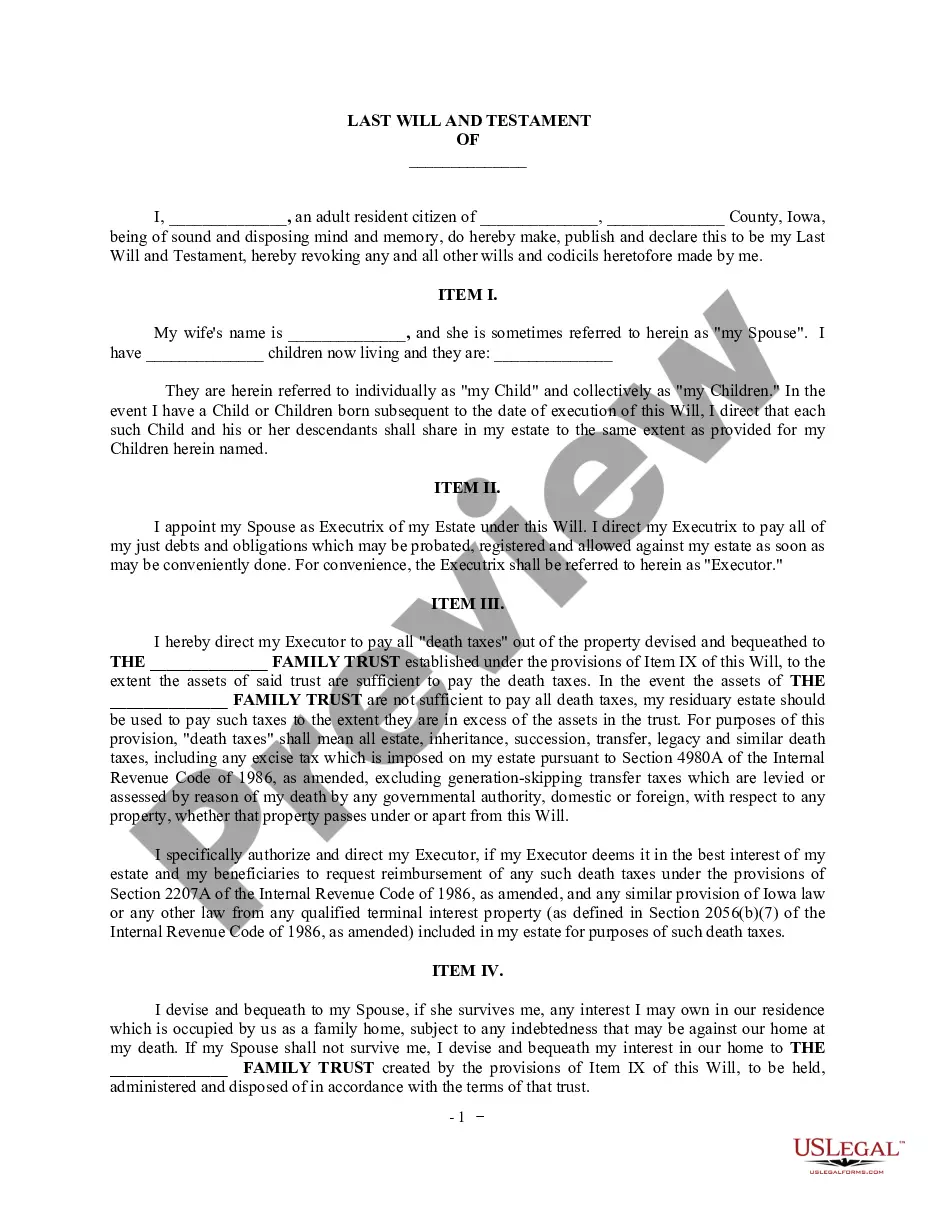
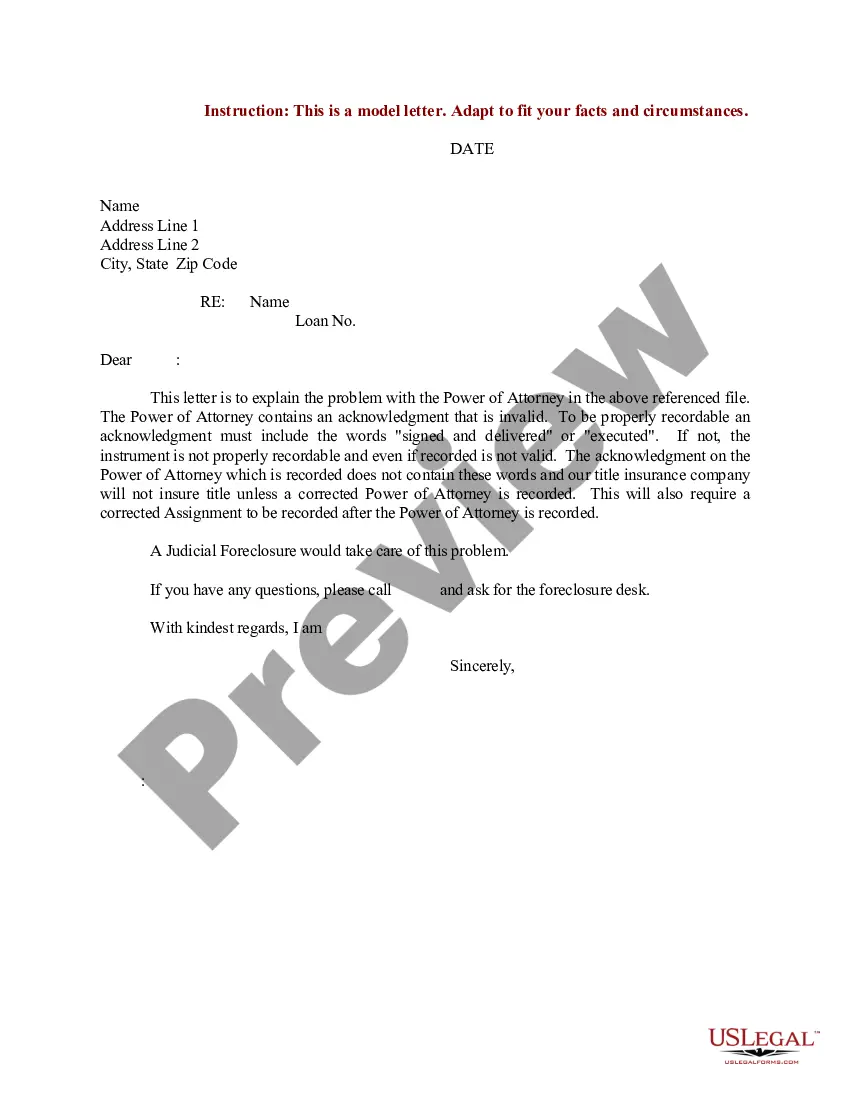
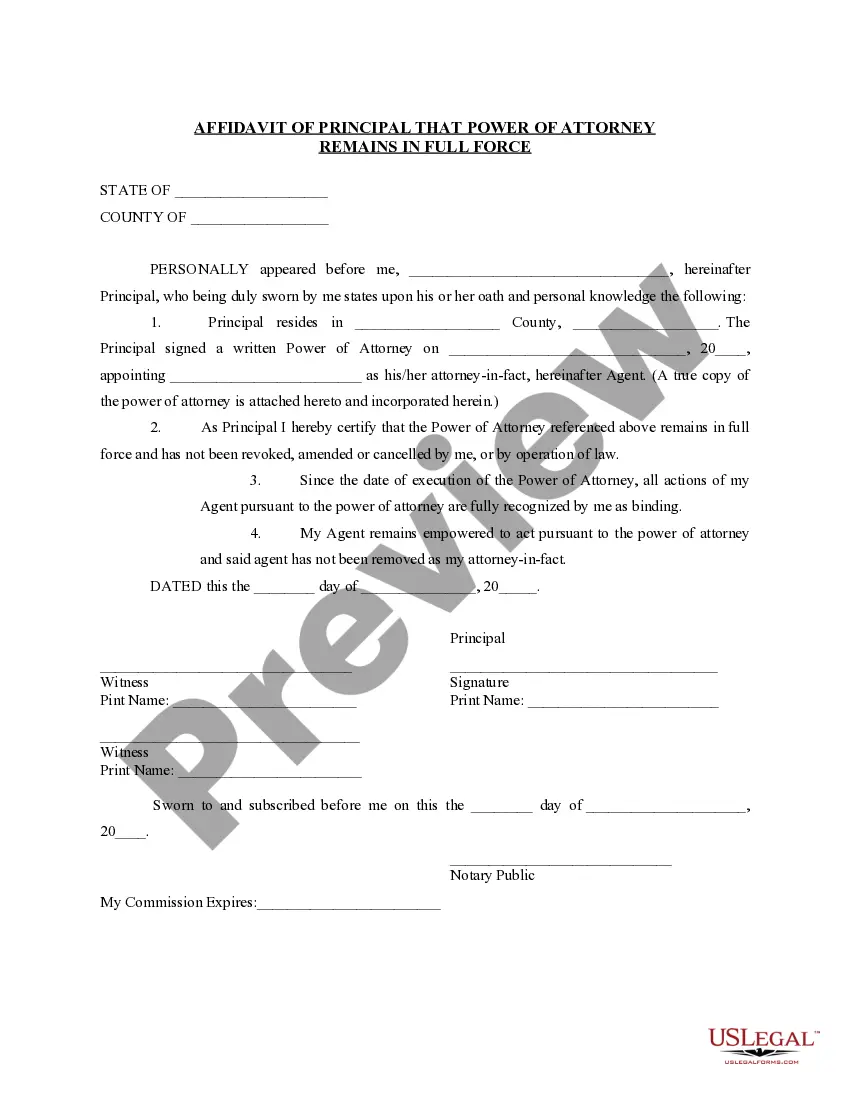
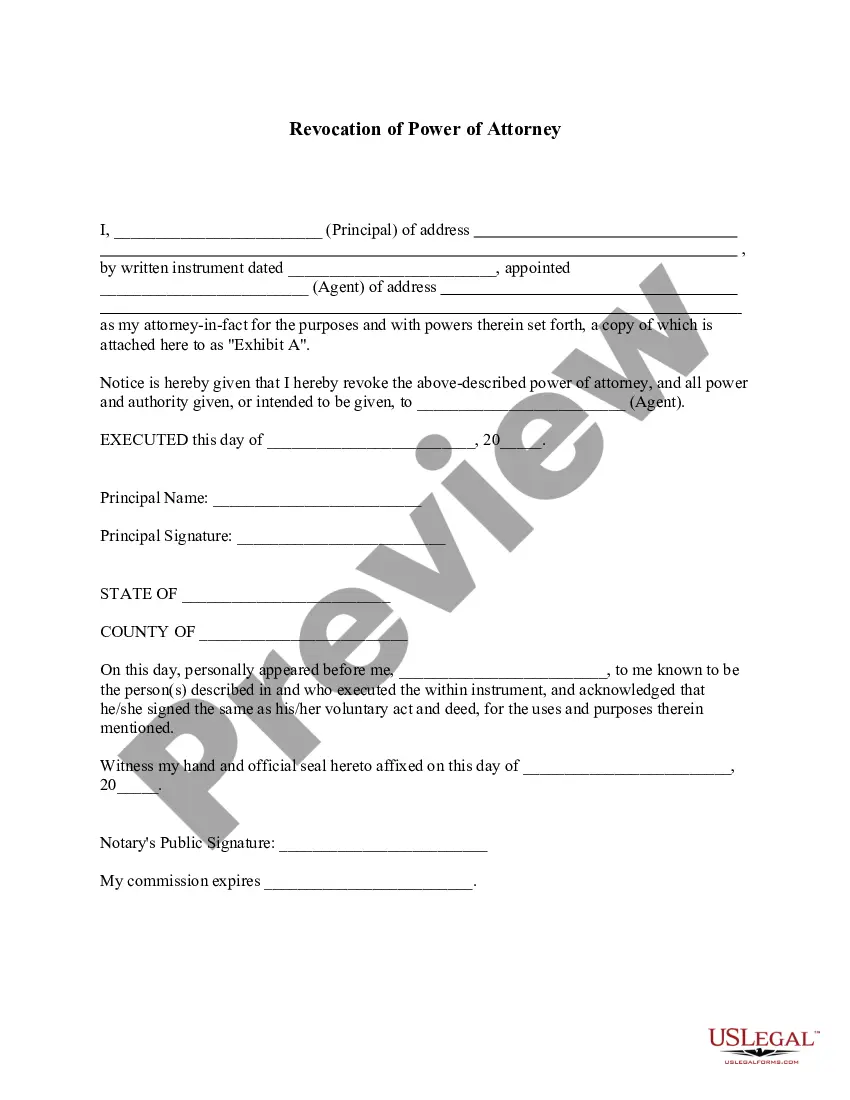
The Sample Letter for Invalid Power of Attorney is a formal document used to declare the invalidity of a previously granted power of attorney. This form is essential for individuals who need to revoke authority given to another party over their financial or legal matters. It serves to notify the affected parties that the authority is no longer valid, distinguishing it from other legal forms which may require further investments of time or complexity in their execution.
Key parts of this document
- Date of the letter
- Your name and contact information
- Recipient's name and contact information
- A clear declaration of the invalidity of the power of attorney
- Signature line to sign the letter
When to use this document
This form should be used in situations where an individual has decided to revoke a power of attorney due to change of circumstances, loss of trust, or the death of the principal or agent involved. It is also necessary if the original power of attorney has not been executed correctly.
Who can use this document
- Individuals who have granted power of attorney to someone else
- People wishing to inform third parties of the revocation
- Anyone who wants to ensure clarity regarding the status of their legal authority
How to prepare this document
- Enter the date at the top of the letter
- Fill in your name and address details
- Provide the recipient's name and address
- Clearly state the powers that are being invalidated
- Sign the letter to finalize the revocation
Does this document require notarization?
This form does not typically require notarization unless specified by local law. However, depending on jurisdiction and circumstances, notarization may strengthen the validity of the revocation.
Get your form ready online
Our built-in tools help you complete, sign, share, and store your documents in one place.
Make edits, fill in missing information, and update formatting in US Legal Forms—just like you would in MS Word.
Download a copy, print it, send it by email, or mail it via USPS—whatever works best for your next step.
Sign and collect signatures with our SignNow integration. Send to multiple recipients, set reminders, and more. Go Premium to unlock E-Sign.
If this form requires notarization, complete it online through a secure video call—no need to meet a notary in person or wait for an appointment.
We protect your documents and personal data by following strict security and privacy standards.

Make edits, fill in missing information, and update formatting in US Legal Forms—just like you would in MS Word.

Download a copy, print it, send it by email, or mail it via USPS—whatever works best for your next step.

Sign and collect signatures with our SignNow integration. Send to multiple recipients, set reminders, and more. Go Premium to unlock E-Sign.

If this form requires notarization, complete it online through a secure video call—no need to meet a notary in person or wait for an appointment.

We protect your documents and personal data by following strict security and privacy standards.
Avoid these common issues
- Not including the date, which is essential for legal records
- Failing to provide full names and addresses of both parties
- Not signing the letter, which may lead to questions about the validity of the revocation
Advantages of online completion
- Convenience of downloading and printing when needed
- Editability to ensure all personal information is accurate
- Reliability in using forms drafted by licensed attorneys
Legal use & context
- This letter serves to formally communicate that the granted power of attorney is no longer effective.
- It is important for mitigating any future disputes regarding authority.
- The invalidation should be communicated promptly to avoid unauthorized actions.
Key takeaways
- The Sample Letter for Invalid Power of Attorney is essential for formally revoking a previously granted authority.
- Completing the letter accurately is vital to prevent future legal disputes.
- This form can be tailored to meet specific state requirements when necessary.
Looking for another form?
Form popularity
FAQ
The revocation should include your name, a statement that you are of sound mind, and your wish to revoke the power of attorney. You should also specify the date the original power of attorney was executed and the person selected as your agent.
Revocation Letter means a letter or written communication from Commerce indicating that Commerce has determined that a business shall no longer be designated as a Qualified Kansas Business.
Choose an agent. Before you begin to fill out the form, you have some decisions to make. Decide on the type of authority. You can choose whether you want your POA to be broad or narrow. Identify the length of time the POA will be in effect. Fill out the form. Execute the document.
Your name. A statement affirming that you are of sound mind (mentally competent) A statement that you wish to revoke a previously designated Power of Attorney. The date of the original POA.
Unless the power of attorney states otherwise, and they usually don't, a revocation of a POA must be made in writing. A verbal revocation may not be enough.A revocation will reference the existing POA and the current attorney-in-fact and revoke the document and the powers granted.
If you're mentally competent and no longer wish to have someone appointed as your power of attorney, you can cancel it by submitting a formal revocation form, as well as notifying the individual and other relevant third parties, in writing. You may want to cancel your power of attorney for several reasons.
This means that although a power of attorney can be revoked verbally, by the principal telling the attorney that their power has been revoked, it is important that the principal revokes a power of attorney in writing by completing a Revocation of Power of Attorney and providing it to the attorney so that there is a
Draft a list of special powers. Decide what powers are springing. Pick an agent and a successor agent. Note the expiration date. Compile the information into one document. Execute the power of attorney letter.