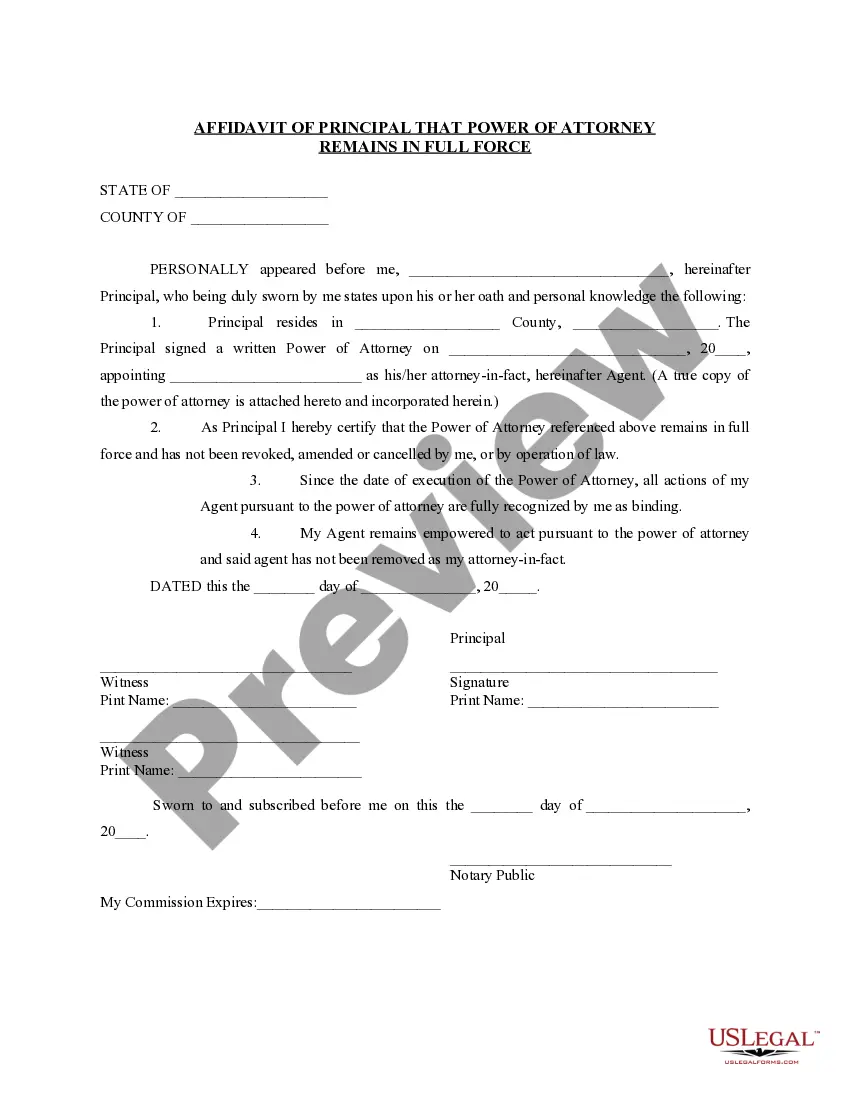
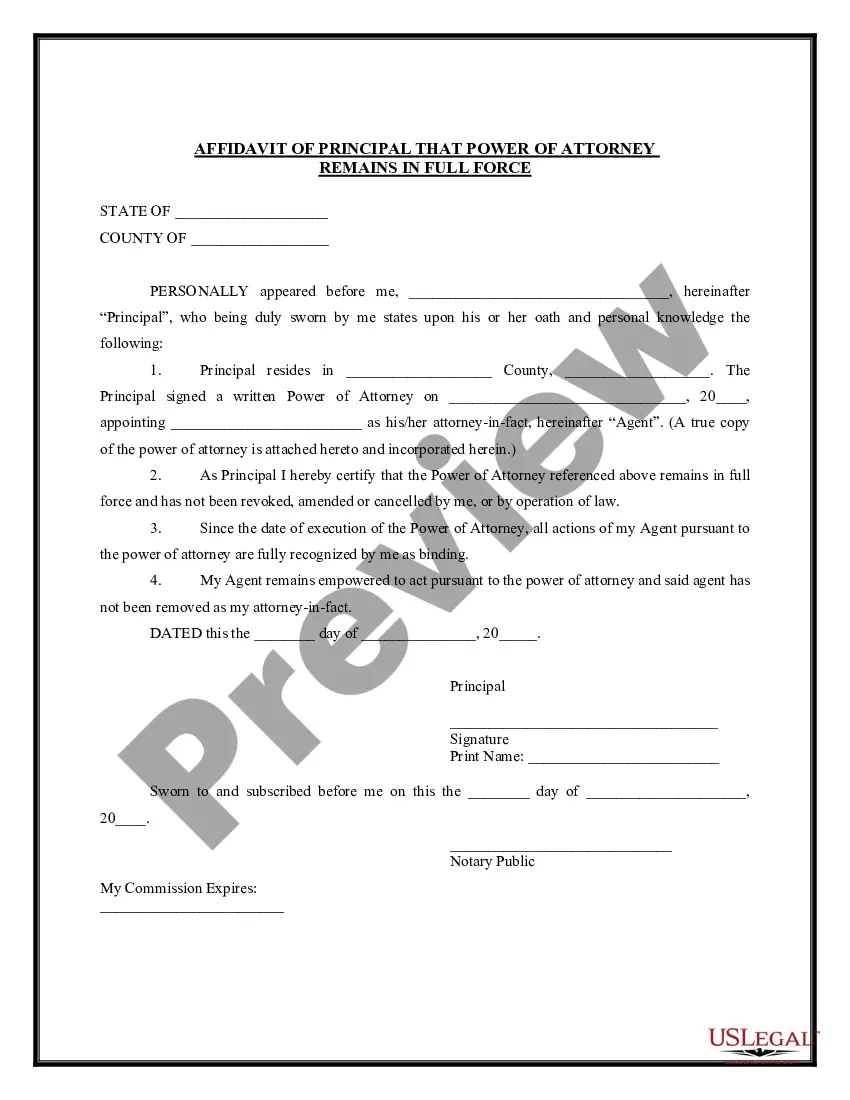
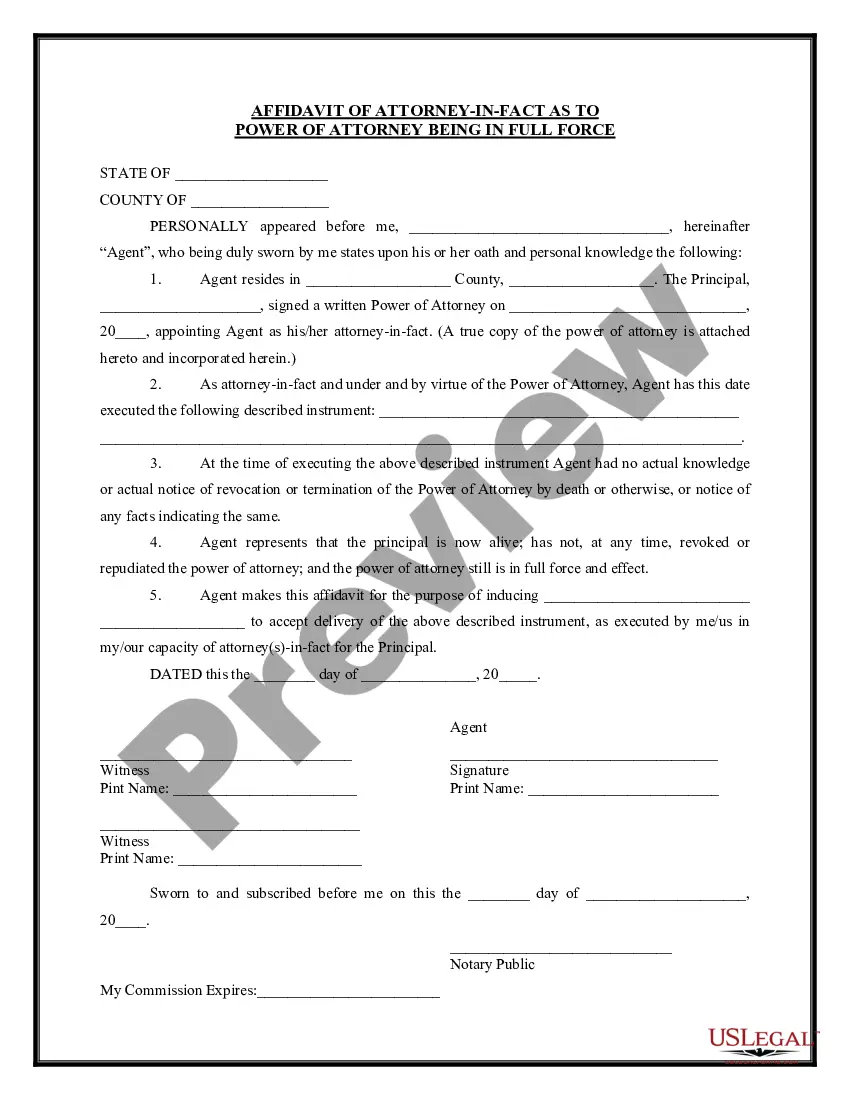
This affidavit is for a Principal to certify that the power of attorney has not been revoked and remains in full force. Only for use in Florida, Michigan, Ohio, South Carolina or Vermont.
Affidavit of Principal that Power of Attorney not Revoked and in Full Force with Witnesses
Category:
State:
Multi-State
Control #:
US-P098AB
Format:
Word;
Rich Text
Instant download
Description
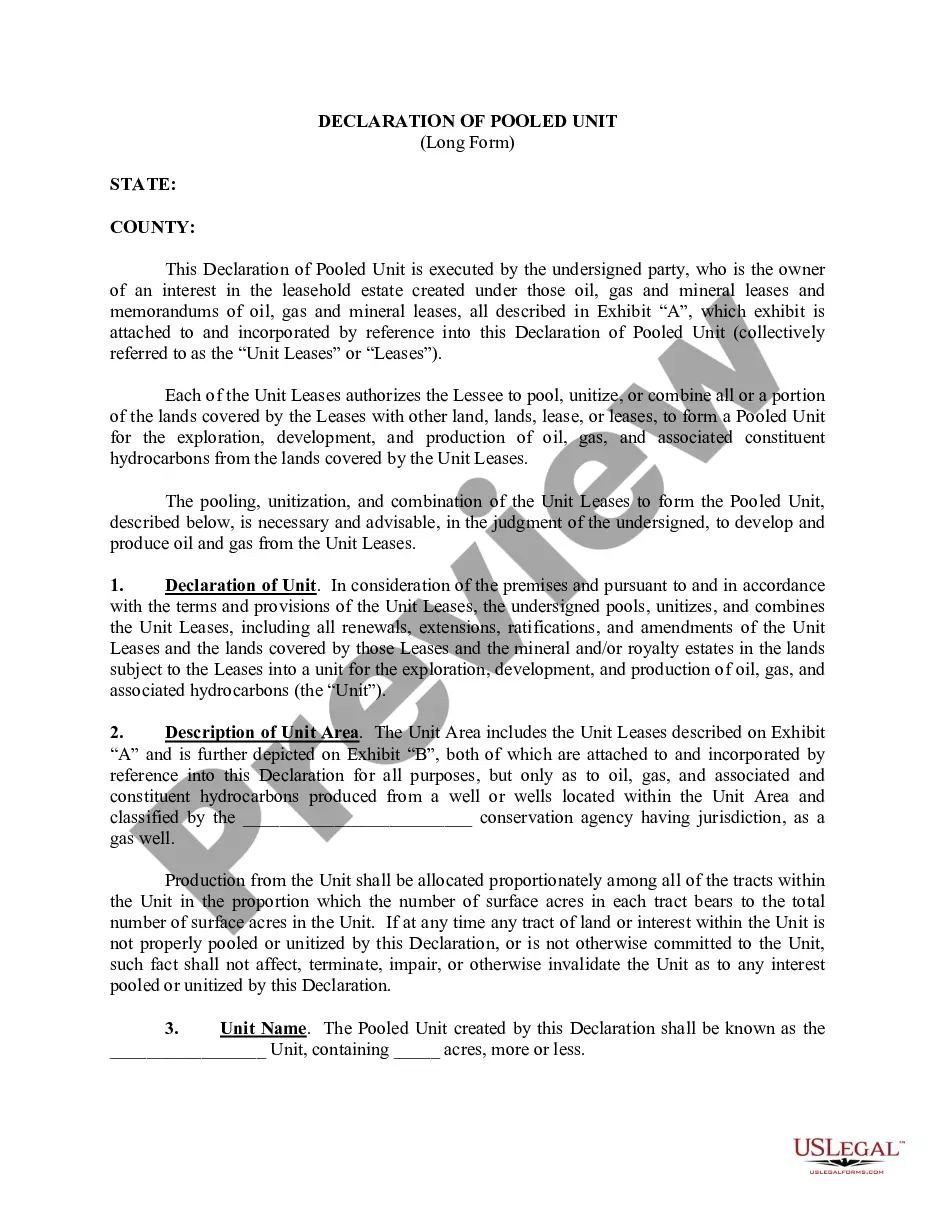
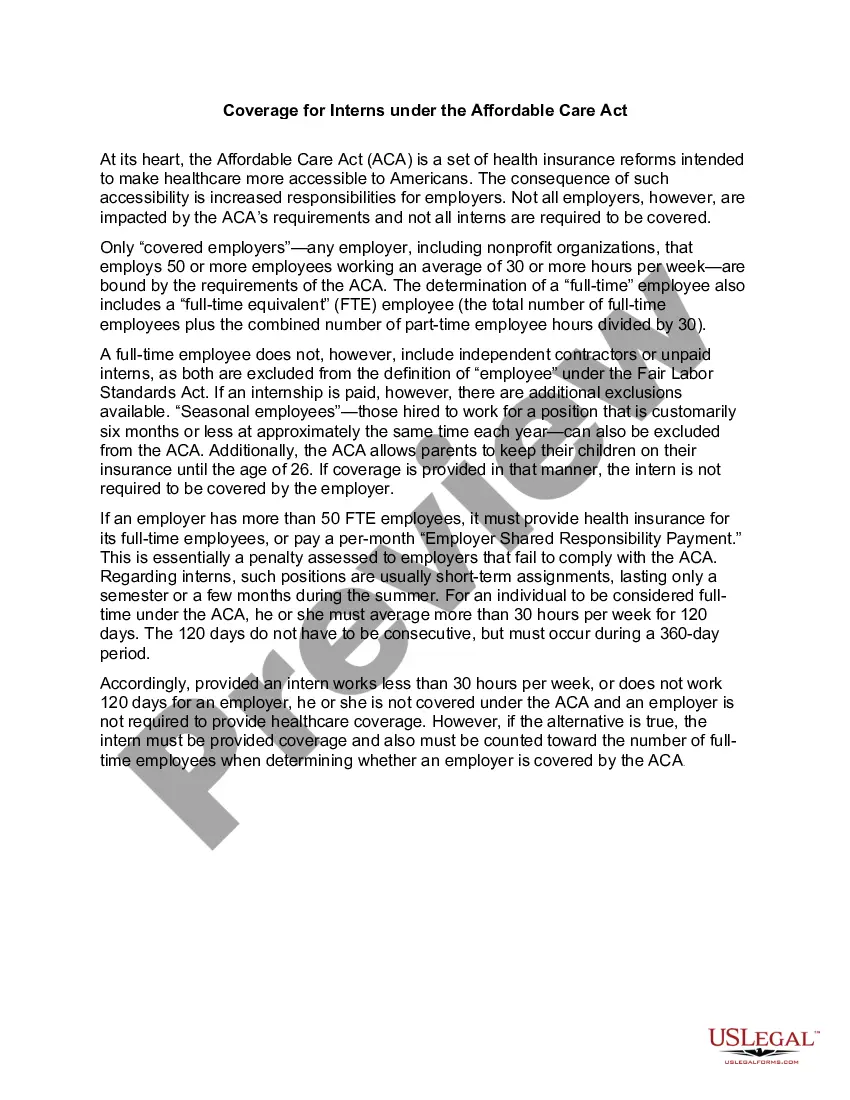

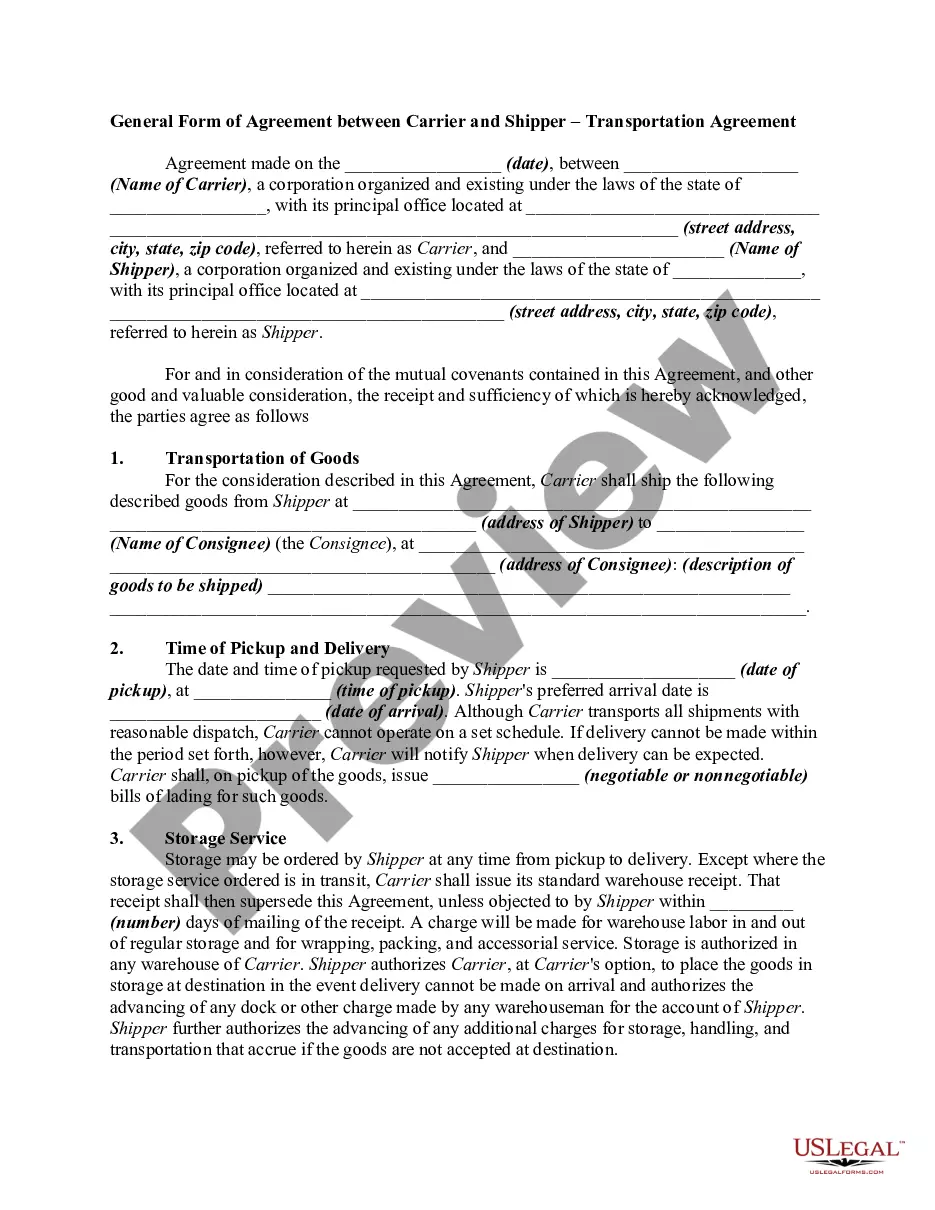
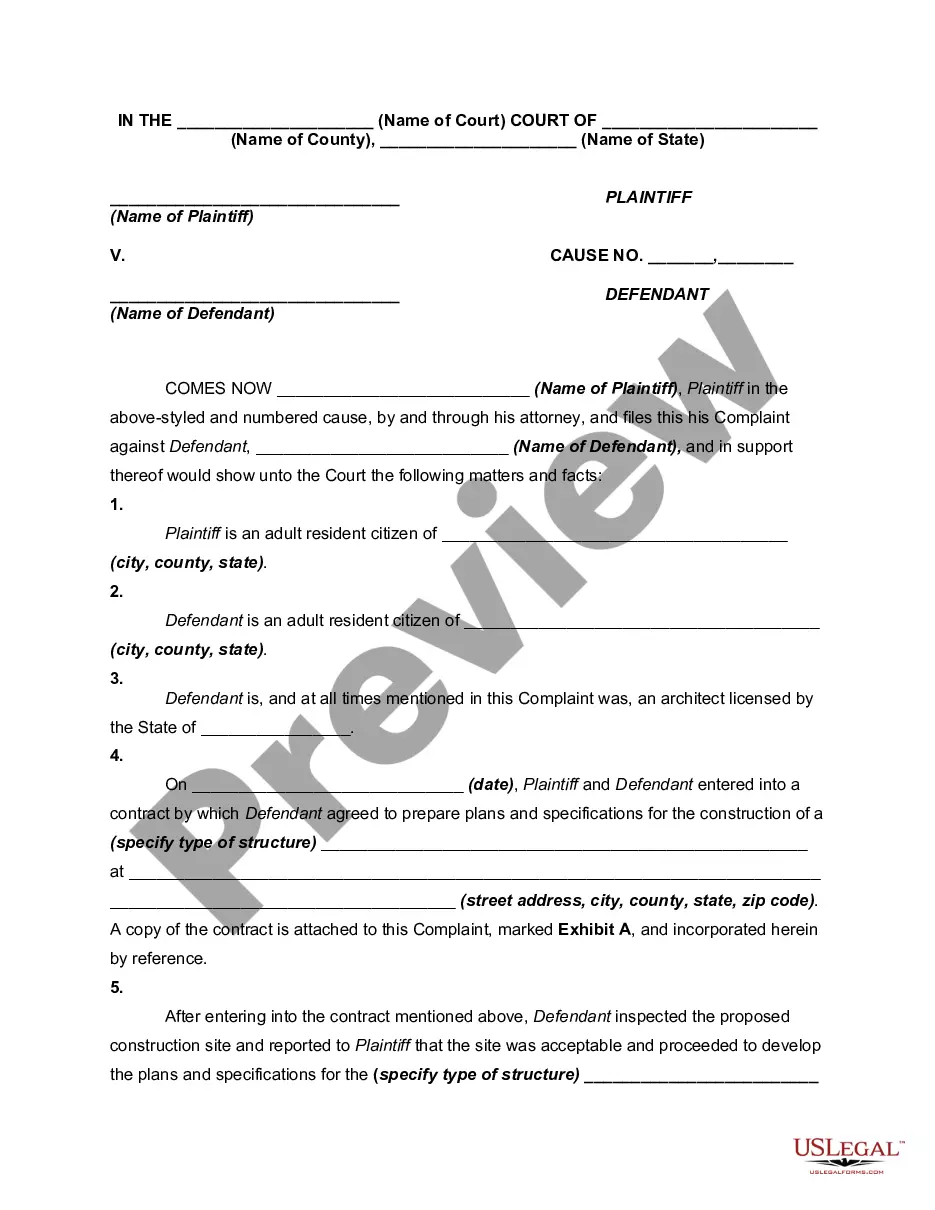

How to fill out Affidavit Of Principal That Power Of Attorney Not Revoked And In Full Force With Witnesses?
When it comes to drafting a legal form, it’s easier to leave it to the experts. Nevertheless, that doesn't mean you yourself cannot find a sample to use. That doesn't mean you yourself can’t find a template to use, nevertheless. Download Affidavit of Principal that Power of Attorney not Revoked and in Full Force with Witnesses right from the US Legal Forms site. It gives you a wide variety of professionally drafted and lawyer-approved forms and samples.
For full access to 85,000 legal and tax forms, customers just have to sign up and choose a subscription. After you are signed up with an account, log in, find a particular document template, and save it to My Forms or download it to your device.
To make things easier, we’ve provided an 8-step how-to guide for finding and downloading Affidavit of Principal that Power of Attorney not Revoked and in Full Force with Witnesses promptly:
- Make sure the document meets all the necessary state requirements.
- If possible preview it and read the description prior to buying it.
- Hit Buy Now.
- Choose the suitable subscription for your requirements.
- Create your account.
- Pay via PayPal or by credit/credit card.
- Select a preferred format if several options are available (e.g., PDF or Word).
- Download the document.
When the Affidavit of Principal that Power of Attorney not Revoked and in Full Force with Witnesses is downloaded you are able to complete, print out and sign it in almost any editor or by hand. Get professionally drafted state-relevant files within a matter of minutes in a preferable format with US Legal Forms!
Form popularity
FAQ
Non-Durable Power of Attorney. Durable Power of Attorney. Special or Limited Power of Attorney. Medical Power of Attorney. Springing Power of Attorney. Create Your Power of Attorney Now.
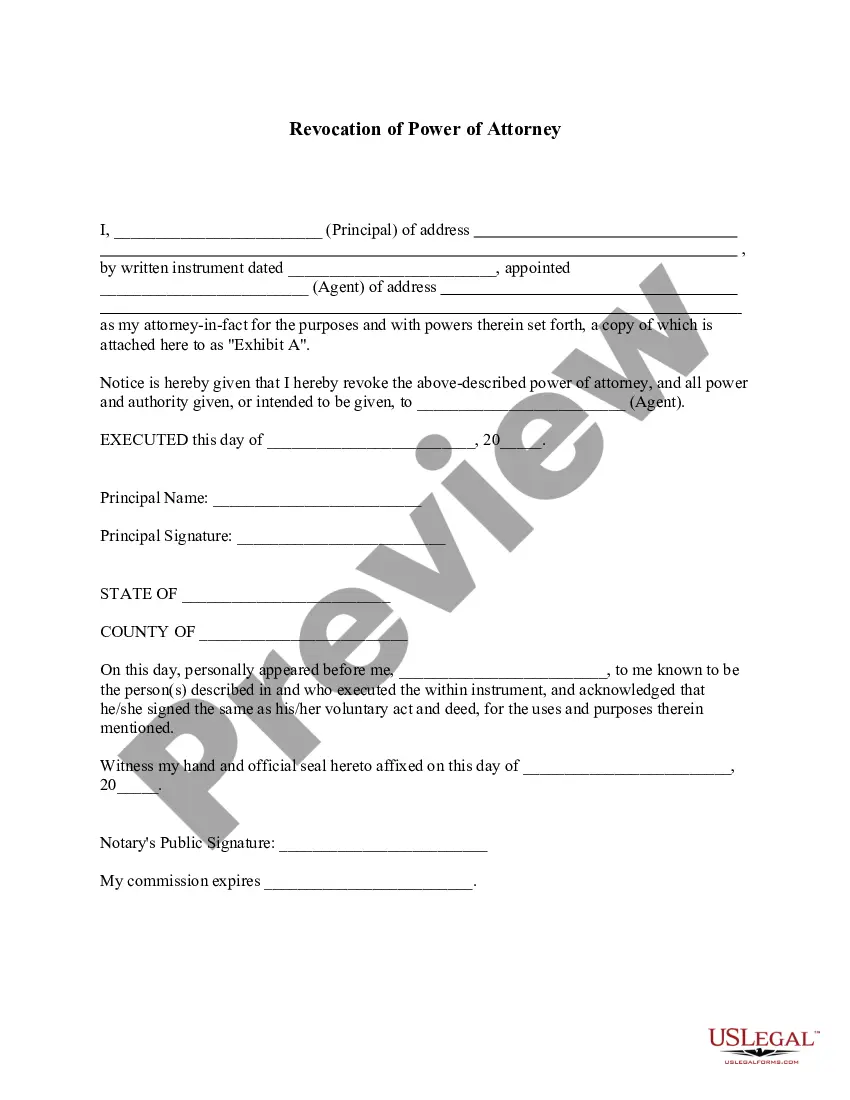
The principal can always override a power of attorney, although it's possible for others to stop an agent from abusing their responsibilities.A durable power of attorney doesn't expire if the principal becomes incapacitated.
A power of attorney allows your agent to act on your behalf with another party. Now that party might ask the agent to prove that you have given him the authority.The affidavit can be accompanied by a copy of the power of attorney granted by you.
An authorised person includes a Justice of the Peace (JP), a solicitor or barrister. After witnessing your signature, the witness must also sign your affidavit.
Attorneys cannot witness the donor's signature (that of the person making the LPA). All witnesses must be over 18 years of age. The certificate provider can be a witness to the donor's signature, and is often the best choice, since he or she must be present to certify the LPA anyway.
You can use a Power of Attorney for almost any financial purpose including: signing legally binding documents. operating bank accounts. paying bills.
Witnesses are generally at least 18 years of age and cannot be the agent, the notary, any relative by blood, adoption, or marriage, or a third party who intends to interact with the agent (e.g., medical doctor, banking professional, etc.)
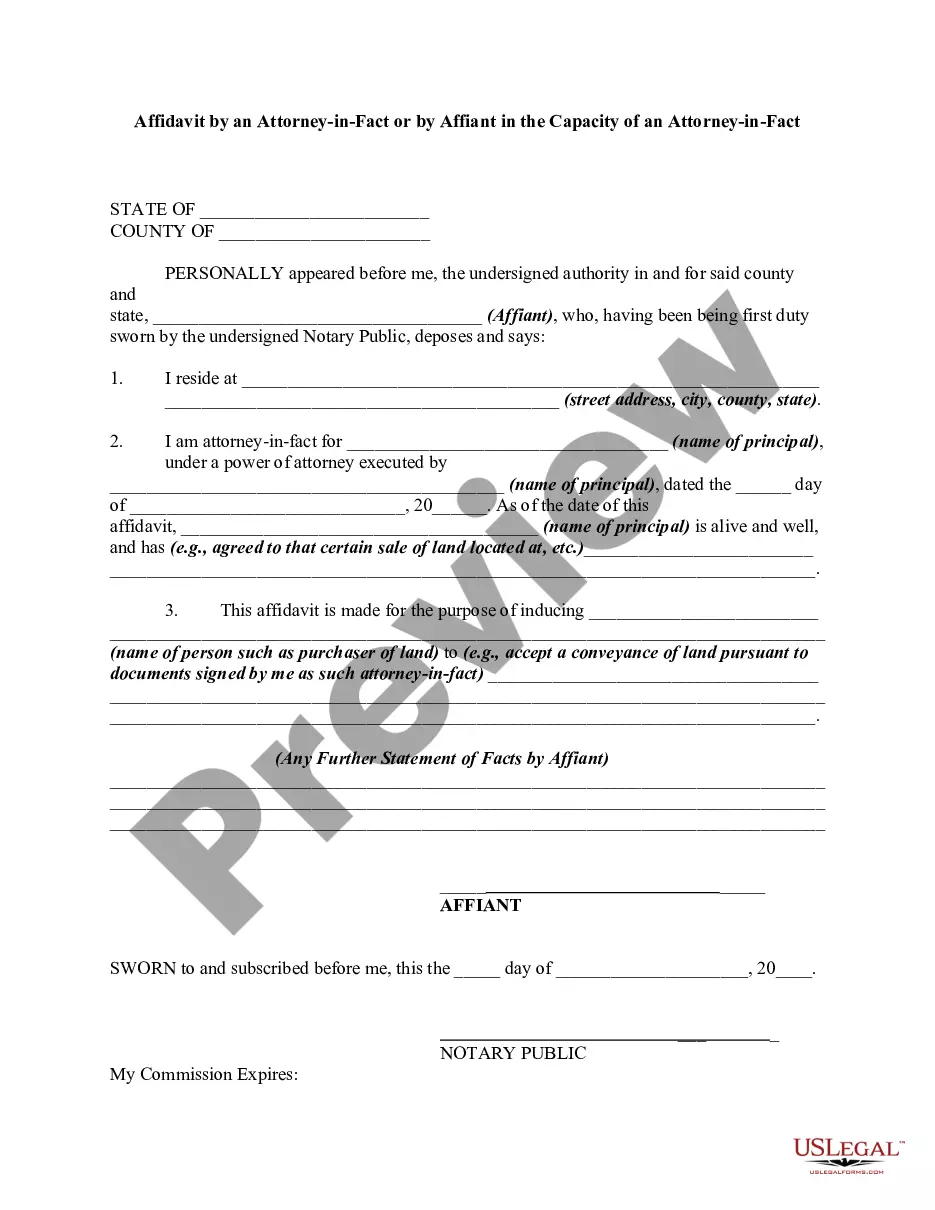
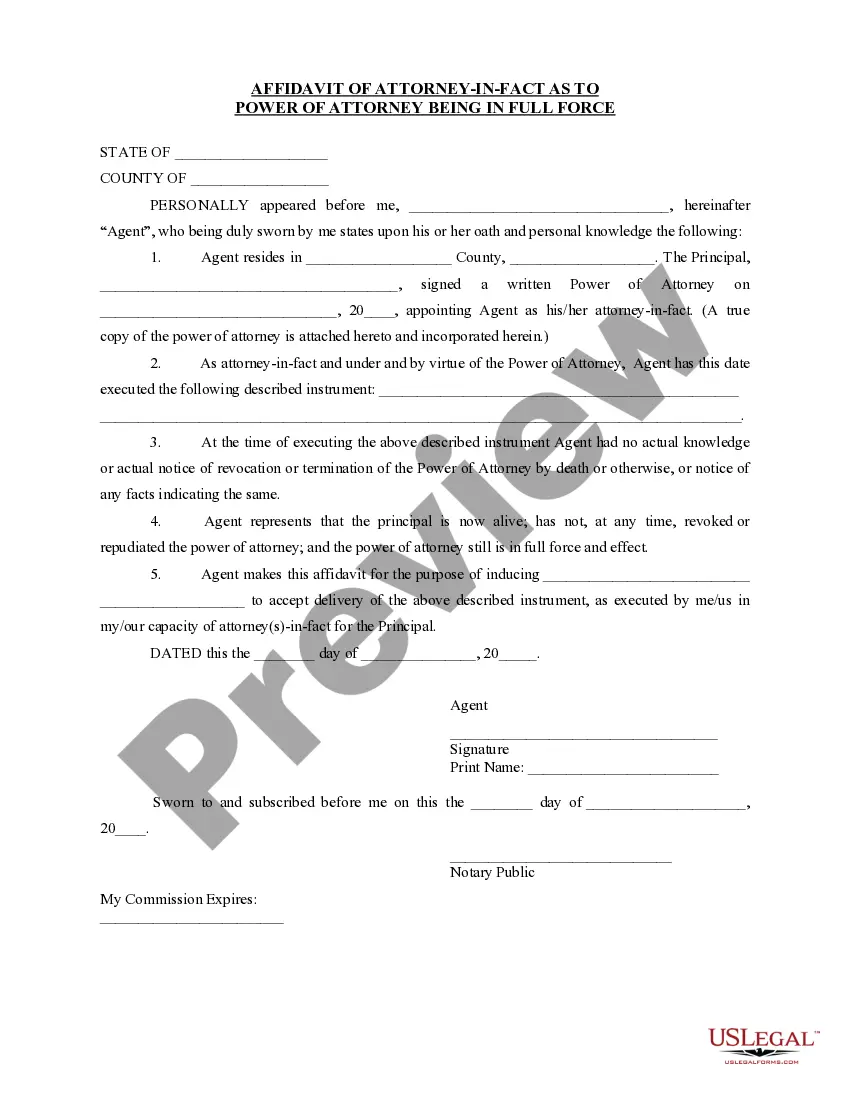
A third party may require you, as the Attorney-in-Fact, to sign an affidavit stating that you are validly exercising your duties under the Power of Attorney. If you want to use the Power of Attorney, you do need to sign the affidavit if so requested by the third party.
Affidavit of power of attorney. A power of attorney (POA) is a legal document signed by one person, known as the principal, that gives another person, the agent, the authority to act on the principal's behalf.This type of affidavit verifies certain financial information relating to the affiant.