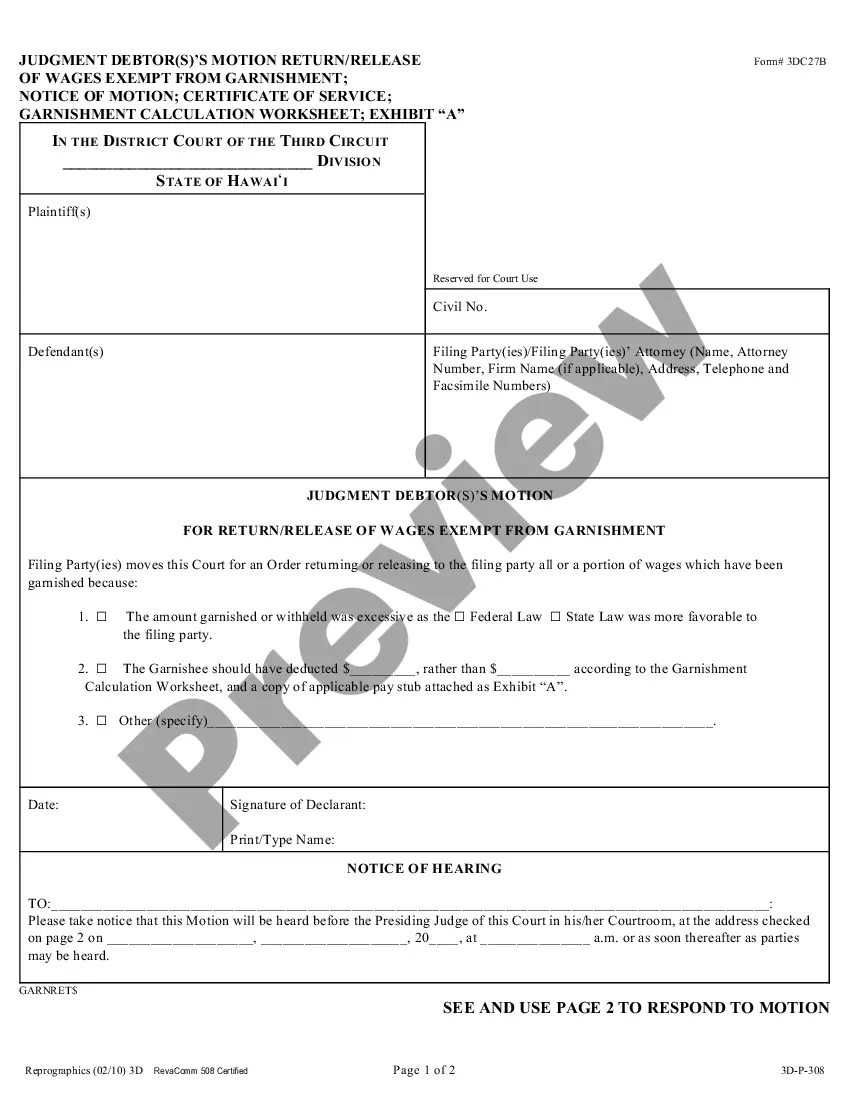
Sample Letter for Smoking Cessation Class
What is this form?
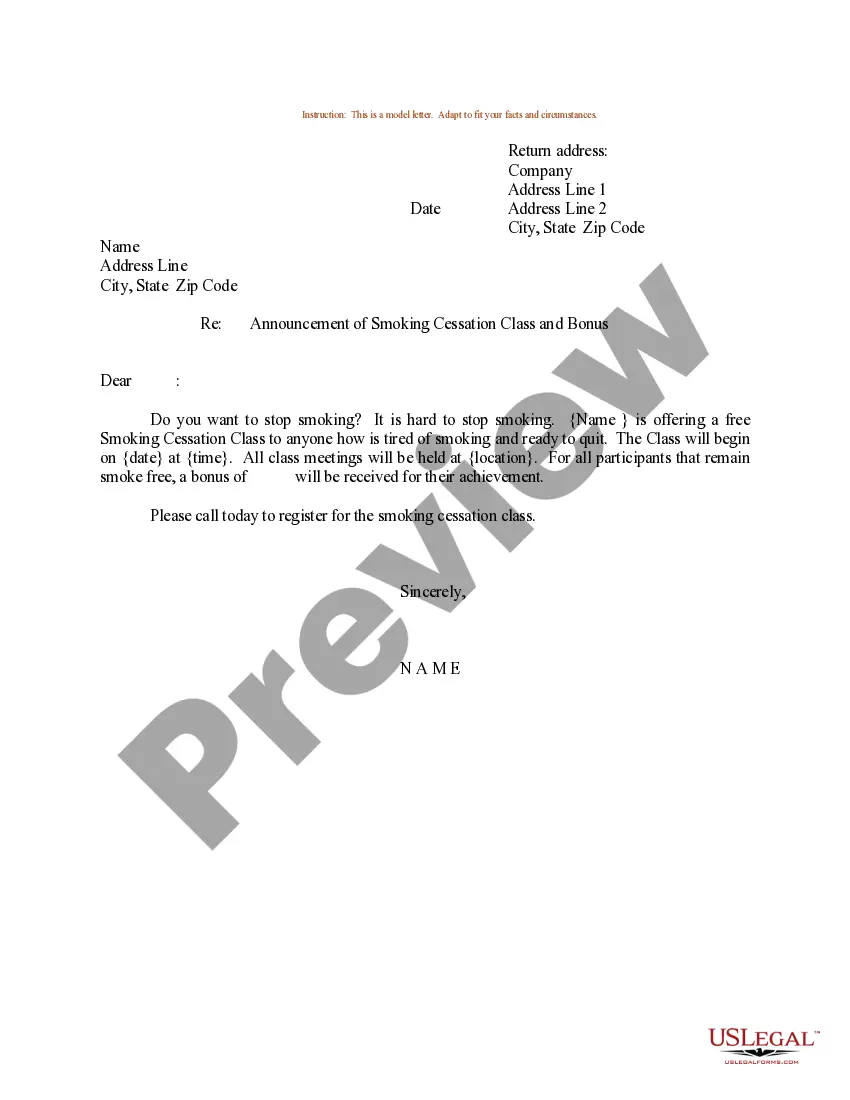
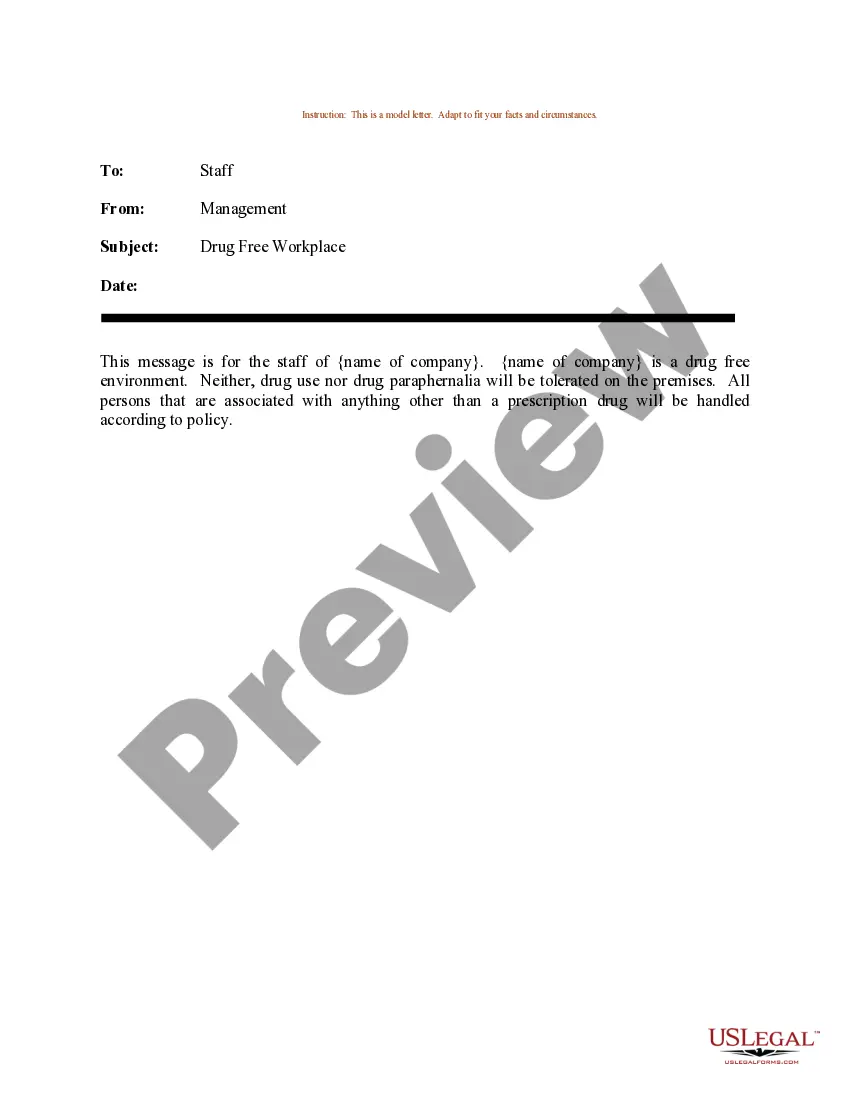
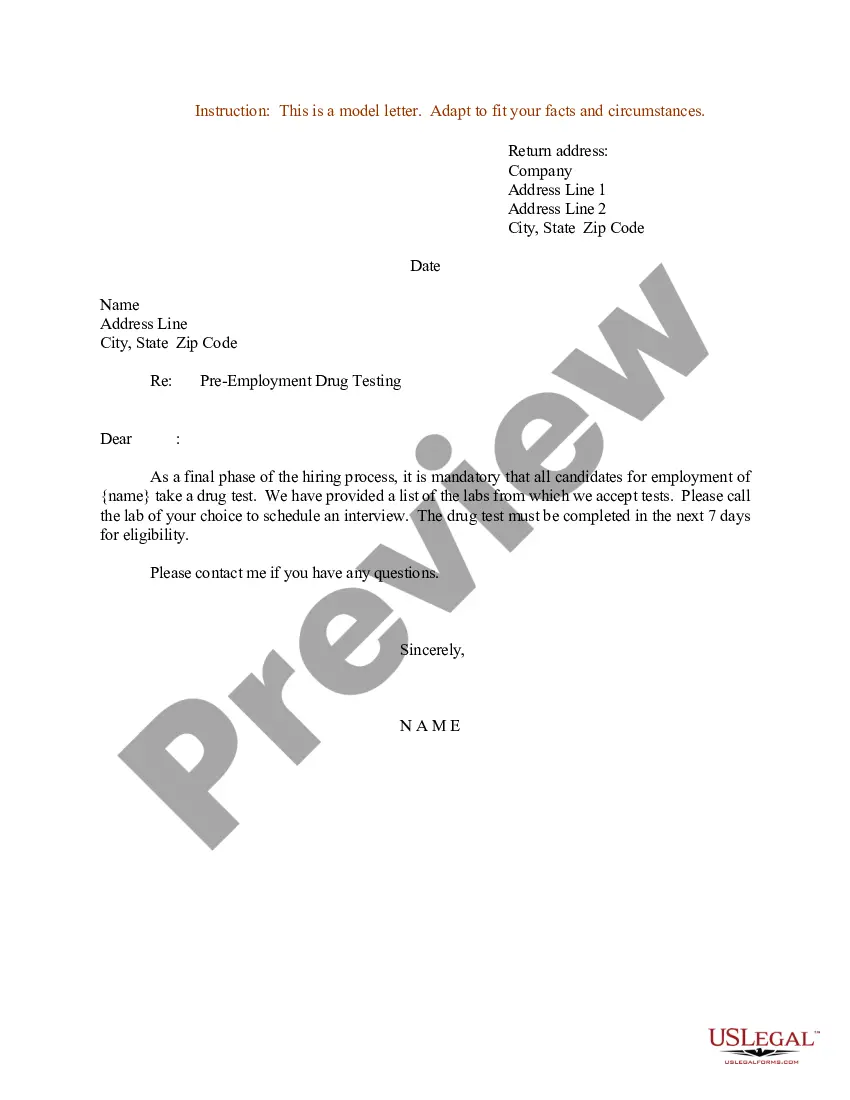
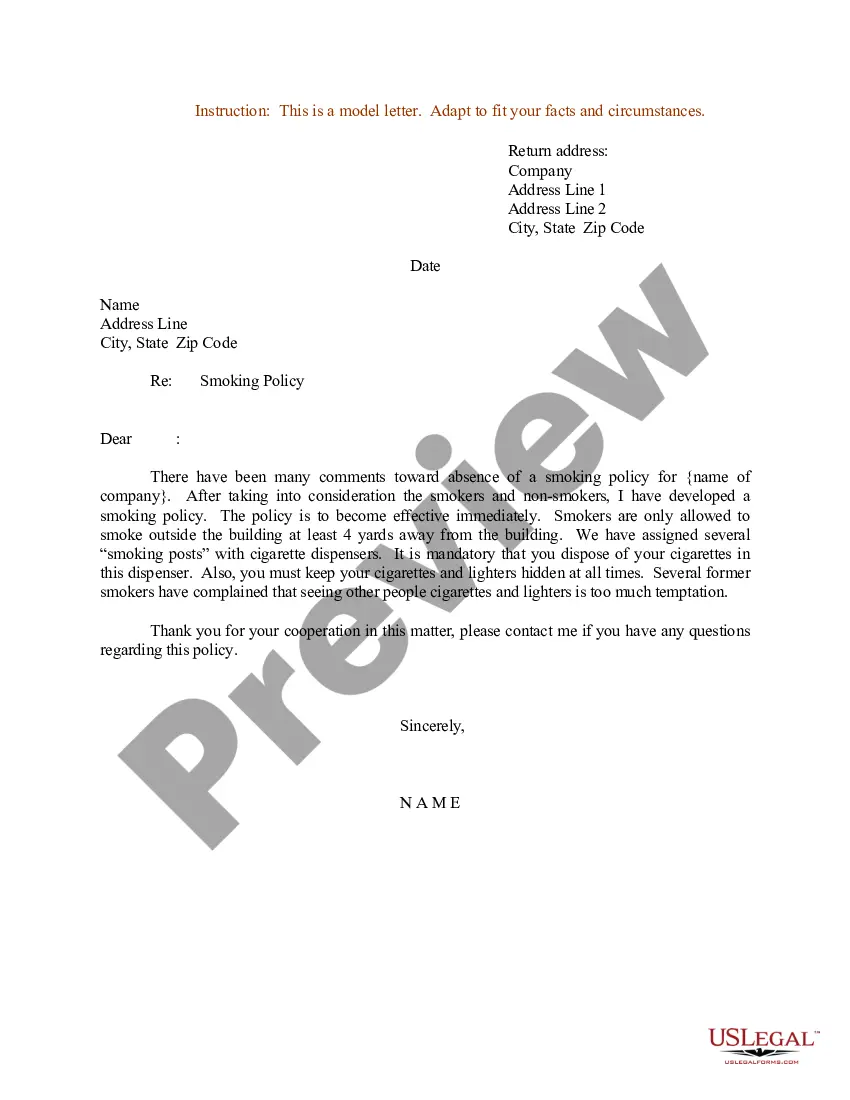
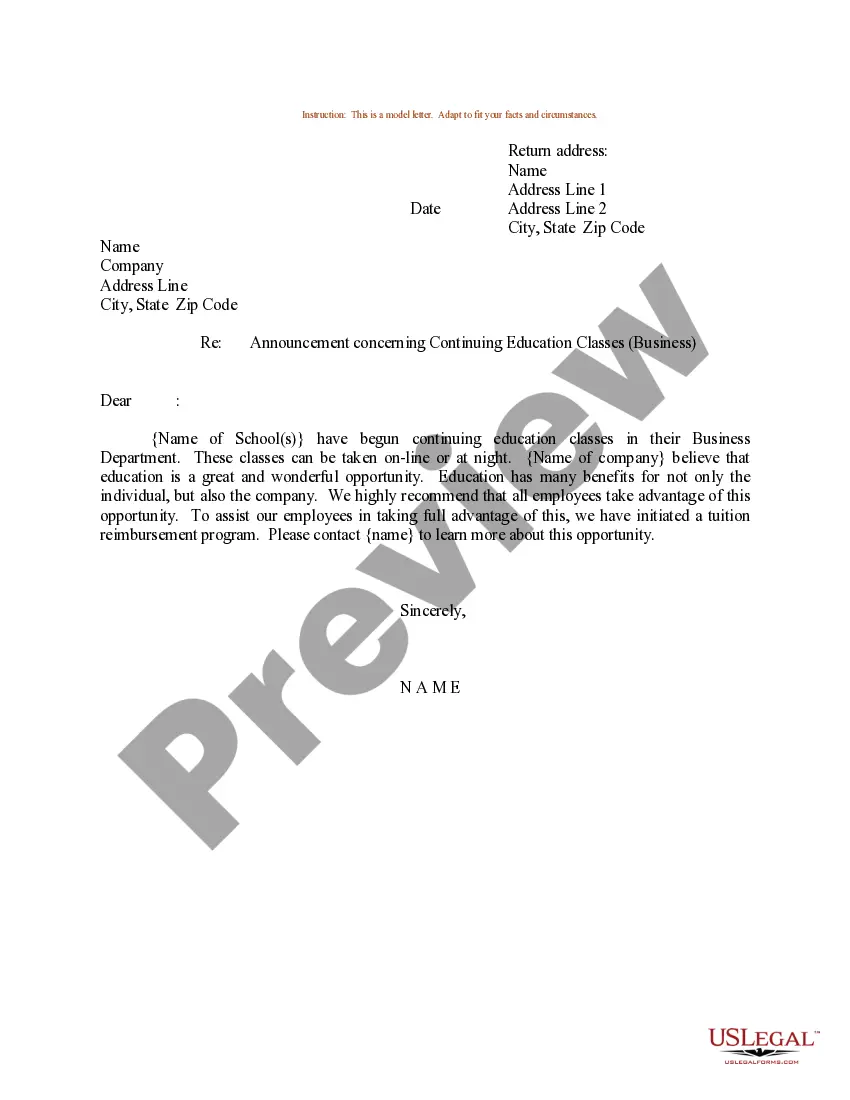
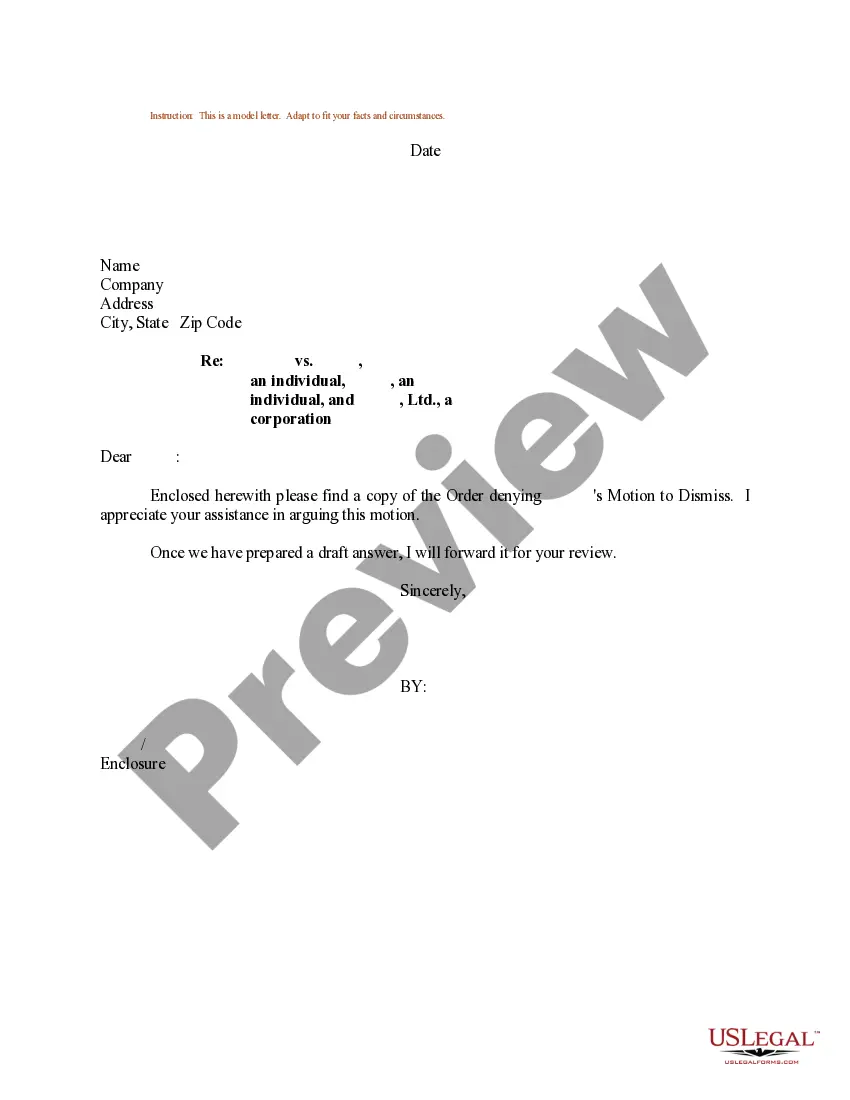
The Sample Letter for Smoking Cessation Class is a template designed to announce a smoking cessation program. This form can be used to notify employees, clients, or team members about the availability of a class aimed at helping individuals quit smoking. It serves as a structured way to communicate essential details while encouraging participation, distinguishing itself from other types of correspondence by its specific focus on smoking cessation efforts.
Key parts of this document
- Return address: where the sender's information is listed.
- Date: the date on which the letter is written.
- Recipient's name and address: information for the individual or group receiving the letter.
- Subject line: highlights the purpose of the letter, i.e., the smoking cessation class announcement.
- Details of the smoking cessation class: any specific information regarding the time, location, and bonuses related to the class may be included.
When this form is needed
This form is useful in various scenarios, including when an organization wants to promote a smoking cessation initiative among employees or community members. It can be employed when launching a new program, offering incentives for participation, or simply informing stakeholders about resources available for quitting smoking.
Who can use this document
Use this form if you are:
- An employer or HR manager looking to support employee wellness.
- A healthcare provider offering cessation classes to patients.
- A community leader wanting to promote public health initiatives.
- Any organization or group promoting smoking cessation programs.
Steps to complete this form
Follow these steps to effectively complete the Sample Letter for Smoking Cessation Class:
- Identify the sender and enter the return address at the top.
- Enter the date of the letter.
- Fill in the recipient's name and address.
- Craft the subject line by clearly stating the purpose of the letter.
- Provide detailed information about the smoking cessation class, including any relevant incentives.
- Review the letter for clarity and send it to the intended recipients.
Does this form need to be notarized?
Notarization is not commonly needed for this form. However, certain documents or local rules may make it necessary. Our notarization service, powered by Notarize, allows you to finalize it securely online anytime, day or night.
Get your form ready online
Our built-in tools help you complete, sign, share, and store your documents in one place.
Make edits, fill in missing information, and update formatting in US Legal Forms—just like you would in MS Word.
Download a copy, print it, send it by email, or mail it via USPS—whatever works best for your next step.
Sign and collect signatures with our SignNow integration. Send to multiple recipients, set reminders, and more. Go Premium to unlock E-Sign.
If this form requires notarization, complete it online through a secure video call—no need to meet a notary in person or wait for an appointment.
We protect your documents and personal data by following strict security and privacy standards.

Make edits, fill in missing information, and update formatting in US Legal Forms—just like you would in MS Word.

Download a copy, print it, send it by email, or mail it via USPS—whatever works best for your next step.

Sign and collect signatures with our SignNow integration. Send to multiple recipients, set reminders, and more. Go Premium to unlock E-Sign.

If this form requires notarization, complete it online through a secure video call—no need to meet a notary in person or wait for an appointment.

We protect your documents and personal data by following strict security and privacy standards.
Common mistakes
- Omitting the return address or date.
- Failing to include essential details like the class schedule or incentives.
- Addressing the letter incorrectly, leading to delivery issues.
- Not proofreading the letter for grammatical errors or typos.
Why complete this form online
- Convenient and quick accessibility from any device.
- Editable format allows for customization to fit your specific needs.
- Reliability, as the forms are drafted by licensed attorneys.
- Secure download, ensuring your information remains private.
Legal use & context
- The letter serves as an official communication regarding health initiatives.
- While it is a helpful template, clarity and legal wording are crucial for enforceability.
- Ensure that all information provided is accurate and up-to-date to avoid legal issues.
Summary of main points
- The Sample Letter for Smoking Cessation Class is an important tool for promoting cessation programs.
- Clearly identify the sender and recipient, and always include relevant class information.
- Use this form to support health initiatives in a professional manner.
Looking for another form?

Form popularity
FAQ
The program lasts at least 2 weeks, although longer is usually better. The leader is trained in smoking cessation.
When counseling your patients about smoking, the Agency for Healthcare Research recommends a brief smoking cessation intervention known as the "5 A's": Ask, Advise, Assess, Assist, and Arrange. ASSIST. Capitalize on teachable moments to discuss healthy lifestyle choices.
How does the Tobacco Cessation Program work? A one-on-one interview assessment is given over the phone to assess the level of tobacco use and help determine the most appropriate treatment course. A specialist works with the client to develop a customized quit plan.
Understand your target market. Identify patients who could benefit. Identify and incorporate cessation best practices Gather resources. Partner for smoking cessation. Promote your program. Offer ongoing support.
The five major steps to intervention are the "5 A's": Ask, Advise, Assess, Assist, and Arrange. Ask - Identify and document tobacco use status for every patient at every visit.Advise - In a clear, strong, and personalized manner, urge every tobacco user to quit.
Varenicline (Chantix). Varenicline works by binding to nicotine receptors in the body, partly turning them on to reduce withdrawal symptoms, but also blocking them from the nicotine in cigarettes and thus making smoking less pleasurable. So far, varenicline has shown the highest quit-rate in studies.
It's not necessary to criticize someone for smoking in the same breath that you ask them not to smoke around you. You also don't need to offer an explanation for why you're asking someone to stop smoking around you. Simply saying, I'd appreciate it if you didn't smoke around me, is sufficient.
Assist patients with their quit attempt through counseling, medications and resources. Just 3-10 minutes of counseling increases quit rates by 60%. If patient is not ready to quit, provide counseling using motivational interviewing or strategies in Table A in hopes of motivating them to make a future quit attempt.