Sample Letter for Closing of Estate
What is this form?
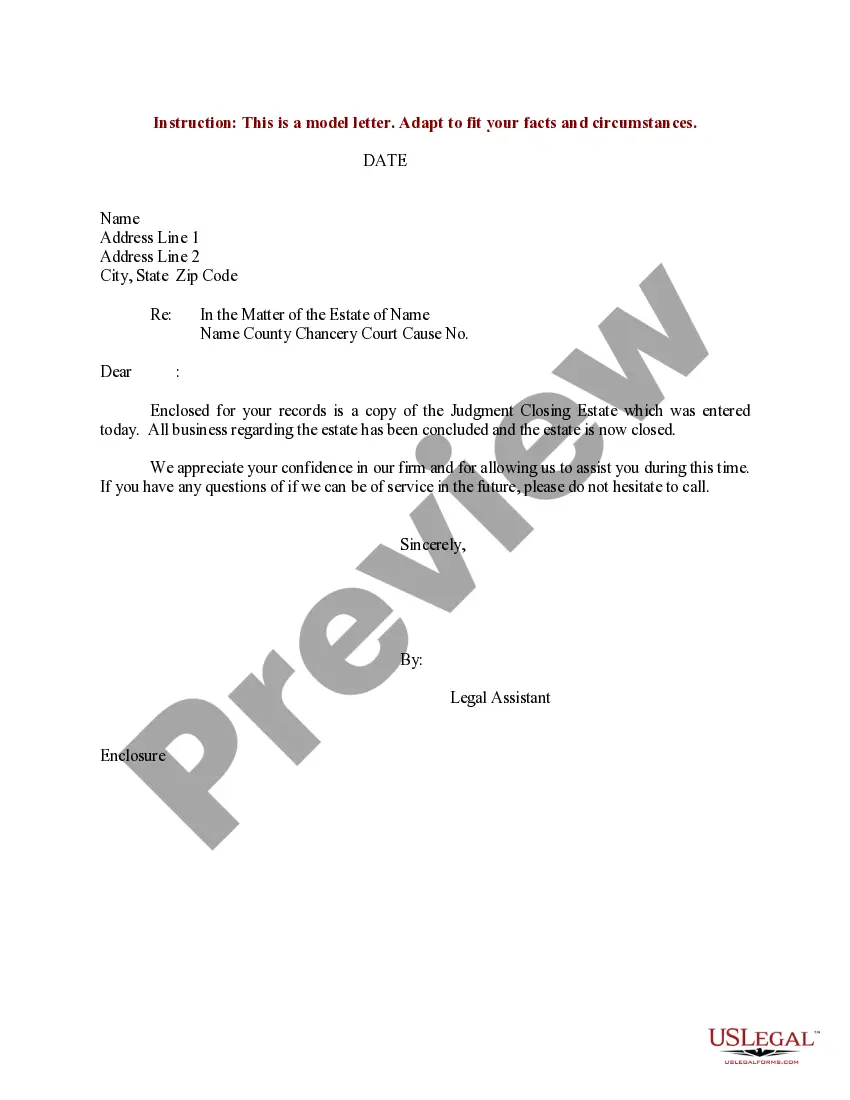
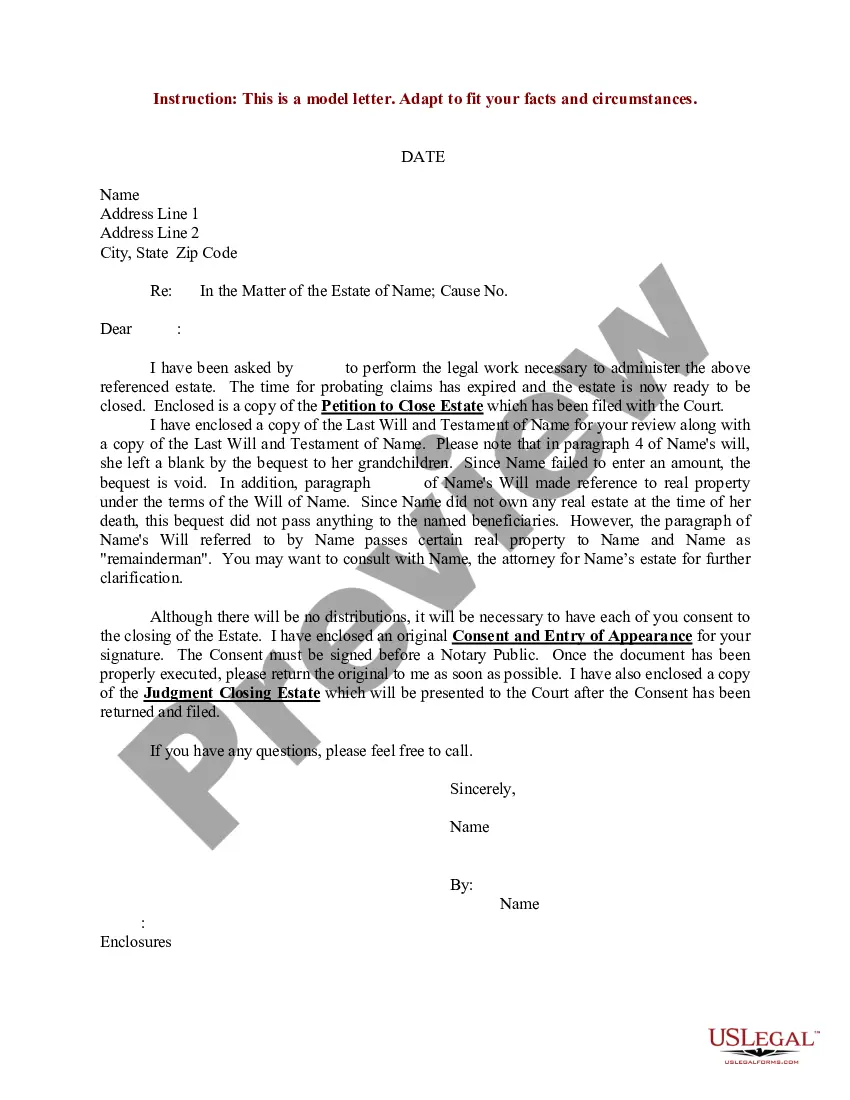
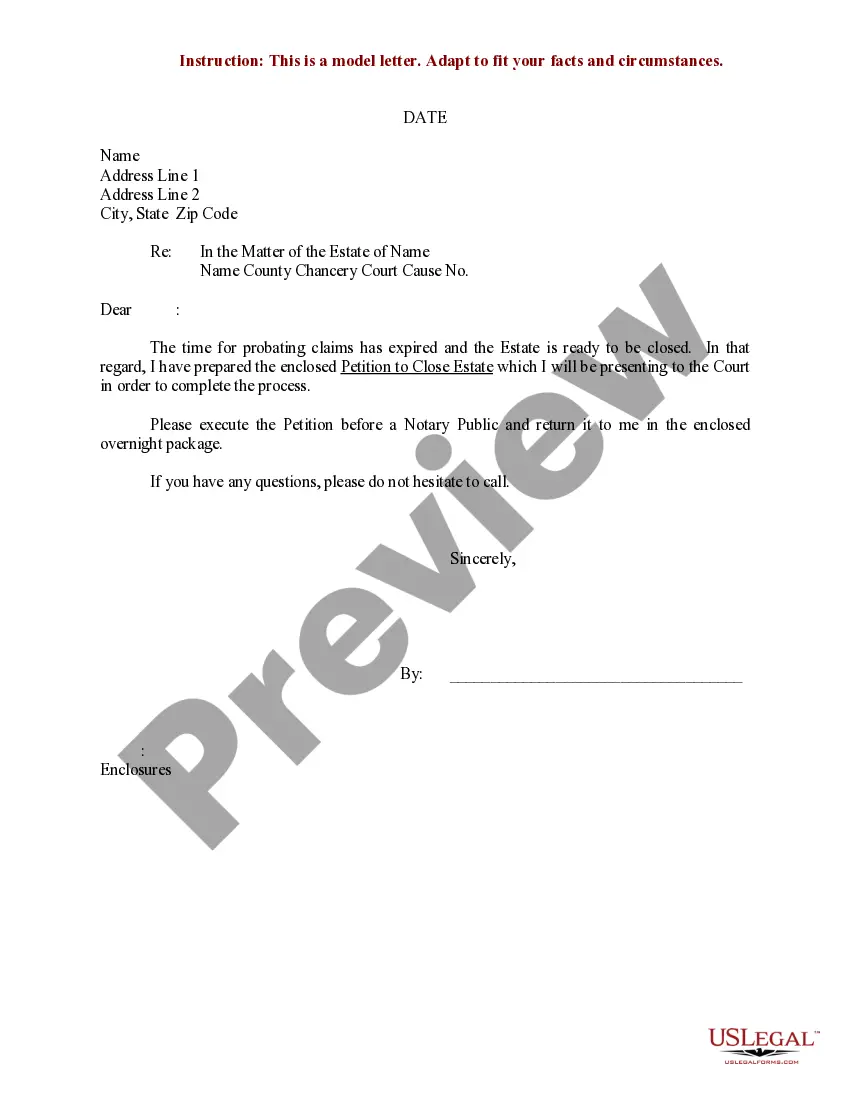
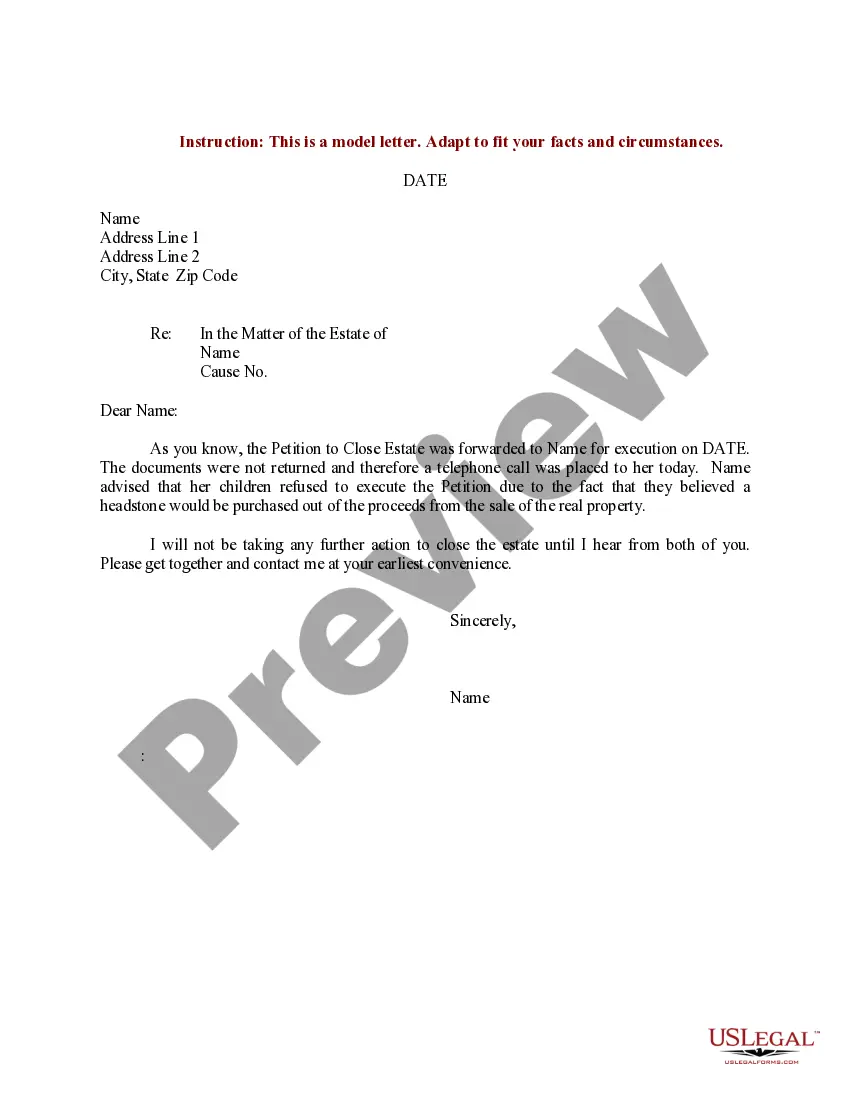
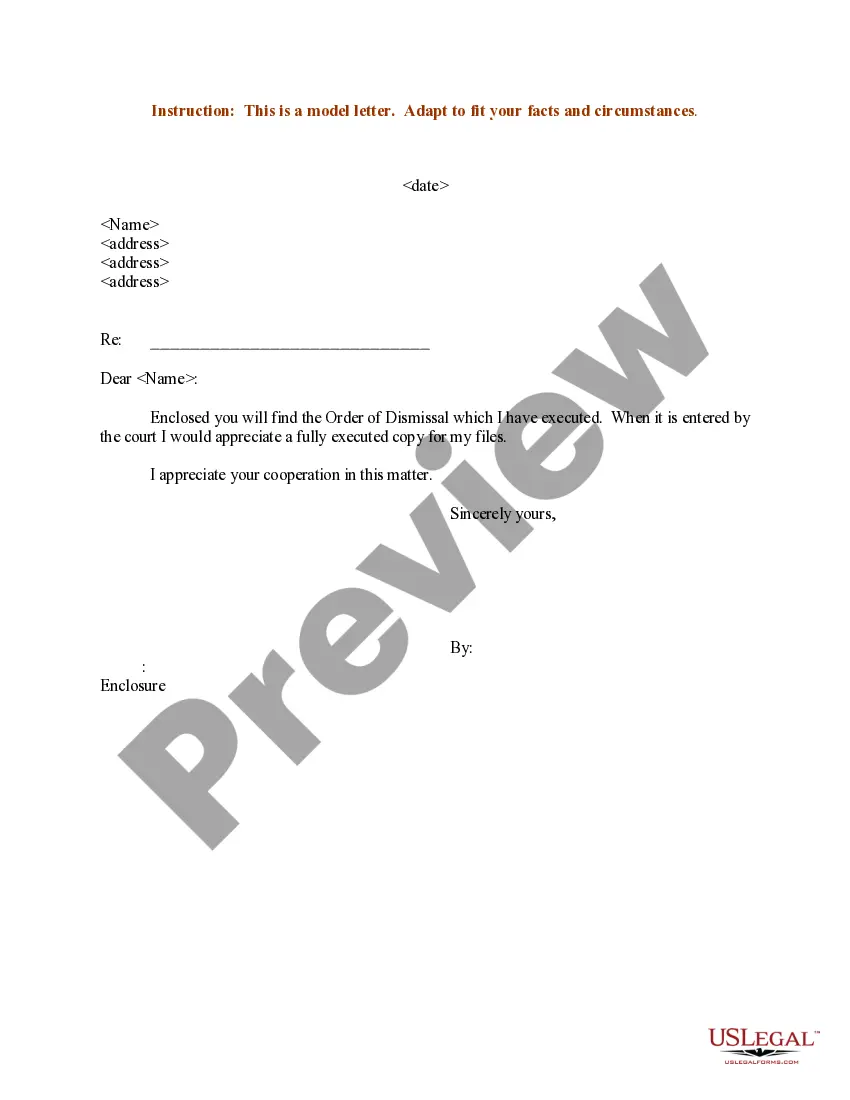
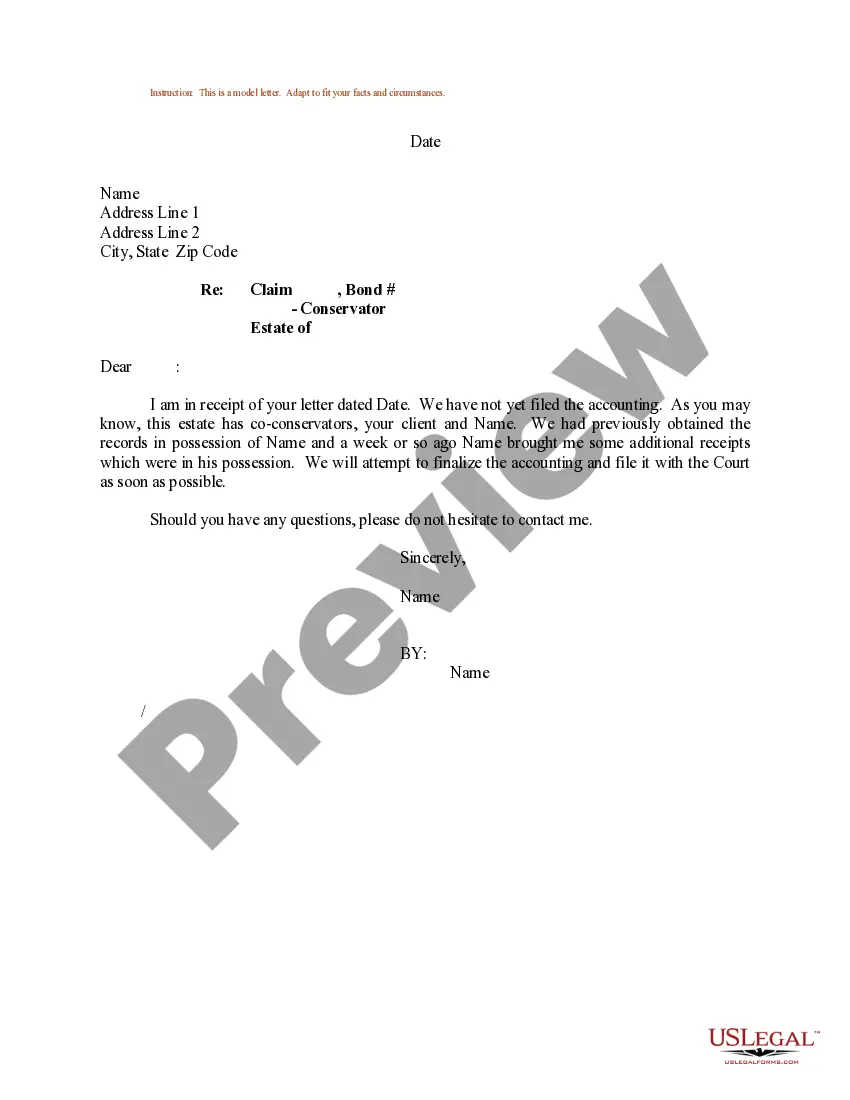
The Sample Letter for Closing of Estate is a template letter designed to formally communicate the conclusion of the estate administration process. It serves to notify interested parties that the estate has been settled, distinguishing it from other legal forms related to estate management such as estate inventory or probate filings. This document is particularly useful in reflecting the intentions of the executor or administrator in managing the estate affairs.
Main sections of this form
- Date: The official date when the letter is prepared.
- Sender's information: Includes name, address, city, state, and zip code of the individual sending the letter.
- Subject line: States the matter of the estate involved.
- Salutation: A respectful address to the recipient.
- Closure statement: Contents that confirm the closure of the estate and any enclosures included with the letter.
When to use this document
This form is used when an estate has been fully administered and it is necessary to inform beneficiaries and other interested parties that the estate is officially closed. Typical scenarios for utilizing this letter include finalizing an inheritance settlement, notifying creditors, or wrapping up estate financial matters after settling obligations and distributing assets.
Who should use this form
- Executors or administrators of estates seeking to communicate the conclusion of estate affairs.
- Beneficiaries who need formal documentation of estate closure.
- Attorneys assisting clients in the estate closing process.
Instructions for completing this form
- Enter the date on which the letter is being written.
- Fill in your name and complete address information.
- Specify the subject of the letter by including the name of the estate.
- Address the letter to the intended recipient(s) in the salutation.
- Include a brief statement confirming the estate closure and note any enclosures.
Is notarization required?
This form usually doesn’t need to be notarized. However, local laws or specific transactions may require it. Our online notarization service, powered by Notarize, lets you complete it remotely through a secure video session, available 24/7.
Get your form ready online
Our built-in tools help you complete, sign, share, and store your documents in one place.
Make edits, fill in missing information, and update formatting in US Legal Forms—just like you would in MS Word.
Download a copy, print it, send it by email, or mail it via USPS—whatever works best for your next step.
Sign and collect signatures with our SignNow integration. Send to multiple recipients, set reminders, and more. Go Premium to unlock E-Sign.
If this form requires notarization, complete it online through a secure video call—no need to meet a notary in person or wait for an appointment.
We protect your documents and personal data by following strict security and privacy standards.

Make edits, fill in missing information, and update formatting in US Legal Forms—just like you would in MS Word.

Download a copy, print it, send it by email, or mail it via USPS—whatever works best for your next step.

Sign and collect signatures with our SignNow integration. Send to multiple recipients, set reminders, and more. Go Premium to unlock E-Sign.

If this form requires notarization, complete it online through a secure video call—no need to meet a notary in person or wait for an appointment.

We protect your documents and personal data by following strict security and privacy standards.
Typical mistakes to avoid
- Failing to include the date in the letter.
- Not addressing the letter to the correct recipients.
- Omitting important enclosure details that confirm the conclusion of estate matters.
Benefits of completing this form online
- Convenient access: Download and complete the form at your own pace.
- Editability: Make necessary changes easily before finalizing.
- Reliable templates: Created by licensed attorneys to ensure compliance and validity.
Quick recap
- The Sample Letter for Closing of Estate serves to formally notify interested parties of estate closure.
- Important details such as date, parties involved, and confirmation of closure need to be included.
- Using online templates provides convenience and ensures the legal validity of the document.
Looking for another form?
Form popularity
FAQ
The Sample Letter for Closing of Estate is a template used to formally communicate that an estate has been settled and closed. It documents the conclusion of administration and informs beneficiaries and other interested parties that affairs have been wrapped up. It is typically used after full administration by the executor or administrator.
To officially close an estate with this letter, the executor or administrator prepares a dated letter that includes sender’s information, a clear subject line, a proper salutation, and a closure statement confirming settlement. Enclosures, if any, should be listed. The letter is then distributed to beneficiaries and other interested parties to document estate closure.
The closure statement should clearly declare that the estate has been closed and that all administration duties are complete. It should include the closing date and note any enclosures accompanying the letter, reflecting the executor’s or administrator’s intent to finalize estate affairs.
It is intended for executors or administrators who have completed administration, for beneficiaries who need formal proof of closure, and for attorneys assisting with final estate matters. The letter serves to notify interested parties that the estate has been settled and closed.
After the estate has been fully administered and closure is official, the letter is sent to beneficiaries and other interested parties to notify them that the estate is settled and that final distributions or settlements have been completed in a timely manner.
This form is a closing notice, not a probate filing or inventory. It formally communicates that the estate has been settled and closed, and notes any enclosures. Probate filings and estate inventories are ongoing or preliminary records used during administration.