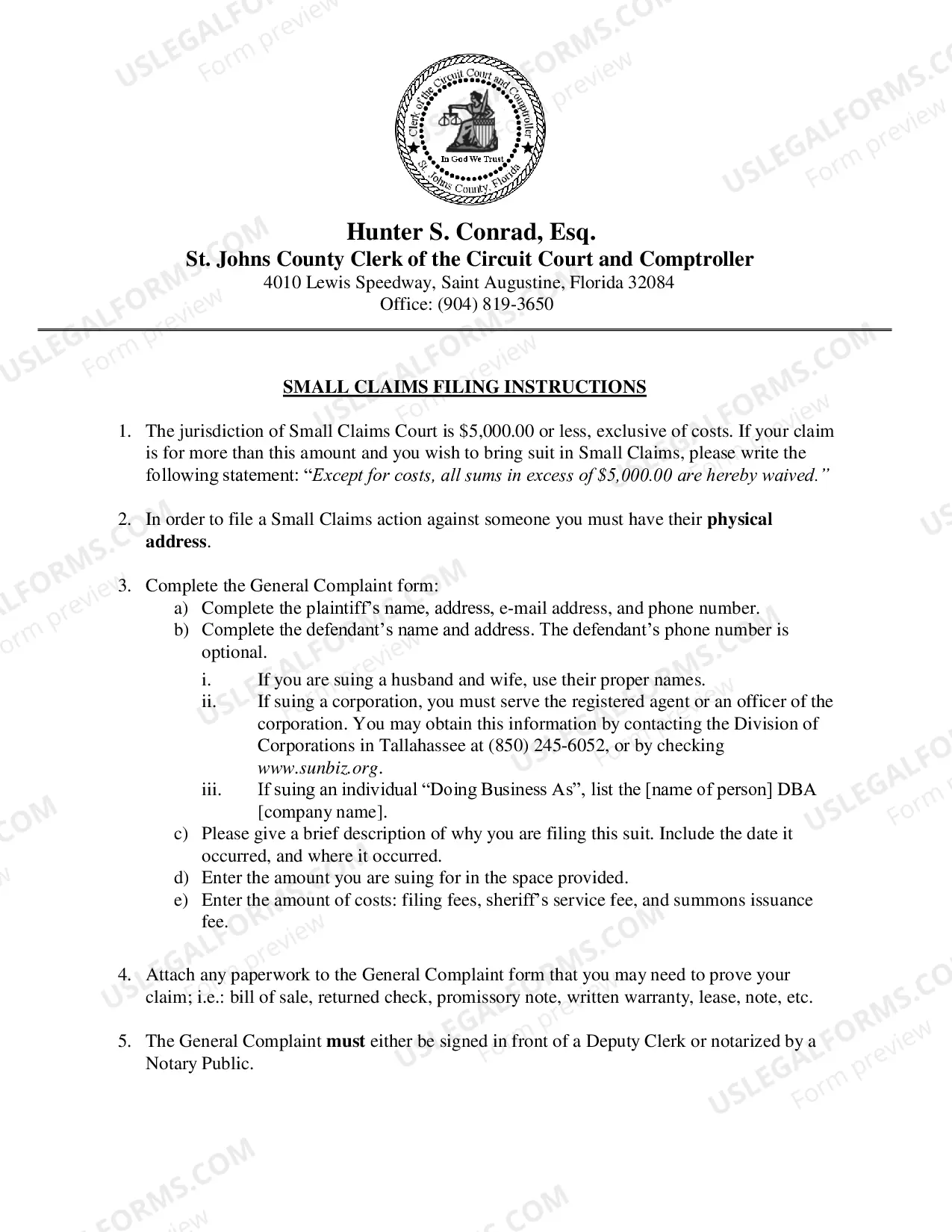
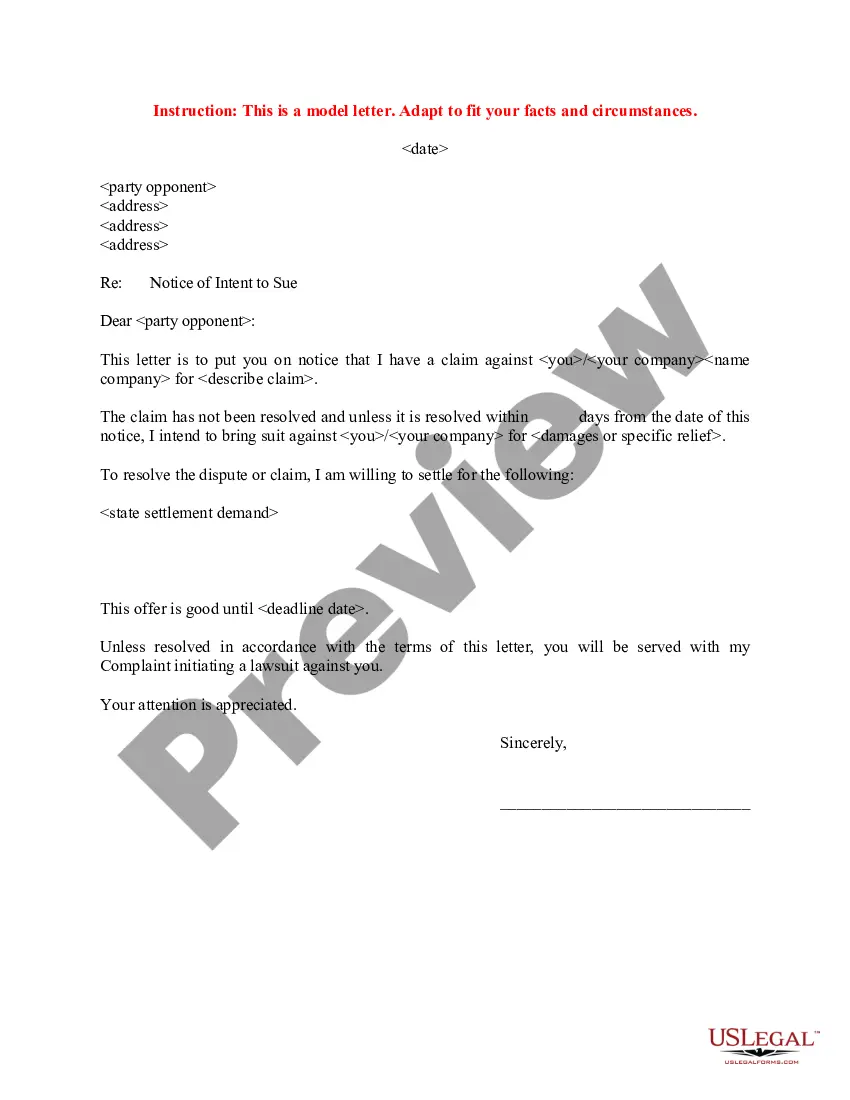
Sample Letter of Intent to Sue - with Settlement Demand
What this document covers
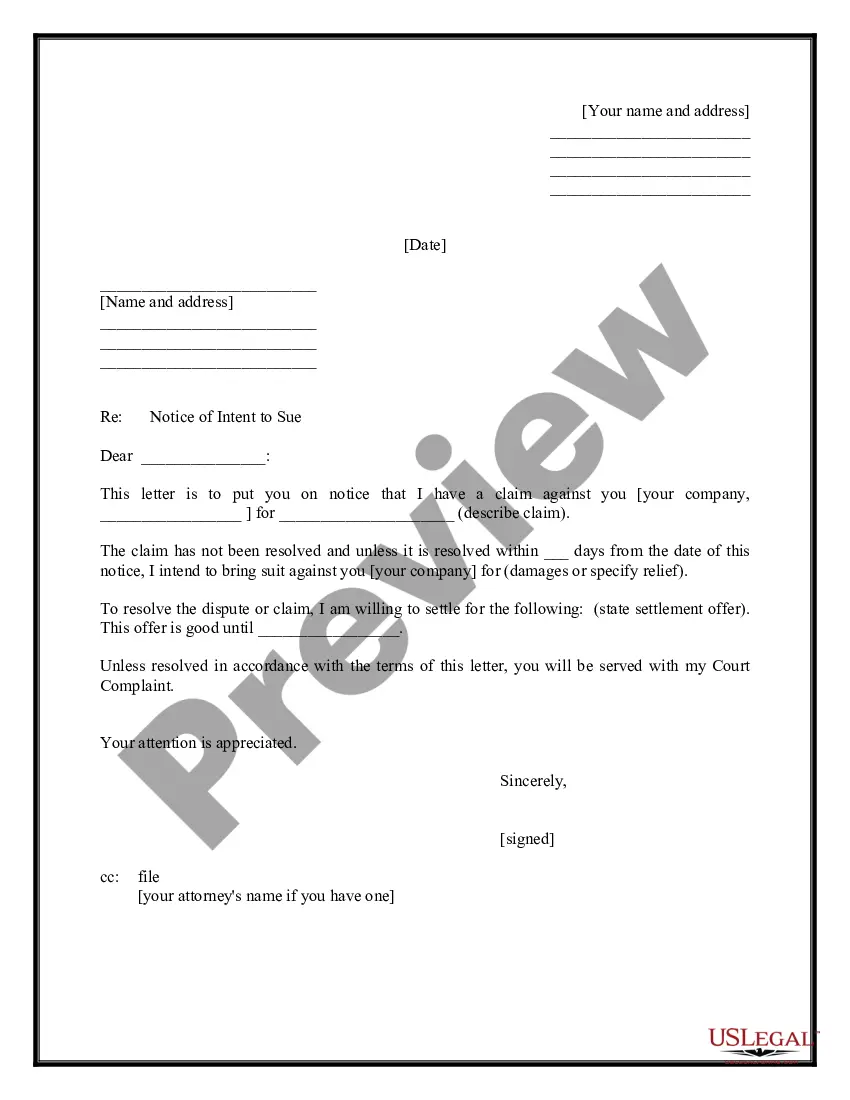
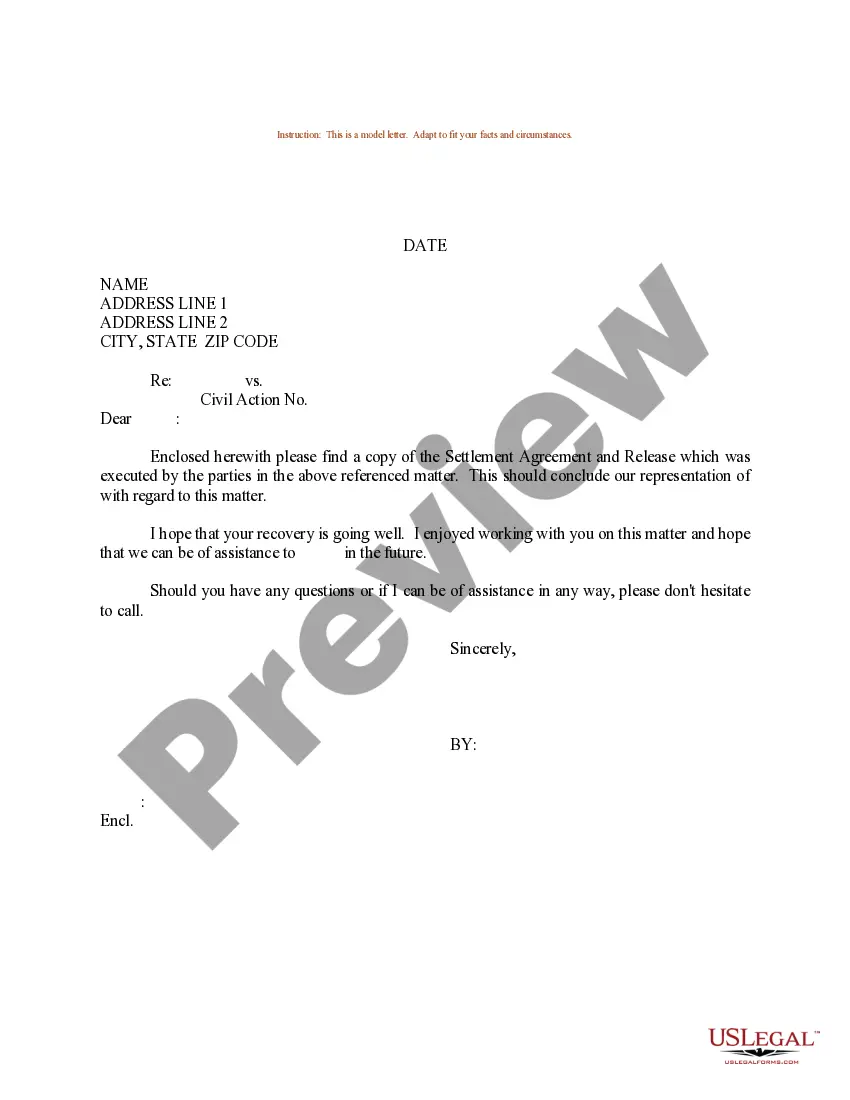
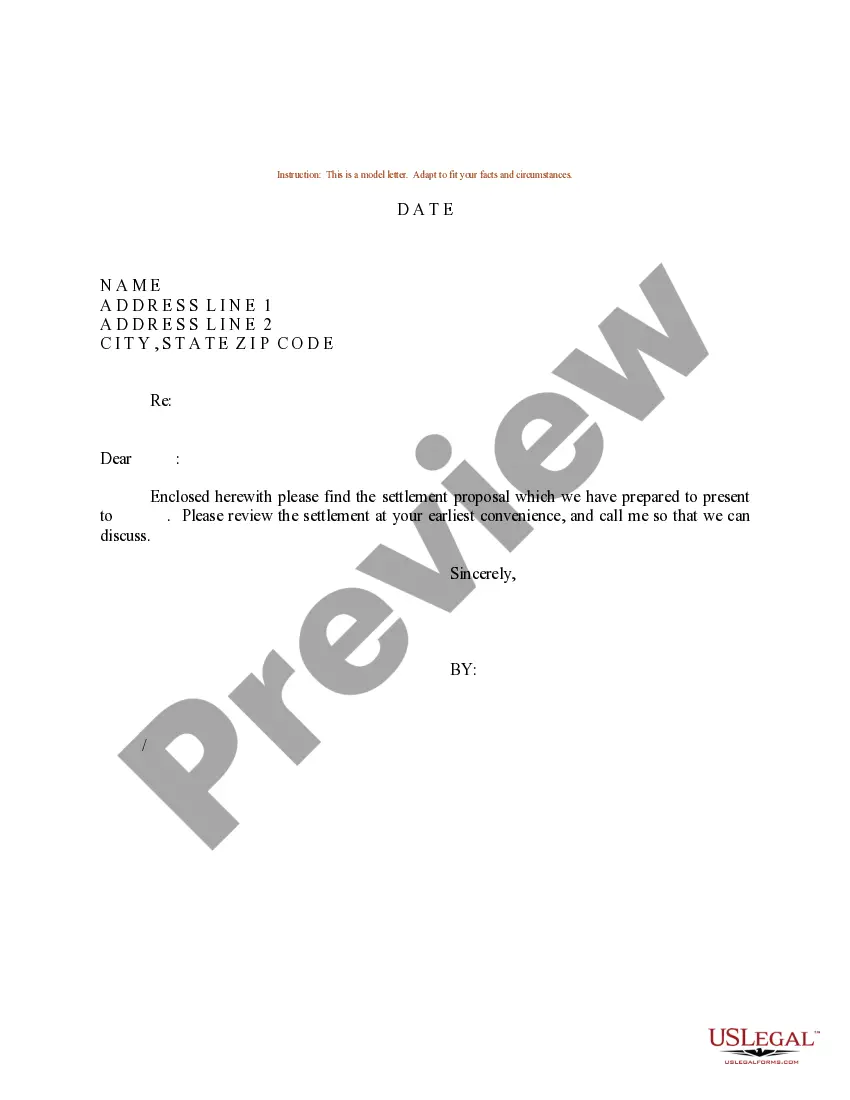
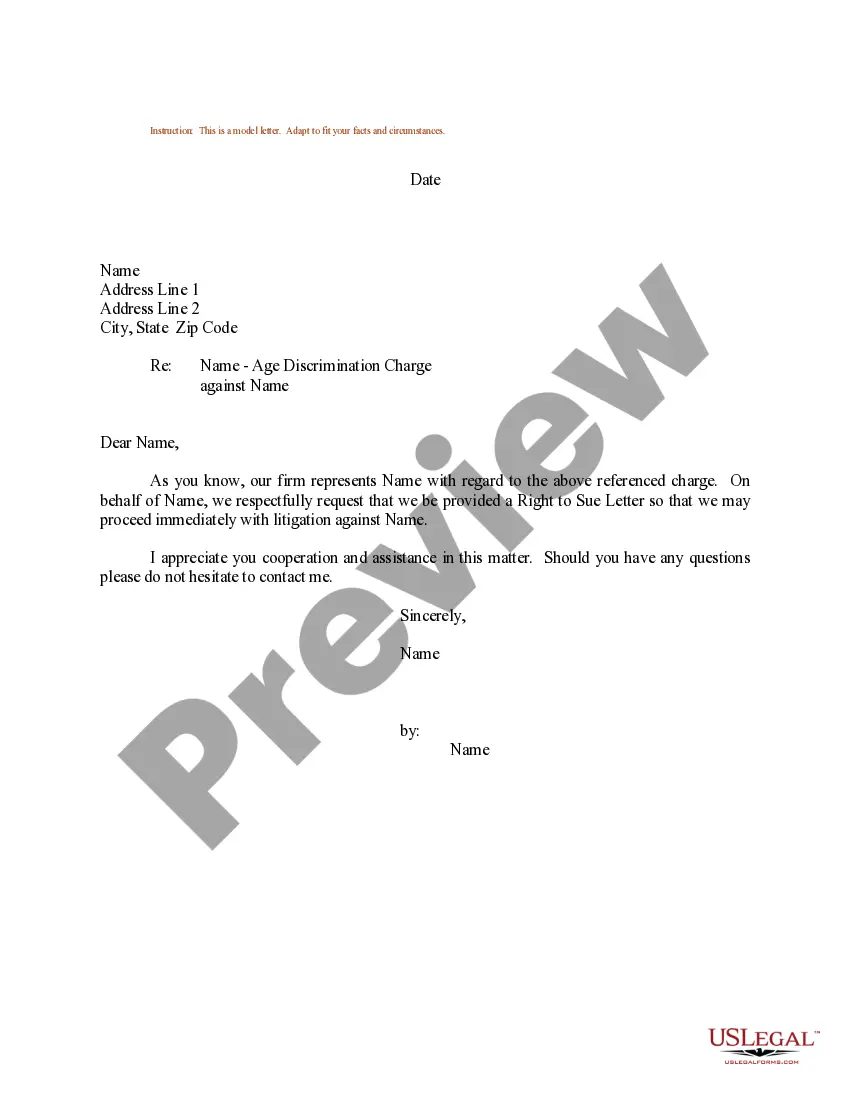
The Sample Letter of Intent to Sue - with Settlement Demand is a formal communication intended to notify the opposing party of an impending lawsuit. This letter specifies the claim against the party and includes a demand for settlement before legal action is initiated. Such a letter serves as a crucial step in the legal process, demonstrating your intent to resolve the matter amicably while preserving your right to proceed with a lawsuit if necessary.
Key components of this form
- Date: Indicates when the letter is sent.
- Party opponent: Names the individual or company being addressed.
- Claim description: Provides a summary of the claim being made.
- Settlement offer: Specifies the terms and timeline for resolution.
- Signature: Includes the name and signature of the person sending the letter.
Common use cases
This form is typically used when you believe you have a valid claim against another party and wish to formally demand settlement before initiating a lawsuit. It is often employed in personal injury cases, contract disputes, or any situation where you seek resolution through negotiation before resorting to court intervention.
Who this form is for
- Individuals or businesses with a legal claim against another party.
- Anyone seeking to resolve a dispute before proceeding to litigation.
- Legal representatives acting on behalf of a client in a potential suit.
Completing this form step by step
- Identify the parties: Enter the name of the person or company you are addressing.
- Describe the claim: Clearly articulate the nature of your claim against the party.
- Set a deadline: Specify a reasonable timeframe for the party to respond to your settlement offer.
- Enter the date: Include the date the letter is being sent.
- Sign the letter: Add your signature and print your name below it.
Is notarization required?
Notarization is not commonly needed for this form. However, certain documents or local rules may make it necessary. Our notarization service, powered by Notarize, allows you to finalize it securely online anytime, day or night.
Get your form ready online
Our built-in tools help you complete, sign, share, and store your documents in one place.
Make edits, fill in missing information, and update formatting in US Legal Forms—just like you would in MS Word.
Download a copy, print it, send it by email, or mail it via USPS—whatever works best for your next step.
Sign and collect signatures with our SignNow integration. Send to multiple recipients, set reminders, and more. Go Premium to unlock E-Sign.
If this form requires notarization, complete it online through a secure video call—no need to meet a notary in person or wait for an appointment.
We protect your documents and personal data by following strict security and privacy standards.

Make edits, fill in missing information, and update formatting in US Legal Forms—just like you would in MS Word.

Download a copy, print it, send it by email, or mail it via USPS—whatever works best for your next step.

Sign and collect signatures with our SignNow integration. Send to multiple recipients, set reminders, and more. Go Premium to unlock E-Sign.

If this form requires notarization, complete it online through a secure video call—no need to meet a notary in person or wait for an appointment.

We protect your documents and personal data by following strict security and privacy standards.
Avoid these common issues
- Failing to properly identify the opposing party can result in your notice being ineffective.
- Not including a clear and specific description of the claim may confuse the recipient.
- Forgetting to set a deadline for the response can prolong the dispute.
- Using vague language that does not express intent clearly could weaken your position.
Why use this form online
- Convenience: Easily download and customize the template to fit your situation.
- Editability: Make changes as needed to address your specific claim.
- Reliability: Ensure the letter is structured correctly and includes all necessary components.
Quick recap
- A letter of intent to sue can facilitate an amicable resolution before litigation.
- Clearly stating your claim and expectations is crucial for effectiveness.
- Make sure to understand any state-specific requirements to ensure compliance.
Looking for another form?
Form popularity
FAQ
Type your letter. Concisely review the main facts. Be polite. Write with your goal in mind. Ask for exactly what you want. Set a deadline. End the letter by stating you will promptly pursue legal remedies if the other party does not meet your demand. Make and keep copies.
Figure Out How to Name the Defendant. Ask for Payment. Find the Right Court to File Your Claim. Fill Out Your Court Forms. File Your Claim. Serve Your Claim. Go to Court.
Step 1 Sender and Effective Date. (1) Sender's Name and Address; and. Step 2 Being Sent to and Reason for the Lawsuit. (3) Name of the Person or Entity to who the letter is being sent; Step 3 The Parties and Settlement Demand. Step 4 Governing Law and Signature.
Be calm and professional. State clearly what relief you want. Specify what you will do next if the letter's recipient doesn't solve the problem immediately (give the recipient a deadline, say ten days, in which to act). The Escape Clause.
A settlement demand letter is used to ask for a settlement. The demand letter indicates that you are willing and ready to settle your claim related to your slip and fall accident, car crash, construction accident, or other injury.
Many courts require you to make a formal demand for payment before filing your lawsuit. But even if writing a formal demand letter isn't legally necessary, there are two reasons why sending one makes sense: In as many as one-third of all disputes, your demand letter will catalyze settlement.
Outline The Incident. You will need to start by outlining the details of the accident. Detail Your Injuries. Explain All Of Your Damages. Calculate Your Settlement Demand. Attach Relevant Documents. Get Help From An Attorney.
Choose the Right Letter of Intent Format and Layout. Research the Company Before You Write. Find 3 Ways You Fit the Position. Get Attention with a Strong First Paragraph. Explain Why You're Interested in Them. End Your Letter of Intent by Asking for Action. Sign off with a Professional Closing.