Sample Letter for Tax Exemption - Review of Sample Letter Received from Tax Collector
Overview of this form
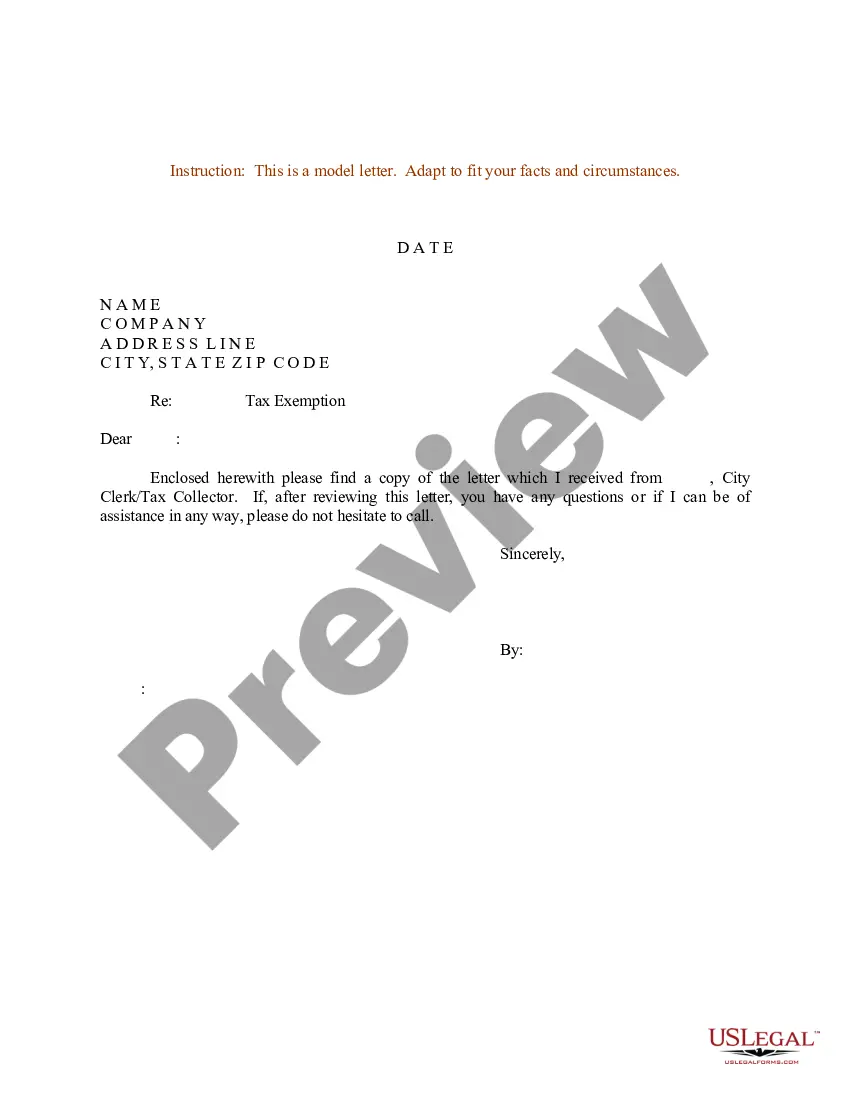
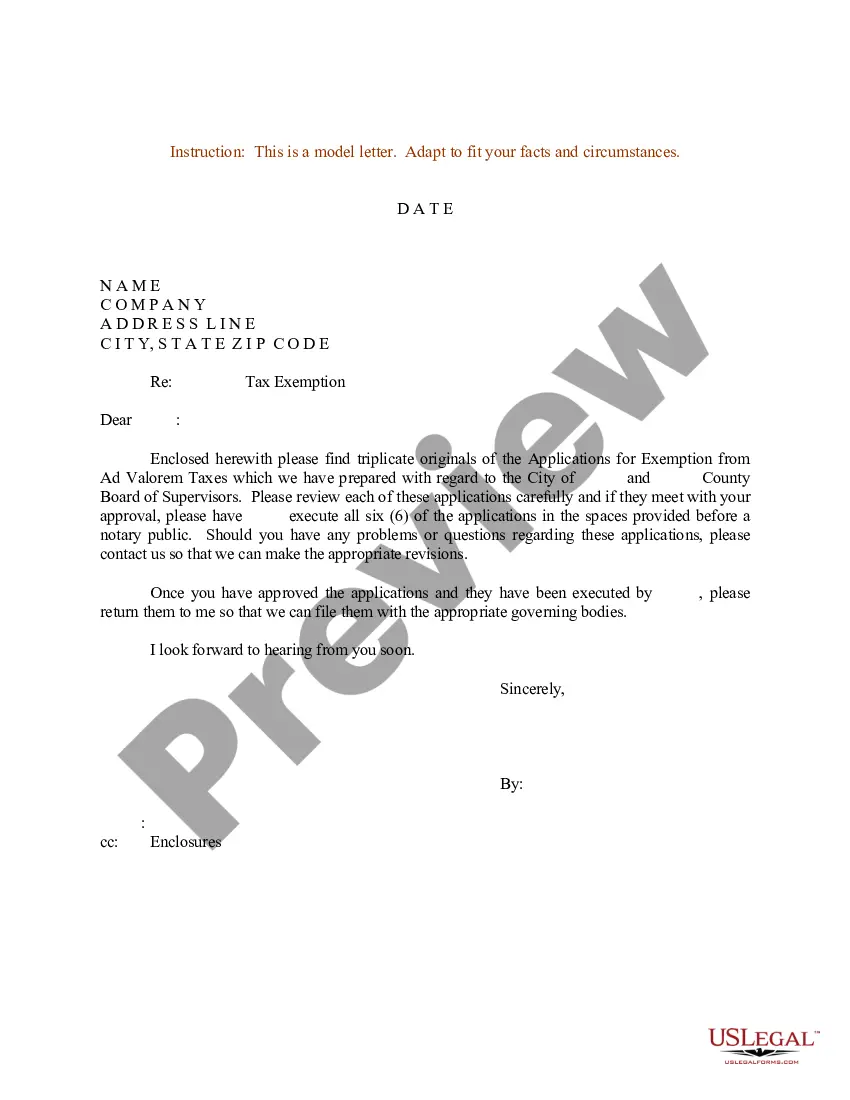
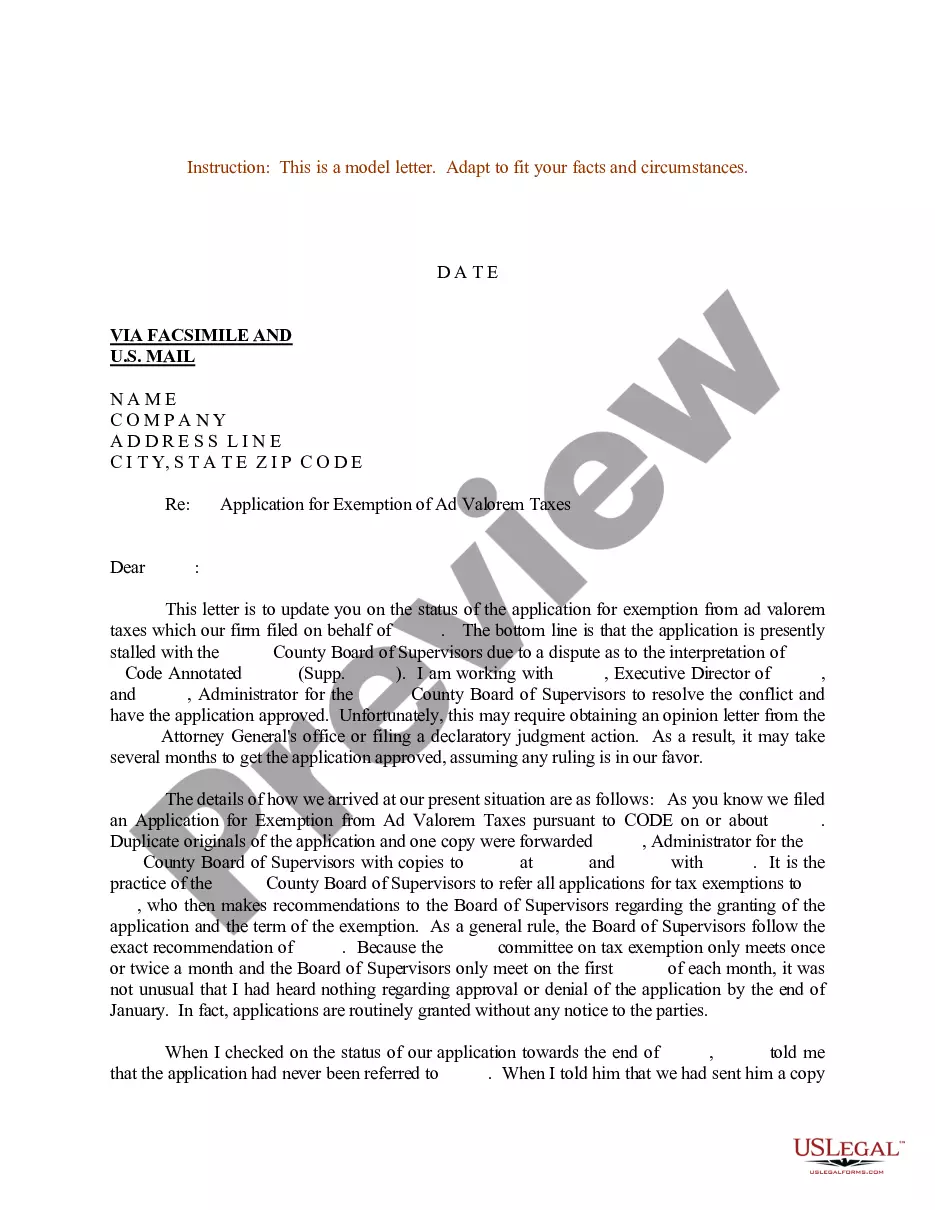
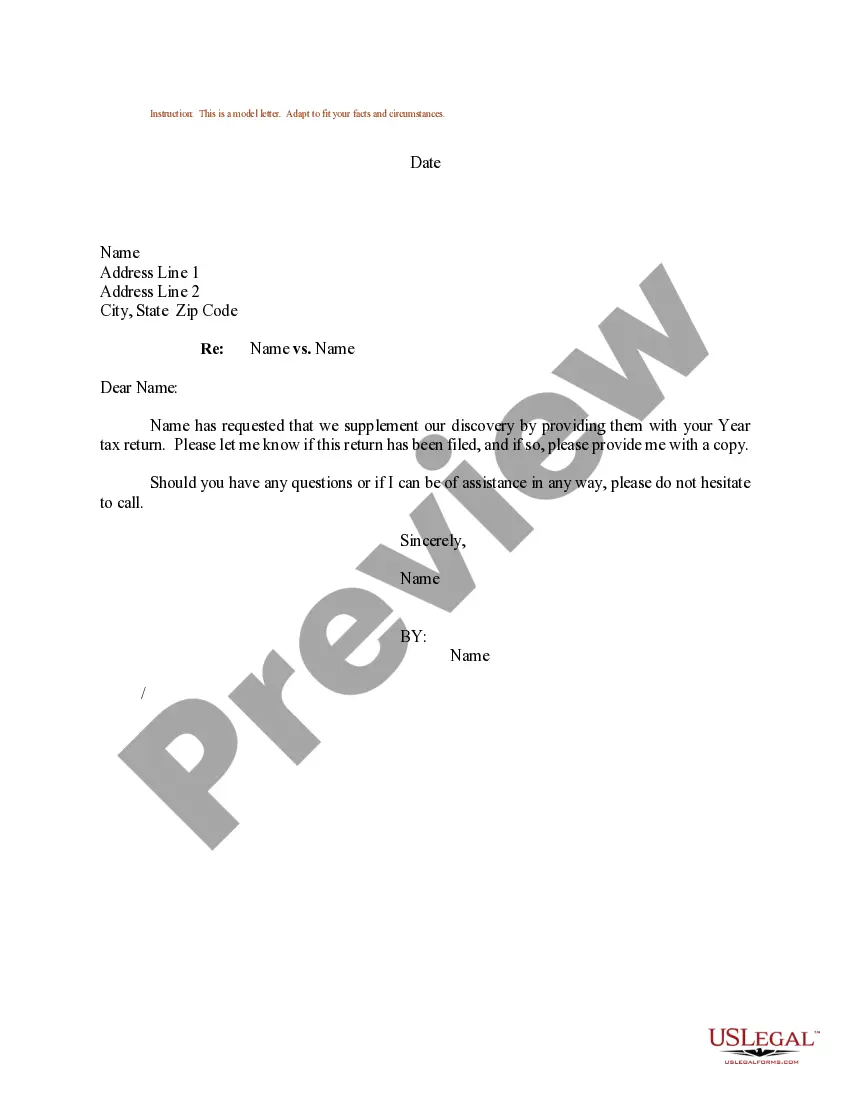
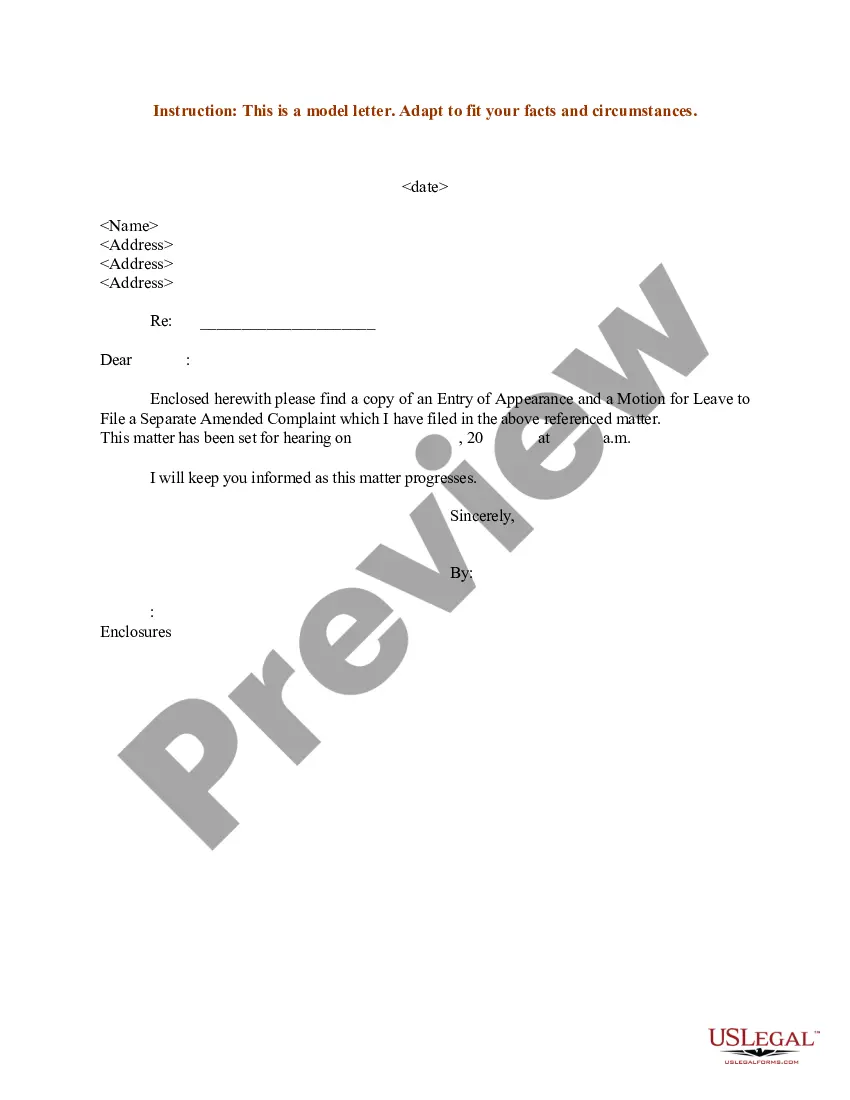
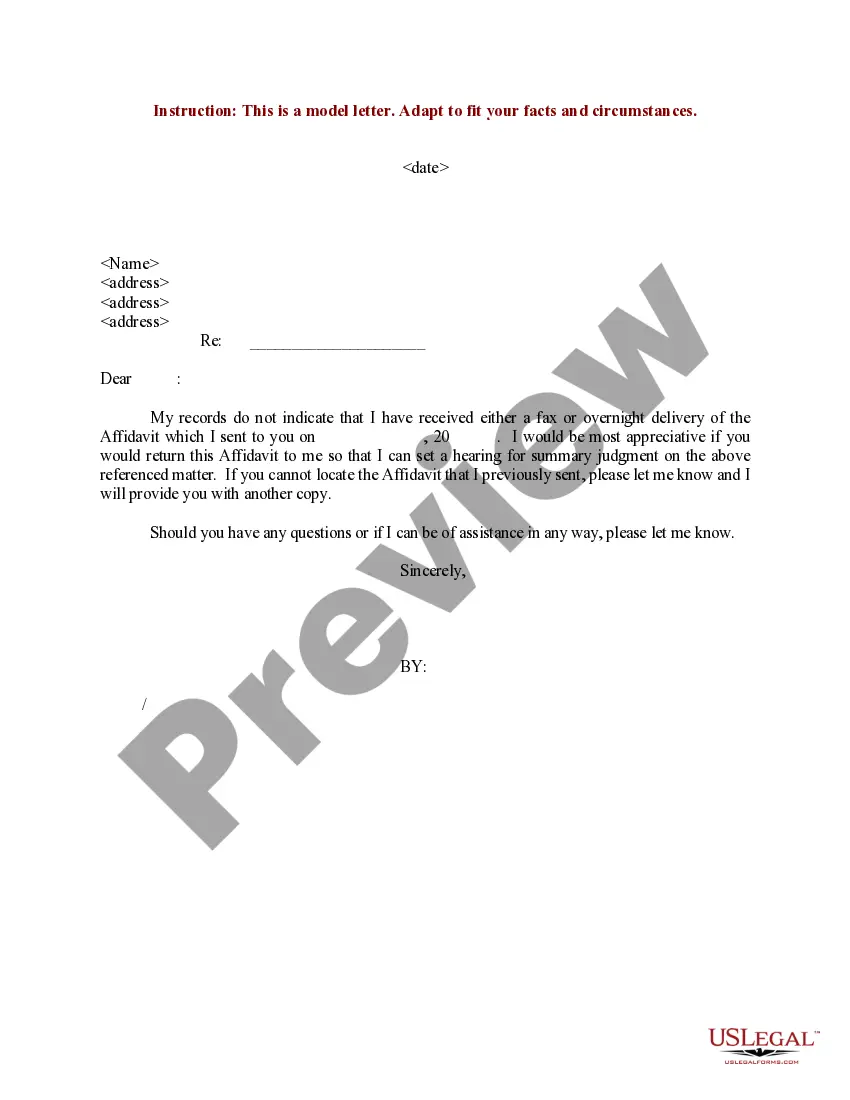
This Sample Letter for Tax Exemption is a template designed to assist individuals or businesses in responding to a tax exemption letter received from a tax collector. The form serves as a model letter that can be customized to address specific situations related to tax exemptions, ensuring clarity in communication with tax authorities. Unlike standard forms that may require a more detailed explanation of tax matters, this template is focused solely on the correspondence aspect of tax exemption inquiries.
Key parts of this document
- Date: Specifies when the letter is sent.
- Name: Includes the name of the individual or entity responding.
- Company: Designates the name of the business, if applicable.
- Address: Provides the necessary contact details for the recipient.
- City, State, ZIP Code: Adds location information to ensure proper delivery.
When this form is needed
This form should be used when a taxpayer needs to respond to a letter from a tax collector regarding their tax exemption status. Situations may include inquiries about eligibility, requests for additional information, or clarifications about previously submitted documents. It is essential for maintaining effective communication with tax authorities and ensuring that all required documentation is accurately addressed.
Who can use this document
- Individuals seeking clarification on their tax exemption status.
- Businesses that have received correspondence from tax collectors regarding exemptions.
- Tax professionals working on behalf of clients needing to communicate with tax authorities.
How to prepare this document
- Identify the date and enter it at the top of the letter.
- Fill in your name and, if relevant, your company name.
- Provide the necessary address details to ensure the letter reaches the correct department.
- Specifically tailor the message of the letter to address the inquiries or requirements stated in the tax collector's initial letter.
- Review the letter for accuracy before sending.
Is notarization required?
This form does not typically require notarization unless specified by local law. Always check with your local jurisdiction to confirm if notarization is needed for tax-related correspondence.
Get your form ready online
Our built-in tools help you complete, sign, share, and store your documents in one place.
Make edits, fill in missing information, and update formatting in US Legal Forms—just like you would in MS Word.
Download a copy, print it, send it by email, or mail it via USPS—whatever works best for your next step.
Sign and collect signatures with our SignNow integration. Send to multiple recipients, set reminders, and more. Go Premium to unlock E-Sign.
If this form requires notarization, complete it online through a secure video call—no need to meet a notary in person or wait for an appointment.
We protect your documents and personal data by following strict security and privacy standards.

Make edits, fill in missing information, and update formatting in US Legal Forms—just like you would in MS Word.

Download a copy, print it, send it by email, or mail it via USPS—whatever works best for your next step.

Sign and collect signatures with our SignNow integration. Send to multiple recipients, set reminders, and more. Go Premium to unlock E-Sign.

If this form requires notarization, complete it online through a secure video call—no need to meet a notary in person or wait for an appointment.

We protect your documents and personal data by following strict security and privacy standards.
Typical mistakes to avoid
- Failing to include the correct date, which can cause delays.
- Omitting necessary contact information, making follow-up difficult.
- Not fully addressing the questions or concerns raised by the tax collector.
- Forgetting to proofread the letter for spelling and grammatical errors.
Benefits of completing this form online
- Convenient access to a professionally drafted template that saves time.
- Editability allows for quick adjustments specific to your situation.
- Reliable format ensures all necessary information is consistently included.
Legal use & context
- This letter serves as a formal response to inquiries made by tax authorities regarding exemptions.
- Proper use of this sample letter can help maintain good standing and compliance with tax regulations.
- An accurately written letter supports transparent communication with tax officials.
Looking for another form?



Form popularity
FAQ
The IRS website states to include all of the following in a written protest: Your name, address, and a daytime telephone number. A statement that you want to appeal the IRS findings to the Office of Appeals. A copy of the letter you received that shows the proposed change(s).
Call or Visit the IRS Fixing the mistake could be as simple as calling the IRS and explaining the problem, or visiting a taxpayer assistance center near you to discuss the issue. The toll free business help line for the IRS is 800-829-4933 and you can call between 7AM and 7PM.
State your point in a respectful tone. Mention all the necessary details to prove your claim. Mention your name and Taxpayer Identification Number (TIN). Point out the error. Request the reader to make a correction. Provide your TIN if you had not provided it earlier. End on a positive note.
Be professional. Use professional letterhead and be sure to sign in ink. Express your dissatisfaction clearly, with facts, dates, and details (including copies of receipts and so on) to help substantiate your claim. Be sincere. Be prompt. Don't expect compensation every time.
Write the letter in a polite manner. Always introduce yourself first at the left of the letter. Never forget to mention the date of writing the letter. The letter of receiver or recipient should be properly mentioned along with Pincode. Mention the purpose of writing a letter in the subject line.
A tax exempt letter needs to include the name and contact information of the organization. Then establish the reason for the tax exempt status such as listing what the organization does that will profit the public.
The IRS address (see your IRS notice) Your name and address. The date. A salutation, such as To Whom It May Concern
Begin the letter with the date, a salutation, and an introduction of the incident or issue. Provide a short but detailed description without having to add unnecessary terms and phrases. Provide an explanation of the steps you've taken to rectify the error or to complete the missing information.
If you think that the IRS letter is a mistake or contains erroneous information, outline your explanation clearly and concisely, with a tone of respect. It is in your absolute best interest not to inflame the situation. Include accurate contact information and personally sign your letter. Get help if you need it.