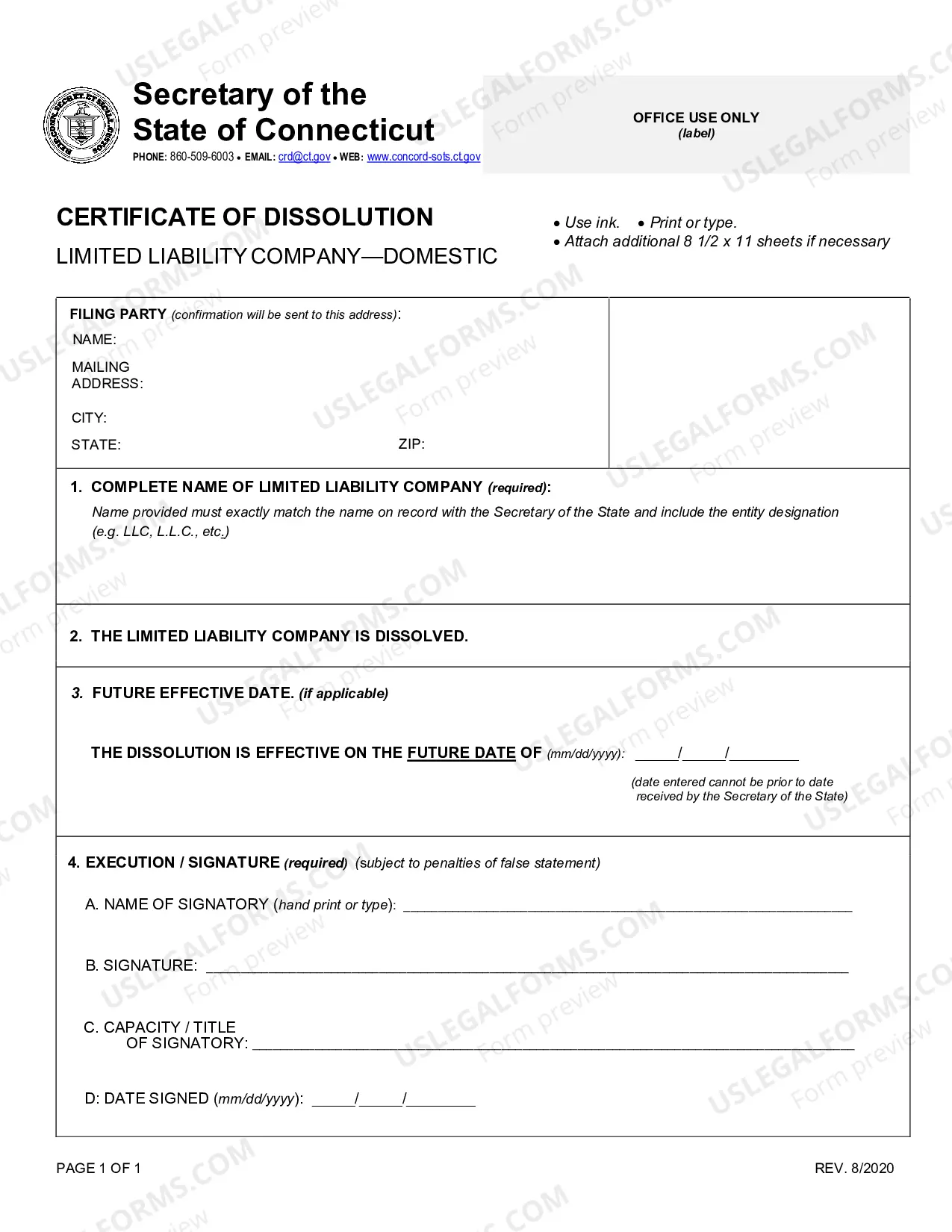
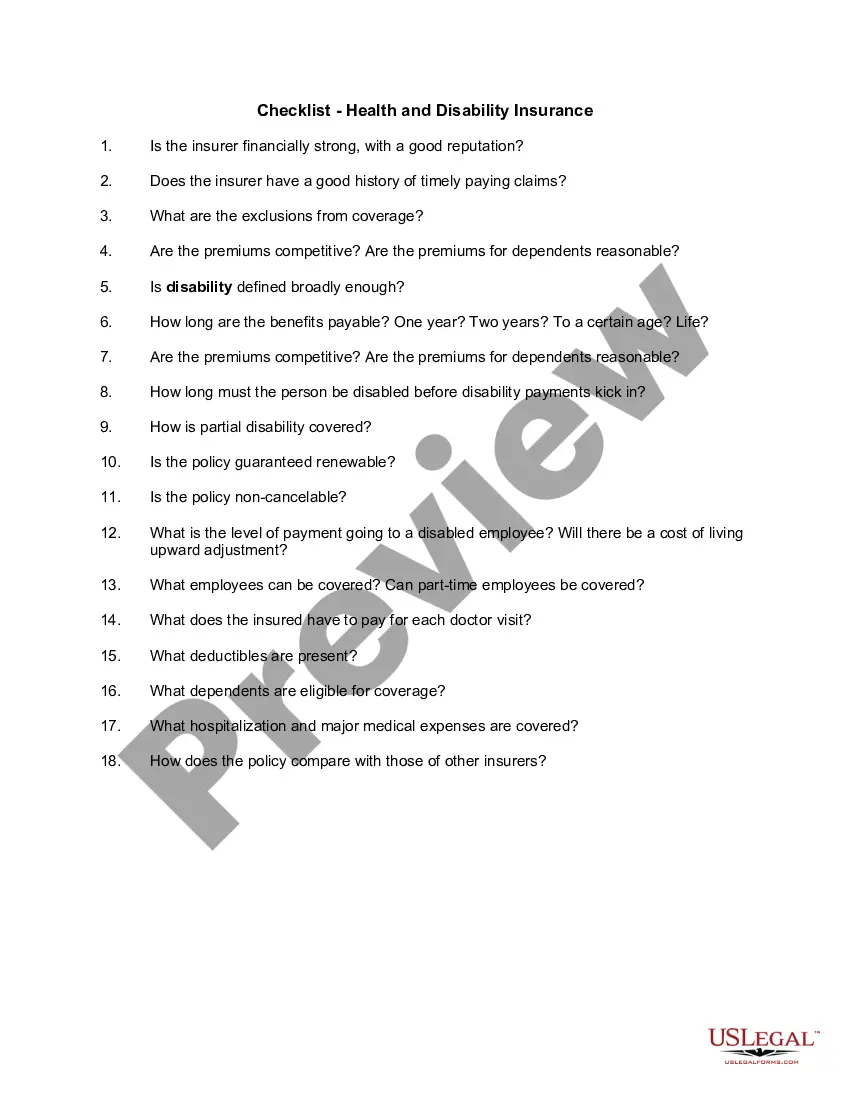
Checklist - Health and Disability Insurance
Understanding this form
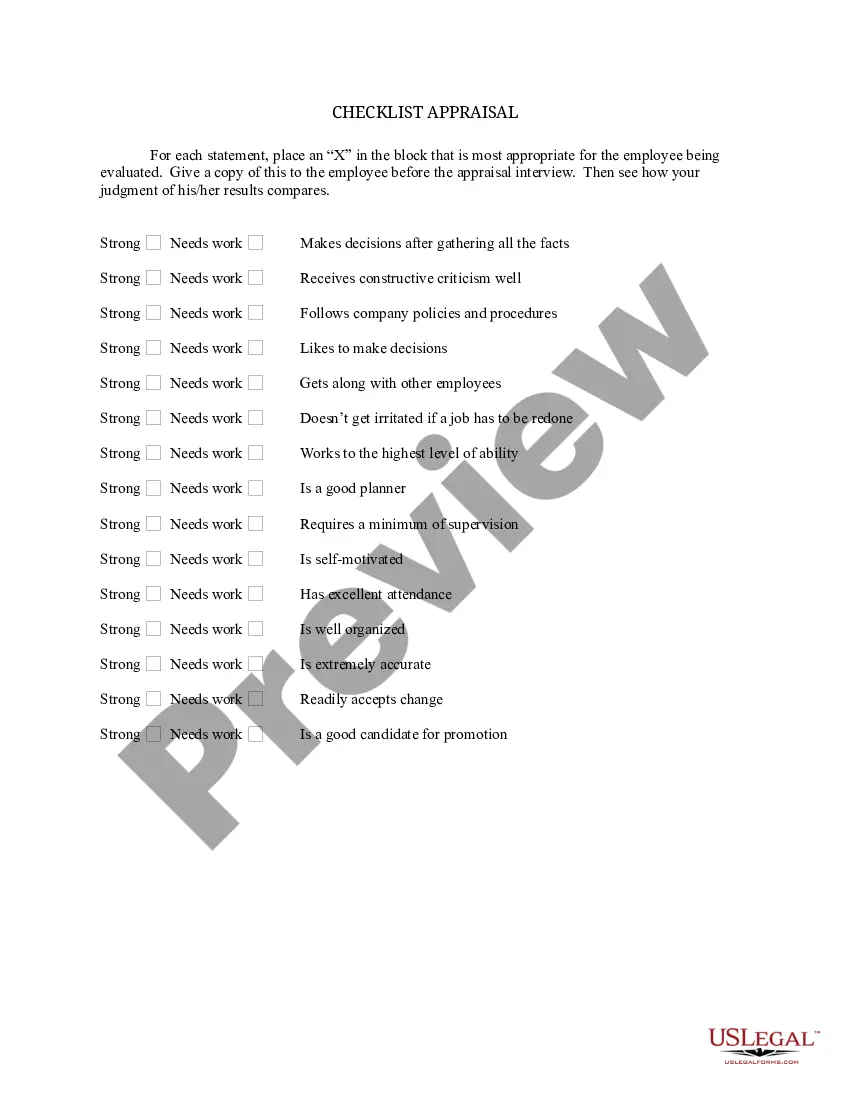
The Health and Disability Insurance Checklist is a practical tool designed to help individuals evaluate health and disability insurance options offered by employers. This checklist distinguishes itself by focusing specifically on the criteria that determine the adequacy of insurance coverage, ensuring employees can make informed decisions regarding their benefits.
Key parts of this document
- Financial strength and reputation of the insurer
- History and timeliness of claims payment
- Coverage exclusions
- Comparison of premium costs and dependents' rates
- Definitions and duration of disability coverage
- Waiting period for disability payments to commence
- Coverage for partial disability
- Renewability and cancellation terms of the policy
- Calculation of payment levels and cost-of-living adjustments
- Eligibility of employees, including part-time status
Common use cases
This checklist should be utilized when evaluating health and disability insurance options provided by employers. It is particularly useful during open enrollment periods, when reviewing current policies, or when considering a new job offer that includes benefits. By using this checklist, employees can assess whether their coverage meets their needs and make necessary adjustments.
Who should use this form
This checklist is intended for:
- Employees evaluating employer-provided health and disability insurance
- Job seekers considering health and disability benefits in job offers
- Human resources professionals reviewing insurance options for employees
- Employees desiring clarity on their current insurance coverage
Steps to complete this form
- Review the list of criteria outlined in the checklist.
- Gather information from your insurance provider regarding coverage details.
- Evaluate and compare premiums, benefits, and exclusions for each option.
- Check the definitions of disability and coverage duration provided by the insurer.
- Document your findings and any questions to address with your employer or insurer.
Notarization guidance
This form usually doesn’t need to be notarized. However, local laws or specific transactions may require it. Our online notarization service, powered by Notarize, lets you complete it remotely through a secure video session, available 24/7.
Get your form ready online
Our built-in tools help you complete, sign, share, and store your documents in one place.
Make edits, fill in missing information, and update formatting in US Legal Forms—just like you would in MS Word.
Download a copy, print it, send it by email, or mail it via USPS—whatever works best for your next step.
Sign and collect signatures with our SignNow integration. Send to multiple recipients, set reminders, and more. Go Premium to unlock E-Sign.
If this form requires notarization, complete it online through a secure video call—no need to meet a notary in person or wait for an appointment.
We protect your documents and personal data by following strict security and privacy standards.

Make edits, fill in missing information, and update formatting in US Legal Forms—just like you would in MS Word.

Download a copy, print it, send it by email, or mail it via USPS—whatever works best for your next step.

Sign and collect signatures with our SignNow integration. Send to multiple recipients, set reminders, and more. Go Premium to unlock E-Sign.

If this form requires notarization, complete it online through a secure video call—no need to meet a notary in person or wait for an appointment.

We protect your documents and personal data by following strict security and privacy standards.
Typical mistakes to avoid
- Overlooking key exclusions which can lead to unexpected coverage gaps.
- Failing to compare premiums and coverage from different insurers.
- Assuming coverage definitions are standardized across policies.
Why complete this form online
- Convenient access to a comprehensive checklist anytime, anywhere.
- Editable format allows users to tailor the checklist to their specific needs.
- Reliable source of information designed by licensed attorneys.
Legal use & context
- This checklist serves as a practical tool but does not replace legal advice.
- It should be used as part of a broader strategy for understanding insurance options.
- Ensure compliance with state regulations regarding insurance policies.
Summary of main points
- Utilize the Health and Disability Insurance Checklist to make informed decisions about your coverage.
- Evaluate all aspects of insurance offerings, including costs, benefits, and exclusions.
- Ensure that you understand the specifics of the policy's criteria before making a decision.
Looking for another form?
Form popularity
FAQ
Tweet. Email. Print. Share. More.
I can't work because no one will hire me. I don't know why I'm here. I don't do chores because my significant other, friend or family member does them. I have never used drugs or alcohol in my life.
A mere diagnosis will get you an automatic disability approval for only a few conditions, however, like ALS, an organ transplant, or certain serious cancers, such as esophageal cancer, mucosal melanoma, anaplastic carcinoma of the thyroid gland, or small-cell carcinoma (of the prostate, ovaries, breast, lungs, pleura,
Answer every question on the form, and write "don't know," "none," or "does not apply" where appropriate. Leaving questions blank could delay the processing of your application. If you need more space for your response to a question, use Section 11 - Remarks.
By explaining in detail what your conditions are and how they affect your daily living, you will give SSA a bigger picture of who you really are and why you should win disability benefits. Do not let the remarks section be optional. It is the time where you need to give it your all.
Neurological disorders, such as multiple sclerosis, cerebral palsy, Parkinson's disease, and epilepsy. Blood disorders, such as sickle cell disease or hemophilia. Mental disorders, such as depression, anxiety, schizophrenia, autism, or intellectual disability.
Step 1: Get Your Claim Form. Step 2: Gather Required Information. Step 3: Complete Part A: Claimant's Statement (DE 2501) Step 4: Get Your Physician/Practitioner to Complete Part B: Medical Certification. Step 5: Mail in Your Completed DI Claim Form (DE 2501)
Explain who those other people are and what they do for you. It may help to explain your typical day on an hourly basis. Tell the judge what time you wake up and what time you go to bed. Emphasize the things that you do differently now because of your disability.
For adults, the medical conditions that qualify for SSDI or SSI include: Musculoskeletal problems, such as back conditions and other dysfunctions of the joints and bones. Senses and speech issues, such as vision and hearing loss. Respiratory illnesses, such as asthma and cystic fibrosis.