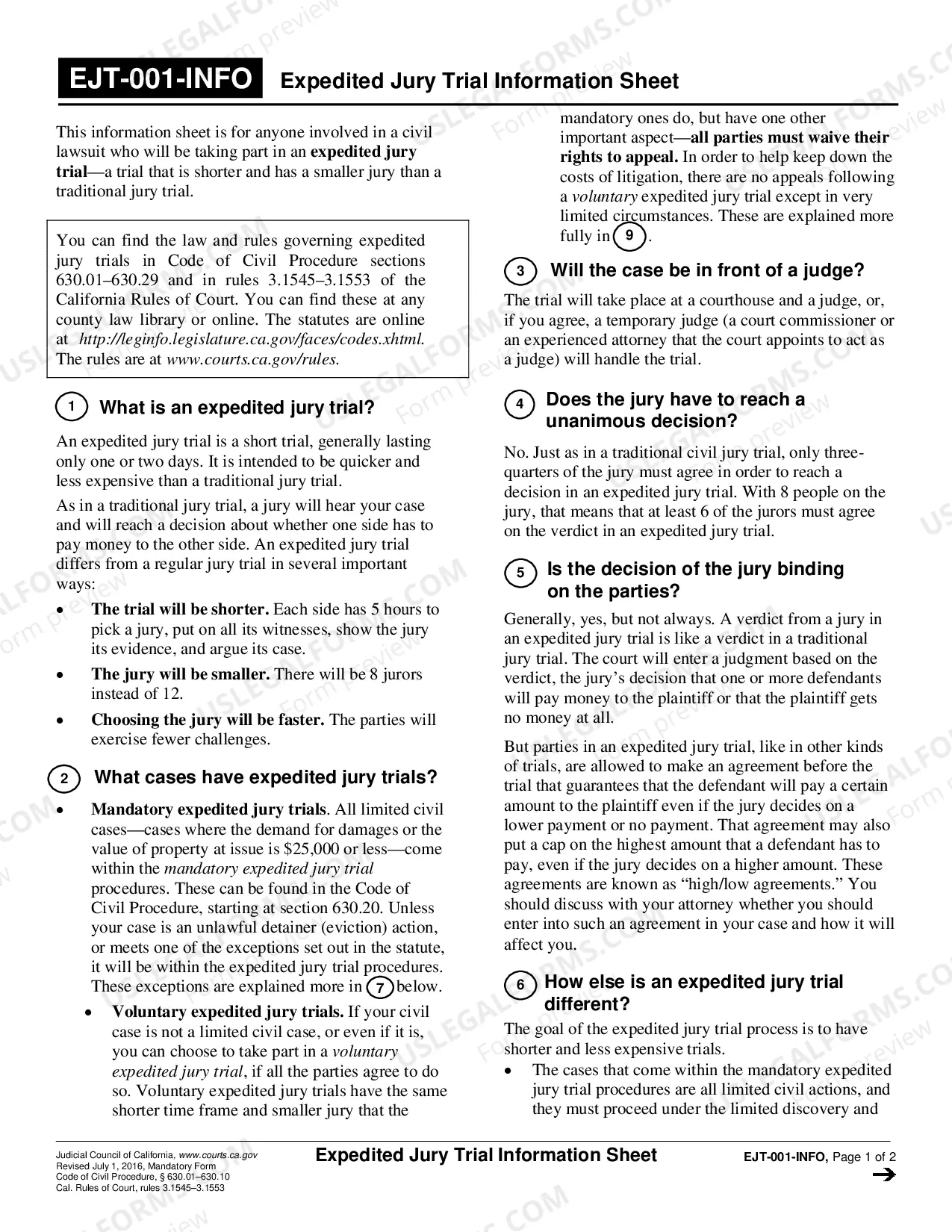
Contest of Final Account and Proposed Distributions in a Probate Estate
Understanding this form
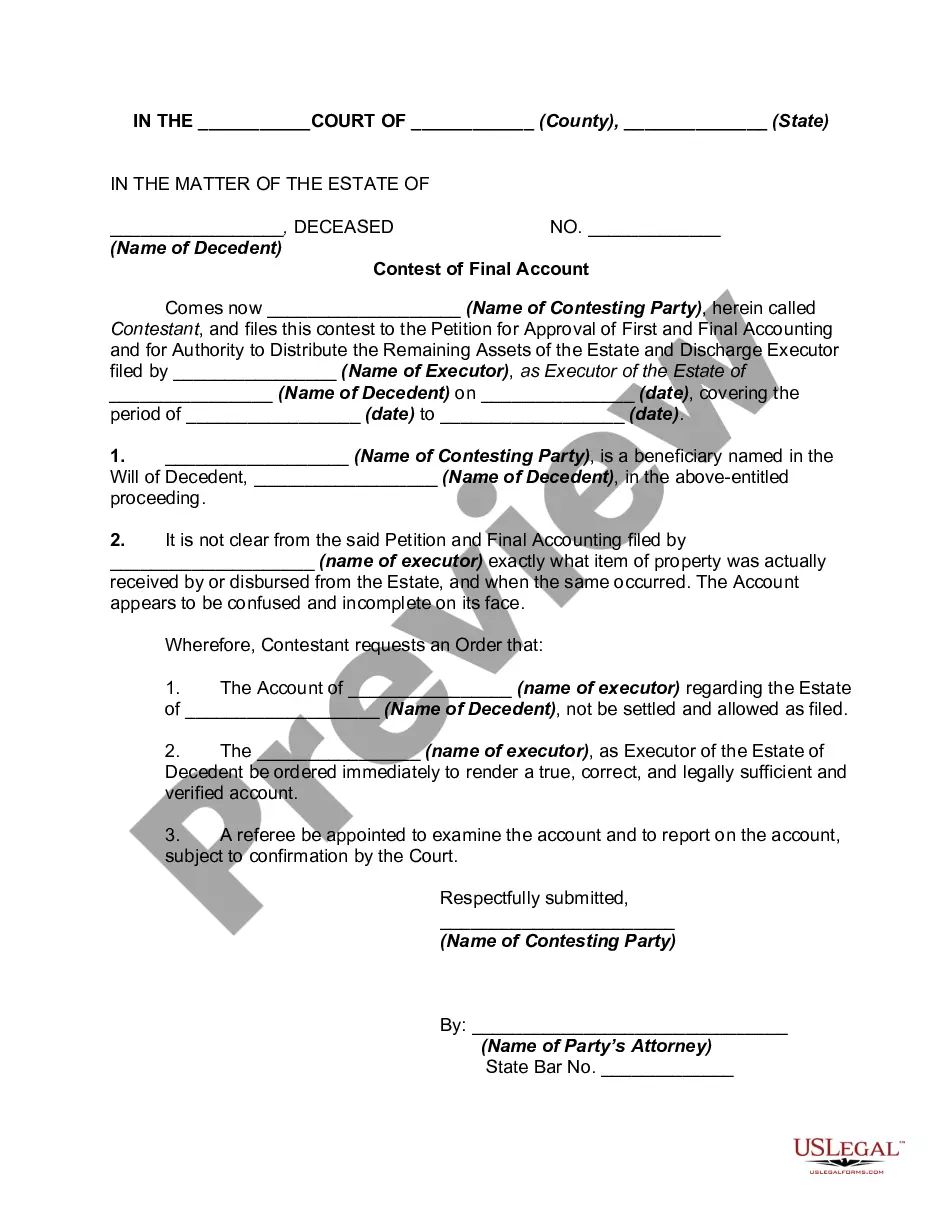
The Contest of Final Account and Proposed Distributions in a Probate Estate is a legal document that allows beneficiaries of a probated Will to challenge the final accounting provided by the Executor of the estate. This form helps ensure transparency in the estate administration process, enabling concerned parties to obtain a clearer understanding of the estate's financial dealings and the distribution of assets. This form differs from other probate forms in that it specifically addresses disputes about the Executor's final account, allowing for a formal contest before the court.
Main sections of this form
- Name of the decedent and details of the probate case.
- Identification of the contesting party as a beneficiary of the Will.
- Specific reasons for contesting the final accounting.
- Requests for remedial actions, such as a more accurate accounting or appointment of a referee.
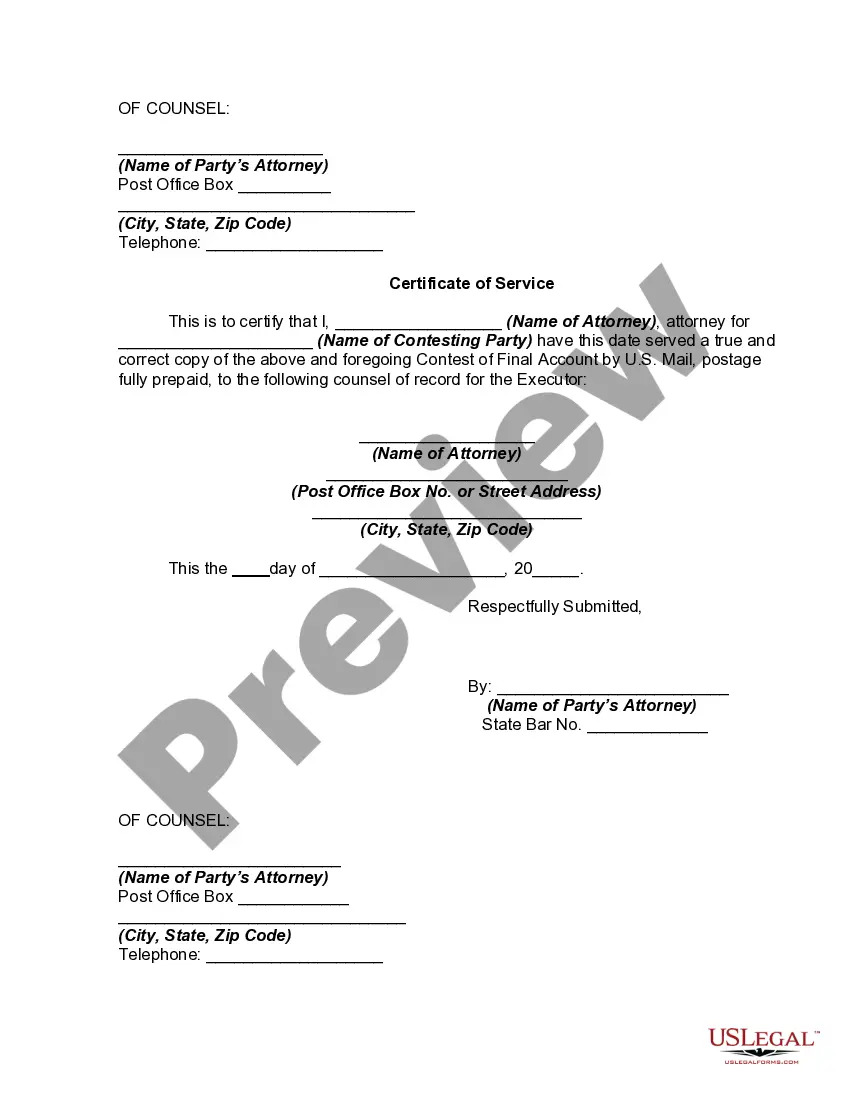
- Signature lines for the contesting party and their attorney.
When this form is needed
This form should be used when a beneficiary named in a Will believes the final accounting provided by the Executor is unclear or inaccurate. If you suspect that estate assets have not been properly accounted for or that the distributions proposed by the Executor do not align with the terms of the Will, this form allows you to formally contest those matters in court.
Intended users of this form
This form is intended for:
- Beneficiaries of a probated Will who wish to challenge the final accounting.
- Individuals who believe the Executor has not fulfilled their fiduciary duties.
- Parties seeking clarity on the distributions of estate assets before the final settlement.
Instructions for completing this form
- Provide the name of the deceased and case number at the top of the form.
- Clearly identify yourself as the contesting party and state your relationship to the decedent.
- Detail the specific areas of concern in the Executor's final accounting.
- Request the specific remedies you seek from the court.
- Sign the form and include the date, along with your attorney's information if applicable.
Notarization requirements for this form
This document requires notarization to meet legal standards. US Legal Forms provides secure online notarization powered by Notarize, allowing you to complete the process through a verified video call, available 24/7.
Get your form ready online
Our built-in tools help you complete, sign, share, and store your documents in one place.
Make edits, fill in missing information, and update formatting in US Legal Forms—just like you would in MS Word.
Download a copy, print it, send it by email, or mail it via USPS—whatever works best for your next step.
Sign and collect signatures with our SignNow integration. Send to multiple recipients, set reminders, and more. Go Premium to unlock E-Sign.
If this form requires notarization, complete it online through a secure video call—no need to meet a notary in person or wait for an appointment.
We protect your documents and personal data by following strict security and privacy standards.

Make edits, fill in missing information, and update formatting in US Legal Forms—just like you would in MS Word.

Download a copy, print it, send it by email, or mail it via USPS—whatever works best for your next step.

Sign and collect signatures with our SignNow integration. Send to multiple recipients, set reminders, and more. Go Premium to unlock E-Sign.

If this form requires notarization, complete it online through a secure video call—no need to meet a notary in person or wait for an appointment.

We protect your documents and personal data by following strict security and privacy standards.
Common mistakes to avoid
- Not clearly stating the reasons for contesting the final accounting.
- Failing to include all necessary information about the decedent and estate.
- Not signing the form or providing attorney details when required.
- Missing filing deadlines for contesting the accounting.
Why use this form online
- Convenience of downloading and completing the form at your own pace.
- Editability allows for easy updates and corrections before submission.
- Access to reliable templates drafted by licensed attorneys for peace of mind.
Key takeaways
- The Contest of Final Account allows beneficiaries to seek clarity in an estate's financial matters.
- It is essential for ensuring that Executors fulfill their obligations accurately.
- Always verify state-specific requirements before submission to ensure compliance.
Looking for another form?

Form popularity
FAQ
An order for final distribution in California probate is conclusive to the rights of heirs and devisees in a decedent's estate. The order also releases the personal representative from claims by heirs and devisees, unless, of course, there is fraud or misrepresentation present.
Final Distribution and Closing the Estate: 1-3 Months During the probate process, you may distribute some assets, like tangible personal property. However, in most states you are required to wait to distribute financial assetssuch as proceeds from the property saleuntil the final probate hearing.
Introduction. Pay the debts of the estate first. Ask each beneficiary to acknowledge receipt of the gift. Transferring company shares. Transferring real property. Draw up the accounts of the estate. Other claims on the estate. Finishing up.
In most cases, beneficiaries can't go to the court and contest an executor simply because they disagree with one or more of the executor's decisions. In order for the court to remove an executor, someone (usually a beneficiary) must prove that the executor has engaged in misconduct or is otherwise incompetent.
An estate bank account is opened up by the executor, who also obtains a tax ID number. The various accounts of the deceased person are then transferred to the account. The executor must pay creditors, file tax returns and pay any taxes due. Then, he must collect any money or benefits owed to the decedent.
In most cases, it takes around 9-12 months for an Executor to settle an Estate. However, it can take significantly longer, depending on the size and complexity of the Estate and the efficiency of the Executor.
If the executor has obtained a grant of probate, the executor is allowed one year from the willmaker's death to gather in the assets and settle the affairs of the estate.
Find the will, if any. File the will with the local probate court. Notify agencies and business of the death. Inventory assets and get appraisals. Decide whether probate is necessary. Coordinate with the successor trustee. Communicate with beneficiaries. Take good care of estate assets.
An estate consists of cash, cars, real estate and anything else owned by the deceased that has value.A deceased person's heirs receive any amount left over after all debts are settled, as dictated by the terms of a valid will.