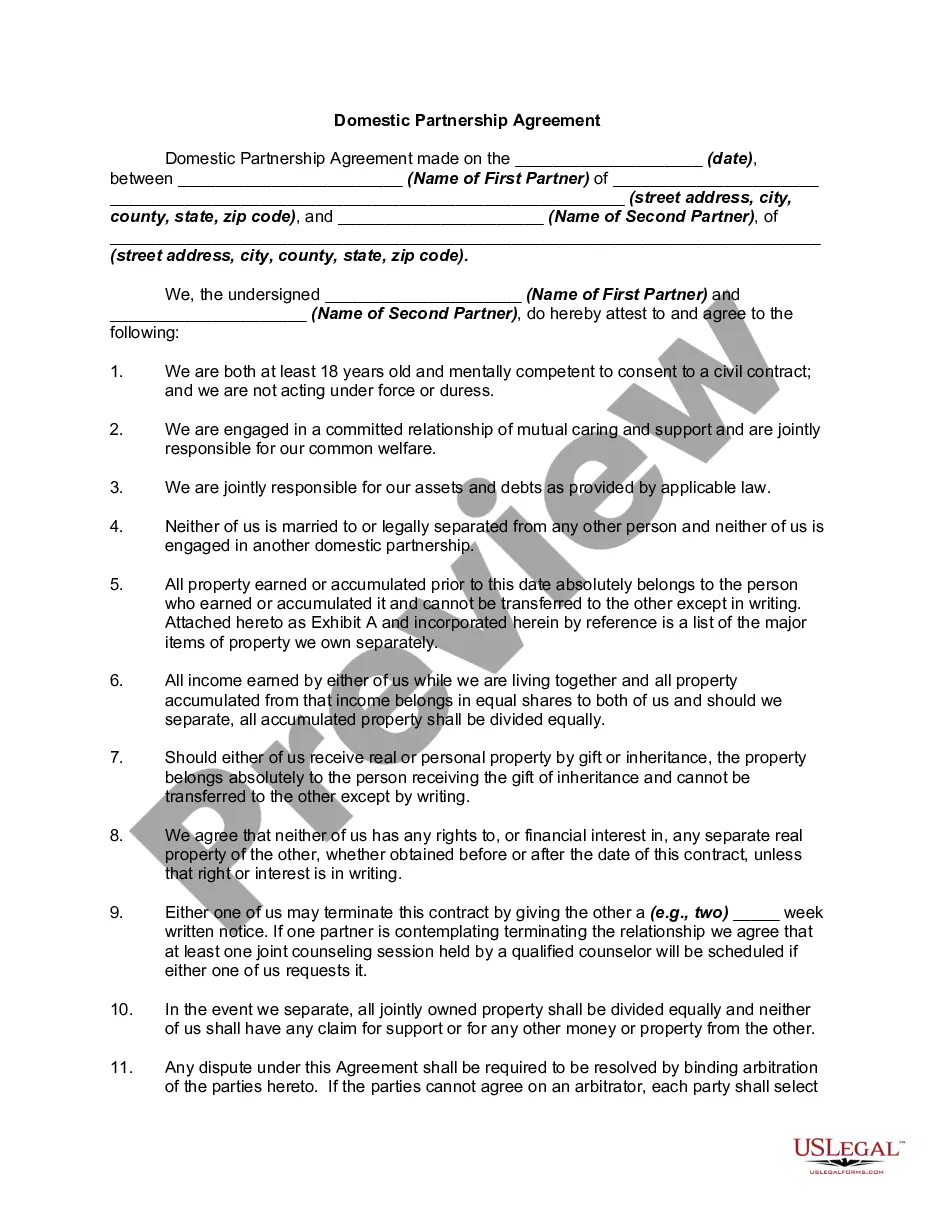
Domestic Partnership Agreement
Overview of this form
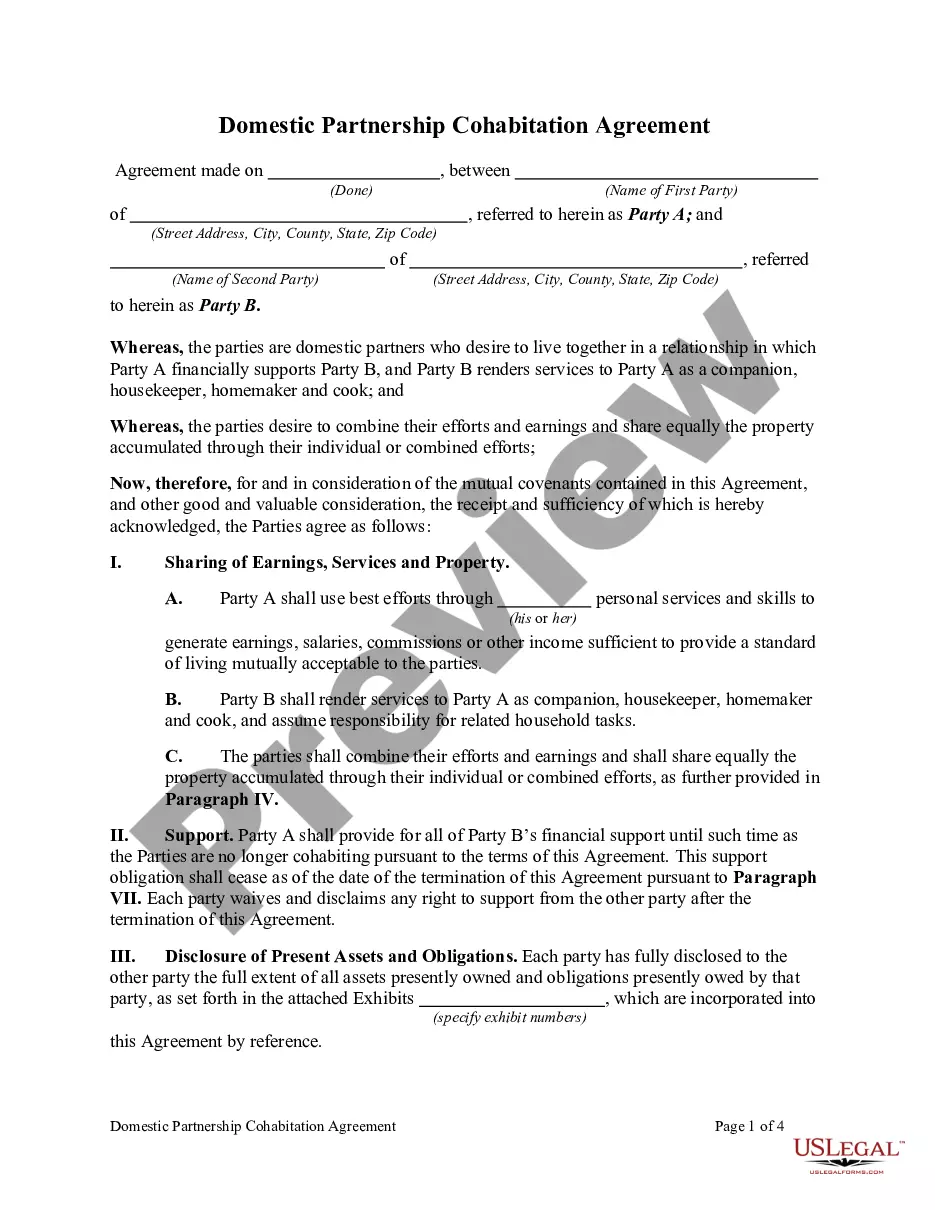
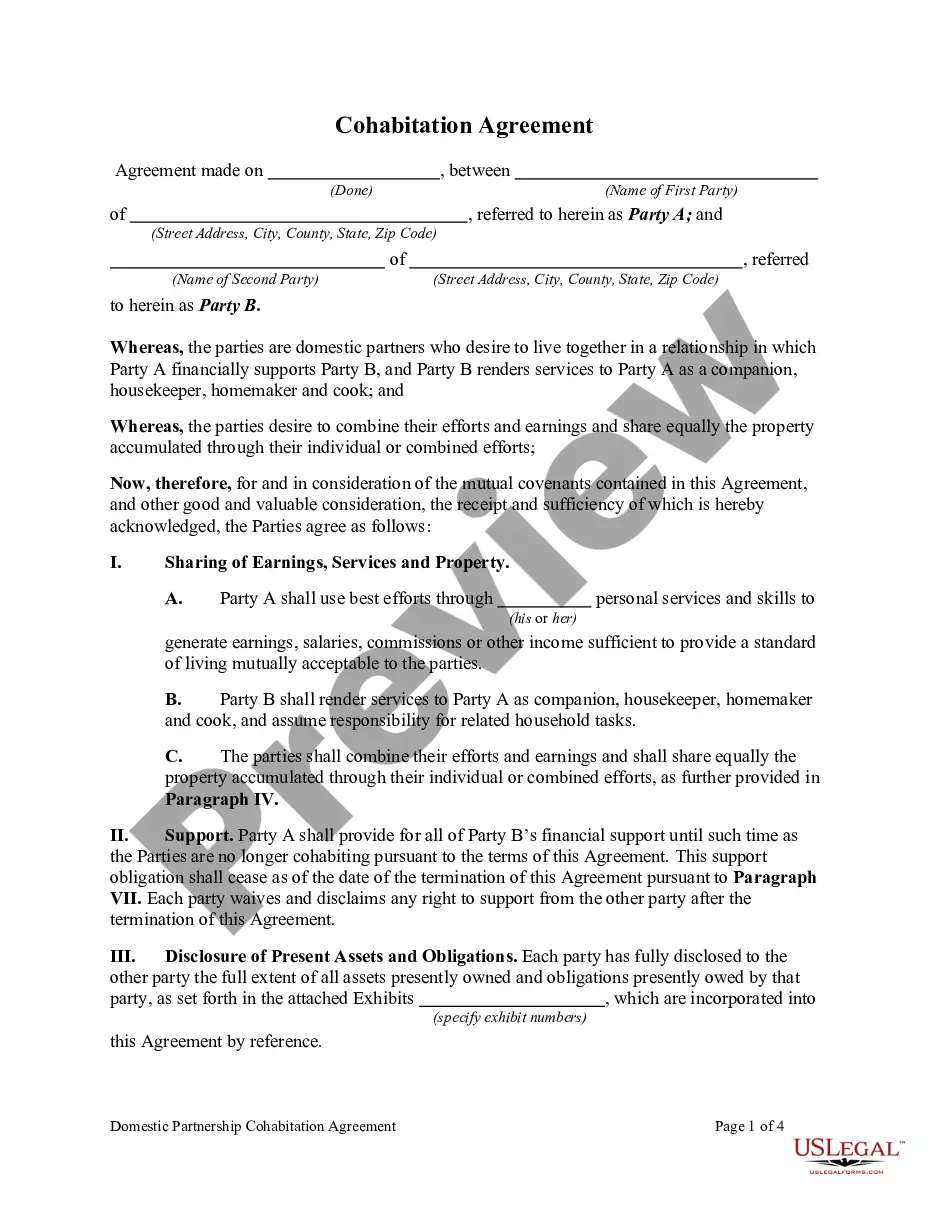
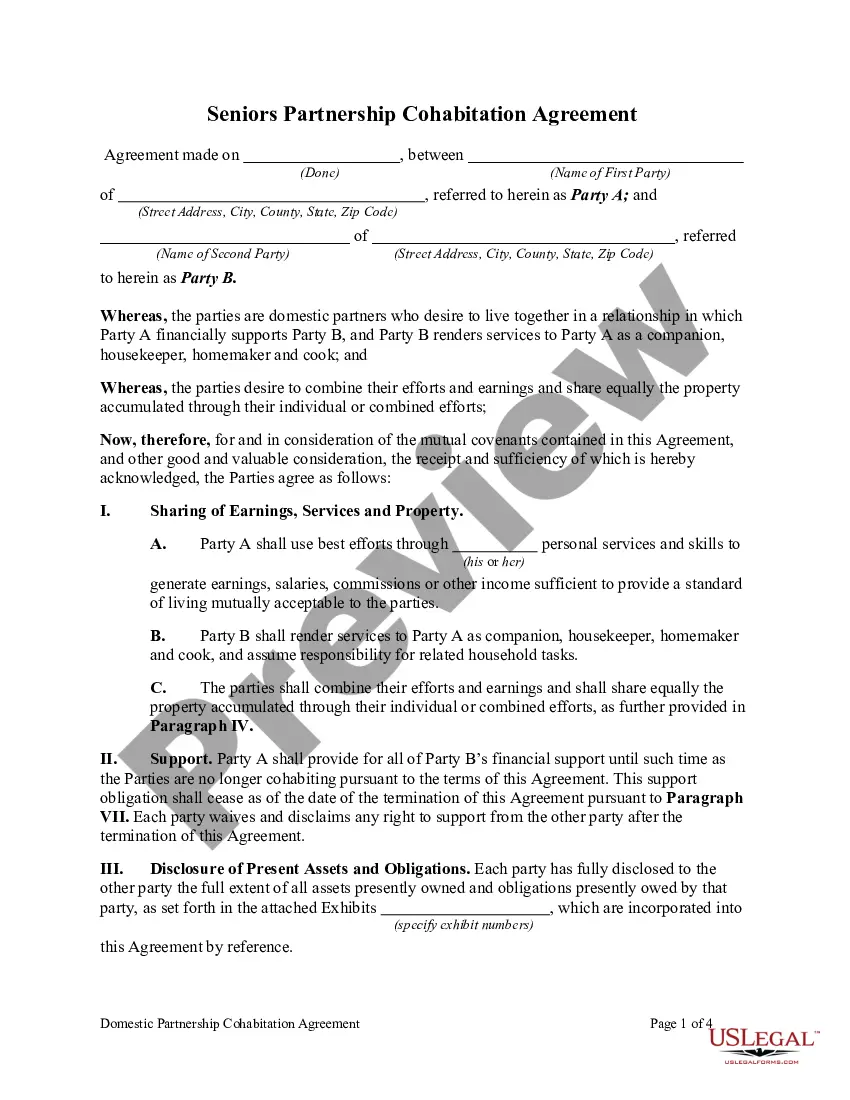
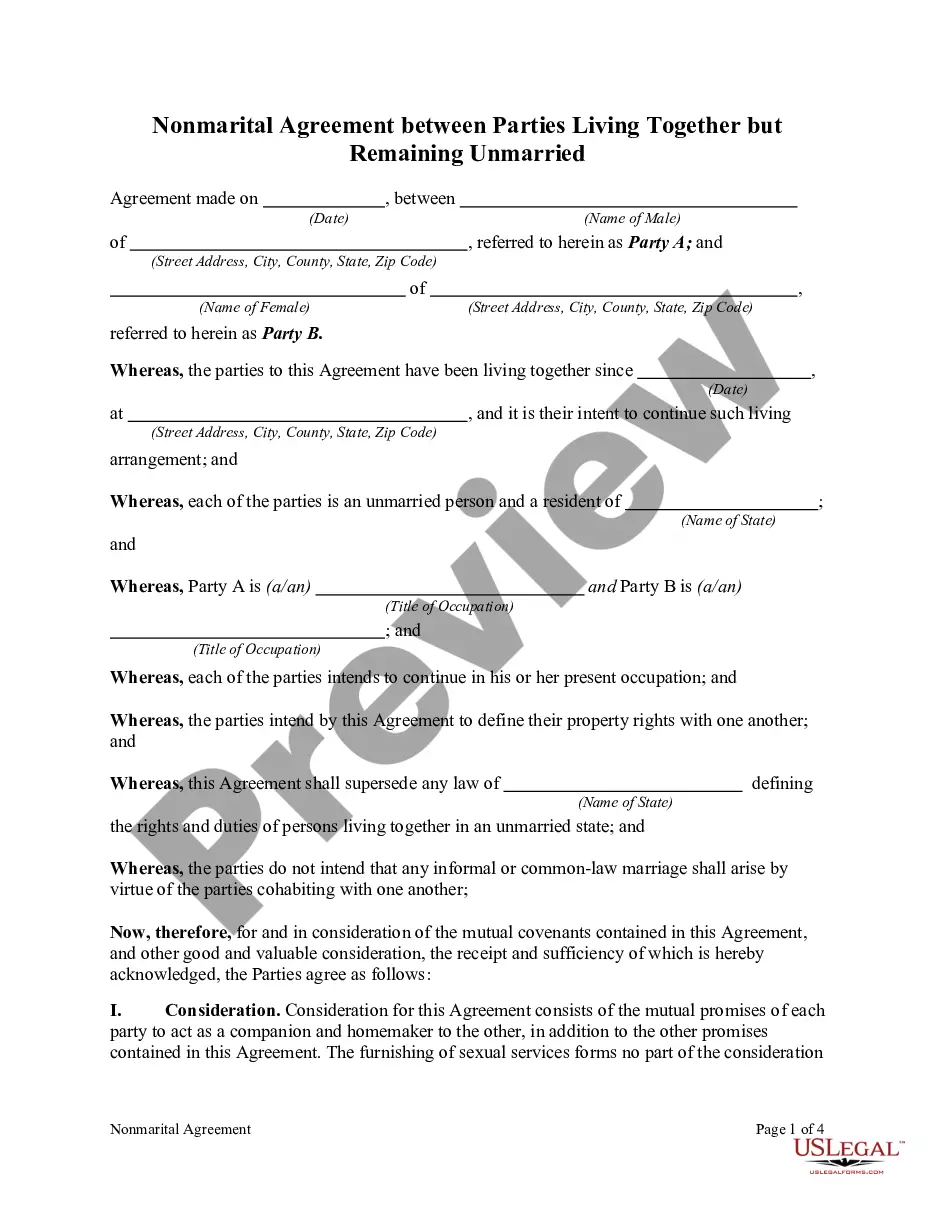
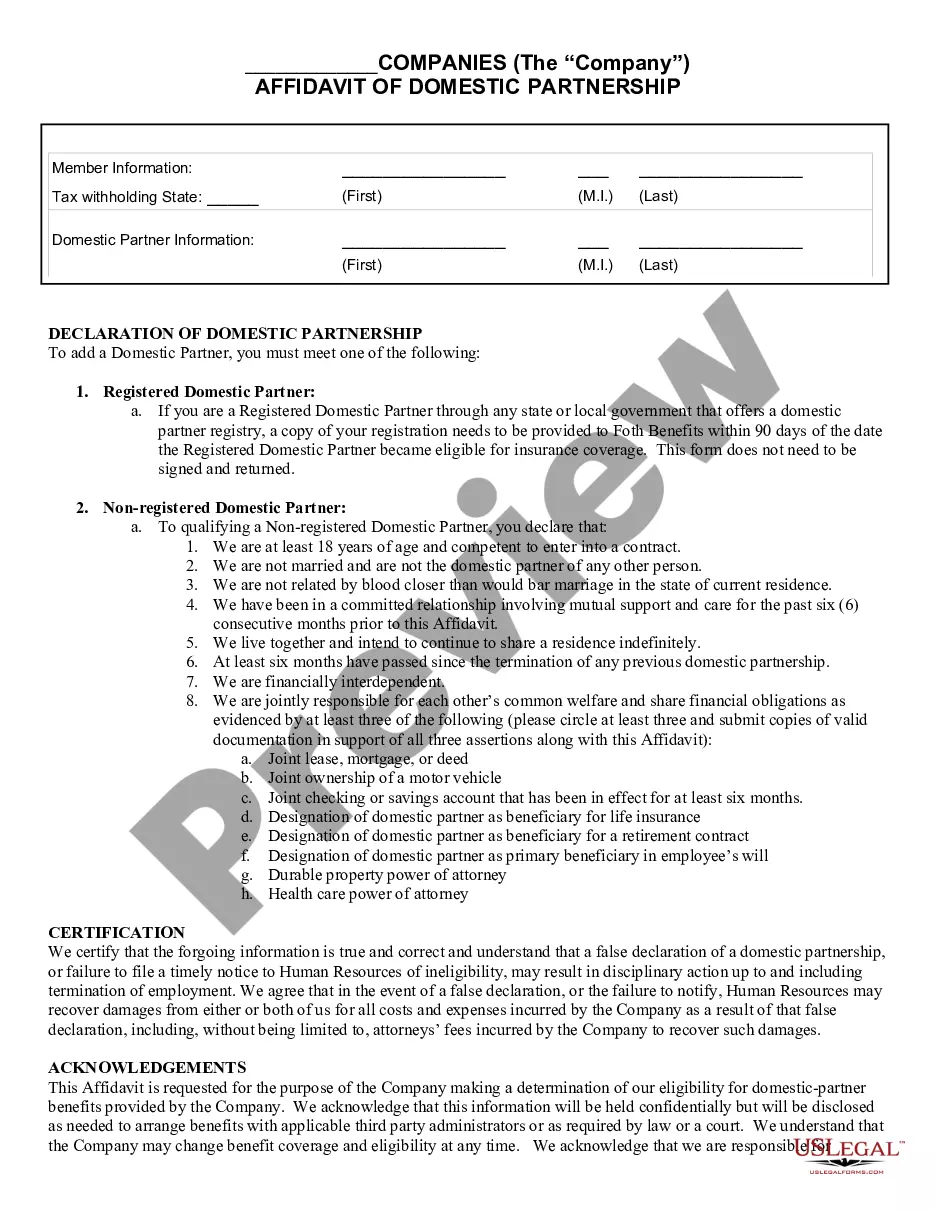
A domestic partnership agreement is a legal document that outlines the rights and responsibilities of partners in a committed relationship. This agreement serves to clarify how property and income are shared and delineate individual ownership. Unlike marriage contracts, domestic partnership agreements cater to couples who may wish to formalize their relationship without entering marriage. This form helps prevent misunderstandings and provides a structured approach to dissolution if necessary.
Main sections of this form
- Identification of partners, including names and addresses.
- Statement of mutual agreement and commitment.
- Provisions regarding jointly acquired assets and debts.
- Details on property ownership before and during the partnership.
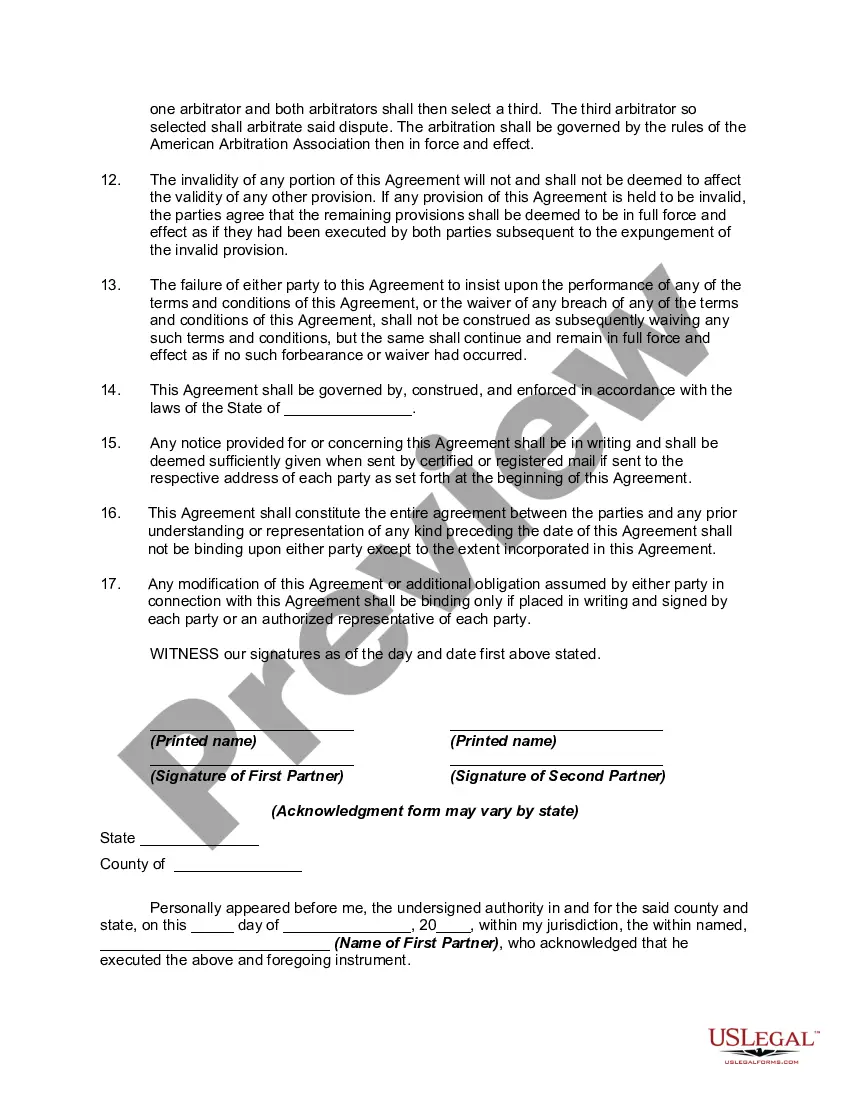
- Clauses related to termination of the agreement.
- Specification of arbitration for dispute resolution.
When this form is needed
This form is useful when couples wish to clarify their financial arrangements and responsibilities before or during their domestic partnership. It is particularly beneficial if the partners wish to define how to handle shared assets, income, or property and want to ensure a clear understanding regarding property ownership in case of separation.
Who needs this form
- Couples who are entering a domestic partnership.
- Partners seeking clarity on property and financial responsibilities.
- Individuals who want to prevent future disputes regarding property ownership.
- Those planning to formalize their relationship without marriage.
Completing this form step by step
- Identify the partners by entering their full names and addresses.
- Fill in the date on which the agreement is being made.
- Review and complete all required clauses regarding property, income, and responsibilities.
- Ensure both partners sign the document and include a witness if required.
- Consider having the agreement notarized if your state requires it.
Is notarization required?
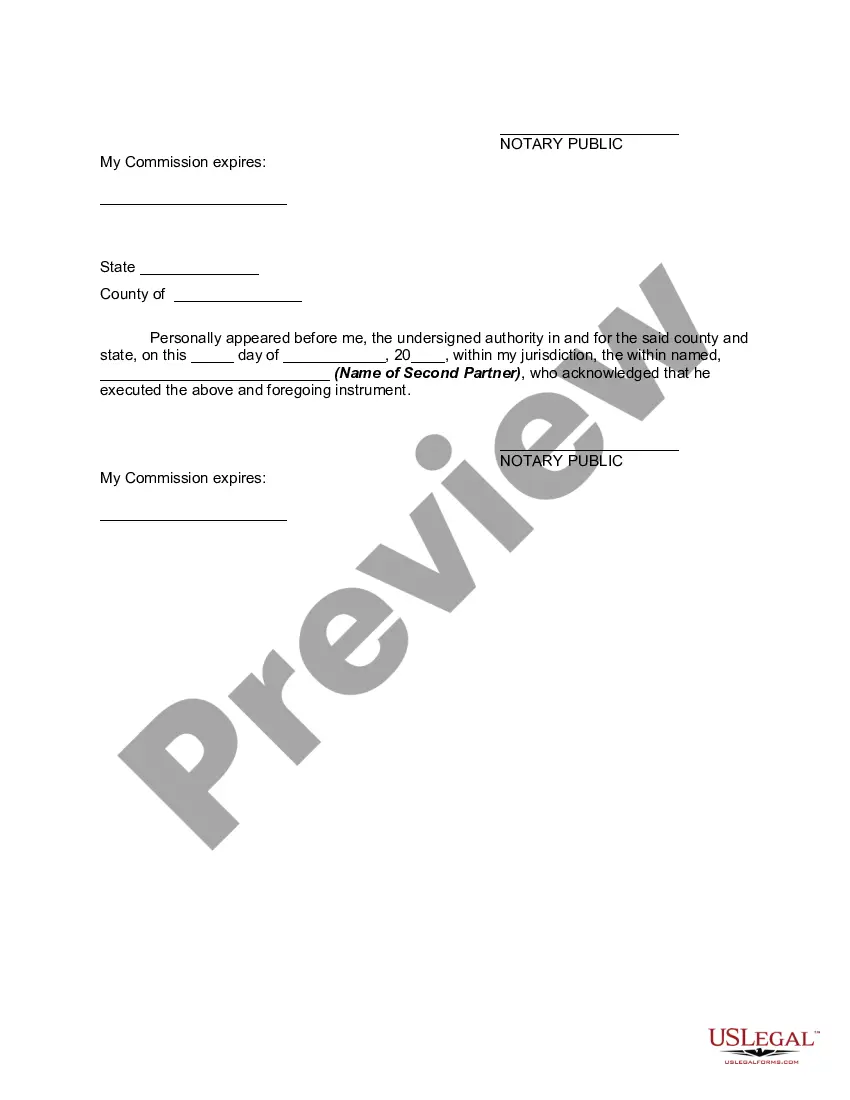
Notarization is required for this form to take effect. Our online notarization service, powered by Notarize, lets you verify and sign documents remotely through an encrypted video session, available 24/7.
Get your form ready online
Our built-in tools help you complete, sign, share, and store your documents in one place.
Make edits, fill in missing information, and update formatting in US Legal Forms—just like you would in MS Word.
Download a copy, print it, send it by email, or mail it via USPS—whatever works best for your next step.
Sign and collect signatures with our SignNow integration. Send to multiple recipients, set reminders, and more. Go Premium to unlock E-Sign.
If this form requires notarization, complete it online through a secure video call—no need to meet a notary in person or wait for an appointment.
We protect your documents and personal data by following strict security and privacy standards.

Make edits, fill in missing information, and update formatting in US Legal Forms—just like you would in MS Word.

Download a copy, print it, send it by email, or mail it via USPS—whatever works best for your next step.

Sign and collect signatures with our SignNow integration. Send to multiple recipients, set reminders, and more. Go Premium to unlock E-Sign.

If this form requires notarization, complete it online through a secure video call—no need to meet a notary in person or wait for an appointment.

We protect your documents and personal data by following strict security and privacy standards.
Typical mistakes to avoid
- Failing to update the agreement after significant life changes.
- Not including property definitions or joint responsibilities.
- Skipping notarization if required by local law.
- Neglecting to discuss the agreement with both partners beforehand.
Why complete this form online
- Convenience of completing the form at your own pace.
- Editability allows you to tailor the agreement to your specific needs.
- Access to legally drafted templates by licensed attorneys.
- Ability to save and print the document easily.
What to keep in mind
- A domestic partnership agreement clarifies responsibilities and rights within a committed relationship.
- Proper completion and notarization are essential for legal validity.
- State law may influence how the agreement functions; be aware of specific jurisdictions' rules.
Looking for another form?
Form popularity
FAQ
A Domestic Partnership Agreement is a legal document that outlines the rights and responsibilities of partners in a committed relationship. It clarifies how property and income are shared, delineates ownership, and defines each partner's financial duties. It helps prevent misunderstandings and provides a framework for dissolution if the relationship ends, without marriage.
Yes. Generally a domestic partner is someone you live with in a committed relationship who isn’t your spouse. This form documents that relationship by specifying who owns what, how assets and debts are shared, and how property is managed before and during the partnership, plus how disputes are resolved if the partnership ends.
People want a domestic partnership to clarify property and financial responsibilities, specify how assets and debts are shared, and document ownership before and during the partnership. It also creates a clear plan for ending the partnership, helping reduce disputes and providing a defined framework for dissolution without requiring marriage.
Not automatically. Living together does not necessarily create a domestic partnership. A Domestic Partnership Agreement lets couples document and formalize their rights and responsibilities, including property ownership and how assets and debts are handled, plus a plan for ending the partnership if needed.
Cohabitation describes two people living together without marriage. The Domestic Partnership Agreement is designed for couples who want to formalize their relationship by documenting rights and responsibilities, including how property and income are shared, ownership before and during the partnership, and a clear plan for dissolution if the partnership ends.
Domestic Partnership Agreement is tailored for couples in a domestic partnership, detailing how property and income are shared, ownership before and during the partnership, and a plan for dissolution. A cohabitation agreement generally focuses on living arrangements and finances for unmarried couples who live together, without specifying partnership status or formal rights.