Arizona Forms for use when filing in Superior Court - Superior Court
What this document covers
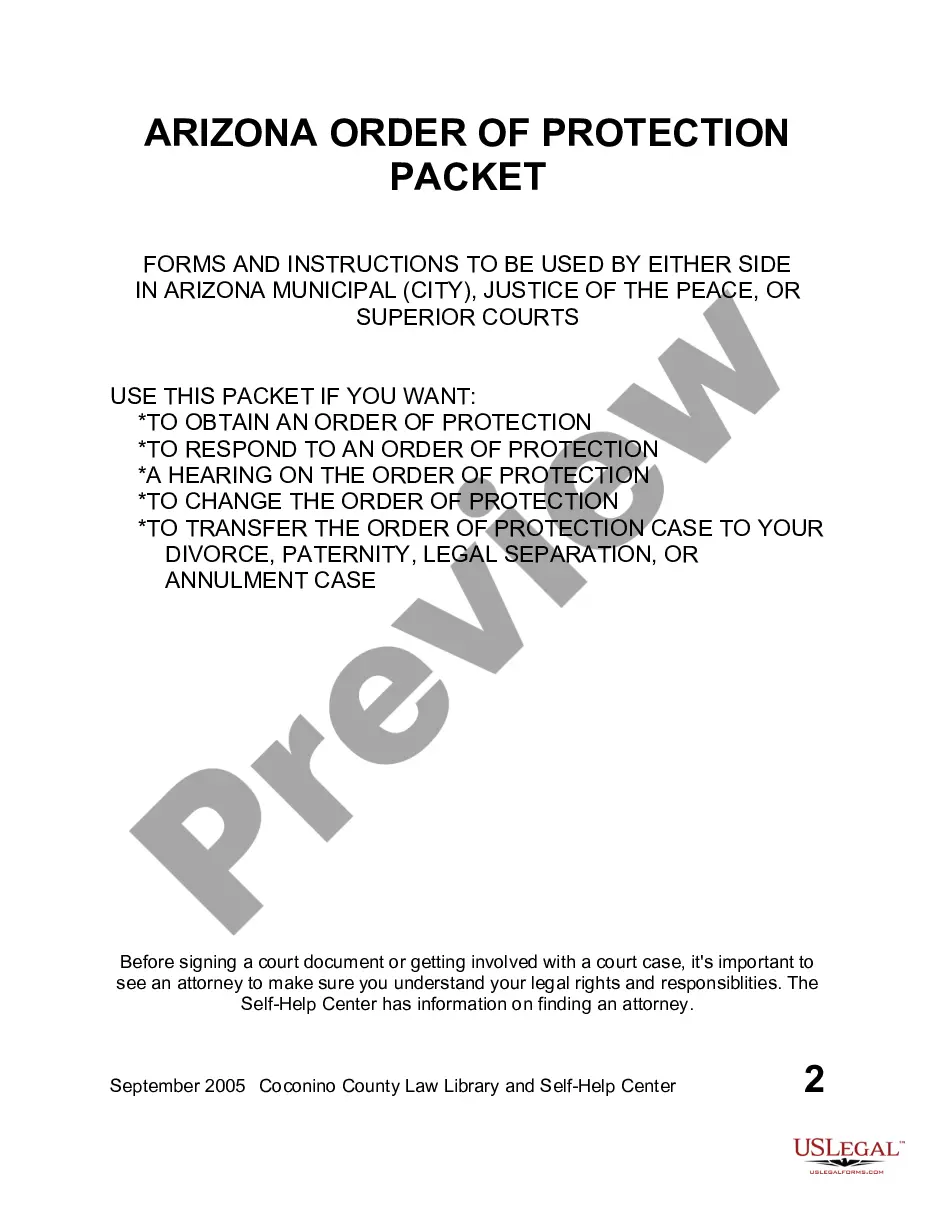
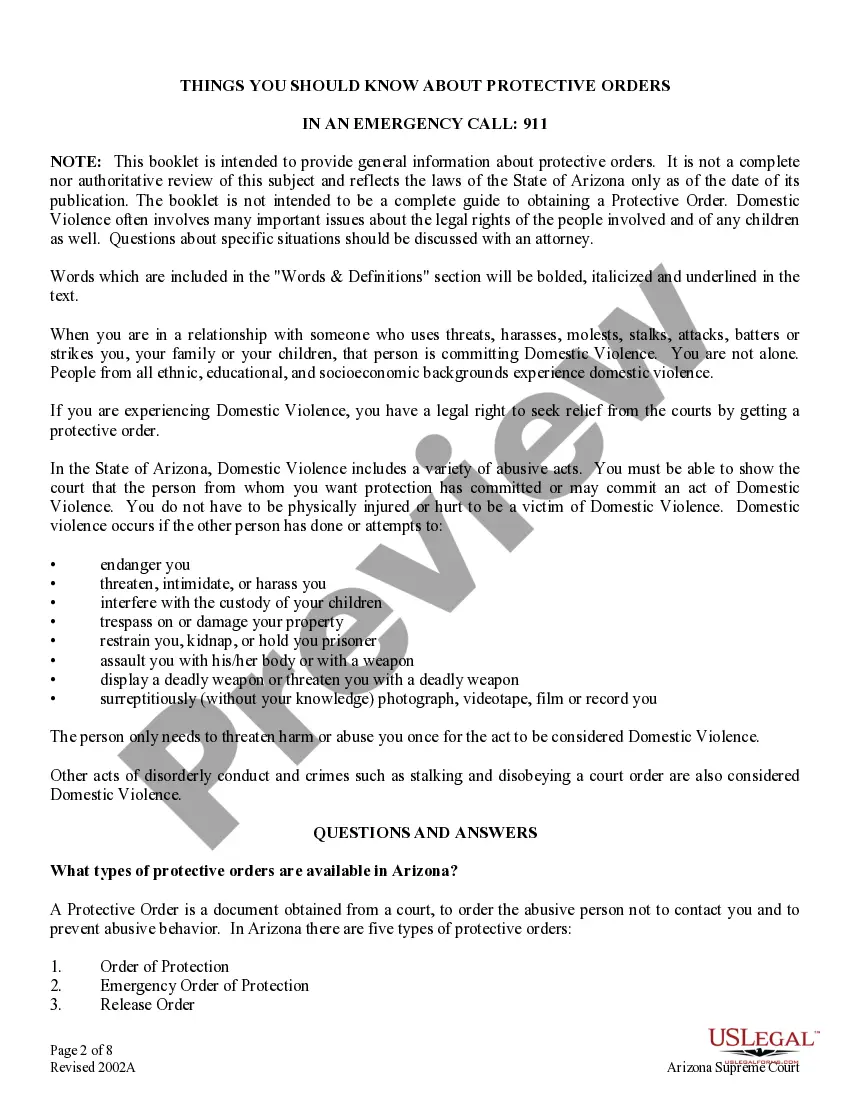
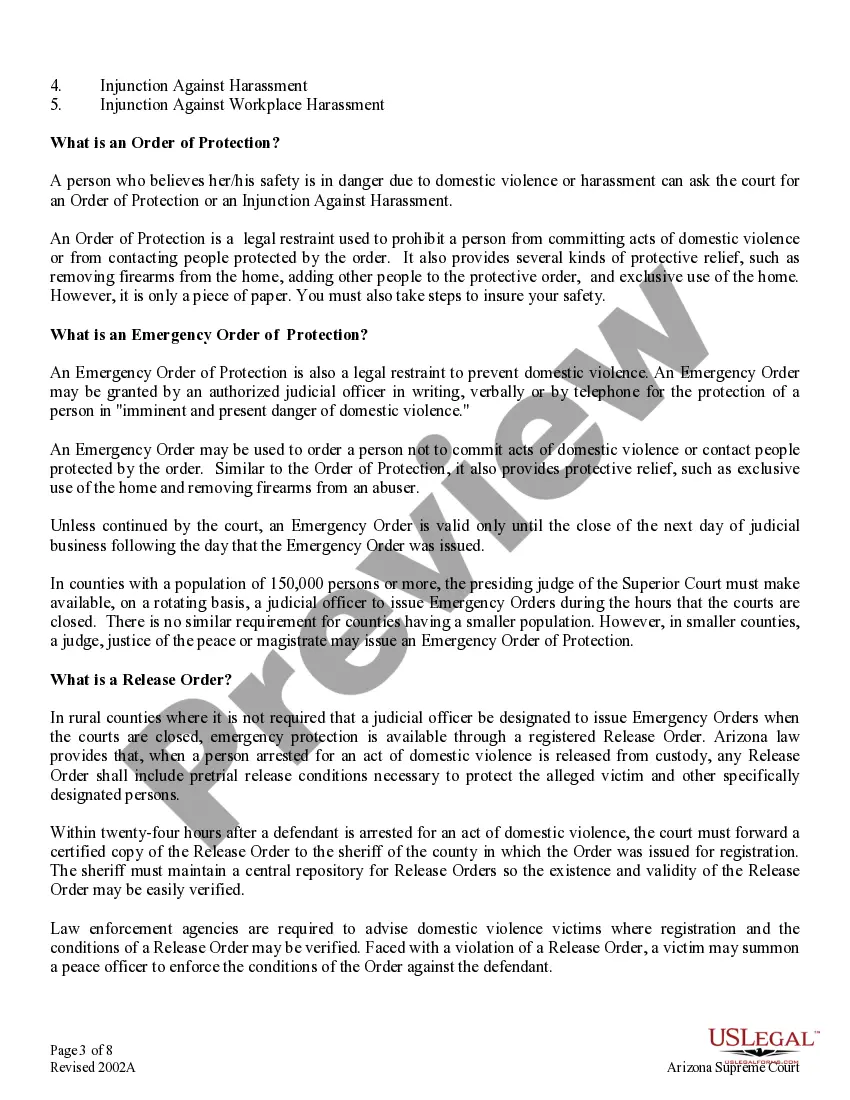
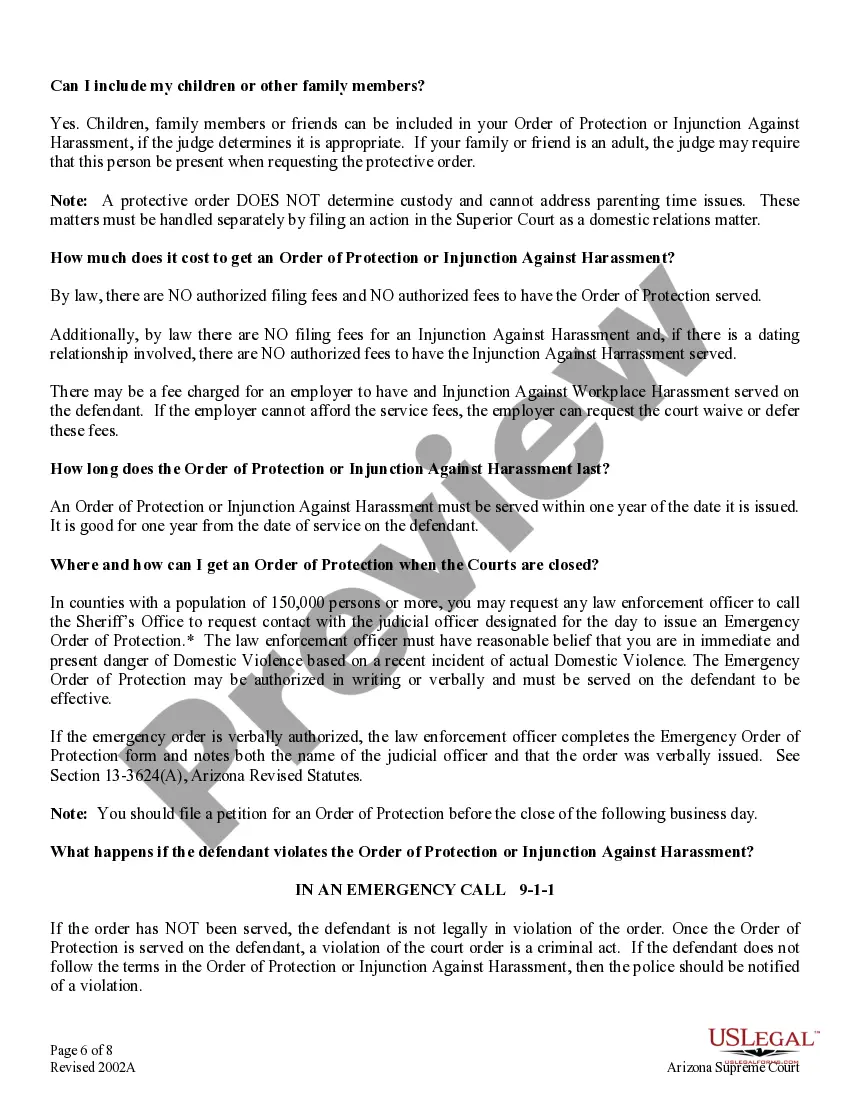
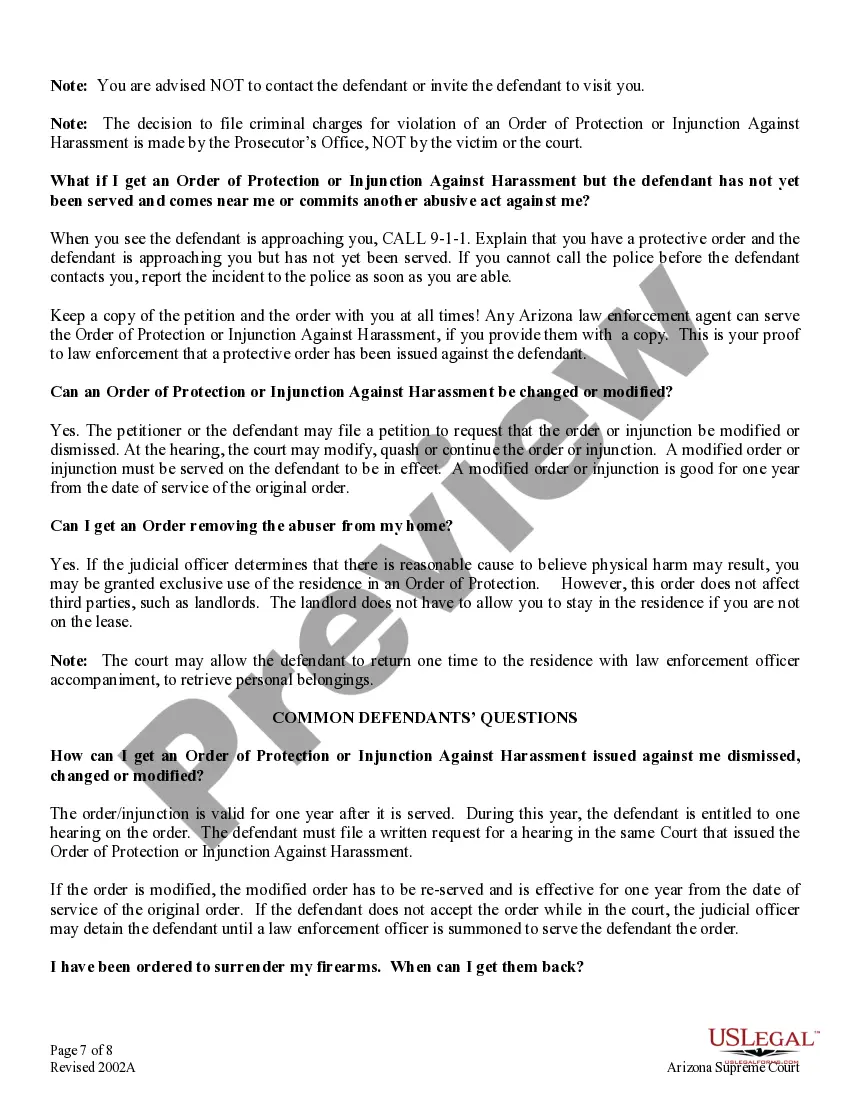
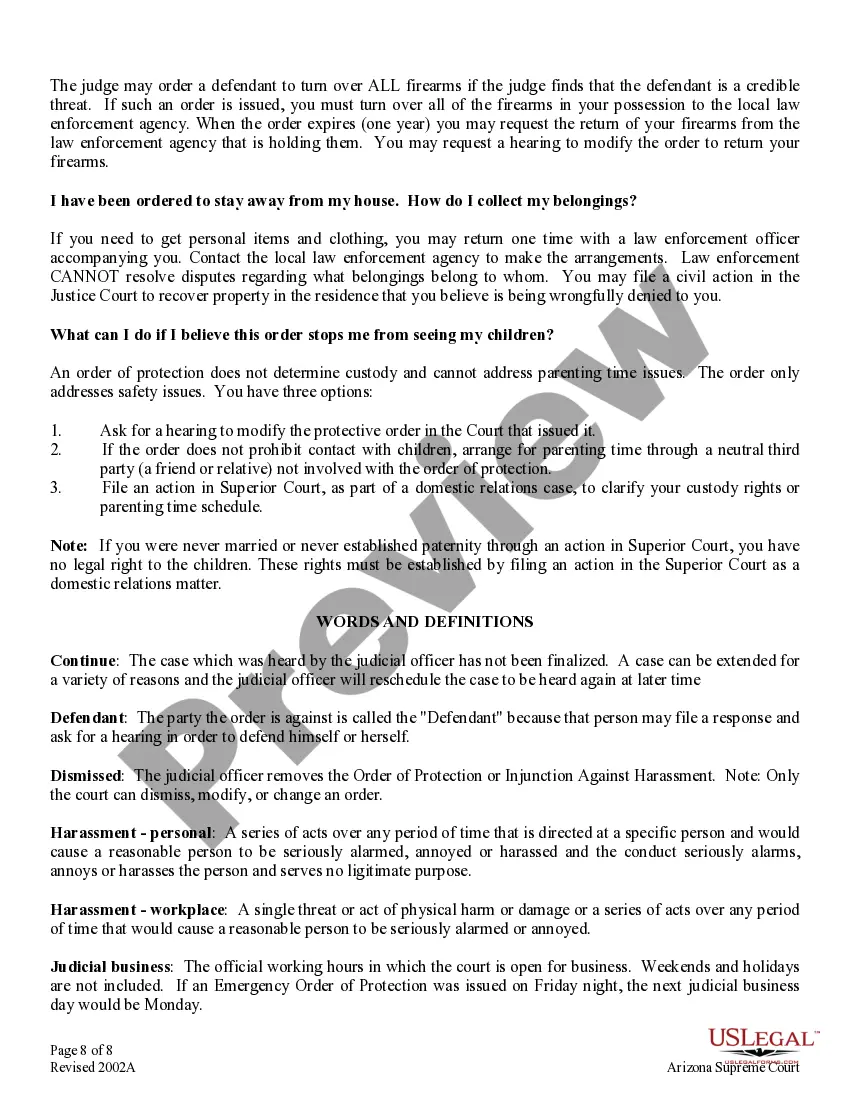
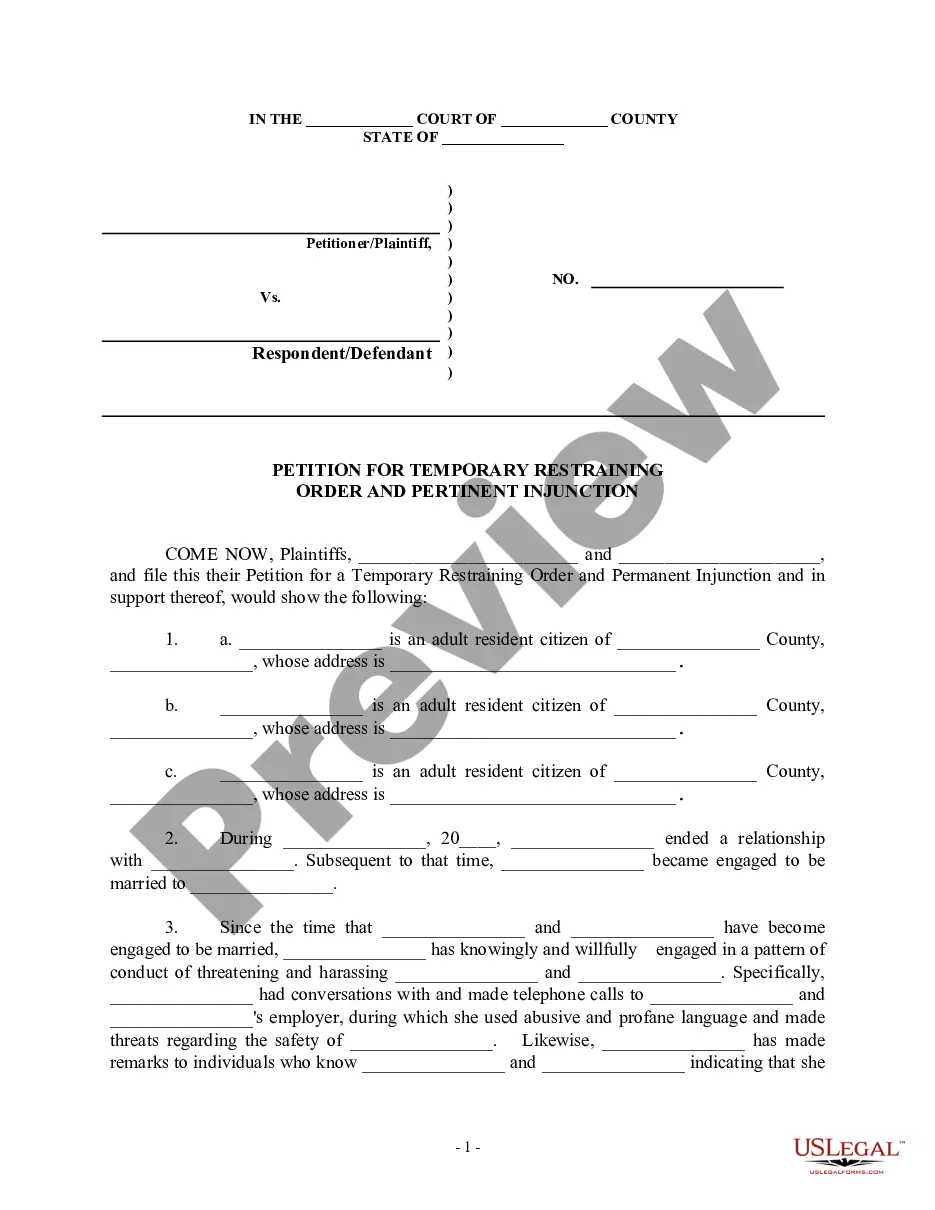
This legal form is designed for individuals seeking to file in Superior Court, specifically related to obtaining protective orders in Arizona. A protective order is a court-issued document that can help prevent domestic violence, harassment, or other threats by legally restricting contact from the abuser. This form is crucial when navigating complex issues of domestic relationships, particularly when safety is a concern. It differs from other forms like injunctions or restraining orders by focusing specifically on domestic violence and the relationships defined by state law.
Main sections of this form
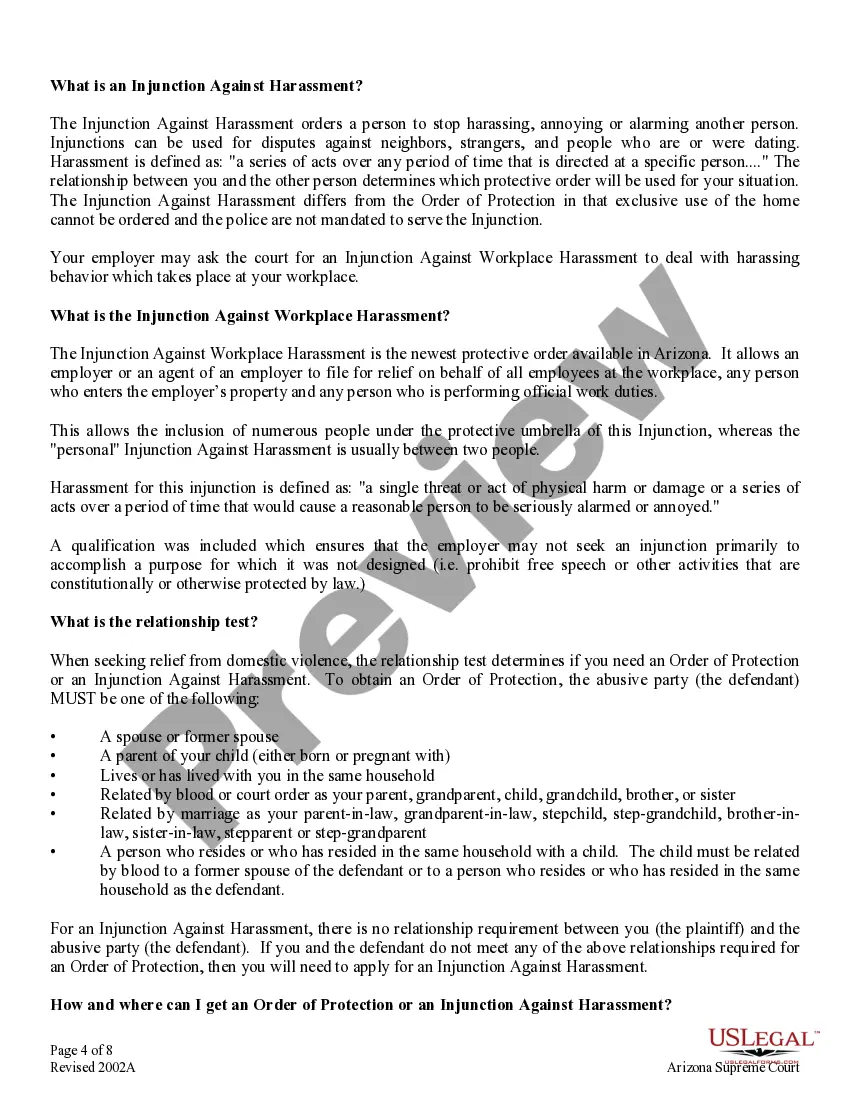
- Definitions and explanations of types of protective orders available in Arizona.
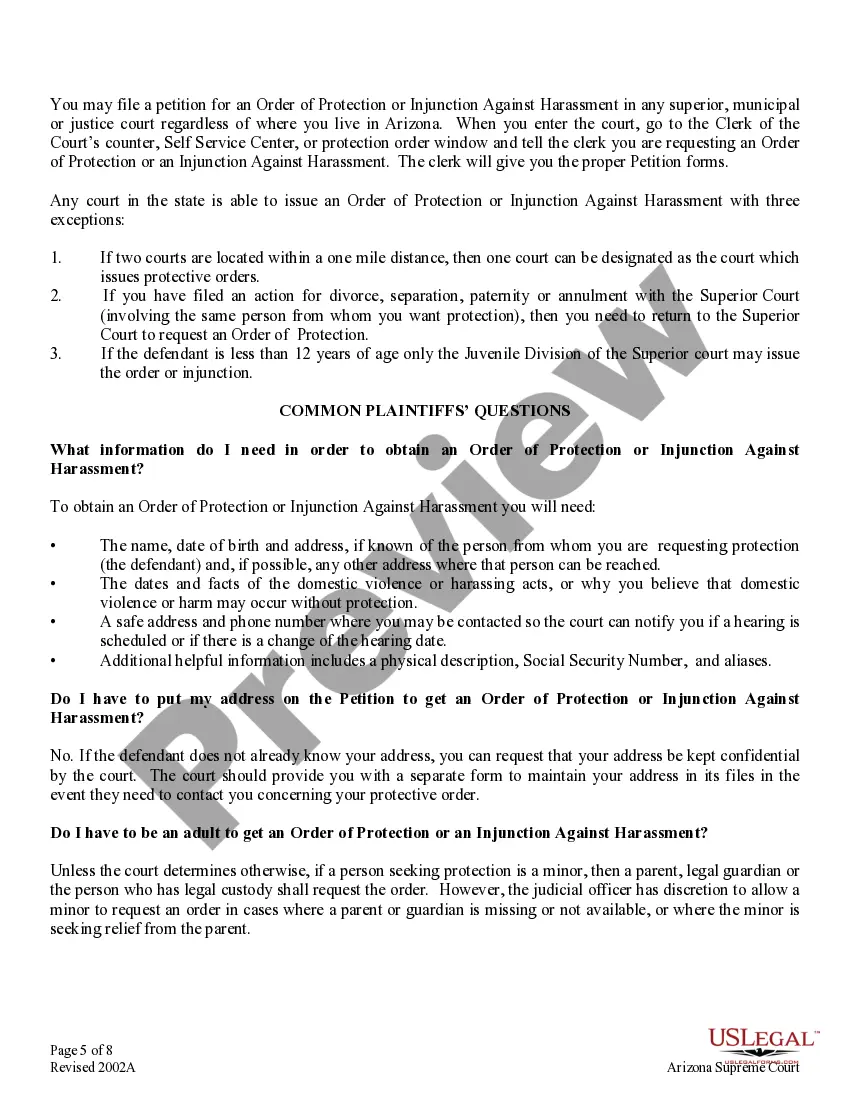
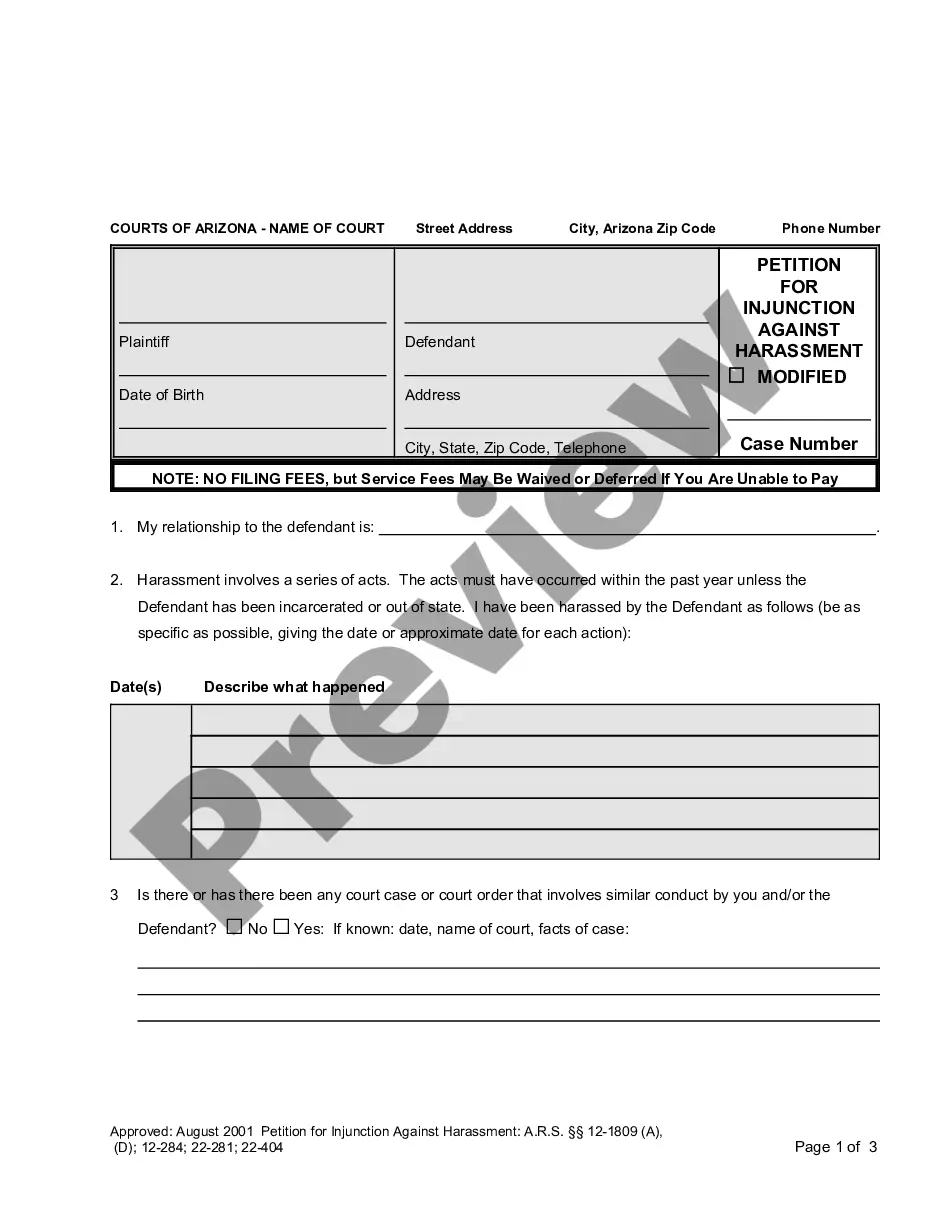
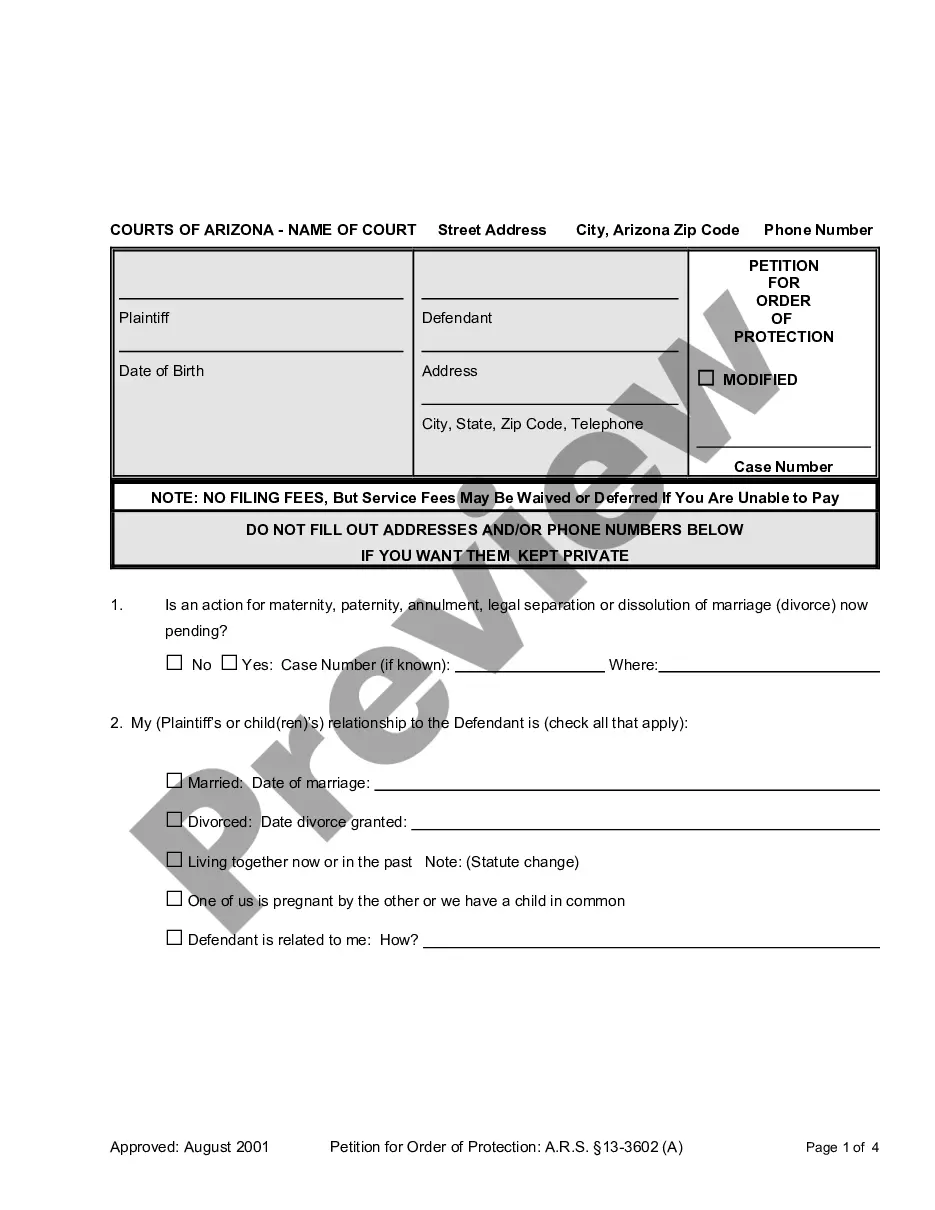
- Detailed instructions on filing for an Order of Protection or Injunction Against Harassment.
- Information on eligibility criteria and required relationships for applicants.
- Guidance on how to request modification or dismissal of an order.
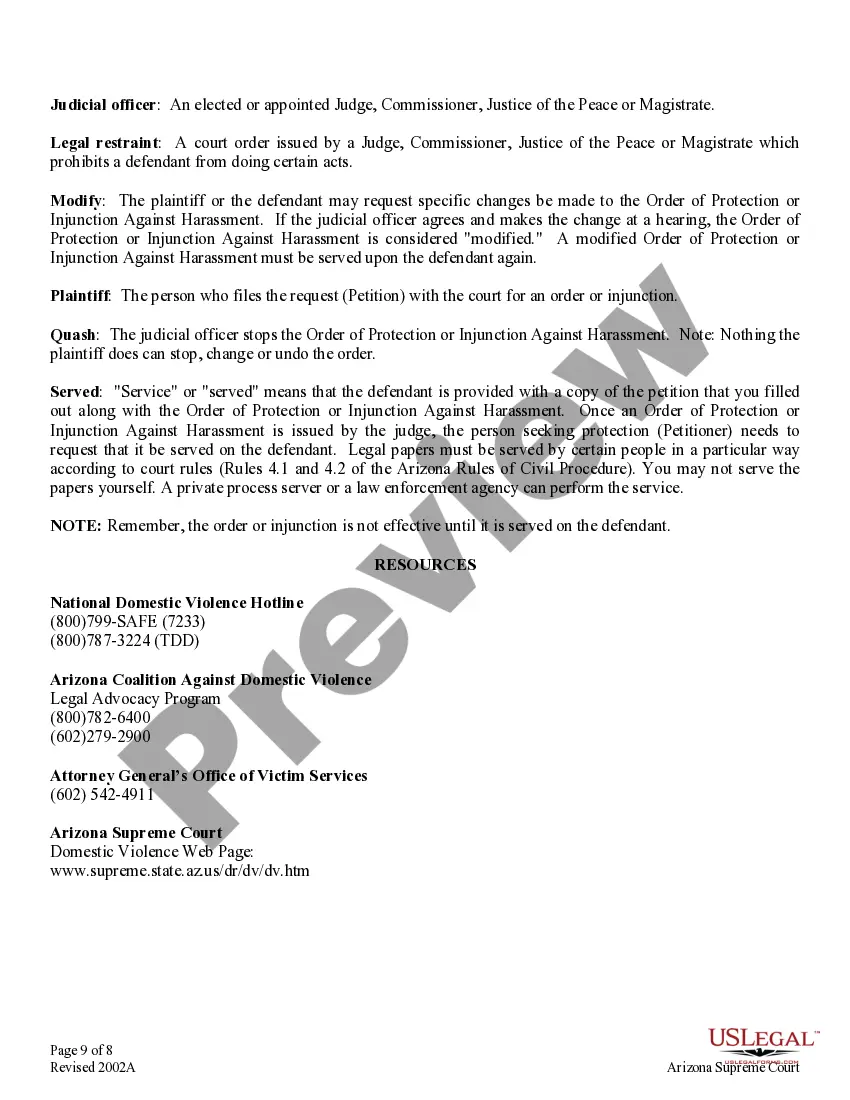
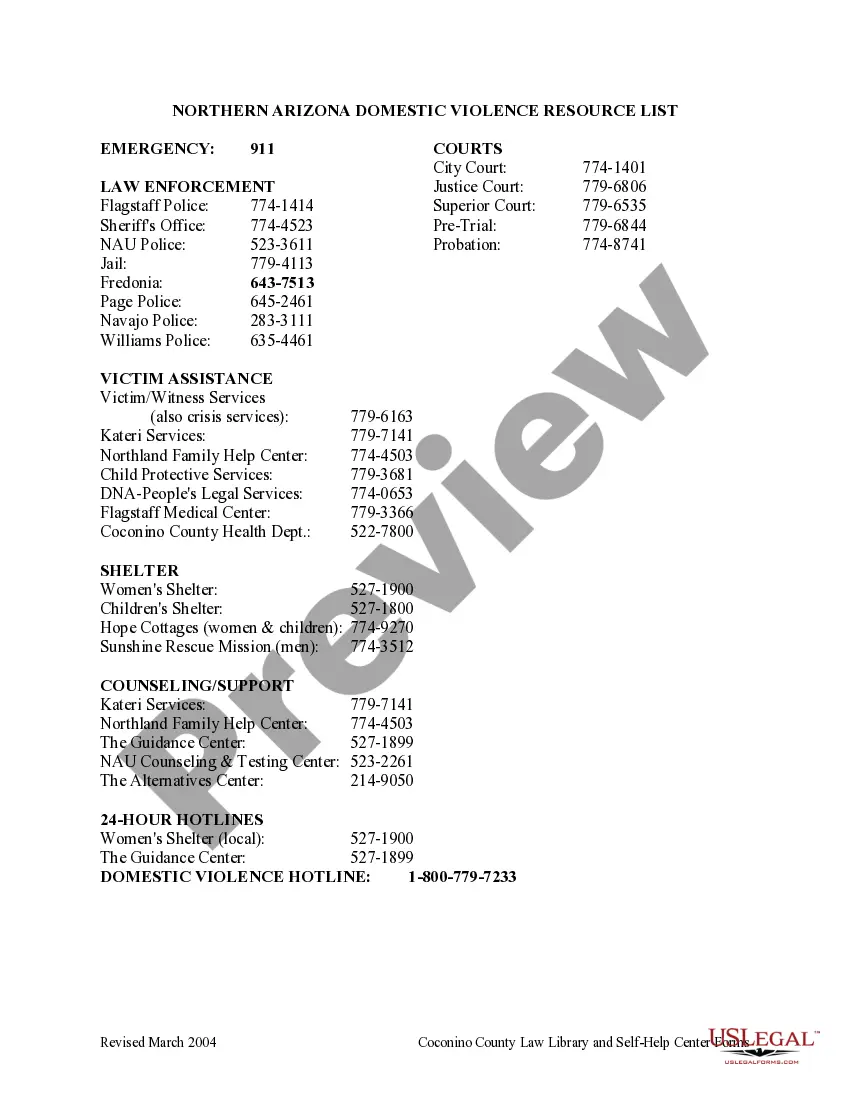
- Resources for legal assistance and support services for those experiencing domestic violence.

Common use cases
This form should be used when individuals feel threatened or unsafe due to domestic violence or harassment. Common scenarios include situations where a person has experienced or fears abusive behavior from a spouse, partner, family member, or someone with whom they have had a close relationship. If there has been a history of violence or threats, or if someone wishes to modify an existing protective order, this form is necessary.
Who should use this form
- Individuals who are victims of domestic violence seeking protection.
- Persons in relationships where harassment has occurred.
- Parents seeking to protect their children from an abusive partner.
- Anyone needing to respond to an existing protective order or modify such orders.
- Family members aiming to secure the safety of loved ones in potentially dangerous situations.
How to prepare this document
- Identify and provide your personal information and the details of the defendant, including full name and relationship to you.
- Clearly outline the incidents of domestic violence or harassment, including dates and specifics of each event.
- Specify any additional individuals you wish to include on the protective order, such as children or other family members.
- Review the form for accuracy, ensuring all sections are filled out correctly before submission.
- File the completed form at the appropriate court, either in person or online, as per local procedures.
Notarization guidance
This form does not typically require notarization to be legally valid. However, some jurisdictions or document types may still require it. US Legal Forms provides secure online notarization powered by Notarize, available 24/7 for added convenience.
Get your form ready online
Our built-in tools help you complete, sign, share, and store your documents in one place.
Make edits, fill in missing information, and update formatting in US Legal Forms—just like you would in MS Word.
Download a copy, print it, send it by email, or mail it via USPS—whatever works best for your next step.
Sign and collect signatures with our SignNow integration. Send to multiple recipients, set reminders, and more. Go Premium to unlock E-Sign.
If this form requires notarization, complete it online through a secure video call—no need to meet a notary in person or wait for an appointment.
We protect your documents and personal data by following strict security and privacy standards.

Make edits, fill in missing information, and update formatting in US Legal Forms—just like you would in MS Word.

Download a copy, print it, send it by email, or mail it via USPS—whatever works best for your next step.

Sign and collect signatures with our SignNow integration. Send to multiple recipients, set reminders, and more. Go Premium to unlock E-Sign.

If this form requires notarization, complete it online through a secure video call—no need to meet a notary in person or wait for an appointment.

We protect your documents and personal data by following strict security and privacy standards.
Typical mistakes to avoid
- Failing to provide comprehensive details about incidents of violence or threats.
- Not including all relevant individuals who need protection.
- Submitting the form to the wrong court or missing submission deadlines.
- Neglecting to keep a copy of the submitted form for personal records.
- Overlooking the need to request service of the order once it is granted.
Benefits of using this form online
- Convenient accessibility allows users to fill out the form at their own pace from any location.
- Editability ensures users can correct any errors before final submission.
- Reliability of information and guidance provided to ensure compliance with legal requirements.
- Secure processing of sensitive information to protect the safety of users.
Legal use & context
- This form is a legal document that must follow Arizona state law regarding domestic violence protections.
- Protection orders, once served, have legal standing and can be enforced by law enforcement.
- Failure to comply with an issued protection order may result in criminal charges against the defendant.
- Persons seeking to modify or dismiss the order must return to court for a hearing.
Summary of main points
- Protective orders are critical legal tools for individuals facing domestic violence.
- Completing the form accurately is essential to ensure legal protections.
- State-specific requirements highlight the importance of understanding local laws.
- Using this form online streamlines the application process while maintaining security and reliability.
Glossary of terms used in this form
- Defendant: The person against whom the protective order is issued.
- Order of Protection: A legal document that prevents an individual from contacting or approaching the victim.
- Injunction Against Harassment: A court order to stop an individual from harassing someone else.
- Petitioner: The person who files the request for a protective order.
Looking for another form?

Form popularity
FAQ
Justice Courts in Arizona are lower-level courts that handle minor civil and criminal cases, typically involving amounts under $10,000. These courts play a vital role in the legal process, allowing for quick resolutions on less complex matters. If you have a case that needs to be filed, knowing the distinction can guide your choice. For your convenience, Arizona Forms for use when filing in Superior Court - Superior Court can assist you in drafting the appropriate filings when moving to a higher court.
A Superior Court judge in Arizona typically earns an annual salary of around $150,000. This salary reflects the responsibility and complexity of the judicial roles within the Arizona court system. Understanding judges' salaries can give you insight into the importance of the decisions made in Superior Court. To file your case effectively, utilize Arizona Forms for use when filing in Superior Court - Superior Court for official documents.
Arizona has four levels of courts: the Arizona Supreme Court, the Arizona Court of Appeals, the Superior Court, and Justice Courts. The Superior Court, which is essential for your legal needs, handles a variety of cases including civil, criminal, and family issues. By understanding these levels, you can better navigate the judicial system. Florida Forms for use when filing in Superior Court - Superior Court can help you prepare the necessary documents efficiently.
To start a civil lawsuit in Arizona, you must first file a complaint in the appropriate court, typically the superior court if your claim exceeds $10,000. It is essential to include essential details such as parties involved, the basis of your claim, and the remedy sought. Using Arizona Forms for use when filing in Superior Court - Superior Court can greatly streamline this process, ensuring you have the right forms and guidance needed to move forward.
In Arizona, the minimum claim amount for small claims court is $3,500. Small claims court is designed to resolve disputes quickly and without the need for a lawyer. To facilitate your small claims process, consider using Arizona Forms for use when filing in Superior Court - Superior Court, as they can assist you in preparing the necessary documents.
In Arizona, you typically have one to two years to file a civil suit, depending on the nature of the claim. For example, personal injury claims must usually be filed within two years from the date of the incident. To ensure you comply with all deadlines, it's beneficial to utilize Arizona Forms for use when filing in Superior Court - Superior Court.
Superior courts in Arizona decide a wide range of cases, including civil matters, family law cases, and criminal cases. These courts also handle probate matters and appeals from lower courts. If you are preparing to file documentation, using Arizona Forms for use when filing in Superior Court - Superior Court can simplify the process significantly.
The jurisdictional amount for diversity jurisdiction in Arizona typically must exceed $75,000. This applies to cases where the parties are from different states, and it is crucial to understand this threshold for proper filing. Ensure you utilize the right Arizona Forms for use when filing in Superior Court - Superior Court to meet these requirements. Being aware of diversity jurisdiction parameters can have a significant impact on your case.
Superior Court in Arizona handles various cases, including civil cases involving more than $10,000, complex criminal matters, family law issues, and appeals from lower courts. It’s essential to use the correct Arizona Forms for use when filing in Superior Court - Superior Court to properly initiate your case. Each category of law has specific requirements, so knowing where your case fits can guide your legal journey. Understanding this can streamline your filing process.
To sue someone for more than $10,000 in Arizona, you must file your case in the Superior Court, as it has jurisdiction over larger sums. Ensure you complete the appropriate Arizona Forms for use when filing in Superior Court - Superior Court. Drafting your complaint accurately and providing the necessary evidence are key steps in the process. This approach increases the chance that your claim will be taken seriously.