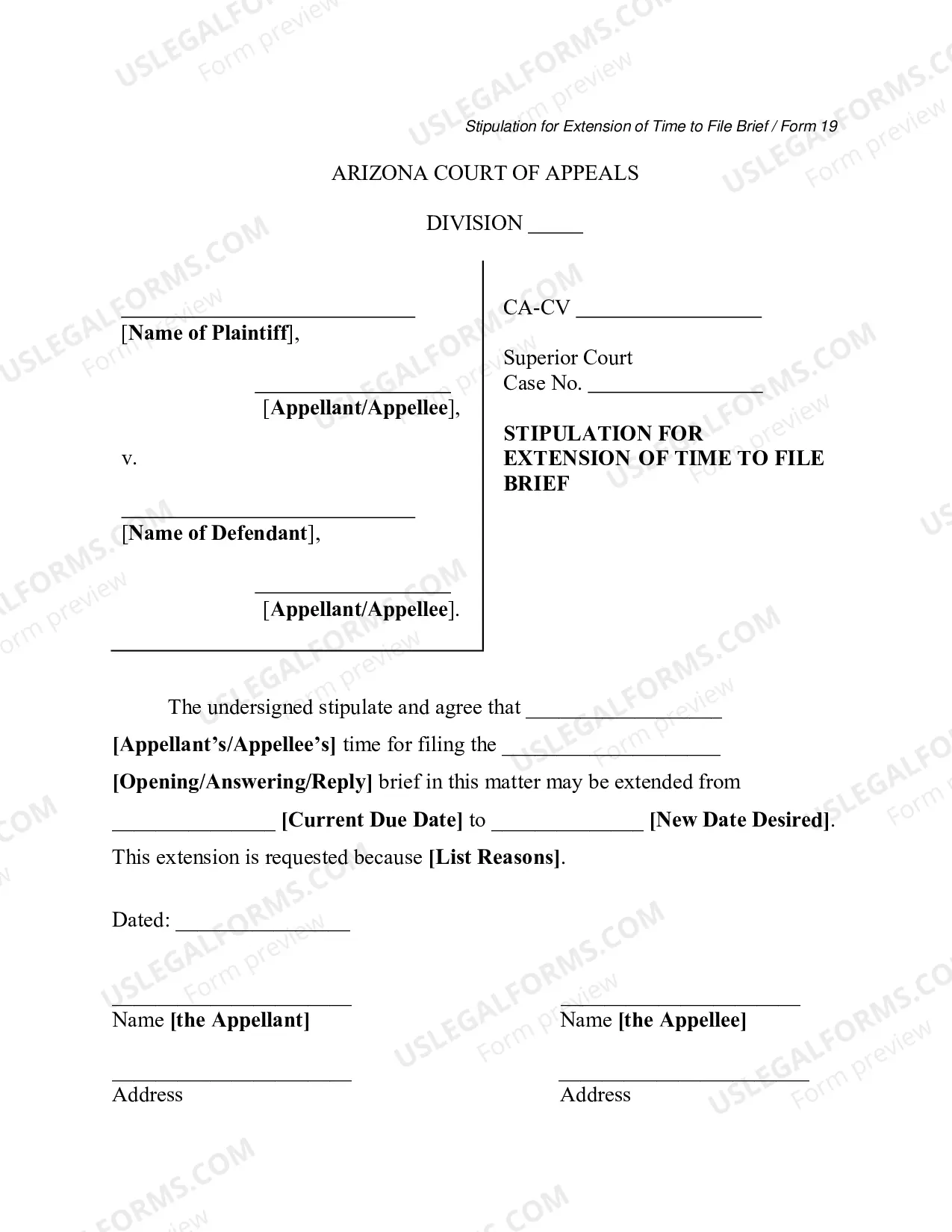
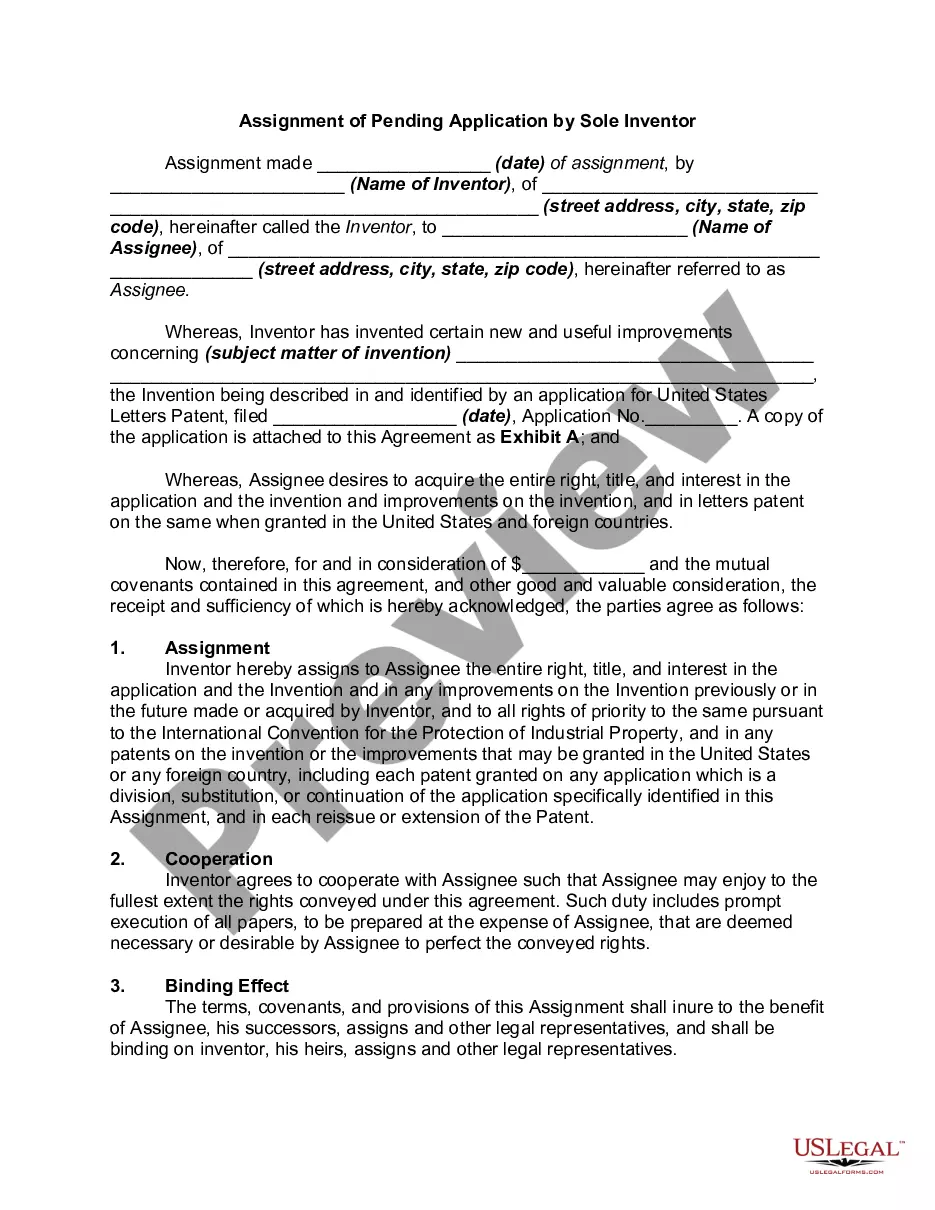
Assignment of Pending Application by Sole Inventor - Paris Convention
What is this form?
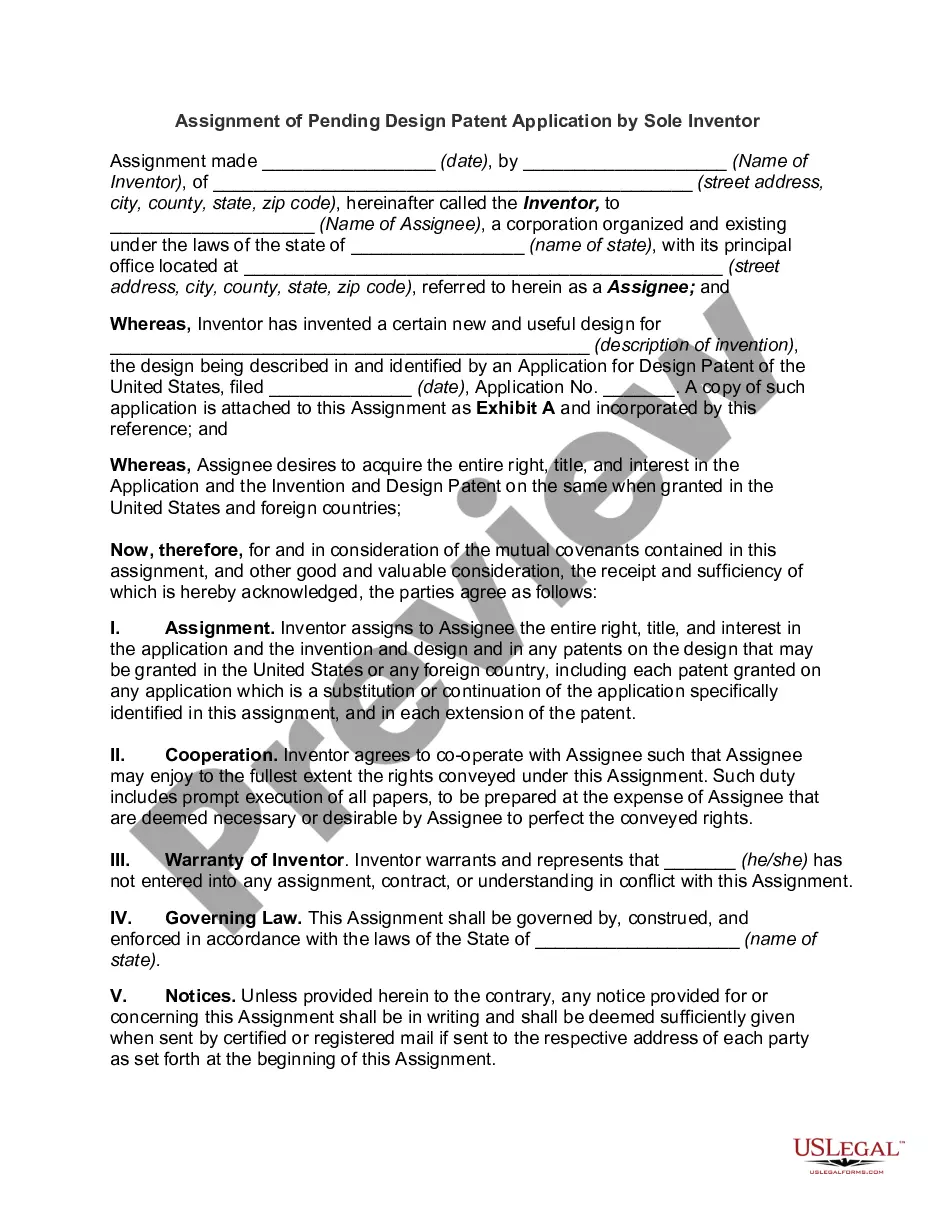
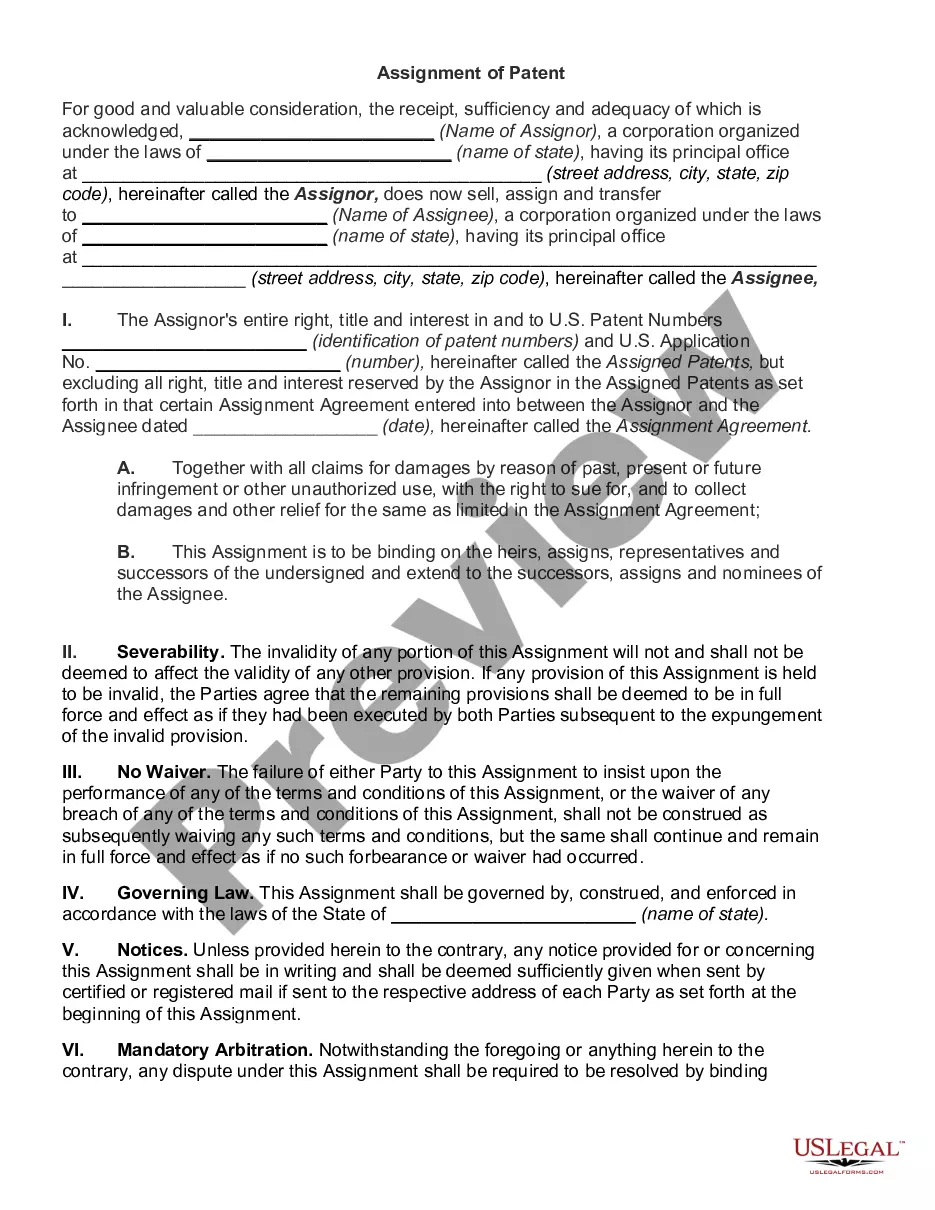
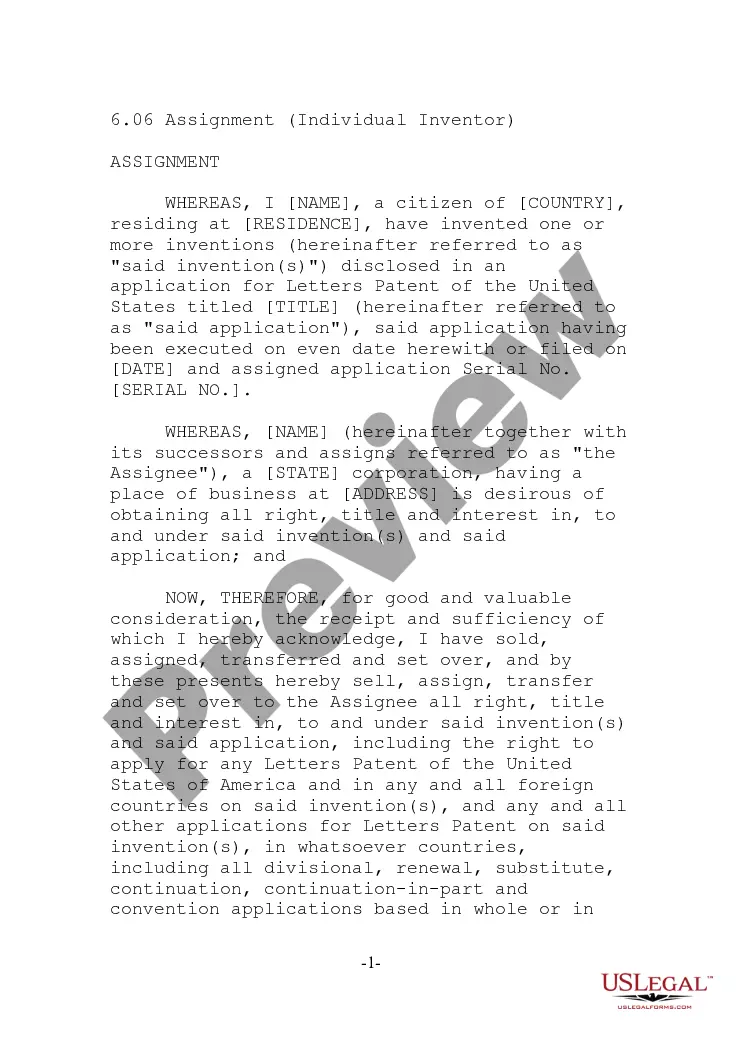
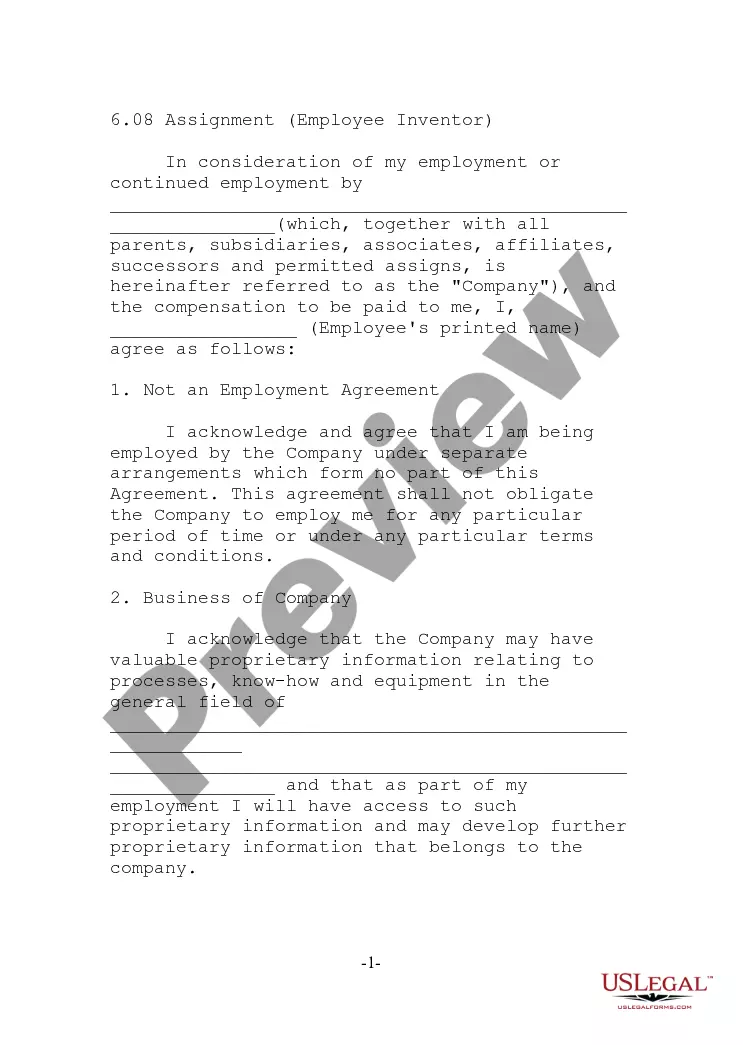
The Assignment of Pending Application by Sole Inventor - Paris Convention is a legal document used to transfer rights from an inventor to an assignee regarding a pending patent application. This form is specifically tailored for compliance with the Paris Convention, which establishes important protections and procedures for international patent filings. Unlike similar forms, this document emphasizes the assignment of rights related to both the invention and any improvements associated with it.
Main sections of this form
- Date of assignment and details of the inventor and assignee.
- Description of the invention and its associated patent application details.
- Clear transfer of rights from the inventor to the assignee.
- Cooperation obligations for the inventor to assist the assignee.
- Warranties ensuring non-conflict with other assignments.
Common use cases
This form should be used when an inventor wants to assign their rights in a patent application to another party, typically an organization or individual who may seek to commercially exploit the invention. It is particularly important in the context of international patent protection under the Paris Convention, when multiple filings in various countries are planned.
Who needs this form
- Inventors looking to assign their patent rights to another party.
- Assignees who wish to legally acquire rights to an invention.
- Legal professionals representing clients involved in patent applications and assignments.
How to prepare this document
- Enter the date of the assignment and the full names of the inventor and assignee.
- Provide the complete addresses for both parties involved in the assignment.
- Describe the invention and include the details of the pending patent application, including the application number and filing date.
- Specify the terms of consideration for the assignment.
- Ensure all parties sign the document and attach any required exhibits, such as a copy of the patent application.
Does this document require notarization?
This form usually doesn’t need to be notarized. However, local laws or specific transactions may require it. Our online notarization service, powered by Notarize, lets you complete it remotely through a secure video session, available 24/7.
Get your form ready online
Our built-in tools help you complete, sign, share, and store your documents in one place.
Make edits, fill in missing information, and update formatting in US Legal Forms—just like you would in MS Word.
Download a copy, print it, send it by email, or mail it via USPS—whatever works best for your next step.
Sign and collect signatures with our SignNow integration. Send to multiple recipients, set reminders, and more. Go Premium to unlock E-Sign.
If this form requires notarization, complete it online through a secure video call—no need to meet a notary in person or wait for an appointment.
We protect your documents and personal data by following strict security and privacy standards.

Make edits, fill in missing information, and update formatting in US Legal Forms—just like you would in MS Word.

Download a copy, print it, send it by email, or mail it via USPS—whatever works best for your next step.

Sign and collect signatures with our SignNow integration. Send to multiple recipients, set reminders, and more. Go Premium to unlock E-Sign.

If this form requires notarization, complete it online through a secure video call—no need to meet a notary in person or wait for an appointment.

We protect your documents and personal data by following strict security and privacy standards.
Common mistakes to avoid
- Leaving out essential information such as the application number or dates.
- Failing to include signed copies from both the inventor and assignee.
- Not attaching necessary exhibits or documents related to the patent application.
Why use this form online
- Convenience: Easily download and complete the form at your own pace.
- Editability: Fill in required fields and make changes as needed before finalizing.
- Reliability: Access to professionally drafted legal templates ensures compliance with legal standards.
Legal use & context
- This assignment form is legally binding upon proper completion and signatures of both parties.
- It ensures clarity in ownership rights, protecting both the inventor's interests and the assignee's rights to the invention.
Main things to remember
- The Assignment of Pending Application by Sole Inventor - Paris Convention facilitates the transfer of patent rights internationally.
- Completed forms must include detailed information about the inventor, assignee, and invention.
- Review local laws for specific requirements on notarization and filing.
Looking for another form?
Form popularity
FAQ
Charles Greeley Abbot, an American astrophysicist and astronomer aged 101 in 1973, was the oldest inventor ever to receive a patent. He died in the same year. Approaching his 101st birthday, Brazilian architect Oscar Niemeyer is still hard at work.
In the pantheon of American innovation, Thomas Edison holds a unique place. He became a symbol of American ingenuity and the conviction that inspiration and perspiration could lead to remarkable things. In this 1885 sketch, Edison notes some ideas for improving the incandescent light bulb.
However, scientists of any age, like 18-year-old Amber, can apply for a patent. There's not an age restriction or requirement to file a patent, said Joyce Ward, the USPTO's director of education and outreach, to SciFri. The important thing is that you are actually the inventor.
Thales of miletus. Leonardo da Vinci. Thomas Edison. Archimedes. Benjamin Franklin. Louis Pasteur and Alexander Fleming. the Montgolfier brothers and Clement Ader. Nikola Tesla.
Thomas Alva Edison was widely known as America's most prolific inventor, even after his death in 1931. He held a total of 1,093 U.S. patents (1,084 utility patents and 9 design patents).
Samuel Thomas Houghton is a British inventor. In April 2008, at the age of 5, he received a patent for his "Sweeping Device With Two Heads" invention. He is thought to be the youngest person to have been granted a patent for their invention.
Thomas Edison is credited with inventions such as the first practical incandescent light bulb and the phonograph. He held over 1,000 patents for his inventions.
Be true and first inventor of the invention. Section 2(1)(y) of Indian Patents Act defines the true and first inventor as someone that does not include either the first importer of an invention into India or a person to whom an invention is first communicated from outside India.
1. Thomas Edison (18471931) Edison filed over 1000 patents. He developed and innovated a wide range of products from the electric light bulb to the phonograph and motion picture camera. 2.