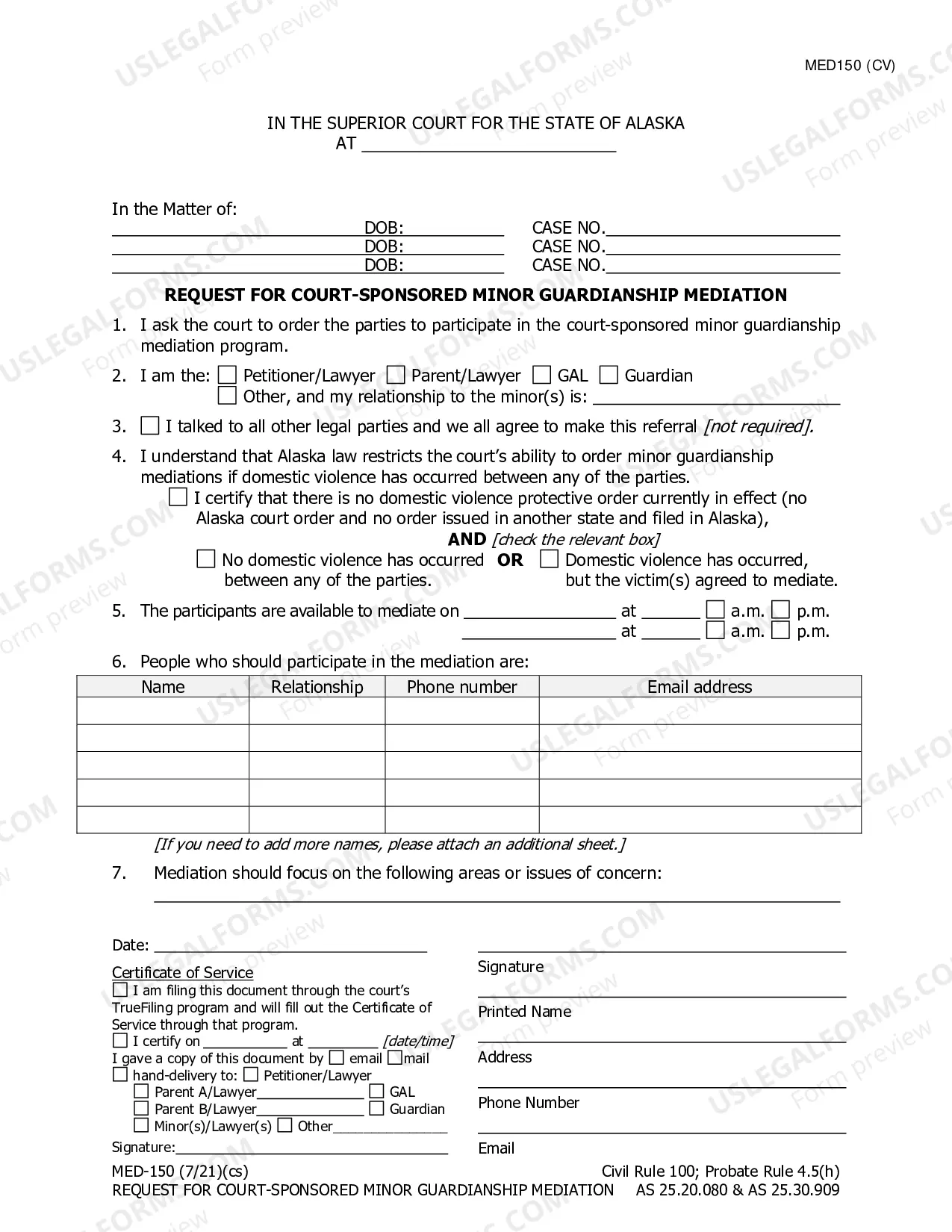
Complaint or Petition to Recover Deficiency after Sale under Trust Deed or Deed of Trust
Overview of this form
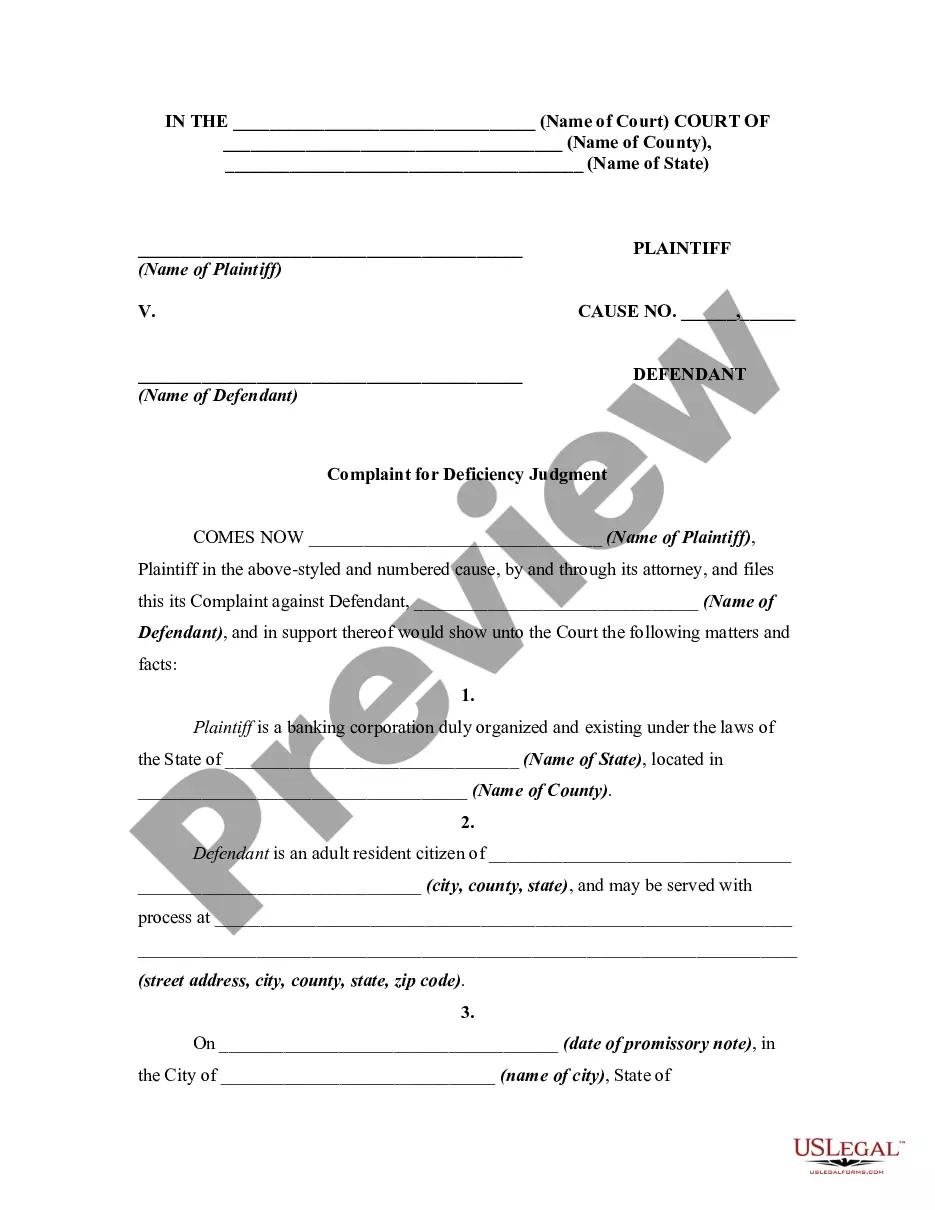
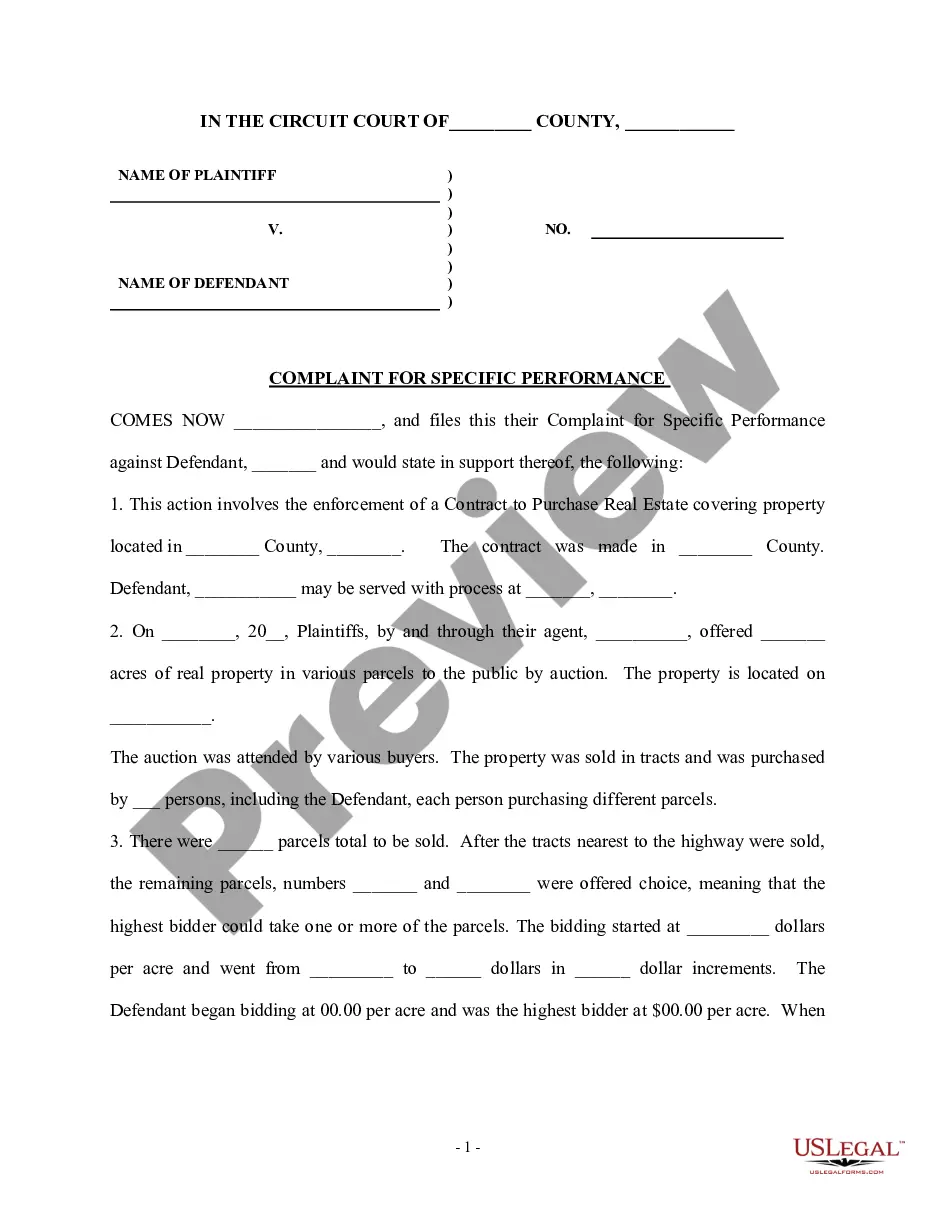
This Complaint or Petition to Recover Deficiency after Sale under Trust Deed or Deed of Trust is a legal document used by a creditor to seek a deficiency judgment following the sale of property. The goal is to recover the difference between the debt owed and the money received from the sale of the property. This form is particularly necessary when the proceeds from a sale do not fully cover the outstanding debt secured by a mortgage or deed of trust, making it distinct from a standard foreclosure proceeding.
What’s included in this form
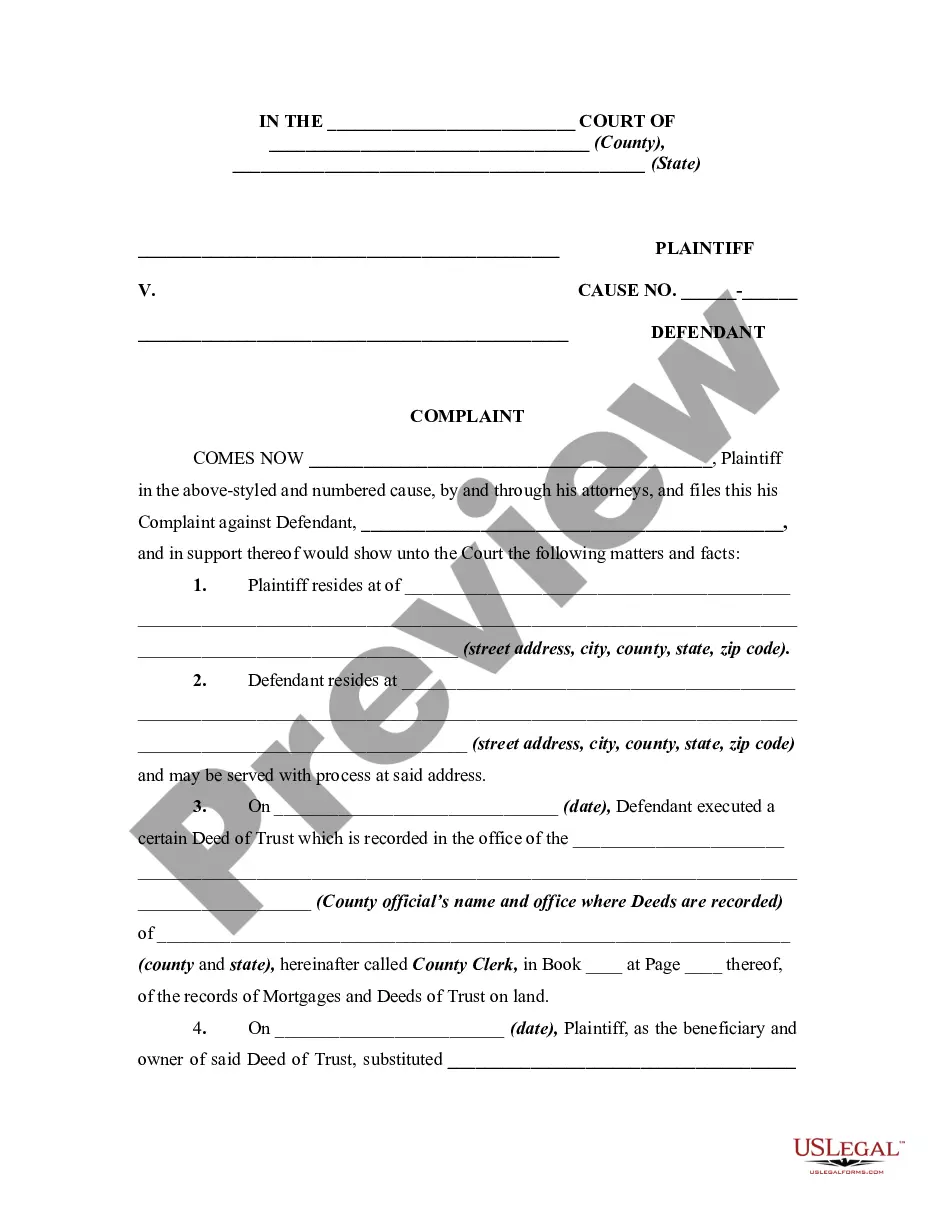
- Case title, including Plaintiff and Defendant names
- Date of promissory note execution
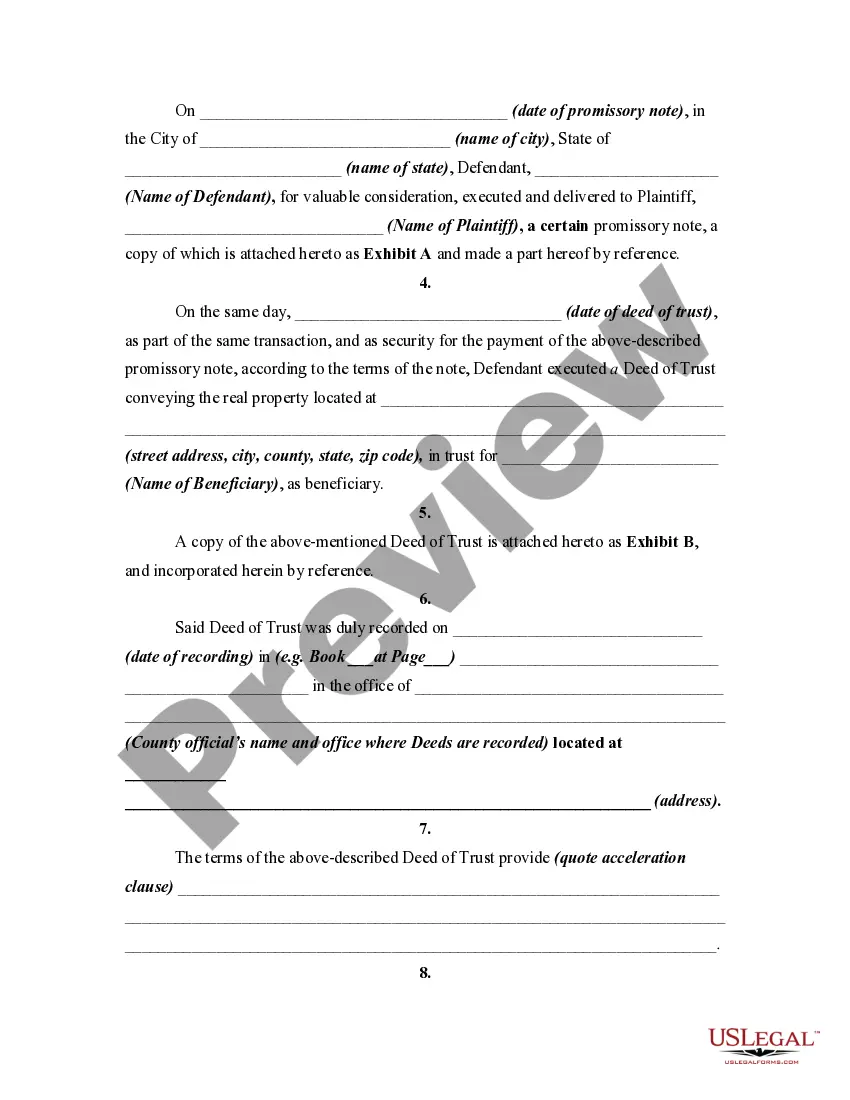
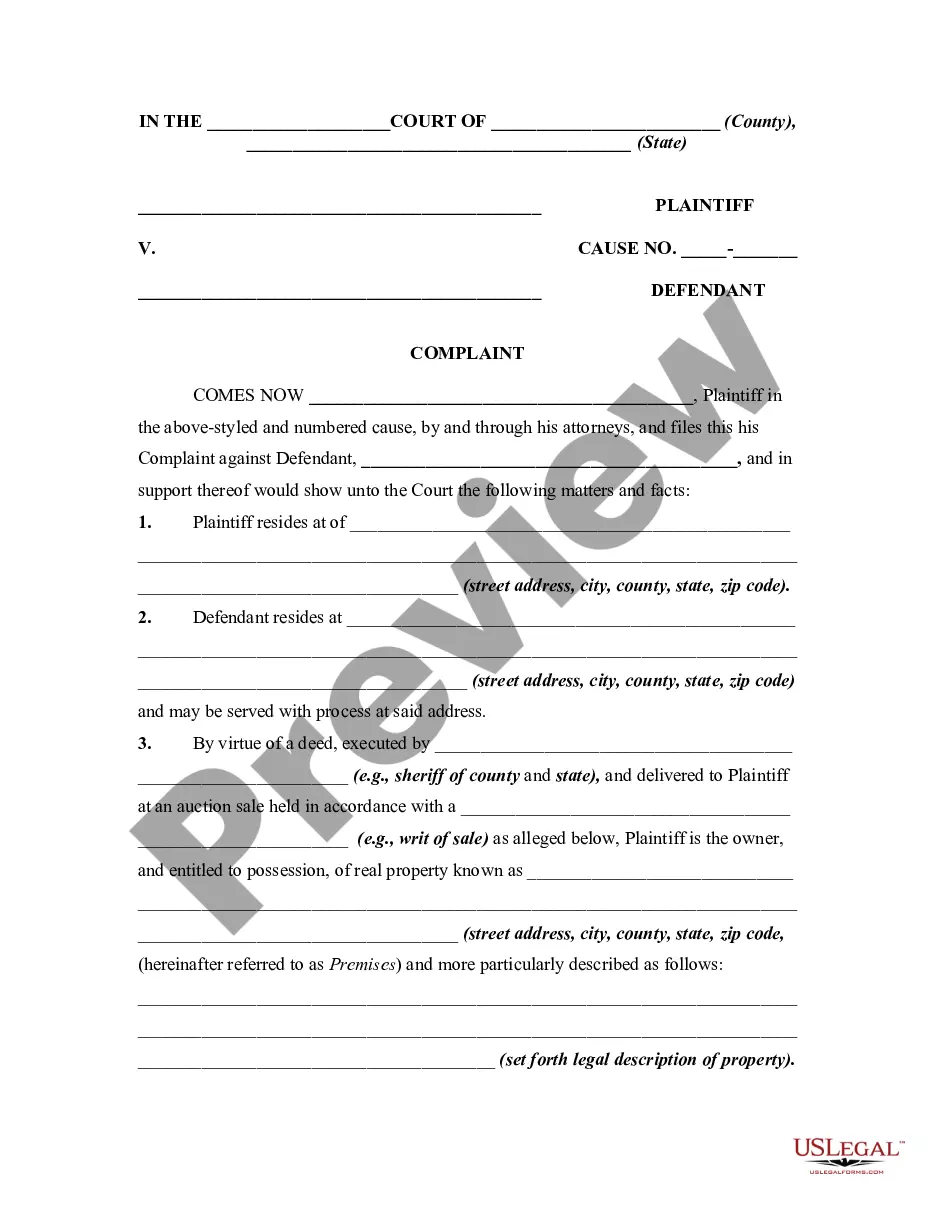
- Details about the deed of trust and property description
- Information on the Notice of Default filed
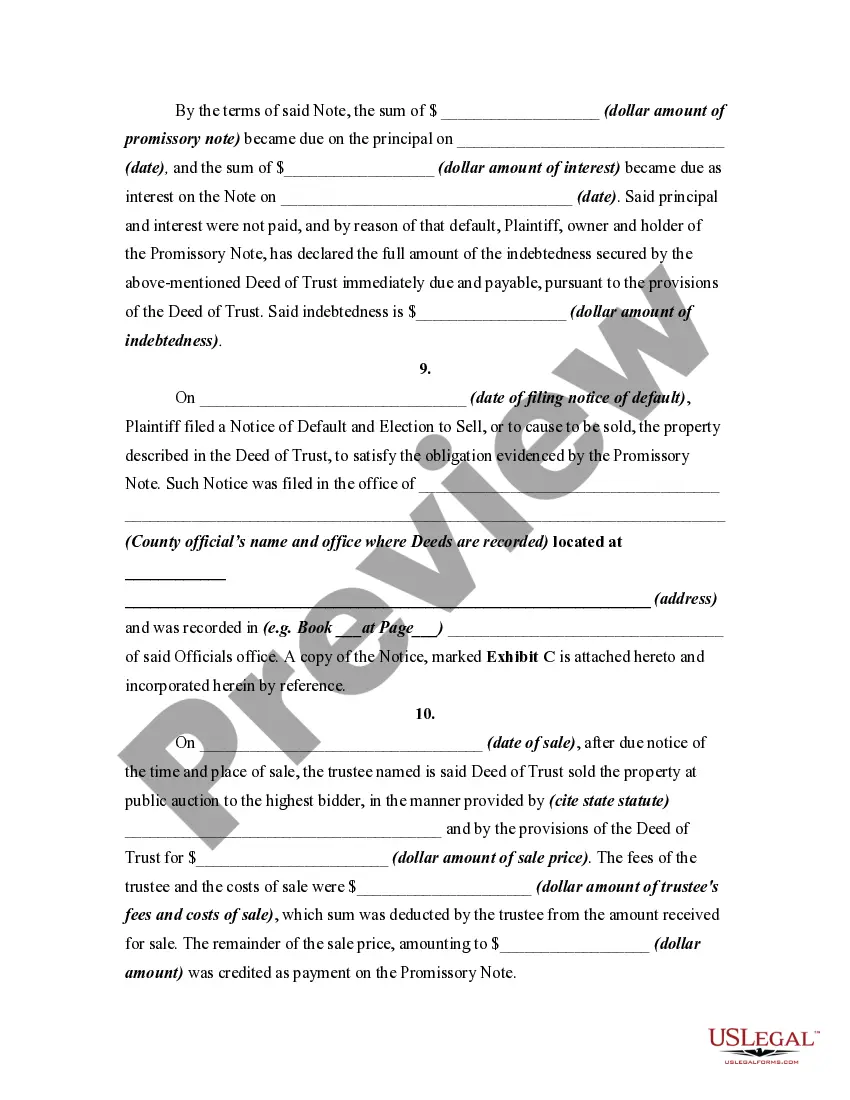
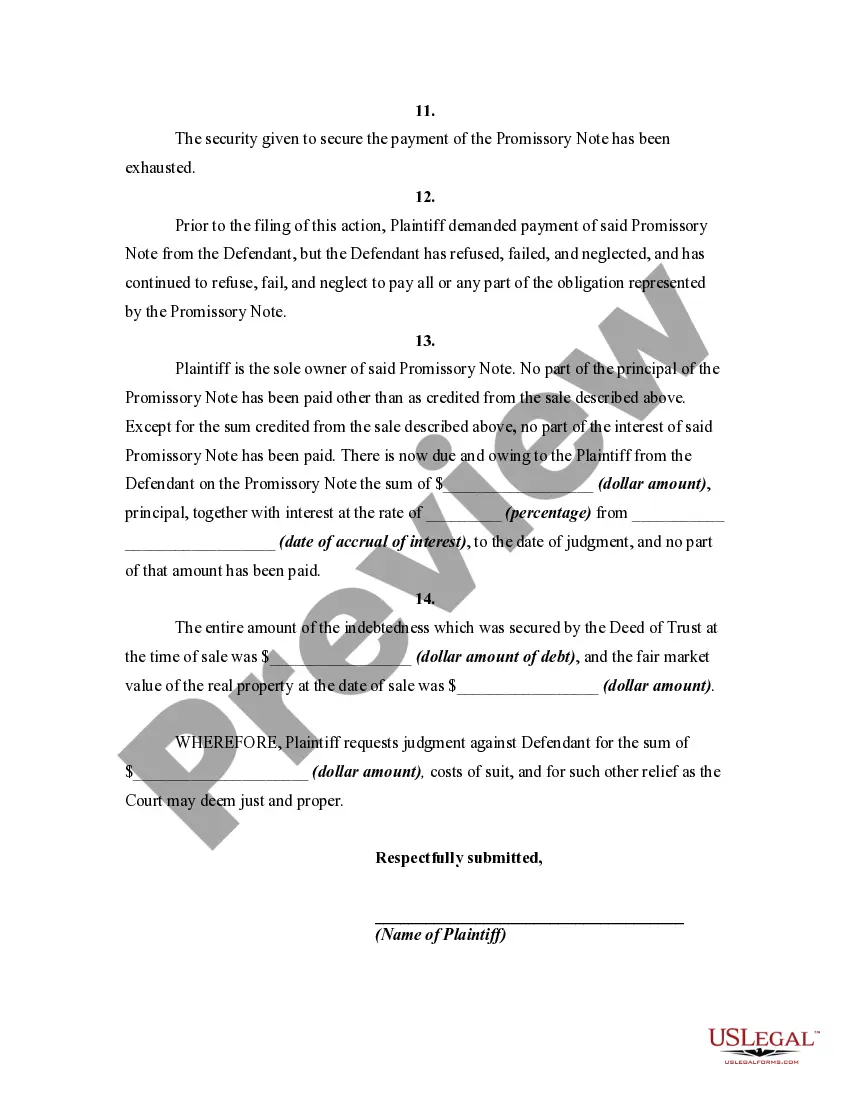
- Sale pricing and proceeds from the auction
- Declaration of total indebtedness and interest owed


When this form is needed
This form is relevant in situations where a borrower defaults on a mortgage and the lender sells the property through a foreclosure process. If the sale does not cover the remaining mortgage balance, the lender may file this complaint to recover the deficiency, ensuring they can seek the remaining funds owed by the borrower.
Who can use this document
- Mortgage lenders or financial institutions seeking to recover owed amounts after a foreclosure sale
- Attorneys representing lenders in deficiency judgment actions
- Property owners who have faced foreclosure and have had a deficiency claim filed against them
Steps to complete this form
- Identify the parties involved by filling out the names of the Plaintiff and Defendant.
- Include the property details and the dates associated with the promissory note and deed of trust.
- Document the sale price from the foreclosure auction and itemize the expenses incurred.
- Clearly state the total amount owed, including principal and interest.
- Ensure all required signatures are obtained from the Plaintiff and their attorney.
Does this form need to be notarized?
This document requires notarization to meet legal standards. US Legal Forms provides secure online notarization powered by Notarize, allowing you to complete the process through a verified video call, available 24/7.
Get your form ready online
Our built-in tools help you complete, sign, share, and store your documents in one place.
Make edits, fill in missing information, and update formatting in US Legal Forms—just like you would in MS Word.
Download a copy, print it, send it by email, or mail it via USPS—whatever works best for your next step.
Sign and collect signatures with our SignNow integration. Send to multiple recipients, set reminders, and more. Go Premium to unlock E-Sign.
If this form requires notarization, complete it online through a secure video call—no need to meet a notary in person or wait for an appointment.
We protect your documents and personal data by following strict security and privacy standards.
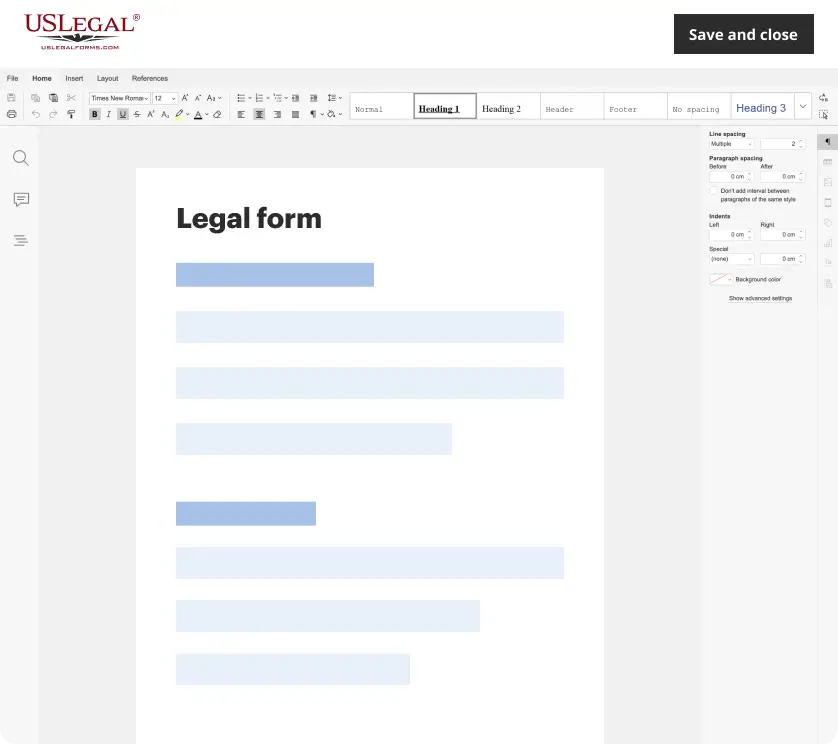
Make edits, fill in missing information, and update formatting in US Legal Forms—just like you would in MS Word.
Download a copy, print it, send it by email, or mail it via USPS—whatever works best for your next step.
Sign and collect signatures with our SignNow integration. Send to multiple recipients, set reminders, and more. Go Premium to unlock E-Sign.

If this form requires notarization, complete it online through a secure video call—no need to meet a notary in person or wait for an appointment.
We protect your documents and personal data by following strict security and privacy standards.
Common mistakes to avoid
- Failing to include accurate party names and signatures.
- Omitting important dates related to the promissory note and deed of trust.
- Not documenting all expenses related to the sale, which may affect the final deficiency amount.
- Assuming all states have the same rules regarding deficiency judgments.
Why use this form online
- Immediate access to the latest legal templates drafted by licensed attorneys.
- Edit and customize the form easily to fit specific state requirements.
- Convenient downloadable format allows for quick filing.
- Secure and reliable access without the need for in-person visits to a law office.
Legal use & context
- A deficiency judgment can be enforced as a legal debt once obtained through this form.
- Some states impose limitations or conditions before a deficiency judgment can be pursued.
- Consulting with a legal professional can provide clarity on specific laws in your state related to deficiency judgments.
Looking for another form?
Form popularity
FAQ
You get behind in your mortgage payments. The bank sends a letter notifying you of its intent to begin foreclosure. The bank files a lawsuit. The bank gives you notice of the lawsuit. You have a chance to respond.
Phase 1: Payment Default. Phase 2: Notice of Default. Phase 3: Notice of Trustee's Sale. Phase 4: Trustee's Sale. Phase 5: Real Estate Owned (REO) Phase 6: Eviction. The Bottom Line.
A deed of trust involves three parties: a lender, a borrower, and a trustee. The lender gives the borrower money. In exchange, the borrower gives the lender one or more promissory notes. As security for the promissory notes, the borrower transfers a real property interest to a third-party trustee.
A Deed of Trust is essentially an agreement between a lender and a borrower to give the property to a neutral third party who will serve as a trustee. The trustee holds the property until the borrower pays off the debt.The trustee, however, holds the legal title to the property.
A Deed of Trust is a three party document prepared, signed and recorded to secure repayment of a loan. The Borrower (property owner) is named as Trustor, the Lender is called the Beneficiary, and a third party is called a Trustee.
They serve different purposes and are signed by different parties. The warranty deed transfers the property's ownership from the current owner to the new buyer, while the deed of trust ensures the lender has interest in the property in the event a buyer defaults on the loan.
With a deed of trust, you temporarily give control of the title to your property to the lender for security purposes. Once you pay off the debt, the lender conveys that temporary control back to you.
Filing a complaint or petition for foreclosure with the courts, Issuing summons to the borrower and all interested parties notifying them of the suit and stating the time period in which they must contest the foreclosure, and.
Whether you have a deed of trust or a mortgage, they both serve to assure that a loan is repaid, either to a lender or an individual person. A mortgage only involves two parties the borrower and the lender. A deed of trust adds an additional party, a trustee, who holds the home's title until the loan is repaid.