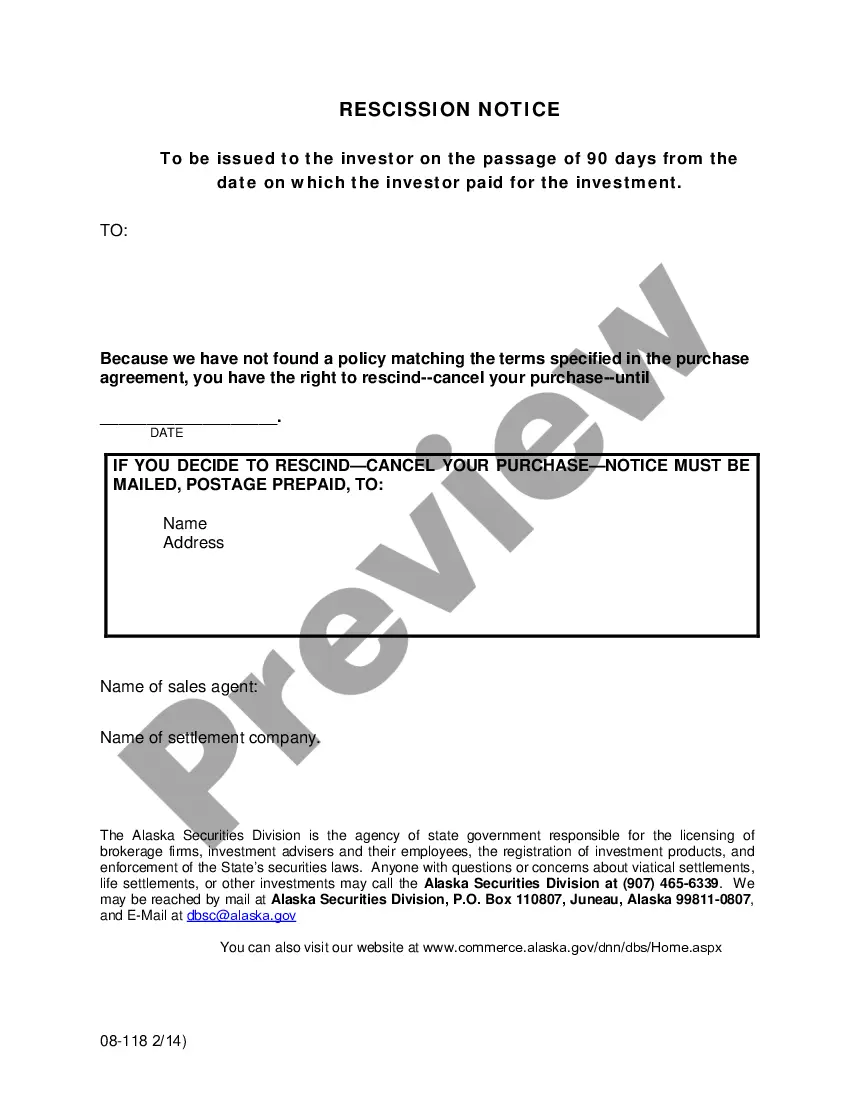
Extension of Loan Closing Date
Overview of this form
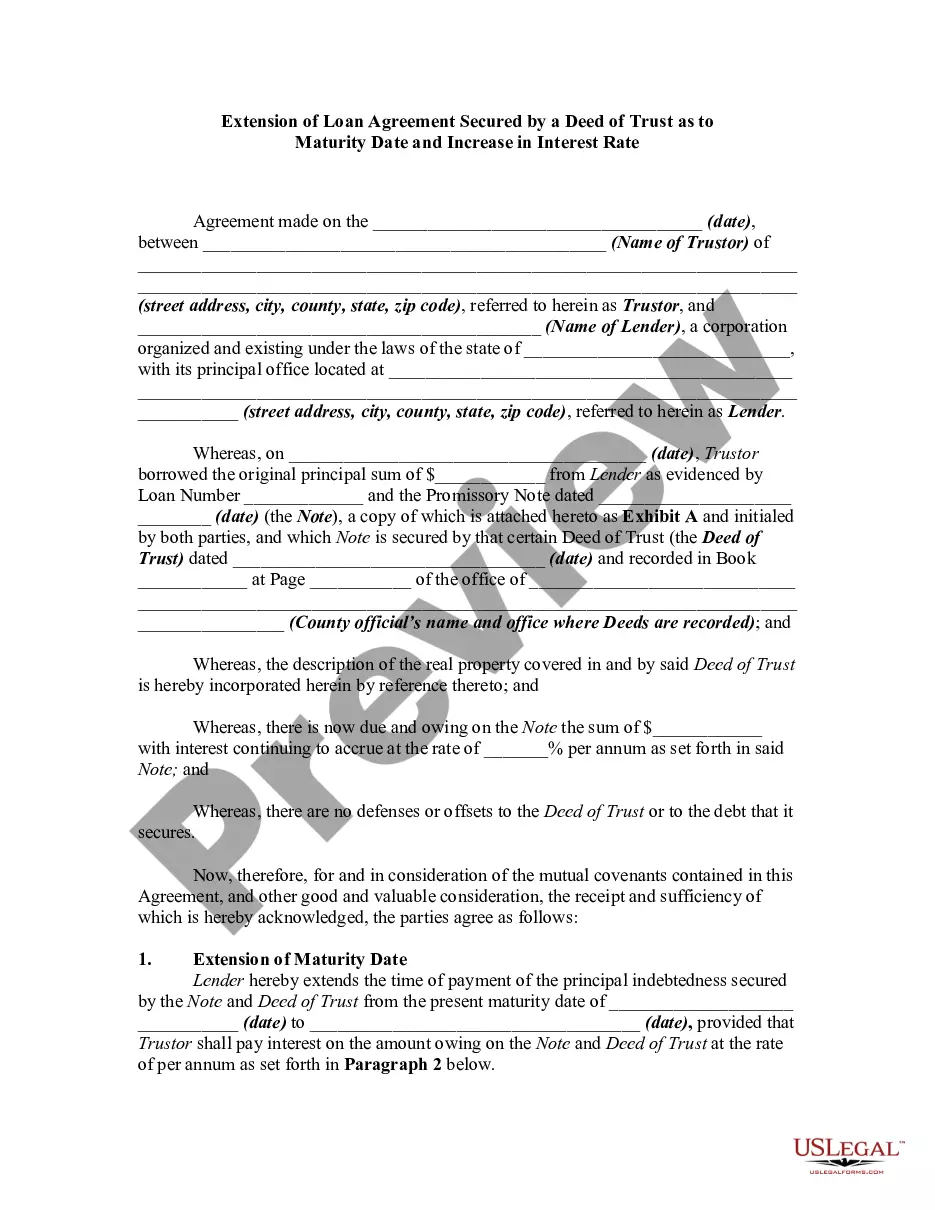
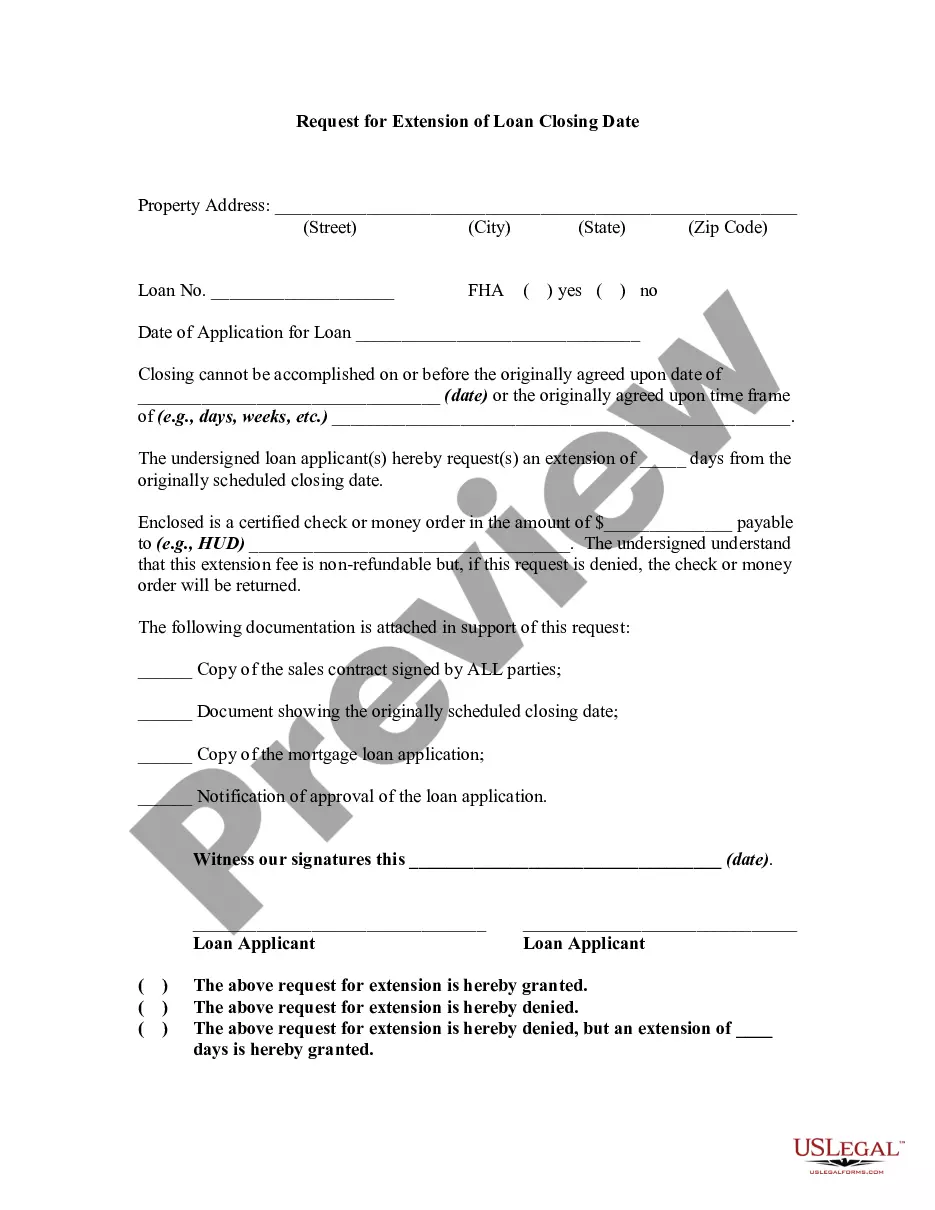
The Extension of Loan Closing Date form is a legal document that allows a borrower to request a new closing date for a loan agreement. This form ensures that both the borrower and lender agree to extend the deadline originally set for finalizing a loan related to real property. It is distinct from regular loan applications or agreements as it specifically addresses the timing of the closing process rather than the terms of the loan itself.
Form components explained
- Date of the agreement
- Name and address of the borrower
- Name and address of the lender
- Original loan amount and commitment letter date
- Details of the property to be purchased
- Original and new closing date
- Signatures of both parties
Common use cases
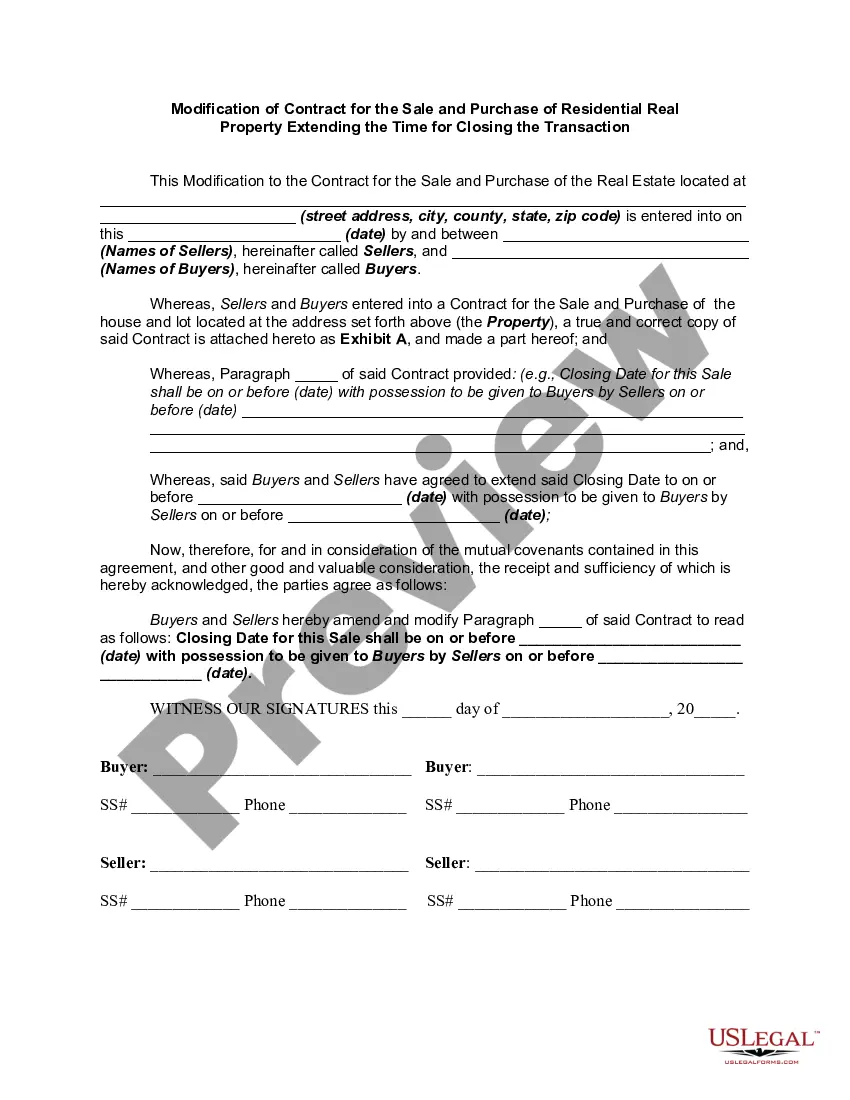
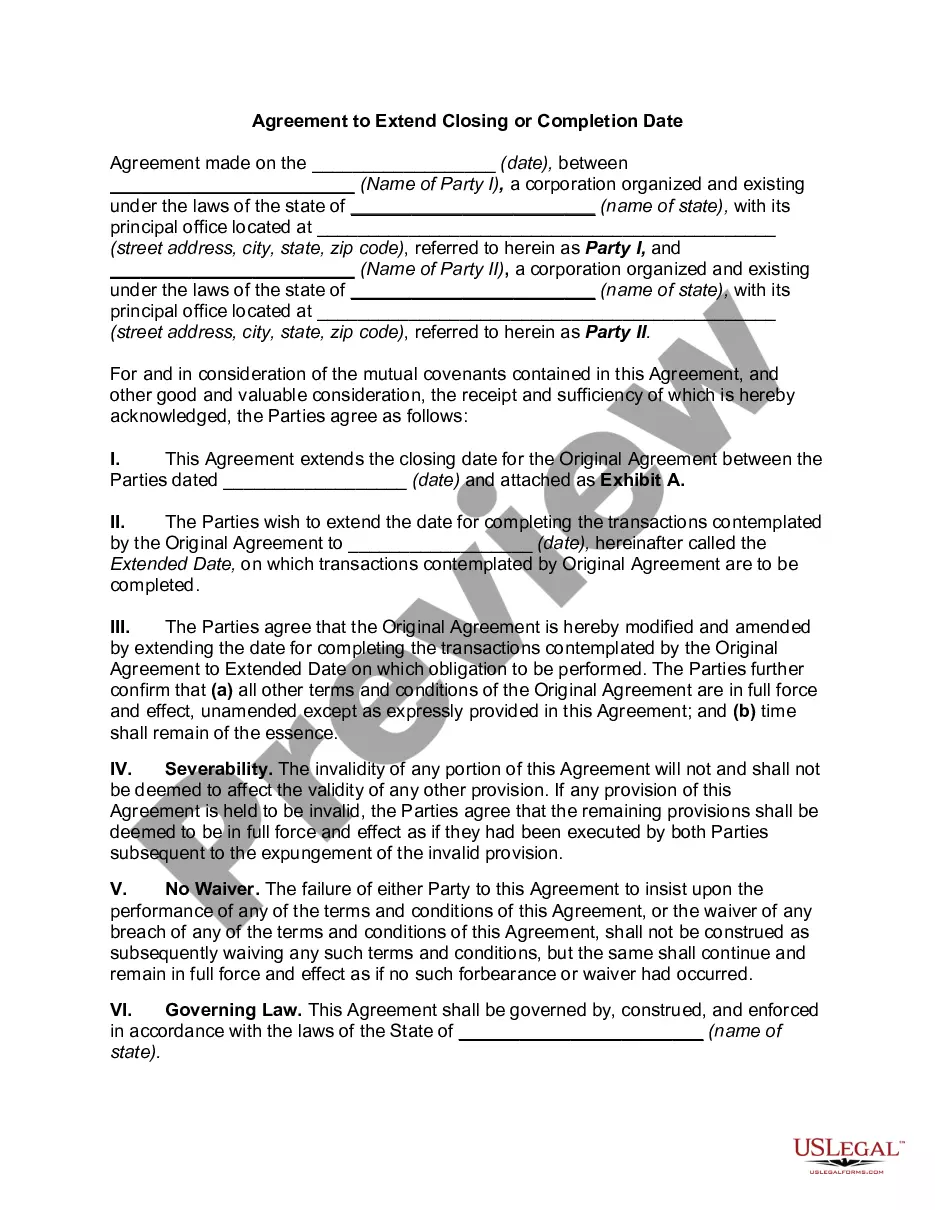
This form is used when a borrower needs additional time beyond the initially agreed-upon closing date for a loan related to the purchase of real estate. Common situations include delays in property inspections, loan approval processes, or other unforeseen circumstances that may postpone the transaction.
Who can use this document
This form is intended for:
- Homebuyers needing to extend their loan closing date
- Lenders who are willing to accommodate such requests
- Real estate agents facilitating the transaction
- Legal representatives of the parties involved in the transaction
Completing this form step by step
- Identify the agreement date at the top of the document.
- Fill in the names and addresses of both the borrower and lender.
- Specify the original loan amount and the date of the commitment letter.
- Provide details about the property intended for purchase.
- Indicate the new closing date and how many additional days are being requested.
- Ensure both parties sign and date the agreement to make it valid.
Notarization requirements for this form
In most cases, this form does not require notarization. However, some jurisdictions or signing circumstances might. US Legal Forms offers online notarization powered by Notarize, accessible 24/7 for a quick, remote process.
Get your form ready online
Our built-in tools help you complete, sign, share, and store your documents in one place.
Make edits, fill in missing information, and update formatting in US Legal Forms—just like you would in MS Word.
Download a copy, print it, send it by email, or mail it via USPS—whatever works best for your next step.
Sign and collect signatures with our SignNow integration. Send to multiple recipients, set reminders, and more. Go Premium to unlock E-Sign.
If this form requires notarization, complete it online through a secure video call—no need to meet a notary in person or wait for an appointment.
We protect your documents and personal data by following strict security and privacy standards.

Make edits, fill in missing information, and update formatting in US Legal Forms—just like you would in MS Word.

Download a copy, print it, send it by email, or mail it via USPS—whatever works best for your next step.

Sign and collect signatures with our SignNow integration. Send to multiple recipients, set reminders, and more. Go Premium to unlock E-Sign.

If this form requires notarization, complete it online through a secure video call—no need to meet a notary in person or wait for an appointment.

We protect your documents and personal data by following strict security and privacy standards.
Common mistakes
- Failing to enter the correct new closing date.
- Not specifying how many days to extend beyond the original closing date.
- Omitting signatures from one or both parties.
- Not including the correct property address or loan details.
Why complete this form online
- Easy access to a template drafted by licensed attorneys.
- Convenient to fill out and download from anywhere.
- Editable format allows for customization to meet specific needs.
- Time-saving process compared to drafting from scratch.
Looking for another form?
Form popularity
FAQ
You can but your likelihood of success if probably greatly diminished by the original agreement. Though I would look first to this regarding time frames and delays, etc. Also, damages could be limited to direct damages thus resulting in a rather minor recovery.
Most closing dates are open to negotiation, but some are set in stone, so check your contract to see if you can even make a change.That means a final closing date is set, but there's room in the contract for either the buyer or seller to ask the other party for some wiggle room.
Each agreement provides a closing date agreed upon by both the buyer and the seller.If the seller agrees, both parties may agree to extend the closing date to provide the needed time for the seller to correct the issues.
If your lender delays closing, you have two options: Do nothing. Request to cancel escrow or serve a Notice to Perform.
First and foremost, the borrower, seller, lender and title company have all put time and money into the loan. If the loan doesn't close, that time and money is lost to them all. A seller may not be able to move his property right away; the buyer may have to start again from square one.
Even though a close date in a contract has passed, any attempt to cancel the contract will be unenforceable. Accordingly, a letter from a party's attorney stating that the contract is cancelled because the close date has passed will result in a breach of contract unless a reasonable time has passed.
Although failure to close by the seller on the specified contract date might result in breach of contract, a buyer must be able to prove actual damages before a court will award monetary compensation.As such, courts will award damages if a buyer can prove a quantifiable amount.
When the closing date was originally determined and the contract signed by both parties, that contract is binding. When the buyer misses the closing date, the seller has the right to terminate the contract and re-list the house for sale or contact other parties who had previously made offers on the property.
If the closing date is missed, at a minimum, the contract is in jeopardy; the worst-case scenario is the contract has expired. The typical action is to extend the closing date, but the sellers might not agree.