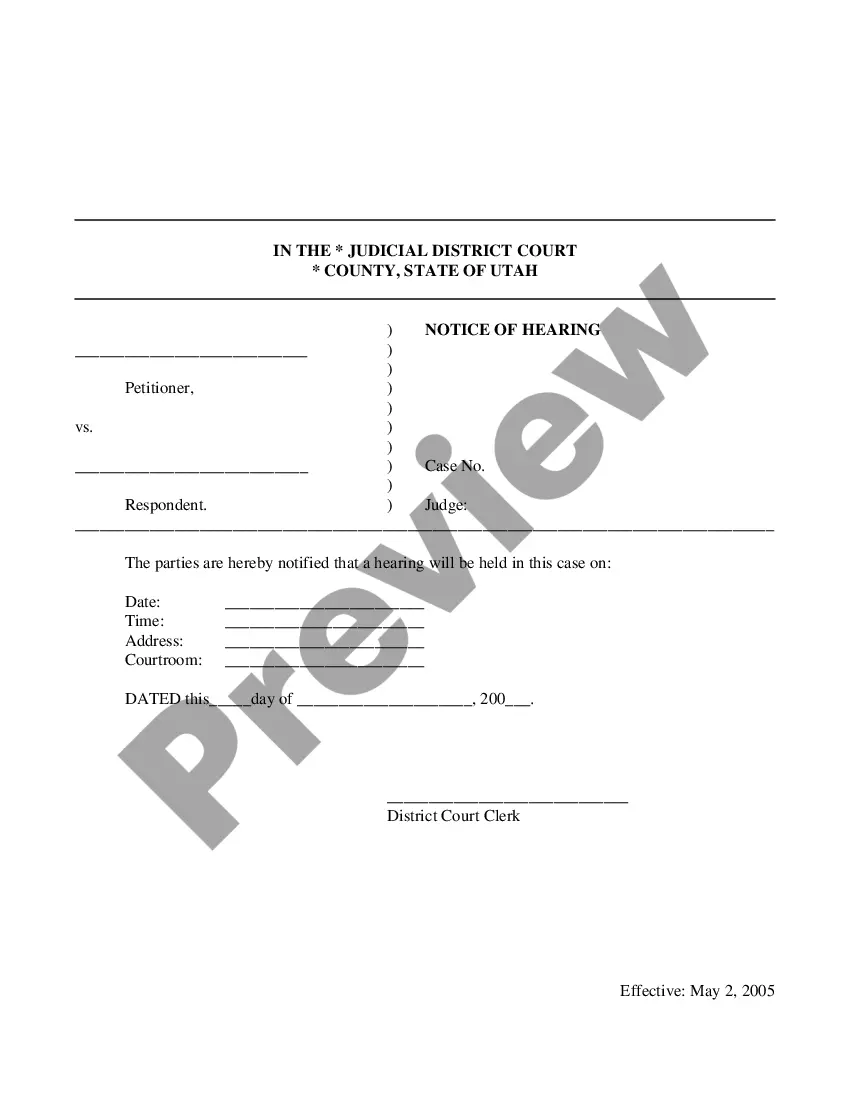
Motion for Opportunity to Rehabilitate Any Prospective Juror Who Expresses Reticence When Asked to Kill a Fellow Human Being
What this document covers
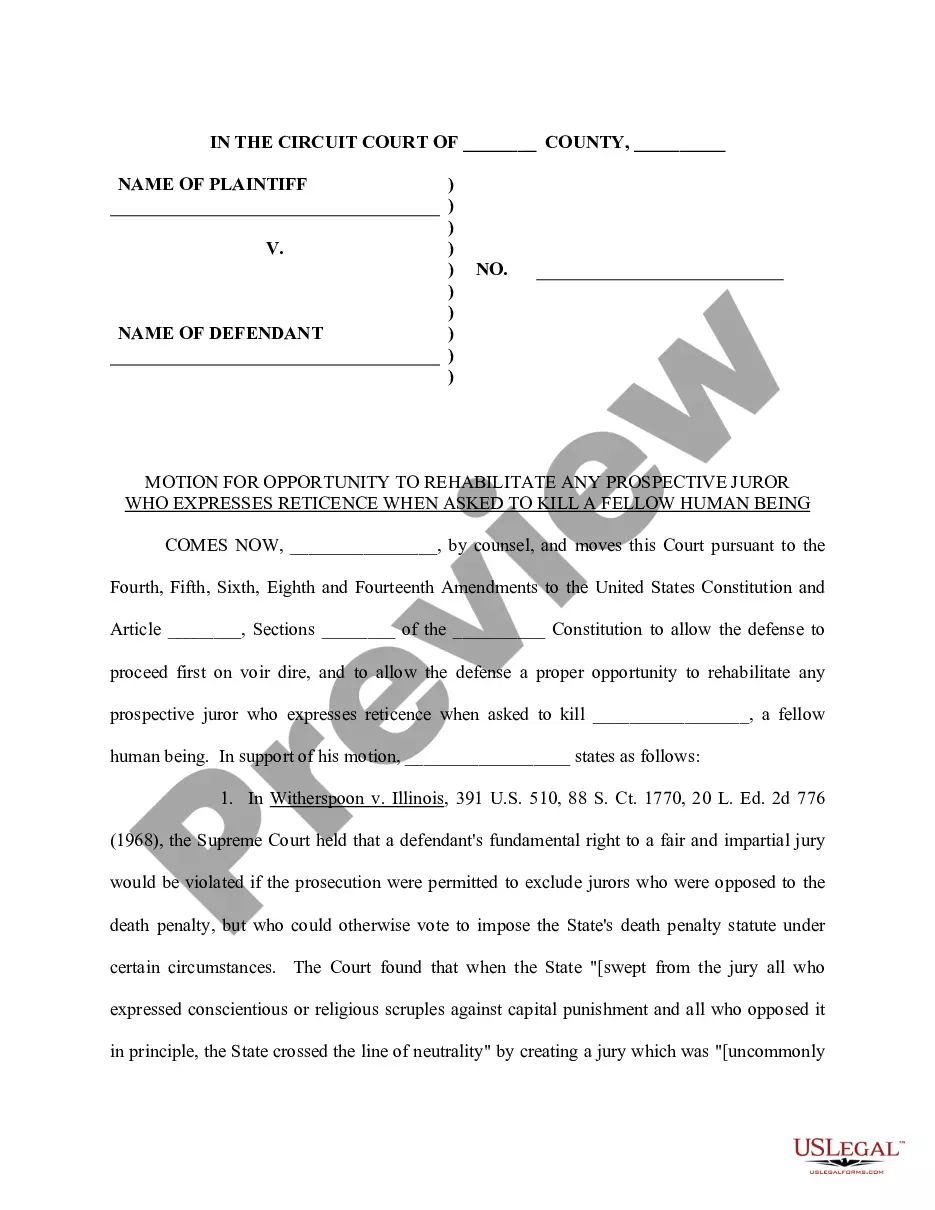
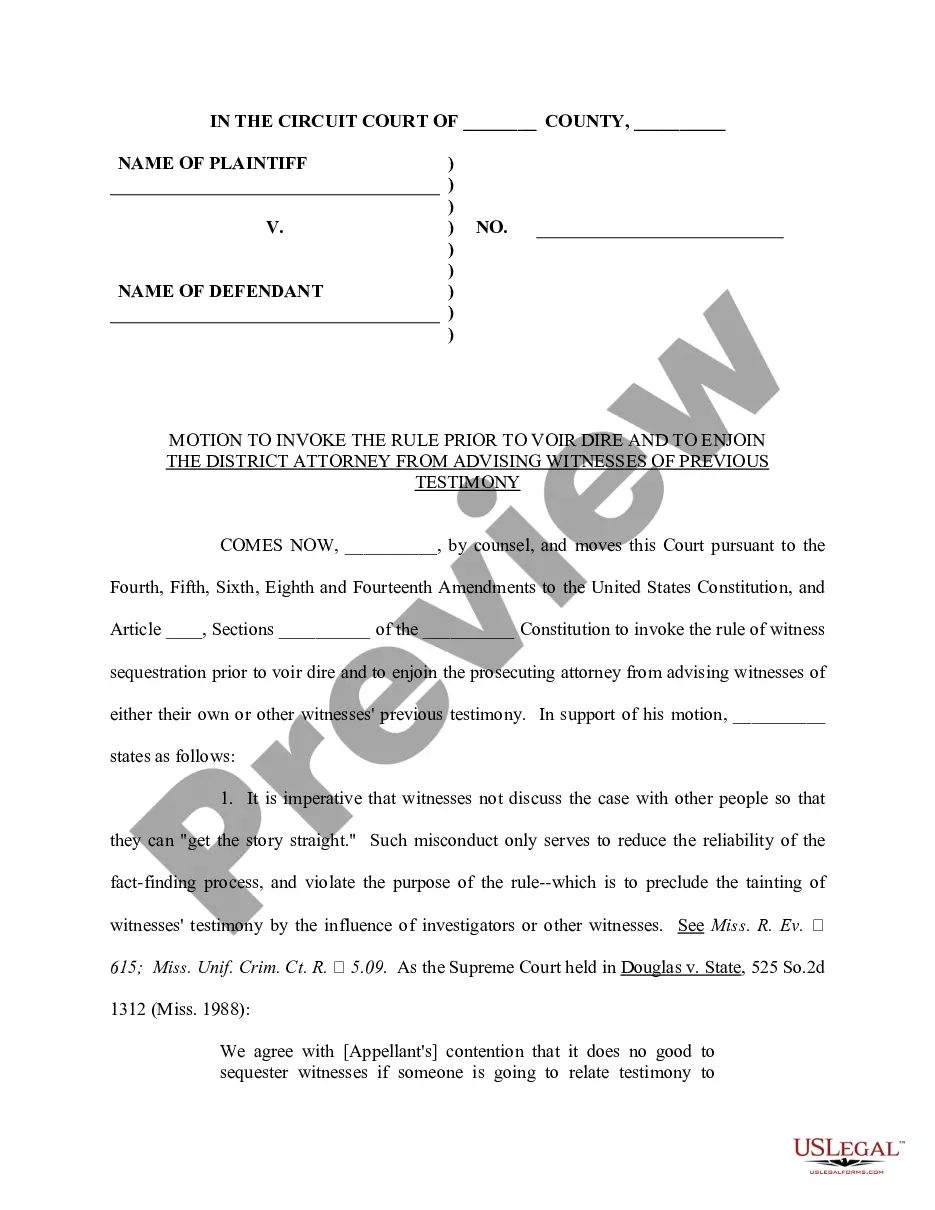
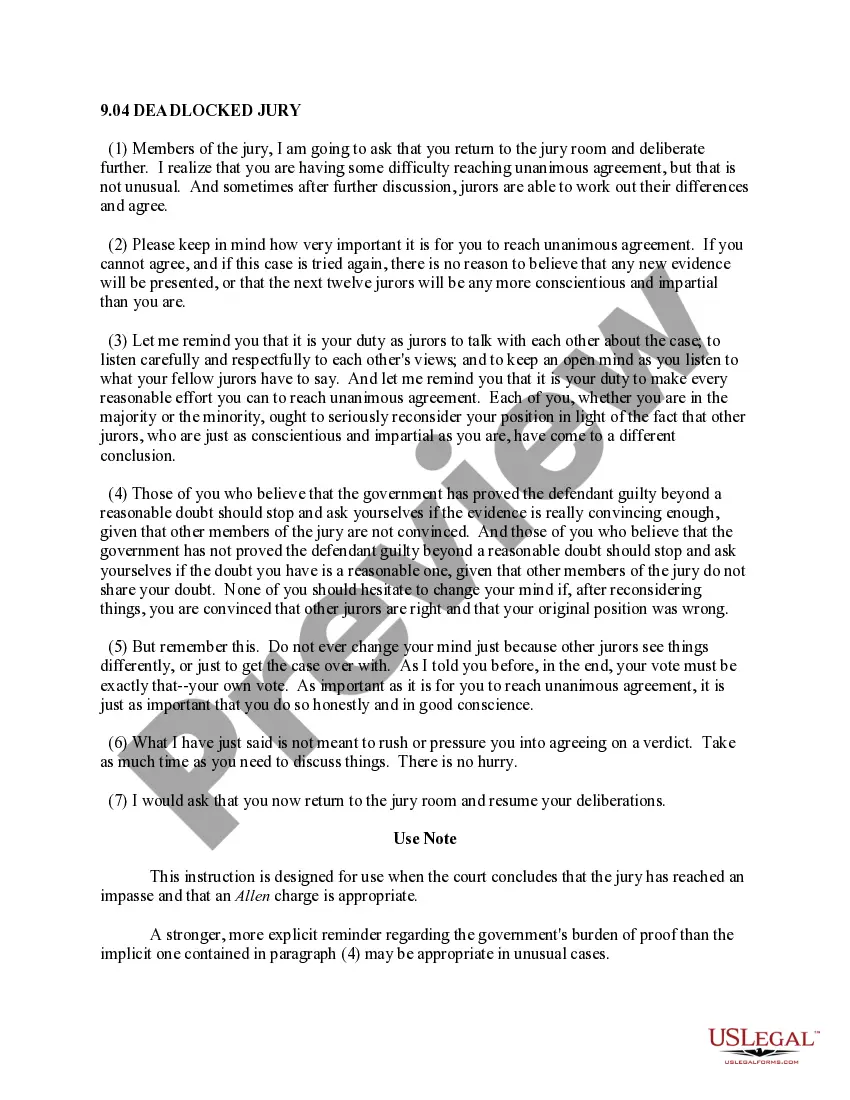
The Motion for Opportunity to Rehabilitate Any Prospective Juror Who Expresses Reticence When Asked to Kill a Fellow Human Being is a legal document used during jury selection in capital cases. This form allows the defense to request the opportunity to rehabilitate prospective jurors who show reluctance towards the death penalty. Unlike standard jury selection processes, this motion emphasizes the importance of ensuring a fair jury that represents diverse views on capital punishment.
Form components explained
- Header section identifying the court and parties involved.
- Formal motion to allow defense voir dire for specific jurors.
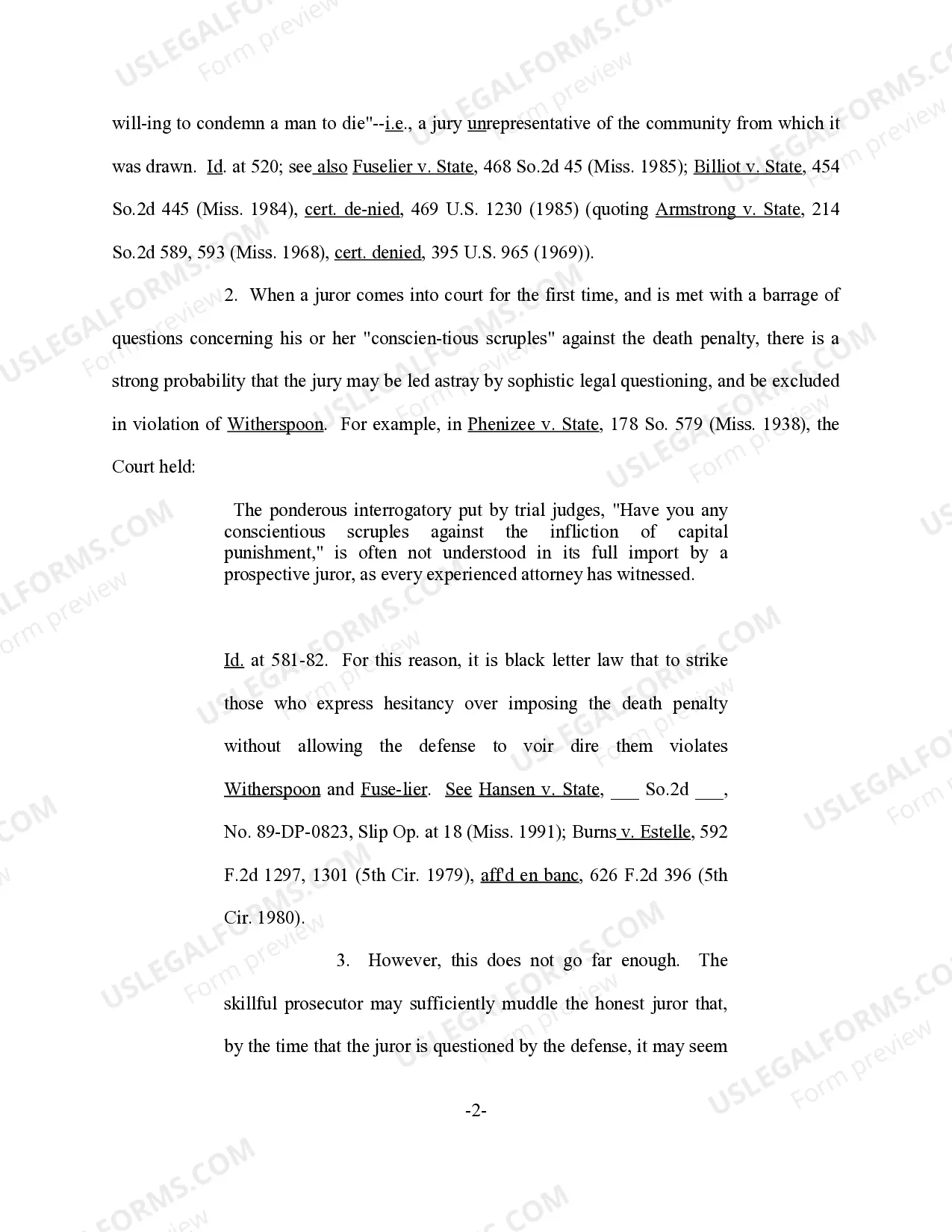
- Citations of relevant legal precedents supporting the motion.
- Arguments outlining why rehabilitation of reticent jurors is necessary.
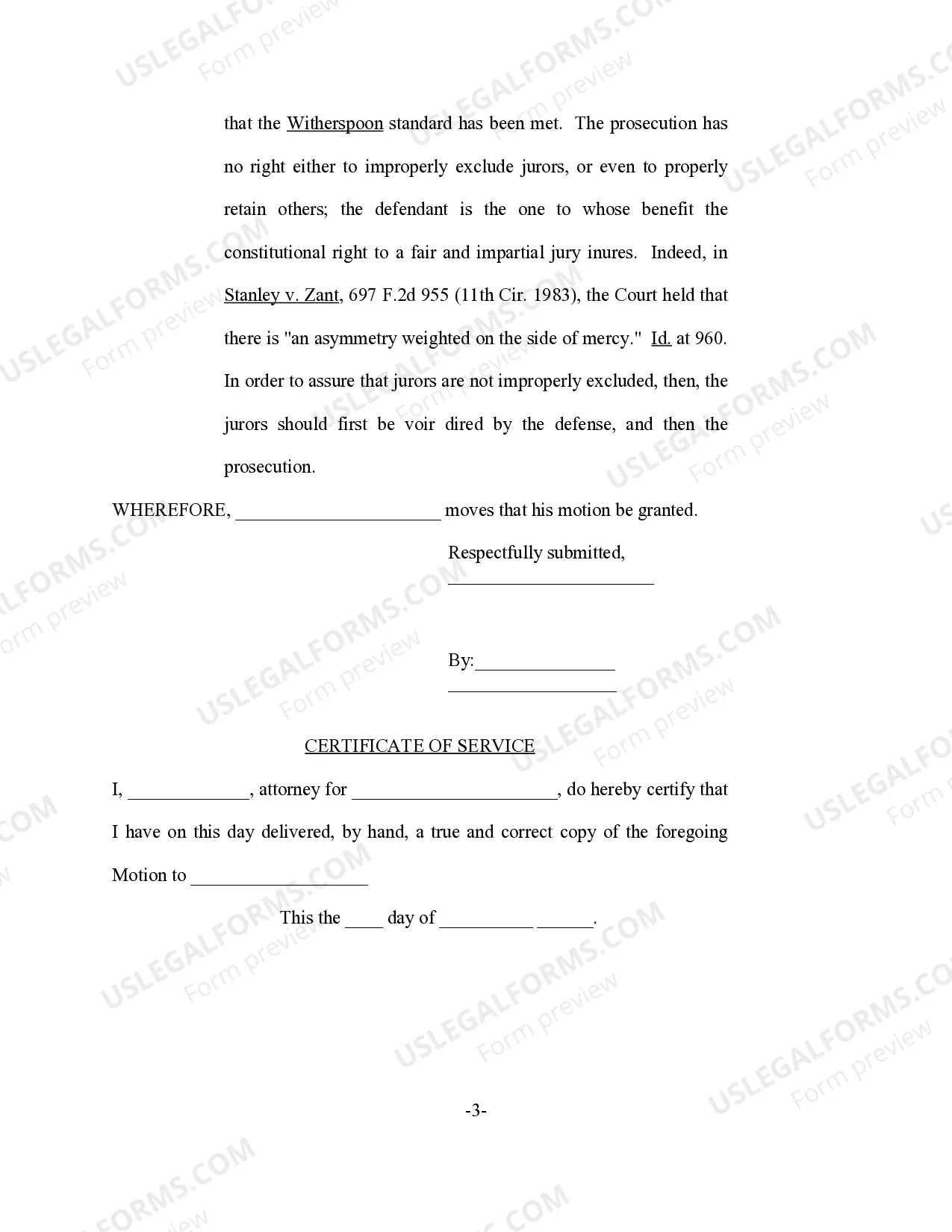
- Signature lines for the attorney and client.
- Certificate of service confirming delivery of the motion to relevant parties.
Common use cases
This form is essential when a defense attorney encounters prospective jurors expressing hesitance or moral objections to the death penalty during jury selection. It is specifically useful in capital cases where the stakes are high, and the composition of the jury could significantly impact the outcome. Utilizing this motion ensures that all jurors are given a proper opportunity to express their views and be considered fair and impartial.
Who should use this form
- Defense attorneys in capital cases.
- Legal representatives of defendants facing the death penalty.
- Anyone involved in jury selection processes for serious criminal cases.
How to complete this form
- Identify the parties involved and the court in the header section.
- Fill in the attorney's information and the specific client details.
- Provide a clear statement explaining the request to rehabilitate jurors.
- Include references to relevant legal case law to support the motion.
- Sign the document and include a certificate of service confirming distribution to relevant parties.
Does this document require notarization?
Notarization is generally not required for this form. However, certain states or situations might demand it. You can complete notarization online through US Legal Forms, powered by Notarize, using a verified video call available anytime.
Get your form ready online
Our built-in tools help you complete, sign, share, and store your documents in one place.
Make edits, fill in missing information, and update formatting in US Legal Forms—just like you would in MS Word.
Download a copy, print it, send it by email, or mail it via USPS—whatever works best for your next step.
Sign and collect signatures with our SignNow integration. Send to multiple recipients, set reminders, and more. Go Premium to unlock E-Sign.
If this form requires notarization, complete it online through a secure video call—no need to meet a notary in person or wait for an appointment.
We protect your documents and personal data by following strict security and privacy standards.

Make edits, fill in missing information, and update formatting in US Legal Forms—just like you would in MS Word.

Download a copy, print it, send it by email, or mail it via USPS—whatever works best for your next step.

Sign and collect signatures with our SignNow integration. Send to multiple recipients, set reminders, and more. Go Premium to unlock E-Sign.

If this form requires notarization, complete it online through a secure video call—no need to meet a notary in person or wait for an appointment.

We protect your documents and personal data by following strict security and privacy standards.
Common mistakes to avoid
- Failing to cite relevant legal precedents properly.
- Omitting the certification of service section.
- Not specifying the particular jurors in question.
- Leaving out necessary contact information.
Why use this form online
- Access to downloadable templates drafted by licensed attorneys.
- Easy editing to customize the form as needed for individual cases.
- Immediate availability, allowing for quick responses during jury selection.
Legal use & context
- Utilized to ensure compliance with constitutional rights during capital trials.
- Aims to produce a fair and impartial jury representative of the community.
- Helps prevent the unjust exclusion of jurors based on their views on capital punishment.
Key takeaways
- This form is crucial for defending clients in capital cases.
- Understanding and properly executing the motion can significantly impact trial outcomes.
- Always review local laws to comply with jurisdiction-specific rules.
Looking for another form?
Form popularity
FAQ
Prospective juror means an individual whose name is selected from a source pool but who has not yet been screened for disqualification, excusal, or exemption.
How are potential jurors picked? They are randomly selected from sources that may include various lists, such as voter registra- tion lists and lists of licensed drivers and identifi- cation cardholders (from the Department of Motor Vehicles).
Primary tabs. A challenge that aims to disqualify a potential juror for some stated reason. Typical reasons include bias, prejudice, or prior knowledge that would prevent impartial evaluation of the evidence presented in court.
Although lawyers don't have to give a reason for using a peremptory, they may not use them in order to rid the jury of people of a certain race, religion, gender, or other protected status. If a pattern begins to emergethe prosecutor excuses every Black juror but no White membersthe judge will intervene.
A request that a prospective juror be dismissed because there is a specific and forceful reason to believe the person cannot be fair, unbiased or capable of serving as a juror.
Step 1: Selection of a Jury. Step 2: The Trial. Step 3: Jury Deliberations. Step 1: Selection of a Jury. Step 2: The Trial. Step 3: Jury Deliberations.
After removing a juror, the judge may grant a motion for mistrial. However, judges are generally loathe to declare a mistrial, which stops the trial without a verdict and may lead to the prosecutor to seek a new trial.
Jury selection occurs in three stages; compiling a master list, summoning the venire and, conducting voir dire. The first step in the jury selection is the compilation of a master jury list.
Lawyers are given the chance to further question jurors during in-person selection. Either side can ask a judge to dismiss a juror for cause, meaning they believe a juror is biased or lacks the ability to serve.They raised concerns that those jurors may have been rejected because of their race.