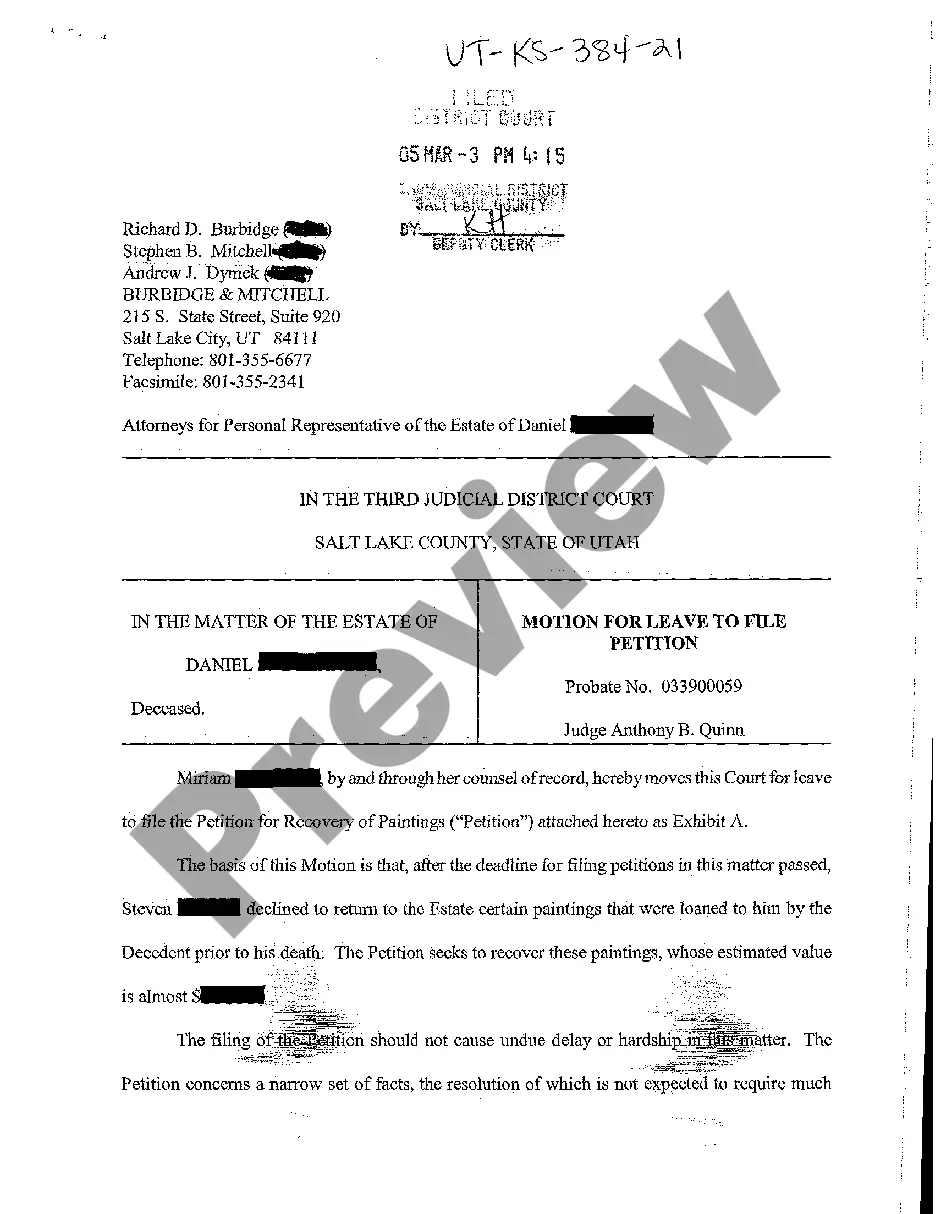
Letter to Report Known Imposter Identity Theft to Other Entities
Overview of this form
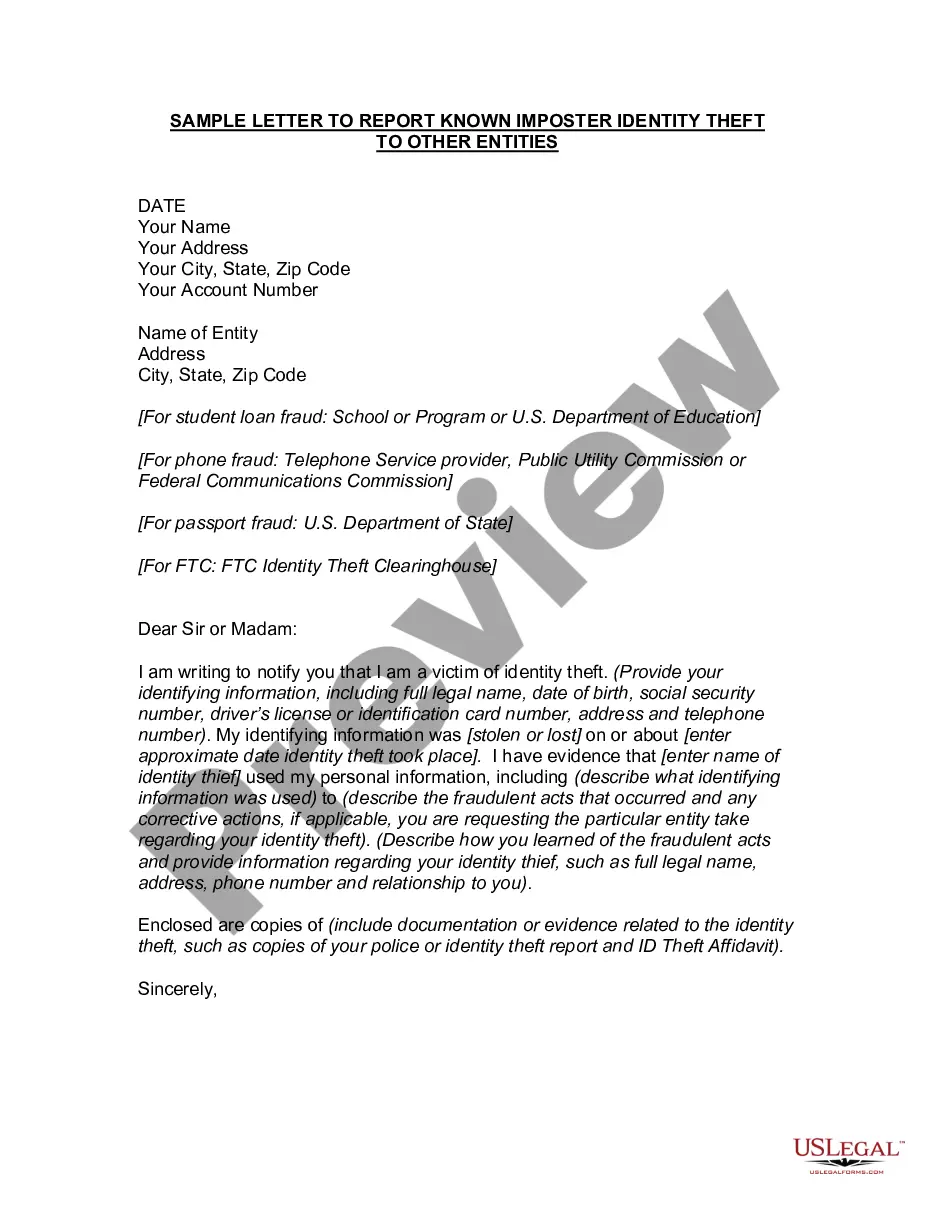
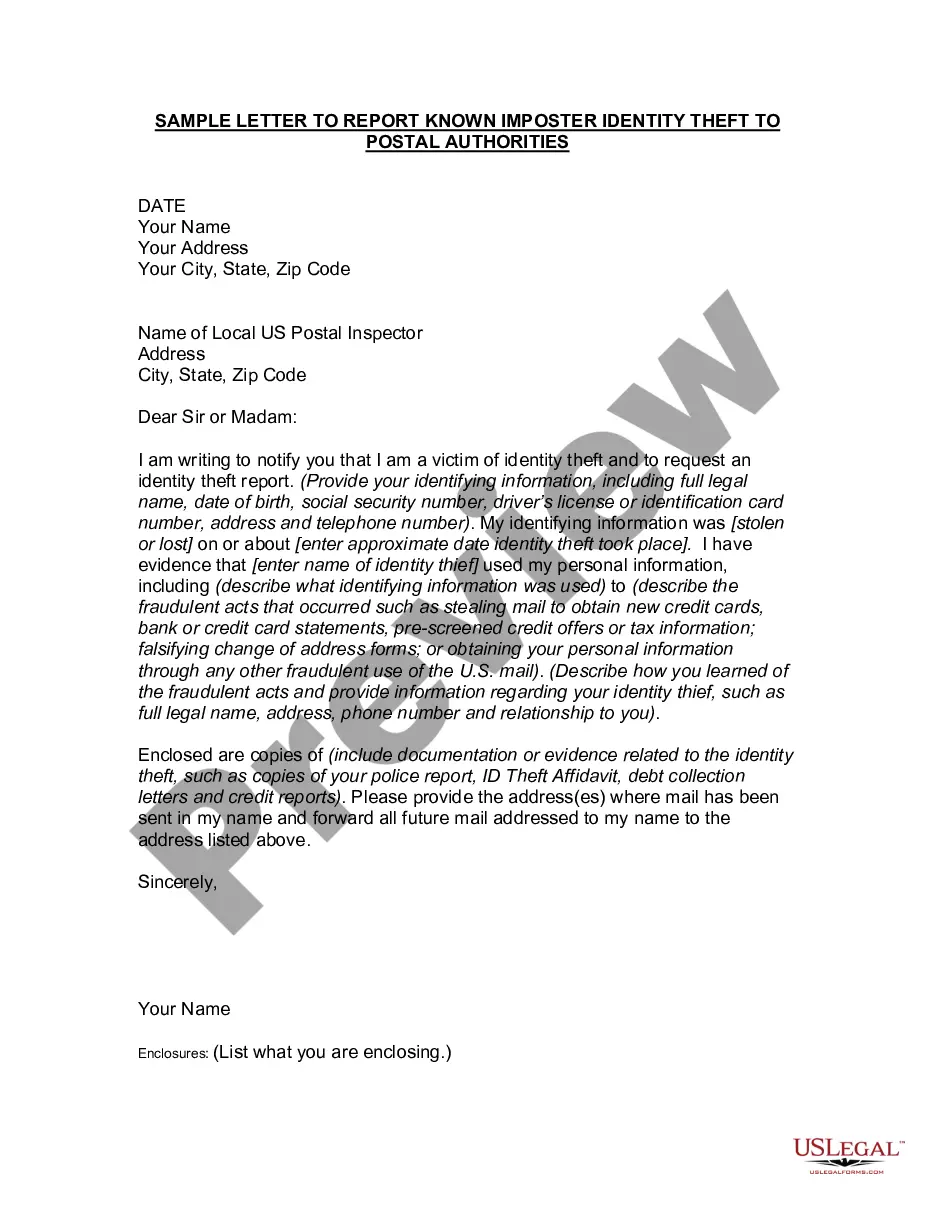
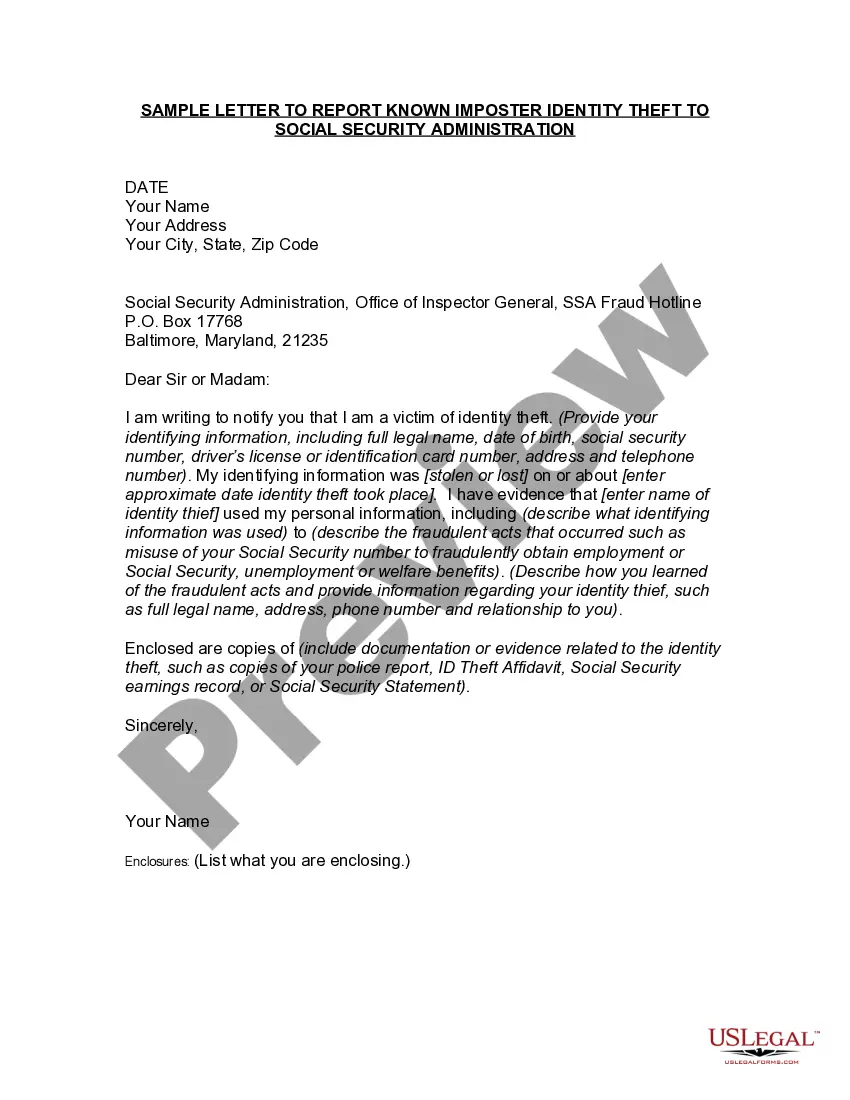
The Letter to Report Known Imposter Identity Theft to Other Entities is a formal document designed for individuals who have fallen victim to identity theft and are aware of the identity of the imposter. This letter serves the purpose of notifying various organizations, such as educational institutions, phone service providers, and government agencies, about the fraudulent use of your personal information. It differs from general identity theft reports by specifically addressing known imposters, allowing for targeted action against those individuals and their fraudulent activities.
Form components explained
- Sender's identifying information, including name and address.
- Details of the entity being notified, with name and address sections.
- Clear statement of identity theft, including the date it occurred.
- Description of the fraudulent acts committed by the imposter.
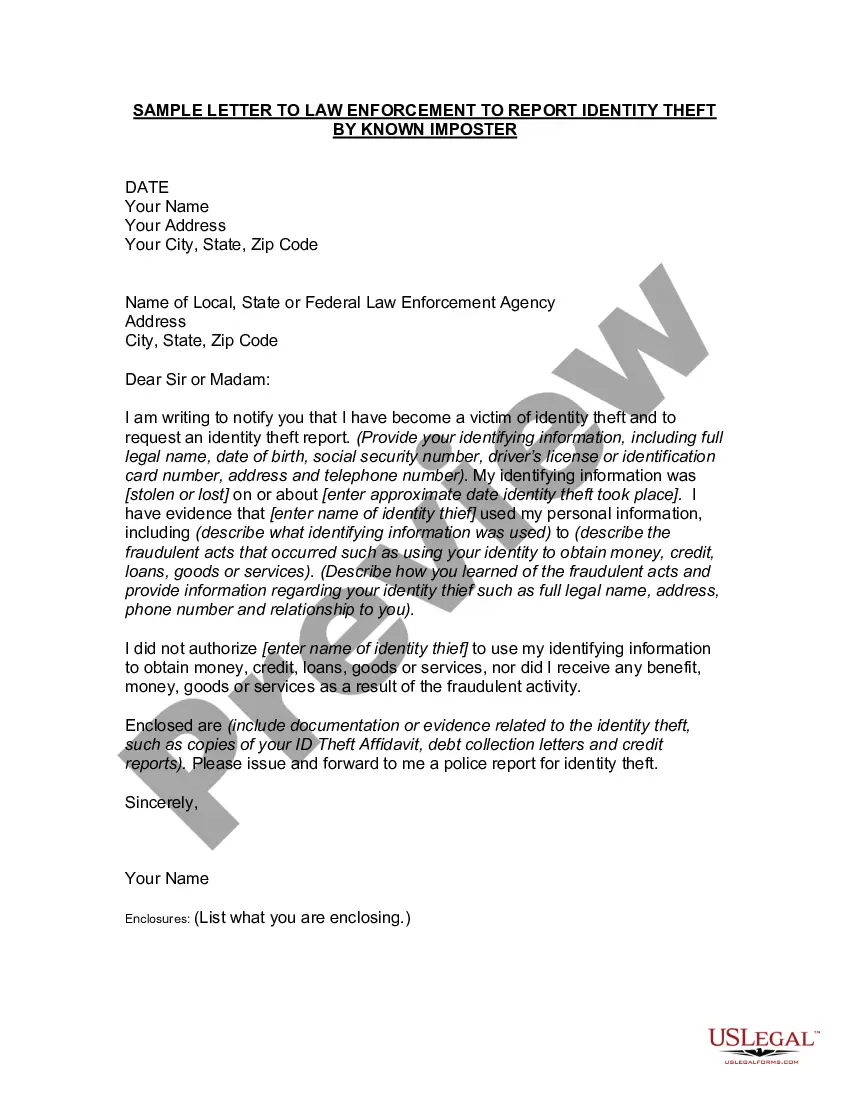
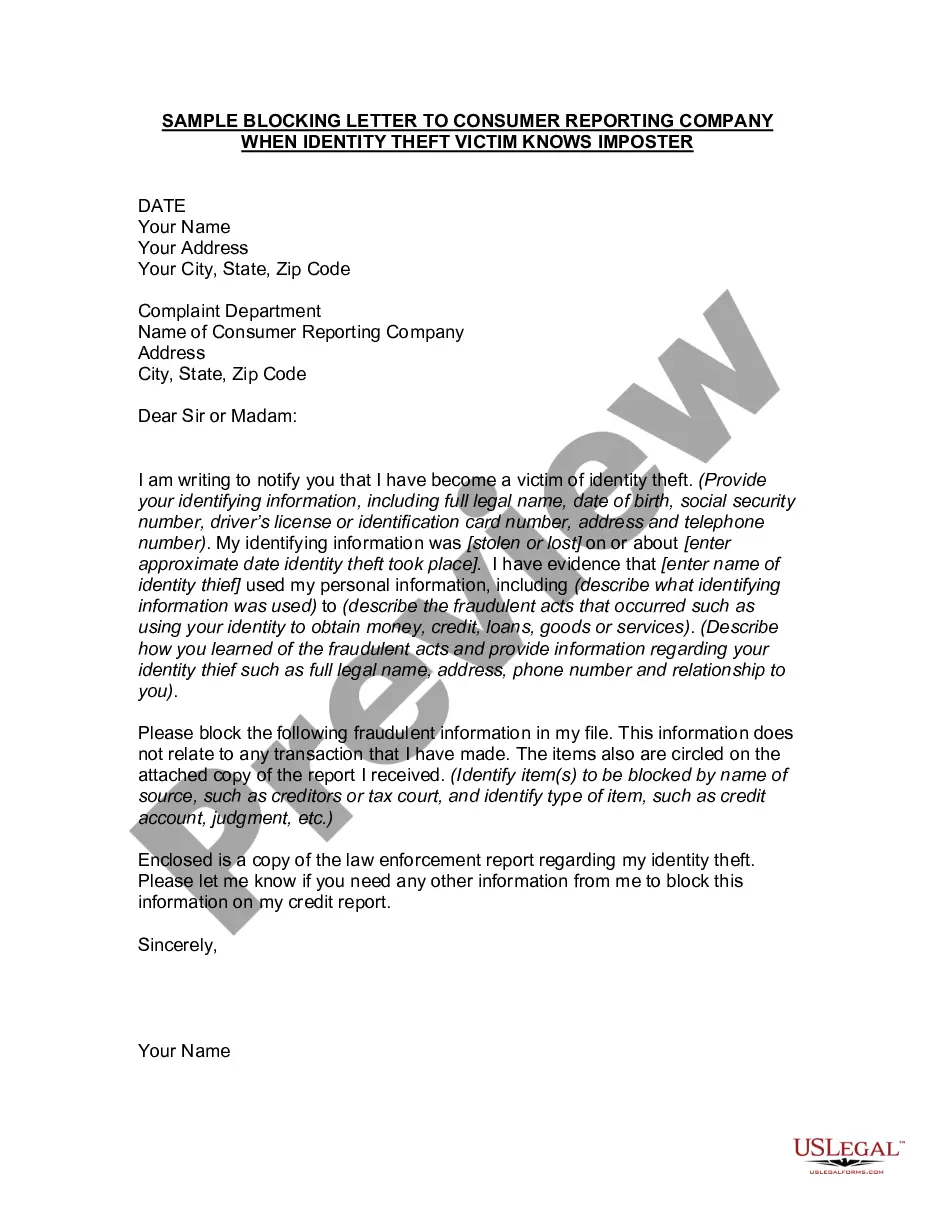
- Evidence of identity theft, such as police reports and affidavits.
- List of enclosures included with the letter.

Common use cases
This form is necessary when you have been a victim of identity theft and have identified the individual responsible. Use this letter to report the incident to relevant organizations where fraudulent actions have taken place, such as schools for fraudulent student loans or phone service providers for unauthorized accounts. It is an important step to protect your legal rights and prevent further misuse of your identification.
Who needs this form
- Individuals who have experienced identity theft and know their imposter.
- Victims needing to notify schools, loan programs, or service providers regarding fraudulent activities.
- Anyone looking to document their experience and actions taken in response to identity theft.
Steps to complete this form
- Identify your own personal information as the victim, including your full legal name and contact details.
- Specify the recipient entity's name and address where the report is being sent.
- Clearly state the details of the identity theft, including the timeframes and nature of the fraudulent acts.
- Describe any evidence of identity theft and what actions you are requesting from the entity.
- List and attach all supporting documents that verify your claims, such as police reports.
Notarization requirements for this form
In most cases, this form does not require notarization. However, some jurisdictions or signing circumstances might. US Legal Forms offers online notarization powered by Notarize, accessible 24/7 for a quick, remote process.
Get your form ready online
Our built-in tools help you complete, sign, share, and store your documents in one place.
Make edits, fill in missing information, and update formatting in US Legal Forms—just like you would in MS Word.
Download a copy, print it, send it by email, or mail it via USPS—whatever works best for your next step.
Sign and collect signatures with our SignNow integration. Send to multiple recipients, set reminders, and more. Go Premium to unlock E-Sign.
If this form requires notarization, complete it online through a secure video call—no need to meet a notary in person or wait for an appointment.
We protect your documents and personal data by following strict security and privacy standards.

Make edits, fill in missing information, and update formatting in US Legal Forms—just like you would in MS Word.

Download a copy, print it, send it by email, or mail it via USPS—whatever works best for your next step.

Sign and collect signatures with our SignNow integration. Send to multiple recipients, set reminders, and more. Go Premium to unlock E-Sign.

If this form requires notarization, complete it online through a secure video call—no need to meet a notary in person or wait for an appointment.

We protect your documents and personal data by following strict security and privacy standards.
Avoid these common issues
- Failing to include all relevant personal information in the initial section.
- Not clearly identifying the fraudulent acts and the imposter involved.
- Omitting important supporting documents when submitting the letter.
- Neglecting to send the letter to all affected entities.
Why complete this form online
- Convenient access to a professionally drafted letter template.
- Editable fields allow for customization to your specific situation.
- Reliable format to ensure that all necessary legal components are addressed.
Key takeaways
- Use this letter to formally report known identity theft to relevant entities.
- Include detailed evidence and a clear request for action in your letter.
- Take immediate steps to protect your identity following theft.
Looking for another form?

Form popularity
FAQ
To report fraud, scams, or bad business practices, consumers should go to ReportFraud.ftc.gov.
Scam @ efccnigeria.org & info @ efccnigeria.org or the Nigerian Police Force with website at www.nigeriapolice.org and email webmaster @ nigeriapolice.org are the appropriate authorities mandated by the Federal Government of Nigeria, to deal with such issues. You may forward your e-mail to them for prompt action.
You can call the Federal Trade Commission (FTC) at 1-877-438-4338 or TDD at 1-866-653-4261, or online at http://www.consumer.ftc.gov/features/feature-0014-identity-theft to report identity theft.
A copy of your FTC Identity Theft Report. a government-issued ID with a photo. proof of your address (mortgage statement, rental agreement, or utilities bill) any other proof you have of the theft (bills, IRS notices, etc.)
Step 1: Call the companies where you know fraud occurred. Ask them to close or freeze the accounts. Then, no one can add new charges unless you agree. Change logins, passwords and PINS for your accounts. You might have to contact these companies again after you have an FTC Identity Theft Report.
Help! It's also important to report the fraud to the Southern African Fraud Prevention Service (SAFPS) (Helpline: 0860 101 248). If your ID book and other sensitive documents have been lost or stolen, register them with the SAFBS via phone (011 867 2234), email or online web form.
Police departments can do very little to investigate and prosecute identity theft.You can use the Identity Theft Report to help get false information taken off your credit reports, stop a company from collecting debts and place an extended fraud alert on your credit reports.
The FTC cannot resolve individual complaints, but it can provide information about what steps to take. The FTC says that complaints can help it and its law enforcement partners detect patterns of fraud and abuse, which may lead to investigations and stopping unfair business practices.
File a claim with your identity theft insurance, if applicable. Notify companies of your stolen identity. File a report with the Federal Trade Commission. Contact your local police department. Place a fraud alert on your credit reports. Freeze your credit. Sign up for a credit monitoring service, if offered.