Bill of Sale for Artwork or Work of Art or Painting
What this document covers
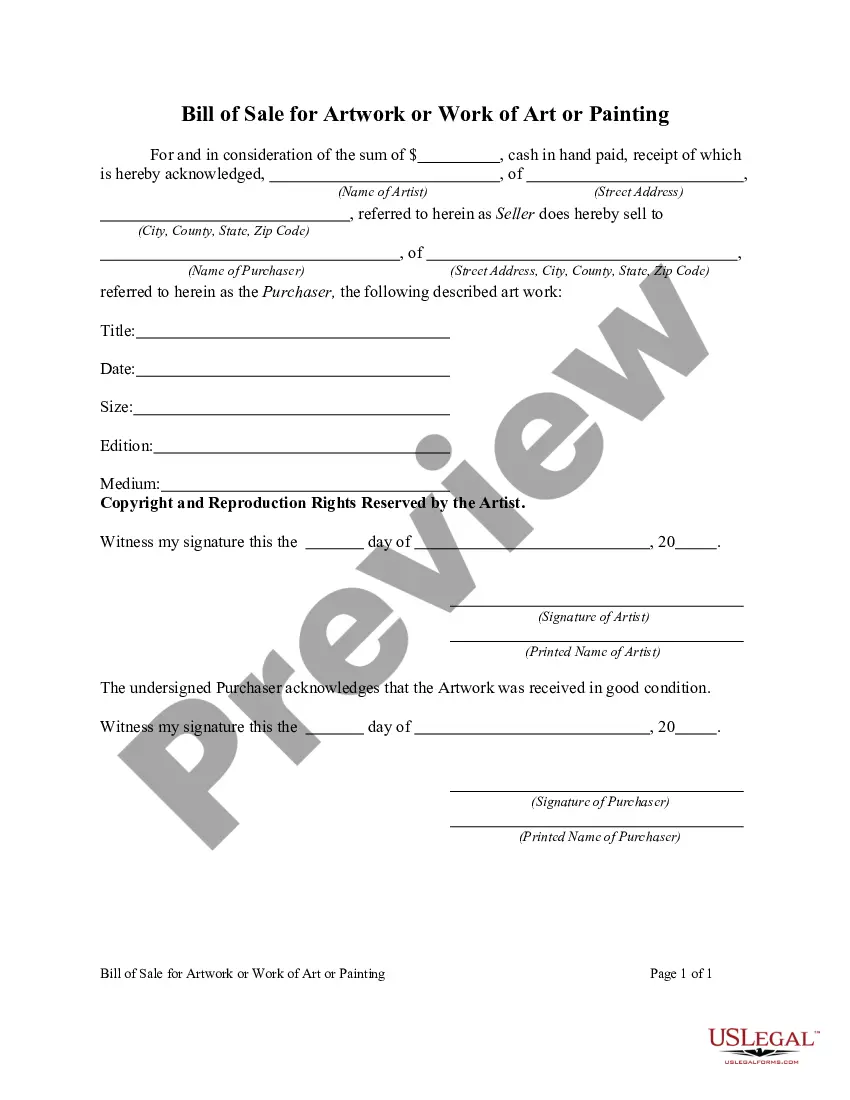
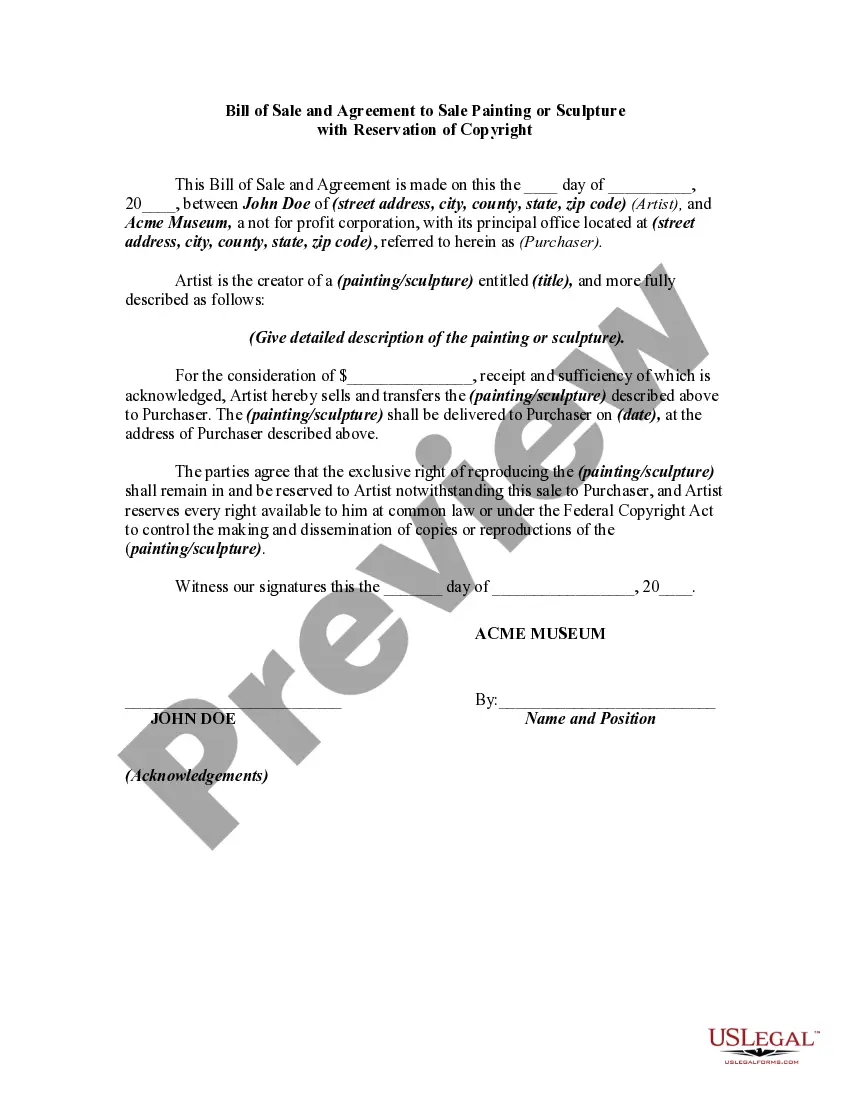
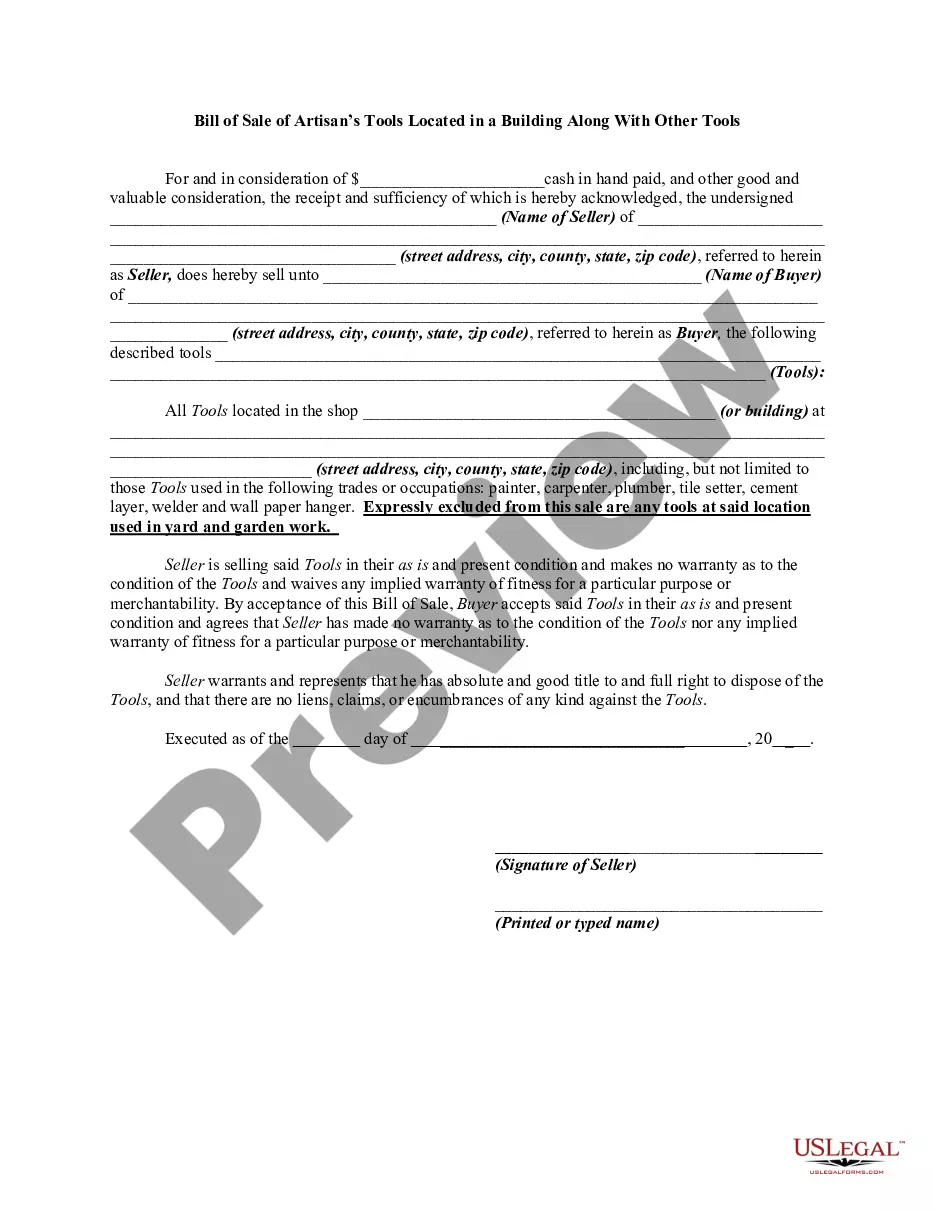
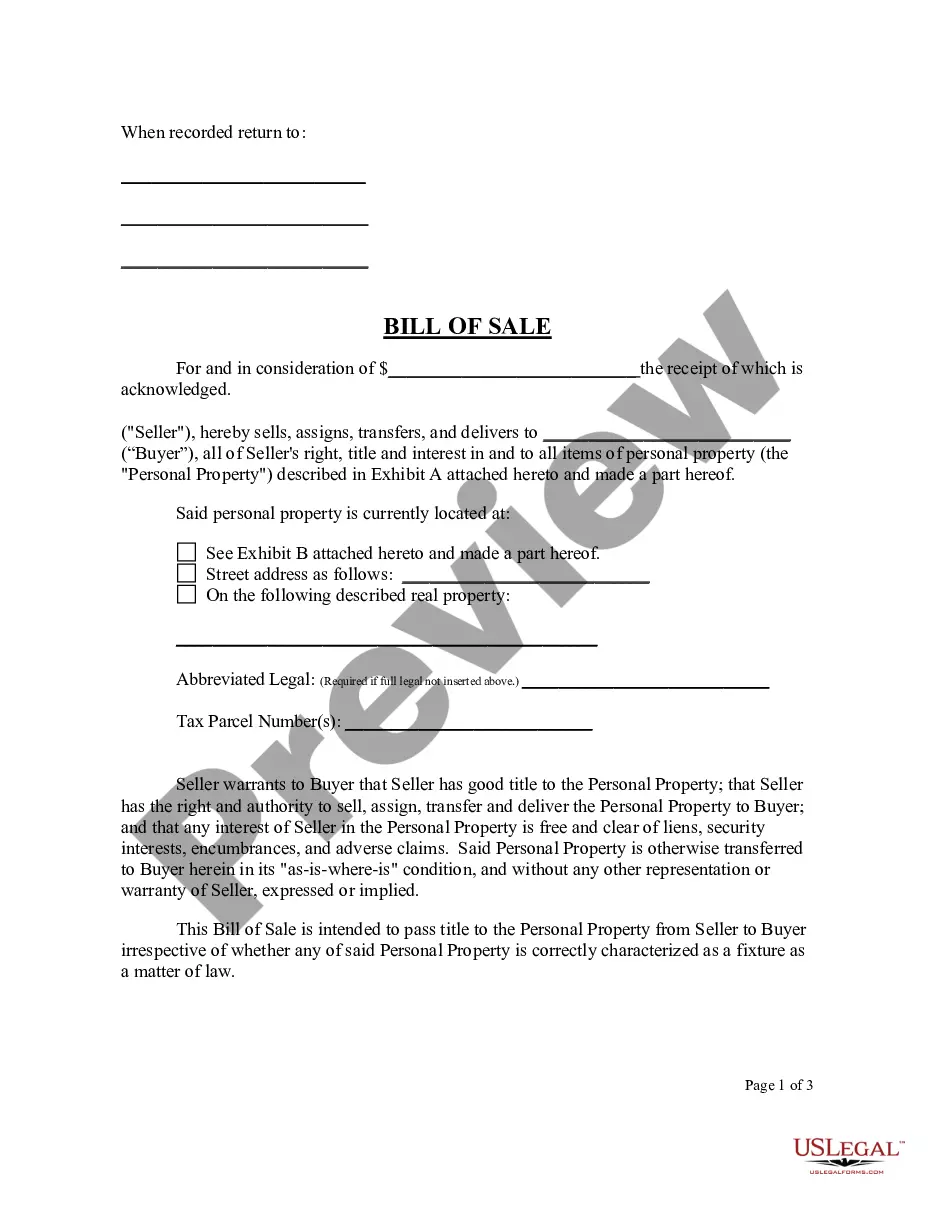
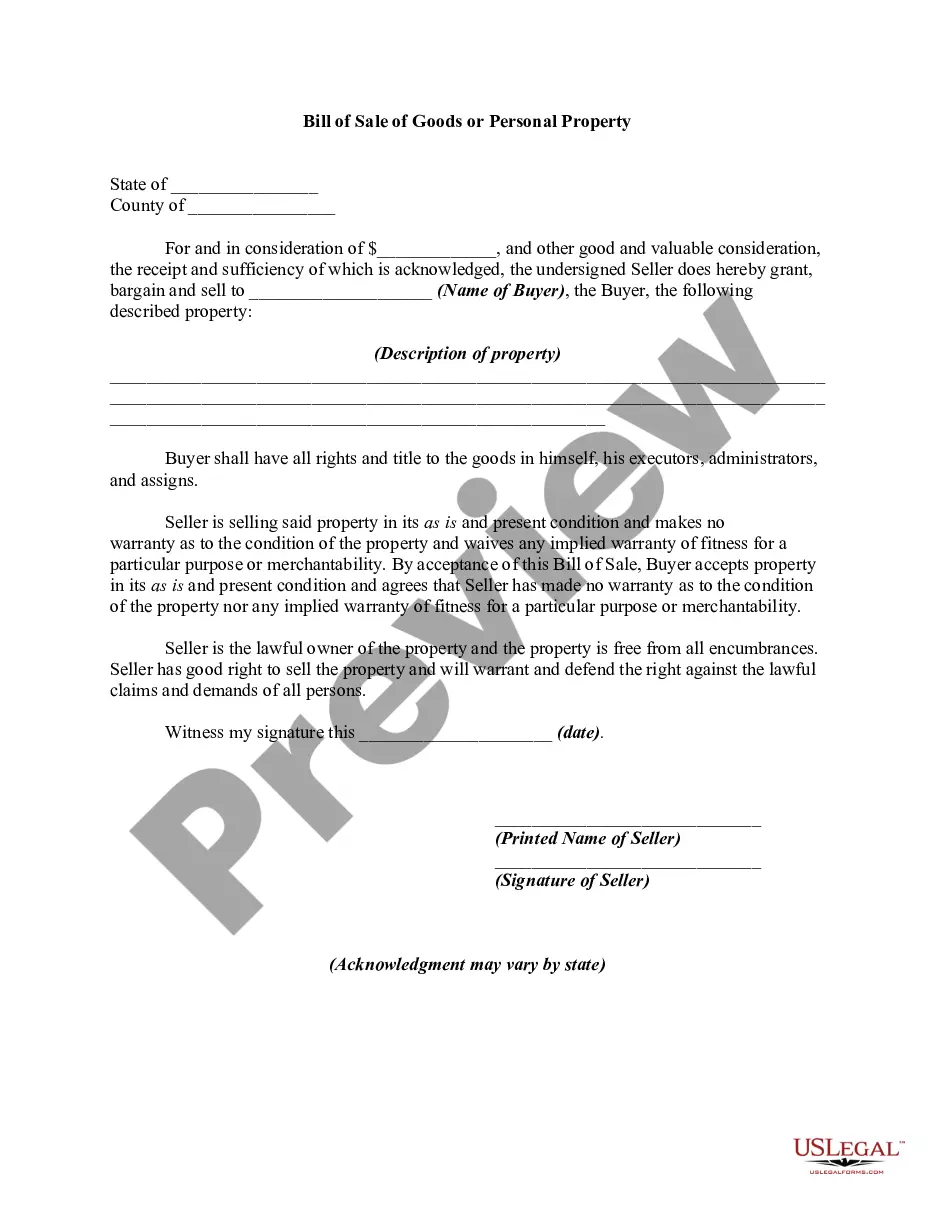
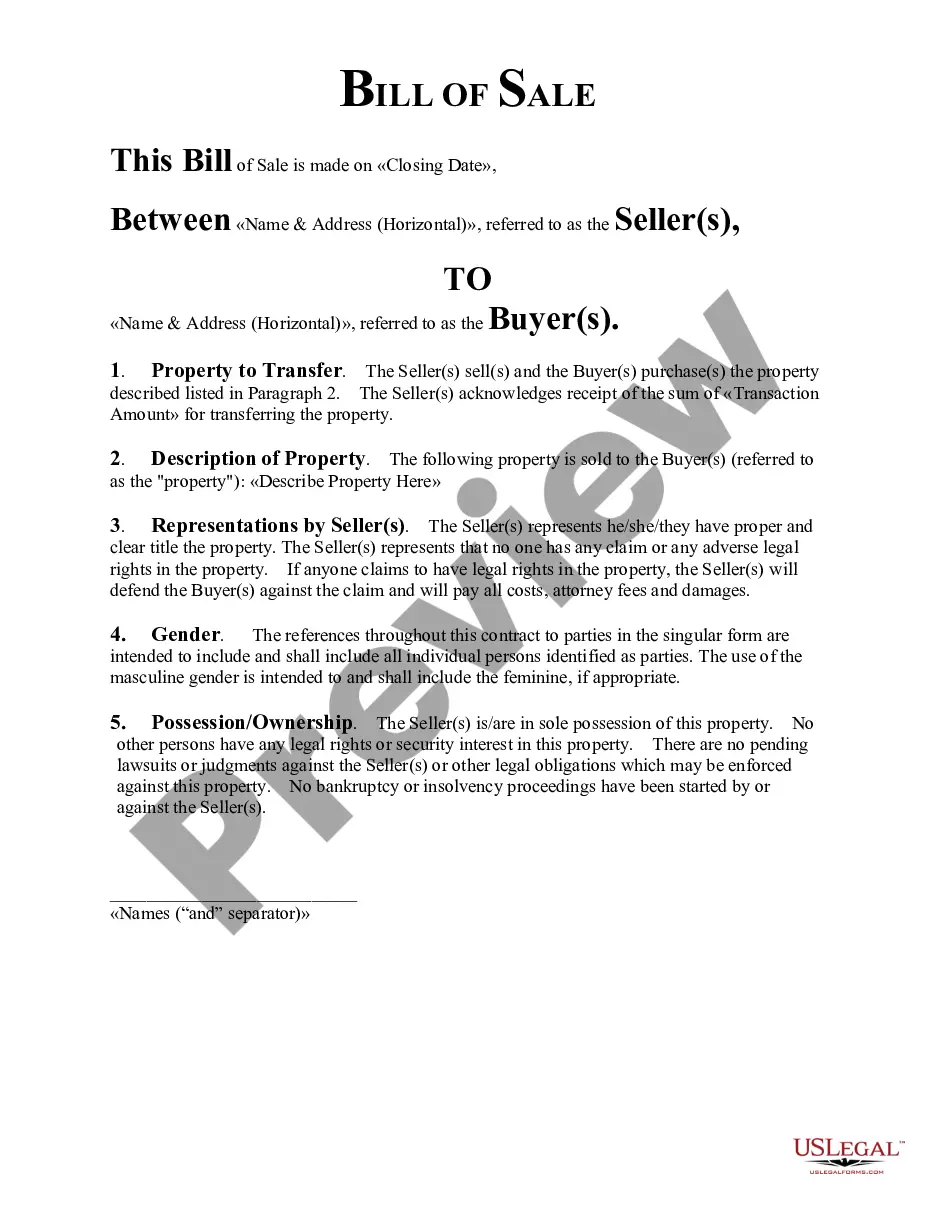
The Bill of Sale for Artwork is a legal document used to transfer ownership of tangible artwork from one party to another. This form serves as official proof of sale, detailing essential transaction information between the artist and the buyer. Unlike generic bills of sale, this form allows the artist to retain copyright and reproduction rights, which is crucial for protecting the creatorâs interests.
Main sections of this form
- Seller and buyer identification: Names and contact details of both parties.
- Description of the artwork: Clear details about the piece being sold, including title and medium.
- Sale price: Agreed amount for the transaction.
- Date of transaction: Date when the sale occurs.
- Signature lines: Space for both parties to sign, verifying the agreement.
Common use cases
This form is essential when an artist sells a piece of their artwork to a buyer. It is useful in various situations, such as gallery sales, private commissions, or independent art shows. Using this document helps protect both the seller's copyrights and the buyer's ownership rights.
Who should use this form
This form is intended for:
- Artists who are selling their own artwork.
- Buyers looking to acquire original artwork.
- Gallery owners handling artwork sales.
- Art collectors wanting clear proof of purchase.
Steps to complete this form
- Identify the parties: Fill in the names and contact information of both the seller and the buyer.
- Specify the artwork: Provide a detailed description, including the title and type of artwork.
- Enter the sale price: Clearly write the amount agreed upon for the sale.
- Indicate the date: Write the date of the transaction.
- Sign the document: Both parties should sign the form to confirm the agreement.
Does this document require notarization?
This form does not typically require notarization unless specified by local law. However, notarization can add an additional layer of authenticity to the transaction.
Get your form ready online
Our built-in tools help you complete, sign, share, and store your documents in one place.
Make edits, fill in missing information, and update formatting in US Legal Forms—just like you would in MS Word.
Download a copy, print it, send it by email, or mail it via USPS—whatever works best for your next step.
Sign and collect signatures with our SignNow integration. Send to multiple recipients, set reminders, and more. Go Premium to unlock E-Sign.
If this form requires notarization, complete it online through a secure video call—no need to meet a notary in person or wait for an appointment.
We protect your documents and personal data by following strict security and privacy standards.

Make edits, fill in missing information, and update formatting in US Legal Forms—just like you would in MS Word.

Download a copy, print it, send it by email, or mail it via USPS—whatever works best for your next step.

Sign and collect signatures with our SignNow integration. Send to multiple recipients, set reminders, and more. Go Premium to unlock E-Sign.

If this form requires notarization, complete it online through a secure video call—no need to meet a notary in person or wait for an appointment.

We protect your documents and personal data by following strict security and privacy standards.
Mistakes to watch out for
- Leaving out important details about the artwork.
- Failing to obtain signatures from both parties.
- Not specifying the sale price clearly.
- Using vague language that may lead to misunderstandings.
Benefits of completing this form online
- Convenience: Easily accessible for immediate download and completion.
- Editability: Customize the form to meet specific needs before printing.
- Reliability: Forms drafted by licensed attorneys ensure legal integrity.
Legal use & context
- This Bill of Sale serves as a legal record of the sale of artwork, thus providing protection for both the seller and the buyer.
- Documents such as this are crucial in cases of disputes regarding ownership or transaction terms.
- It is advisable to keep this document in a safe place for future reference.
Key takeaways
- The Bill of Sale for Artwork is crucial for transferring ownership and protecting the artist's rights.
- It is important to provide clear and detailed information in the document.
- Both parties should sign the form for it to be valid.
Looking for another form?



Form popularity
FAQ
An art gallery is one of the types of dealers. Art dealers are taxed in the same way as any other retail operation. As such, all income including income from the sale of art is taxed as ordinary income (IRC Sections 61, 64). Expenses, if ordinary and necessary, are deductible under IRC Sections 162.
The California Resale Royalty Act (Civil Code section 986) entitles artists to a royalty payment upon the resale of their works of art under certain circumstances.
The general consensus is that in most cases you do need a business license to sell your art. A business license is a local requirement that basically enables you to sell something. It is necessary if you want to collect taxes or for remaining in compliance with your business.
The answer is, if you are creating fan art whether for profit or not, any copyrighted character or use of trademark in a description or title without prior written consent from the copyright owner, then selling fan art is illegal but making fan art is not illegal.
Interestingly, LIMA suggests the average rate for art licensing agreements range between 3-6%. Companies or manufacturers selling to mass retailers are pressed hard to keep costs low and can't afford to pay hefty royalties, so expect to see a 3-4% range.
If you originally bought the work from a gallery, you can try to resell it back to them, or to a gallery where the artist is represented. If the gallery is invested in promoting the artist's work, they may accept the piece because they already have existing relationships with collectors of the artist.
In order to sell your artwork, you will need to provide a Bill of Sale. The Bill of Sale, or invoice, is one of your most important business documents. Artwork in physical form is considered personal property, and therefore a transfer of title will be necessary in the form of a Bill of Sale.
The copyright owner must enter into a written agreement, specifying the rights being transferred, in order to sell a copyright. The first sale doctrine allows the purchaser of a lawful copy of the artwork to resell, distribute, or publically display that copy without the artist's permission.
Download the free illustration work invoice template. Insert your name, your business name and contact information. Add your business logo and media. Fill out the client or business and contact information. Create and include a unique invoice number. Include an issue date and payment due date.