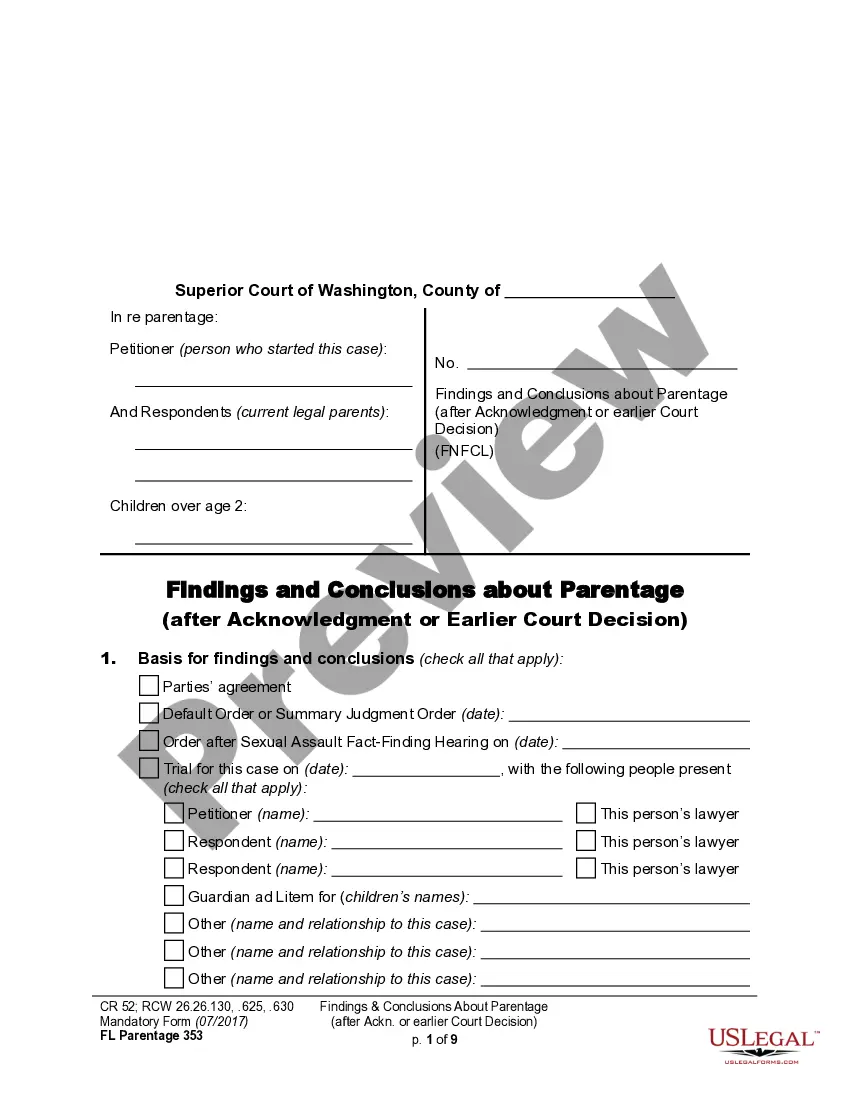
Sample Letter to Cable Provider regarding Justification of Fees
About this form
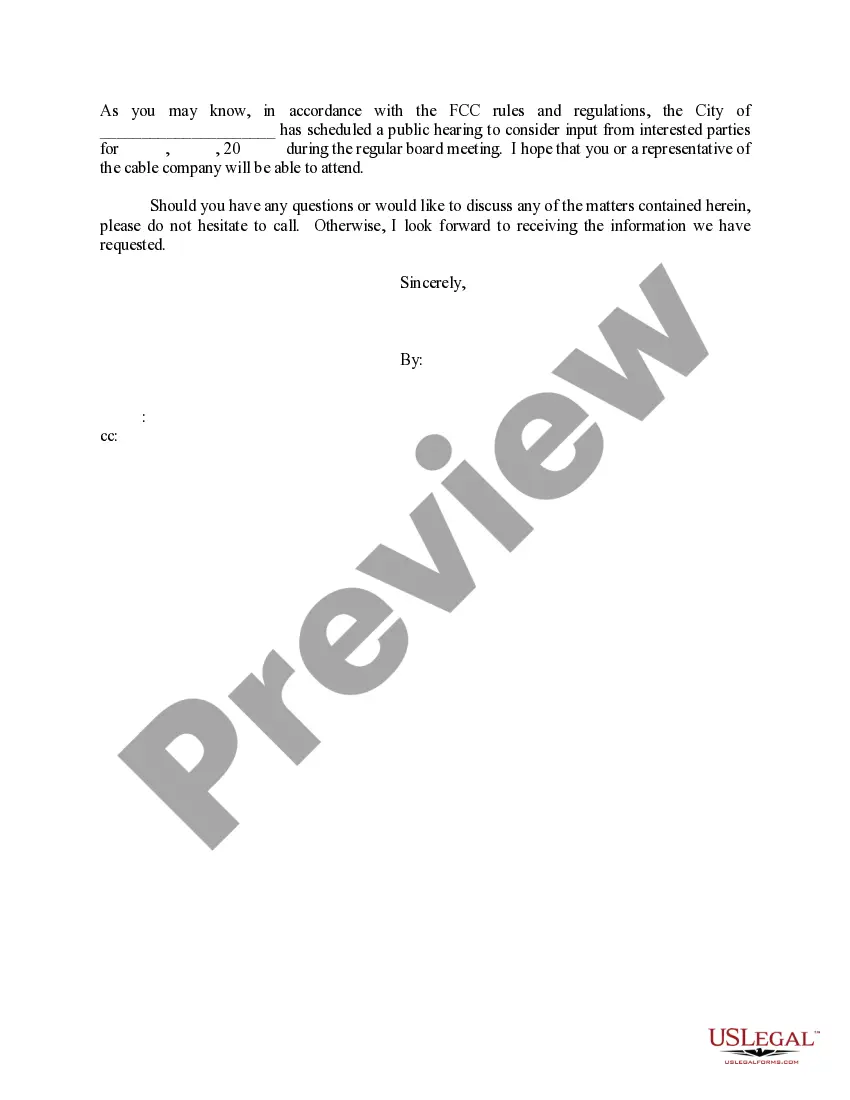
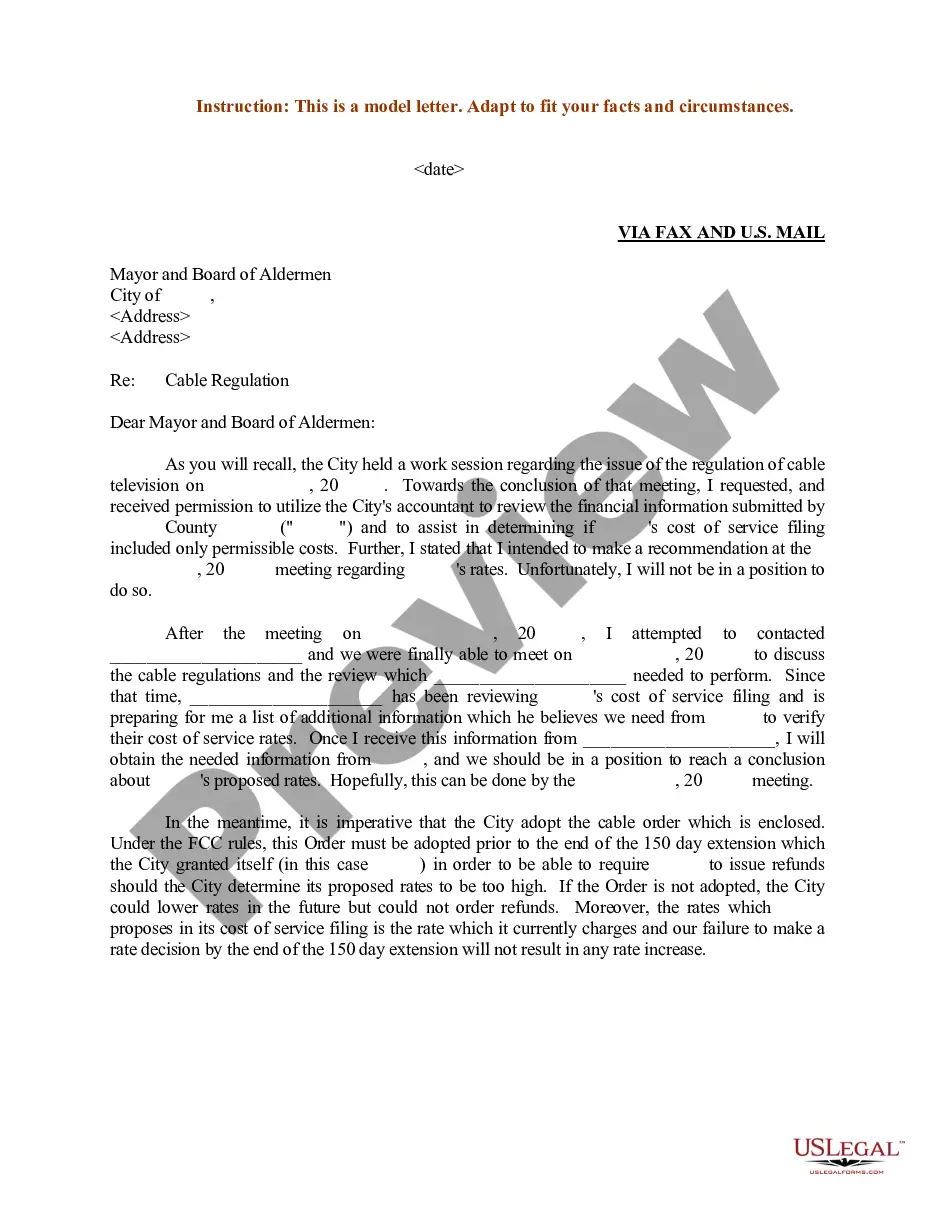
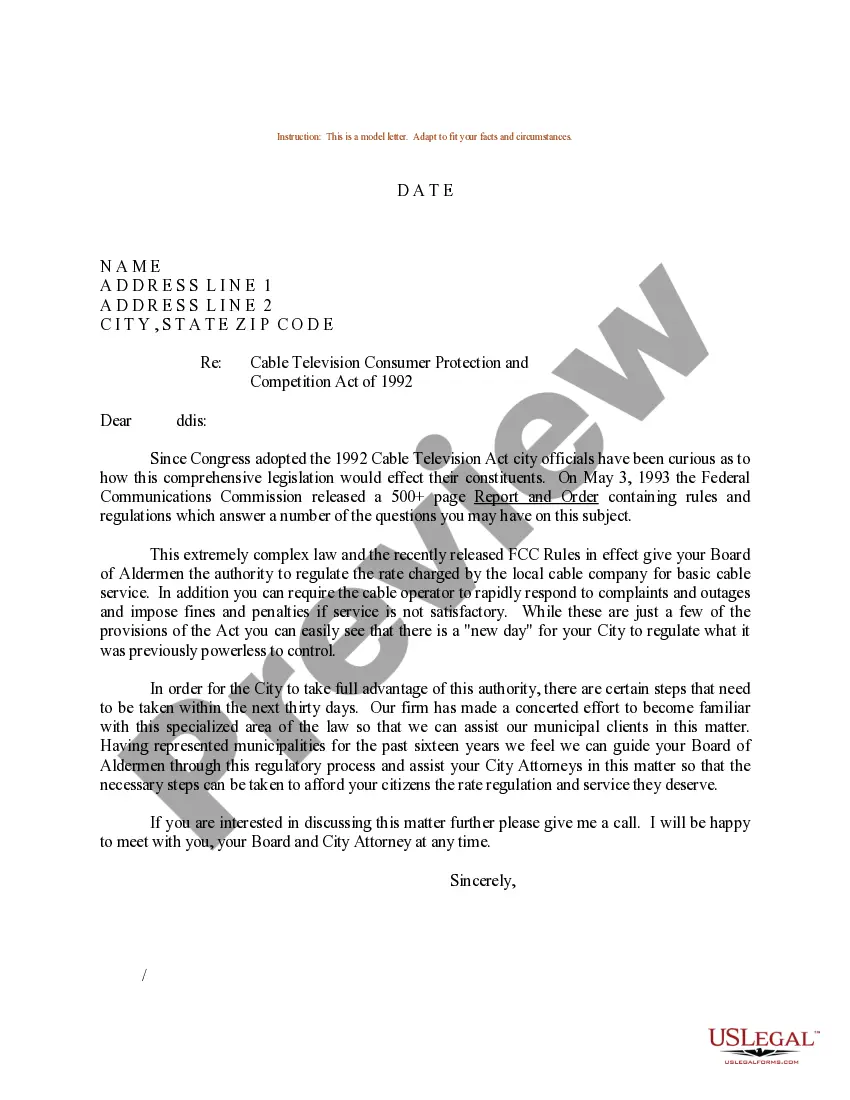
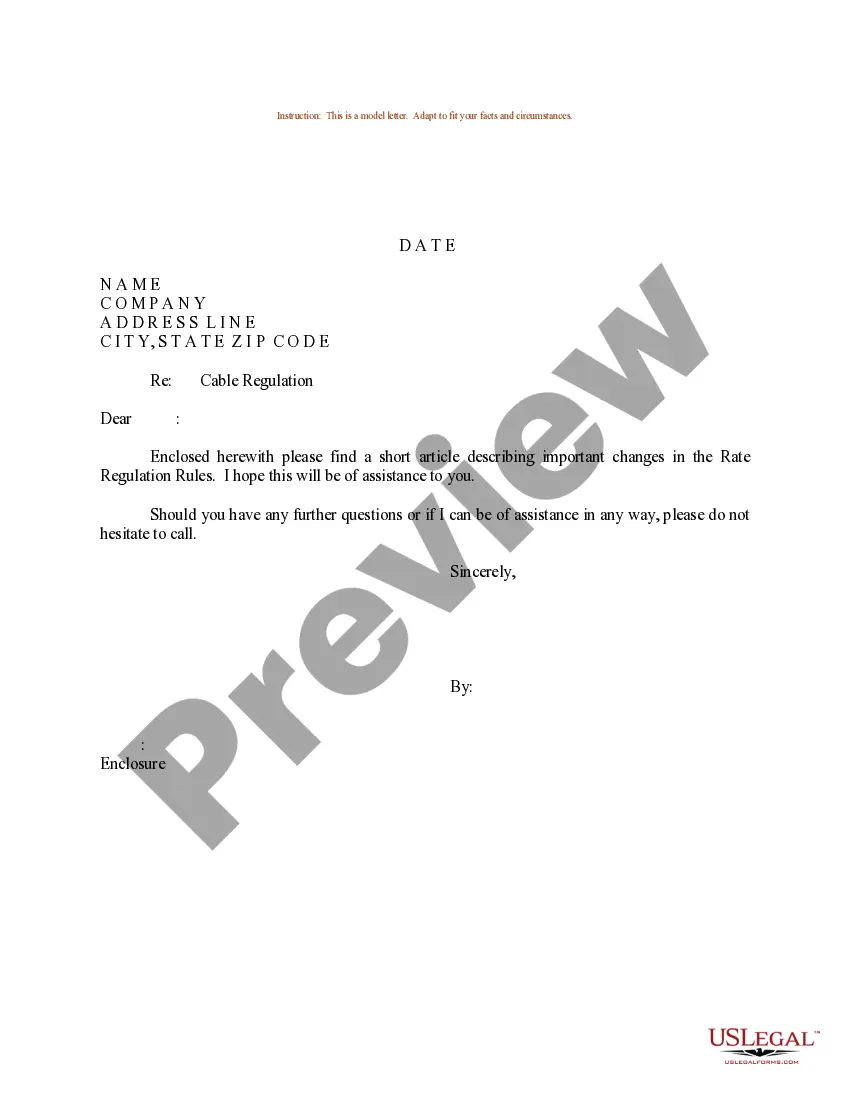
This Sample Letter to Cable Provider regarding Justification of Fees is a template designed to help consumers articulate their concerns about fee increases imposed by cable providers. This form allows users to formally request clarification and justification for any fees that seem unjustified, providing a structured approach to communicate effectively with service providers. Unlike general complaint letters, this document specifically addresses fee structures and seeks explanations directly from the cable company.
What’s included in this form
- Date field for proper documentation.
- Recipient information section for the cable provider's details.
- Your name and address to identify the sender.
- Subject line to outline the focus of the letter.
- A clear statement requesting justification for the fees.
Common use cases
This form should be used when you notice unexpected increases in your cable fees and wish to obtain a clear explanation from your service provider. It is also applicable when you believe that certain fees are unjustified or not adequately disclosed in your contract. Use this letter if prior informal communications have not resolved your concerns, and you want to take a more formal approach.
Who can use this document
- Consumers who have received unexpected fee increases from their cable provider.
- Individuals seeking clarification on fee structures prior to contract renewal.
- Customers who want to raise awareness of potential misleading charges.
- Anyone who has experienced inadequate responses from customer service regarding fees.
Steps to complete this form
- Enter the date at the top of the letter.
- Add the name and address of your cable provider in the recipient section.
- Fill in your name and address for identification purposes.
- Specify the subject line to represent your request regarding fee justification.
- Clearly state your concerns regarding the fees and request a response from the provider.
Notarization requirements for this form
This form does not typically require notarization unless specified by local law. Ensure to check any particular requirements set forth by your state to confirm the necessary steps for legal validity.
Get your form ready online
Our built-in tools help you complete, sign, share, and store your documents in one place.
Make edits, fill in missing information, and update formatting in US Legal Forms—just like you would in MS Word.
Download a copy, print it, send it by email, or mail it via USPS—whatever works best for your next step.
Sign and collect signatures with our SignNow integration. Send to multiple recipients, set reminders, and more. Go Premium to unlock E-Sign.
If this form requires notarization, complete it online through a secure video call—no need to meet a notary in person or wait for an appointment.
We protect your documents and personal data by following strict security and privacy standards.

Make edits, fill in missing information, and update formatting in US Legal Forms—just like you would in MS Word.

Download a copy, print it, send it by email, or mail it via USPS—whatever works best for your next step.

Sign and collect signatures with our SignNow integration. Send to multiple recipients, set reminders, and more. Go Premium to unlock E-Sign.

If this form requires notarization, complete it online through a secure video call—no need to meet a notary in person or wait for an appointment.

We protect your documents and personal data by following strict security and privacy standards.
Avoid these common issues
- Failing to include your contact information for a response.
- Using vague language instead of specific details about fees.
- Not keeping a copy of the letter for your records.
- Neglecting to specify a deadline for the provider's response.
Why use this form online
- Easy to fill out with clear fields for personalization.
- Downloadable and editable, allowing you to customize to your situation.
- Convenient access from anywhere at any time.
- Reliable format drafted with legal expertise for peace of mind.
Quick recap
- This letter is a formal request for justification of cable fees.
- Clearly address your concerns and specify the fees in question.
- Use this template to ensure you cover all necessary information.
Looking for another form?
Form popularity
FAQ
The Fair Credit Billing Act a federal law passed in 1975 gives you the right to dispute charges in case you are dissatisfied with the transaction through a process called Claims and Defenses. You must file a report on a disputed purchase within 60 days of the statement date on which the charge appeared.
Dear Sir or Madam: I am writing to dispute a debit in the amount of $______ on my account. The amount is inaccurate because the merchandise I ordered was not delivered. I ordered the merchandise on date.
Dear Sir or Madam: I am writing to dispute a debit in the amount of $______ on my account. The amount is inaccurate because the merchandise I ordered was not delivered. I ordered the merchandise on date.
Do not ever call to settle a bill or resolve a billing problem. State briefly all your true reasons why you should not pay the entire bill or some specific amount. Attach copies of all relevant papers. Request specific action by a specific date.
You can sue. If you've already paid a mistaken amount, or if you want to avoid affecting your credit rating no matter what, you can sue the company.
Things to Do To Prove The Validity of Your Dispute. Inspect the invoice. Check your accounting records. Look at the business contract. Contact the company. Collect proof to support your dispute. Requirements Creditors Must Adhere to When a Bill of Service is in Dispute.
The intention of most organizations is to clear the issues of the customers. Mention all the necessary details of the current case. Attach photocopies of relevant documents to confirm your claim. Mention your proposal to resolve the issue. Express your confidence in the reader's ability to handle the issue.
Can you go to jail for chargebacks? Yes, absolutely you can go to jail for fraudulent chargebacks!Merchants can (should and do) take consumers to court over fraudulent chargebacks, and many jurisdictions will pursue criminal charges for chargeback-related fraud.
Dear Sir or Madam: I am writing to dispute a fraudulent charge on my account in the amount of $______. I am a victim of identity theft, and I did not make or authorize this charge.