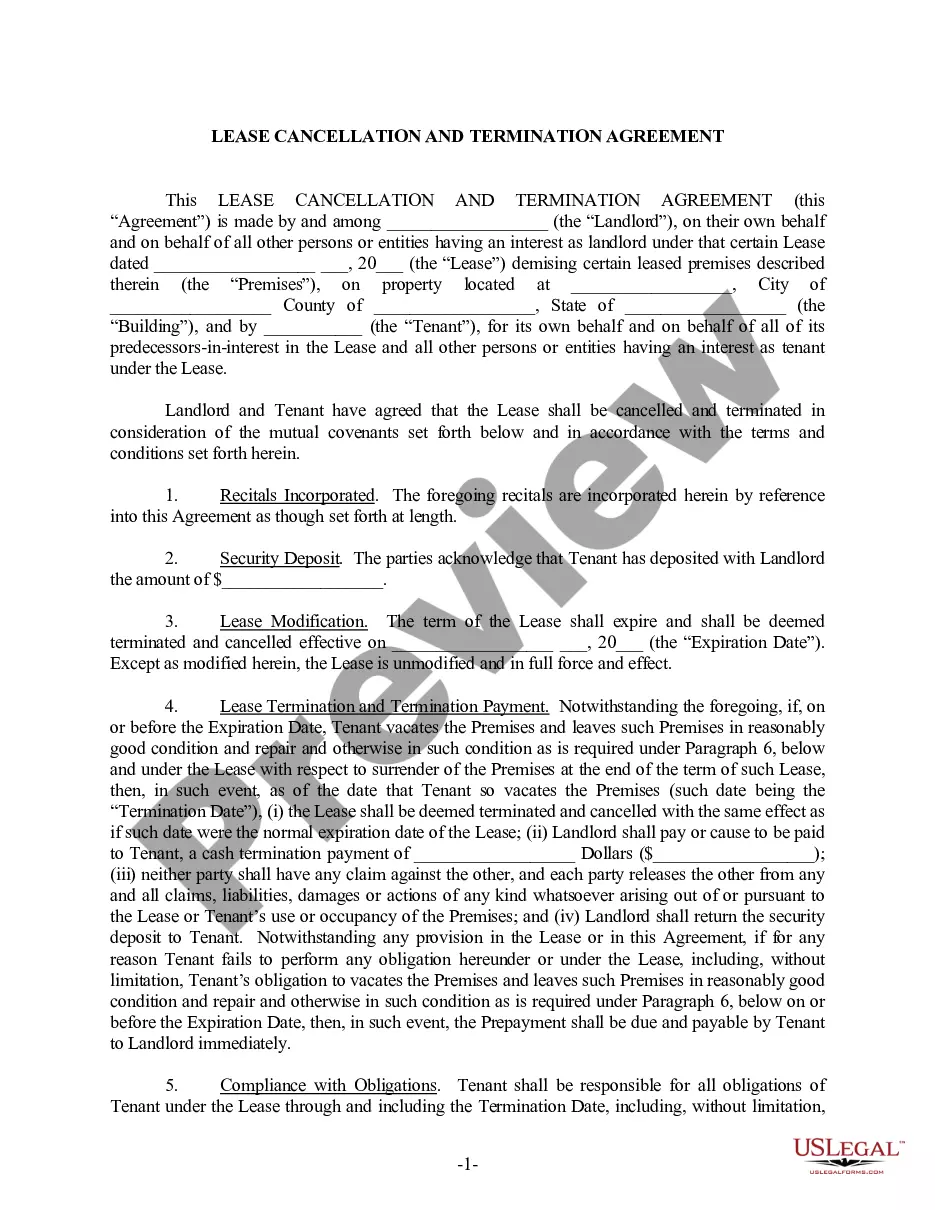
Accounts Receivable - Contract to Sale
Understanding this form
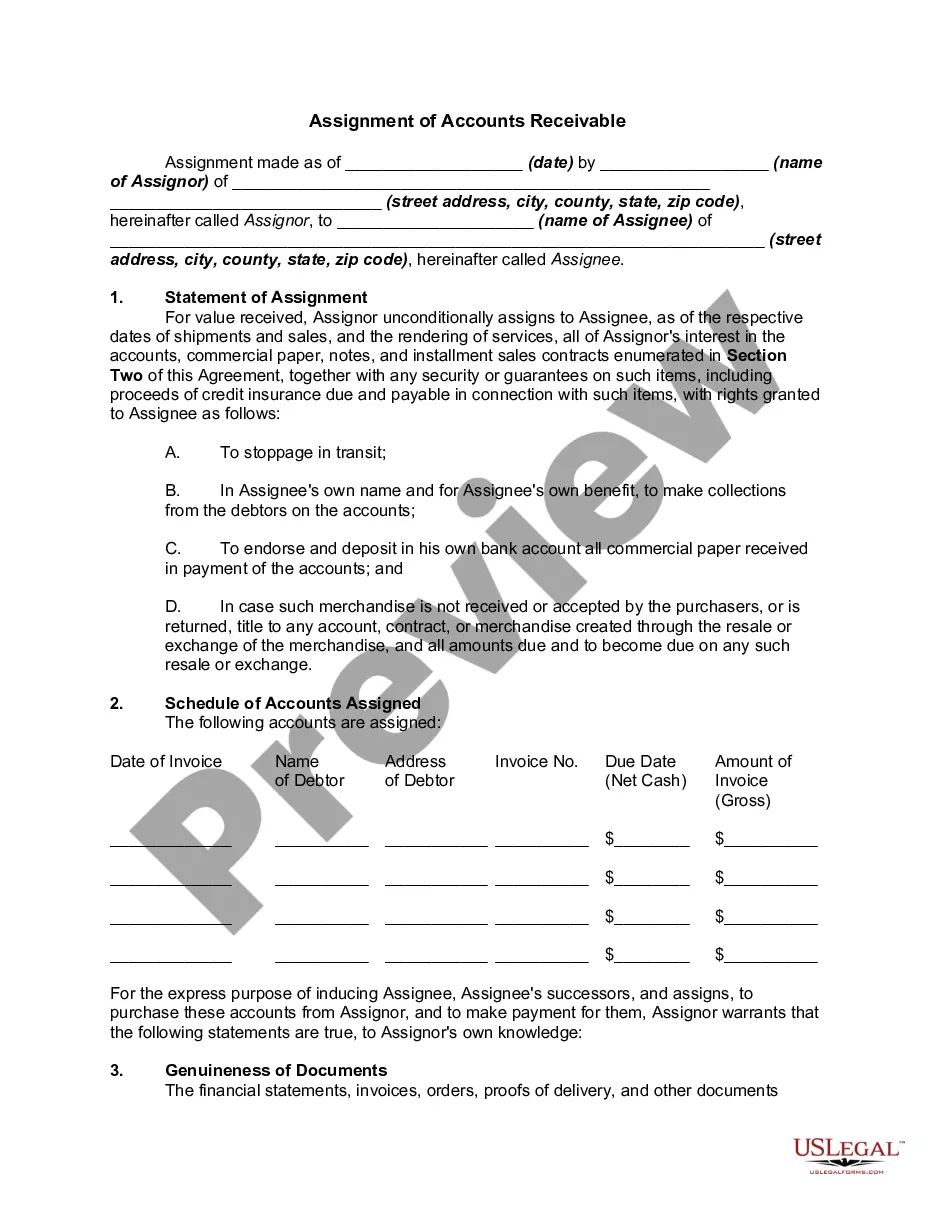
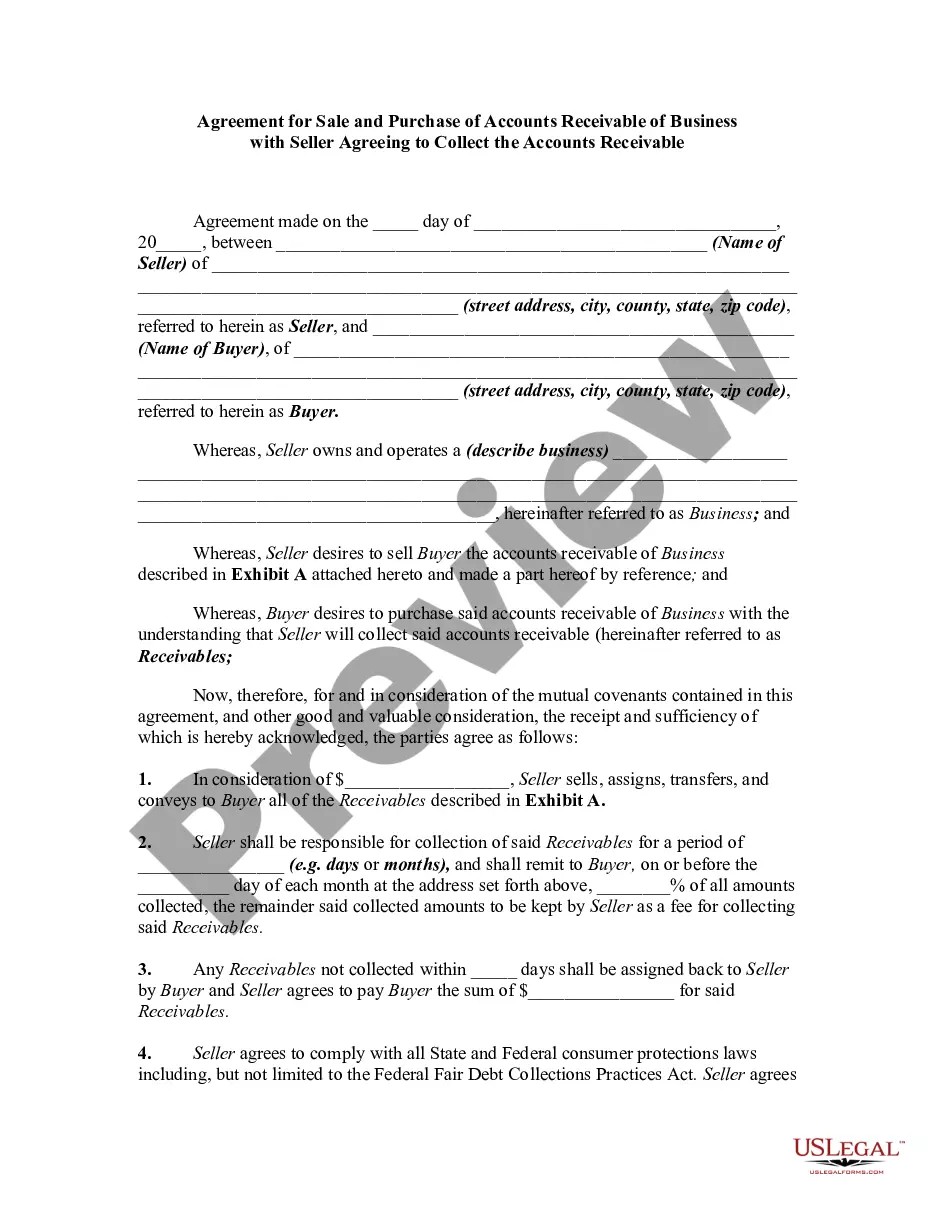
The Accounts Receivable - Contract to Sale is a legal document used to transfer all accounts receivable from a seller to a buyer at a discounted price. This contract formalizes the agreement in which the seller conveys their rights to specific accounts, including all related invoices and any funds due. The contract is applicable in any U.S. state and helps ensure clarity in the sale of receivables, differentiating it from other sales agreements by specifically addressing accounts that are owed to the seller.
Key components of this form
- Identification of seller and buyer.
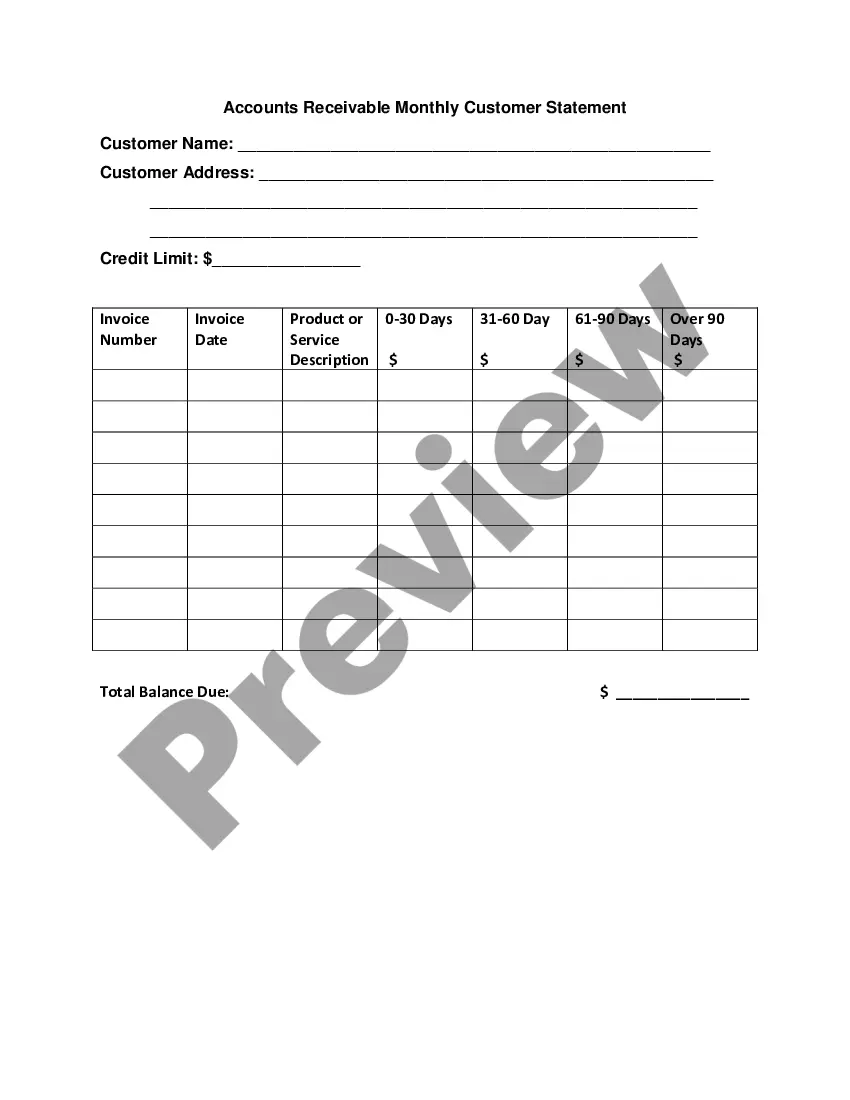
- Listing of accounts being sold, included in an Exhibit.
- Seller's representations regarding the accounts.
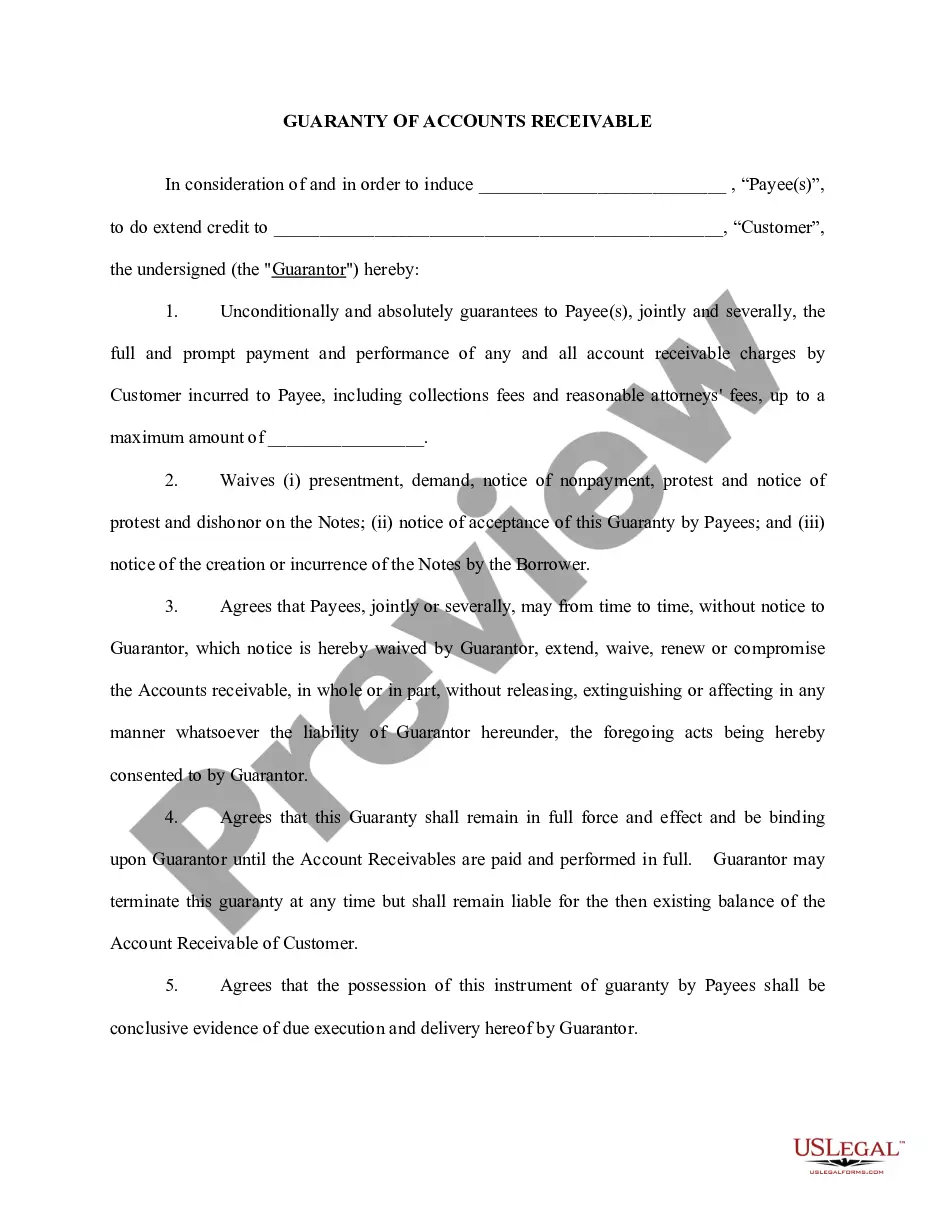
- Agreement on recourse provisions for the buyer.
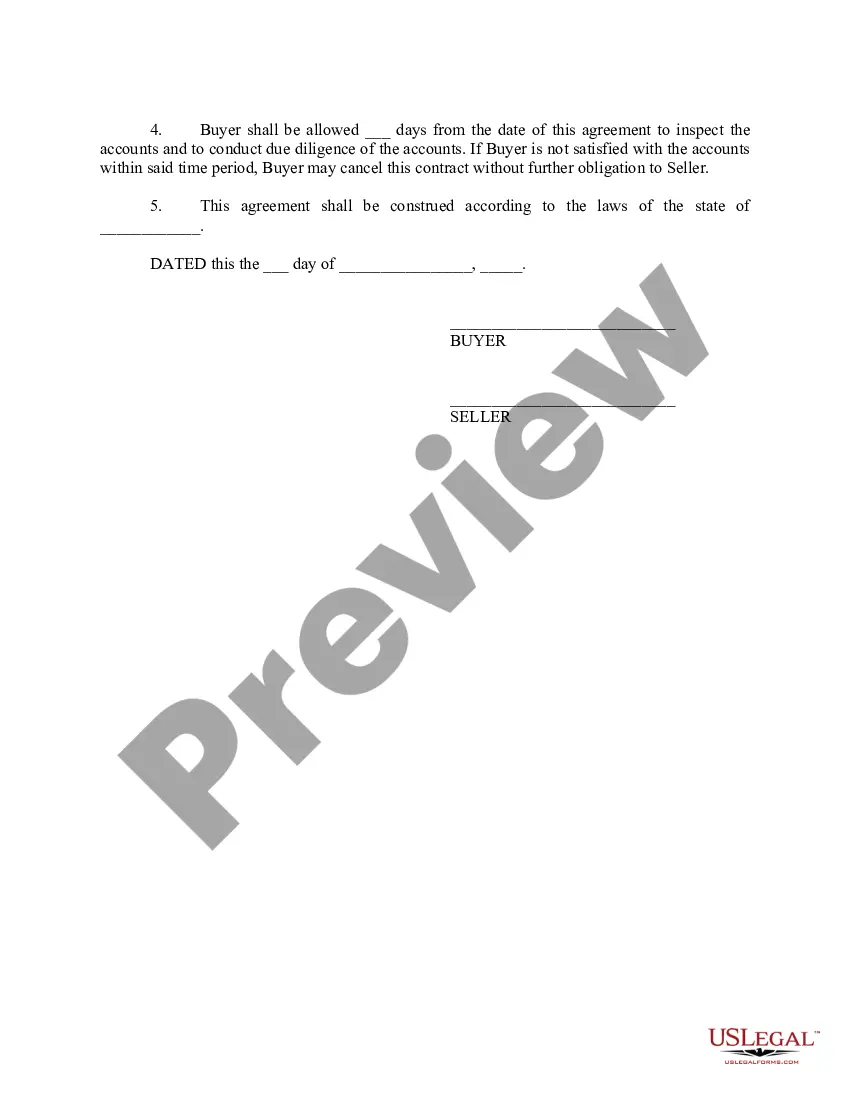
- Inspection timeline for the buyer to review accounts.
- Governing law clause specifying applicable state laws.


When this form is needed
This form is used when a seller needs to sell their accounts receivable to a buyer, typically at a discount. It is beneficial for sellers looking to improve cash flow quickly by converting accounts into immediate funds. The buyer may be seeking to acquire accounts at a lower face value, relying on their capacity to collect those debts efficiently.
Who can use this document
- Sellers who wish to sell their accounts receivable for immediate cash.
- Buyers looking to purchase accounts at a discount for collection.
- Businesses in need of liquidity through the sale of existing invoices.
How to prepare this document
- Identify the seller and buyer by entering their names and contact information.
- Attach Exhibit A, listing all accounts being assigned.
- Fill in the required details about the accounts, such as balance and payment terms.
- Specify whether the sale is with or without recourse and indicate any conditions.
- Both parties must sign and date the form to complete the agreement.
Notarization requirements for this form
This form does not typically require notarization unless specified by local law. Always verify if your jurisdiction requires notarization for the transfer of accounts receivable.
Get your form ready online
Our built-in tools help you complete, sign, share, and store your documents in one place.
Make edits, fill in missing information, and update formatting in US Legal Forms—just like you would in MS Word.
Download a copy, print it, send it by email, or mail it via USPS—whatever works best for your next step.
Sign and collect signatures with our SignNow integration. Send to multiple recipients, set reminders, and more. Go Premium to unlock E-Sign.
If this form requires notarization, complete it online through a secure video call—no need to meet a notary in person or wait for an appointment.
We protect your documents and personal data by following strict security and privacy standards.

Make edits, fill in missing information, and update formatting in US Legal Forms—just like you would in MS Word.

Download a copy, print it, send it by email, or mail it via USPS—whatever works best for your next step.

Sign and collect signatures with our SignNow integration. Send to multiple recipients, set reminders, and more. Go Premium to unlock E-Sign.

If this form requires notarization, complete it online through a secure video call—no need to meet a notary in person or wait for an appointment.

We protect your documents and personal data by following strict security and privacy standards.
Mistakes to watch out for
- Failing to accurately list all accounts in the Exhibit.
- Omitting key seller representations regarding the accounts.
- Not specifying the recourse language, which can lead to misunderstandings.
- Neglecting to include both parties' signatures and the date of agreement.
Why use this form online
- Instant access to a professionally drafted contract.
- Ease of editing and customizing for specific situations.
- Secure and reliable process without the need for in-person meetings.
Quick recap
- The Accounts Receivable - Contract to Sale is designed for selling outstanding invoices.
- The form is versatile and can be used in any state.
- Both parties must clearly understand their rights and responsibilities under the agreement.
Looking for another form?
Form popularity
FAQ
Accounts receivable is an asset included on the balance sheet and represents credit sales that have not yet been fully settled. Accounts receivable is an asset included on the balance sheet and represents credit sales that have not yet been fully settled.
In nearly all small business sales, the seller will retain the cash and accounts receivables, they will pay off the payables, and deliver the business "free and clear" to you. In larger purchases, the buyers will likely acquire these balance sheet items to provide them with immediate working capital.
Receivables purchase agreements (RPAs) are financing arrangements that can unlock the value of a company's accounts receivable.When the Debt eventually becomes due, payment from the Account Debtor will be directed to the Buyer rather than the Seller (5).
In other words, accounts receivables are short-term lines of credit that a business owner extends to the customer.They are not cash equivalent. While receivables are often considered cash equivalent or 'near-cash' in financial ratios, they are not.
Subtract the amount of the doubtful-accounts allowance from the total accounts receivable. The result is the net realizable value of accounts receivable.
Send invoices immediately. Prepare to listen to customer excuses. Have a payable credit cycle. Do a proper cash flow forecast. Send repeated payment reminders. Start to communicate over a call. Lure them with discounts & new features. Have alternative plans.
Companies sell their receivables to improve their cash flow. Having good cash flow is essential if you want to run a successful business. You can have a great product/service and excellent profit margins, but your business will suffer if your cash flow is bad.
In an asset sale of your company, you keep the accounts receivables as well as the cash on hand and the accounts payable accounts. You can maintain the financial assets under a new corporation since you most likely will sell the name of your company as part of the deal.
Also known as factoring, selling accounts receivables is a way for you to close the gap that trade credits create. A factoring company buys your company's outstanding receivables and advances 60-80% of it back to your company. The remaining amount is paid to you once the customer fulfills payment.