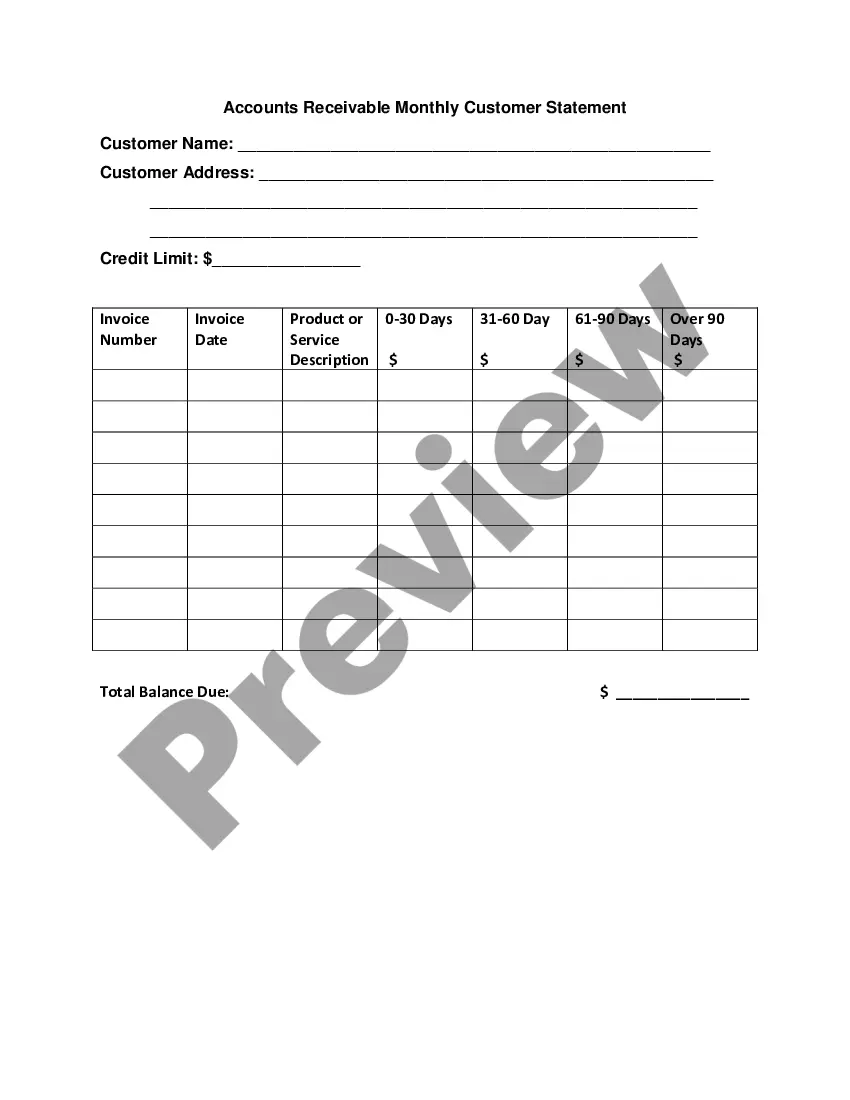
Accounts Receivable Monthly Customer Statement
What is this form?
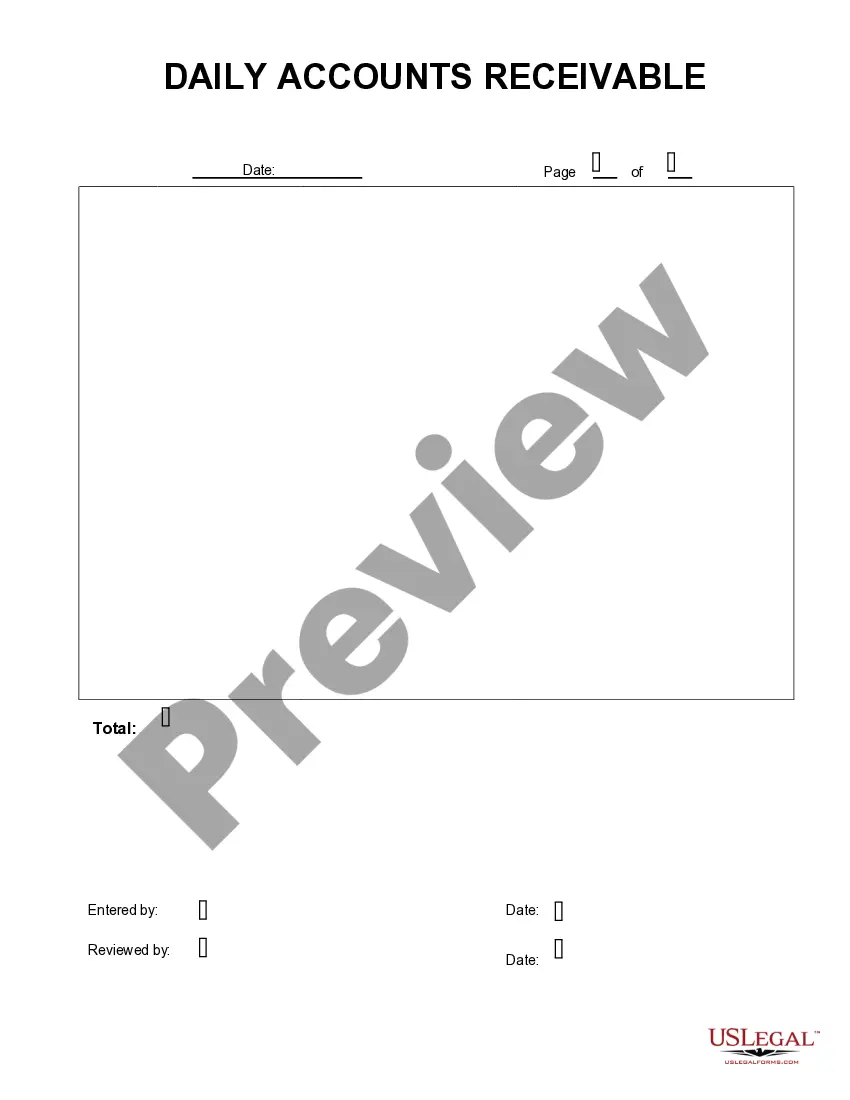
The Accounts Receivable Monthly Customer Statement is a document used by businesses to communicate with their customers regarding outstanding balances. It summarizes all transactions within a specific month, including invoices issued, payments received, and credits approved, providing a clear overview of what the customer owes. This form is crucial for maintaining positive customer relationships and ensuring timely payments, distinguishing it from simpler forms like invoices that only list individual transactions.
What’s included in this form
- Customer information: Records the name and address of the customer.
- Credit limit: Specifies the maximum amount of credit extended to the customer.
- Invoice details: Lists individual invoice numbers, dates, product/service descriptions, and amounts due.
- Payment aging: Categorizes overdue amounts into brackets based on how late they are (0-30 days, 31-60 days, etc.).
- Total balance due: Summarizes the total amount still owed by the customer at the end of the month.


When to use this form
This form is particularly useful for businesses that extend credit to customers. It should be used at the end of each month to remind customers of their outstanding balances. It is an effective tool for accounts receivable management, ensuring customers are aware of what they owe and minimizing overdue payments.
Who needs this form
- Business owners who provide goods or services on credit.
- Accountants handling financial communications with customers.
- Accounts receivable personnel responsible for managing customer payments.
- Customer service representatives who assist with billing inquiries.
How to prepare this document
- Identify the customer by entering their name and address at the top of the form.
- Specify the credit limit for the customer to reflect their account status.
- Enter all relevant invoice details including numbers, dates, product or service descriptions, and amounts due.
- Provide a breakdown of overdue amounts in the designated aging categories.
- Calculate and enter the total balance due at the bottom of the form.
Does this form need to be notarized?
This form does not typically require notarization unless specified by local law. It is essential to check specific regulations to ensure compliance with any unique jurisdictional requirements.
Get your form ready online
Our built-in tools help you complete, sign, share, and store your documents in one place.
Make edits, fill in missing information, and update formatting in US Legal Forms—just like you would in MS Word.
Download a copy, print it, send it by email, or mail it via USPS—whatever works best for your next step.
Sign and collect signatures with our SignNow integration. Send to multiple recipients, set reminders, and more. Go Premium to unlock E-Sign.
If this form requires notarization, complete it online through a secure video call—no need to meet a notary in person or wait for an appointment.
We protect your documents and personal data by following strict security and privacy standards.

Make edits, fill in missing information, and update formatting in US Legal Forms—just like you would in MS Word.

Download a copy, print it, send it by email, or mail it via USPS—whatever works best for your next step.

Sign and collect signatures with our SignNow integration. Send to multiple recipients, set reminders, and more. Go Premium to unlock E-Sign.

If this form requires notarization, complete it online through a secure video call—no need to meet a notary in person or wait for an appointment.

We protect your documents and personal data by following strict security and privacy standards.
Avoid these common issues
- Failing to update customer information regularly.
- Neglecting to include all relevant invoices and payments.
- Incorrectly categorizing amounts due in the aging sections.
- Not calculating the total balance accurately.
Why complete this form online
- Convenient access and ability to download the form instantly.
- Editable fields allow for quick updates to customer information and transaction details.
- Reliable format ensures consistent communication with customers.
- Saves time by eliminating manual calculations with integrated features in some online templates.
Looking for another form?


Form popularity
FAQ
Name and Address. Top Half On the top half of the statement the customer's full business name and address needs to be included, as well as yours, the seller, with contact numbers. Reference. Date. Opening Balance. Headings. Totals/Interest. Extra Details. Remittance.
Set up your Excel sheet to include Invoice Dates in column A, Invoice Numbers in column B, and Due Dates in column C. Add a column for Total Amount Due in column E and add the corresponding information. In cell J3, the first cell under the Balance Due column, add the following formula: =E3-SUM(F3:I3).
The formula looks like the following: Step 1: Beginning accounts receivable + ending accounts receivable / 2 = net accounts receivable. Step 2: Net credit sales / accounts receivable = accounts receivable turnover.
An example of accounts receivable includes an electric company that bills its clients after the clients received the electricity. The electric company records an account receivable for unpaid invoices as it waits for its customers to pay their bills.
To record a journal entry for a sale on account, one must debit a receivable and credit a revenue account. When the customer pays off their accounts, one debits cash and credits the receivable in the journal entry. The ending balance on the trial balance sheet for accounts receivable is usually a debit.