Contract for the Lease and Mandatory Purchase of Real Estate - Specific performance clause
What is this form?
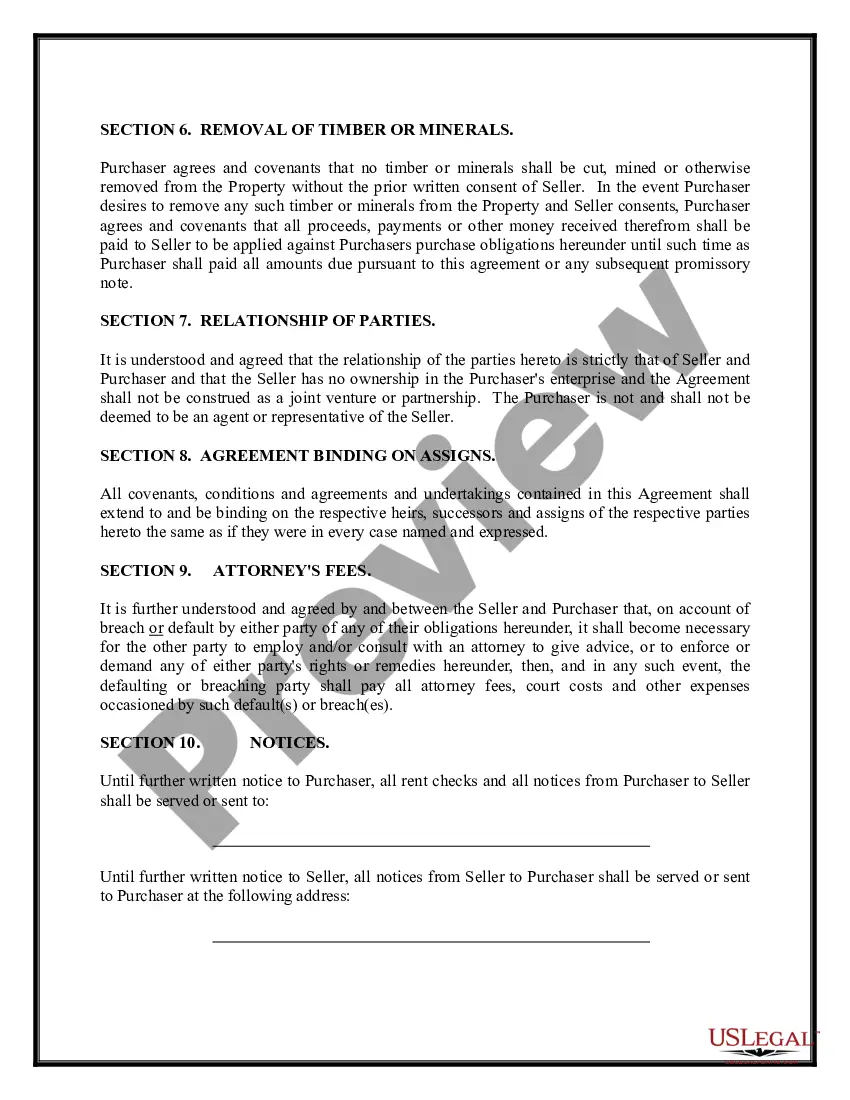
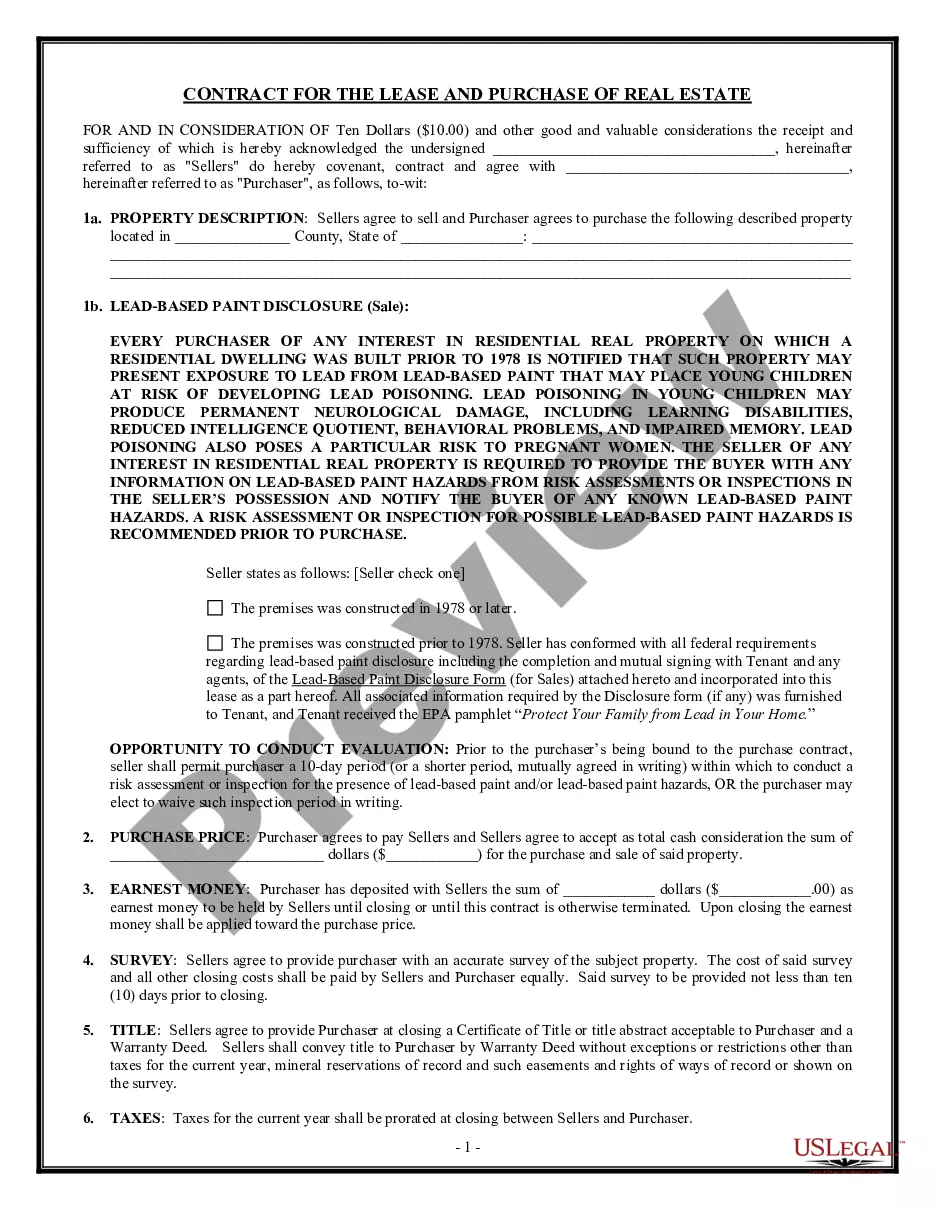
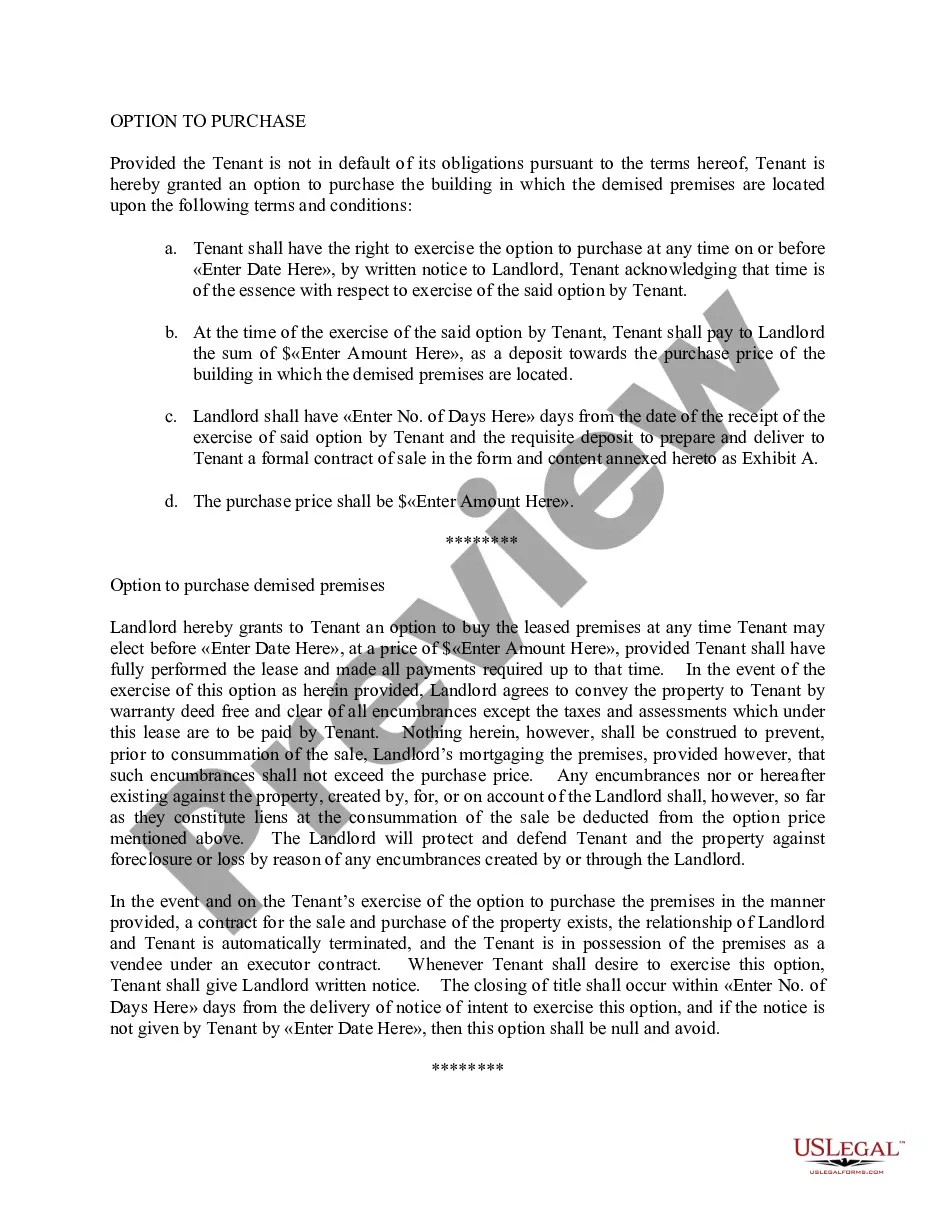
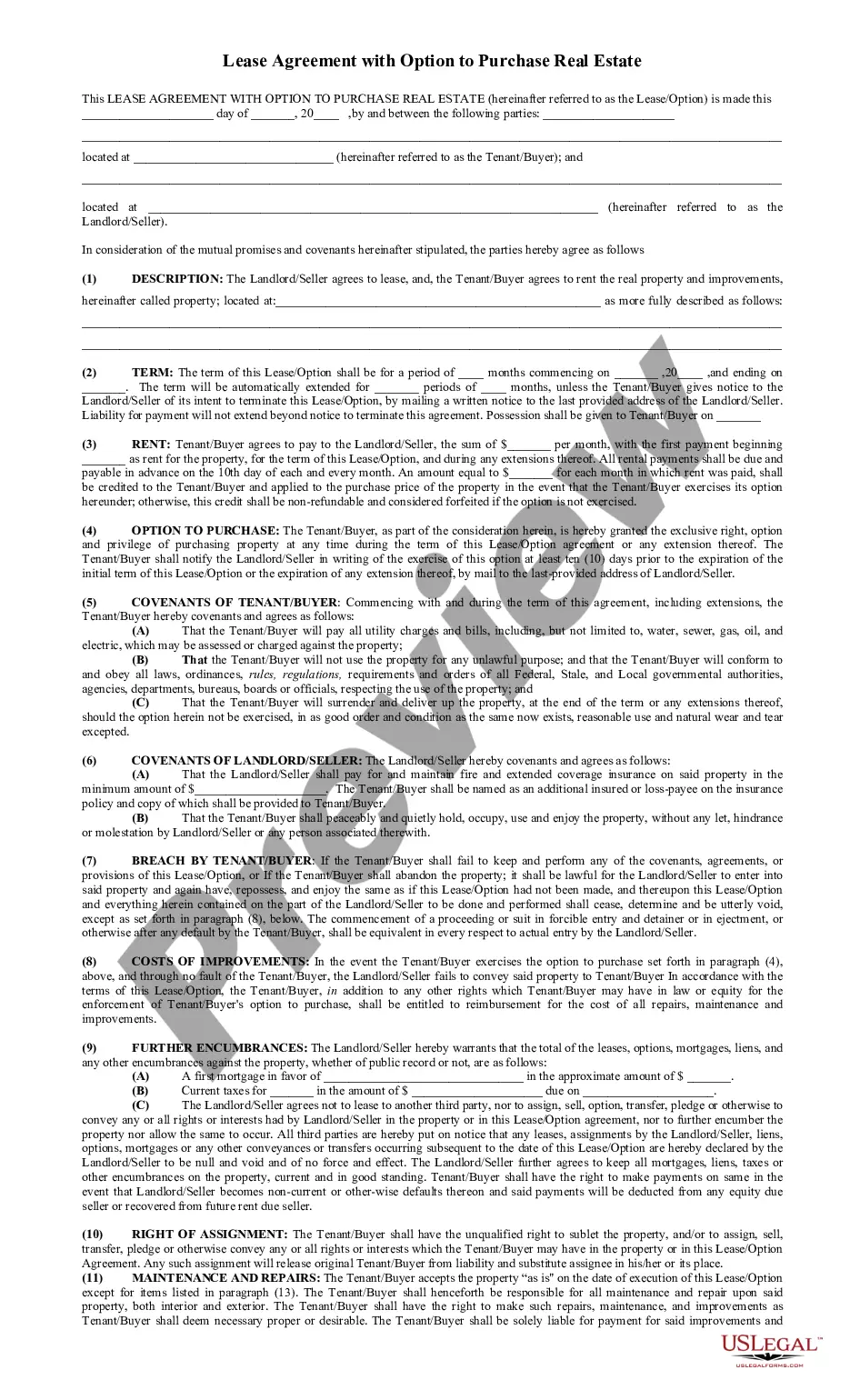
This Contract for the Lease and Mandatory Purchase of Real Estate establishes a legal agreement between a seller and purchaser. It includes a lease for a specified property alongside a mandatory purchase clause, requiring the purchaser to buy the property upon lease termination. This agreement is distinct from a standard lease or purchase agreement as it combines elements of both, ensuring a clear path to ownership following the rental period.
Key parts of this document
- Lease of Real Property: Details the property being leased and its intended use.
- Term: Specifies the lease duration and rent payment obligations.
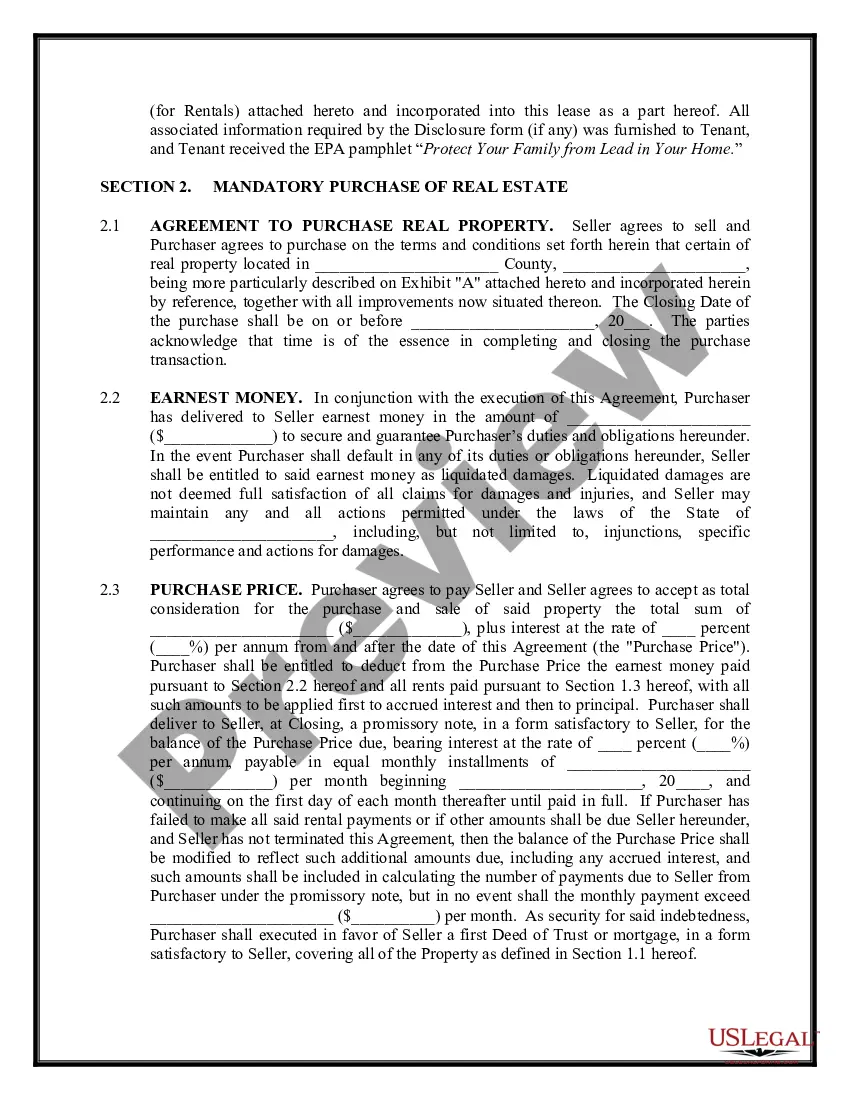
- Mandatory Purchase: Outlines the agreement for the purchaser to buy the property.
- Earnest Money: Requires a deposit to secure the purchaser's obligations.
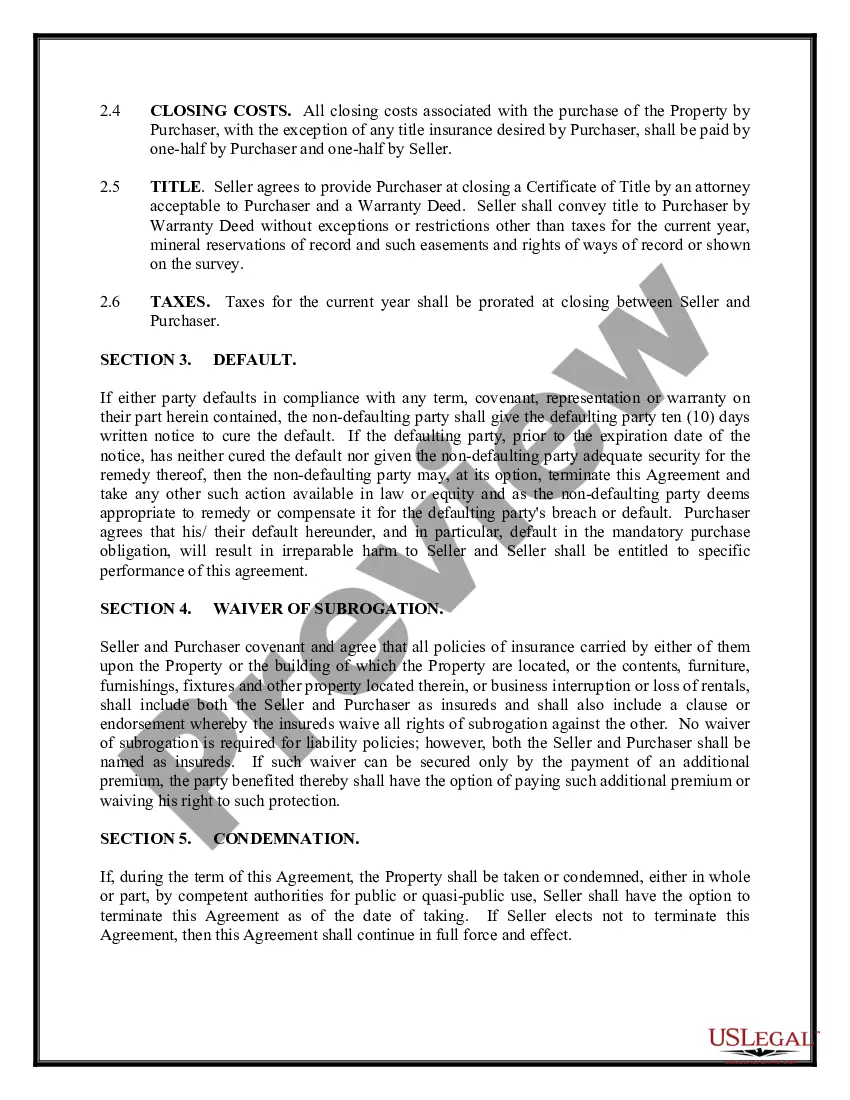
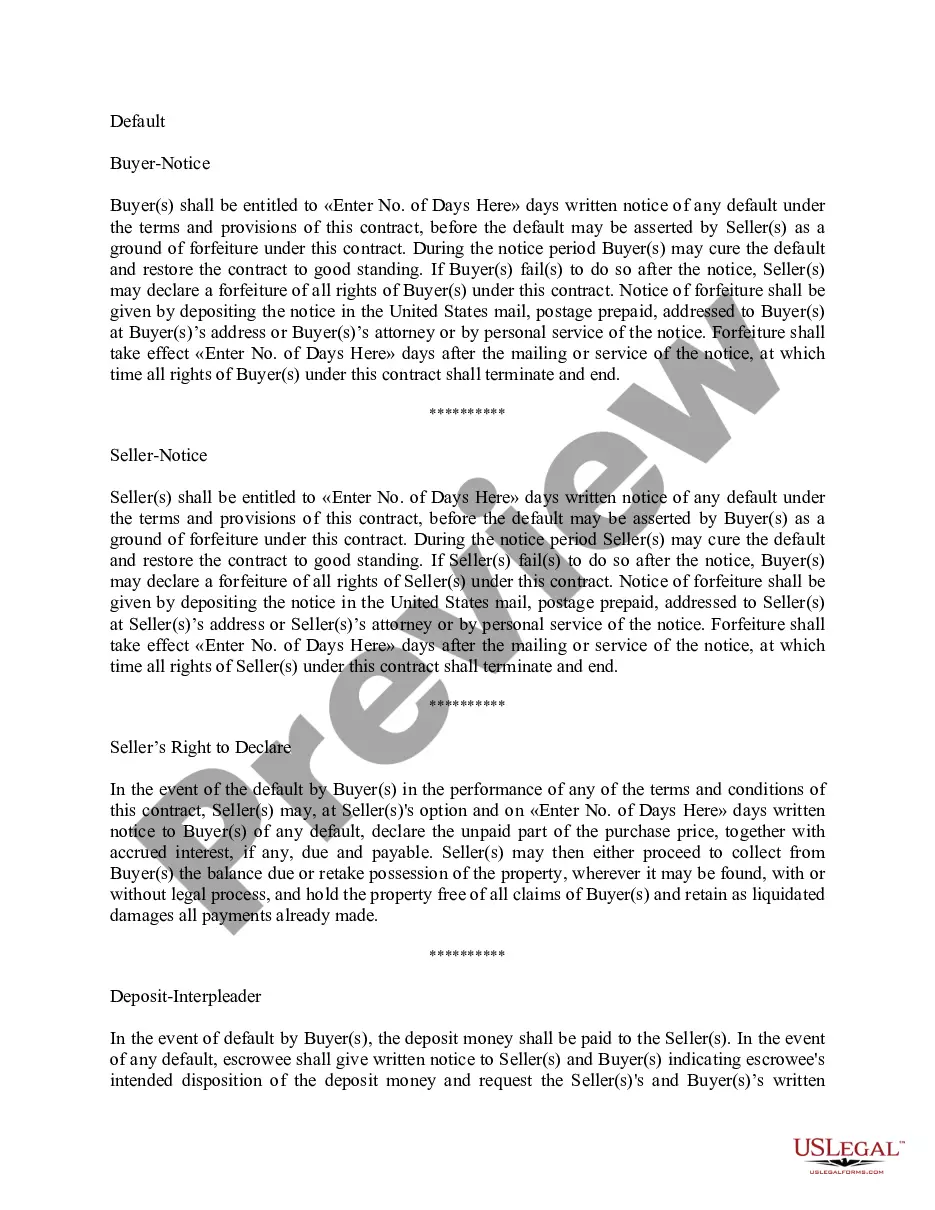
- Default Provisions: Details consequences for failing to comply with the terms.
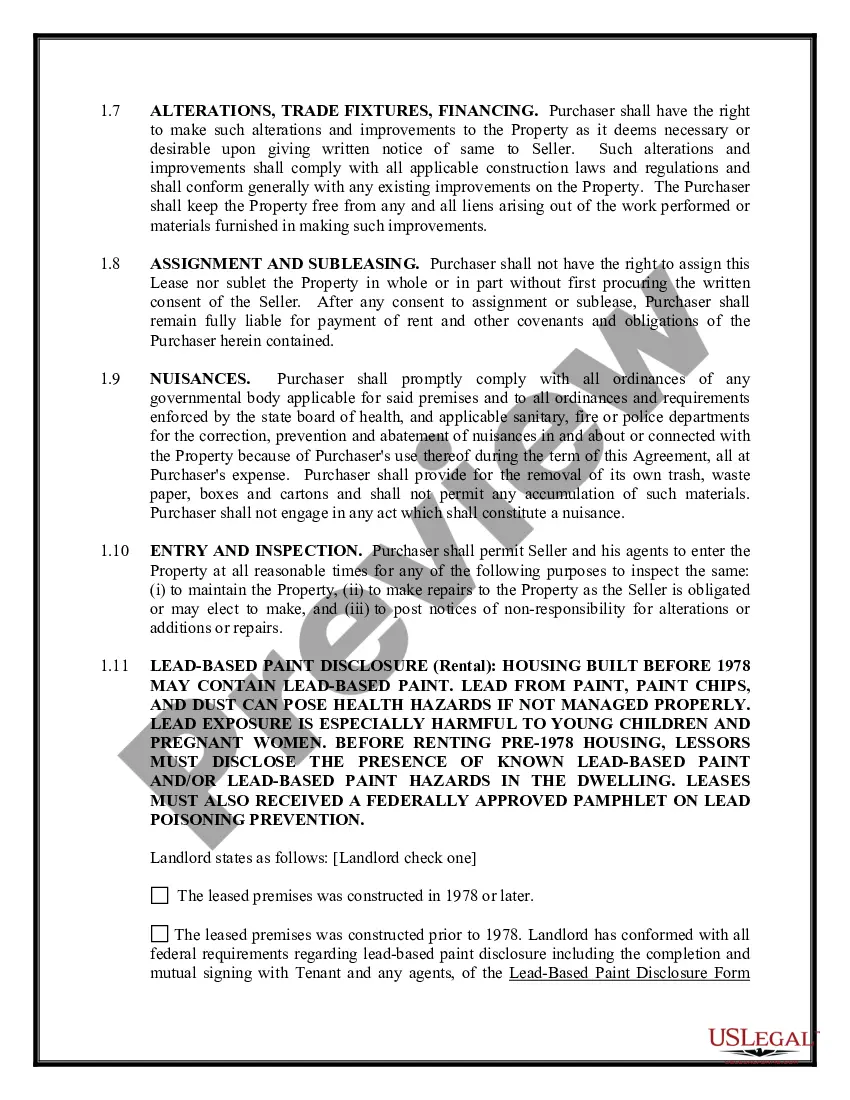
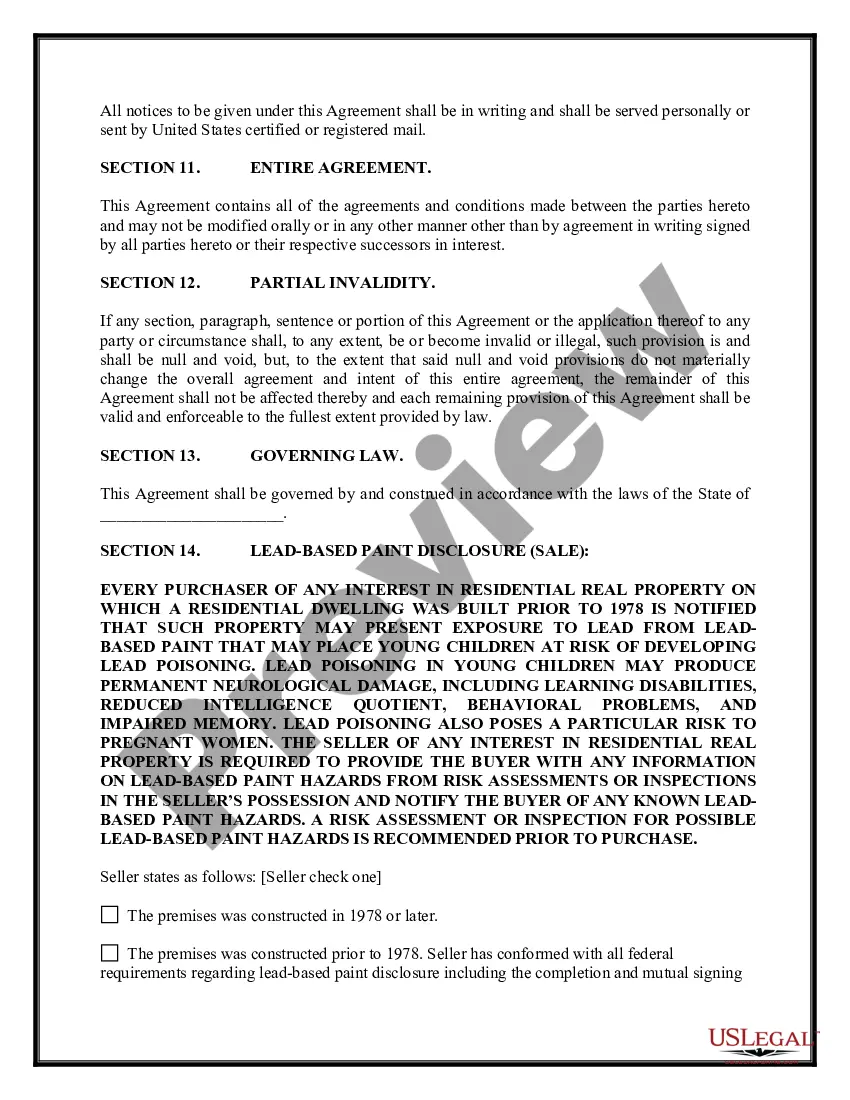
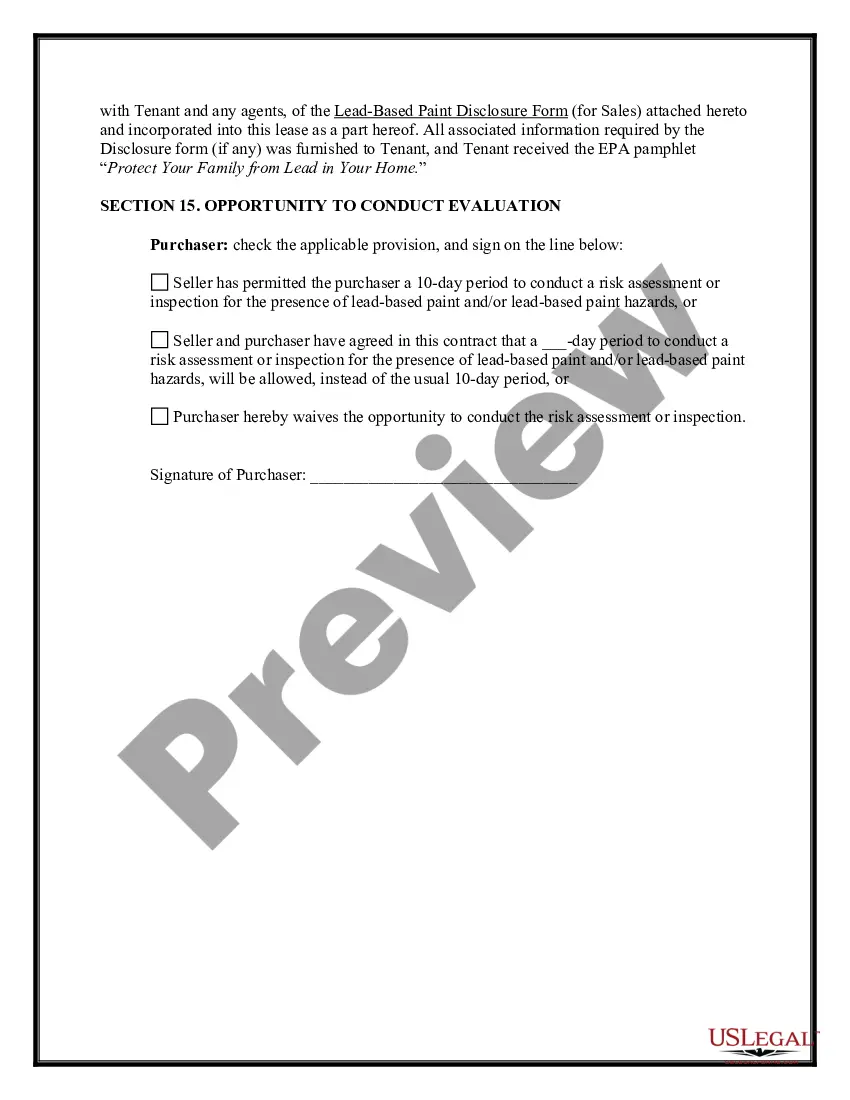
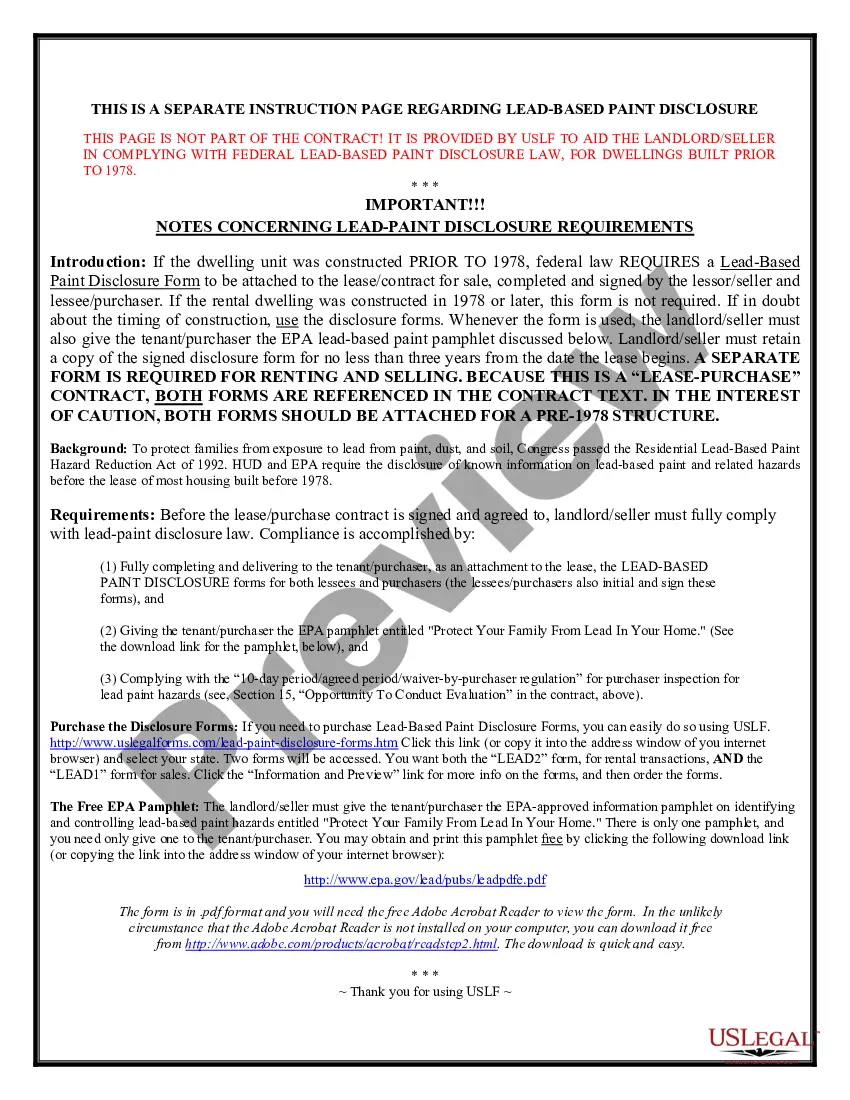
- Lead-Based Paint Disclosure: Complies with federal requirements for properties built before 1978.

Situations where this form applies
This form is appropriate for situations where a seller wishes to lease a property to a purchaser with the condition that the purchaser will buy the property at the end of the lease. It is useful for real estate transactions where both a lease agreement and a purchase agreement are desired in one document, often employed when the purchaser needs time to secure financing or evaluate the property before committing to the purchase.
Who should use this form
- Sellers of real estate looking to retain some control over the property while providing an option to purchase.
- Purchasers interested in leasing a property with an embedded obligation to buy.
- Real estate agents facilitating the arrangement between sellers and buyers.
- Investors who plan to rent a property with an intent to purchase it in the future.
Steps to complete this form
- Identify the parties: Fill in the names of the seller and purchaser.
- Specify the property: Enter the address and description of the real property involved.
- Detail the lease terms: Include the dates of the lease, the amount of rent, and payment details.
- Outline the purchase agreement: Provide the purchase price, closing date, and earnest money amount.
- Review all sections for completeness: Ensure all relevant clauses are filled out accurately.
Does this document require notarization?
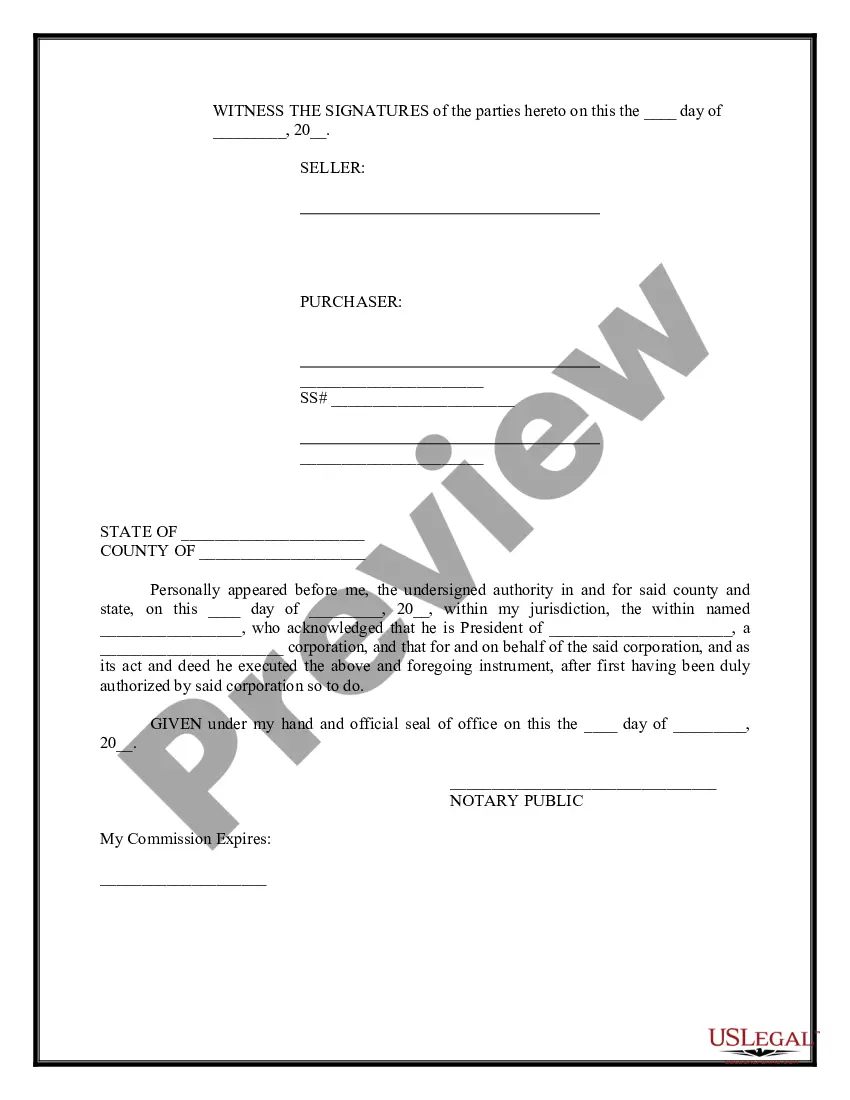
This form does not typically require notarization unless specified by local law. However, confirming the rules applicable in your jurisdiction is always advisable for legal compliance.
Get your form ready online
Our built-in tools help you complete, sign, share, and store your documents in one place.
Make edits, fill in missing information, and update formatting in US Legal Forms—just like you would in MS Word.
Download a copy, print it, send it by email, or mail it via USPS—whatever works best for your next step.
Sign and collect signatures with our SignNow integration. Send to multiple recipients, set reminders, and more. Go Premium to unlock E-Sign.
If this form requires notarization, complete it online through a secure video call—no need to meet a notary in person or wait for an appointment.
We protect your documents and personal data by following strict security and privacy standards.

Make edits, fill in missing information, and update formatting in US Legal Forms—just like you would in MS Word.

Download a copy, print it, send it by email, or mail it via USPS—whatever works best for your next step.

Sign and collect signatures with our SignNow integration. Send to multiple recipients, set reminders, and more. Go Premium to unlock E-Sign.

If this form requires notarization, complete it online through a secure video call—no need to meet a notary in person or wait for an appointment.

We protect your documents and personal data by following strict security and privacy standards.
Mistakes to watch out for
- Failing to specify the duration of the lease.
- Not including the earnest money or detailing its amount.
- Omitting necessary property details or descriptions.
- Neglecting the lead-based paint disclosure requirement for older properties.
- Ignoring local laws that may impose additional requirements on lease agreements.
Benefits of using this form online
- Convenience: Access and complete the contract from anywhere at any time.
- Editability: Easily modify the form to fit your specific agreement terms.
- Reliable templates: Forms are drafted by licensed attorneys ensuring compliance and clarity.
- Instant download: Get your legal documents quickly and without delays.
Legal use & context
- The contract establishes both leasing and purchase terms, which may be enforceable in legal disputes.
- Specific performance clauses allow the seller to enforce the purchase obligation if the tenant defaults.
- Compliance with local laws is essential for the enforceability of terms included in the contract.
Main things to remember
- This contract serves both leasing and purchasing functions in one agreement.
- Clear terms regarding use, rental payments, and purchase obligations are essential for enforcing the contract.
- Always consider state-specific requirements and necessary disclosures when using the form.
Looking for another form?

Form popularity
FAQ
Specific performance is a specialized remedy used by courts when no other remedy (such as money) will adequately compensate the other party. If a legal remedy will put the injured party in the position he or she would have enjoyed had the contract been fully performed, then the court will use that option instead.
A contractual remedy in which the court orders a party to actually perform its promise as closely as possible, because monetary damages are somehow inadequate to fix the harm. Most commonly ordered in cases involving real property and rare chattels. contracts.
The Supreme Court has held that under Section 19(a) and (b) of the Specific Relief Act, 1963, specific performance of a contract can be enforced against either party thereto and any person claiming under him by a title arising subsequent to the contract, except a transferee for value, who has paid his money in good
The contract to be specifically enforced must be mutual. The doctrine of mutuality means the contract must be mutually enforceable by each party against the other. It does not however mean that for every right there must be corresponding clause.
When Can Sellers Sue for Specific Performance? While sellers can sue for specific performance against a buyer over a failure to perform on a real estate contract, the remedy is rarely applicable and even more rarely sought.
Specific performance is a remedy in contract law that is most often applied in real estate litigation and disputes where a court issues an order requiring a party to perform a specific act, and to specifically perform according to the terms of a contract.
When Should a Court Enforce Specific Performance? Succinctly, specific performance is available when there exists: 1) a valid and binding contract; 2) definite and certain terms; 3) mutuality of obligation and remedy; 4) freedom from fraud and overreaching; and 5) lack of remedy at law.