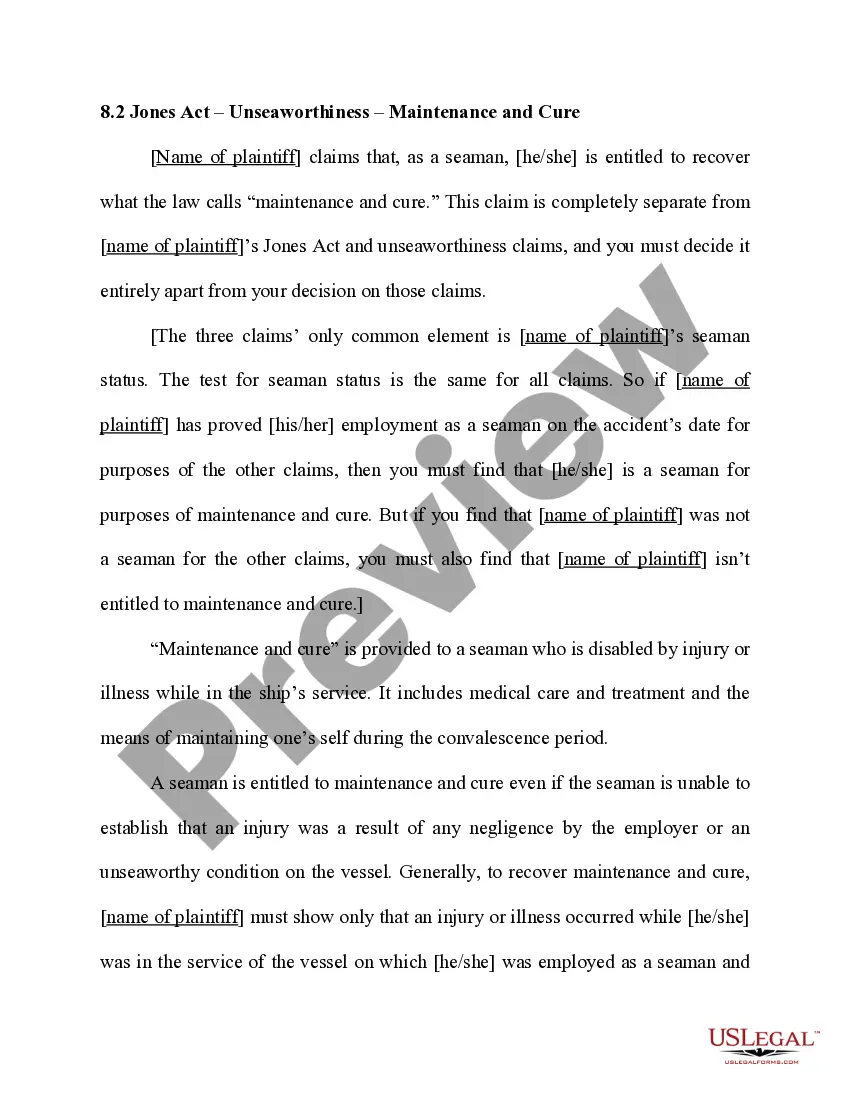
Factoring Agreement
What this document covers
A factoring agreement is a legal document that outlines the terms between a seller and a factor, where the seller assigns accounts receivable to the factor in exchange for immediate cash. Unlike brokers, factors take possession of the goods or receivables, often lending money based on these assets. This form is essential in business transactions where companies seek to improve cash flow by selling their accounts receivable.
Main sections of this form
- Assignment of Accounts Receivable: Details on transferring ownership of receivables from the seller to the factor.
- Sales and Delivery: Provisions regarding how sales will be recorded and communicated to customers.
- Credit Approval: Criteria for customer credit that the factor must approve prior to sales.
- Assumption of Credit Risks: Defines which parties are responsible for losses due to non-payment.
- Purchase Price: The method of calculating the amount owed to the seller after fees.
- Termination Clause: Conditions under which either party may terminate the agreement.









Common use cases
This form is particularly useful for businesses that rely on credit sales and have large accounts receivable. Companies facing cash flow issues, or those looking to expand their operations without waiting for clients to pay their invoices, can greatly benefit from a factoring agreement. It is recommended when immediate funding is essential for operational continuity.
Who should use this form
This form is intended for:
- Manufacturing companies with significant accounts receivable.
- Businesses needing immediate cash for operational expenses.
- Companies looking to outsource the collection of overdue accounts.
- Financial institutions acting as factors in financing arrangements.
How to prepare this document
- Identify the parties: Enter the names and addresses of both the factor and the seller.
- Specify the date: Fill in the date when the agreement is made.
- Define the accounts receivable: Clearly list the accounts being assigned and any relevant terms.
- Establish credit limits: Include any credit limits specified by the factor for sales approval.
- Sign and date the document: Both parties must sign to validate the agreement.
Is notarization required?
This form does not typically require notarization unless specified by local law. Always check your jurisdiction for specific requirements regarding notarization and the assignment of accounts receivable.
Get your form ready online
Our built-in tools help you complete, sign, share, and store your documents in one place.
Make edits, fill in missing information, and update formatting in US Legal Forms—just like you would in MS Word.
Download a copy, print it, send it by email, or mail it via USPS—whatever works best for your next step.
Sign and collect signatures with our SignNow integration. Send to multiple recipients, set reminders, and more. Go Premium to unlock E-Sign.
If this form requires notarization, complete it online through a secure video call—no need to meet a notary in person or wait for an appointment.
We protect your documents and personal data by following strict security and privacy standards.

Make edits, fill in missing information, and update formatting in US Legal Forms—just like you would in MS Word.

Download a copy, print it, send it by email, or mail it via USPS—whatever works best for your next step.

Sign and collect signatures with our SignNow integration. Send to multiple recipients, set reminders, and more. Go Premium to unlock E-Sign.

If this form requires notarization, complete it online through a secure video call—no need to meet a notary in person or wait for an appointment.

We protect your documents and personal data by following strict security and privacy standards.
Common mistakes
- Failing to verify customer credit before sale approval.
- Not properly assigning accounts to the factor as stipulated in the agreement.
- Neglecting to keep track of receivables that have been sold.
- Forgetting to notify customers about the assignment of their accounts.
Why use this form online
- Instant access to a professionally designed document without the need for lengthy legal consultations.
- Edit and tailor the form to meet business-specific requirements easily.
- Reliable formatting ensures compliance with legal standards.
- Downloadable format allows for easy sharing and filing.
Legal use & context
- This agreement outlines the legal transfer of accounts receivable, ensuring enforceability in financial transactions.
- Both parties should understand the implications of credit risks and obligations set forth in the agreement.
- Failure to comply with terms may lead to disputes, making it essential to follow proper protocols.
Main things to remember
- A factoring agreement is essential for businesses needing immediate cash flow from receivables.
- Clear identification and terms are critical for the agreement to be valid and enforceable.
- Compliance with local laws and regulations is necessary to avoid legal complications.
Looking for another form?

Form popularity
FAQ
Factor, in mathematics, a number or algebraic expression that divides another number or expression evenlyi.e., with no remainder.For example, 3 and 6 are factors of 12 because 12 ÷ 3 = 4 exactly and 12 A· 6 = 2 exactly. The other factors of 12 are 1, 2, 4, and 12.
The factoring company pays you the bulk of the invoiced amount immediately, typically up to 80-90% of the value, after verifying that the invoices are valid. Your customers pay the factoring company directly.The factoring company pays you the remaining invoice amount minus their fee once they've been paid in full.
What Is a Factoring Agreement? A company and a factor enter into an agreement in which the factor purchases a company's accounts receivable (such purchased accounts are called factored accounts), collects on the factored accounts, then pays the company the purchase price of the accounts.
Finance for the supplier, including loans and advance payments. maintenance sales ledger. collection of receivables. protection against default in payment by debtors.
Factoring is a financial transaction and a type of debtor finance in which a business sells its accounts receivable (i.e., invoices) to a third party (called a factor) at a discount. A business will sometimes factor its receivable assets to meet its present and immediate cash needs.
Mastering the terms used. Factoring Terminologies. Knowing the payment habits of your customer. The success of Invoice factoring for small businesses is largely based on the business credit score. The rates, the fees, and the charges. Knowing the needs of your business.
There are two types of factoring, recourse, and non-recourse, and while they may seem similar, there is one major difference between the two.
It is very costly. In factoring there are three parties: The seller, the debtor and the factor. It helps to generate an immediate inflow of cash. Here the full liability of debtor has been assumed by the factor. Factor has the right to take any legal action required to recover the debts.