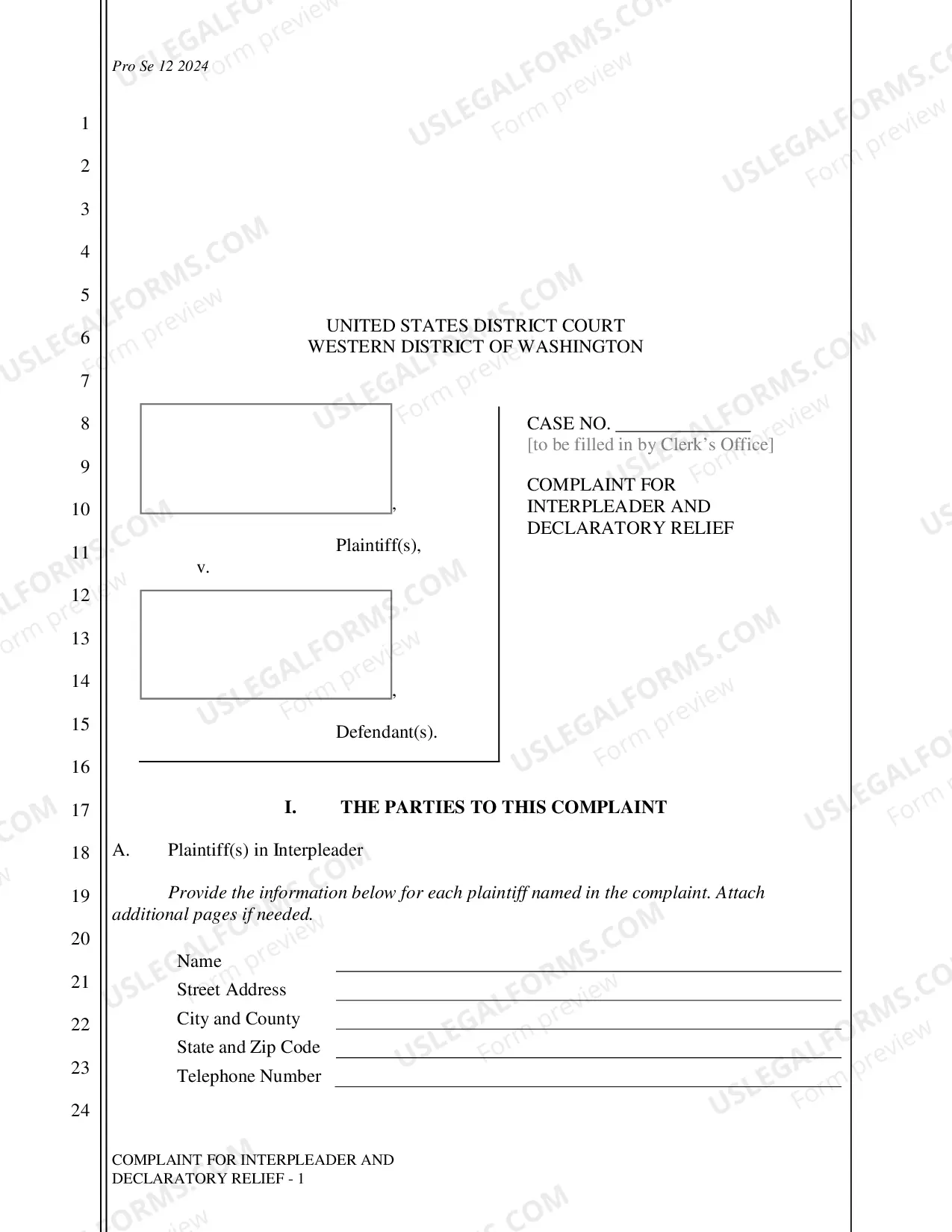
Texas Residential Rental Lease Application
About this form
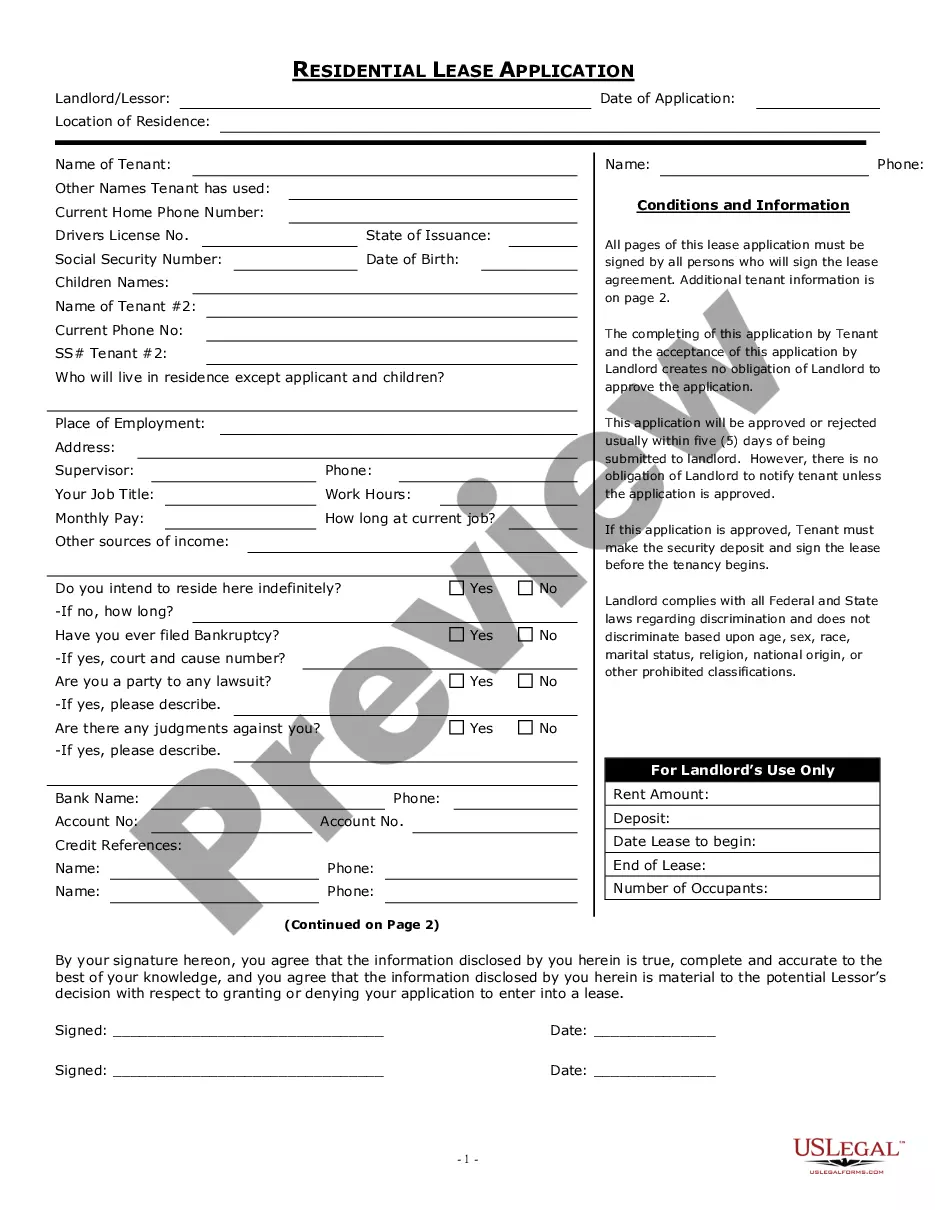
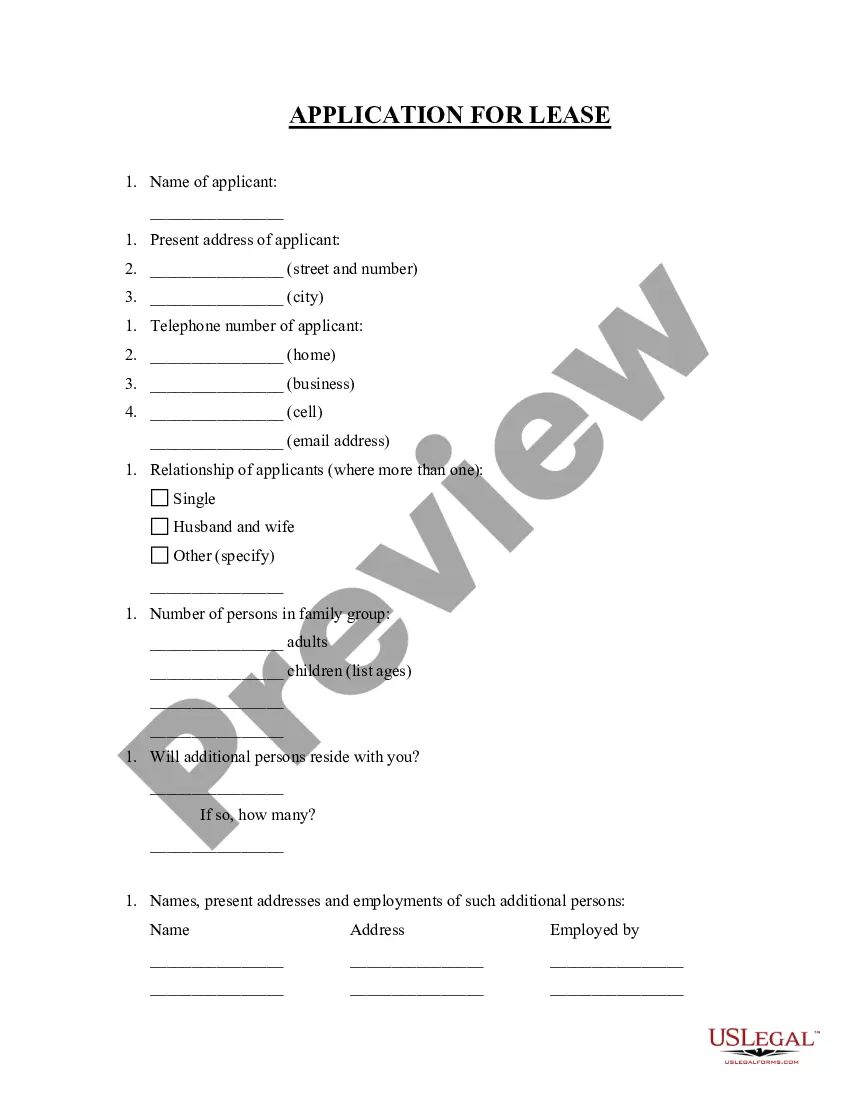
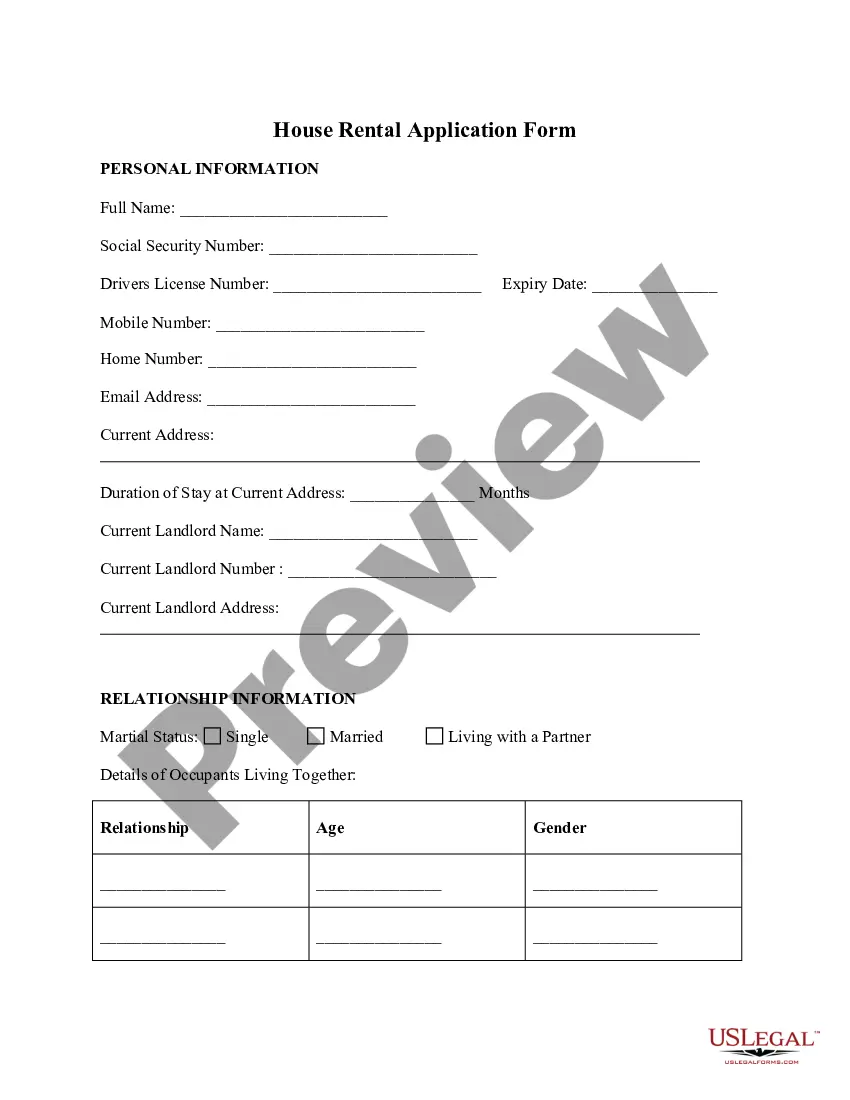
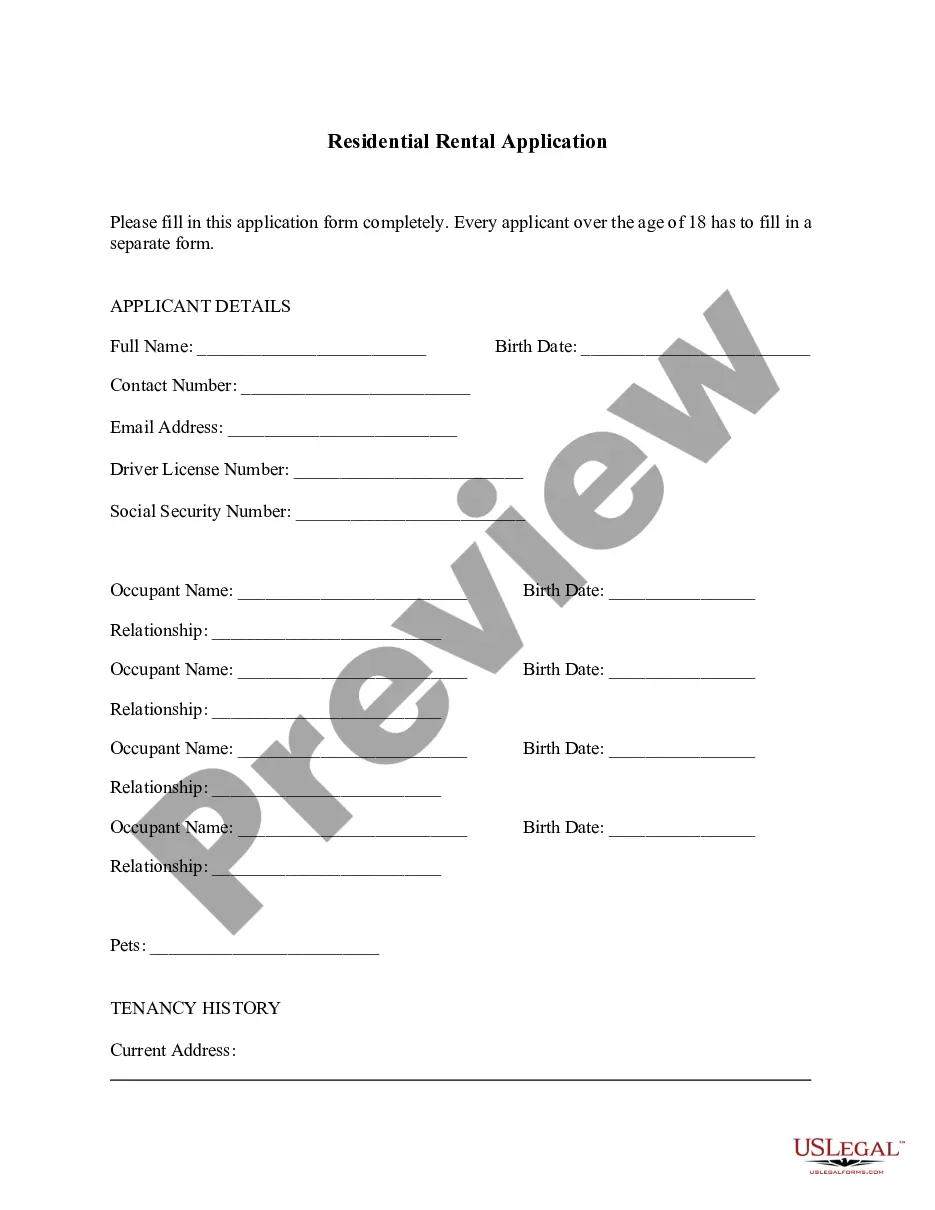
The Residential Rental Lease Application is a crucial document used by landlords to evaluate prospective tenants. This application allows potential renters to provide necessary information, enabling landlords to assess their eligibility for a rental property. Unlike other rental forms, this application specifically focuses on gathering detailed personal and financial information to facilitate a thorough screening process.
What’s included in this form
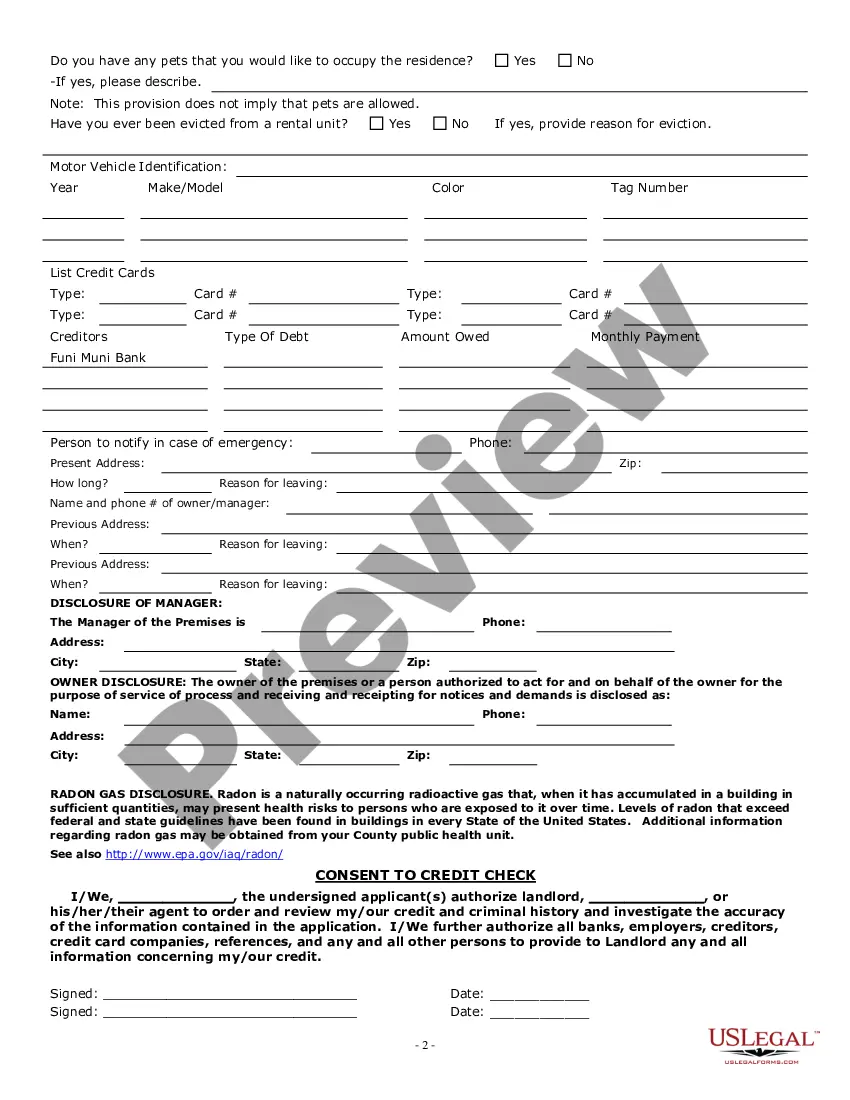
- Identification details of the tenant, including name and contact information.
- Consent for background and credit checks to assess tenant suitability.
- Disclosure statements outlining the landlord's obligations and anti-discrimination policies.
- Sections for rental specifics such as desired rent amount, security deposit, and tenancy dates.
- Signatures of the tenant acknowledging the accuracy of provided information.

When this form is needed
This form should be used when a landlord wants to screen potential tenants before entering into a lease agreement. It's essential for situations such as preparing to rent out residential properties, ensuring compliance with legal standards for tenant evaluation, and collecting necessary information for background and credit checks.
Who needs this form
The following individuals should consider using this form:
- Landlords looking to rent out their property and select reliable tenants.
- Property management companies performing tenant screenings on behalf of landlords.
- Tenants applying for rental properties and needing to provide financial and personal information.
Instructions for completing this form
- Enter your personal information, including your full name, address, and contact details.
- Provide relevant employment and financial information to demonstrate income stability.
- Sign the consent section for credit and background checks, authorizing the landlord to verify your application details.
- Review all sections for accuracy and ensure all required fields are filled before submission.
- Submit the completed application to the landlord within the specified timeframe.
Notarization guidance
This form does not typically require notarization to be legally valid. However, some jurisdictions or document types may still require it. US Legal Forms provides secure online notarization powered by Notarize, available 24/7 for added convenience.
Get your form ready online
Our built-in tools help you complete, sign, share, and store your documents in one place.
Make edits, fill in missing information, and update formatting in US Legal Forms—just like you would in MS Word.
Download a copy, print it, send it by email, or mail it via USPS—whatever works best for your next step.
Sign and collect signatures with our SignNow integration. Send to multiple recipients, set reminders, and more. Go Premium to unlock E-Sign.
If this form requires notarization, complete it online through a secure video call—no need to meet a notary in person or wait for an appointment.
We protect your documents and personal data by following strict security and privacy standards.

Make edits, fill in missing information, and update formatting in US Legal Forms—just like you would in MS Word.

Download a copy, print it, send it by email, or mail it via USPS—whatever works best for your next step.

Sign and collect signatures with our SignNow integration. Send to multiple recipients, set reminders, and more. Go Premium to unlock E-Sign.

If this form requires notarization, complete it online through a secure video call—no need to meet a notary in person or wait for an appointment.

We protect your documents and personal data by following strict security and privacy standards.
Mistakes to watch out for
- Failing to provide complete contact and employment information.
- Not signing the consent for background checks properly.
- Omitting to review the information for accuracy before submission.
- Submitting the application after the deadline set by the landlord.
Benefits of using this form online
- Convenient access to fill out and download the form at any time.
- Quick edits can be made to correct information easily.
- Reliable templates created based on legal standards and best practices.
- Instant availability ensures timely submission to landlords.
Summary of main points
- The Residential Rental Lease Application is essential for prospective tenants.
- Complete and accurate information is crucial for approval.
- Landlords are obliged to follow fair housing laws during the selection process.
- Utilizing an online platform simplifies and ensures accuracy in application submission.
Looking for another form?

Form popularity
FAQ
Collect each party's information. Include specifics about your property. Consider all of the property's utilities and services. Know the terms of your lease. Set the monthly rent amount and due date. Calculate any additional fees. Determine a payment method. Consider your rights and obligations.
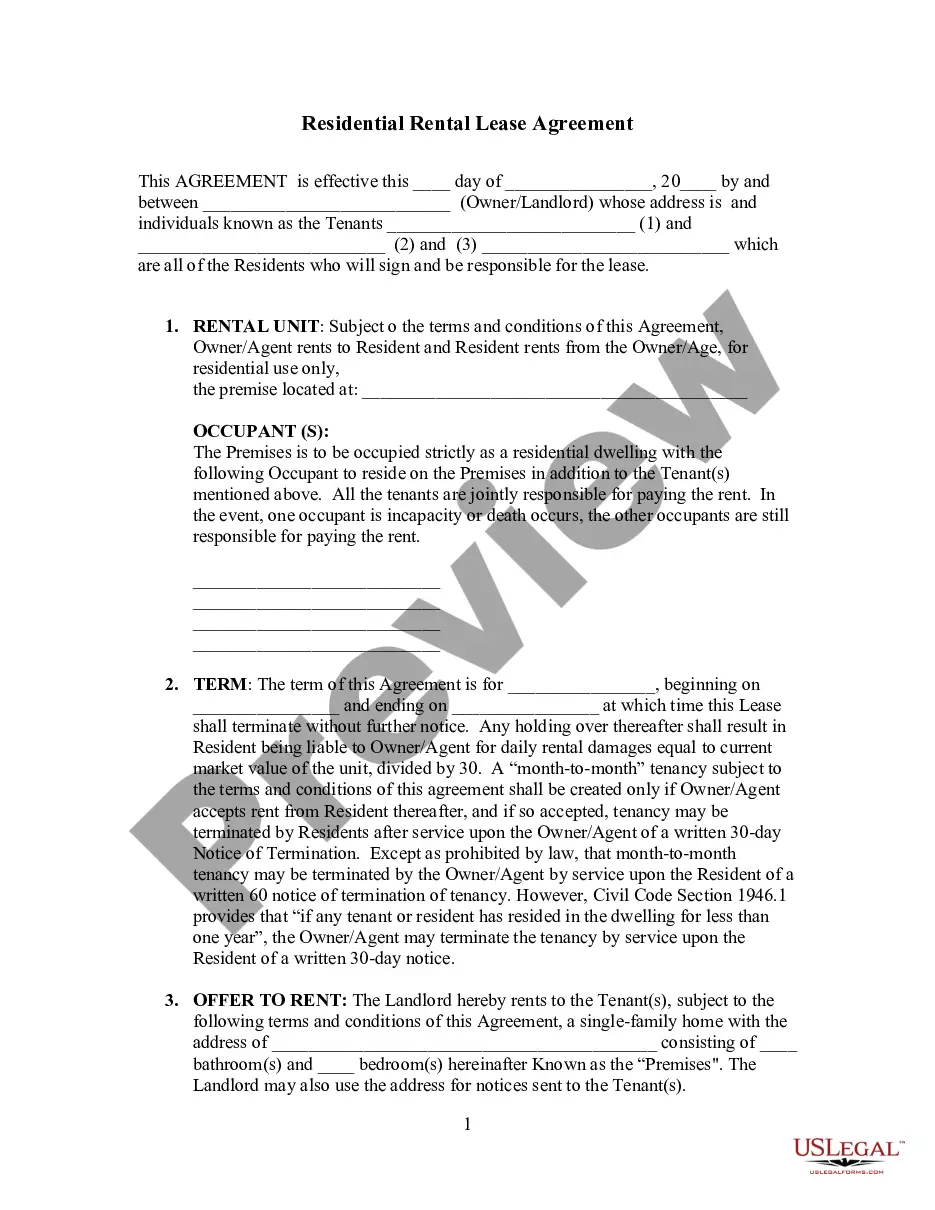
If you're thinking of renting out your property, or you're a tenant, and the current owner doesn't already have an agreement drawn up, it's possible to create your own rental contract.
What should you write on a rental application letter? It's quite simple: Write a few short paragraphs about who you are, what you do for a living and perhaps the reason for your move. If you're applying as a group for a property you intend to share, briefly introduce each housemate.
The Lease Must be in Writing It does not matter if the lease is handwritten or typed. If the lease is for more than one year, it must be in written form and contain the following terms.
Terms. The lease should state the length of the agreement. Rent. The amount of rent and when it is due. Deposits and fees. The names of all tenants. Occupancy limits. Restrictions on disruptive activity. Pets. Maintenance and repairs.
At the open for inspection. Dress smartly. Be on time. Your application form. Ask how the agent prefers to receive the application. Fill it out completely. Supporting information and other considerations. After your application, your next chance to impress a property manager is with your references.
Make sure you have all the correct documentation. Save time and apply online. Get your housemates into gear. Be on time to inspections. Be presentable at the inspection. Be reasonable and pleasant on the day of the inspection. Follow up.
Names of all tenants. Limits on occupancy. Term of the tenancy. Rent. Deposits and fees. Repairs and maintenance. Entry to rental property. Restrictions on tenant illegal activity.
As long as the contract spells out specific details and both parties have signed that they agree to the contract's terms, a handwritten contract is legally binding and enforceable in court.