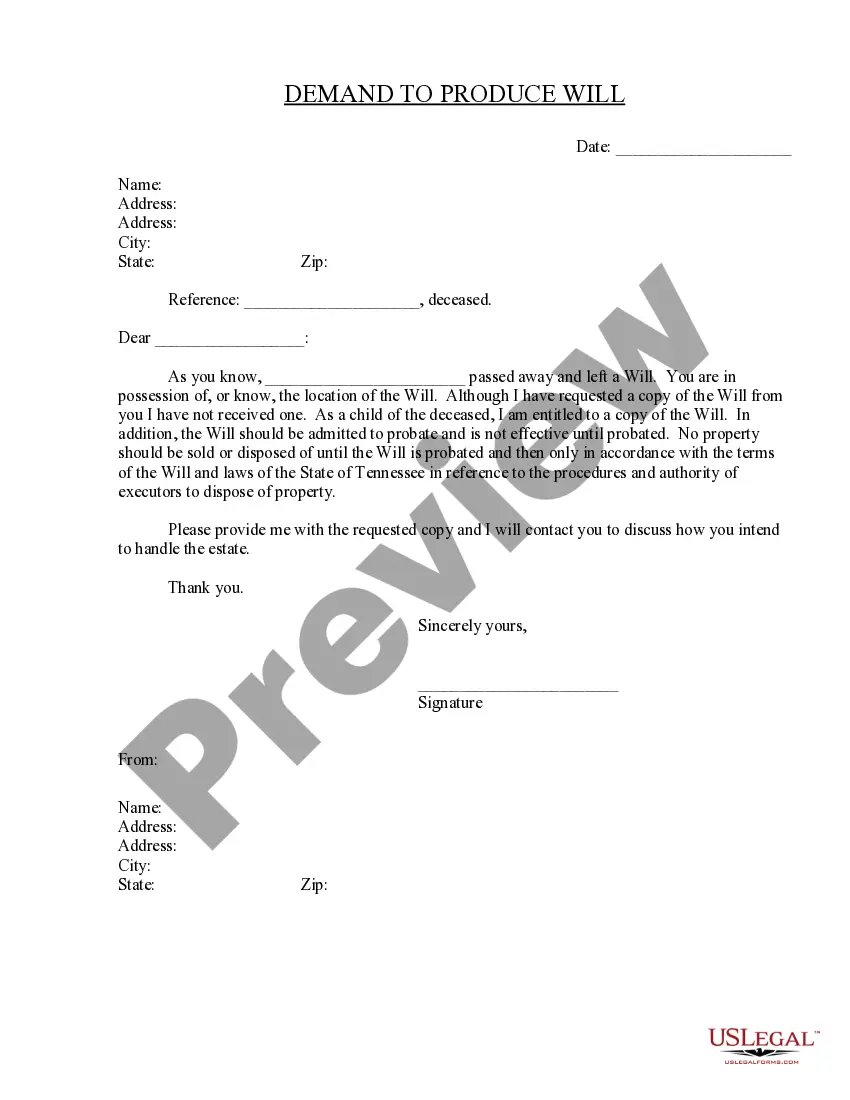
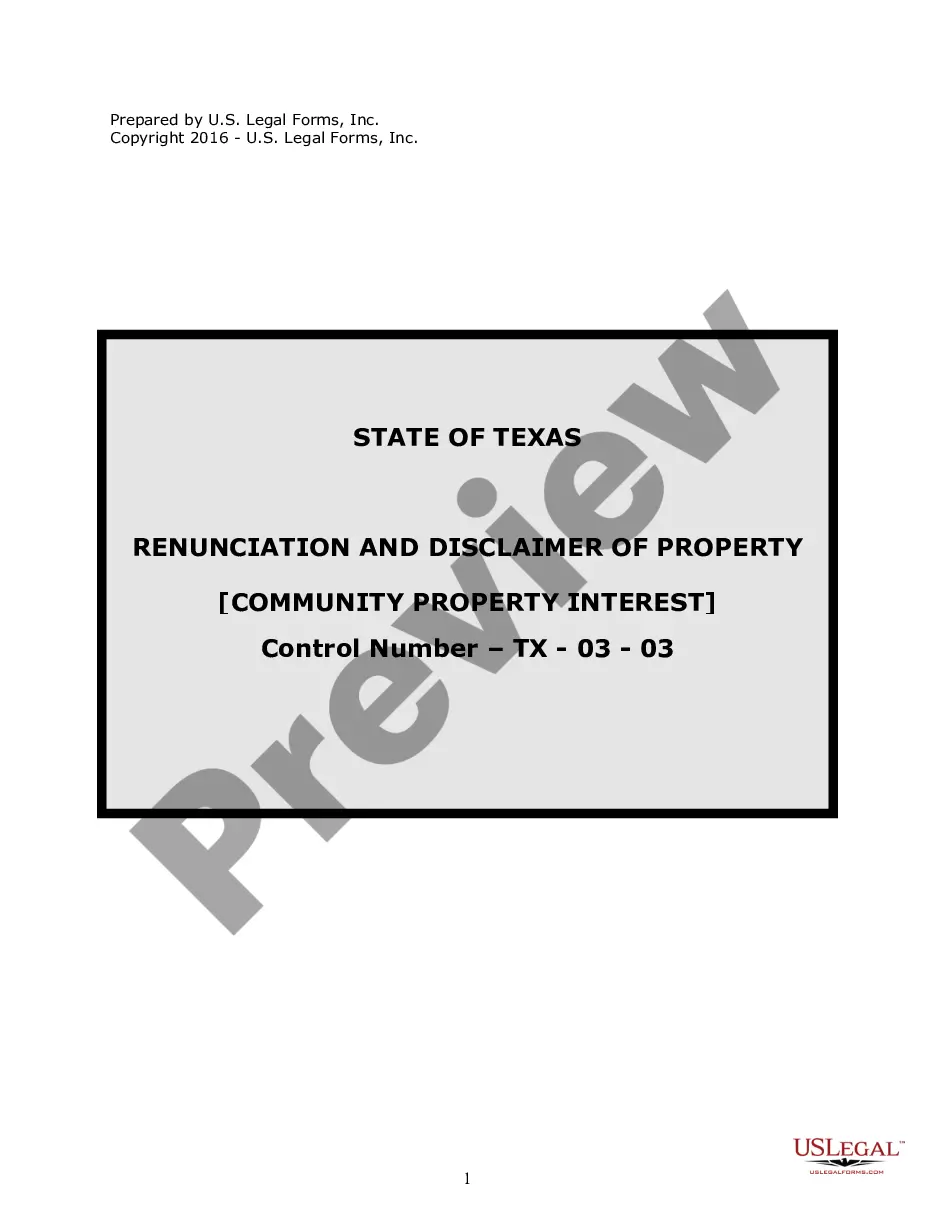
Texas Renunciation And Disclaimer of Property - Community Property Interest
About this form
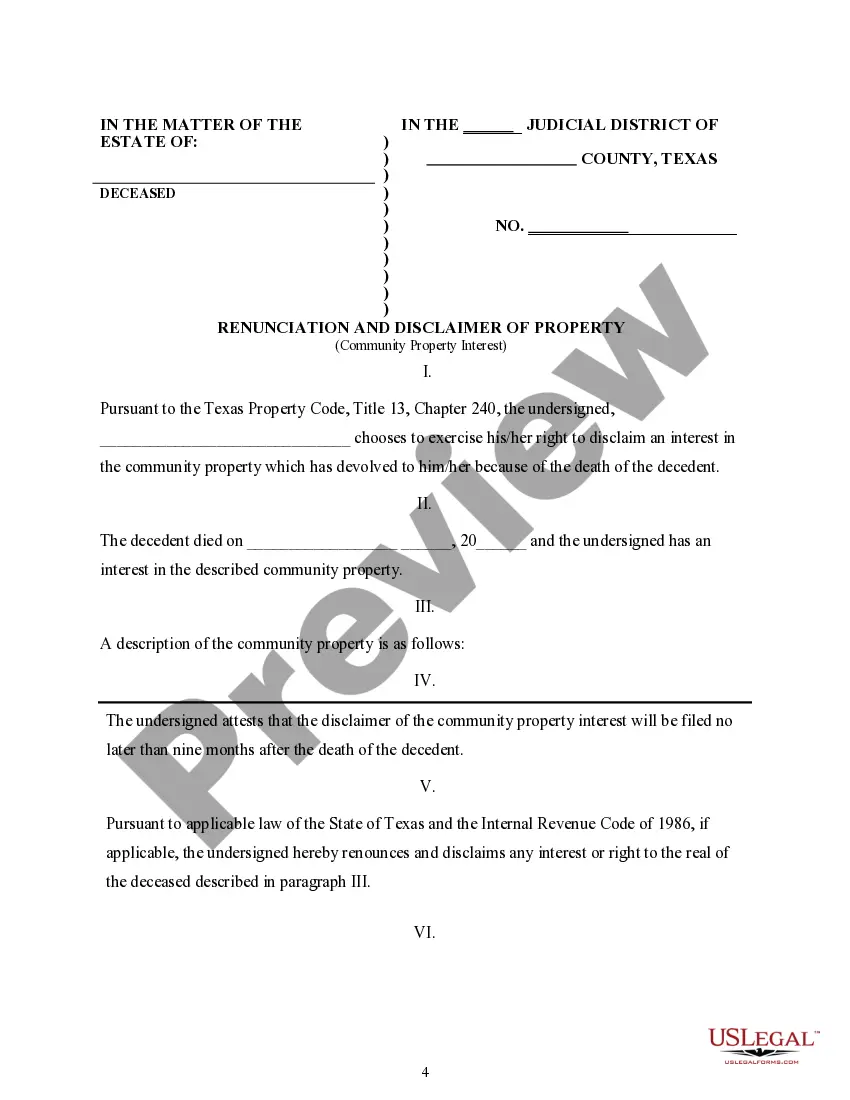
The Renunciation and Disclaimer of Property - Community Property Interest form allows a beneficiary to legally refuse their right to a community property interest that has devolved upon the death of a decedent. This form is specific to Texas law and ensures that the property is transferred to other heirs as if the beneficiary had predeceased the decedent, preserving their wishes and interests. It differs from other property disclaimers by focusing specifically on community property within the state of Texas.
Key components of this form
- Section I: States the decision to disclaim the community property interest.
- Section II: Records the date of the decedent's death.
- Section III: Describes the community property involved.
- Section IV: Confirms that the disclaimer will be filed within the required time frame.
- Section V: Renounces any interest in the property specified.
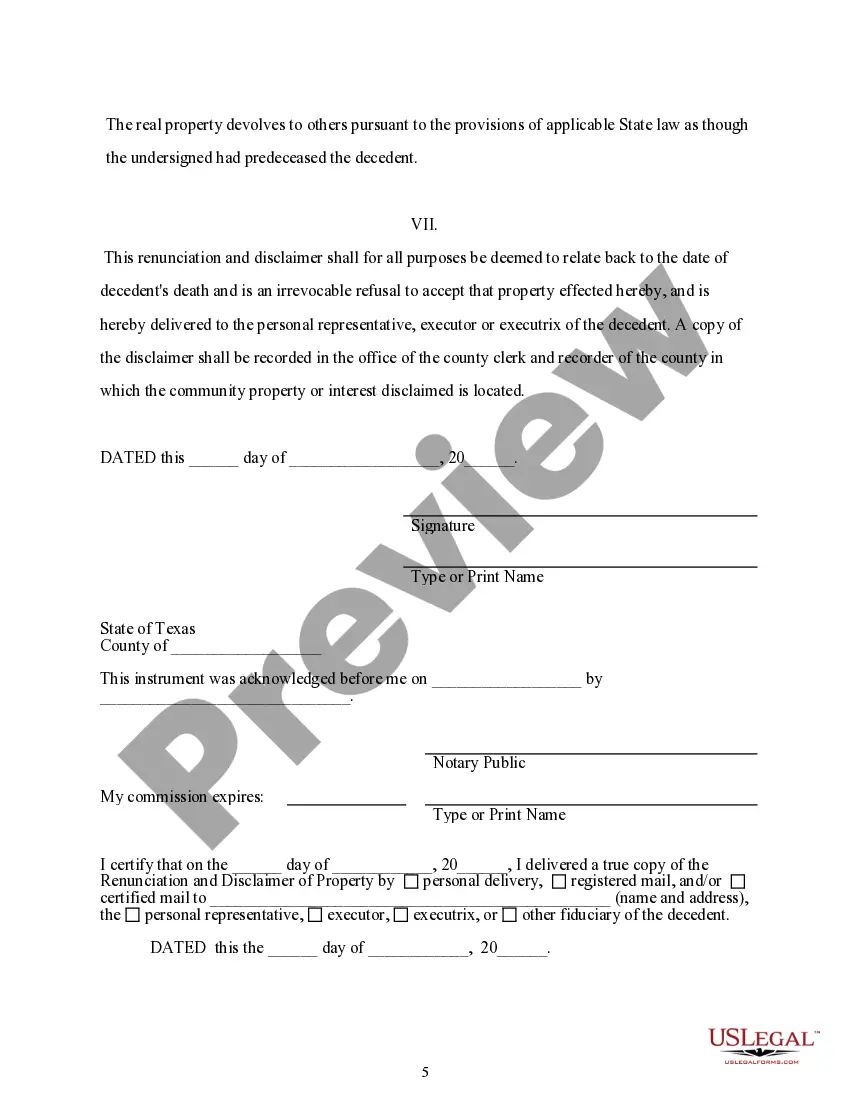
- Section VI: Details that property will devolve to other beneficiaries as if the signer predeceased the decedent.
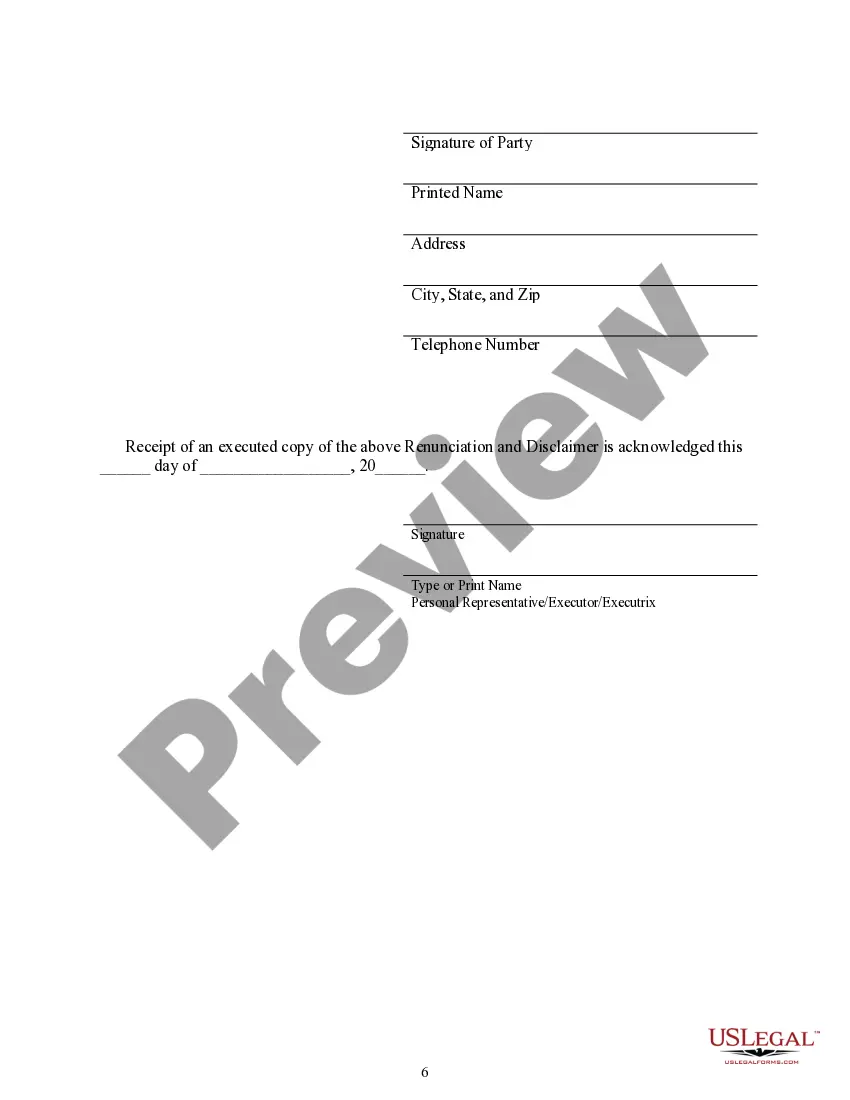
- Signature lines for the disclaiming beneficiary and required date.

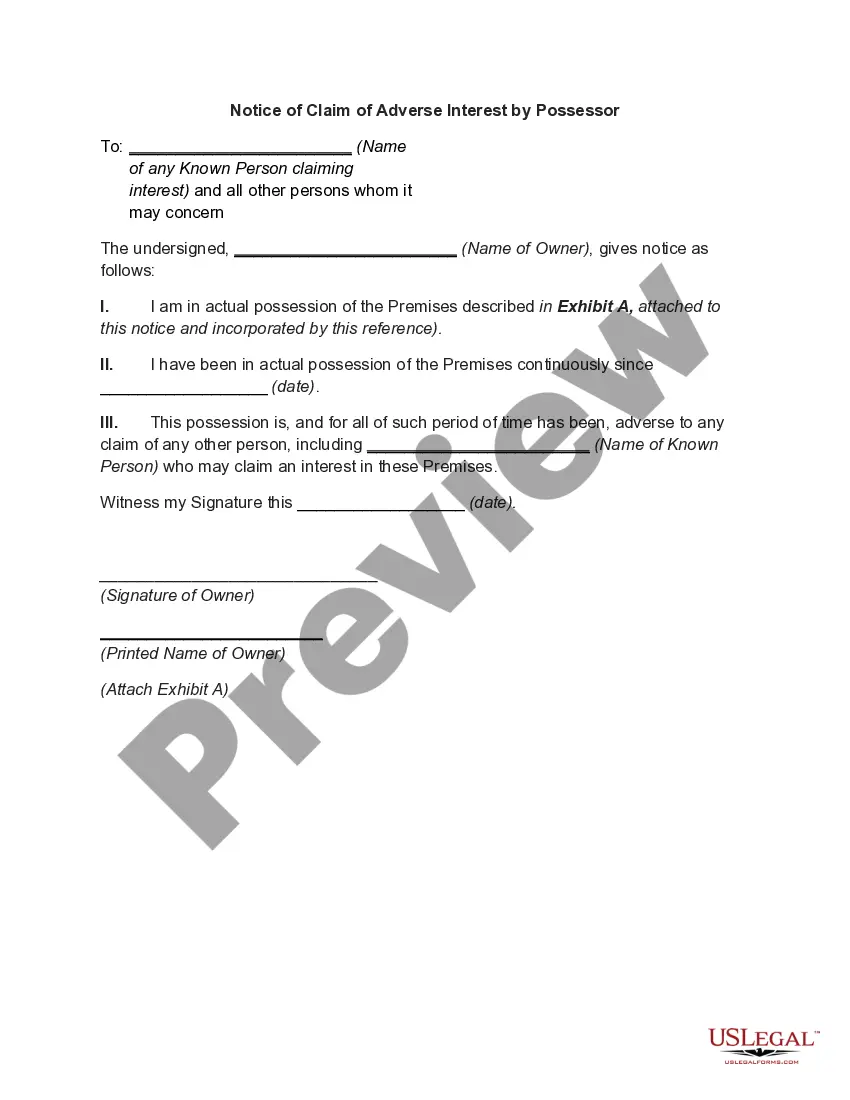
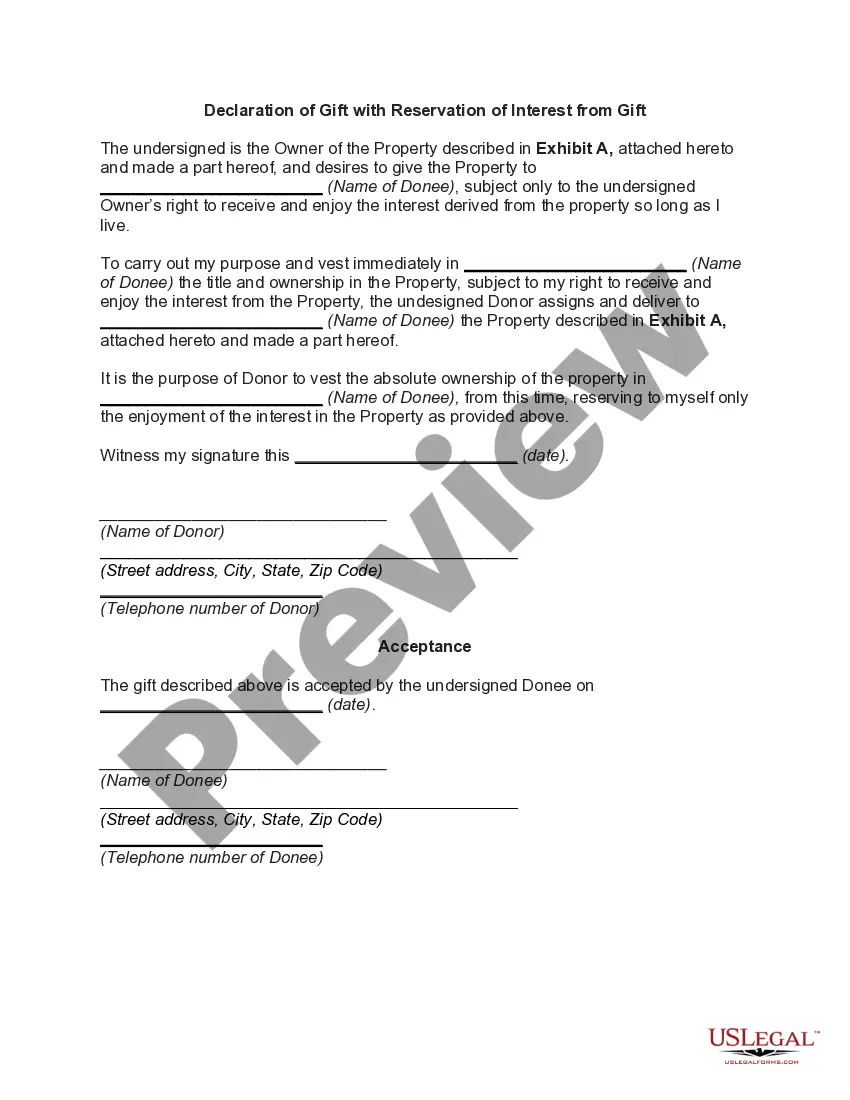
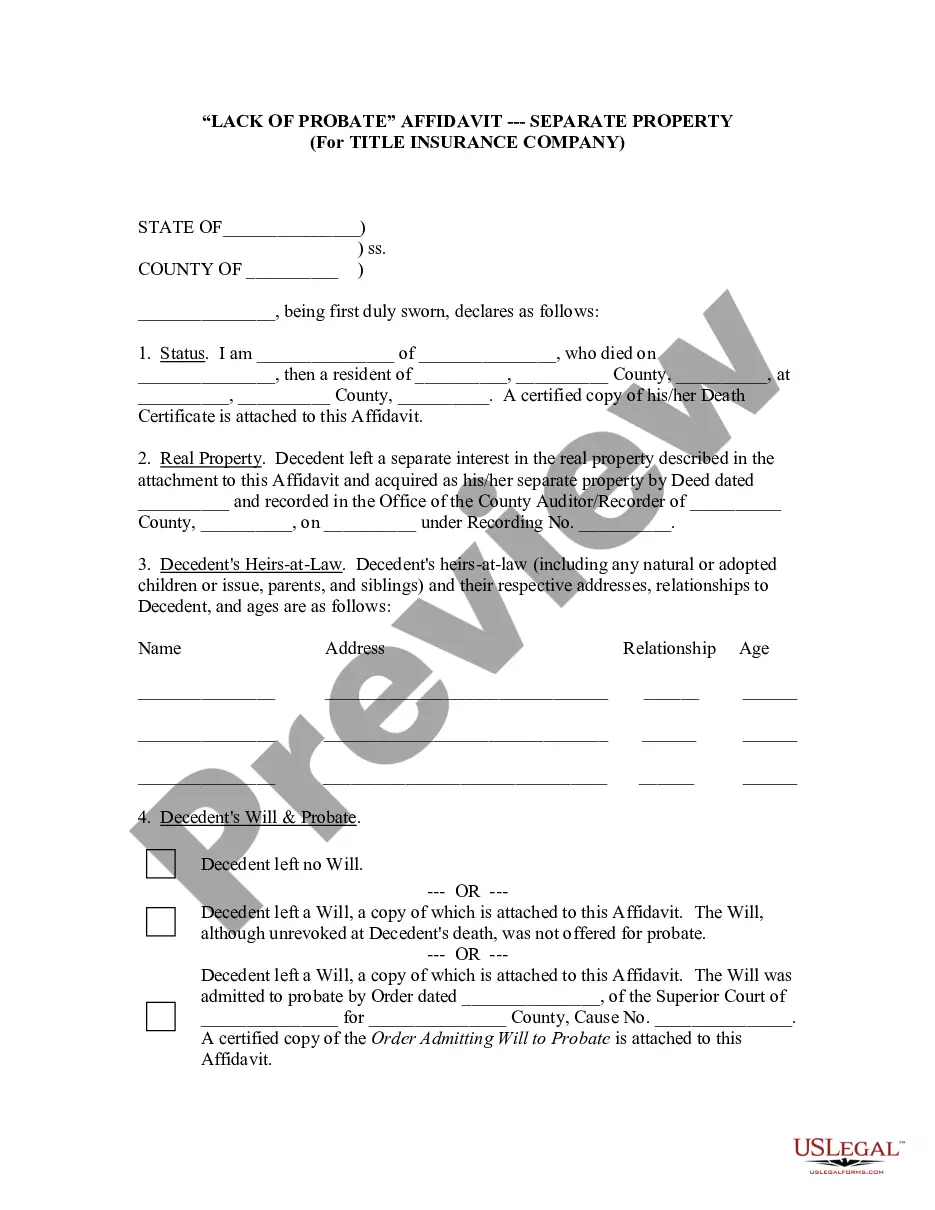
When to use this form
This form should be used when a beneficiary of a community property interest wishes to formally renounce their rights after the death of a spouse or partner. Situations may include cases where the beneficiary does not want to inherit the property due to personal preferences, financial planning, or tax implications. It is advisable to complete this form within nine months of the decedent's death to comply with Texas law.
Intended users of this form
- Beneficiaries who have inherited community property interests in Texas.
- Individuals seeking to exclude themselves from a community property inheritance.
- Those involved in estate planning or taxation considerations related to inherited property.
Instructions for completing this form
- Identify yourself as the beneficiary who is renouncing the community property interest.
- Specify the date of the decedent's death and the description of the community property.
- Affirm that you will file the disclaimer within the required nine-month period.
- Clearly state your intention to renounce the right to the specified property.
- Sign and date the document as required.
Does this form need to be notarized?
This form does not typically require notarization unless specified by local law. However, it's always best practice to consult with an attorney to ensure compliance with all legal requirements.
Get your form ready online
Our built-in tools help you complete, sign, share, and store your documents in one place.
Make edits, fill in missing information, and update formatting in US Legal Forms—just like you would in MS Word.
Download a copy, print it, send it by email, or mail it via USPS—whatever works best for your next step.
Sign and collect signatures with our SignNow integration. Send to multiple recipients, set reminders, and more. Go Premium to unlock E-Sign.
If this form requires notarization, complete it online through a secure video call—no need to meet a notary in person or wait for an appointment.
We protect your documents and personal data by following strict security and privacy standards.

Make edits, fill in missing information, and update formatting in US Legal Forms—just like you would in MS Word.

Download a copy, print it, send it by email, or mail it via USPS—whatever works best for your next step.

Sign and collect signatures with our SignNow integration. Send to multiple recipients, set reminders, and more. Go Premium to unlock E-Sign.

If this form requires notarization, complete it online through a secure video call—no need to meet a notary in person or wait for an appointment.

We protect your documents and personal data by following strict security and privacy standards.
Avoid these common issues
- Failing to file the disclaimer within nine months of the decedent's death.
- Not fully describing the community property in question.
- Overlooking the signature and dating requirements, rendering the form invalid.
Why complete this form online
- Convenient access allows for quick downloading and filling out of the form.
- Editability features enable users to input necessary information easily.
- Reliability of having a form drafted according to state-specific legal standards.
Legal use & context
- This form serves as a formal declaration to renounce property rights in a community property context.
- Filing this disclaimer effectively removes any claim the beneficiary has to the property, allowing for smoother estate administration.
- The disclaimer must be executed irrevocably and in accordance with Texas statute to be enforceable.
Main things to remember
- Use this form to renounce your community property interest in Texas law.
- Complete and file the form within nine months of the decedent's death to ensure validity.
- Consult a legal professional if you have any questions about your rights or obligations.
Looking for another form?



Form popularity
FAQ
Jointly owned property is treated as consisting of a both present and a future interest in the jointly owned property. Thus, a surviving spouse may disclaim the future interest in jointly owned property on the death of their spouse, including assets that were held by the spouses as tenants by the entirety.
Be in writing; Declare the refusal to accept an interest in or power over the property; Describe the interest or power disclaimed; Be signed by the person making a disclaimer;
Disclaim, in a legal sense, refers to the renunciation of an interest in, or an acceptance of, inherited assets, such as property, by way of a legal instrument. A person disclaiming an interest, right, or obligation is known as a disclaimant.
When you relinquish property, you don't get any say in who inherits in your place. If you want to control who gets the inheritance, you must accept it and give it to that person. If you relinquish the property and the deceased didn't name a back-up heir, the court will apply state law to decide who inherits.
Property owned in joint tenancy automatically passes, without probate, to the surviving owner(s) when one owner dies. Setting up a joint tenancy is easy, and it doesn't cost a penny.
Note that inheritances from a trust typically cannot be assigned to someone else.That means it could go to the next person in the line of succession, such as the children of the person who disclaims the inheritance. There are legal restrictions on disclaiming an inheritance. There are time constraints, for example.
The answer is yes. The technical term is "disclaiming" it. If you are considering disclaiming an inheritance, you need to understand the effect of your refusalknown as the "disclaimer"and the procedure you must follow to ensure that it is considered qualified under federal and state law.
The disclaimer must be in writing: A signed letter by the person doing the disclaiming, identifying the decedent, describing the asset to be disclaimed, and the extent and amount, percentage or dollar amount, to be disclaimed, must be delivered to the person in control of the estate or asset, such as an executor,