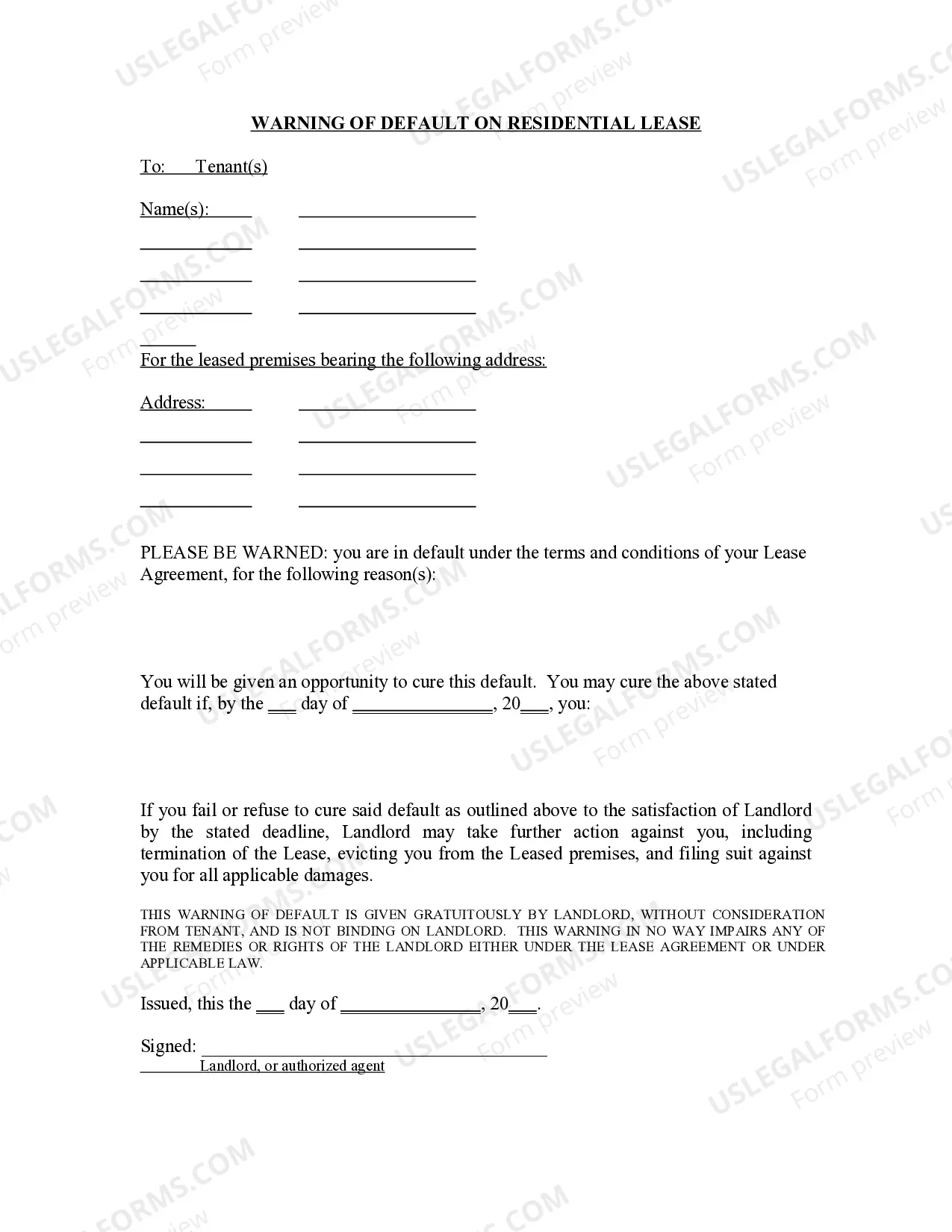
South Carolina Warning of Default on Residential Lease
What is this form?
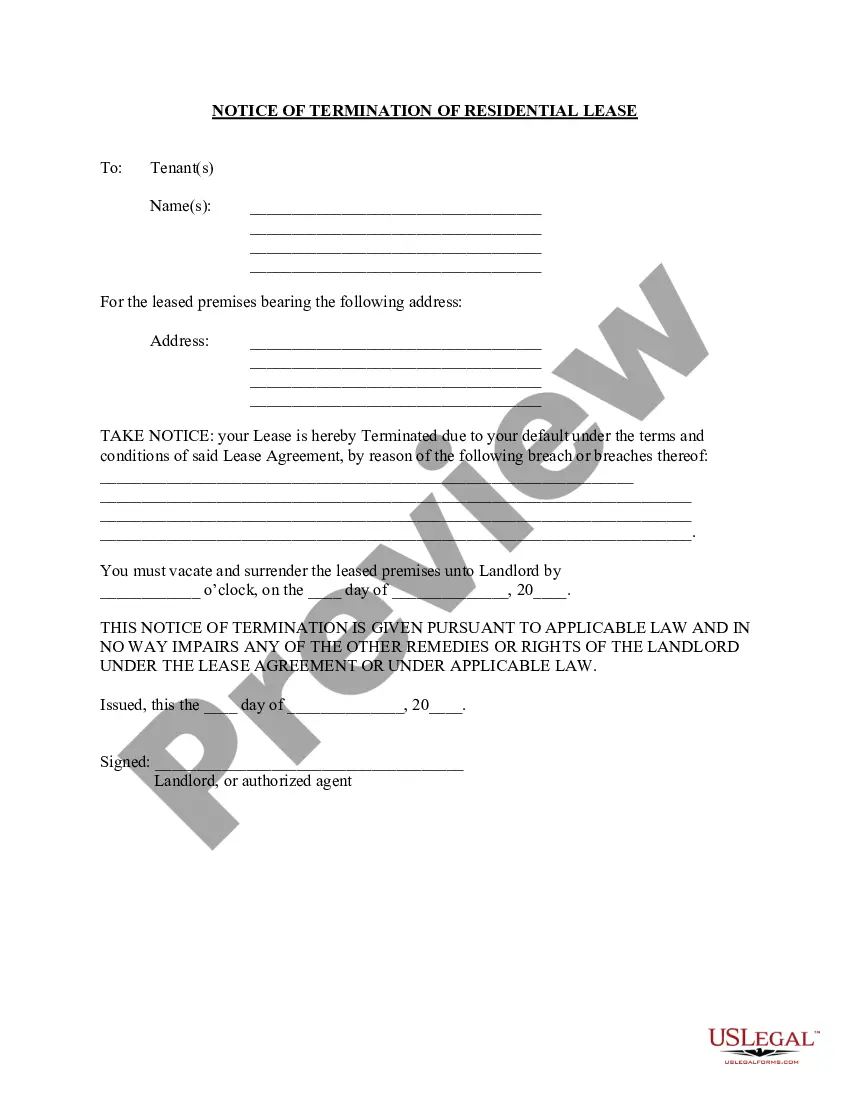
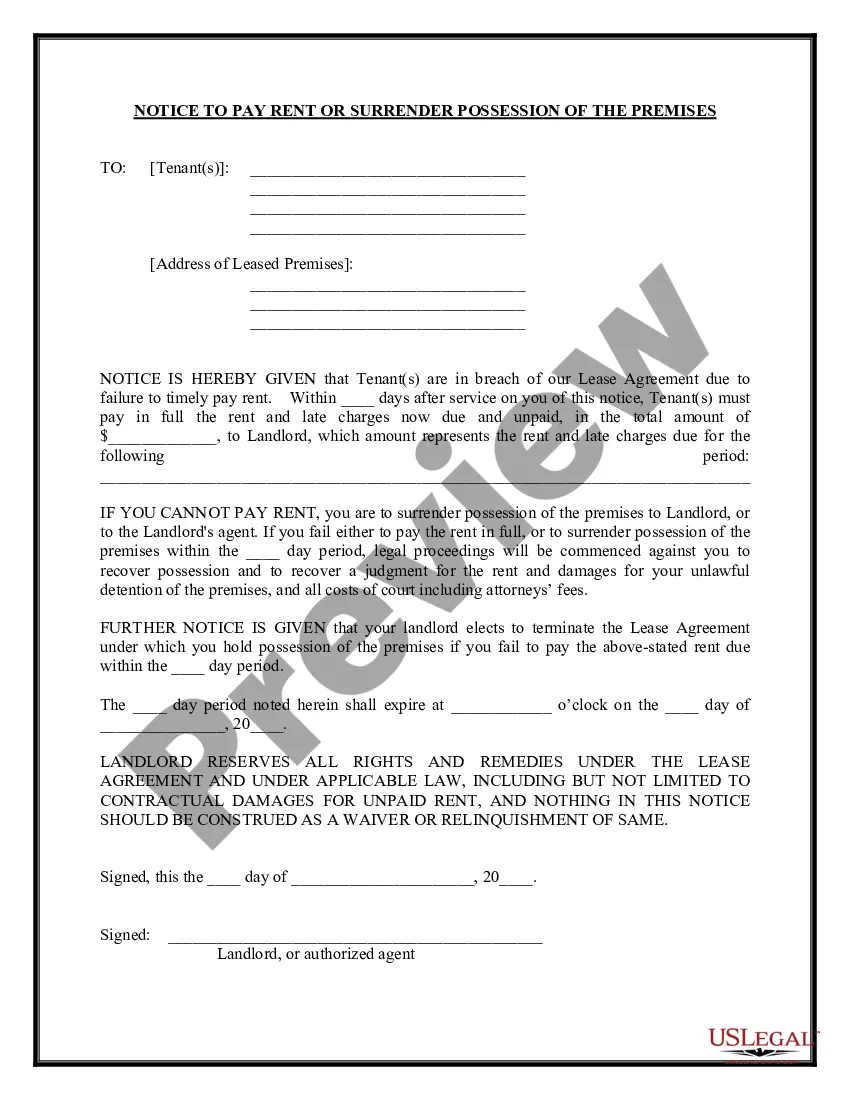
The Warning of Default on Residential Lease is a formal notice from a landlord to a tenant. Its purpose is to alert the tenant that they may be in default under the lease agreement if they do not rectify specific conditions. This document serves as an initial step in addressing any lease violations before pursuing further legal action.
Key parts of this document
- Date of the warning issuance.
- Signature of the landlord or authorized agent.
- Statement emphasizing the non-binding nature of the warning.
- Clarity on the landlordâs rights under the lease and applicable law.
When to use this document
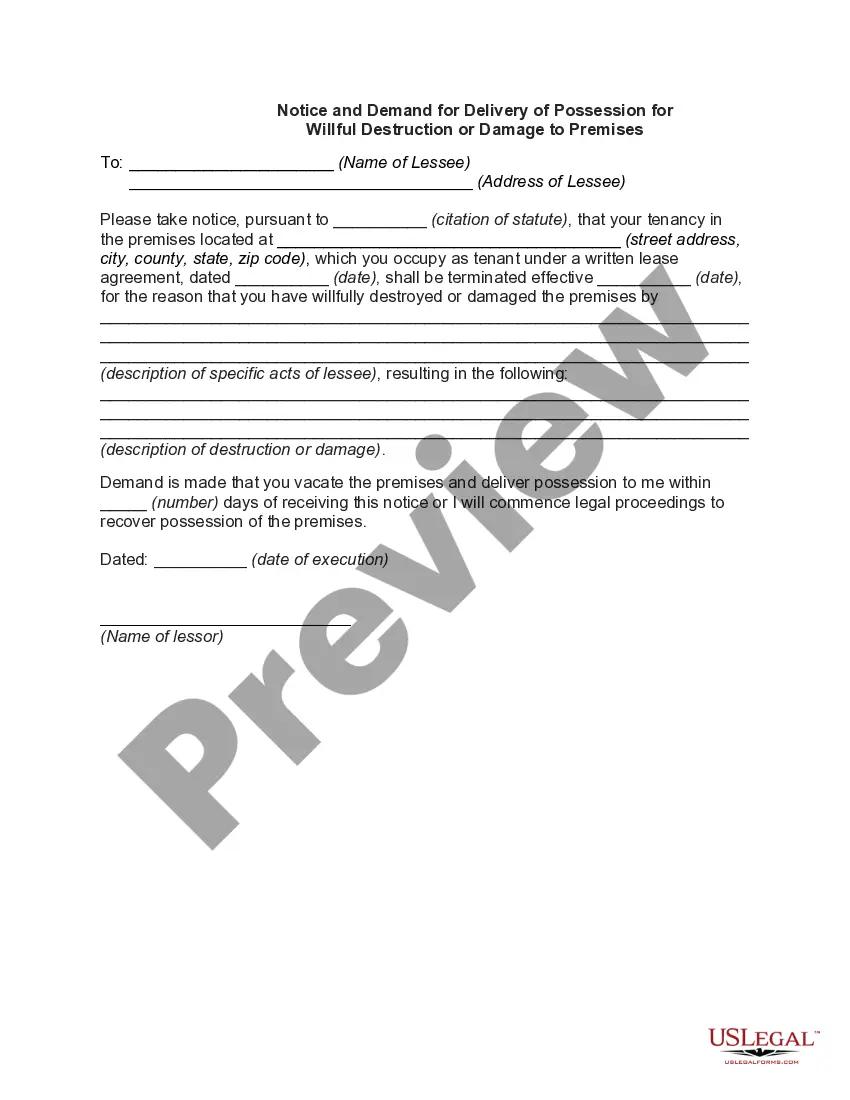
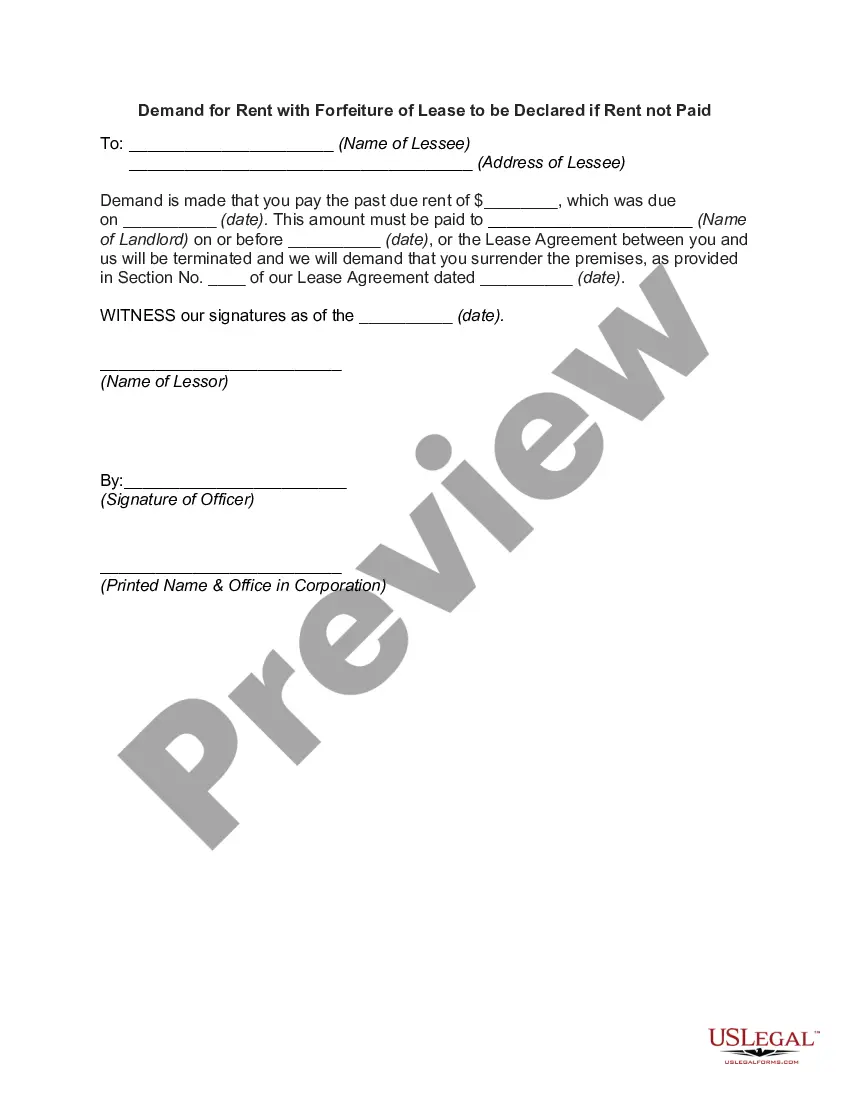
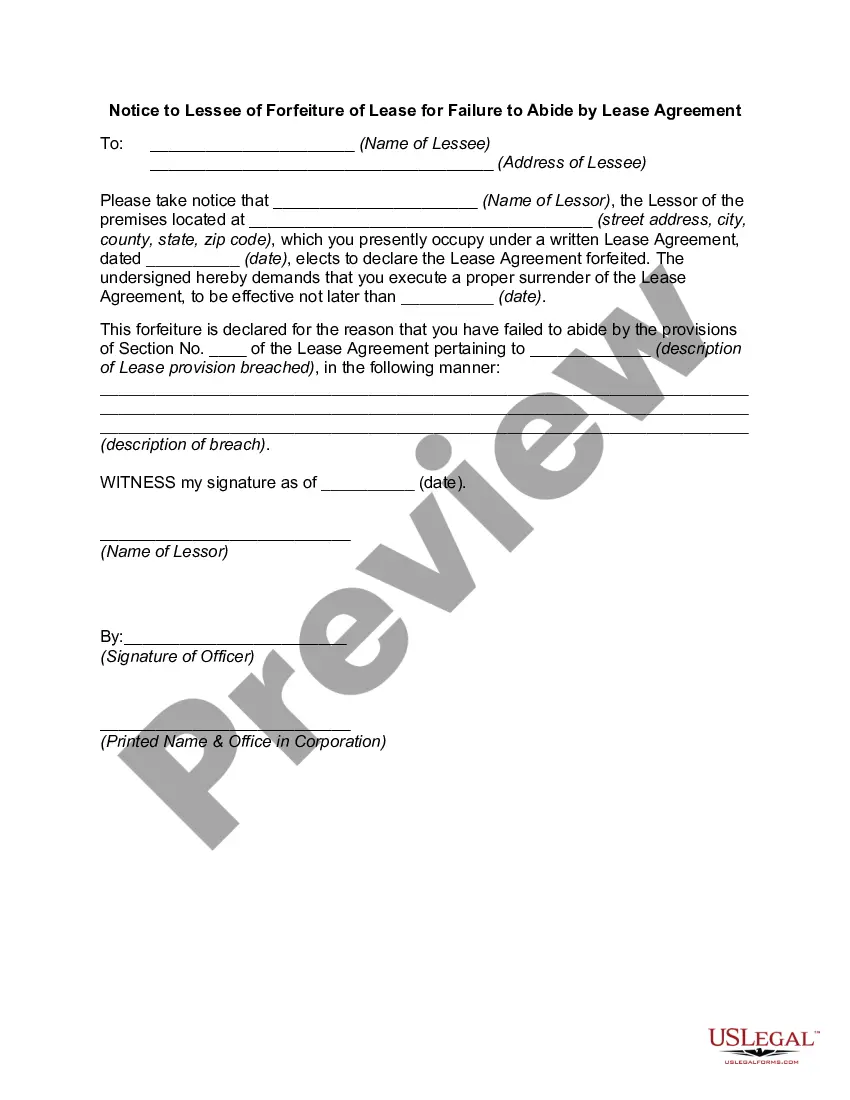
This form should be used when a landlord identifies potential defaults by a tenant, such as failure to pay rent or violation of lease terms. It serves as a proactive measure to communicate with the tenant and give them an opportunity to correct the issue before any legal actions are taken.
Intended users of this form
This warning should be used by:
- Landlords who manage residential properties.
- Property managers acting on behalf of landlords.
- Anyone involved in a residential lease agreement who needs to address tenant defaults.
How to prepare this document
- Enter the date on which the warning is issued.
- Fill in your name as the landlord or the name of the authorized agent.
- Clearly specify the conditions under which the tenant is in default.
- Sign the document to validate the warning.
- Deliver the warning to the tenant according to local laws.
Does this document require notarization?
This form does not typically require notarization unless specified by local law.
Get your form ready online
Our built-in tools help you complete, sign, share, and store your documents in one place.
Make edits, fill in missing information, and update formatting in US Legal Forms—just like you would in MS Word.
Download a copy, print it, send it by email, or mail it via USPS—whatever works best for your next step.
Sign and collect signatures with our SignNow integration. Send to multiple recipients, set reminders, and more. Go Premium to unlock E-Sign.
If this form requires notarization, complete it online through a secure video call—no need to meet a notary in person or wait for an appointment.
We protect your documents and personal data by following strict security and privacy standards.

Make edits, fill in missing information, and update formatting in US Legal Forms—just like you would in MS Word.

Download a copy, print it, send it by email, or mail it via USPS—whatever works best for your next step.

Sign and collect signatures with our SignNow integration. Send to multiple recipients, set reminders, and more. Go Premium to unlock E-Sign.

If this form requires notarization, complete it online through a secure video call—no need to meet a notary in person or wait for an appointment.

We protect your documents and personal data by following strict security and privacy standards.
Common mistakes
- Failing to specify the exact nature of the default.
- Not keeping a copy of the warning for records.
- Neglecting to follow proper delivery methods as required by law.
Why complete this form online
- Convenience of instant access and downloading from anywhere.
- Editability allows for customization to suit specific situations.
- Reliable templates drafted by licensed attorneys, ensuring legal compliance.
Legal use & context
- This warning serves as a preliminary step before further legal action.
- It helps establish a record of communication regarding lease compliance.
- Failure to address defaults after receiving this warning may result in legal proceedings.
What to keep in mind
- The Warning of Default is a crucial document for landlords.
- It provides tenants an opportunity to remedy issues before legal escalation.
- Proper completion and delivery are essential for enforceability.
Looking for another form?

Form popularity
FAQ
Tenant Rights to Withhold Rent in South CarolinaTenants may withhold rent or exercise the right to repair and deduct if a landlord fails to take care of important repairs, such as a broken heater. For specifics, see South Carolina Tenant Rights to Withhold Rent or Repair and Deduct.
A lease is automatically void when it is against the law, such as a lease for an illegal purpose. In other circumstances, like fraud or duress, a lease can be declared void at the request of one party but not the other.
If you don't have a legal justification to break your lease, the good news is that you may still be off the hook for paying all the rent due for the remaining lease term. This is because under South Carolina law (S.C. Code Ann.So you may not have to pay much, if any additional rent, if you break your lease.
Default by landlord The most common form of landlord default is failure to provide services and maintain the property condition. When a landlord defaults on the terms of the lease, tenants may sue for damages.
A rental agreement will be void and unenforceable if it allows the landlord to terminate the tenancy of a tenant for a crime committed in relation to the rental property if it does not also include the new domestic abuse protection language set forth in sec.
Tenant default occurs when a Tenant breaches one of the tenant's covenants in its lease. Tenant default can arise in a number of different ways but will typically be for one of the following: Non-payment of rent or other sums reserved under the lease.
Protect your rental income. Even the most reliable tenants sometimes struggle to pay their rent.Tenant default insurance from Simply Business provides vital back-up for landlords it can cover your rental income if your tenant fails to pay rent.
In landlord-tenant law, default refers to the failure of a tenant to timely pay rent due.In general, the landlord is required to give the tenant notice of the default before bringing eviction proceedings or applying security deposit proceeds to the payment in default.
Step 1: Speak to your tenant. Step 2: Provide notice of contract breach. Step 3: Decide between an interdict or cancellation. Step 4: Eviction process. Step 5: Eviction notice. Final advice.