South Carolina Letter from Tenant to Landlord containing Notice that premises in uninhabitable in violation of law and demand immediate repair
Understanding this form
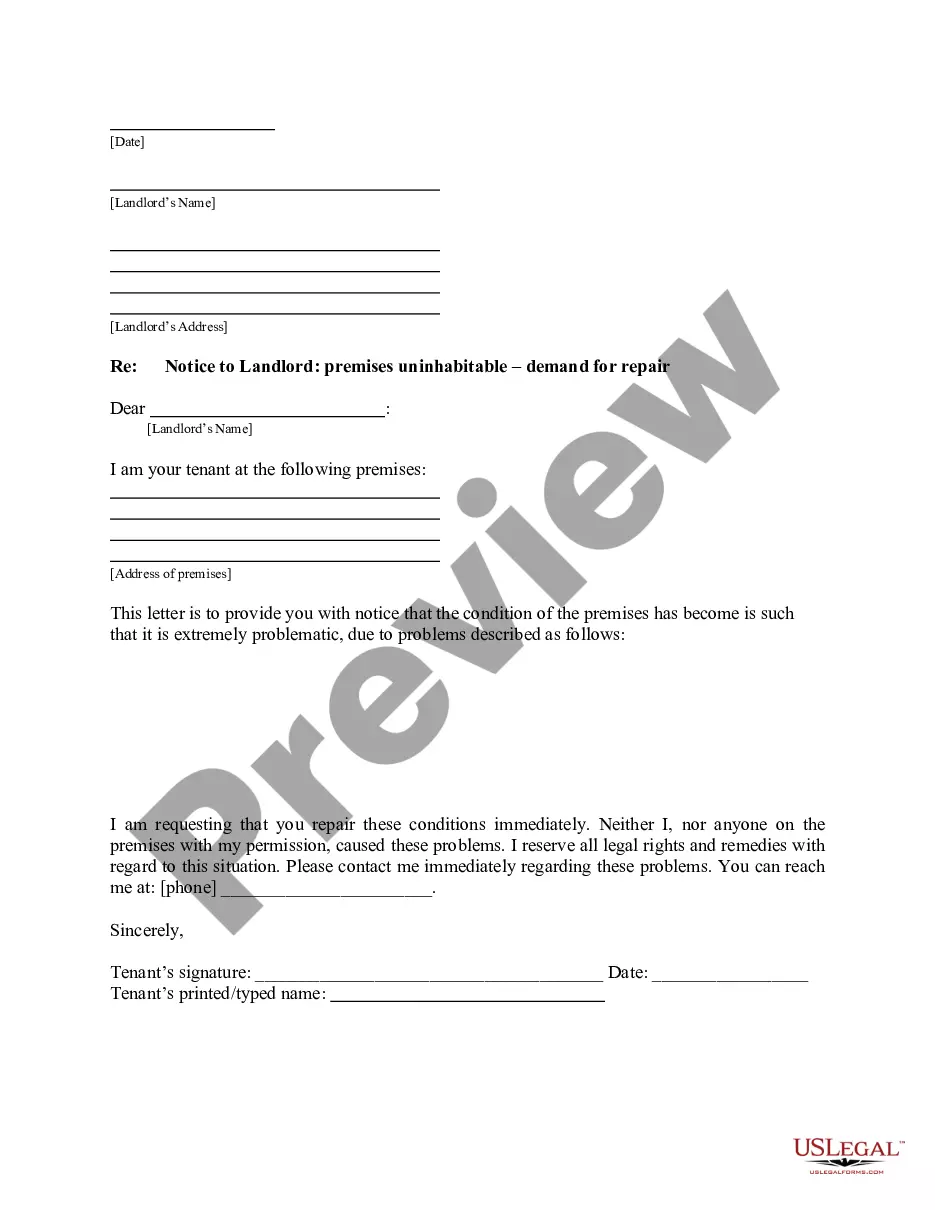
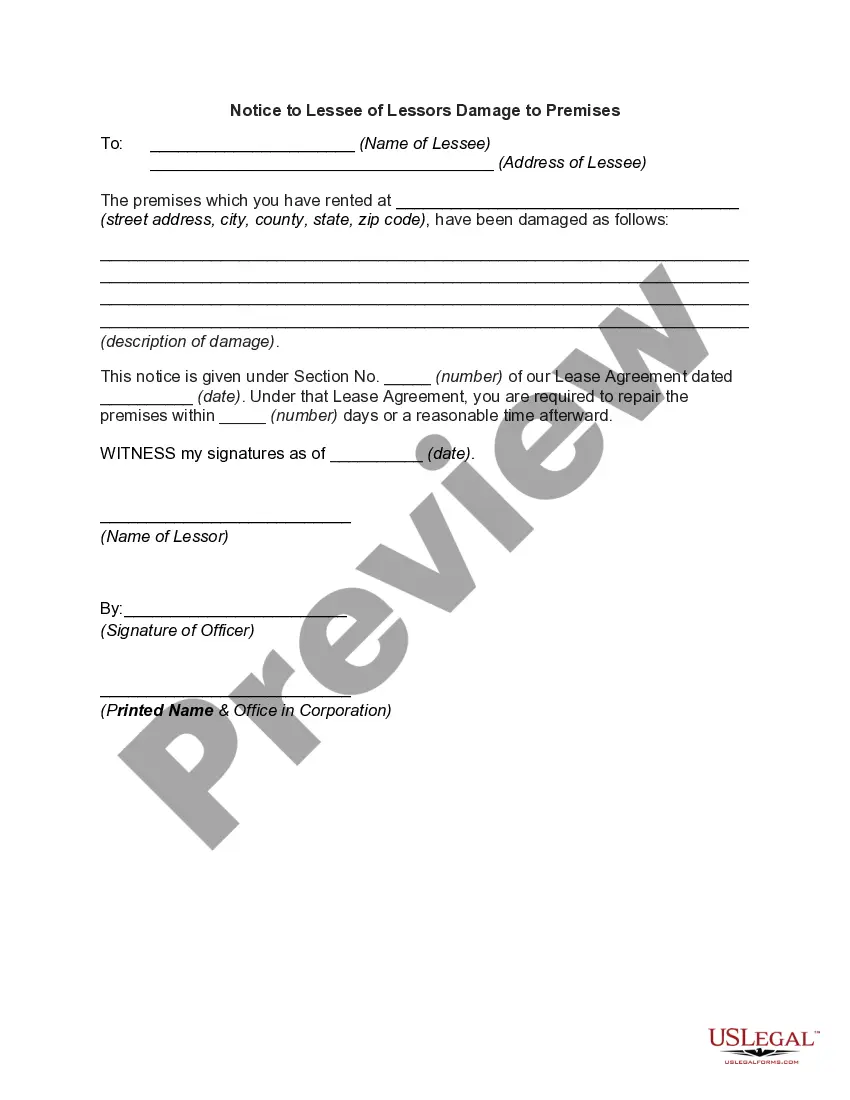
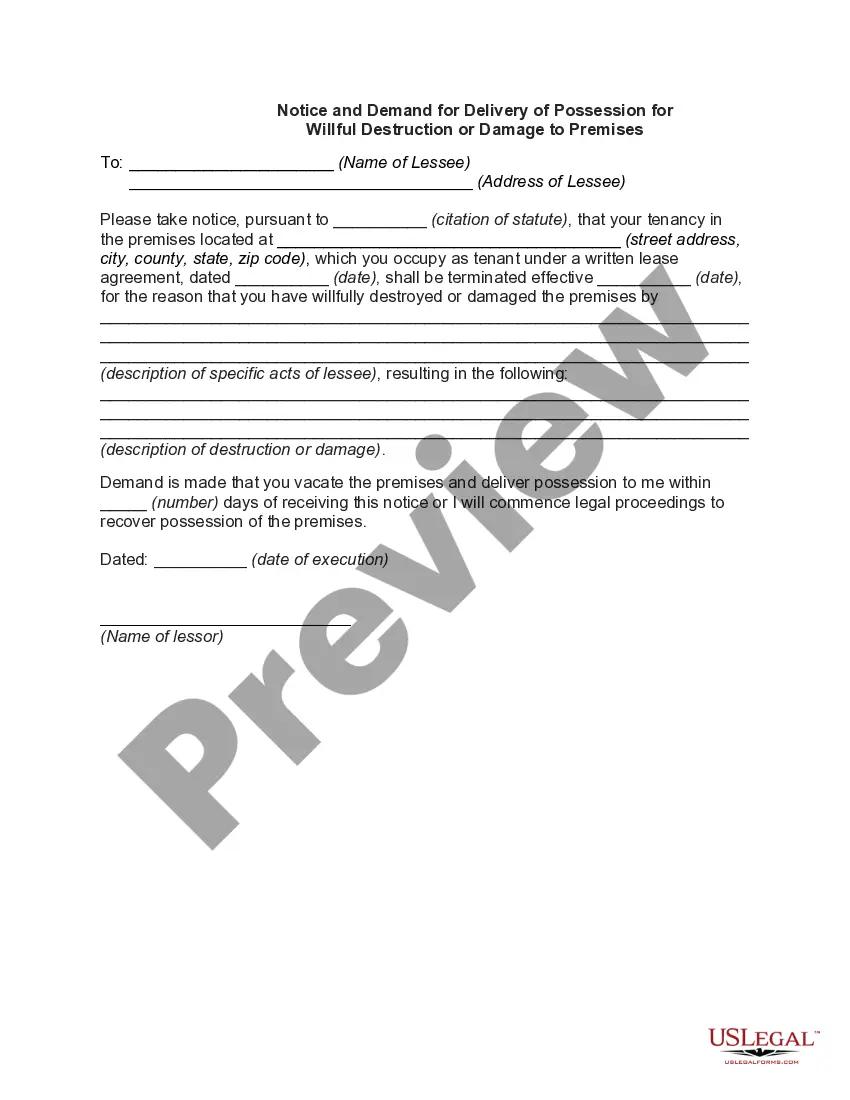
This letter from tenant to landlord serves as a formal notice that the leased premises are uninhabitable due to violations of local law. The tenant uses this form to demand immediate repairs, distinguishing it from other rental-related documents by emphasizing the urgency of the repairs needed. If the landlord fails to address these issues, the tenant may have the right to terminate the lease or reduce rent, making this form a crucial tool for tenant rights.
Key components of this form
- Tenant's signature and printed name
- Date of notice
- Details of the uninhabitable conditions
- Demand for immediate repair
- Potential consequences if repairs are not made


Situations where this form applies
This form is needed when a tenant identifies conditions in their rental property that render it unsafe or unfit for living. Situations may includeIssues like severe plumbing problems, lack of heat during winter, or violations of health codes. By filling out and delivering this notice, tenants can formally seek repairs from their landlord while protecting their rights.
Who needs this form
- Tenants who are renting residential properties
- Individuals facing issues with uninhabitable living conditions
- Those who wish to formally notify their landlord of necessary repairs
Instructions for completing this form
- Identify and enter the tenant's name and contact information.
- Specify the property address in question.
- Detail the uninhabitable conditions that need repair.
- Fill in the date the notice is being delivered.
- Sign and date the form to make it valid.
Does this form need to be notarized?
This form does not typically require notarization unless specified by local law.
Get your form ready online
Our built-in tools help you complete, sign, share, and store your documents in one place.
Make edits, fill in missing information, and update formatting in US Legal Forms—just like you would in MS Word.
Download a copy, print it, send it by email, or mail it via USPS—whatever works best for your next step.
Sign and collect signatures with our SignNow integration. Send to multiple recipients, set reminders, and more. Go Premium to unlock E-Sign.
If this form requires notarization, complete it online through a secure video call—no need to meet a notary in person or wait for an appointment.
We protect your documents and personal data by following strict security and privacy standards.

Make edits, fill in missing information, and update formatting in US Legal Forms—just like you would in MS Word.

Download a copy, print it, send it by email, or mail it via USPS—whatever works best for your next step.

Sign and collect signatures with our SignNow integration. Send to multiple recipients, set reminders, and more. Go Premium to unlock E-Sign.

If this form requires notarization, complete it online through a secure video call—no need to meet a notary in person or wait for an appointment.

We protect your documents and personal data by following strict security and privacy standards.
Typical mistakes to avoid
- Failing to include specific details about the uninhabitable conditions.
- Not providing a clear deadline for repairs.
- Missing signature or date on the letter.
Why complete this form online
- Convenient access to legally vetted templates.
- Easy to download and fill out from any location.
- Editable for personalization before delivery to the landlord.
Legal use & context
- This letter establishes a legal record of the tenant's notice to the landlord regarding uninhabitable conditions.
- Failure to address the issues may provide grounds for the tenant to terminate the lease or withhold rent.
Main things to remember
- The letter demands immediate repairs for uninhabitable property conditions.
- Tenants must provide specific details and deadlines for repairs.
- Utilizing this form can protect tenant rights and facilitate communication with landlords.
Looking for another form?
Form popularity
FAQ
To file a complaint: The first thing you should do is call, write, or come into the office and talk with a Housing Intake Investigator. He/she will be able to explain what we do and help to determine if you have a basis for filing a complaint. Click here for the Fair Housing Complaint Questionnaire to complete.
South Carolina landlords cannot enter an apartment unless they give at least 24-hour notice to the tenant, and may only enter at reasonable times.
In South Carolina, the landlord is free to charge any rent price agreed upon by the parties because there is no rent control or limit required by the state. There is no statute addressing the required notice if the landlord wants to increase the price of rent.
Tenant Rights to Withhold Rent in South CarolinaTenants may withhold rent or exercise the right to repair and deduct if a landlord fails to take care of important repairs, such as a broken heater.
The repair window of time allotted to the landlord, with some exception, is 14 days. Under this portion of the Act, the availability of such remedies generally first requires written notice to the landlord specifying the issues.
Repairs. Your landlord is always responsible for repairs to: the property's structure and exterior. basins, sinks, baths and other sanitary fittings including pipes and drains.
In general, tenants do not have the right to withhold rent if the landlord does not carry out repairs.In certain circumstances, however, a tenant can pay for repairs and deduct the cost from future rent.
Property Needs to Meet Local Health and Building Codes. Visible Mold. Pests. Changing Locks. Heat, Electric, Hot and Cold Water. Structural Integrity and Weather Protected. Regularly Discarding Trash. Damage Caused by the Tenant or Their Guests.
The big take-away is that in most circumstances a landlord cannot enter a property without agreement from the tenant. And If the landlord ignores the law and enters the property without permission, the tenant may be able to claim damages or gain an injunction to prevent the landlord doing it again.