South Carolina Warranty Deed from Individual to Husband and Wife
Understanding this form
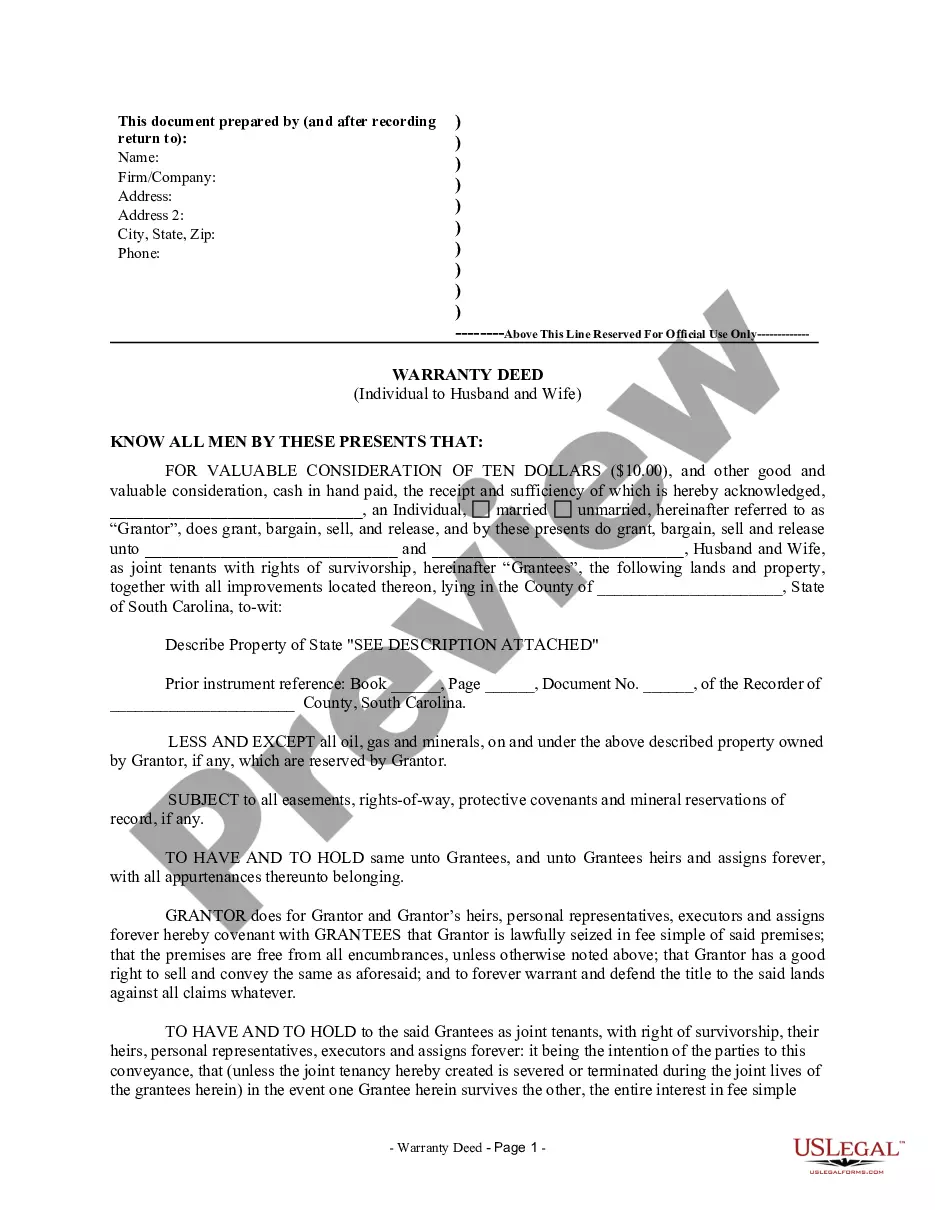
The Warranty Deed from Individual to Husband and Wife is a legal document used to transfer property ownership from an individual (the Grantor) to a married couple (the Grantees). This form ensures that the Grantor conveys the property with certain guarantees, including a title free from encumbrances, except for exceptions explicitly noted in the deed. This type of deed differs from other property transfer documents by explicitly establishing joint tenancy with rights of survivorship for the couple, meaning that if one spouse passes away, the other automatically retains full ownership of the property.
Main sections of this form
- Description of Property: Identifies the property being transferred with specific details.
- Grantor Information: Details about the individual transferring the property, including legal names.
- Grantees Information: Information about the husband and wife receiving the property.
- Title Warranties: Statements ensuring the Grantor has the authority to sell the property and that it is free from encumbrances.
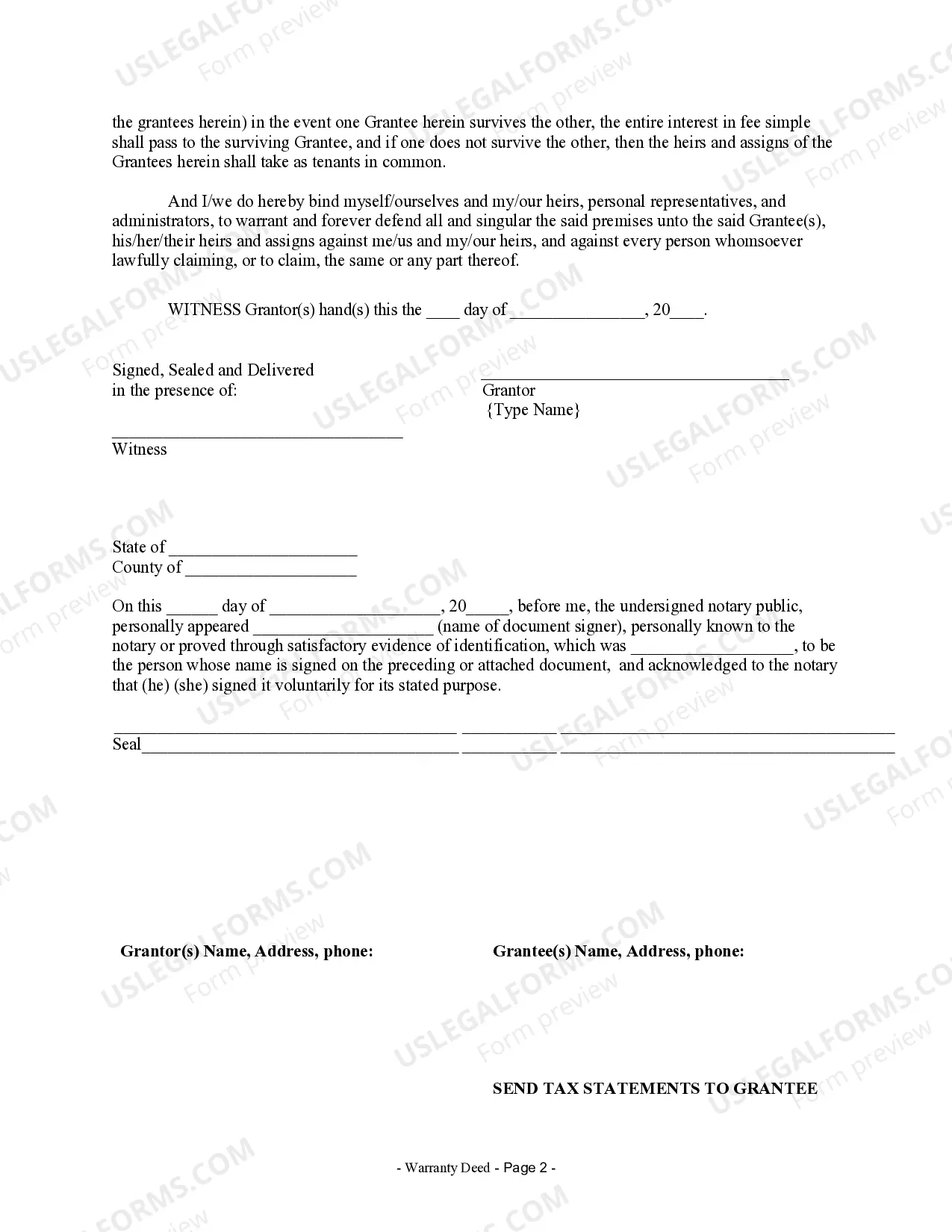
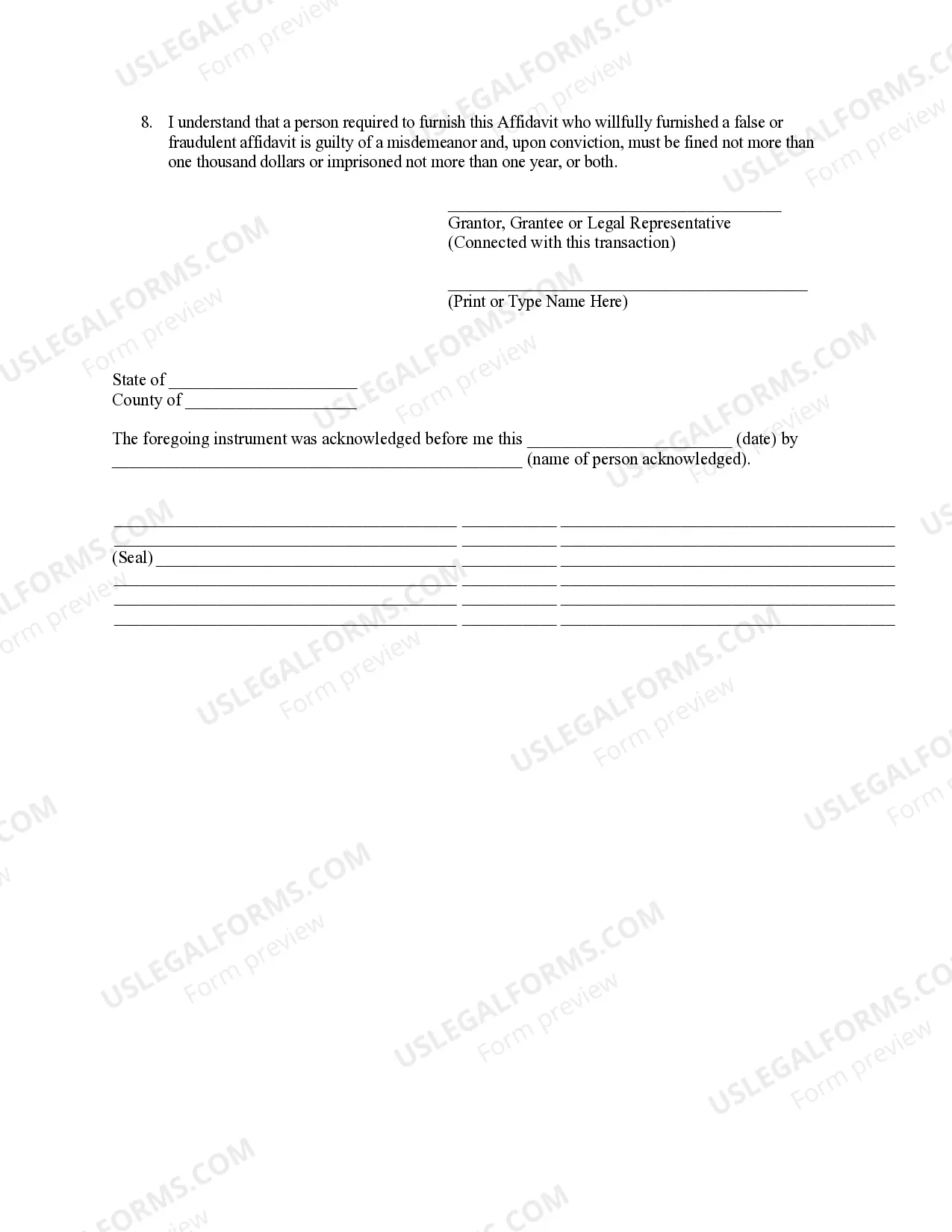
- Notarization Section: An area for the notary public to acknowledge the documentâs validity.
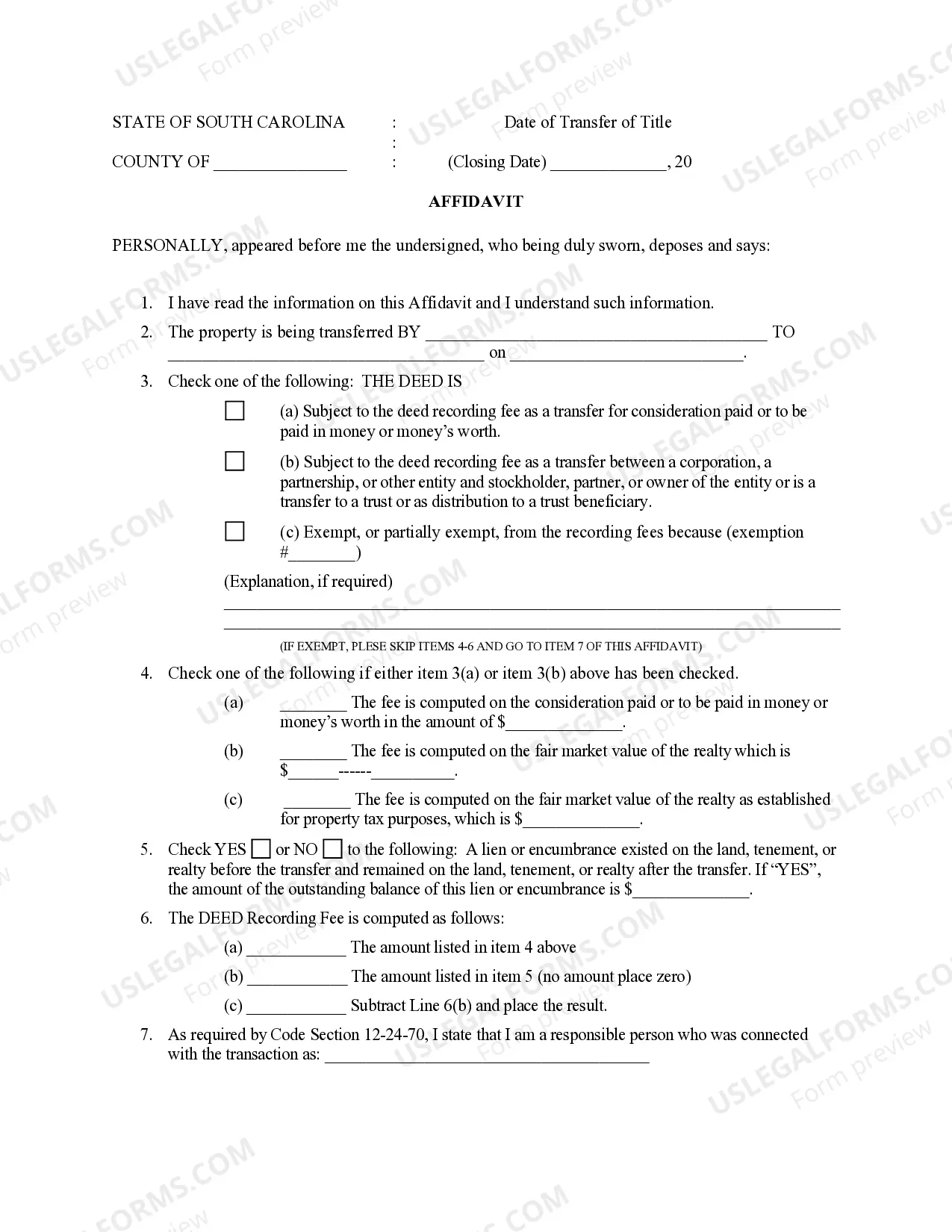
- Recording Fee Clauses: Address requirements for transferring fees based on the type of transfer.






When to use this document
This form should be used when an individual wishes to transfer ownership of real estate to a married couple. Common situations for using this warranty deed include gifting property to a spouse, transferring a family-owned home, or consolidating property ownership in a marriage. It provides legal assurance that the property is conveyed with certain guarantees and that both spouses will hold the property jointly.
Who can use this document
- Individuals looking to transfer property ownership to a married couple.
- Married couples who want to ensure their property ownership is secure and recognized legally.
- Estate planners seeking to formalize property transfers between family members.
How to complete this form
- Identify the parties: Clearly write the names of the Grantor (individual) and Grantees (husband and wife).
- Specify the property: Provide a detailed description of the property being transferred, including legal descriptions or parcel numbers.
- Enter dates: Fill in the date of completion, and ensure that all parties sign where indicated.
- Notarize the document: Arrange for a notary public to witness the signing of the deed, ensuring its legality.
- Submit for recording: File the completed deed with the appropriate county recording office along with any required fees.
Notarization guidance
Yes, this form must be notarized to be legally valid. The presence of a notary public ensures that the identities of the parties declaring the transfer are verified, and it adds an important layer of authenticity to the document. US Legal Forms offers integrated online notarization services available twenty-four hours a day, providing a secure and efficient process without the need for travel.
Get your form ready online
Our built-in tools help you complete, sign, share, and store your documents in one place.
Make edits, fill in missing information, and update formatting in US Legal Forms—just like you would in MS Word.
Download a copy, print it, send it by email, or mail it via USPS—whatever works best for your next step.
Sign and collect signatures with our SignNow integration. Send to multiple recipients, set reminders, and more. Go Premium to unlock E-Sign.
If this form requires notarization, complete it online through a secure video call—no need to meet a notary in person or wait for an appointment.
We protect your documents and personal data by following strict security and privacy standards.

Make edits, fill in missing information, and update formatting in US Legal Forms—just like you would in MS Word.

Download a copy, print it, send it by email, or mail it via USPS—whatever works best for your next step.

Sign and collect signatures with our SignNow integration. Send to multiple recipients, set reminders, and more. Go Premium to unlock E-Sign.

If this form requires notarization, complete it online through a secure video call—no need to meet a notary in person or wait for an appointment.

We protect your documents and personal data by following strict security and privacy standards.
Mistakes to watch out for
- Failing to accurately describe the property can lead to disputes over ownership.
- Not notarizing the deed, which is necessary for legal validity in most circumstances.
- Omitting to specify any encumbrances or exceptions incorrectly, which can affect title security.
- Using incorrect names or misspellings for the Grantor or Grantees.
Why complete this form online
- Convenience: Download the form instantly at your convenience without needing an in-person visit.
- Editability: Customize the form to fit your specific situation before printing.
- Legality: Ensure compliance with current state law with forms prepared by licensed attorneys.
Looking for another form?
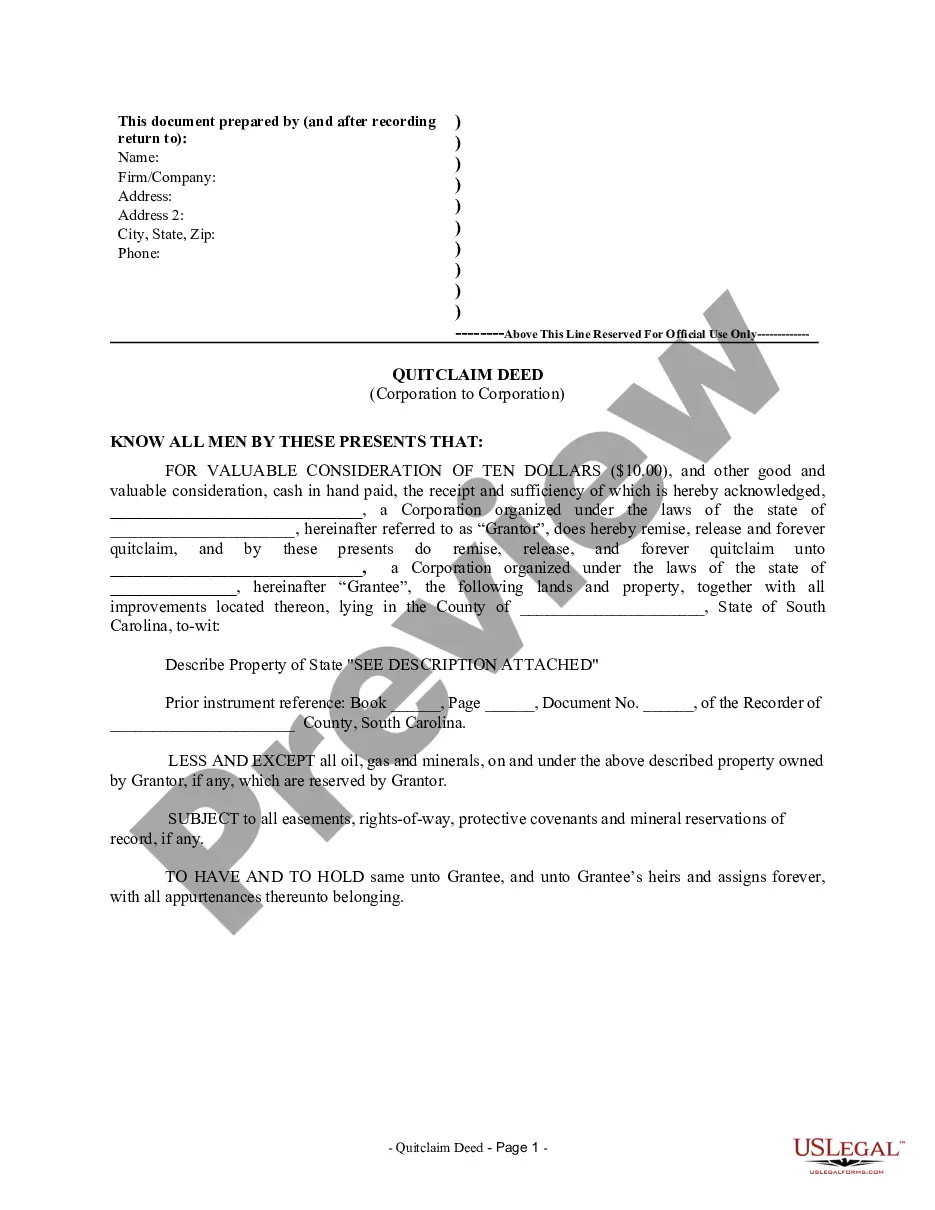
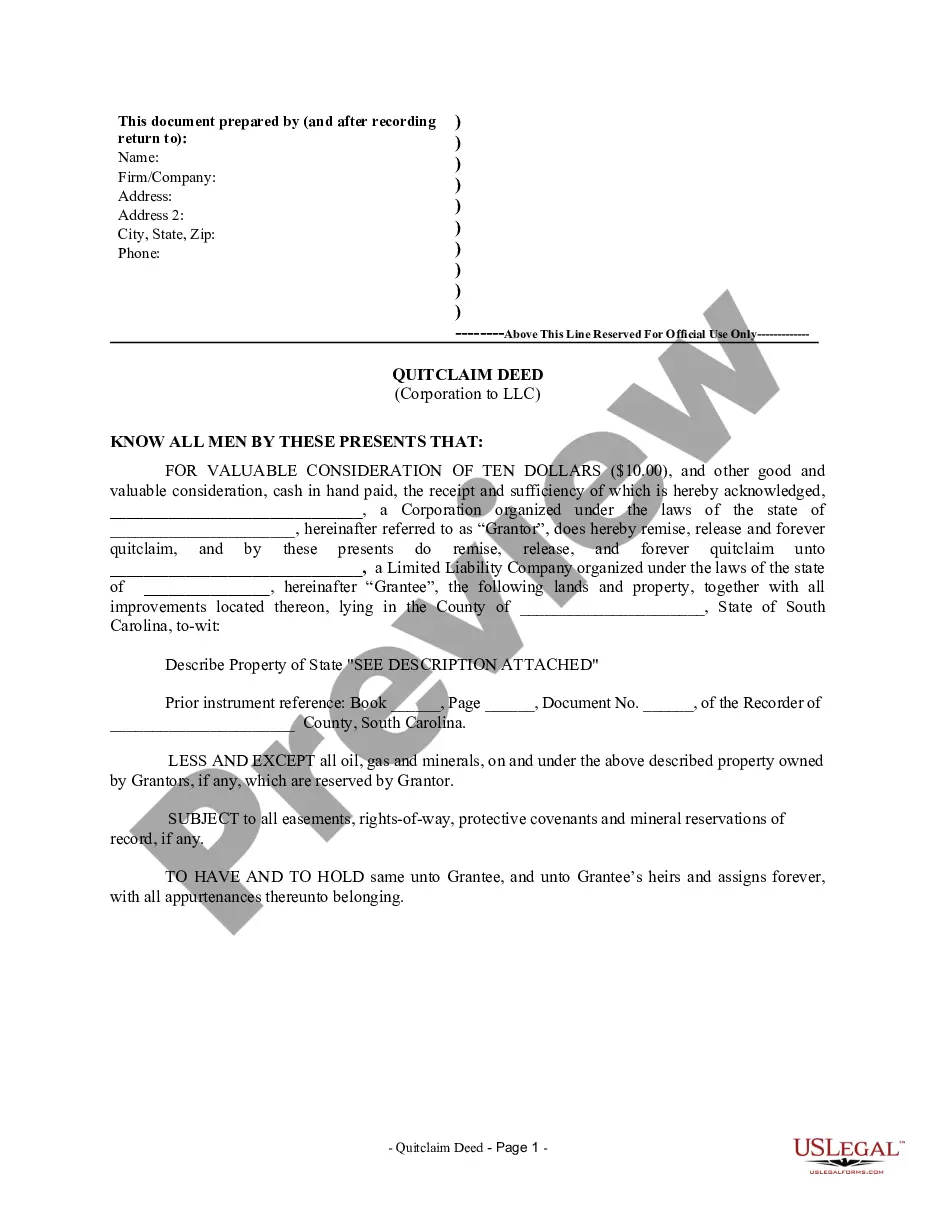
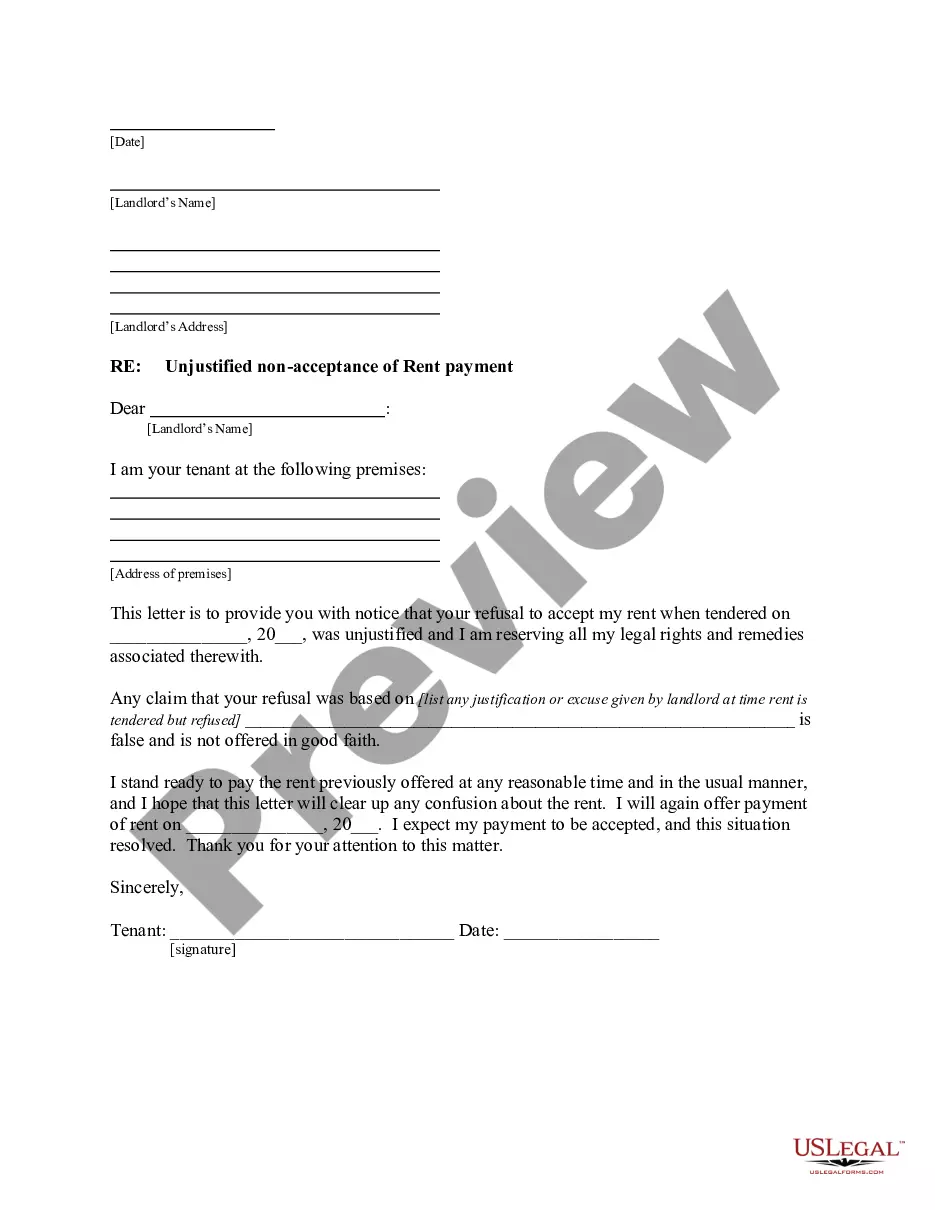
Form popularity
FAQ
In California, all property bought during the marriage with income that was earned during the marriage is deemed "community property." The law implies that both spouses own this property equally, regardless of which name is on the title deed.
A In order to make your partner a joint owner you will need to add his name at the Land Registry, for which there is a fee of £280 (assuming you transfer half the house to him). You won't, however, have to pay capital gains tax, as gifts between civil partners (and spouses) are tax free.
If you've recently married and already own a home or other real estate, you may want to add your new spouse to the deed for your property so the two of you own it jointly. To add a spouse to a deed, all you have to do is literally fill out, sign and record a new deed in your county recorder's office.
In South Carolina, the grantor must sign the deed in front of two witnesses and in the presence of an individual authorized by the state to administer an oath. Record the completed deed at the local county Recorder's office, along with an Affidavit of True Consideration (S.C. Code Ann.
Adding someone to your house deed requires the filing of a legal form known as a quitclaim deed. When executed and notarized, the quitclaim deed legally overrides the current deed to your home. By filing the quitclaim deed, you can add someone to the title of your home, in effect transferring a share of ownership.
A personal representative deed and warranty deed are the same only in that they both convey ownership of land. The types of title assurance that the different deeds provide to the new owner are very different.
Used to transfer property rights from a deceased person's estate. Involves Probate Court. Like a Quit Claim deed, there are no warranties. Generally, the Personal Representative is unwilling to warrant or promise anything relating to property that he/she has never personally owned.
A warranty deed guarantees that: The grantor is the rightful owner of the property and has the legal right to transfer the title.The title would withstand third-party claims to ownership of the property. The grantor will do anything to ensure the grantee's title to the property.
If you live in a common-law state, you can keep your spouse's name off the title the document that says who owns the property.You can put your spouse on the title without putting them on the mortgage; this would mean that they share ownership of the home but aren't legally responsible for making mortgage payments.