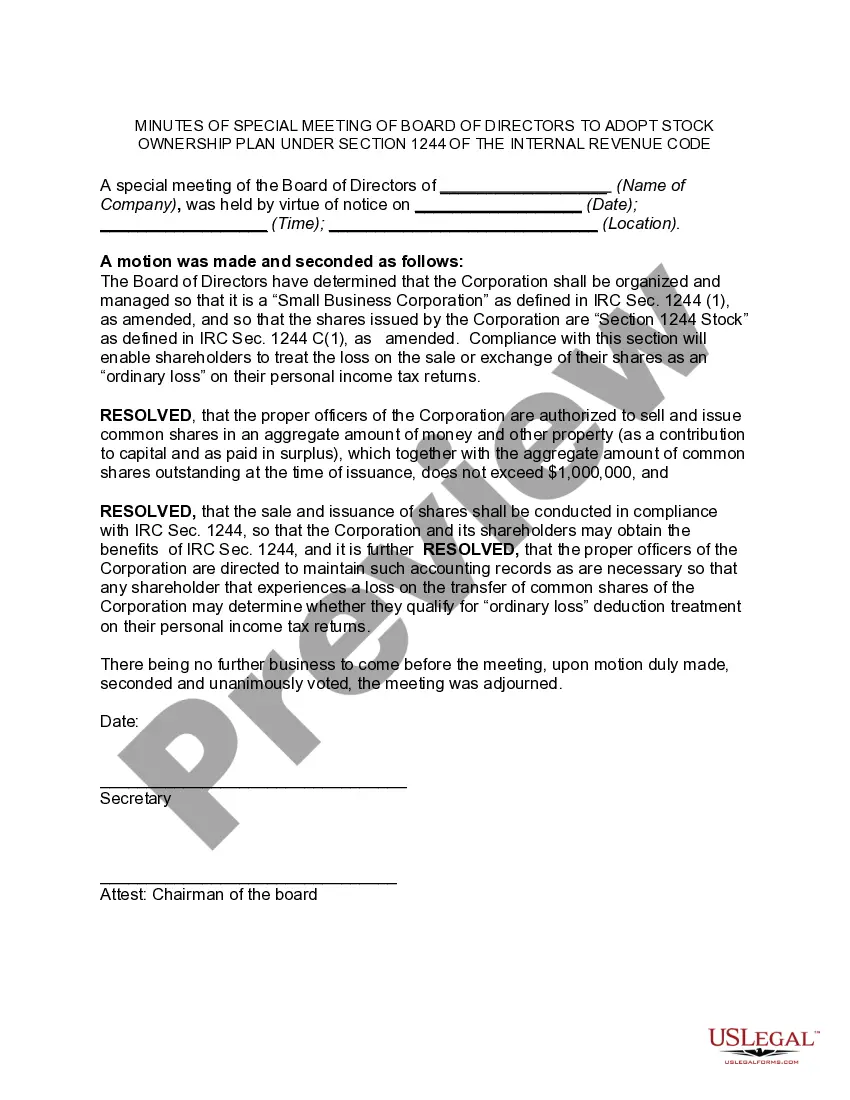
New York Notice of Default in Payment of Rent as Warning Prior to Demand to Pay or Terminate for Nonresidential or Commercial Property
Understanding this form
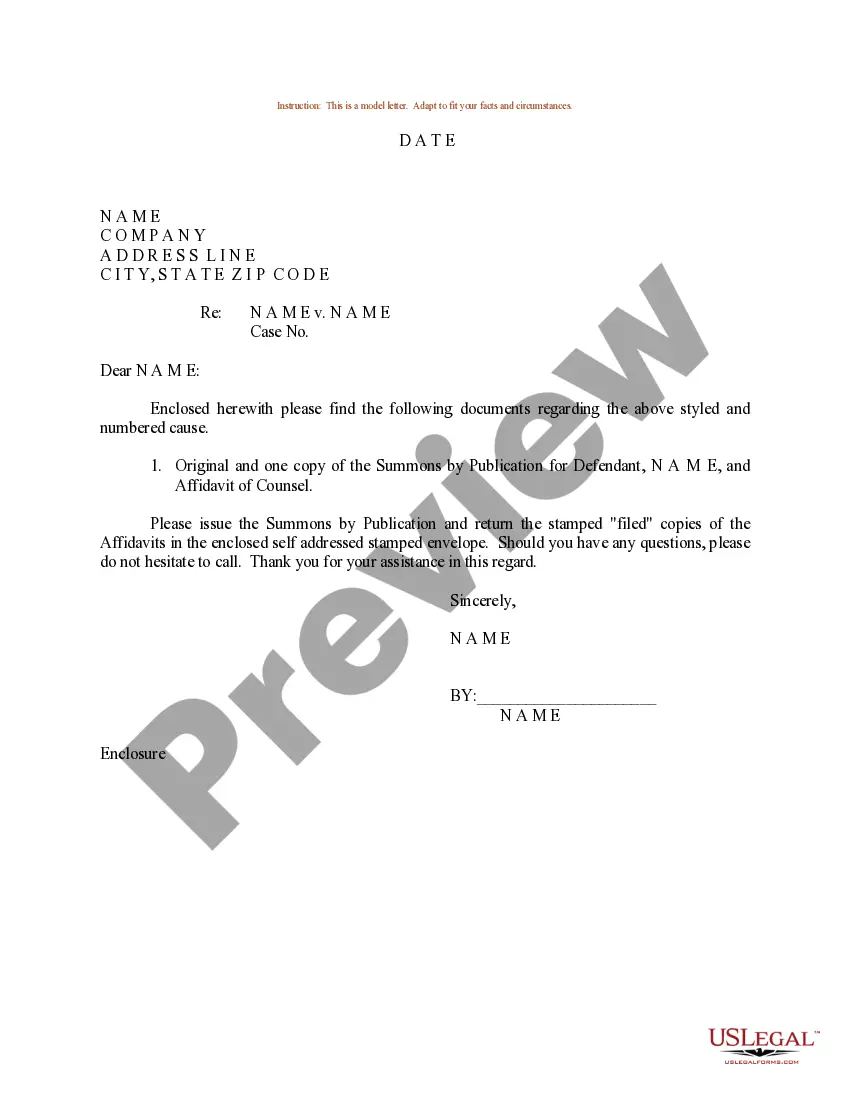
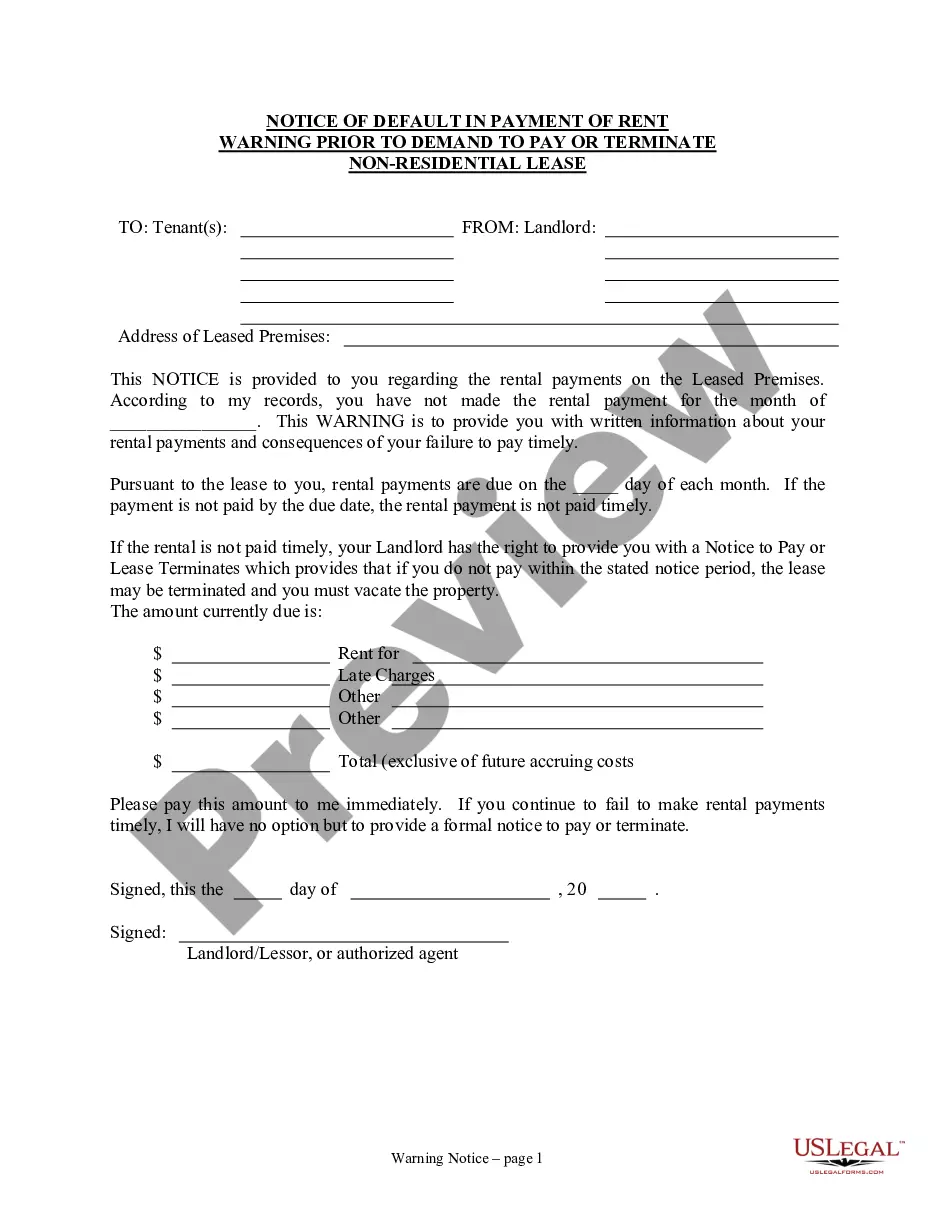
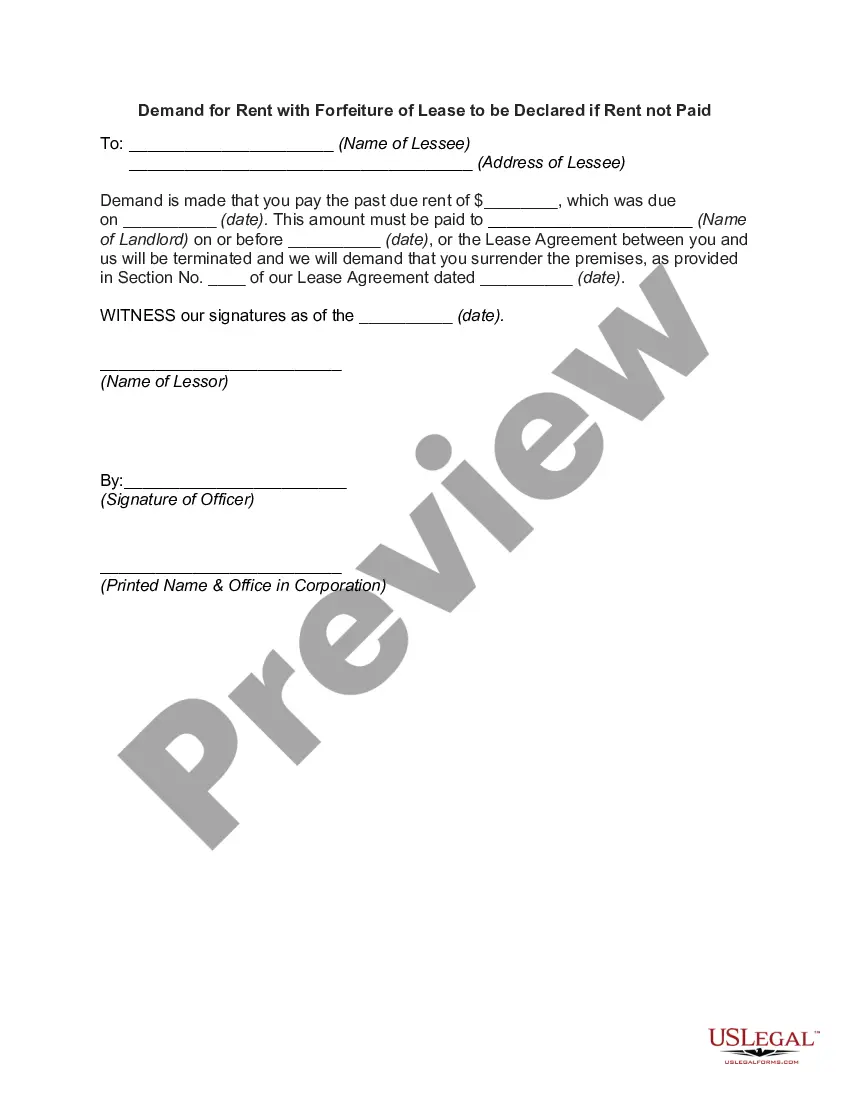
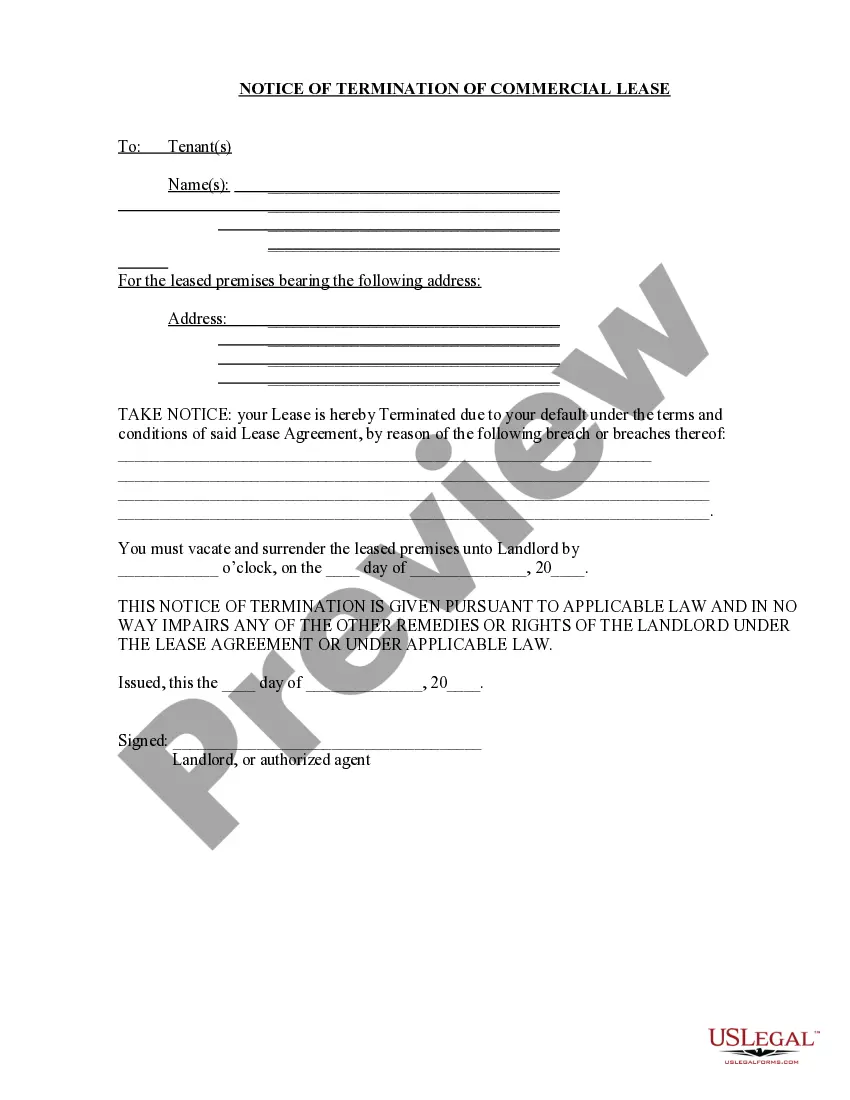
The Notice of Default in Payment of Rent as Warning Prior to Demand to Pay or Terminate for Nonresidential or Commercial Property is a legal document. It serves as a warning from the landlord to the tenant regarding late rent payments. This form informs the tenant of the overdue rent, the due date according to the lease, and the potential consequences of not resolving the payment issue promptly. Unlike other eviction notices, this form gives tenants an opportunity to rectify the situation before formal demands for payment or lease termination are made.
Main sections of this form
- Landlord and tenant information, including names and addresses.
- Details about the leased premises and the specific month of the unpaid rent.
- Clear statement of payment due and any applicable late charges.
- Consequences of failing to pay rent, including lease termination rights.
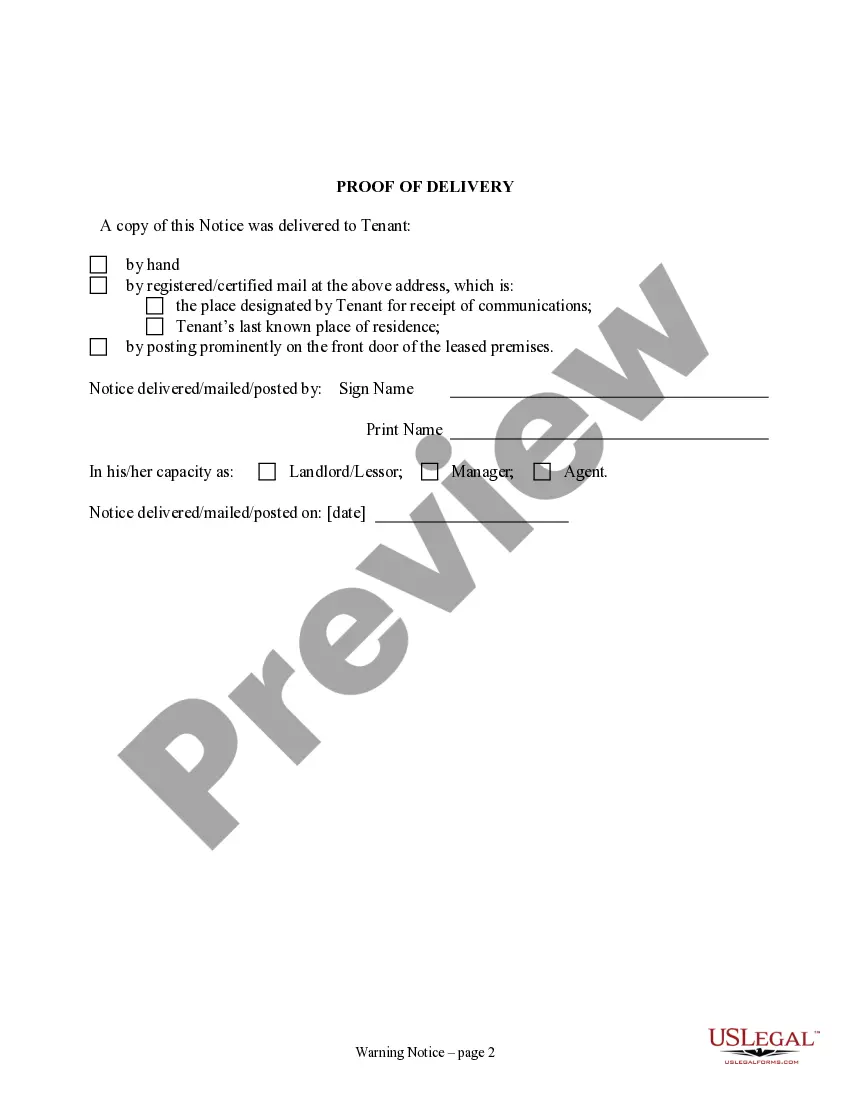
- Proof of delivery section to confirm the notice was received by the tenant.


When this form is needed
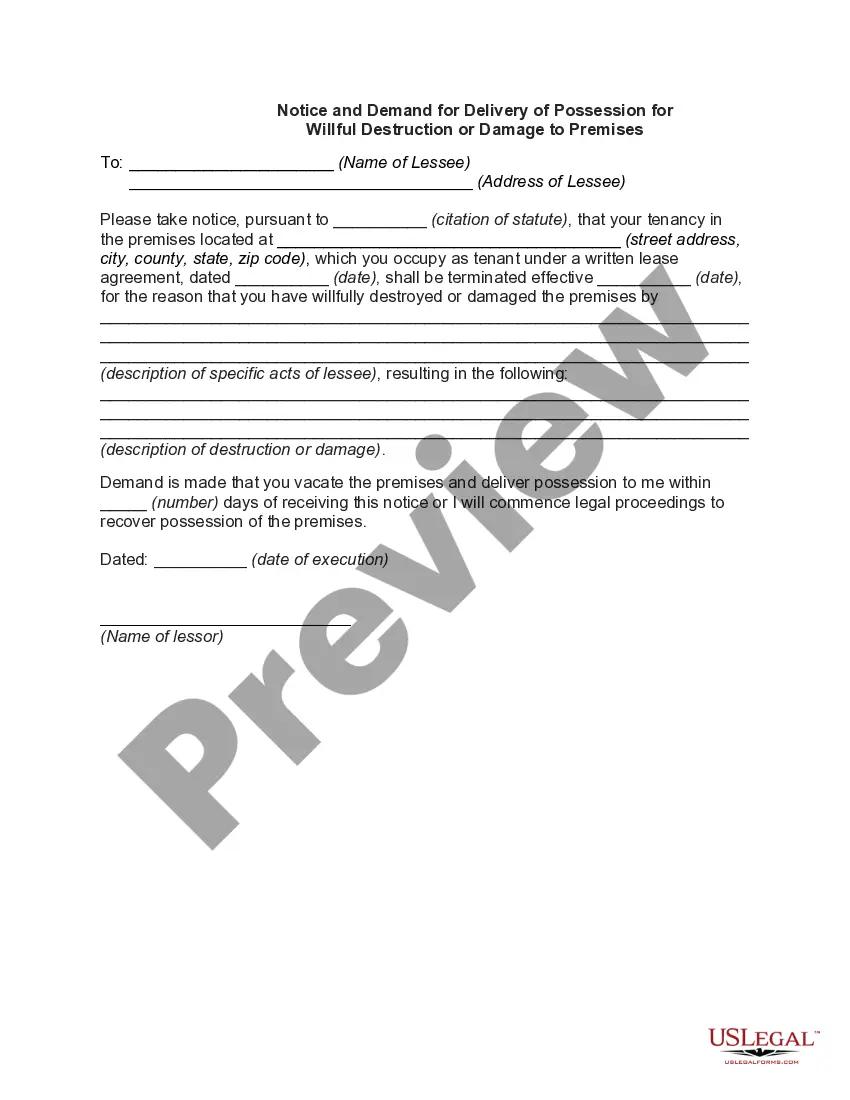
This form is utilized when a landlord needs to remind a tenant of their rent payment obligations for a nonresidential or commercial property. It is particularly useful in situations where a tenant has missed rent payments and the landlord wishes to maintain a record of communication before escalating to a formal eviction notice. Using this warning notice can help prevent misunderstandings and foster prompt payment from the tenant.
Who should use this form
- Landlords managing nonresidential or commercial properties.
- Property managers responsible for rent collection and tenant communication.
- Real estate professionals acting on behalf of landlords.
- Tenants wishing to understand their obligations under a commercial lease.
Completing this form step by step
- Identify yourself as the landlord and include your contact information.
- Specify the tenant's name and the address of the leased property.
- Fill in the month for which rent is unpaid and the corresponding due date.
- Calculate and enter the total amount due, including any late charges.
- Sign the notice and date it for proper record-keeping.
Is notarization required?
Notarization is generally not required for this form. However, certain states or situations might demand it. You can complete notarization online through US Legal Forms, powered by Notarize, using a verified video call available anytime.
Get your form ready online
Our built-in tools help you complete, sign, share, and store your documents in one place.
Make edits, fill in missing information, and update formatting in US Legal Forms—just like you would in MS Word.
Download a copy, print it, send it by email, or mail it via USPS—whatever works best for your next step.
Sign and collect signatures with our SignNow integration. Send to multiple recipients, set reminders, and more. Go Premium to unlock E-Sign.
If this form requires notarization, complete it online through a secure video call—no need to meet a notary in person or wait for an appointment.
We protect your documents and personal data by following strict security and privacy standards.

Make edits, fill in missing information, and update formatting in US Legal Forms—just like you would in MS Word.

Download a copy, print it, send it by email, or mail it via USPS—whatever works best for your next step.

Sign and collect signatures with our SignNow integration. Send to multiple recipients, set reminders, and more. Go Premium to unlock E-Sign.

If this form requires notarization, complete it online through a secure video call—no need to meet a notary in person or wait for an appointment.

We protect your documents and personal data by following strict security and privacy standards.
Common mistakes to avoid
- Failing to provide accurate tenant and landlord information.
- Not specifying the correct amount due or applicable late charges.
- Omitting the date of the notice or the deadline for payment.
- Using an incorrect method for delivering the notice, impacting proof of delivery.
Why use this form online
- Convenient access to legally sound templates drafted by licensed attorneys.
- Edit and customize the document according to your specific needs.
- Immediate downloads allow for quick resolution of rent payment issues.
- Secure and reliable format, ensuring compliance with legal standards.
Looking for another form?
Form popularity
FAQ
If you have lived there less than one year, the landlord must provide at least 30 days' notice. If you have lived there more than one year, but less than two years, the landlord must provide at least 60 days' notice. If you have lived there more than two years, the landlord must provide at least 90 days' notice.
The notice must state that the tenant has 14 days to pay rent or move out of the rental unit. If the tenant does not pay the rent or move out of the rental unit within the 14 days, the landlord can begin eviction proceedings against the tenant (see N.Y. Real Prop. Acts § 711(2)).
No. The landlord must go to court, must win the case, and then must pay a fee to have a law enforcement officer properly evict you.
Can a landlord evict you for no reason? The short answer is no. Landlords have several guidelines to follow regarding evictions and will need to take tenants to housing court prior to giving them the boot. The most common reasons a landlord may move to evict fall into two categories: nonpayment and holdover.
Late Fees. Late fees can only be charged if rent is received more than five days after the due date established in the lease, and cannot exceed $50 or five percent of the rent, whichever is less. The 14 day return of a security deposit does not apply to rent regulated tenants.
It begins on the first day of the month and ends on the last day of the month. If Joe's landlord wants Joe to move out by September 30, the landlord would have to give Joe notice on or before July 1. A tenant must give the landlord one tenancy month's written notice.
The first kind of New York Eviction Notice is called a Demand for Rent. A 3-Day Demand for Rent is required under the New York eviction process in cases of nonpayment of rent.
If you want to evict a month-to-month renter with no lease in place, you must give 30-days notice before you ask for eviction.
Notice of Rent Increase According to the new law, the landlord must give prior notice of 30-days if he/she wants to increase rent by more than 5%. And the period of notice increases with the length of the lease. For example, if the tenant is living for more than a year, a prior notice of 60-days will be valid.