Nevada Lease Subordination Agreement
Understanding this form
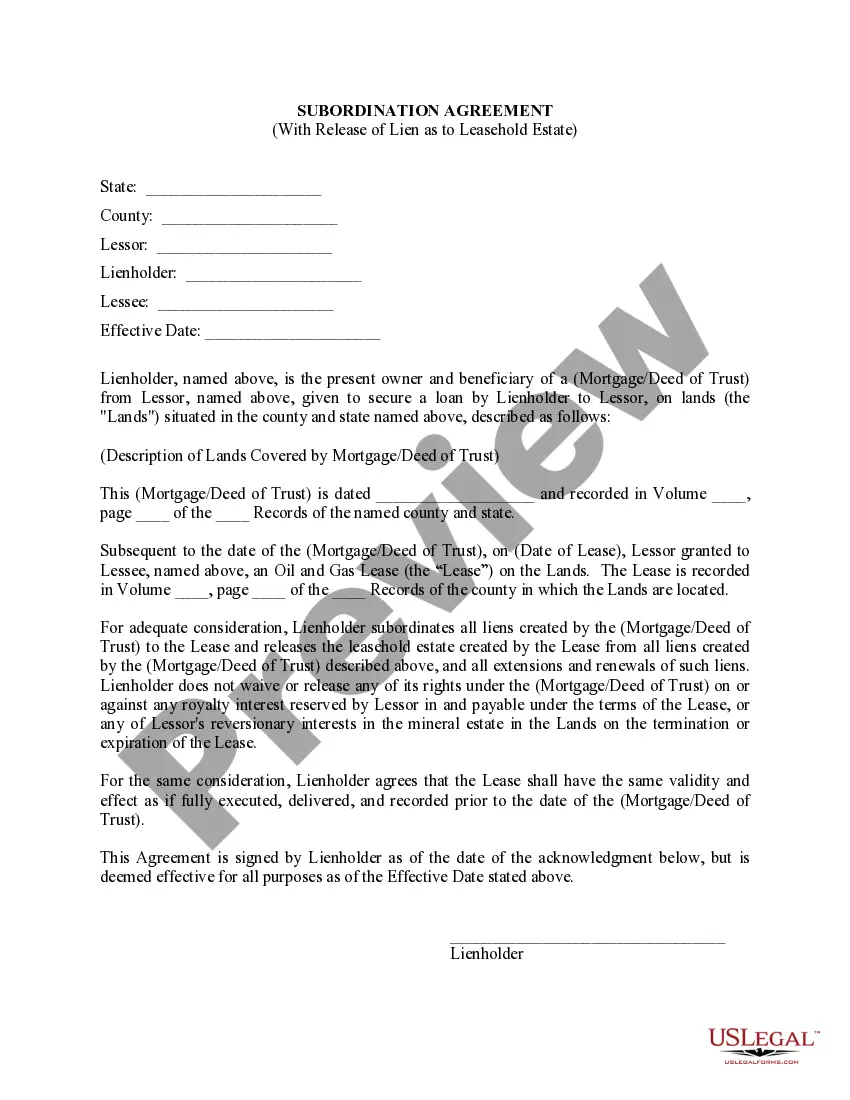
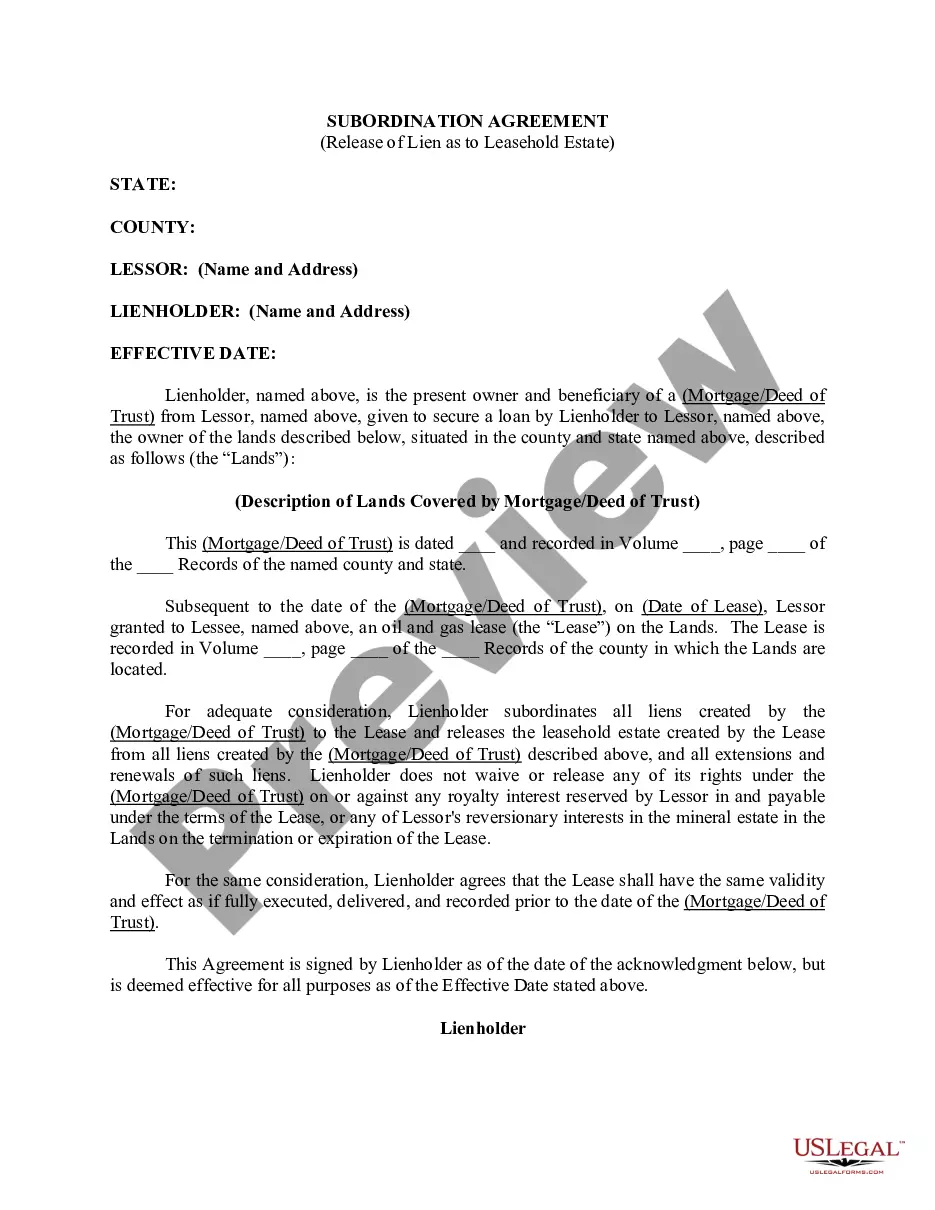
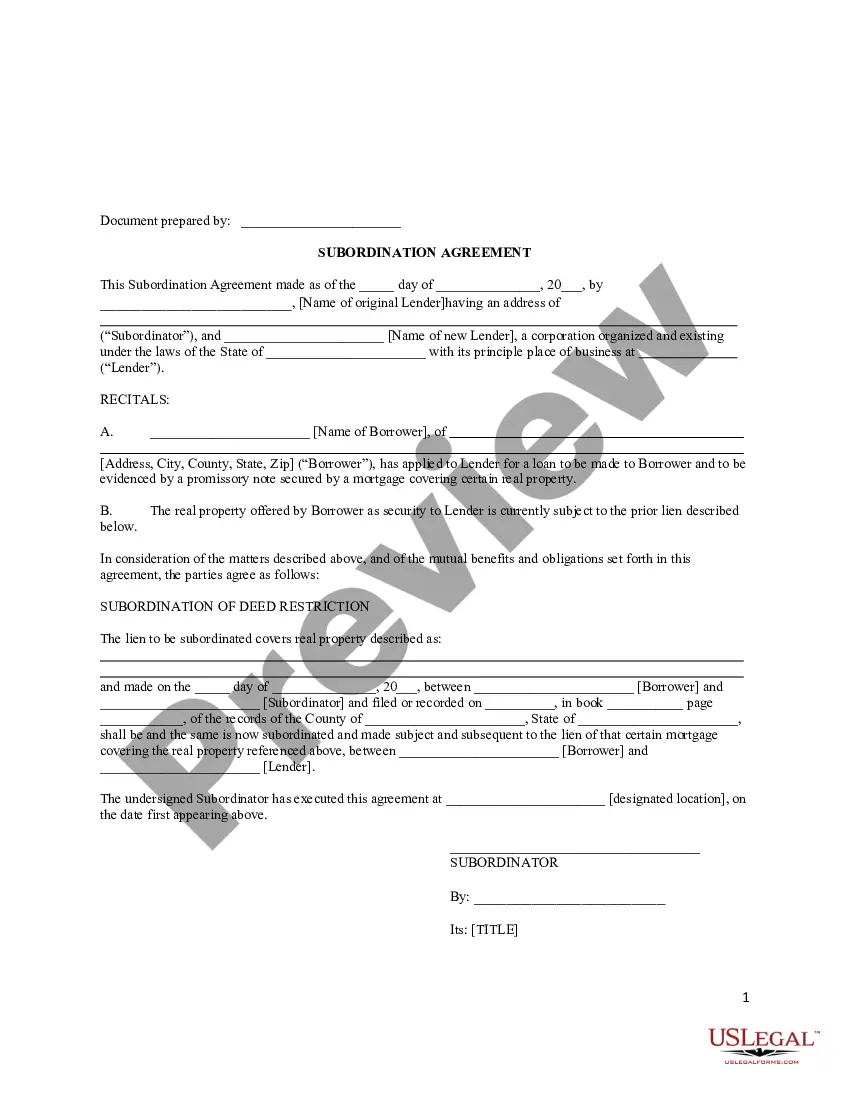
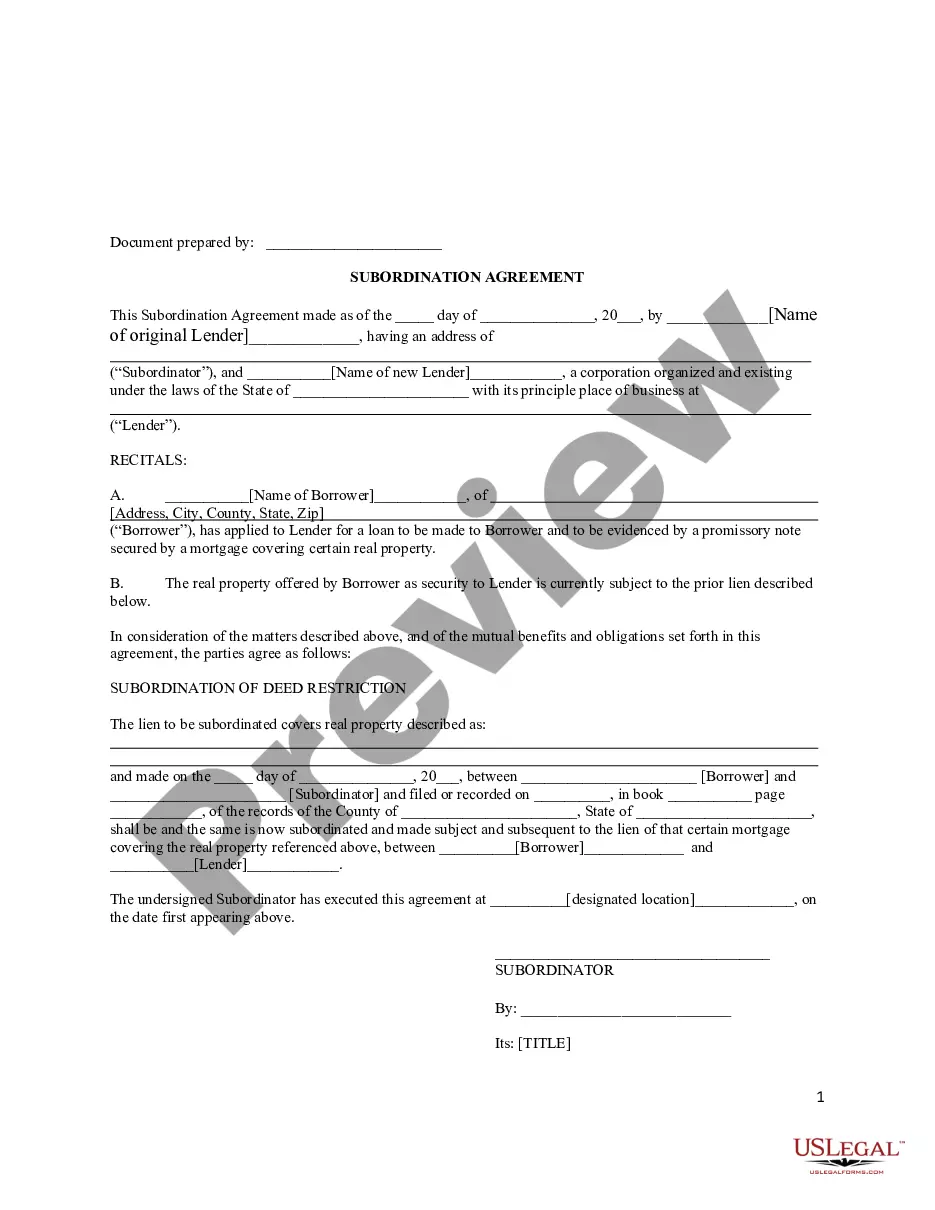
A Lease Subordination Agreement is a legal document that alters the priority of liens placed on a property, specifically subordinating a mortgage or deed of trust to an existing mineral, oil, or gas lease. This agreement ensures that the terms of the lease take precedence over the lender's claim while retaining the lender's rights regarding any reserved royalty interests. It differs from other agreements by focusing on the relationship between leaseholders and lienholders, particularly in the context of oil and gas properties.
Main sections of this form
- Effective Date: The date this agreement officially takes effect.
- Lessor Information: The name and details of the property owner or landlord.
- Lienholder Information: Details of the lender or mortgage holder.
- Lessee Information: The name of the leaseholder (tenant) who holds the lease.
- Description of Lands: Specific property details linked to the mortgage and lease.
- Release of Lien Clause: Specifies the release of lien against the leasehold estate.
When to use this form
This form is typically used when a property owner wishes to secure funding through a new mortgage while already having a mineral, oil, or gas lease in place. It is essential when the mortgage lender needs to agree to subordinate their security interest to ensure the leaseholder's rights remain intact, allowing for efficient property development and resource extraction.
Who this form is for
- Property owners looking to secure additional financing without affecting existing leases.
- Mortgage lenders requiring an agreement that acknowledges the validity of existing leases.
- Lessee representatives who need to confirm that their lease is protected despite new liens.
- Attorneys and real estate professionals facilitating transactions involving oil and gas leases.
How to complete this form
- Identify all parties involved: Fill in the names of the lessor, lienholder, and lessee.
- Specify the property: Provide a detailed description of the lands covered by the mortgage or deed of trust.
- Enter the effective date: Note the date when the subordination agreement takes effect.
- Include dates and documentation: Reference the dates of the mortgage and lease agreements, ensuring they are accurate and current.
- Sign the agreement: Ensure that the lienholder signs the document to validate the subordination.
Notarization requirements for this form
This form must be notarized to be legally valid. US Legal Forms provides secure online notarization powered by Notarize, allowing you to complete the process through a verified video call.
Get your form ready online
Our built-in tools help you complete, sign, share, and store your documents in one place.
Make edits, fill in missing information, and update formatting in US Legal Forms—just like you would in MS Word.
Download a copy, print it, send it by email, or mail it via USPS—whatever works best for your next step.
Sign and collect signatures with our SignNow integration. Send to multiple recipients, set reminders, and more. Go Premium to unlock E-Sign.
If this form requires notarization, complete it online through a secure video call—no need to meet a notary in person or wait for an appointment.
We protect your documents and personal data by following strict security and privacy standards.

Make edits, fill in missing information, and update formatting in US Legal Forms—just like you would in MS Word.

Download a copy, print it, send it by email, or mail it via USPS—whatever works best for your next step.

Sign and collect signatures with our SignNow integration. Send to multiple recipients, set reminders, and more. Go Premium to unlock E-Sign.

If this form requires notarization, complete it online through a secure video call—no need to meet a notary in person or wait for an appointment.

We protect your documents and personal data by following strict security and privacy standards.
Common mistakes
- Not including all parties' information, which can lead to disputes.
- Failing to provide a clear description of the property, which may render the agreement unenforceable.
- Omitting the effective date, which could cause confusion about when the agreement becomes valid.
- Not securing all necessary signatures, which is crucial for legal enforceability.
Benefits of using this form online
- Convenient access to the Lease Subordination Agreement anytime.
- Editable templates allow for quick customization to meet specific needs.
- Reliable legal language drafted by licensed attorneys ensures quality and accuracy.
Legal use & context
- The Lease Subordination Agreement clarifies the priority of interests in the property, reducing the risk of disputes between lienholders and lessees.
- It is enforceable as long as it complies with existing laws governing mortgages and leases in the relevant jurisdiction.
- Properly executed, it aids in securing financing while maintaining the value of mineral leases for property owners.
Main things to remember
- The Lease Subordination Agreement prioritizes a lease over an existing mortgage.
- It is crucial for property owners seeking additional financing without jeopardizing lease agreements.
- Ensure all parties are correctly identified and all sections are completed to avoid legal complications.
Looking for another form?
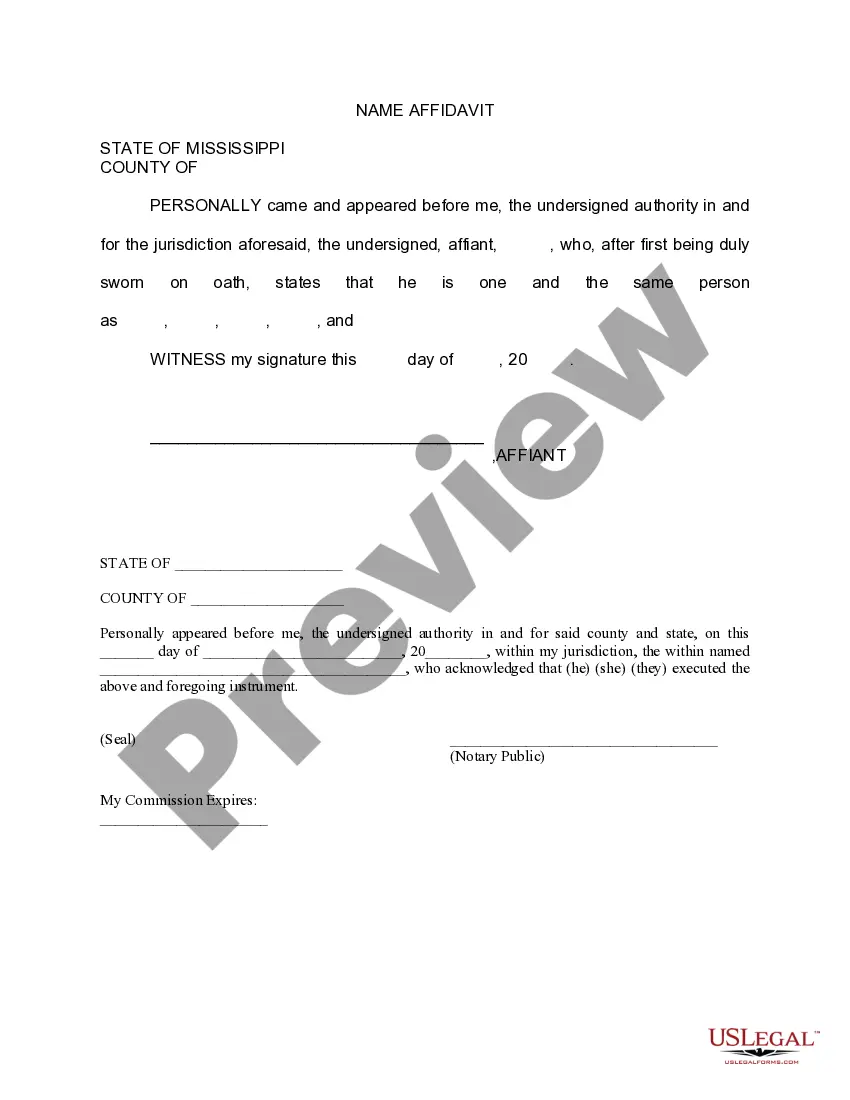

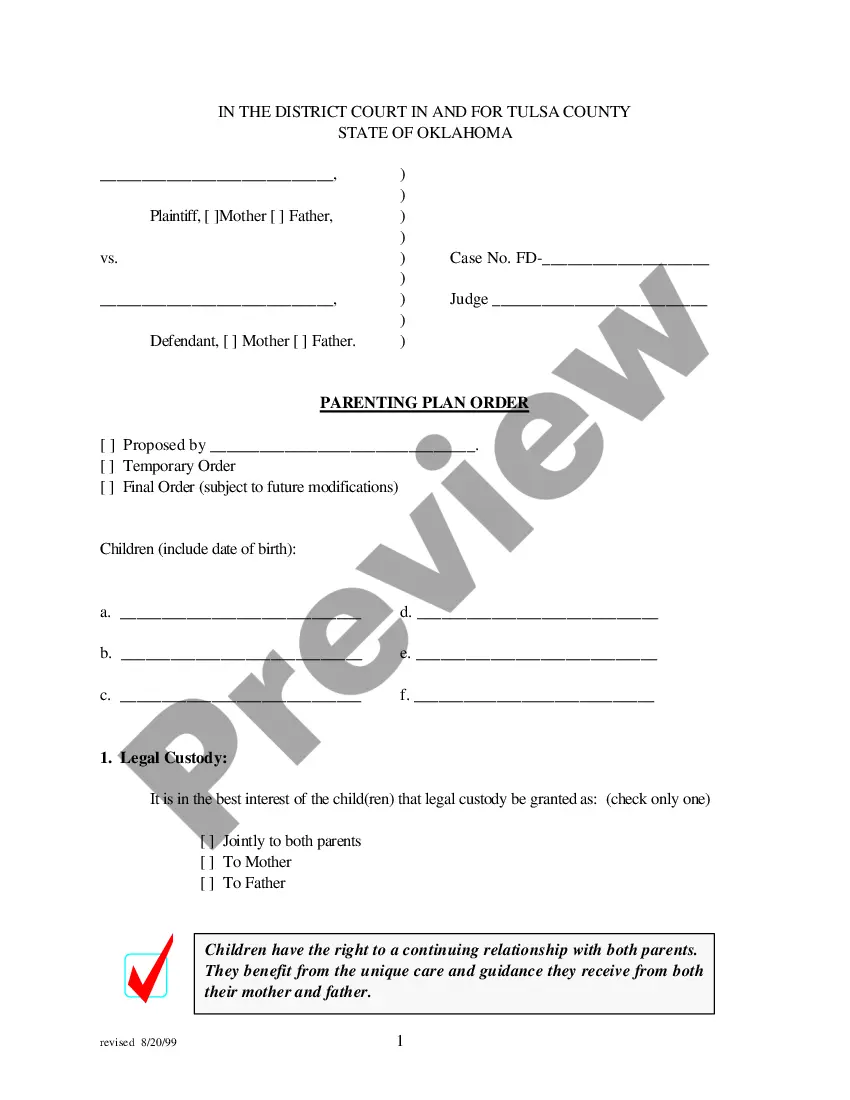






Form popularity
FAQ
A Subordination and Non-Disturbance Agreement (SNDA) commonly called a non-disturb is an agreement that your landlord asks its lender to provide. The agreement basically says that if the building goes bankrupt and the lender takes control of the building from the landlord, the lender will honor your lease.
Subordination clauses in mortgages refer to the portion of your agreement with the mortgage company that says their lien takes precedence over any other liens you may have on your property.However, it's also possible to have other liens. You might have some placed by contractors until work is paid off.
The subordination, non-disturbance and attornment agreement (commonly abbreviated as an SNDA agreement) is the document that the landlord, tenant and lender often employ to resolve how their rights do and will intersect.
Subordination is the tenant's agreement that its interest under the lease will be subordinate to that of the lender.Attornment is the tenant's agreement to become the tenant of someone other than the original landlord and who has now taken title to the property.
A rental agreement will be void and unenforceable if it allows the landlord to terminate the tenancy of a tenant for a crime committed in relation to the rental property if it does not also include the new domestic abuse protection language set forth in sec. 704.
Despite its technical-sounding name, the subordination agreement has one simple purpose. It assigns your new mortgage to first lien position, making it possible to refinance with a home equity loan or line of credit. Signing your agreement is a positive step forward in your refinancing journey.
A subordination agreement often comes up when a home has a first and a second mortgage, and the borrower wants to refinance the first mortgage. If you have two mortgages on your home and refinance the first loan, the refinancing lender might require a subordination agreement.
: placement in a lower class, rank, or position : the act or process of subordinating someone or something or the state of being subordinated As a prescriptive text, moreover, the Bible has been interpreted as justifying the subordination of women to men.