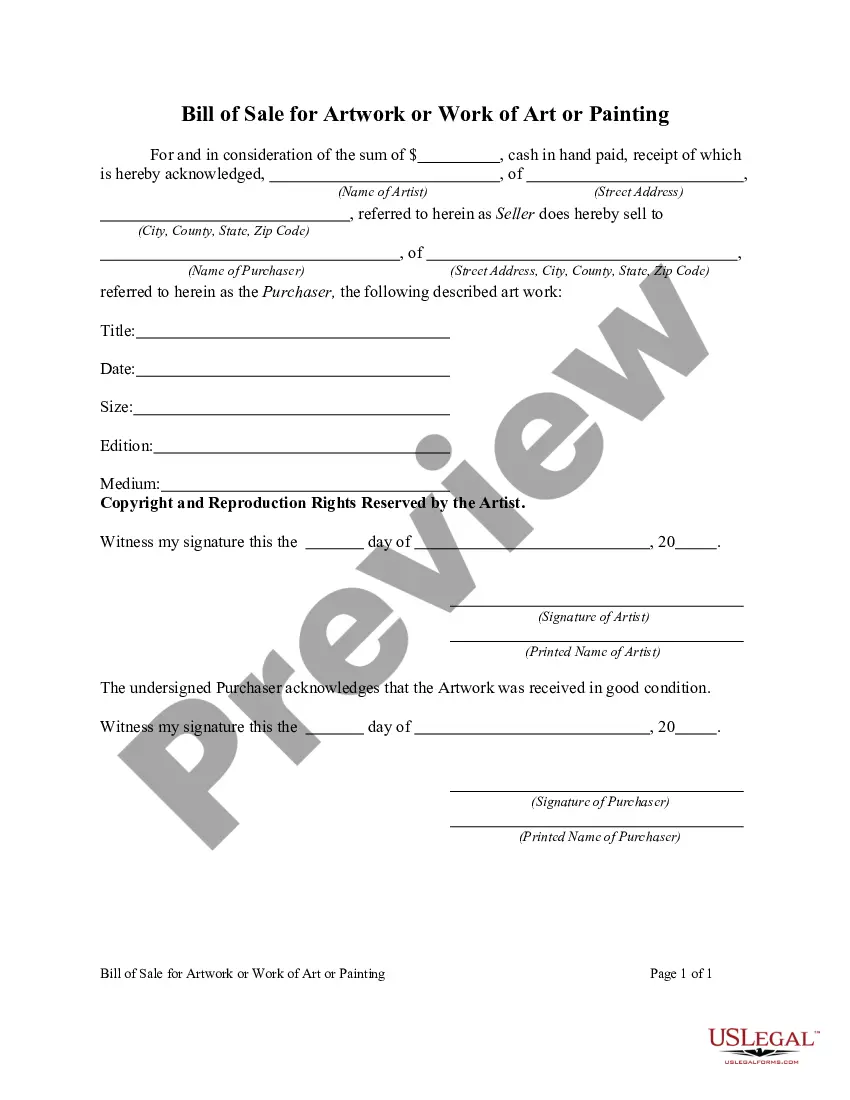
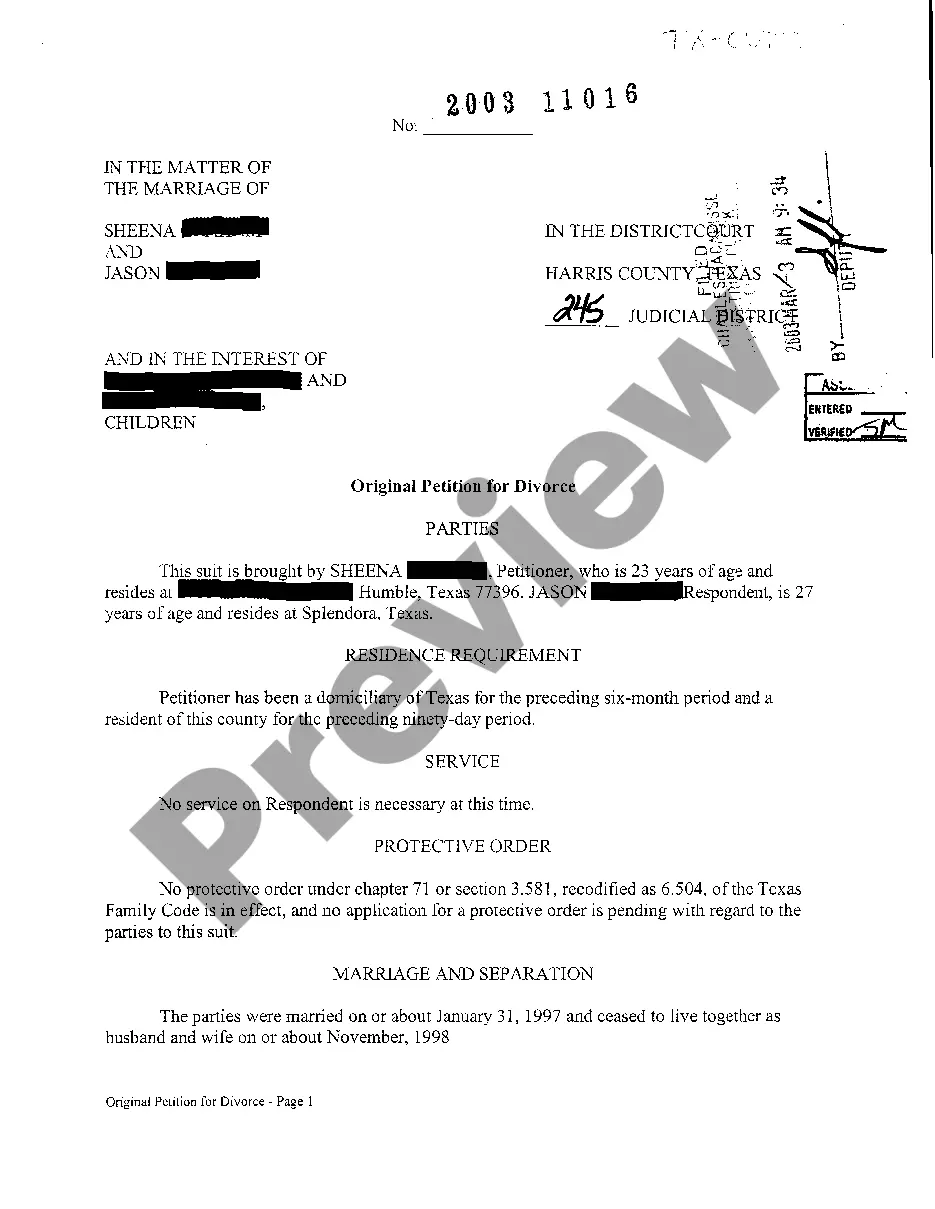
Texas Original Petition for Divorce
Notarization requirements for this form
This form usually doesn’t need to be notarized. However, local laws or specific transactions may require it. Our online notarization service, powered by Notarize, lets you complete it remotely through a secure video session, available 24/7.
Form popularity
FAQ
Ensure you meet residency requirements. In order to get a divorce in Texas, at least one of the parties must be a Texas resident. Obtain the necessary paperwork. Fill out the paperwork. File the paperwork.
STEP 1: First Motion involves joint filing of divorce petition. STEP 2: Husband & wife appear before court to record statements after filing of petition. STEP 3: Court examines petition, documents, tries reconciliation, records statements. STEP 4: Court passes order on First Motion.
One of the main legal advantages that a person gains by filing the divorce petition before his or her spouse does is that the filer can request a Standing Order from the court when filing the petition.If the matter should go to a hearing, the person who files the petition usually presents his or her case first.
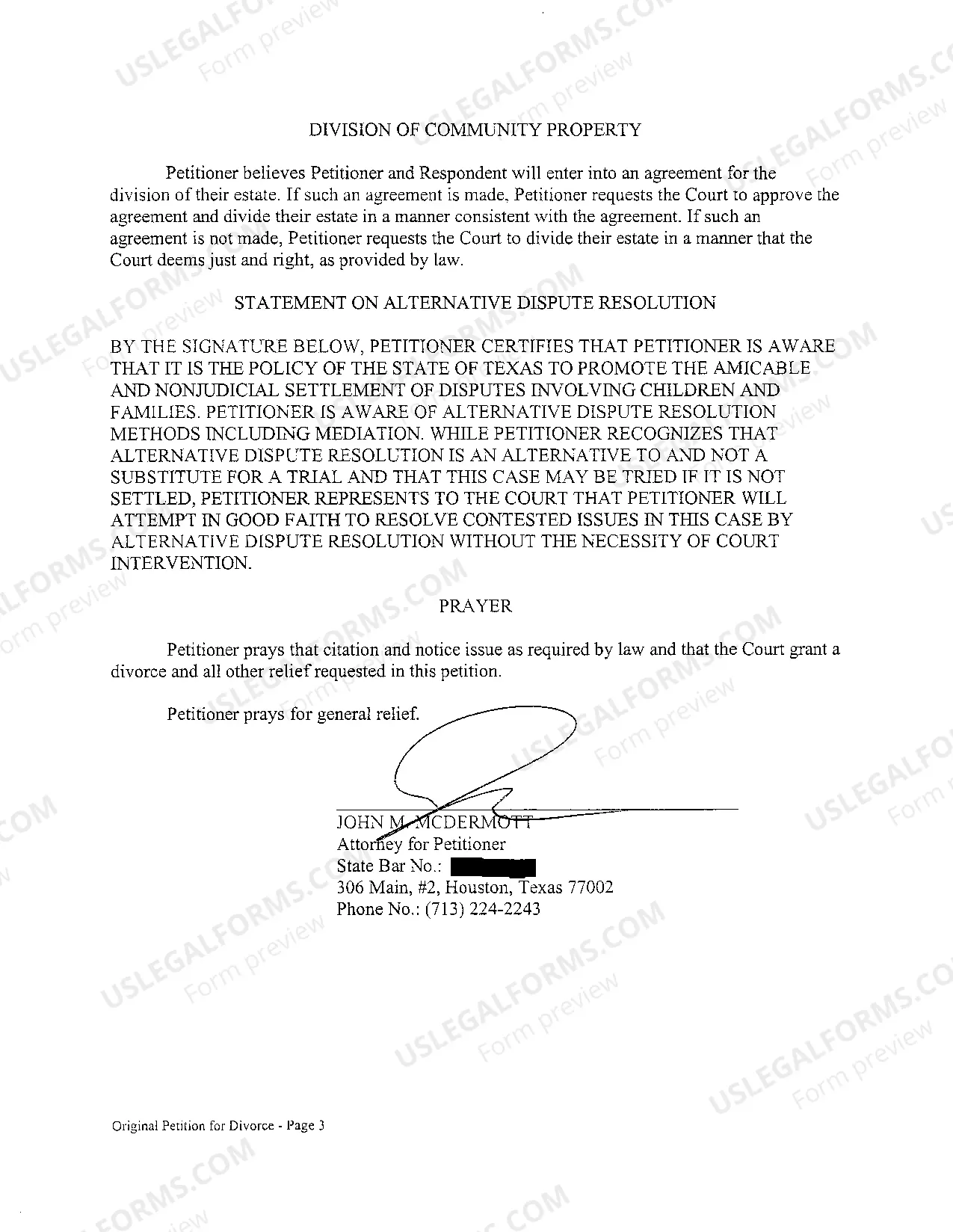
Filing the petition. One of the parties must first file a petition with the court called the Original Petition for Divorce (along with paying the requisite court fee). Legal notice. The hearing. The final decree. The assistance of a family law attorney.
But does it make a difference who files for divorce first? Although there is no right or wrong for who files first, there can be advantages and disadvantages. The court and judge usually look at both party's information equally. However, it can make a difference if you file first.
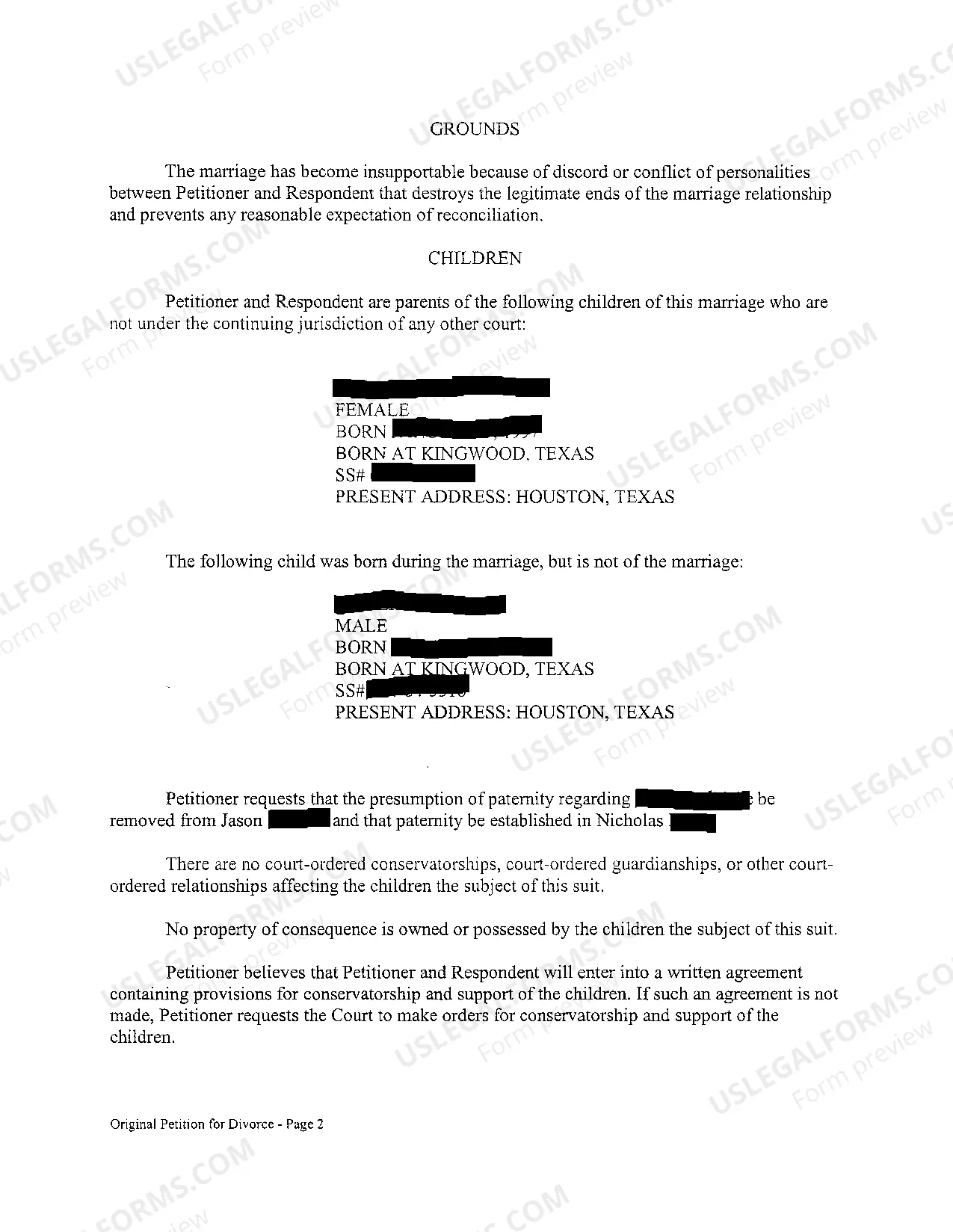
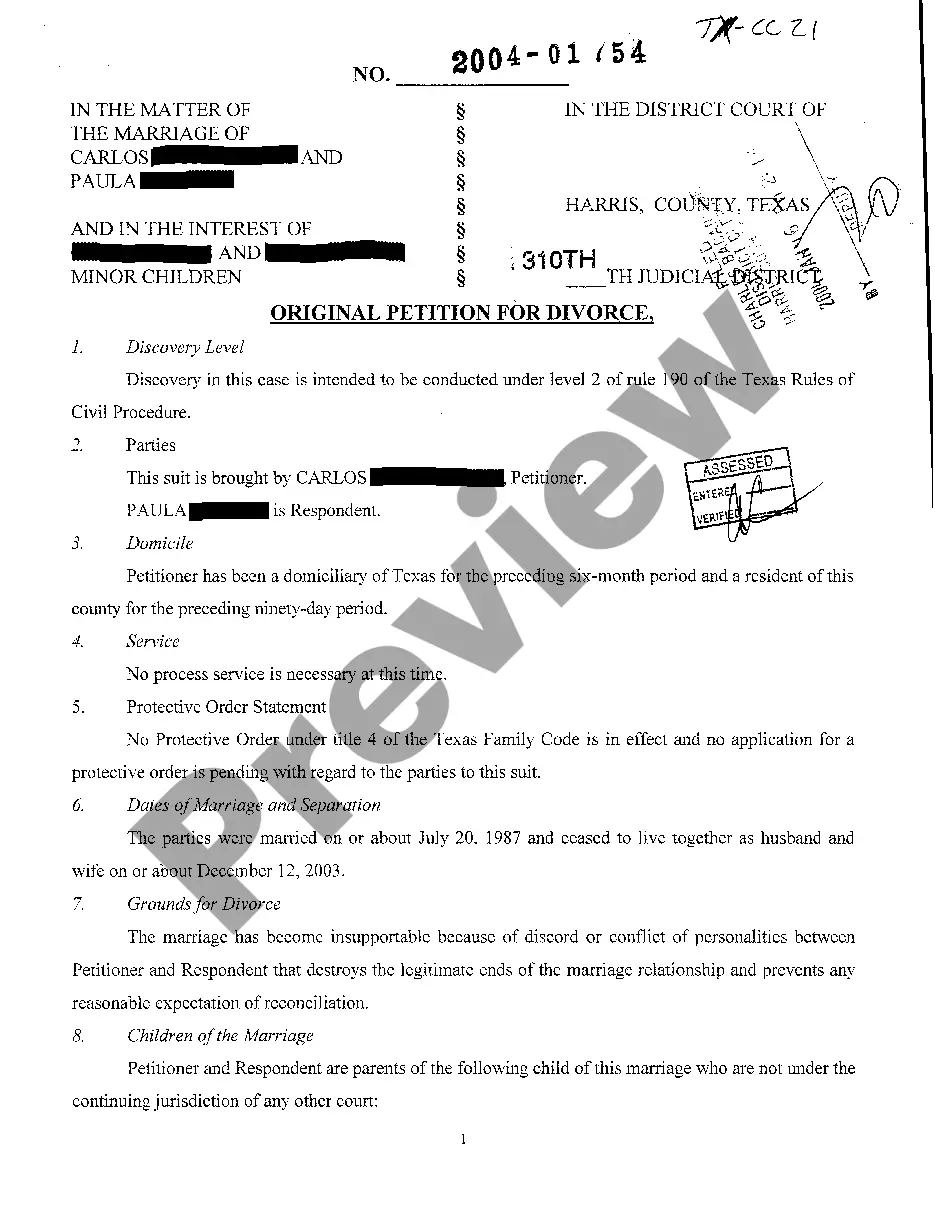
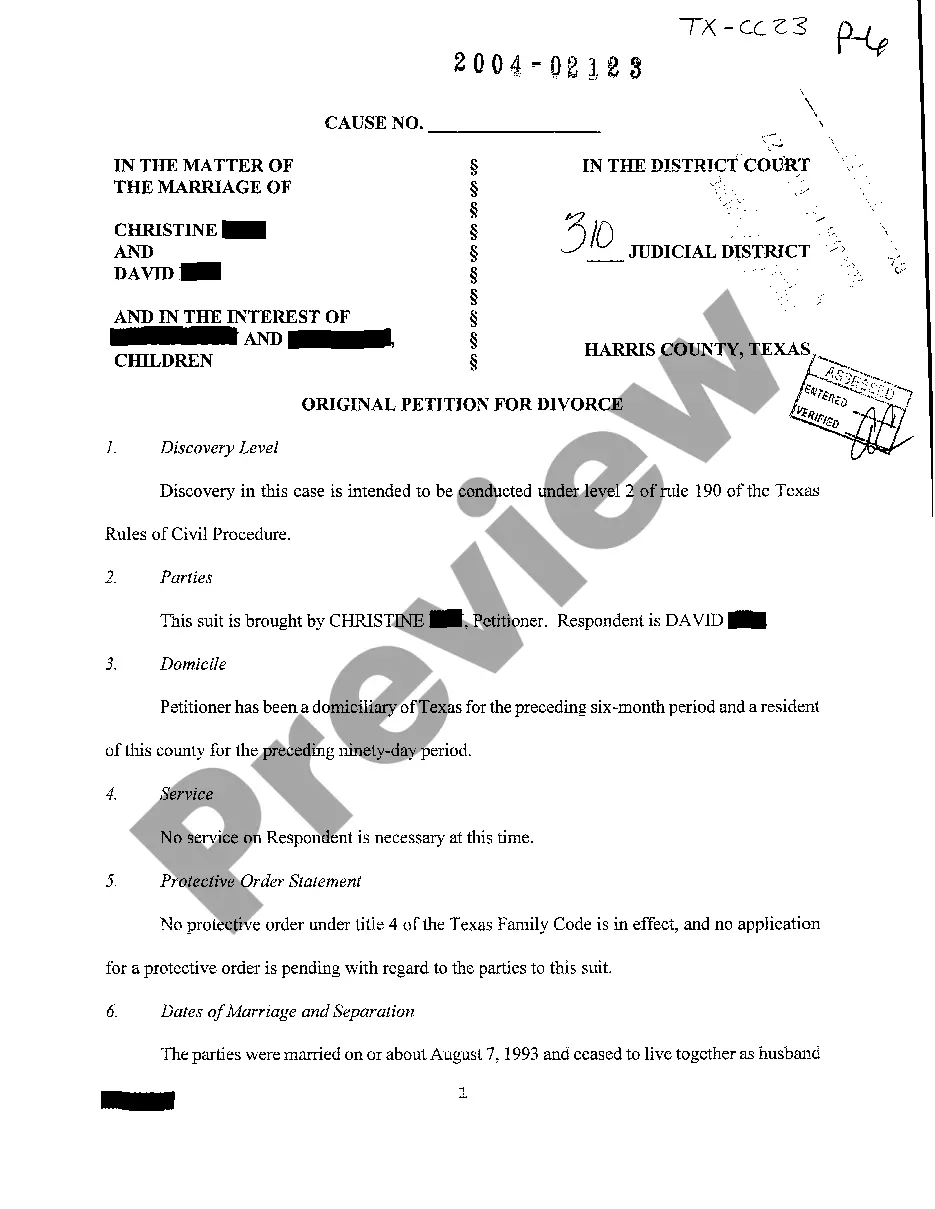
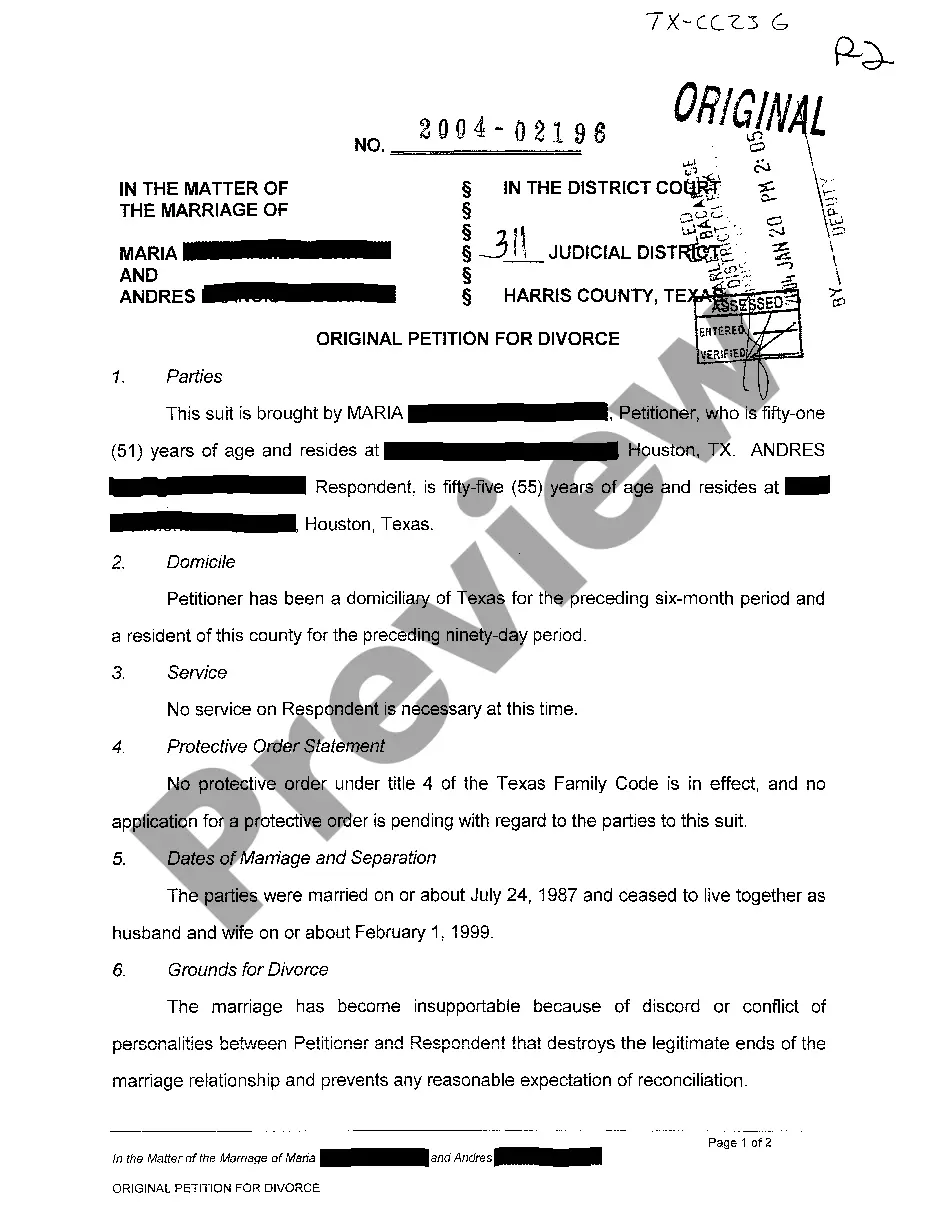
The divorce petition is a legal document filed in court by a spouse who seeks a divorce. Also called the "complaint" in some states, the petition informs the court of the filing spouse's (called the "petitioner") desire to end the marriage, and its filing with the court signifies the initiation of the divorce process.
The legal names and addresses of both spouses. The date and place that the spouses were married. Any minors belonging to both parties. Whether the petitioner has lived in the county long enough to become a resident so that they can file the petition. The grounds for divorce.
In Texas divorce cases, it does not matter who files first. In other words, it does not make a big difference who is the "petitioner" (i.e. the person who files first) or who is the "respondent" (i.e. the person who responds to the divorce petition).