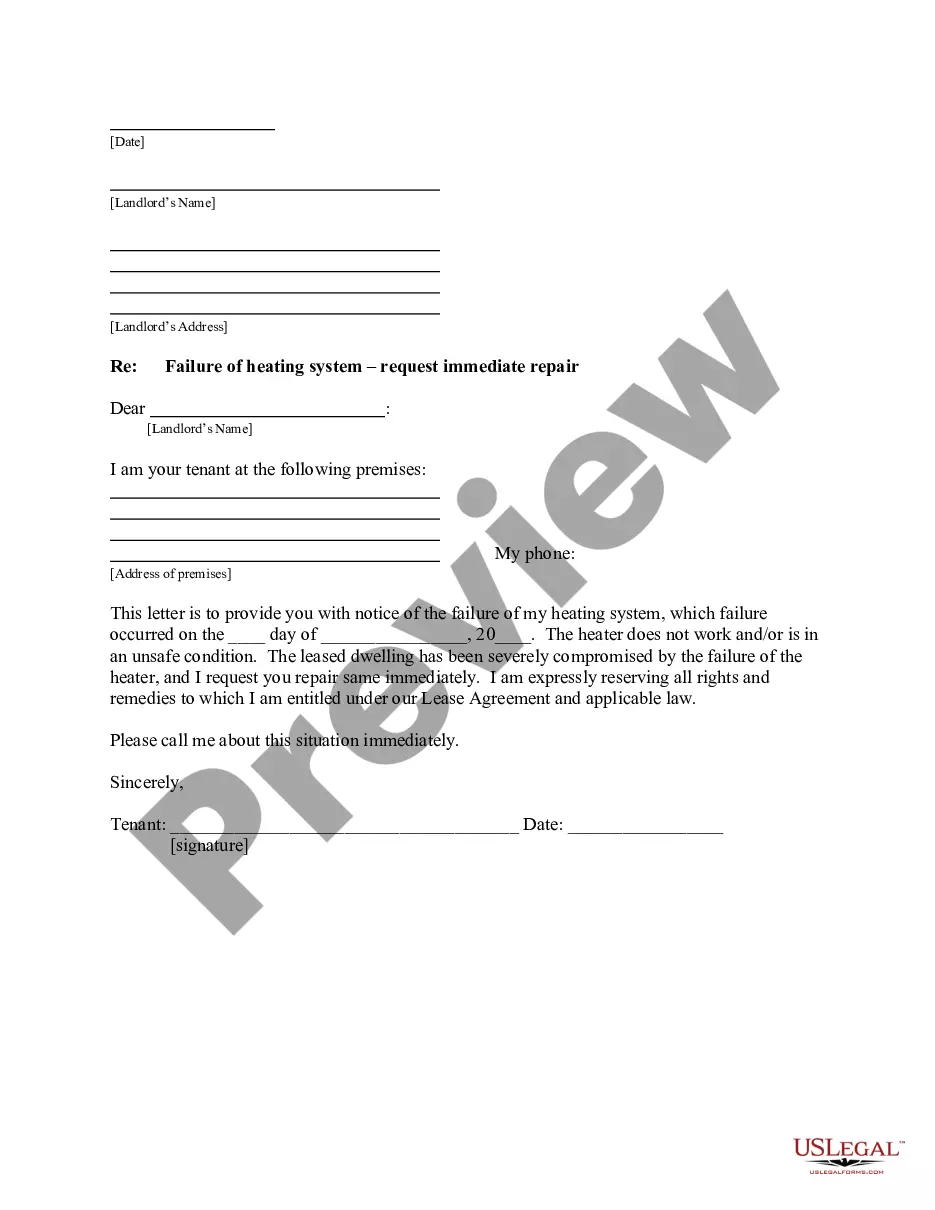
New Mexico Letter from Tenant to Landlord containing Notice that heater is broken, unsafe or inadequate and demand for immediate remedy
About this form
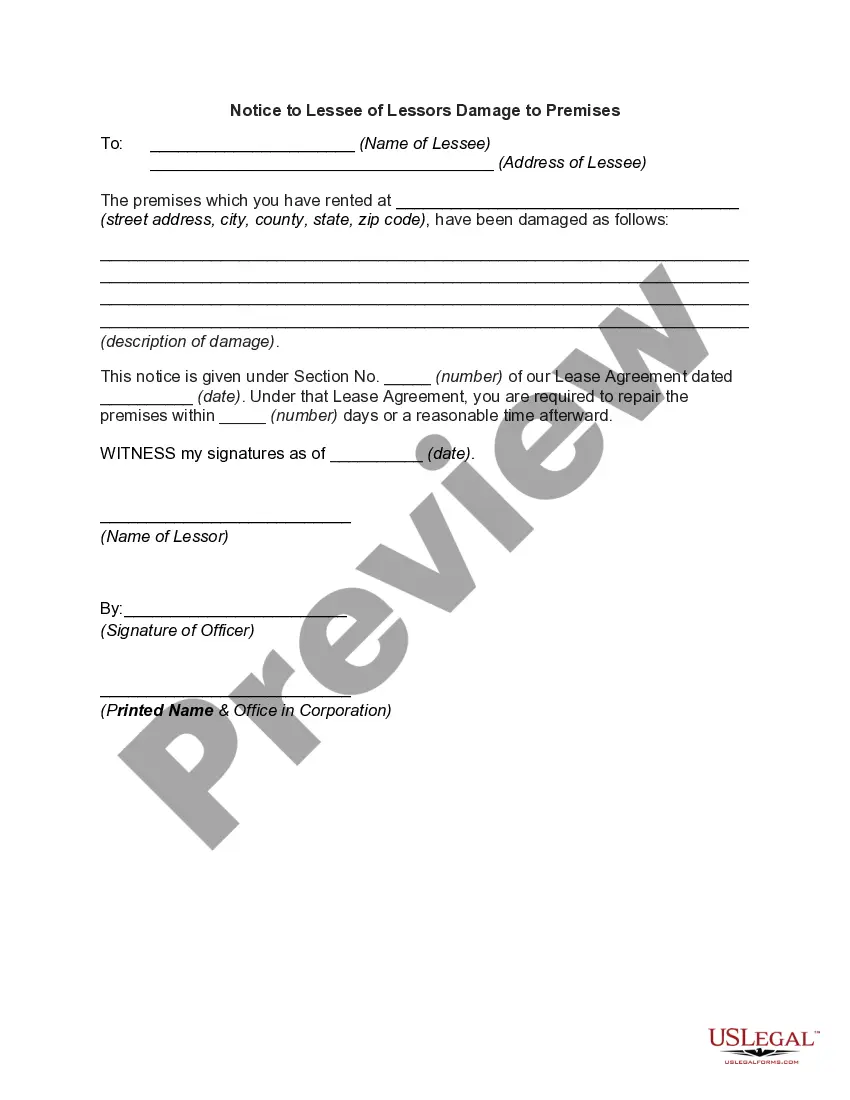
This Letter from Tenant to Landlord contains Notice that heater is broken, unsafe or inadequate and demand for immediate remedy is a legal document used by tenants to inform landlords about heating issues in their rental properties. This form highlights the landlord's responsibility to maintain the premises in habitable condition and demands necessary repairs, ensuring tenants know their rights regarding unsafe living conditions.
Form components explained
- Tenant contact information: Includes the tenant's name and address for communication.
- Issue description: Clearly states that the heating system is broken or inadequate.
- Request for immediate remedy: Demands prompt action from the landlord to fix the issue.
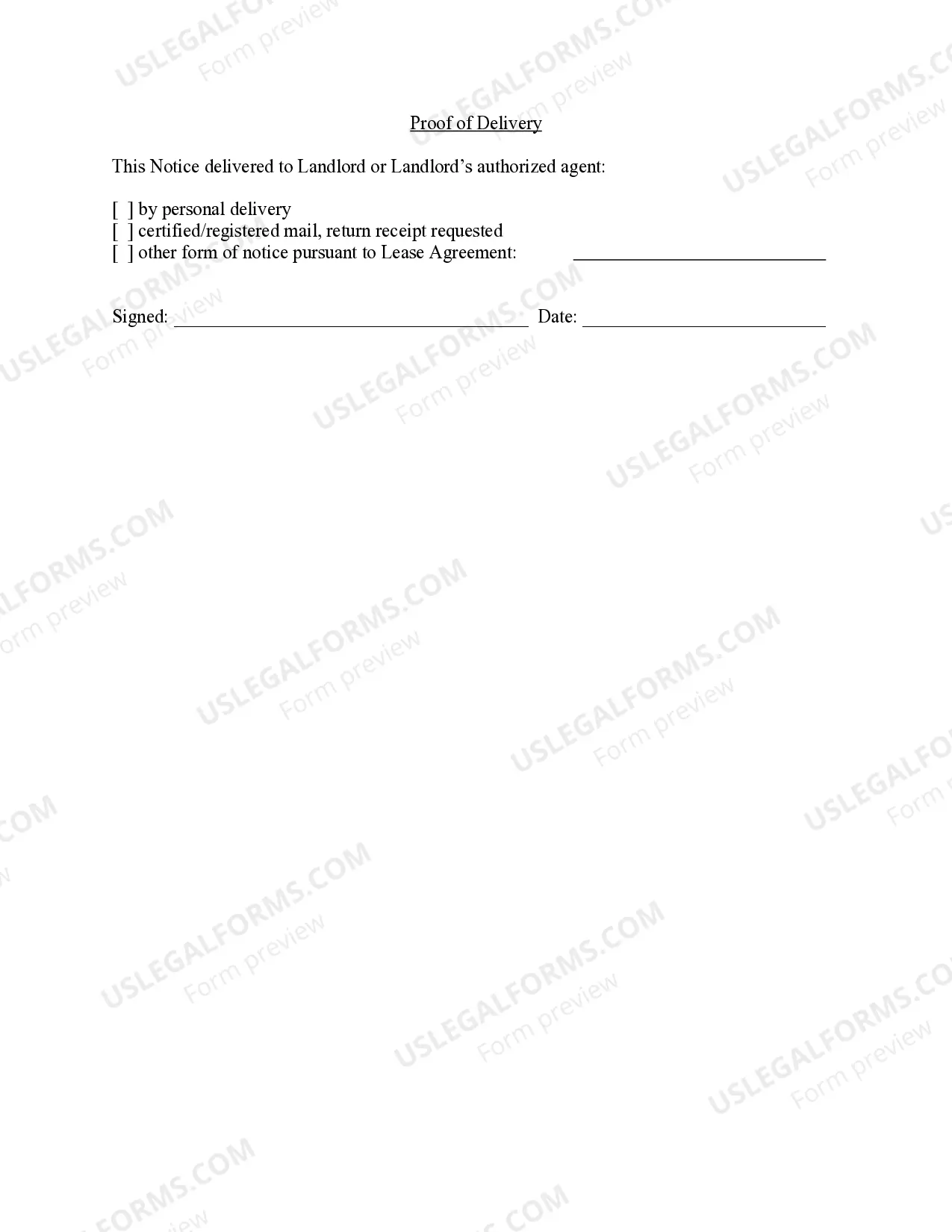
- Proof of delivery: Indicates how the notice was delivered to the landlord.
- Signature and date: Confirms the tenant's acknowledgment and intent.


When to use this document
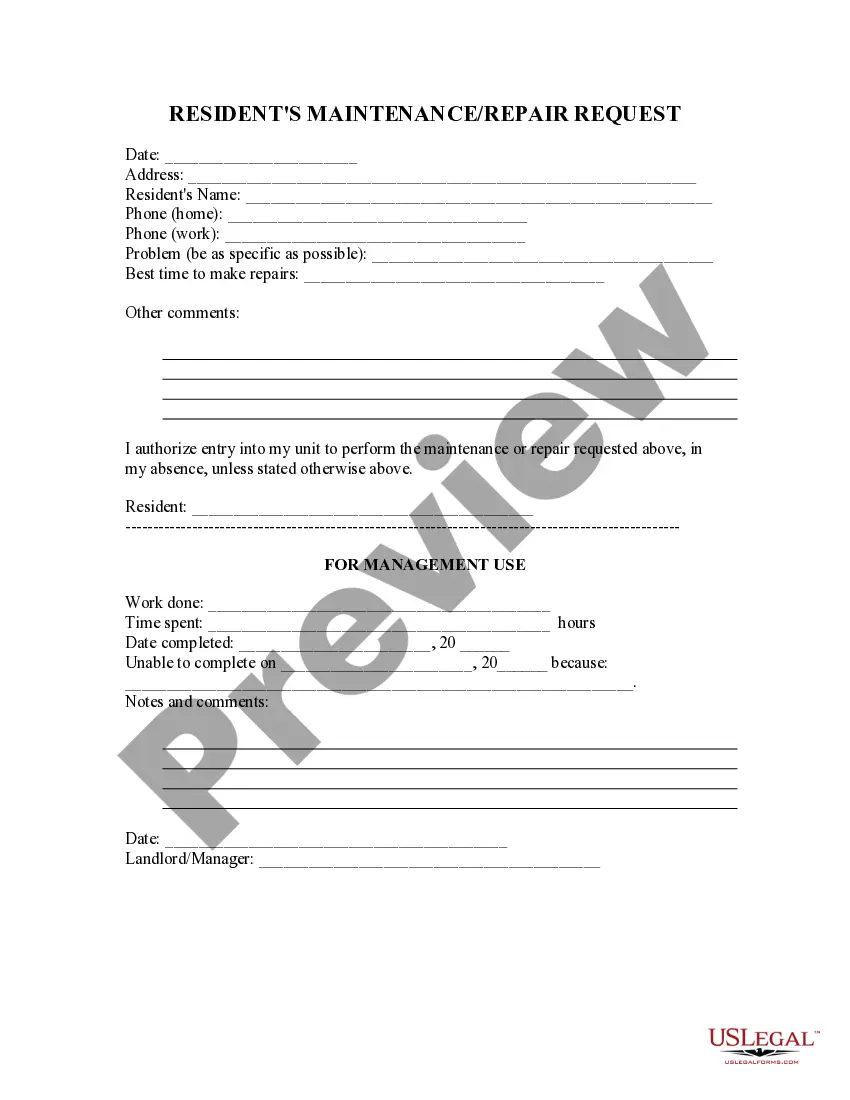
This form should be used when a tenant experiences problems with the heating system in their rental unit. It is appropriate for use when the heater is not functioning, is deemed unsafe, or does not adequately heat the space, particularly during cold weather. This letter serves as a formal way to notify the landlord of these issues and seeks an immediate remedy to ensure a safe living environment.
Who this form is for
- Tenants experiencing heating issues in their rental properties.
- Individuals seeking to formally communicate maintenance problems to their landlord.
- Renters who want to ensure the landlord complies with safety and habitability standards.
How to prepare this document
- Identify the tenant: Fill in the tenant's name and address at the top of the letter.
- Specify the issue: Clearly describe the heating problem, stating it is broken, unsafe, or inadequate.
- Include a demand for action: State that the landlord must remedy the situation immediately.
- Provide proof of delivery: Indicate how the notice was delivered, whether by personal delivery or certified mail.
- Sign and date the form: Ensure the tenant signs the letter and includes the date of completion.
Is notarization required?
In most cases, this form does not require notarization. However, some jurisdictions or signing circumstances might. US Legal Forms offers online notarization powered by Notarize, accessible 24/7 for a quick, remote process.
Get your form ready online
Our built-in tools help you complete, sign, share, and store your documents in one place.
Make edits, fill in missing information, and update formatting in US Legal Forms—just like you would in MS Word.
Download a copy, print it, send it by email, or mail it via USPS—whatever works best for your next step.
Sign and collect signatures with our SignNow integration. Send to multiple recipients, set reminders, and more. Go Premium to unlock E-Sign.
If this form requires notarization, complete it online through a secure video call—no need to meet a notary in person or wait for an appointment.
We protect your documents and personal data by following strict security and privacy standards.

Make edits, fill in missing information, and update formatting in US Legal Forms—just like you would in MS Word.

Download a copy, print it, send it by email, or mail it via USPS—whatever works best for your next step.

Sign and collect signatures with our SignNow integration. Send to multiple recipients, set reminders, and more. Go Premium to unlock E-Sign.

If this form requires notarization, complete it online through a secure video call—no need to meet a notary in person or wait for an appointment.

We protect your documents and personal data by following strict security and privacy standards.
Typical mistakes to avoid
- Failing to provide specific details about the heating issue, which may lead to misunderstandings.
- Not including the signature or date, making the document invalid.
- Using ambiguous language that does not clearly state the demand for repairs.
Benefits of using this form online
- Convenience: Download and complete the form from anywhere, at any time.
- Editability: Easily modify the template to suit specific situations and needs.
- Reliability: Forms are drafted by licensed attorneys to ensure compliance with legal standards.
What to keep in mind
- Use this form to formally notify your landlord of heating problems.
- Timely communication is essential for addressing living condition issues.
- Ensure to follow all local laws regarding tenant rights and repairs.
Looking for another form?
Form popularity
FAQ
Injury at Rental Property: You could have a case for a lawsuit against your landlord if you are injured at the rental property due to a landlord's neglect. Filing an Illegal Eviction: You can countersue your landlord if you feel your landlord is trying to evict you illegally.
Before breaking the lease, you must provide your landlord with a 30-day notice. You may also need to show the deployment letter. After the landlord receives the notice, the tenancy will automatically end 30 days after the date that the next rent payment is due.
Landlord & Tenant Resources 1-800-340-9771.
The big take-away is that in most circumstances a landlord cannot enter a property without agreement from the tenant. And If the landlord ignores the law and enters the property without permission, the tenant may be able to claim damages or gain an injunction to prevent the landlord doing it again.
Step 1: make a formal complaint. You can make a formal complaint by writing a letter to your landlord. Step 2: complain to your local council. If making a formal complaint to your landlord doesn't solve your problem you might be able to complain to your local council.
Tenants may be able to file their complaints with their city or county rent control board, local tenant association, rental housing association, district attorney's office and consumer protection agency. California residents can find the appropriate agencies based on the nature of their complaint by contacting the
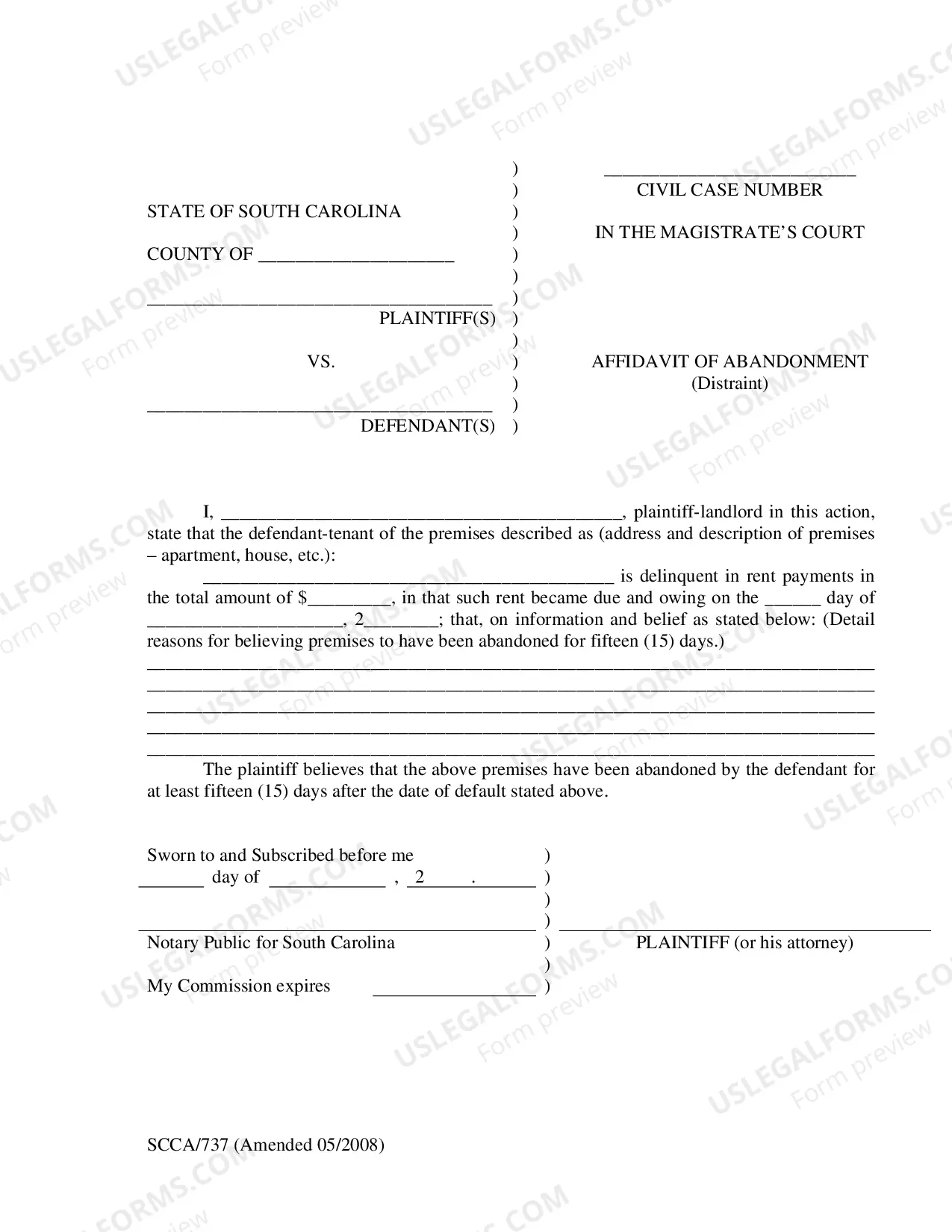
A New Mexico landlord can also enter a tenant's unit at reasonable times without giving 24 hours' notice if the tenant has abandoned or surrendered the unit, or if they've been away from the property for more than seven days.
State law regulates several rent-related issues, including late fees, the amount of notice (at least 30 days in New Mexico) landlords must give tenants to raise the rent, and how much time (three days in New Mexico) a tenant has to pay overdue rent or move before a landlord can file for eviction.