New Mexico Buyer's Request for Accounting from Seller under Contract for Deed
What this document covers
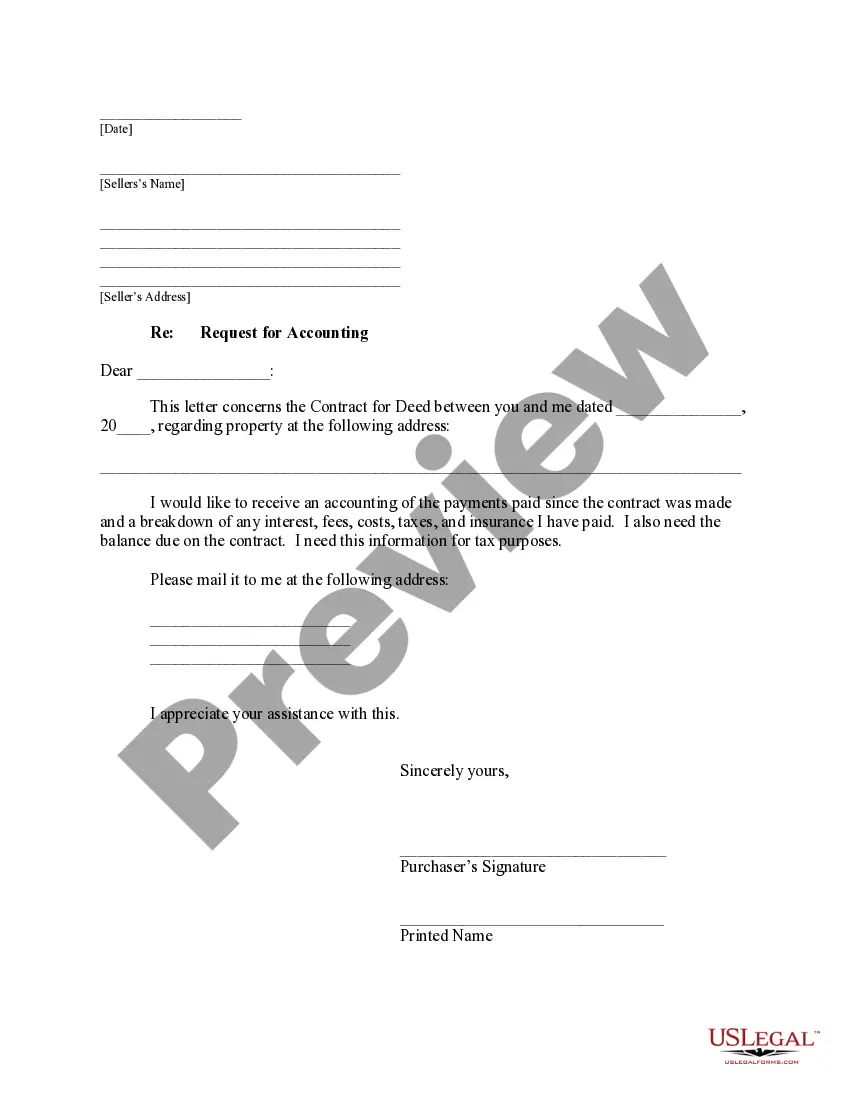
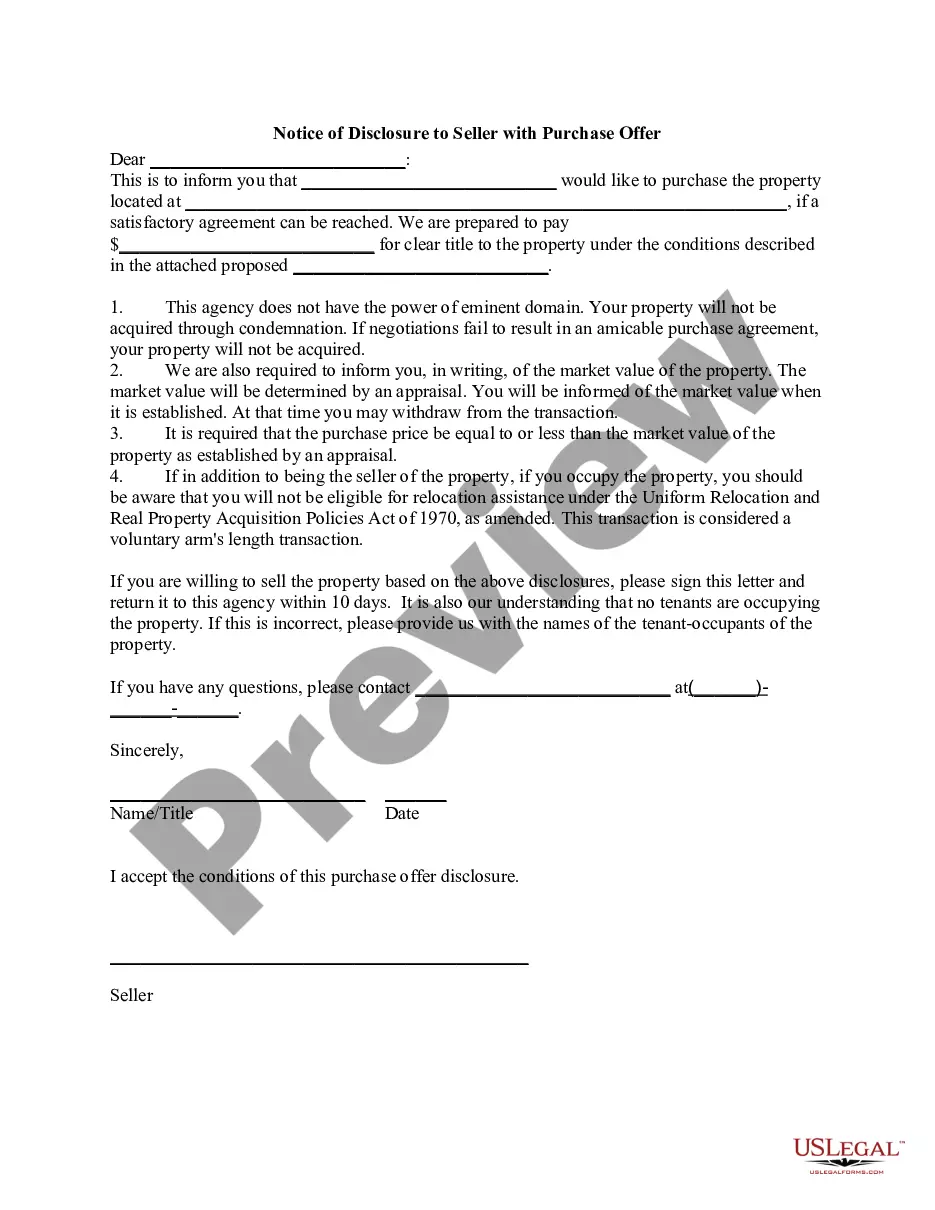
The Buyer's Request for Accounting from Seller under Contract for Deed is a formal request by the purchaser seeking a detailed accounting of payments made to the seller since the contract's inception. This document serves to clarify the financial details related to the contract, including any interest, fees, costs, taxes, and insurance incurred. Understanding these components is crucial for both record-keeping and tax purposes, distinguishing this form from other general inquiry documents.
Main sections of this form
- Request for accounting of payments made under the contract.
- Breakdown of any interest, fees, costs, taxes, and insurance.
- Request for the current balance due on the contract.
- Space for the recipient's mailing address.
- Signature and printed name of the purchaser for validation.
When to use this form
This form should be used when a purchaser under a contract for deed wants to clarify and document the financial aspects of the agreement. It's particularly useful during tax season, when precise accounting of expenses and payments is vital for financial reporting and tax calculations. This form can also be used when disputes arise regarding payment amounts or terms and when the purchaser wishes to ensure transparency with the seller.
Who needs this form
- Purchasers involved in a contract for deed.
- Individuals seeking a clear statement of their financial obligations to the seller.
- Property buyers who need accurate financial records for tax reporting.
- Consumers who wish to clarify any discrepancies in payment records.
How to complete this form
- Clearly state your request for an accounting of payments made since the contract was signed.
- Provide a detailed breakdown of any applicable interest, fees, costs, taxes, and insurance you want explained.
- Indicate the current remaining balance due on the contract.
- Fill in the mailing address where you want the accounting statement sent.
- Sign the form and print your name to validate the request.
Notarization guidance
Notarization is not commonly needed for this form. However, certain documents or local rules may make it necessary. Our notarization service, powered by Notarize, allows you to finalize it securely online anytime, day or night.
Get your form ready online
Our built-in tools help you complete, sign, share, and store your documents in one place.
Make edits, fill in missing information, and update formatting in US Legal Forms—just like you would in MS Word.
Download a copy, print it, send it by email, or mail it via USPS—whatever works best for your next step.
Sign and collect signatures with our SignNow integration. Send to multiple recipients, set reminders, and more. Go Premium to unlock E-Sign.
If this form requires notarization, complete it online through a secure video call—no need to meet a notary in person or wait for an appointment.
We protect your documents and personal data by following strict security and privacy standards.

Make edits, fill in missing information, and update formatting in US Legal Forms—just like you would in MS Word.

Download a copy, print it, send it by email, or mail it via USPS—whatever works best for your next step.

Sign and collect signatures with our SignNow integration. Send to multiple recipients, set reminders, and more. Go Premium to unlock E-Sign.

If this form requires notarization, complete it online through a secure video call—no need to meet a notary in person or wait for an appointment.

We protect your documents and personal data by following strict security and privacy standards.
Avoid these common issues
- Failing to provide a complete mailing address for the response.
- Not signing the form, which may invalidate the request.
- Leaving out specific details about interest, fees, and other charges, leading to incomplete accounting.
- Not keeping a copy of the sent request for personal records.
Why complete this form online
- Convenience of completing and sending the request from anywhere.
- Easy accessibility to a downloadable template tailored by licensed attorneys.
- Time-saving compared to drafting an accounting request from scratch.
- Reduced risk of errors with a guided format that ensures all necessary information is included.
Looking for another form?
Form popularity
FAQ
The buyer must record the contract for deed with the county recorder where the land is located within four months after the contract is signed. Contracts for deed must provide the legal name of the buyer and the buyer's address.
While a buyer can legally back out of a home contract, there can be consequences for doing so. For example, you can lose your earnest money, which could amount to thousands of dollars or more. That is unless your reason for pulling out of the deal is stipulated in your contract.
The buyer should record the contract for deed with the county recorder where the land is located and does so normally within four months after the contract is signed, though the time may vary depending on state law.
But unlike buyers, sellers can't back out and forfeit their earnest deposit money (usually 1-3 percent of the offer price). If you decide to cancel a deal when the home is already under contract, you can be either legally forced to close anyway or sued for financial damages.
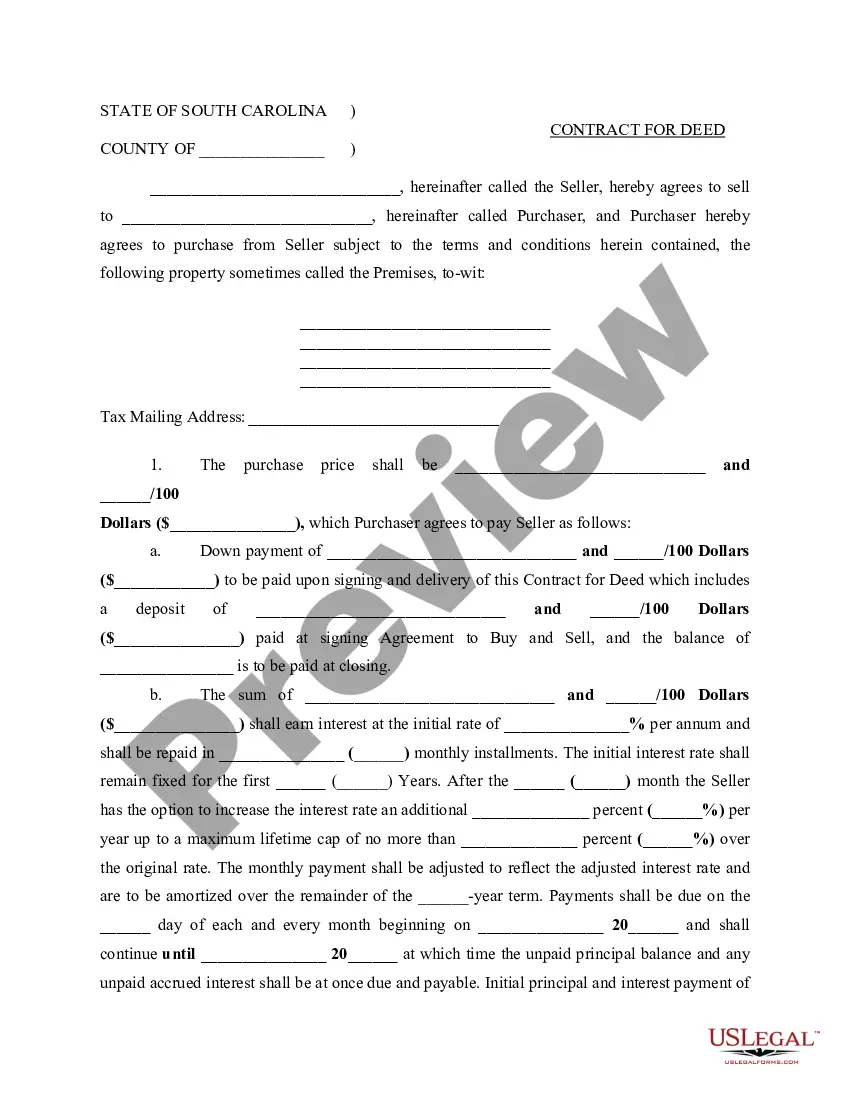
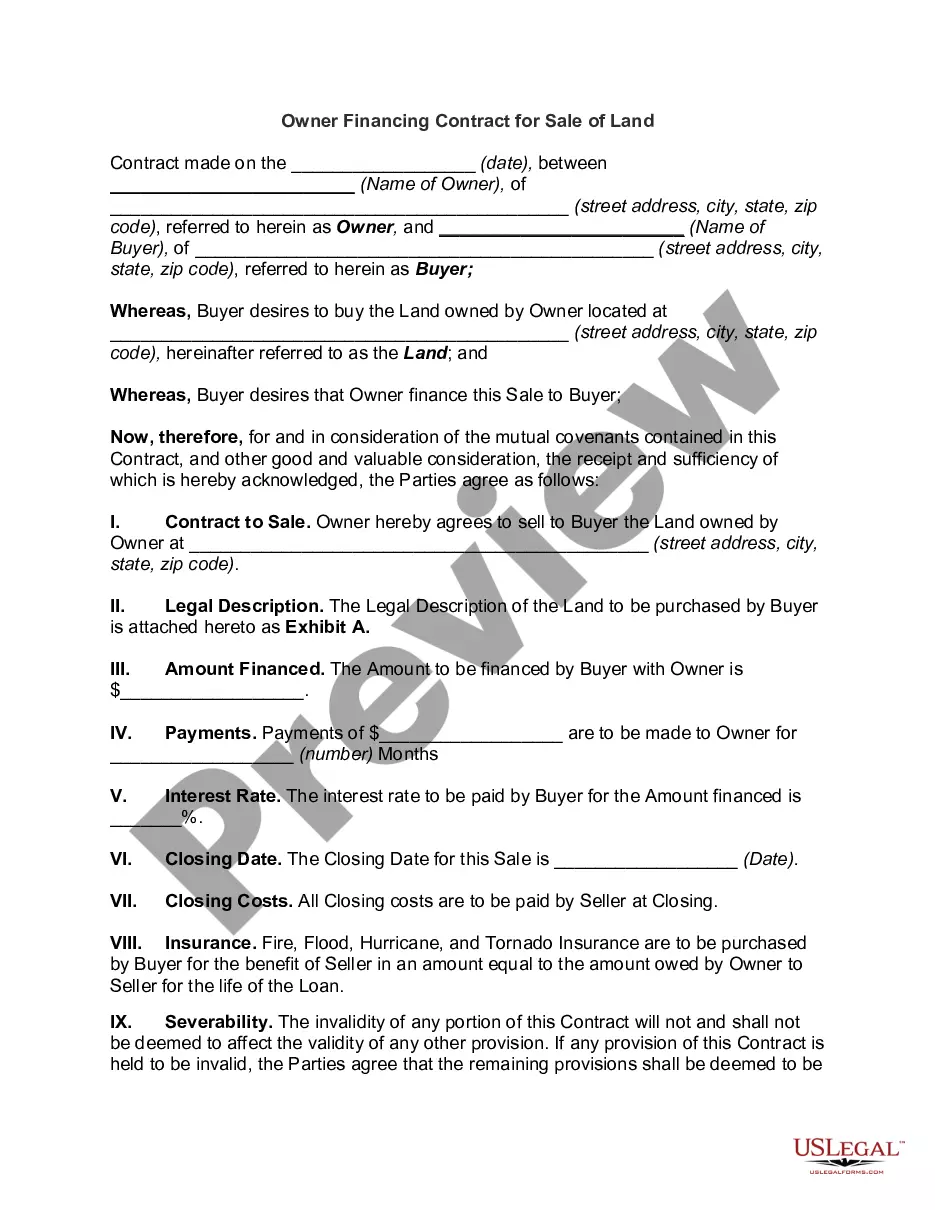
Purchase price. Down payment. Interest rate. Number of monthly installments. Responsibilities of the buyer and seller. Legal remedies for the seller if the buyer does not make payments.
Other benefits include: no loan qualifying, low or flexible down payment, favorable interest rates and flexible terms, and a quicker settlement. The biggest risk when buying a home contract for deed is that you really don?t have a legal claim to the property until you have paid off the entire purchase price.
A disadvantage to the seller is that a contract for deed is frequently characterized by a low down payment and the purchase price is paid in installments instead of one lump sum.The legal fees and time frame for this process will be more extensive than a standard Power of Sale foreclosure.
If you want out of a real estate contract and don't have any contingencies available, you can breach the contract.The seller could also decide to sue you for breach of contract. Some real estate contracts have a liquidated damages clause that states the maximum the seller can keep if the buyers breach the contract.
Contact the other party and ask whether they are willing to negotiate the cancellation of the contract. Offer the other party an incentive to cancel the contract for deed.