New Hampshire Letter from Landlord to Tenant Returning security deposit less deductions
Overview of this form
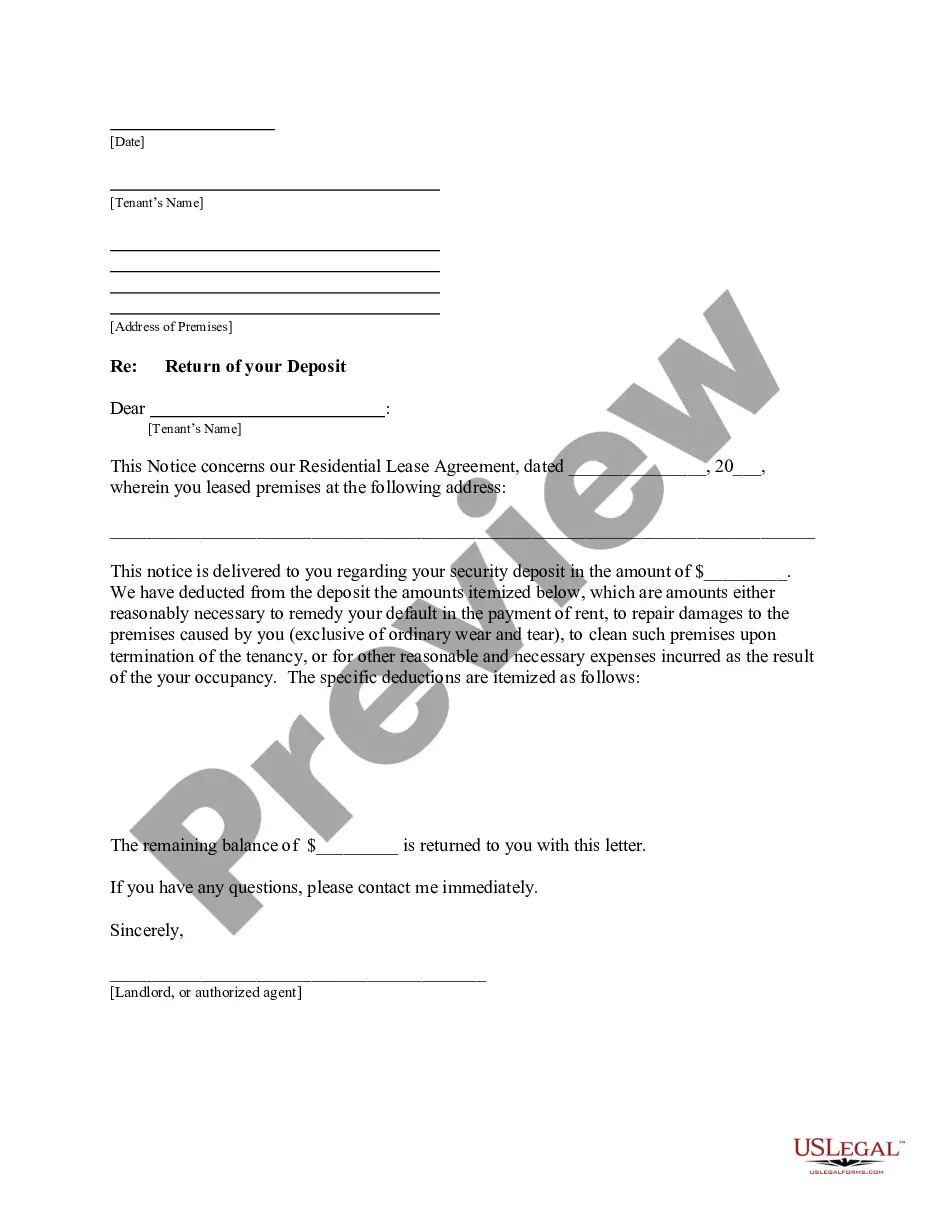
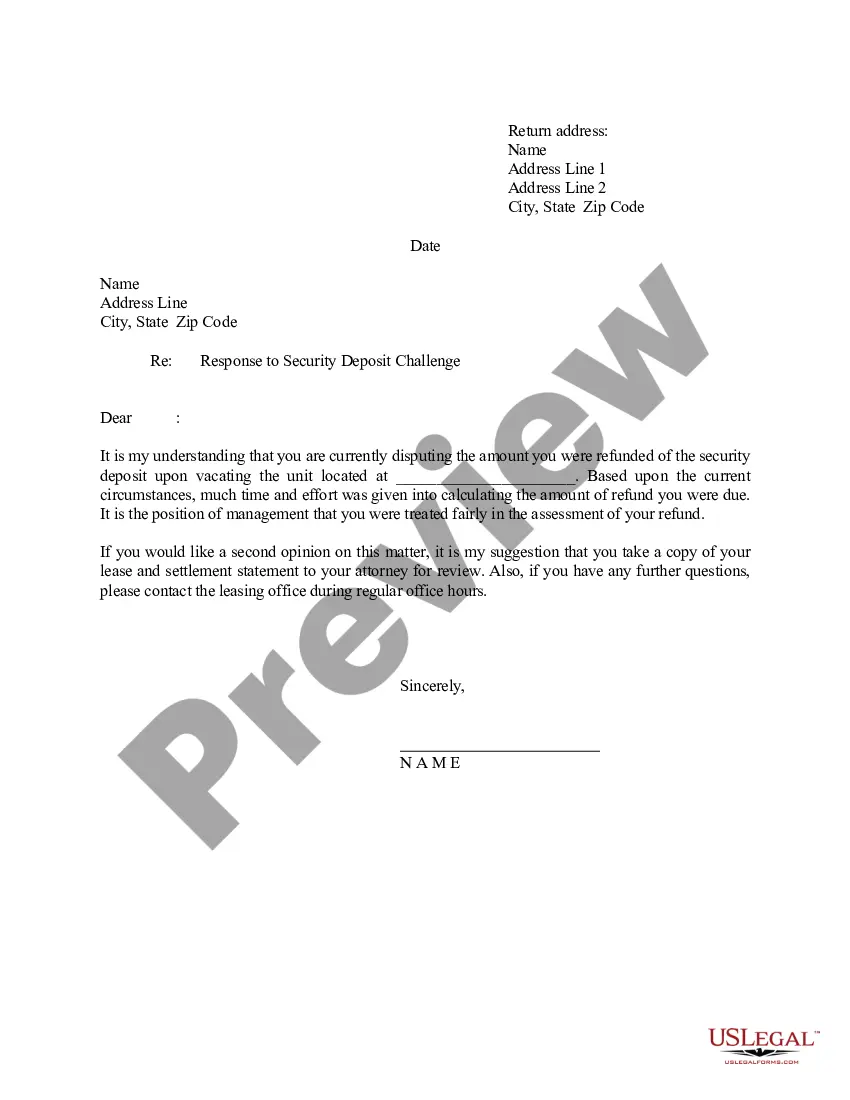
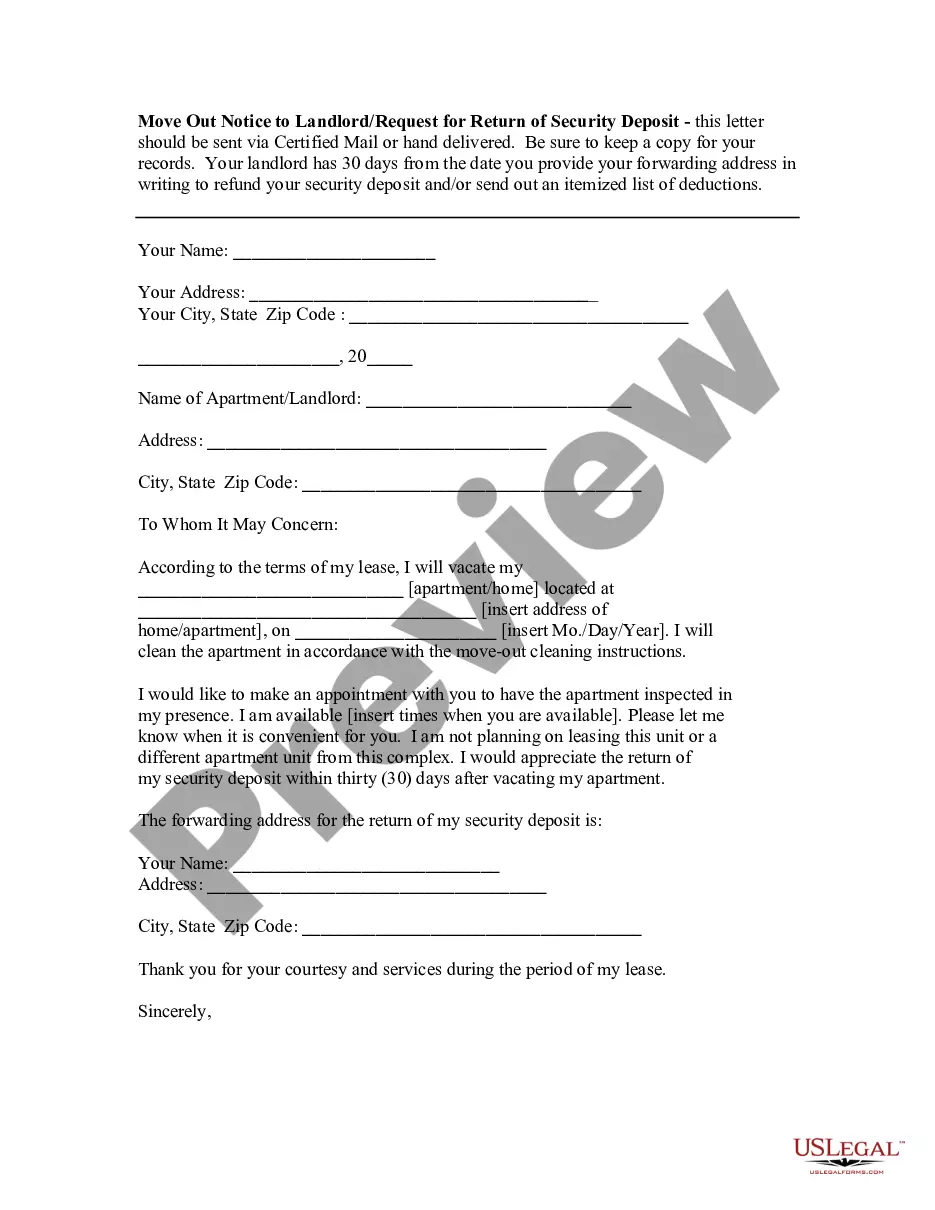
This form is a Letter from Landlord to Tenant Returning Security Deposit Less Deductions. It communicates to the tenant the specific deductions taken from their security deposit and the amounts involved. This letter clarifies the landlord's legal obligation and differentiates the deductions from regular wear and tear, ensuring transparency in financial matters related to the tenancy.
Form components explained
- Date of the original lease agreement
- Address of the leased premises
- Total amount of the security deposit
- Itemized list of deductions with explanations
- Signatures of the landlord and (if applicable) the tenant
When this form is needed
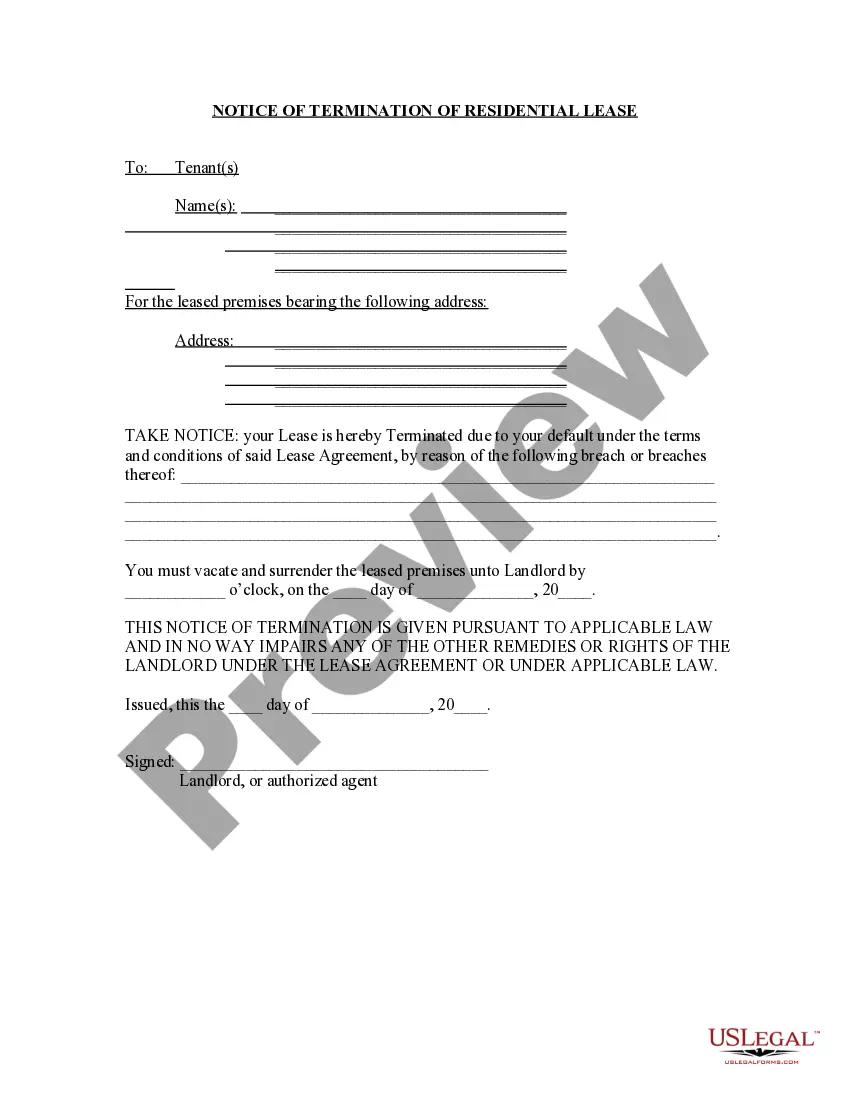
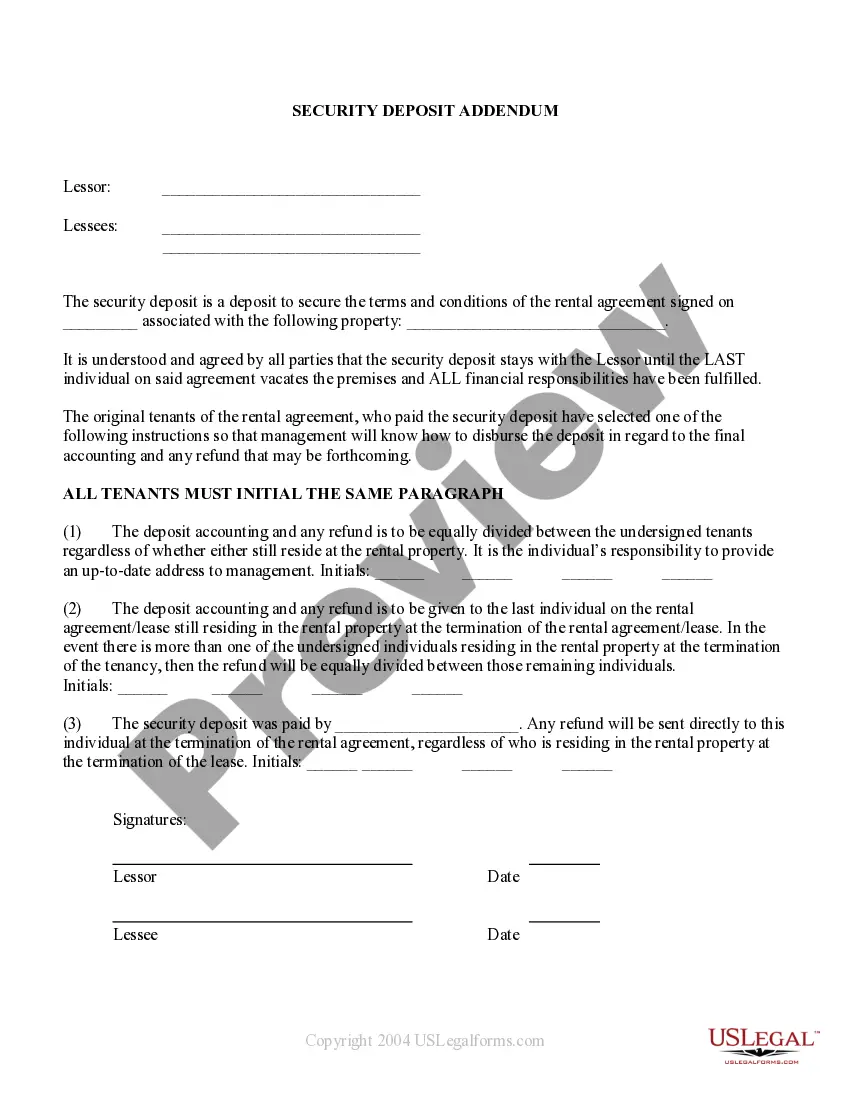
This form should be used when a tenant vacates the rental property and the landlord is returning the security deposit. It is essential when there are deductions from the deposit for reasons such as unpaid rent, repair of damages beyond normal wear and tear, or cleaning expenses incurred during the tenant's occupancy. This letter serves to inform the tenant of these deductions and provides clarity on the final settlement of their security deposit.
Intended users of this form
- Landlords who are returning a security deposit to a tenant
- Property managers handling lease agreements
- Tenants who need to understand potential deductions from their deposit
Instructions for completing this form
- Enter the date of the original lease agreement.
- Provide the complete address of the leased property.
- Indicate the total amount of the security deposit held.
- Itemize each deduction, clearly stating the reason and amount for each.
- Sign and date the letter, ensuring it is delivered to the tenant.
Is notarization required?
This form usually doesn’t need to be notarized. However, local laws or specific transactions may require it. Our online notarization service, powered by Notarize, lets you complete it remotely through a secure video session, available 24/7.
Get your form ready online
Our built-in tools help you complete, sign, share, and store your documents in one place.
Make edits, fill in missing information, and update formatting in US Legal Forms—just like you would in MS Word.
Download a copy, print it, send it by email, or mail it via USPS—whatever works best for your next step.
Sign and collect signatures with our SignNow integration. Send to multiple recipients, set reminders, and more. Go Premium to unlock E-Sign.
If this form requires notarization, complete it online through a secure video call—no need to meet a notary in person or wait for an appointment.
We protect your documents and personal data by following strict security and privacy standards.

Make edits, fill in missing information, and update formatting in US Legal Forms—just like you would in MS Word.

Download a copy, print it, send it by email, or mail it via USPS—whatever works best for your next step.

Sign and collect signatures with our SignNow integration. Send to multiple recipients, set reminders, and more. Go Premium to unlock E-Sign.

If this form requires notarization, complete it online through a secure video call—no need to meet a notary in person or wait for an appointment.

We protect your documents and personal data by following strict security and privacy standards.
Common mistakes
- Failing to provide a detailed itemization of deductions.
- Not including the date of the original lease agreement.
- Forgetting to sign the letter before sending it to the tenant.
Benefits of using this form online
- Immediate access to a legally vetted template.
- Editability to customize based on specific circumstances.
- Convenience of downloading and printing at your convenience.
Legal use & context
- This form is used to formally document the return of a security deposit in compliance with state laws.
- Failure to follow legal guidelines can result in disputes or legal challenges from tenants.
What to keep in mind
- This letter is essential for communicating the return of a security deposit with itemized deductions.
- It helps clarify the financial responsibilities of the tenant at the end of a tenancy.
- Understanding local laws regarding security deposits is crucial for compliance.
Looking for another form?
Form popularity
FAQ
Unpaid rent at the end of the tenancy. Unpaid bills at the end of the tenancy. Stolen or missing belongings that are property of the landlord. Direct damage to the property and it's contents (owned by the landlord) Indirect damage due to negligence and lack of maintenance.
Your landlord can only do this if you left your tenancy early. Your landlord may try to withhold some or all of your deposit for a different reason, such as having a noisy party in the property. Your landlord cannot do this. Landlords can only take money for any financial loss they have suffered.
The landlord is entitled to deduct from the rental deposit any expenses incurred repairing any damage to the property which occurred during the tenancy. The remainder of the money must then be refunded to the tenant no later than 14 days after the restoration of the property as dictated by the Act.
If your deposit didn't need to be protected and your landlord refuses to give it back, you might have to take them to court.You'll need to take your landlord to the small claims court to get your money back.
Your landlord can still deduct from your deposit to cover the cleaning bill if the property is not cleaned to the level it was at and can prove it, though. So, it's still important to clean the property thoroughly before you move out.
Within 30 days from when your tenancy ends, your landlord must return your full security deposit, or the portion left after deductions for unpaid rent and/or the cost of repairs. You can sue your landlord in small claims court if you do not get your security deposit back within 30 days.
5 Times a Landlord Does Not Have to Return a Tenant's Security Deposit. Breaking or Terminating a Lease Early. Nonpayment of Rent. Damage to the Property. Cleaning Costs. Unpaid Utilities.
Fill out the Request for Return of Security Deposit form (not interactive; you must print, then fill out the form). Send the form to your former landlord. Keep a photo-copy of the form for yourself. Hold on to the Return Receipt when it comes back in the mail.
Generally, a landlord may retain all or part of the security deposit to pay for damages to the unit that occurred during the tenants' occupancy, except for those resulting from normal wear and tear. Usually, the landlord can deduct other costs, such as late fees, unpaid rent, and unpaid utility bills.