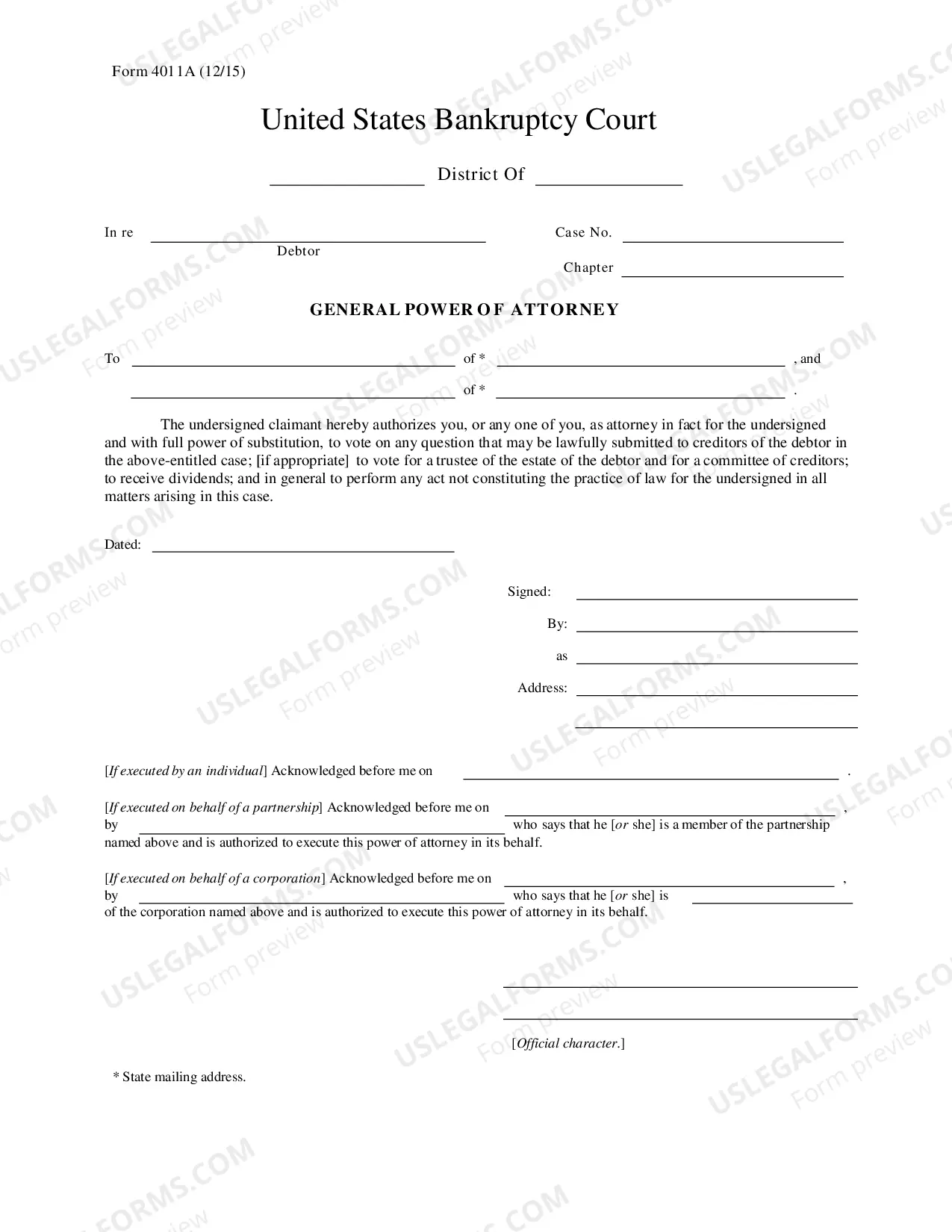
New Hampshire Warranty Deed from Husband and Wife to an Individual
Overview of this form
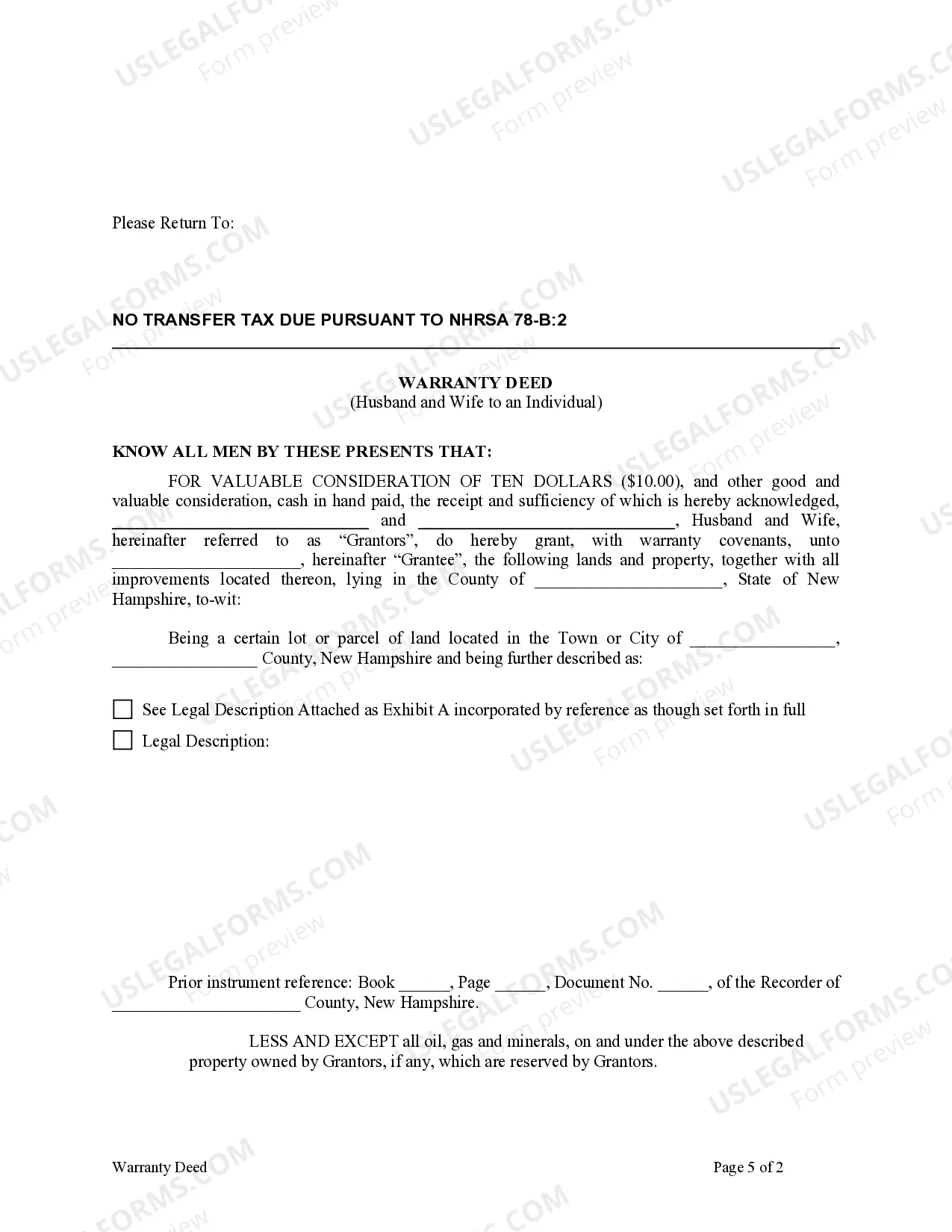
This Warranty Deed from Husband and Wife to an Individual is a legal document used to transfer property ownership from spouses to a single individual. Unlike other deed forms, this document explicitly reserves oil, gas, and mineral rights retained by the grantors, ensuring that the grantee receives clear title to the property while the grantors maintain specific rights. This deed complies with state statutory laws and is often used in real estate transactions between family members or in situations where a couple is transferring ownership to a third party.
Form components explained
- Identification of grantors (the husband and wife) and grantee (the individual receiving the property)
- Description of the property being transferred, including boundaries and legal descriptions
- Reservation clause specifying retained oil, gas, and mineral rights
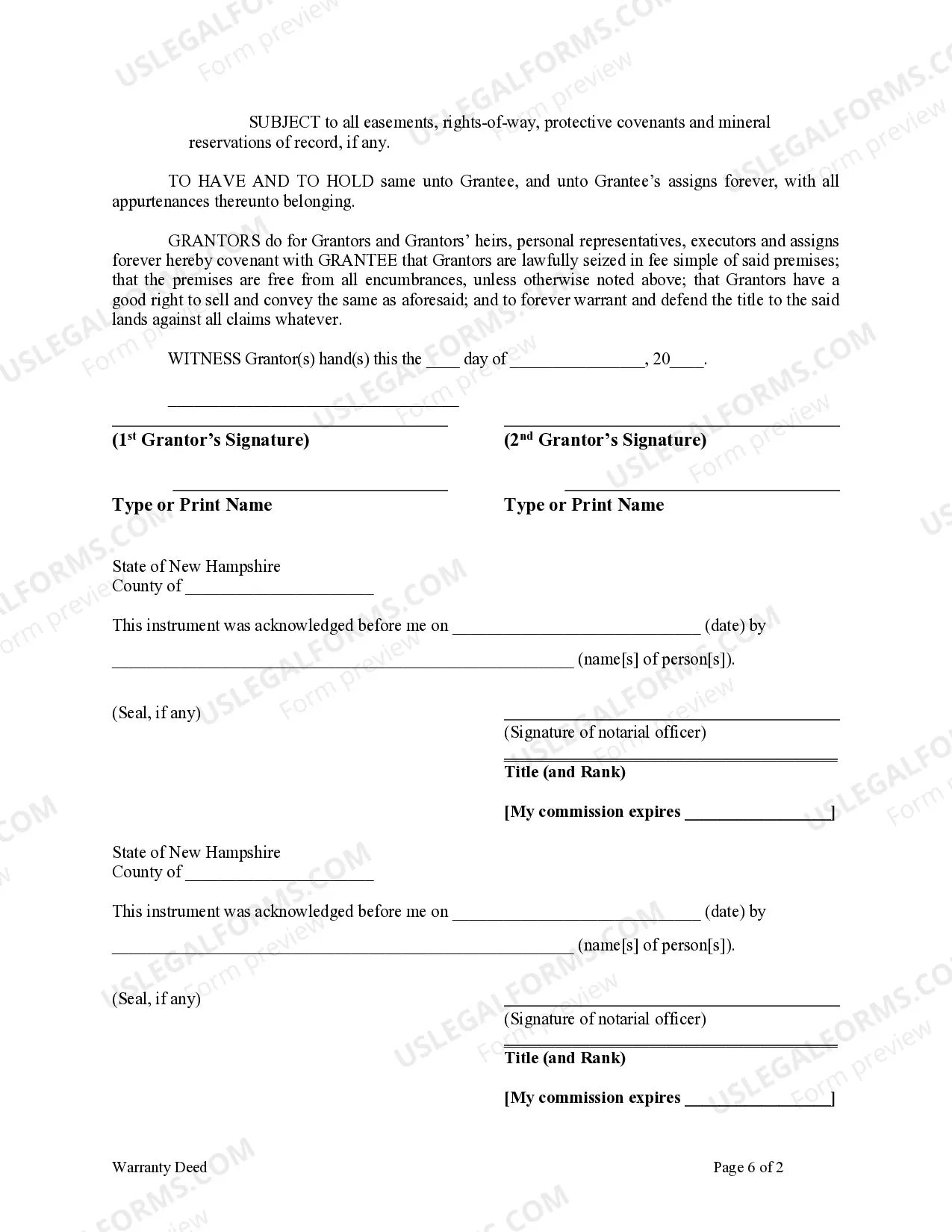
- Covenant stating that grantors are lawfully seized of the property and free from encumbrances
- Signatures of the grantors, along with notarization to verify identity






When this form is needed
This form is typically used when a husband and wife wish to transfer property ownership to an individual, possibly in connection with estate planning, divorce settlements, or changes in family circumstances. It is essential when the transfer involves retaining certain rights over the property, such as mineral rights. Using this form ensures that the transfer is legally recognized and protects the interests of both the grantors and the grantee.
Who needs this form
- Married couples looking to transfer property ownership to a third party
- Individuals involved in estate planning involving joint property ownership
- Those managing property transfers as part of a divorce or legal separation
- Real estate professionals facilitating property transactions between spouses and individuals
Steps to complete this form
- Identify the parties involved: the husband and wife as grantors and the individual as grantee.
- Clearly describe the property being transferred, including its legal description.
- Fill in the reservation clause for any retained oil, gas, and mineral rights.
- Ensure both grantors sign the deed in the presence of a notary public.
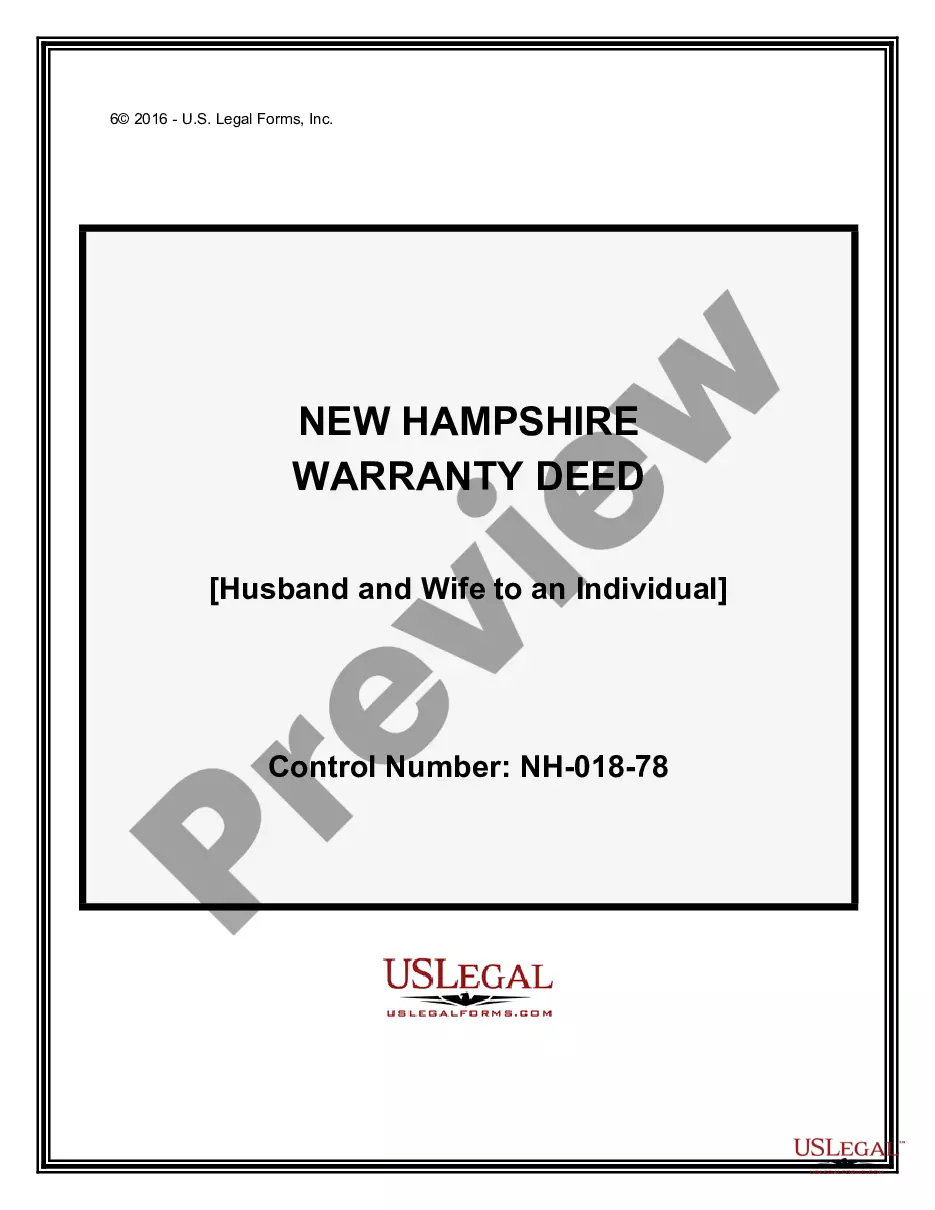
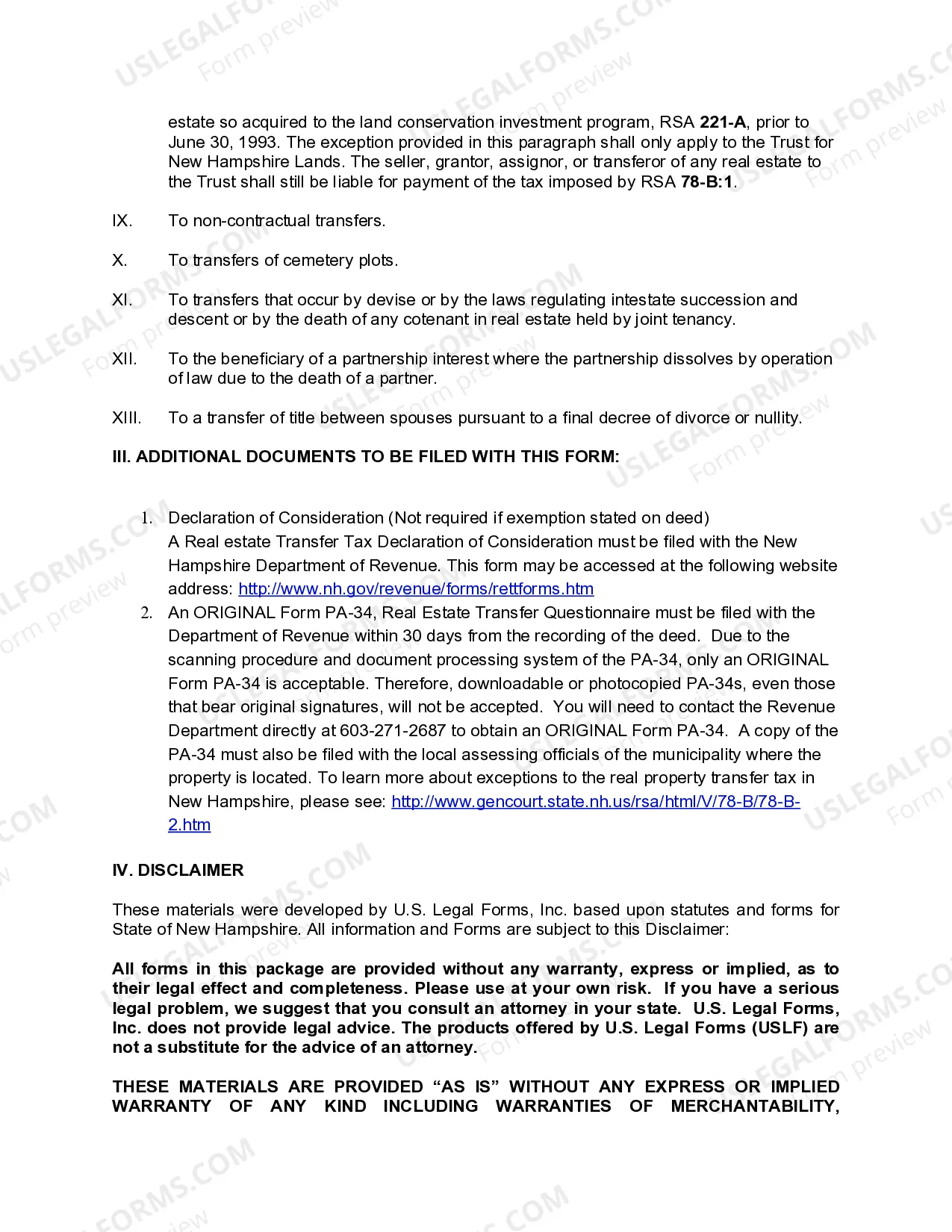
- File any necessary accompanying documents, such as the Real Estate Transfer Tax Declaration, as required by local authorities.
Does this document require notarization?
Notarization is required for this form to take effect. Our online notarization service, powered by Notarize, lets you verify and sign documents remotely through an encrypted video session, available 24/7.
Get your form ready online
Our built-in tools help you complete, sign, share, and store your documents in one place.
Make edits, fill in missing information, and update formatting in US Legal Forms—just like you would in MS Word.
Download a copy, print it, send it by email, or mail it via USPS—whatever works best for your next step.
Sign and collect signatures with our SignNow integration. Send to multiple recipients, set reminders, and more. Go Premium to unlock E-Sign.
If this form requires notarization, complete it online through a secure video call—no need to meet a notary in person or wait for an appointment.
We protect your documents and personal data by following strict security and privacy standards.

Make edits, fill in missing information, and update formatting in US Legal Forms—just like you would in MS Word.

Download a copy, print it, send it by email, or mail it via USPS—whatever works best for your next step.

Sign and collect signatures with our SignNow integration. Send to multiple recipients, set reminders, and more. Go Premium to unlock E-Sign.

If this form requires notarization, complete it online through a secure video call—no need to meet a notary in person or wait for an appointment.

We protect your documents and personal data by following strict security and privacy standards.
Common mistakes
- Failing to accurately describe the property, leading to confusion or disputes.
- Not including the reservation of mineral rights if applicable.
- Forgetting to sign and notarize the document, rendering it invalid.
- Overlooking the requirement to file additional tax documentation with local authorities.
Benefits of completing this form online
- Convenience of completing the form from home or office.
- Editability, allowing for easy corrections before finalizing the document.
- Access to professionally drafted templates that comply with state laws.
Main things to remember
- The Warranty Deed from Husband and Wife to an Individual transfers property ownership while reserving specific rights.
- Proper completion and notarization of this form are essential for legal validity.
- This form is suitable for various scenarios, including divorce settlements, inheritance, or family gift transfers.
Looking for another form?

Form popularity
FAQ
In a Limited Warranty Deed, the seller usually gives two warranties. The seller only warrants to the buyer that:This is a very limited warranty in comparison to the broad warranty in a General Warranty Deed where the seller warrants that the seller not only owns the property, but also all rights in the property.
A warranty deed is a document often used in real estate that provides the greatest amount of protection to the purchaser of a property. It pledges or warrants that the owner owns the property free and clear of any outstanding liens, mortgages, or other encumbrances against it.
A warranty deed, also known as a general warranty deed, is a legal real estate document between the seller (grantor) and the buyer (grantee). The deed protects the buyer by pledging that the seller holds clear title to the property and there are no encumbrances, outstanding liens, or mortgages against it.
Typically, the lender will provide you with a copy of the deed of trust after the closing. The original warranty deeds are often mailed to the grantee after they are recorded. These are your original copies and should be kept in a safe place, such as a fireproof lockbox or a safe deposit box at a financial institution.
It's important to note that a warranty deed does not actually prove the grantor has ownership (a title search is the best way to prove that), but it is a promise by the grantor that they are transferring ownership and if it turns out they don't actually own the property, the grantor will be responsible for compensating
Let's start with the definition of a deed: DEED: A written instrument by which one party, the Grantor, conveys the title of ownership in property to another party, the Grantee. A Warranty Deed contains promises, called covenants, that the Grantor makes to the Grantee.
A warranty deed, also known as a general warranty deed, is a legal real estate document between the seller (grantor) and the buyer (grantee). The deed protects the buyer by pledging that the seller holds clear title to the property and there are no encumbrances, outstanding liens, or mortgages against it.