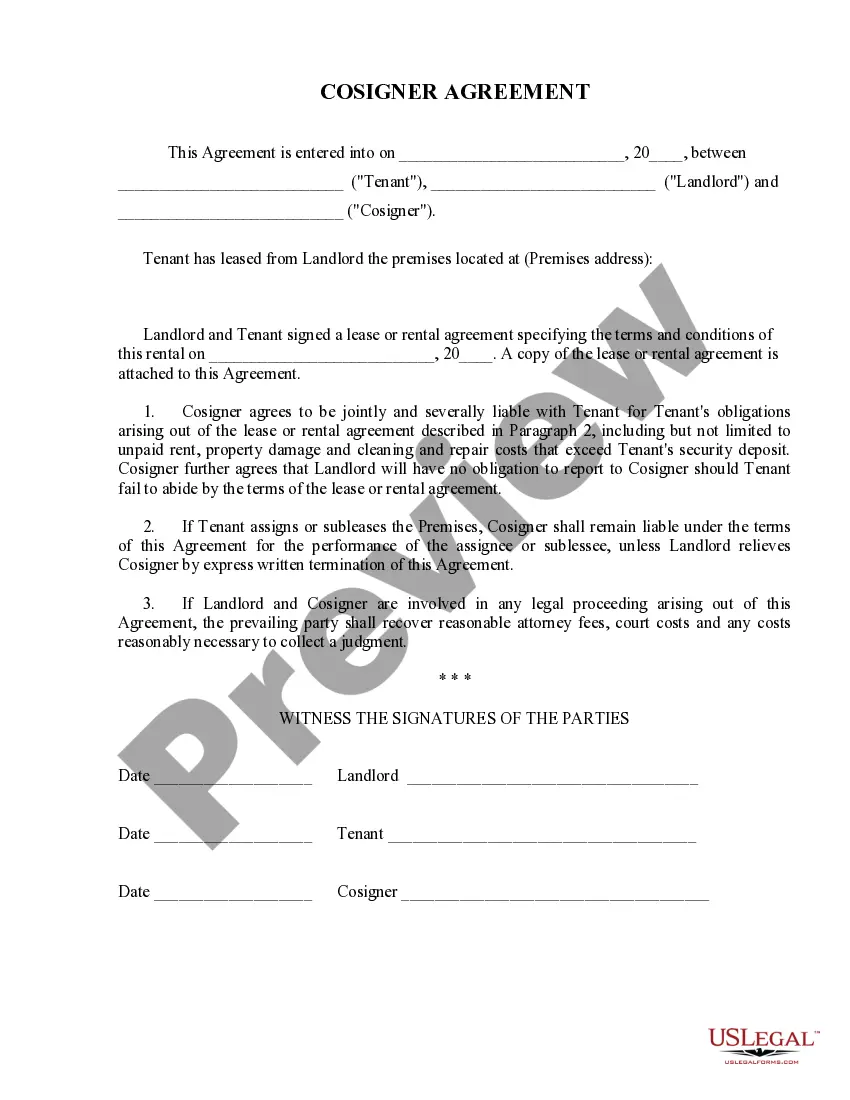
North Dakota Landlord Tenant Lease Co-Signer Agreement
Overview of this form
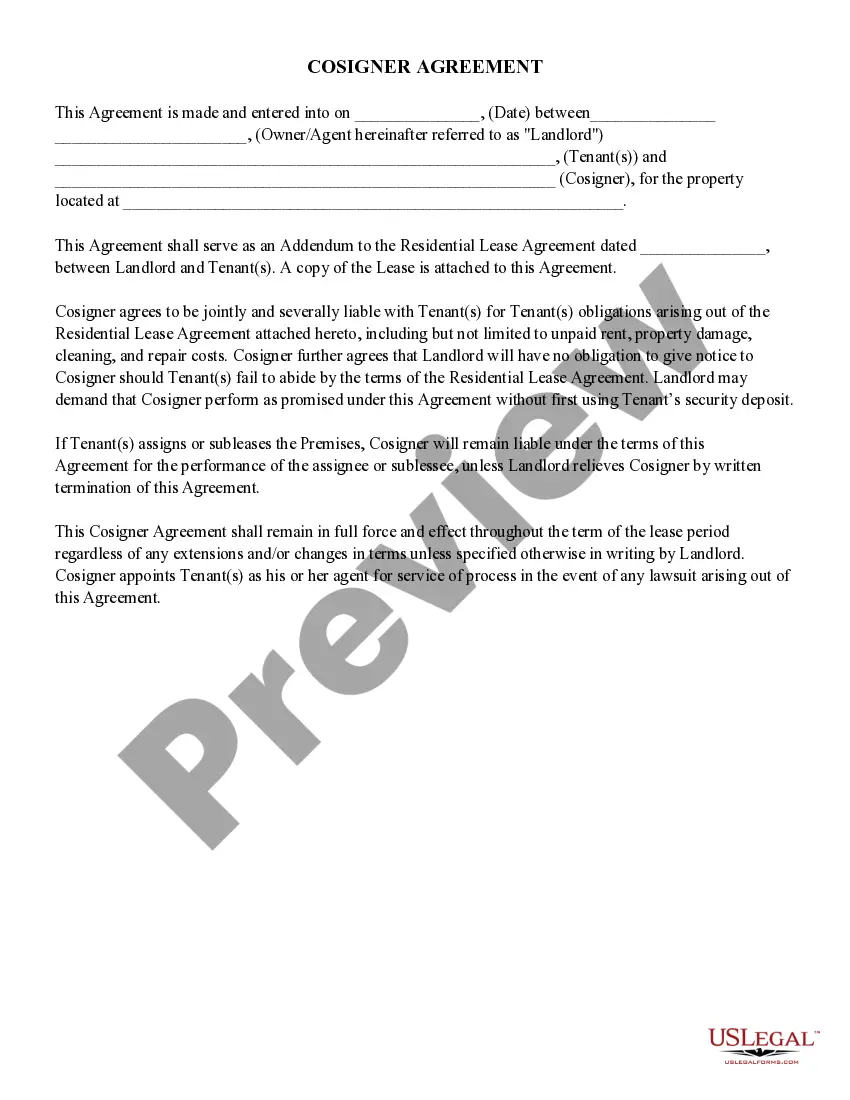
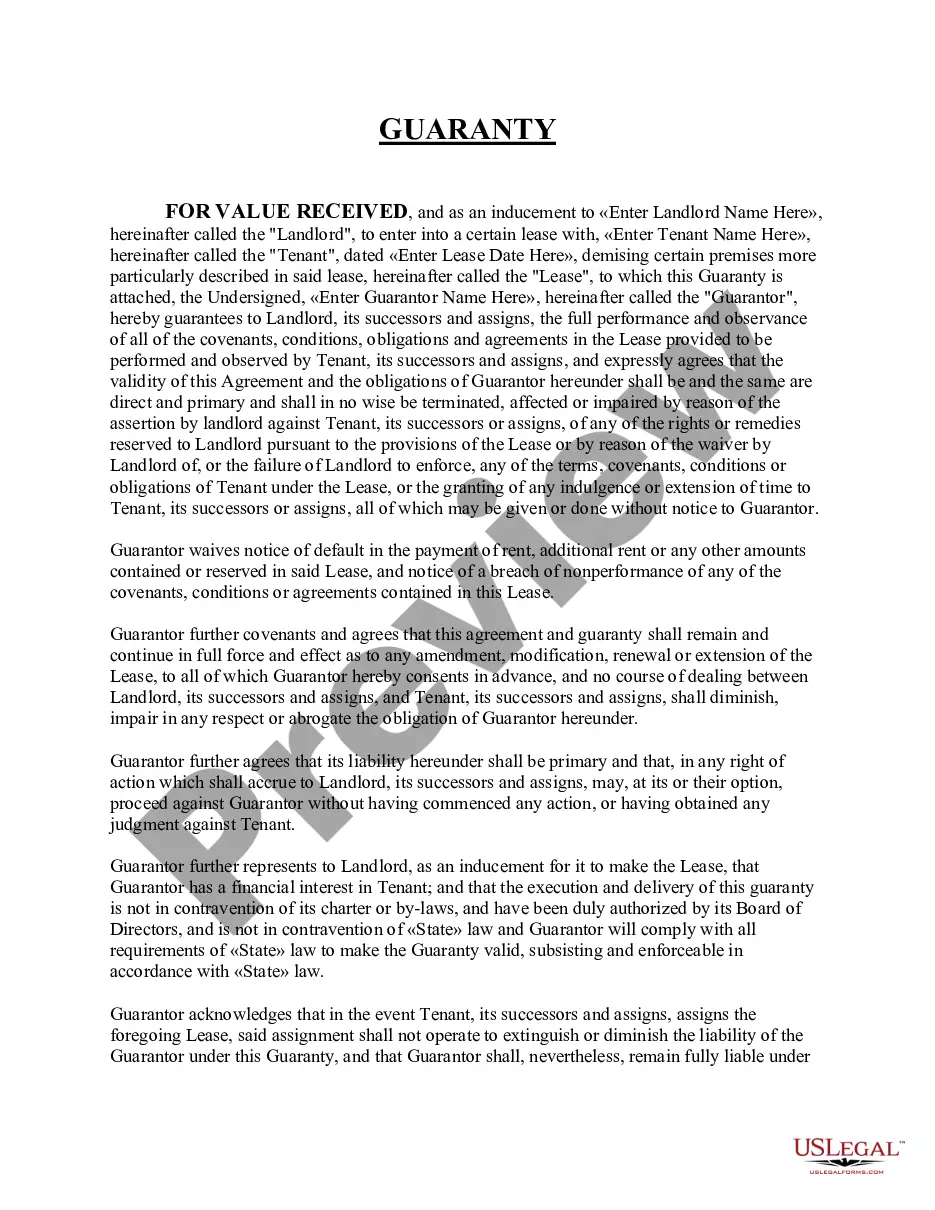
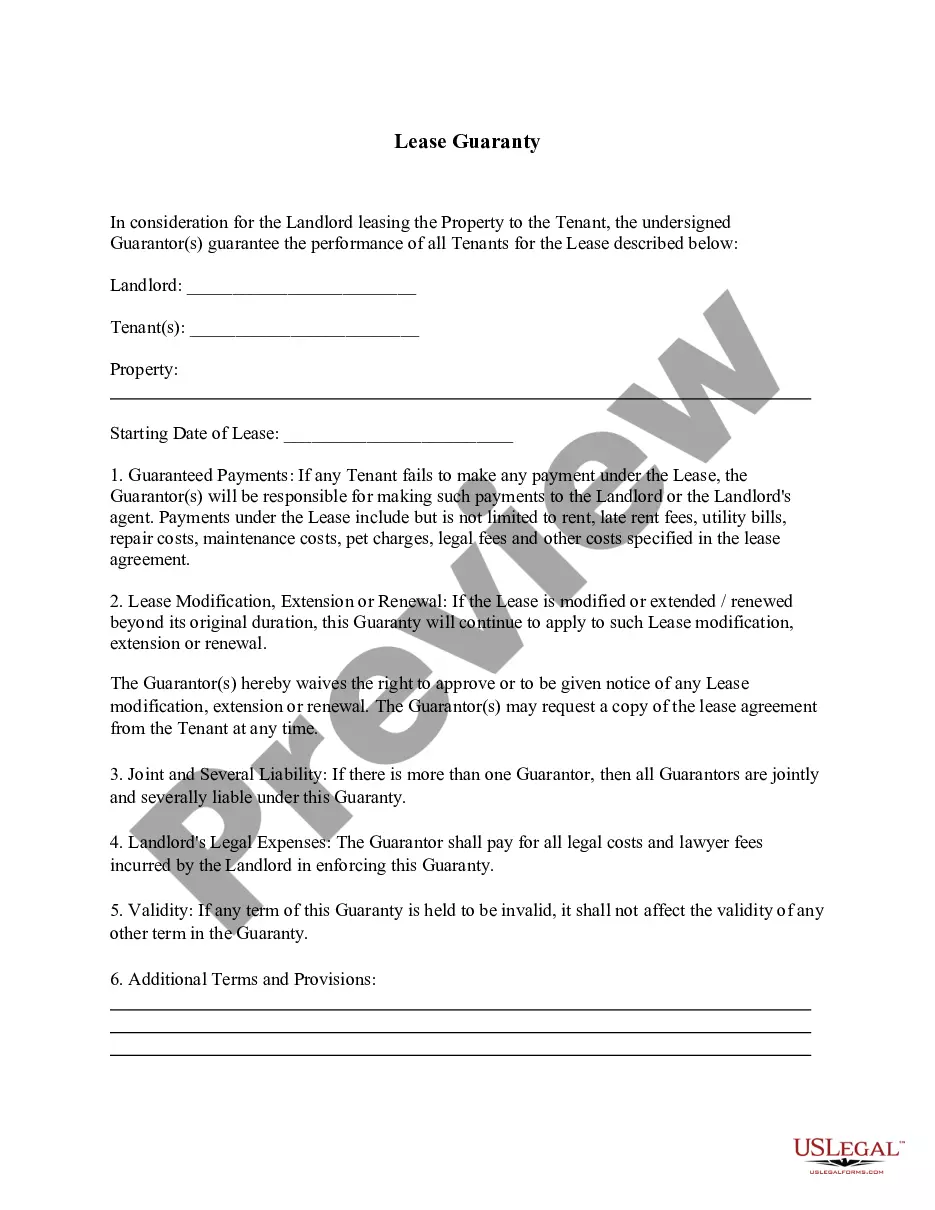
The Landlord Tenant Lease Co-Signer Agreement is a legal document used by landlords to establish an agreement with a cosigner. This form holds the cosigner responsible for rent, damages, and other obligations if the tenant fails to meet their contractual duties. Unlike a standard rental agreement, this form specifically outlines the cosigner's financial responsibilities, often referred to as a guaranty, which ensures that the landlord can collect payments from the cosigner if necessary.
Key parts of this document
- Date of agreement: Clarifies when the agreement is executed.
- Parties involved: Identifies the tenant, landlord, and cosigner.
- Property address: Specifies the location of the leased premises.
- Liability terms: Details the obligations of the cosigner regarding the tenant's lease.
- Governing law: Outlines that the prevailing party in disputes may recover legal fees and costs.
When to use this form
Who should use this form
- Landlords seeking financial assurance for a tenant's lease obligations.
- Tenants who may have weaker financial credentials and require a cosigner.
- Cosigners willing to take on financial responsibility for the tenant's lease.
Steps to complete this form
- Identify the parties involved: Fill in the names of the landlord, tenant, and cosigner.
- Specify the property: Enter the address of the leased premises.
- Enter the date: Provide the date on which the agreement is signed.
- Clarify liability: Review the terms under which the cosigner will be liable.
- Sign and date: Ensure that all parties sign and date the agreement to make it legally binding.
Does this document require notarization?
In most cases, this form does not require notarization. However, some jurisdictions or signing circumstances might. US Legal Forms offers online notarization powered by Notarize, accessible 24/7 for a quick, remote process.
Get your form ready online
Our built-in tools help you complete, sign, share, and store your documents in one place.
Make edits, fill in missing information, and update formatting in US Legal Forms—just like you would in MS Word.
Download a copy, print it, send it by email, or mail it via USPS—whatever works best for your next step.
Sign and collect signatures with our SignNow integration. Send to multiple recipients, set reminders, and more. Go Premium to unlock E-Sign.
If this form requires notarization, complete it online through a secure video call—no need to meet a notary in person or wait for an appointment.
We protect your documents and personal data by following strict security and privacy standards.

Make edits, fill in missing information, and update formatting in US Legal Forms—just like you would in MS Word.

Download a copy, print it, send it by email, or mail it via USPS—whatever works best for your next step.

Sign and collect signatures with our SignNow integration. Send to multiple recipients, set reminders, and more. Go Premium to unlock E-Sign.

If this form requires notarization, complete it online through a secure video call—no need to meet a notary in person or wait for an appointment.

We protect your documents and personal data by following strict security and privacy standards.
Mistakes to watch out for
- Not filling in all partiesâ names accurately, leading to potential enforcement issues.
- Omitting the property's address, which can cause confusion regarding the lease location.
- Failing to date the agreement, which is crucial for establishing the timeline of obligations.
- Not reviewing all liability terms thoroughly before signing.
Advantages of online completion
- Convenient access: Easily download and complete the agreement at your convenience.
- Editable format: Make necessary adjustments to fit your specific circumstances.
- Reliable and legally vetted: The document is drafted by licensed attorneys to ensure compliance with legal standards.
Key takeaways
- The Landlord Tenant Lease Co-Signer Agreement protects landlords by ensuring a cosigner takes financial responsibility.
- It is especially useful for tenants with limited financial history or resources.
- Proper completion and signatures are essential for the agreement's enforceability.
Looking for another form?







Form popularity
FAQ
A co-signer is a third party who is responsible if you are unable to pay rent. This person does not typically live in the apartment with you, but he or she is equally liable for your lease.
Some landlords agree to consider cosigners as long as they pass a background check, while other landlords don't allow them at all. Since there are no laws that require you to accept a cosigner, according to RentPrep, it's up to you to determine what makes the most sense for your property.
As a cosigner on a lease, you're not only helping someone out, you're taking on a ton of risk. For instance, if the lease holder doesn't make their payments on time, it will negatively affect your credit report and credit score.
As a parent, you may have the best intentions when co-signing for a child on a loan, a credit card or an apartment lease. But doing so opens you up to risk.If you can't absorb the expense without compromising your future financial security, you may want to think twice about co-signing for a loan.
As a general rule, unlike so many things in life, co-signing is pretty much forever. In the case of a lease, this means that the co-signer is responsible for the lease for the duration of the agreement, whether it's a six-month lease, a yearlong lease or for some other period.
According to Nolo, a cosigner is a person designated to make the rental payments if the tenant does not pay.However, if a lease doesn't have this provision, then the only people who need to sign the lease are the people responsible for paying the rent.
Co-signing a lease means that a third-party individual like a parent, sibling or friend assumes the responsibility of the lease if the primary lessee is unable to do so. As a co-signer, this means that you'll be responsible for ensuring that the rent is paid and fulfilled.
Being a co-signer itself does not affect your credit score. Your score may, however, be negatively affected if the main account holder misses payments.You will owe more debt: Your debt could also increase since the consignee's debt will appear on your credit report.
Co-signers have equal responsibility for payment of monthly rental costs, while a guarantor is generally sought for payment only when the primary signer is unable to make the rental payment.