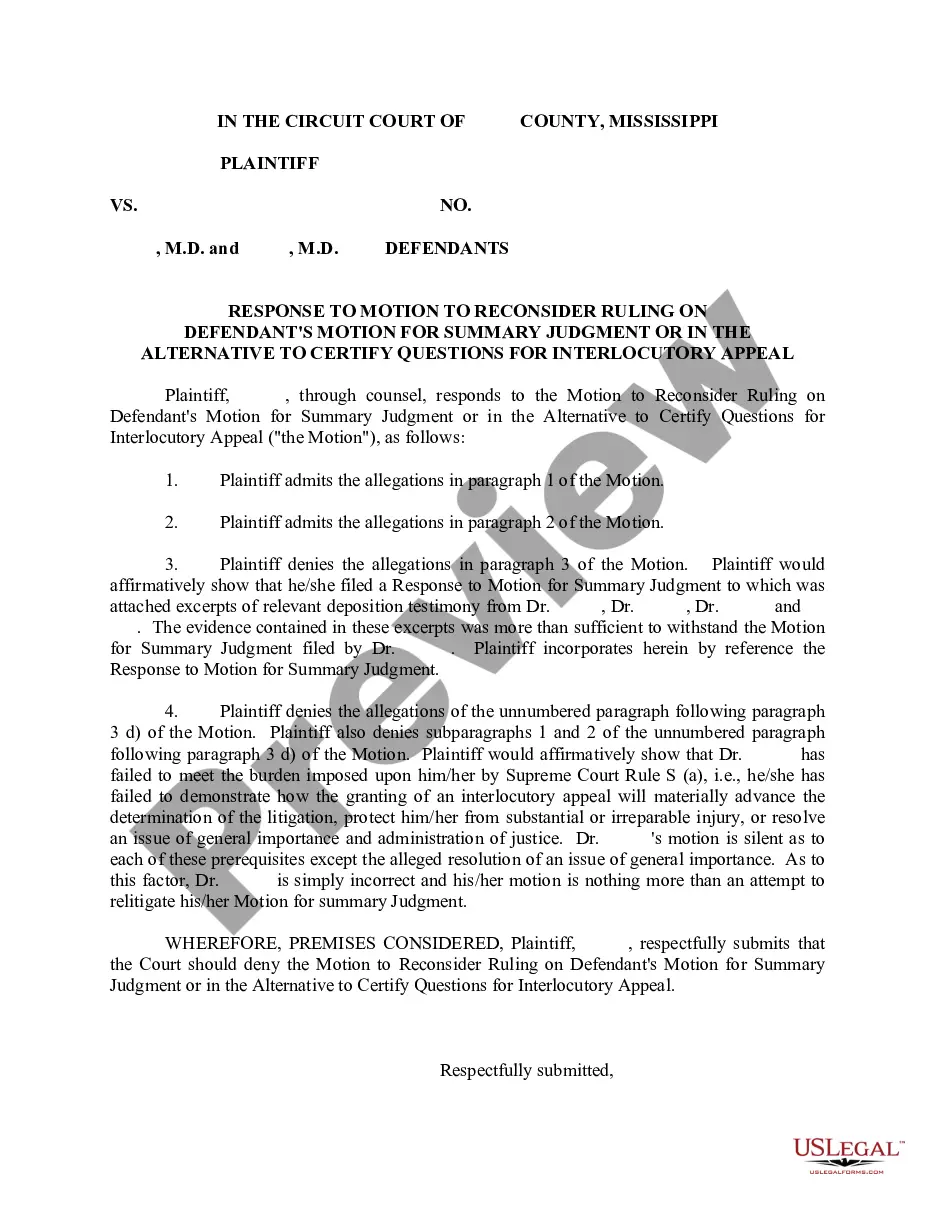
North Dakota Letter from Tenant to Landlord about Fair Housing Reduction or Denial of services to Family with Children
Understanding this form
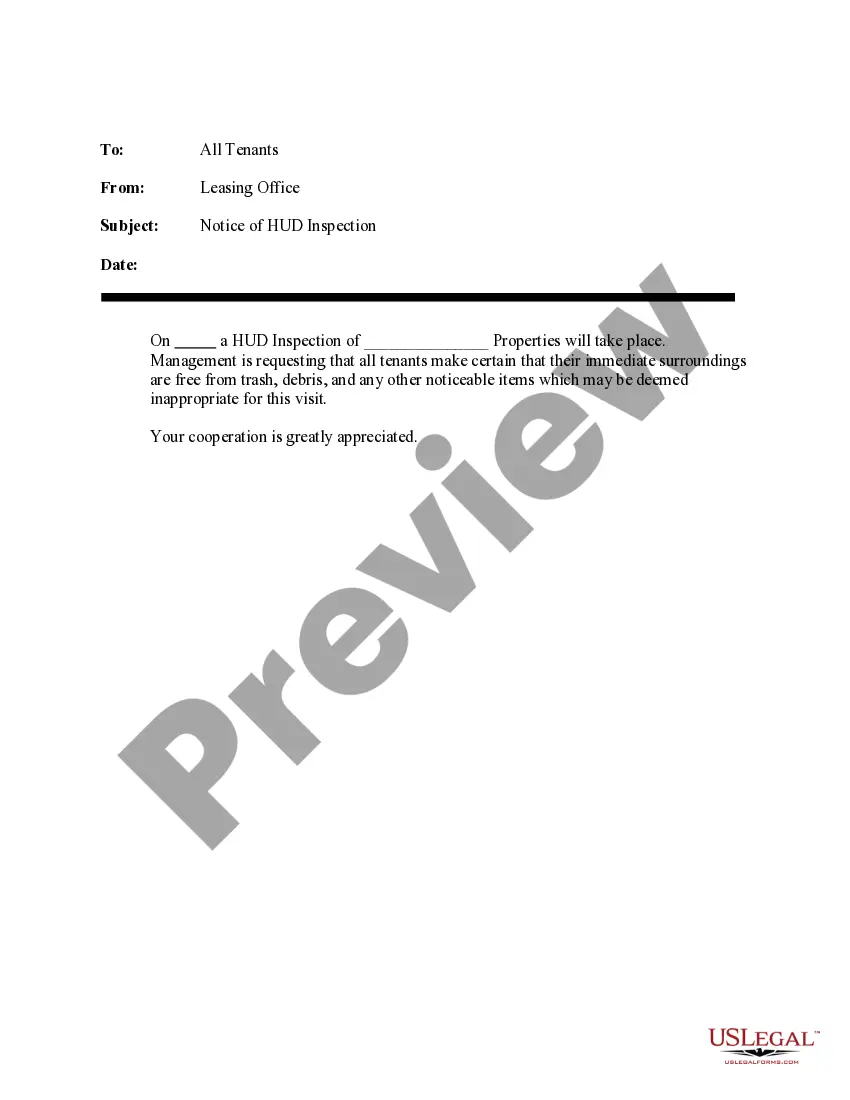
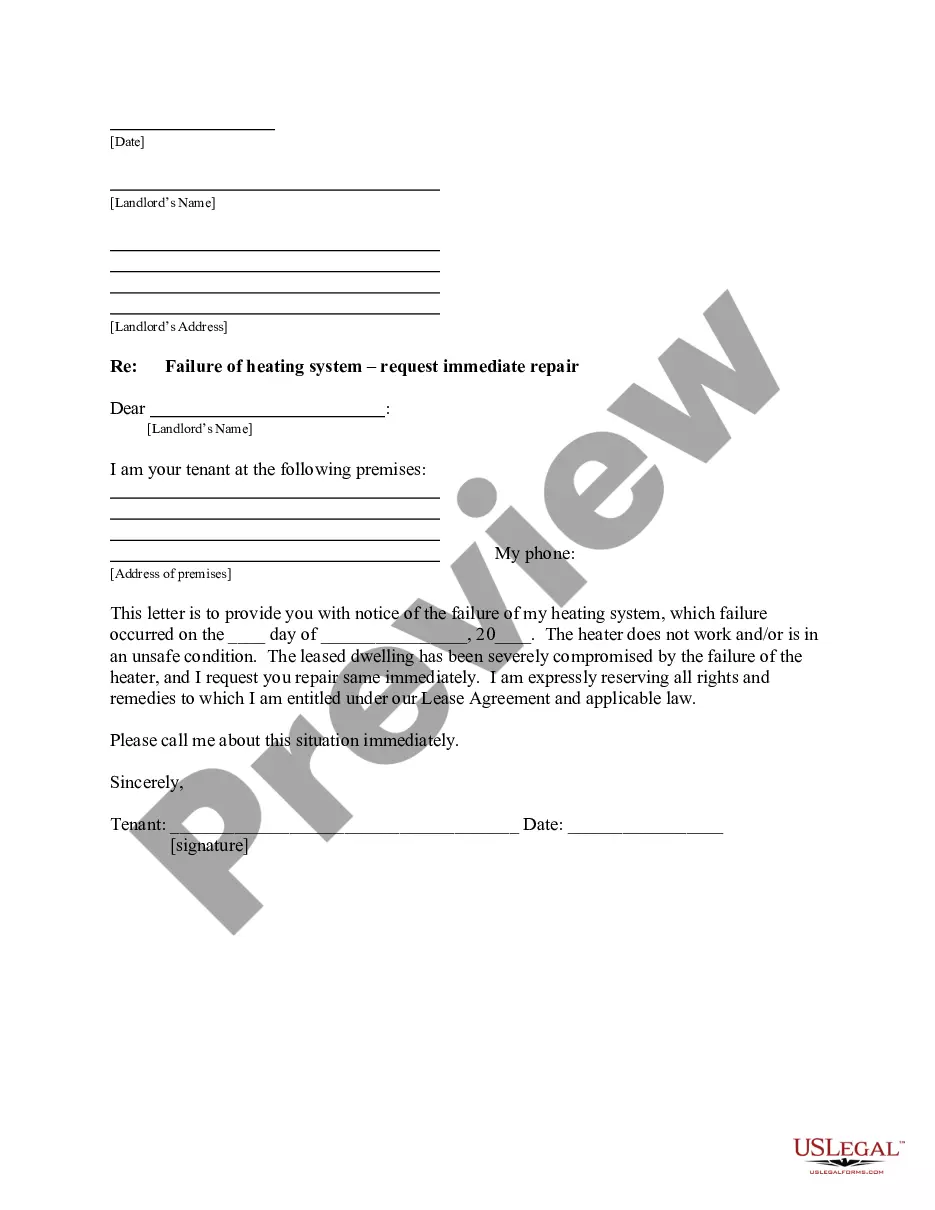
This form is a formal letter from a tenant to a landlord, addressing violations of the Fair Housing Act related to the reduction or denial of services to families with children. It serves as a crucial notice to landlords regarding unlawful discrimination based on familial status and aims to protect tenants' rights under federal law. This letter differs from other forms in that it specifically targets issues of service denial based on family composition.
What’s included in this form
- Introduction: States the purpose of the letter and its connection to Fair Housing Act violations.
- Context: Describes specific instances of reduced or denied services to families with children.
- Legal Reference: Cites relevant laws that prohibit discrimination in housing.
- Request for Action: Clearly outlines what the tenant expects the landlord to do in response to the notice.
- Signature: Allows for the tenantâs signature and date to finalize the letter.

When to use this form
You should use this letter when you believe that your landlord has unlawfully reduced or denied services to you or your family due to having children. Scenarios may include refusal to provide certain amenities or restrictions on common areas because of your family status. This letter serves as a formal step to address these grievances and initiate a dialogue with your landlord.
Who needs this form
Who should use this form:
- Tenants who are experiencing discrimination from their landlord based on familial status.
- Families with children seeking to assert their rights under the Fair Housing Act.
- Individuals who want to formally address issues with their landlord regarding reduced or denied services.
Steps to complete this form
Follow these steps to complete the form:
- Identify the parties involved: Enter your name as the tenant and the landlord's name.
- Specify the property: Include the address of the rental property in question.
- Detail the violation: Clearly describe the specific services that have been reduced or denied.
- State the legal basis: Reference the Fair Housing Act and relevant laws prohibiting discrimination.
- Request action: Clearly outline what you expect the landlord to do to resolve the issue.
- Sign and date the letter: Provide your signature and the date to finalize the document.
Does this document require notarization?
This form does not typically require notarization unless specified by local law.
Get your form ready online
Our built-in tools help you complete, sign, share, and store your documents in one place.
Make edits, fill in missing information, and update formatting in US Legal Forms—just like you would in MS Word.
Download a copy, print it, send it by email, or mail it via USPS—whatever works best for your next step.
Sign and collect signatures with our SignNow integration. Send to multiple recipients, set reminders, and more. Go Premium to unlock E-Sign.
If this form requires notarization, complete it online through a secure video call—no need to meet a notary in person or wait for an appointment.
We protect your documents and personal data by following strict security and privacy standards.

Make edits, fill in missing information, and update formatting in US Legal Forms—just like you would in MS Word.

Download a copy, print it, send it by email, or mail it via USPS—whatever works best for your next step.

Sign and collect signatures with our SignNow integration. Send to multiple recipients, set reminders, and more. Go Premium to unlock E-Sign.

If this form requires notarization, complete it online through a secure video call—no need to meet a notary in person or wait for an appointment.

We protect your documents and personal data by following strict security and privacy standards.
Common mistakes
Common mistakes to avoid:
- Failing to provide specific examples of denied services.
- Not citing the Fair Housing Act or omitting legal references.
- Using vague language that may confuse the landlord about the issue.
- Neglecting to sign the letter or to include the date.
Why use this form online
Benefits of using this form online:
- Convenience: Easily download and complete the form at your convenience.
- Editability: Customize the letter to suit your specific situation.
- Reliability: Access professionally drafted templates that comply with the law.
Legal use & context:
- This letter serves as a formal notice and can be used in legal proceedings if the issue escalates.
- Substantiating claims under the Fair Housing Act may require documentation of discrimination incidents.
- Take note that the effectiveness of the letter may depend on local housing laws in addition to federal protections.
What to keep in mind
Key takeaways:
- Understand your rights under the Fair Housing Act regarding familial status.
- Use the letter to formally address any discrimination experienced from your landlord.
- Ensure clarity and specificity in your communication to avoid misunderstandings.
Looking for another form?




Form popularity
FAQ
The parties have entered into this Initial Decision and Consent Order ("'Consent Order") to avoid the risks. expenses. and burdens of litigation and to voluntarily resolve the claims in the Charge of the Respondents' alleged violations of federal fair housing laws.
The person can establish a case against the landlord by proving four things: that the plaintiff is a member of a protected group; that the plaintiff applied for and was qualified to rent a certain property; that the plaintiff was rejected by the landlord; and that the property remained unrented thereafter.
Tenants alleging discrimination can file a complaint with the California Department of Fair Employment and Housing (DFEH) or the San Francisco Human Rights Commission (HRC). Tenants can also file a complaint in civil court.
The Fair Housing Act makes it illegal to harass persons because of race, color, religion, sex, disability, familial status, or national origin.
If the Federal Court decides in your favor, a Judge or jury may order the following relief: Compensation for actual damages, including out-of-pocket expenses and emotional distress damages. Permanent injunctive relief, such as an order not to discriminate.
HUD Settles Disability Discrimination Fair Housing Act Case For $80,000.
It's fair to be angry and scaredthe direct federal fines for violations of the Fair Housing Act are usually $17,000 per violation; total settlements on race, familial status, age and sex discrimination cases often reach well into the six figuresbut those overwhelming emotions are why you should go straight to your