North Carolina Statutory Power of Attorney for Health Care
What this document covers
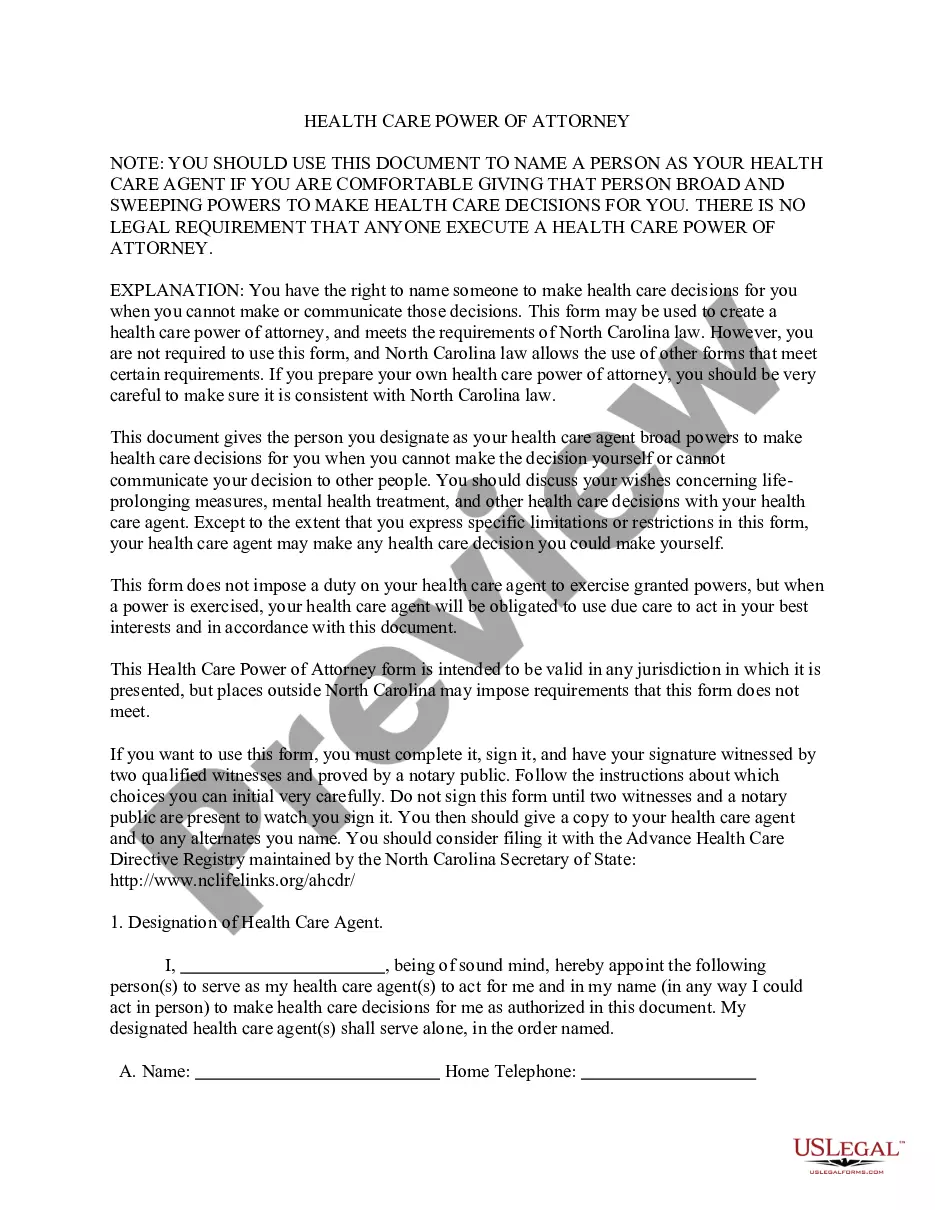
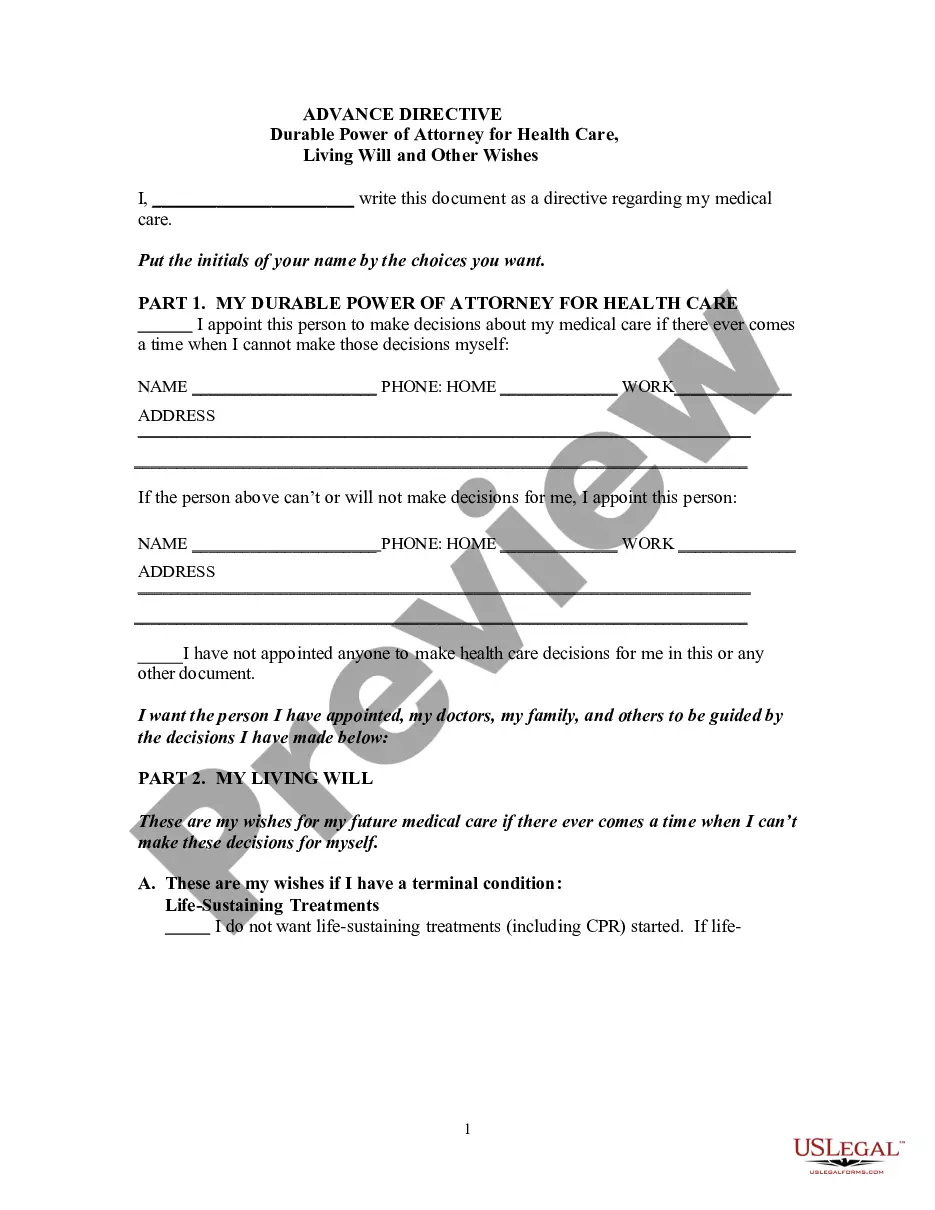
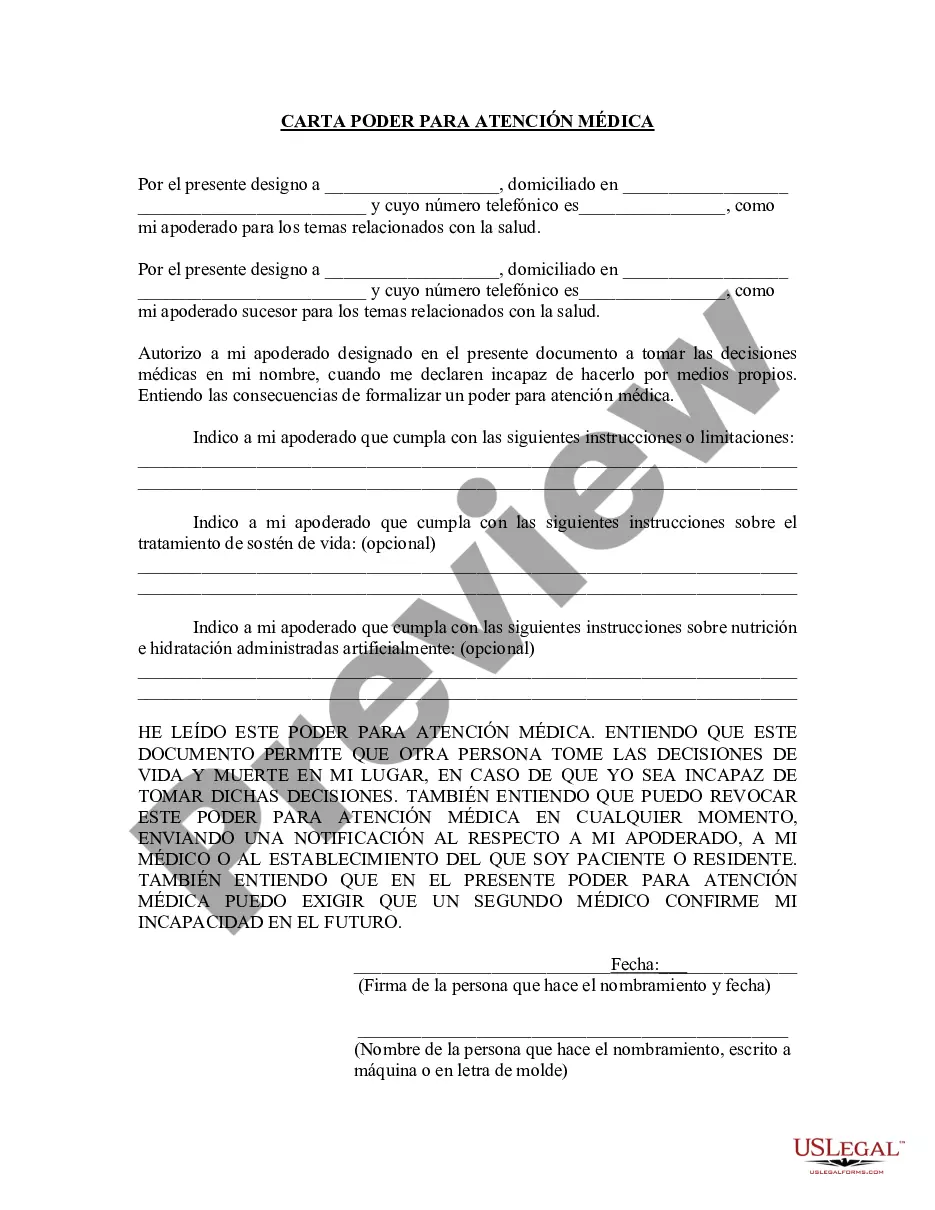
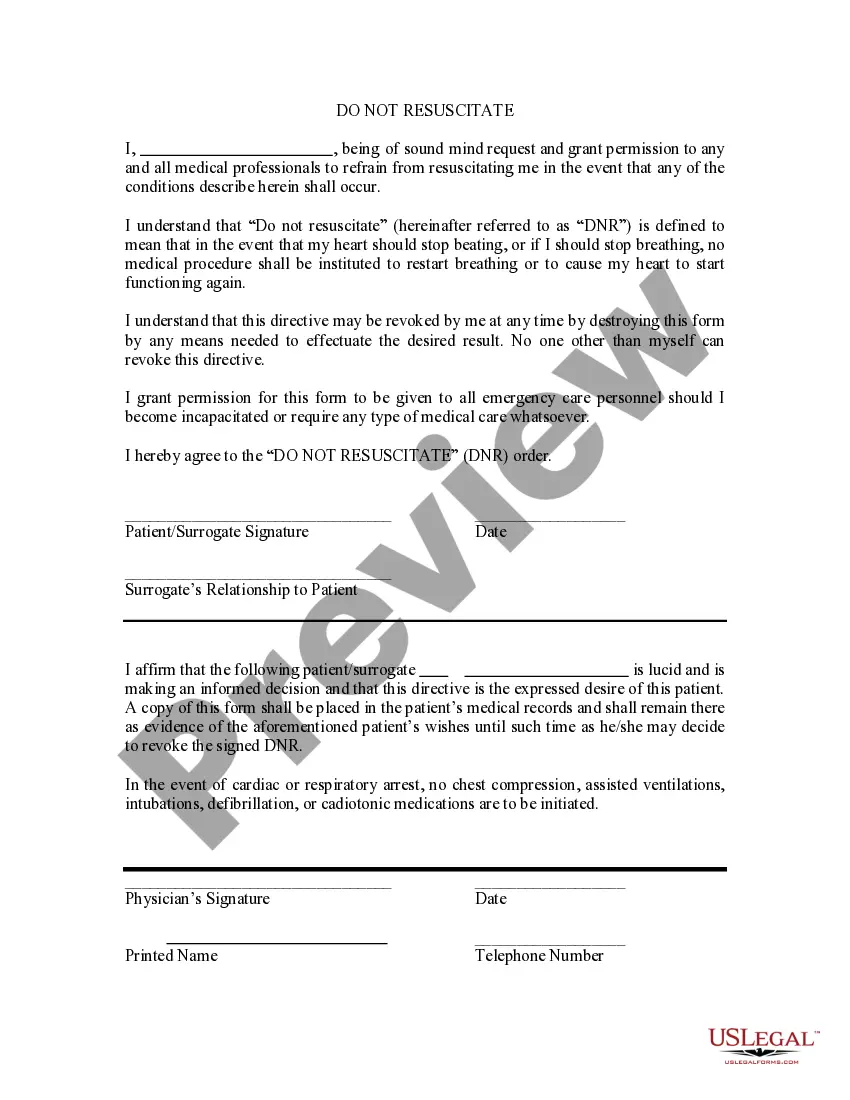
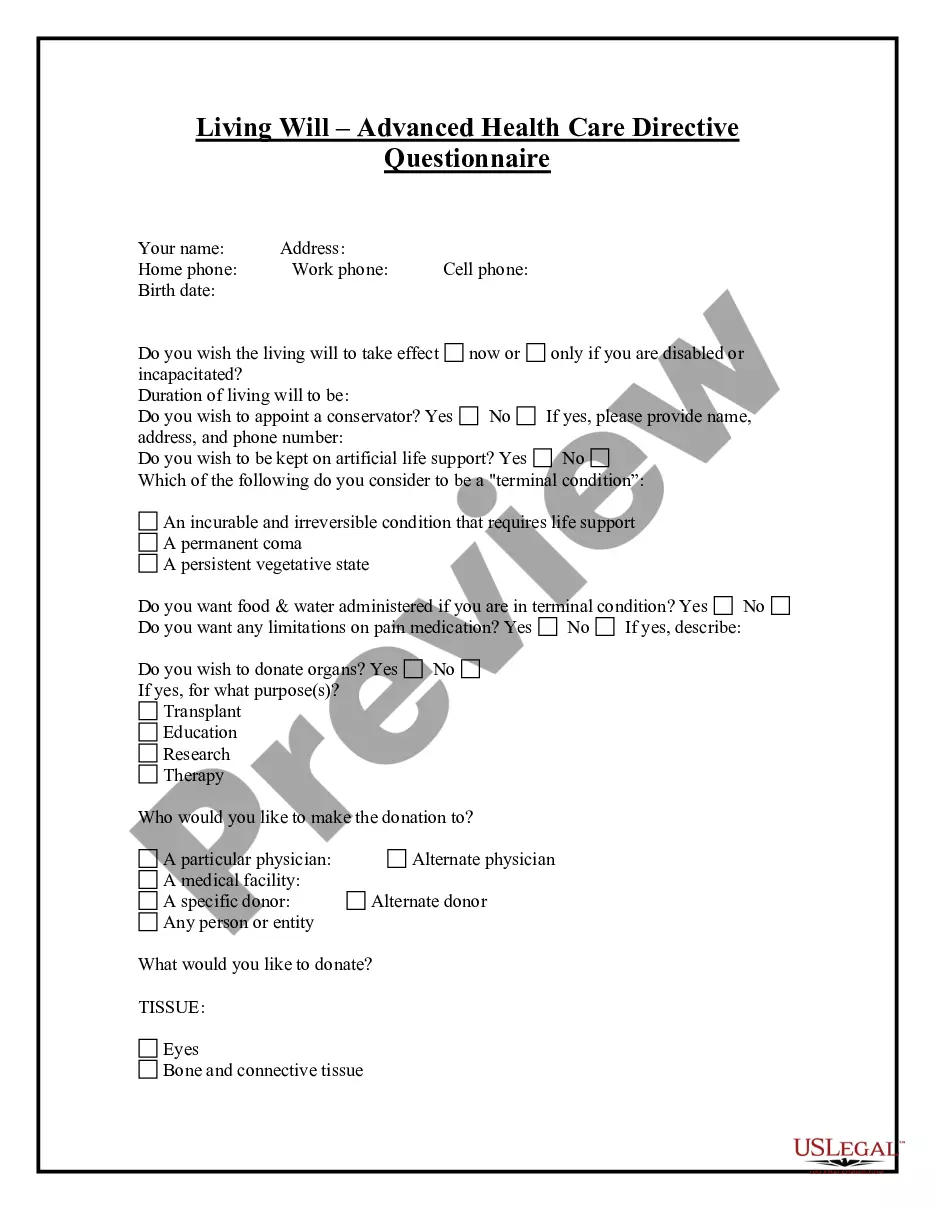
The Statutory Power of Attorney for Health Care is a legal document that allows you to appoint a designated individual, known as your agent or attorney in fact, to make health care decisions on your behalf when you are unable to do so. This form empowers your agent to act in accordance with your wishes regarding medical treatment and end-of-life care, ensuring that your health care preferences are respected even during times when you may not be able to communicate them. Unlike a general power of attorney, which can cover financial matters, this form specifically focuses on health care directives.
Form components explained
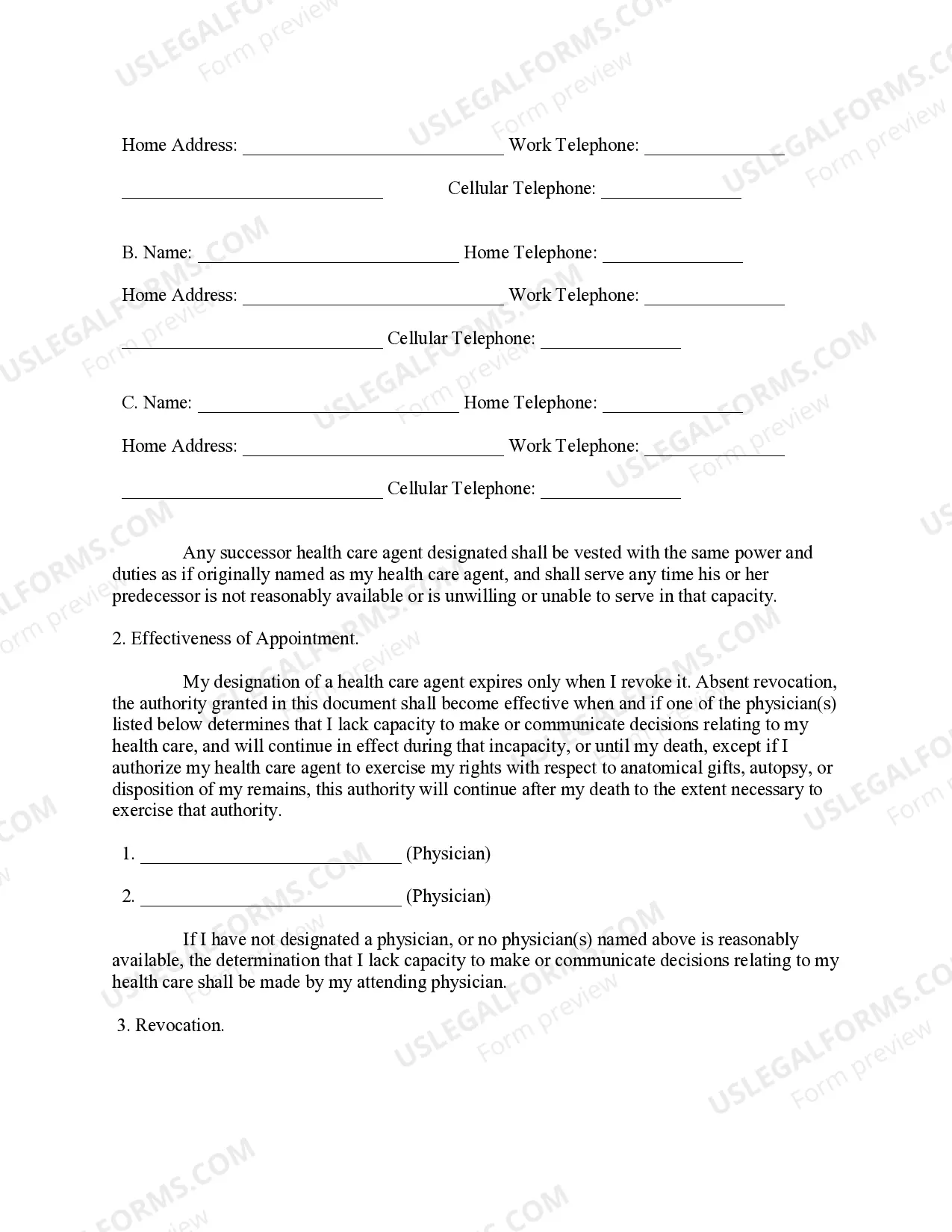
- Designation of Health Care Agent: Appoints the individual who will make decisions on your behalf.
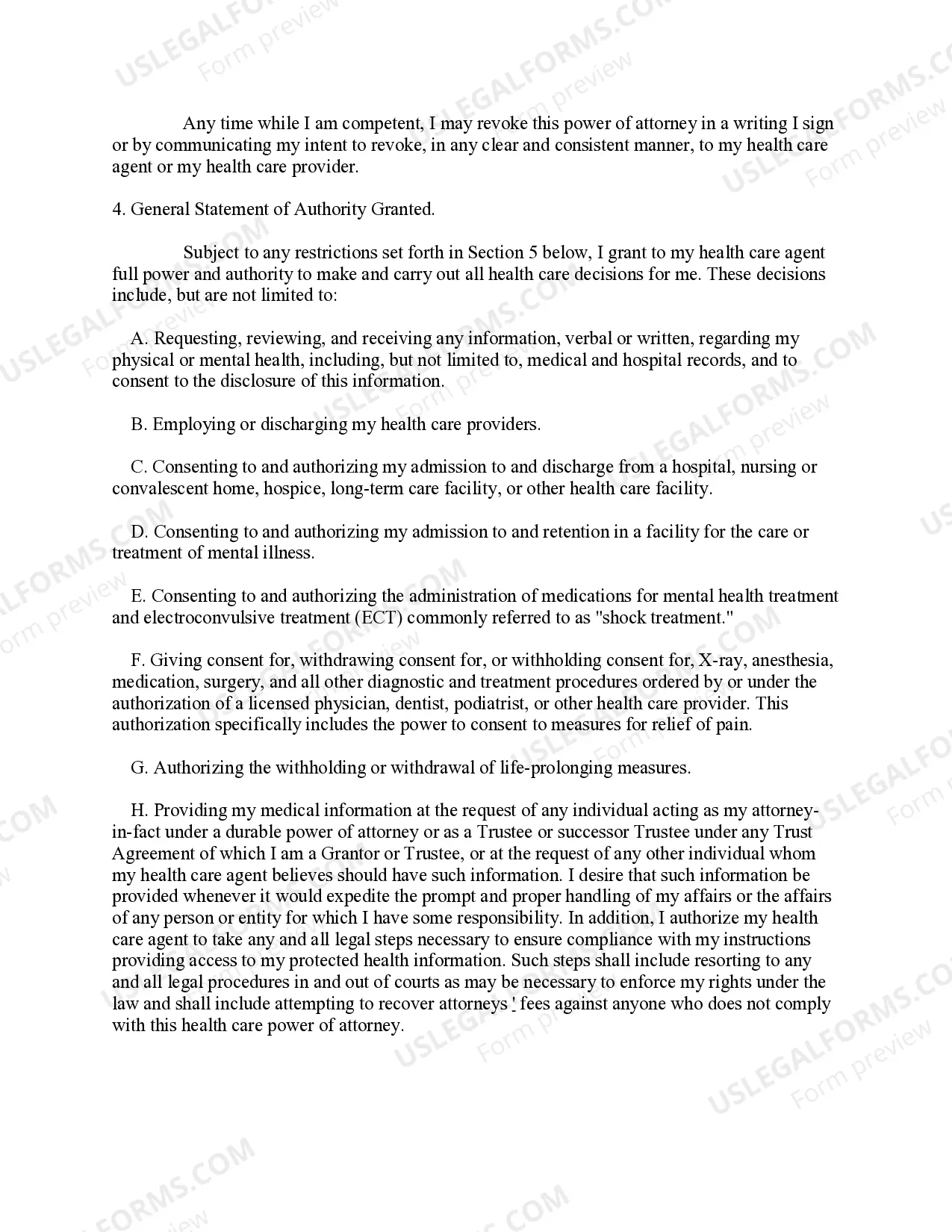
- Authority Granted: Specifies the powers your agent has concerning medical treatment and health care decisions.
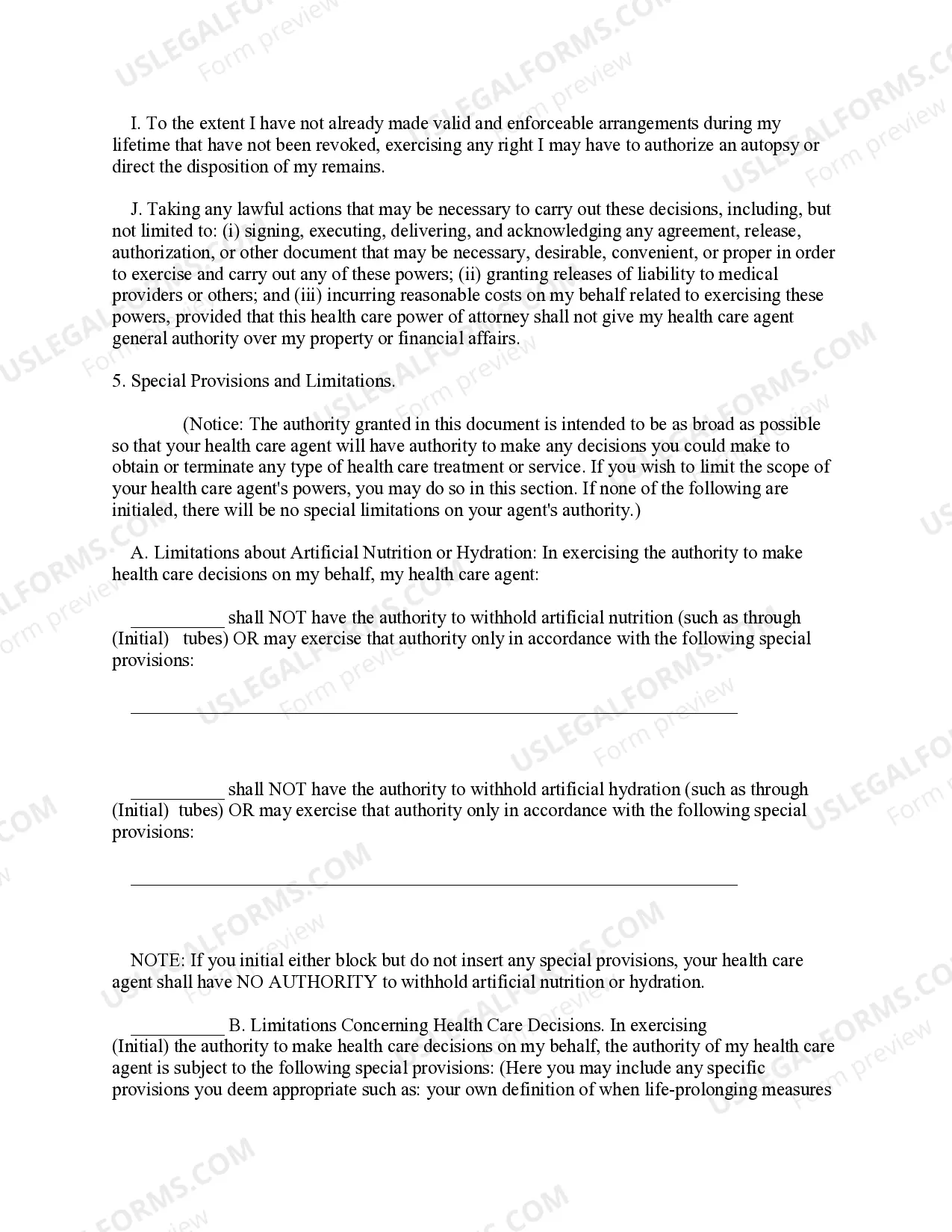
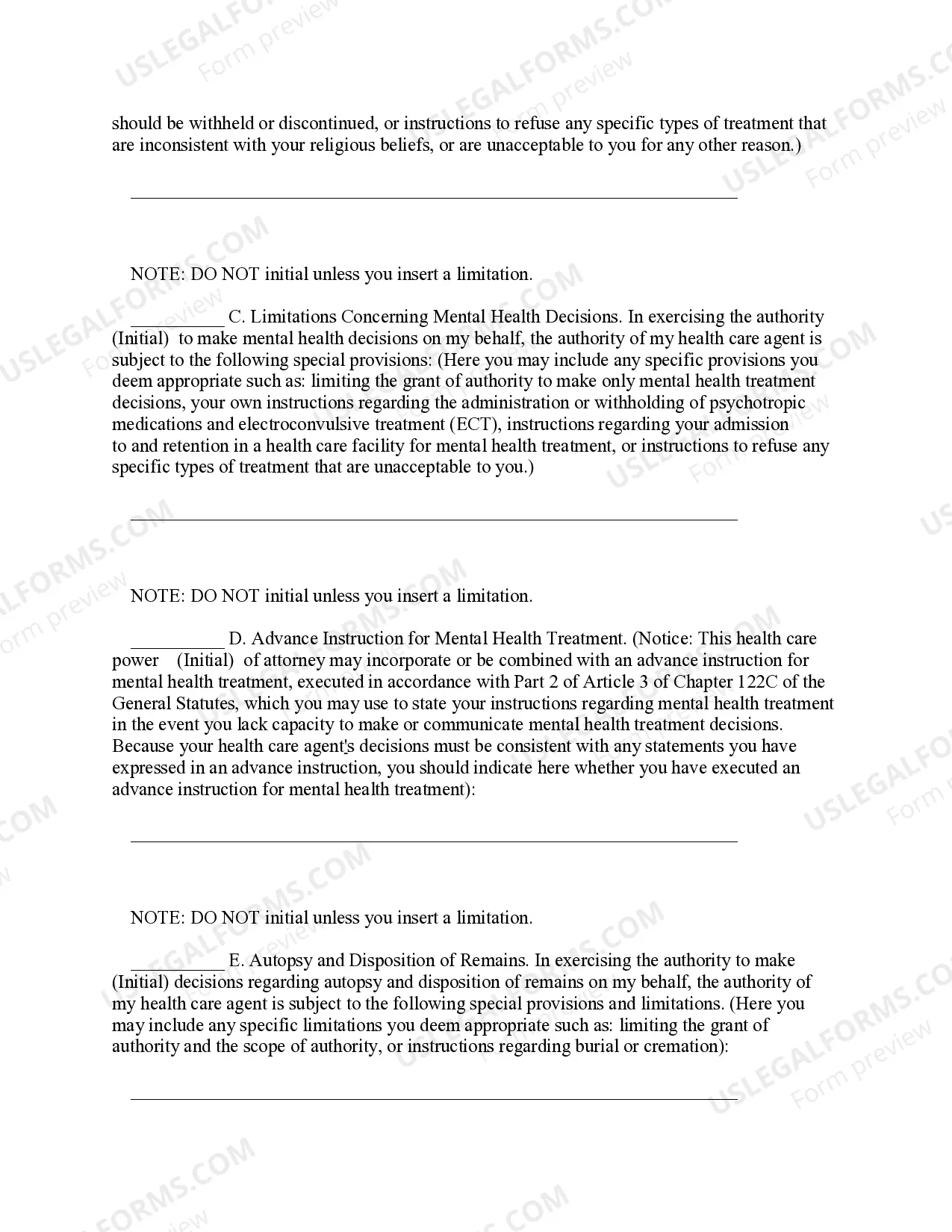
- Limitations: Allows you to set specific limitations on your agent's authority regarding certain treatments or decisions.
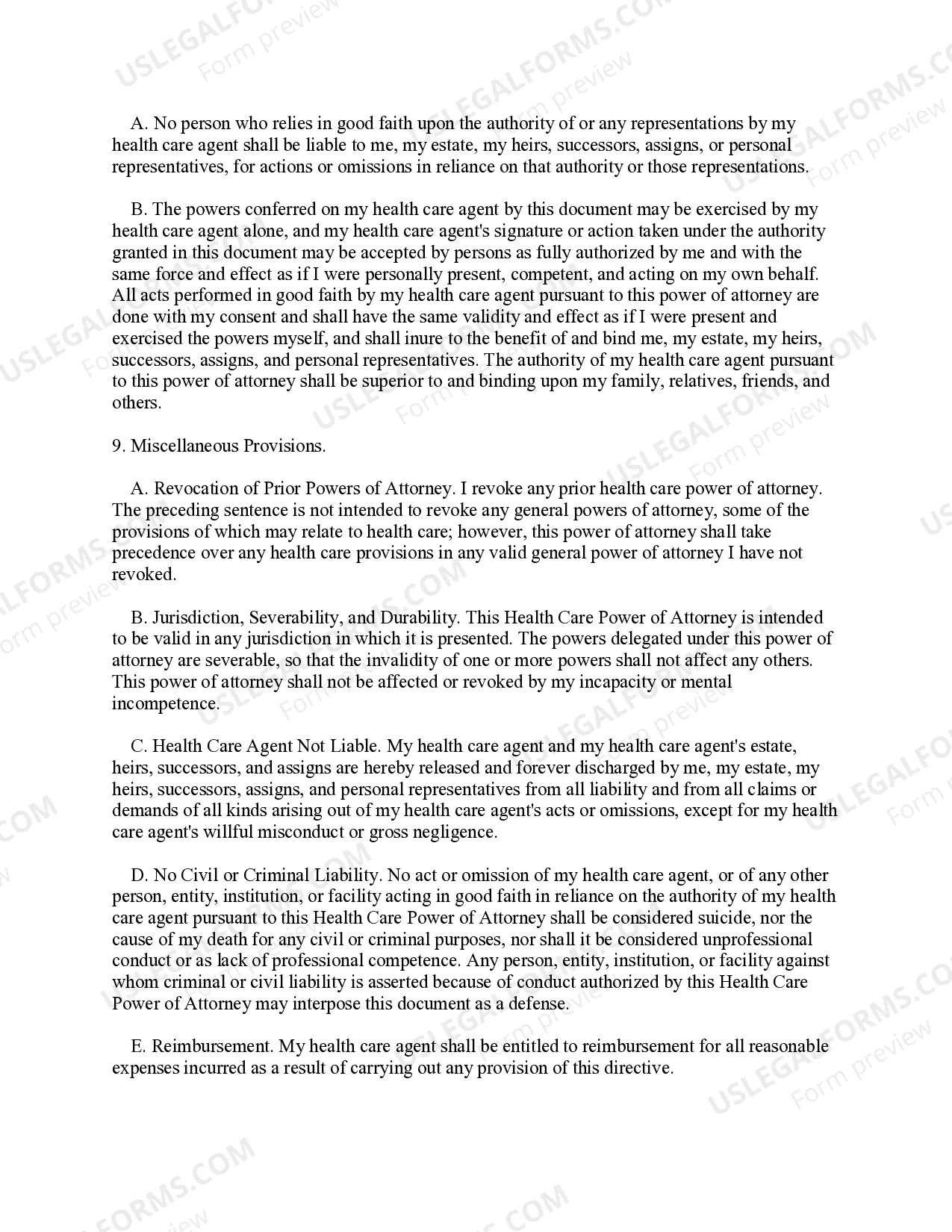
- Revocation: Outlines how you can revoke or change this power of attorney at any time.
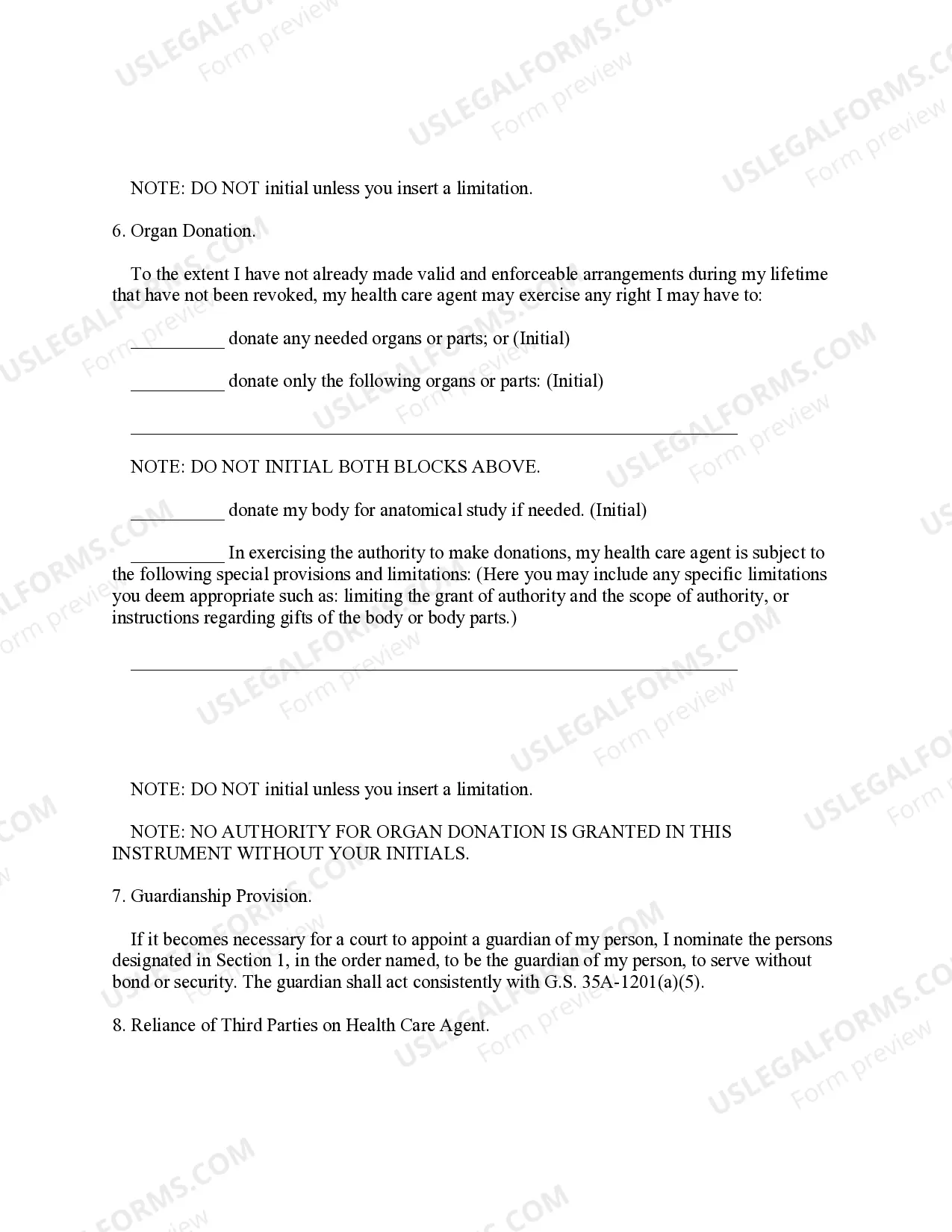
- Guardianship Provision: Nominates a guardian should the court find one is necessary.
- Reliance of Third Parties: Protects those who act in good faith based on the authority granted to the agent.
When to use this form
This form should be used when you wish to ensure that your health care preferences are honored in situations where you are incapacitated and cannot communicate your decisions. It's particularly important for individuals who are facing serious health conditions, planning for surgery, or considering end-of-life care options. Utilizing this form can help facilitate discussions with your agent about your desires for medical treatment, ensuring clarity about your wishes.
Who this form is for
- Individuals who want to appoint someone they trust to make health care decisions on their behalf.
- Those who have specific wishes regarding medical treatments, including procedures they would or would not want.
- People facing serious health issues or those who wish to plan ahead for medical emergencies.
- Residents of North Carolina looking to comply with state laws regarding health care powers of attorney.
Completing this form step by step
- Identify the parties: Fill in your name and the name of the appointed health care agent.
- Specify the authority granted: Review and initial the relevant sections to indicate your agent's powers.
- Indicate limitations: Add any restrictions or special instructions for your agent regarding treatment decisions.
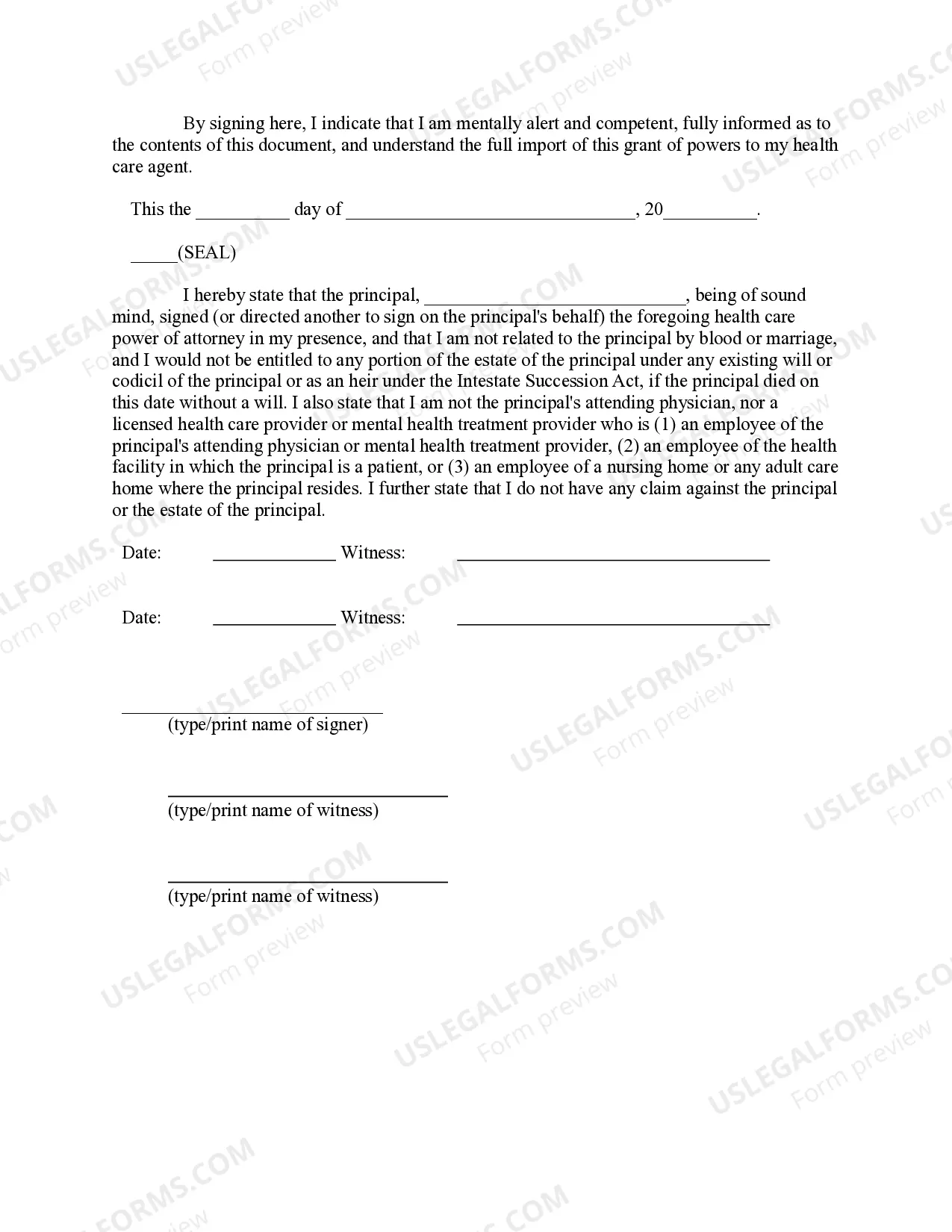
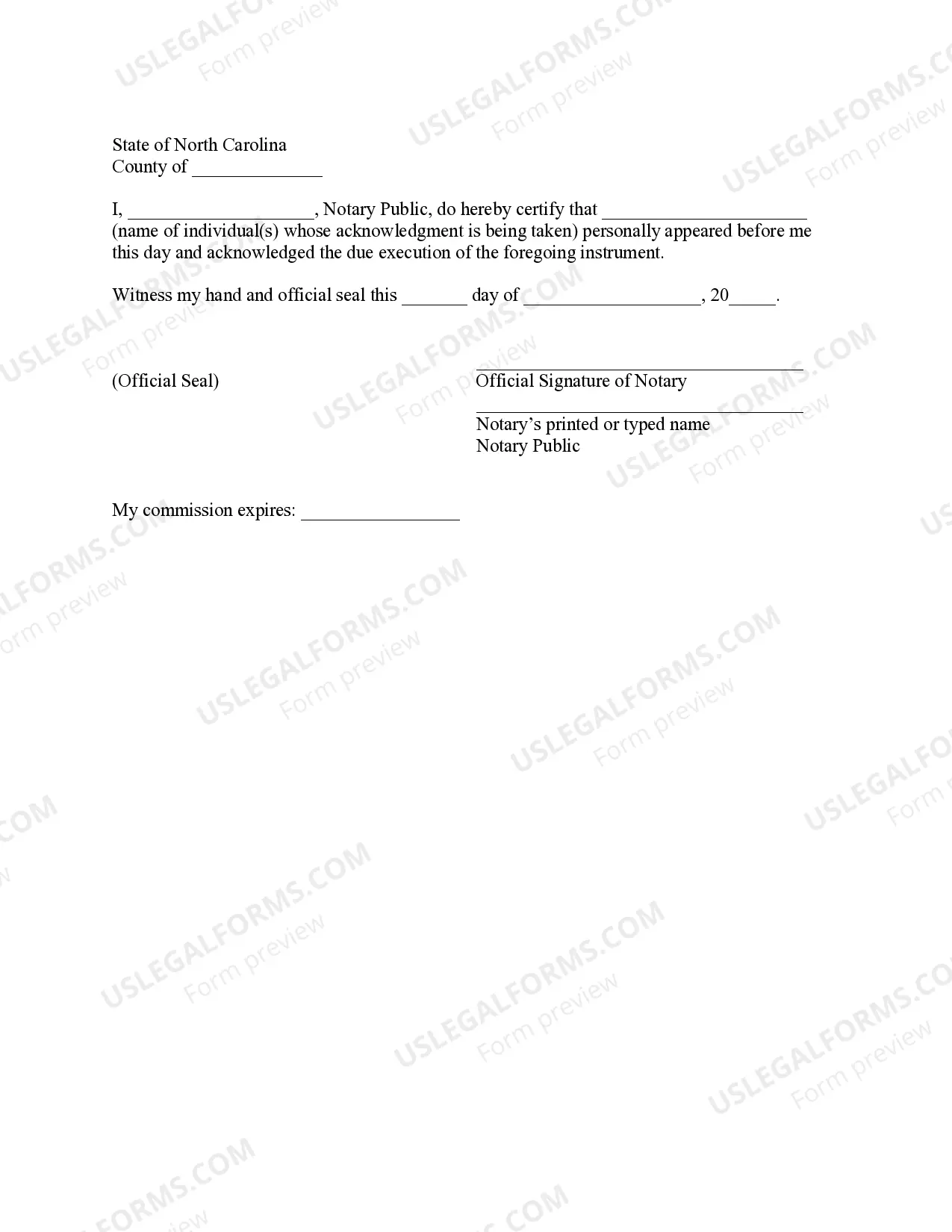
- Sign the document: Make sure to sign the form in the presence of two witnesses and a notary public.
- Distribute copies: Provide copies of the signed document to your health care agent and any alternate agents designated.
Does this form need to be notarized?
This document requires notarization to meet legal standards. US Legal Forms provides secure online notarization powered by Notarize, allowing you to complete the process through a verified video call, available 24/7.
Get your form ready online
Our built-in tools help you complete, sign, share, and store your documents in one place.
Make edits, fill in missing information, and update formatting in US Legal Forms—just like you would in MS Word.
Download a copy, print it, send it by email, or mail it via USPS—whatever works best for your next step.
Sign and collect signatures with our SignNow integration. Send to multiple recipients, set reminders, and more. Go Premium to unlock E-Sign.
If this form requires notarization, complete it online through a secure video call—no need to meet a notary in person or wait for an appointment.
We protect your documents and personal data by following strict security and privacy standards.

Make edits, fill in missing information, and update formatting in US Legal Forms—just like you would in MS Word.

Download a copy, print it, send it by email, or mail it via USPS—whatever works best for your next step.

Sign and collect signatures with our SignNow integration. Send to multiple recipients, set reminders, and more. Go Premium to unlock E-Sign.

If this form requires notarization, complete it online through a secure video call—no need to meet a notary in person or wait for an appointment.

We protect your documents and personal data by following strict security and privacy standards.
Typical mistakes to avoid
- Failing to have the document witnessed or notarized, leading to potential invalidity.
- Not clearly stating specific limitations, which may give the agent more power than intended.
- Not discussing your wishes with your health care agent before signing, resulting in misunderstandings later.
- Neglecting to update the form when your health care wishes change or when your agent's circumstances change.
Benefits of using this form online
- Convenient access to legal forms that can be downloaded and completed at your own pace.
- Editable templates allow you to customize the document to fit your specific health care wishes.
- Reliability in provided forms that are drafted by licensed attorneys, ensuring compliance with state laws.
Legal use & context
- This power of attorney remains effective until revoked or until your death.
- Your health care agent is required to act in your best interest and according to any instructions detailed in the document.
- Valid in North Carolina, additional local rules may apply outside of this jurisdiction.
Key takeaways
- The Statutory Power of Attorney for Health Care enables you to appoint an agent for your health decisions when you are incapacitated.
- It is crucial to discuss your wishes with your health care agent and clearly outline any limitations in the document.
- This form requires notarization and witnesses to ensure its validity in North Carolina.
Looking for another form?
Form popularity
FAQ
In many states, notarization is required by law to make the durable power of attorney valid. But even where law doesn't require it, custom usually does. A durable power of attorney that isn't notarized may not be accepted by people with whom your attorney-in-fact tries to deal.
Generally, the document must be signed, witnessed and notarized by an adult. If your agent will have to deal with real estate assets, some states require you to put the document on file in the local land records office. The power of attorney for finances is typically extinguished upon death, revocation, or divorce.
A general power of attorney ends the moment you become incapacitated.A durable power of attorney stays effective until the principle dies or until they act to revoke the power they've granted to their agent. But there are a handful of circumstances where courts will end durable power of attorney.
Writing your own durable power of attorney is an inexpensive way to deal with end-of-life decision-making because it allows you to appoint a person to make decisions for you after you are incapacitated or legally incompetent.
A power of attorney (or POA) is a legal document that grants a person or organization the legal authority to act on another's behalf and make certain decisions for them.A power of attorney needs to be signed in front of a licensed notary public in order to be legally binding.
After the principal's name, write by and then sign your own name. Under or after the signature line, indicate your status as POA by including any of the following identifiers: as POA, as Agent, as Attorney in Fact or as Power of Attorney.
Choose an agent. Before you begin to fill out the form, you have some decisions to make. Decide on the type of authority. You can choose whether you want your POA to be broad or narrow. Identify the length of time the POA will be in effect. Fill out the form. Execute the document.
A Durable Power of Attorney for Health Care is a document that lets you name someone else to make decisions about your health care in case you are not able to make those decisions yourself. It gives that person (called your agent) instructions about the kinds of medical treatment you want.
A. A power of attorney must always be signed in front of a notary public. If you wish, it can be recorded at the county register of deeds office in North Carolina where it is to be used.As a general rule, however, a power of attorney does not need to be recorded in North Carolina in order to be effective.