North Carolina General Warranty Deed from Husband and Wife to LLC
What is this form?
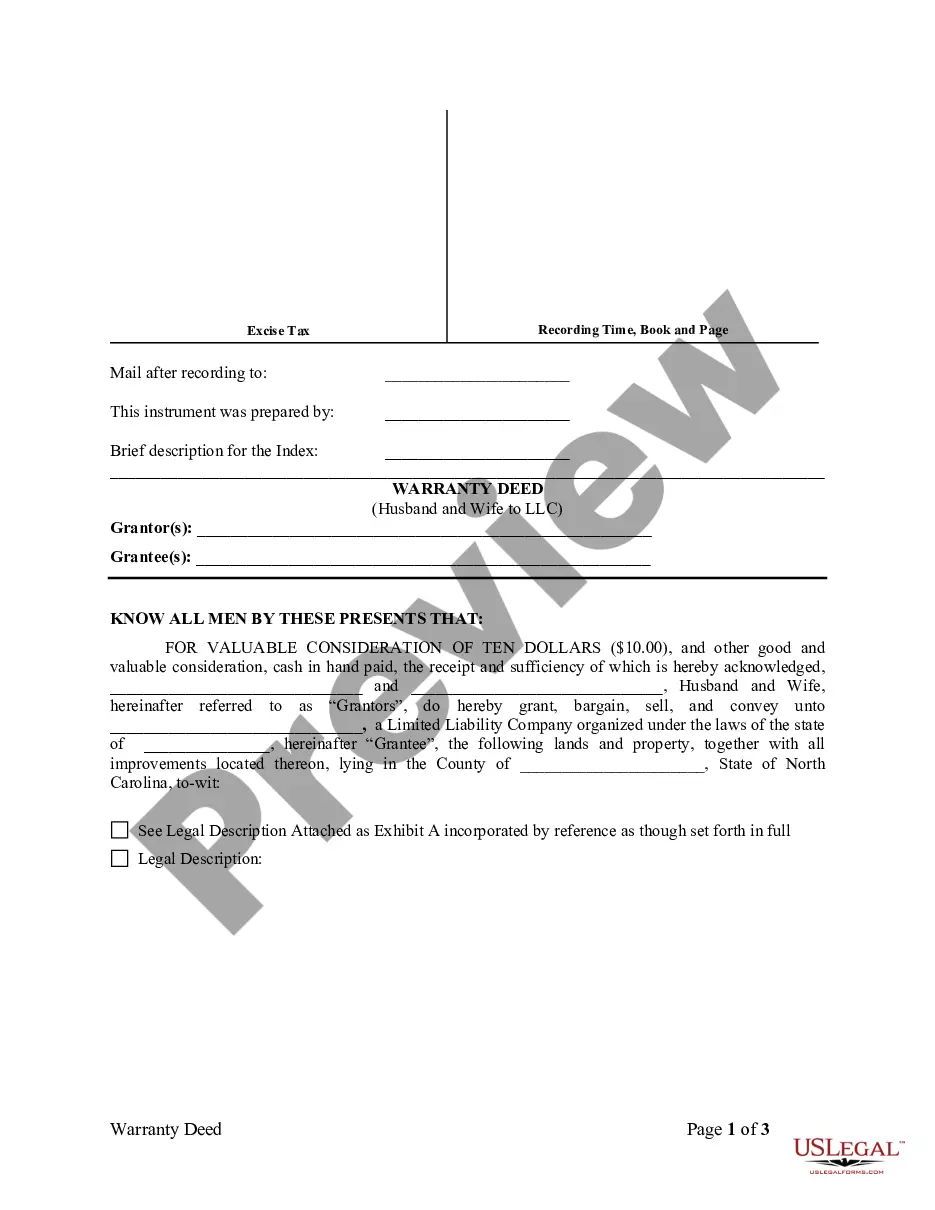
The General Warranty Deed from Husband and Wife to LLC is a legal document used to transfer property ownership from a married couple (grantors) to a limited liability company (grantee). This form ensures that the grantors are conveying a marketable title to the property, free of encumbrances, while reserving rights to certain minerals beneath the surface. This deed is particularly important for transactions that involve business entities, distinguishing it from standard personal property transfers.
Key parts of this document
- Identification of Grantors: Names of the husband and wife transferring the property.
- Identification of Grantee: Name of the LLC receiving the property.
- Property Description: Clear legal description of the property being conveyed.
- Warranty of Title: Grantors assure that they have the right to sell the property and defend the title against claims.
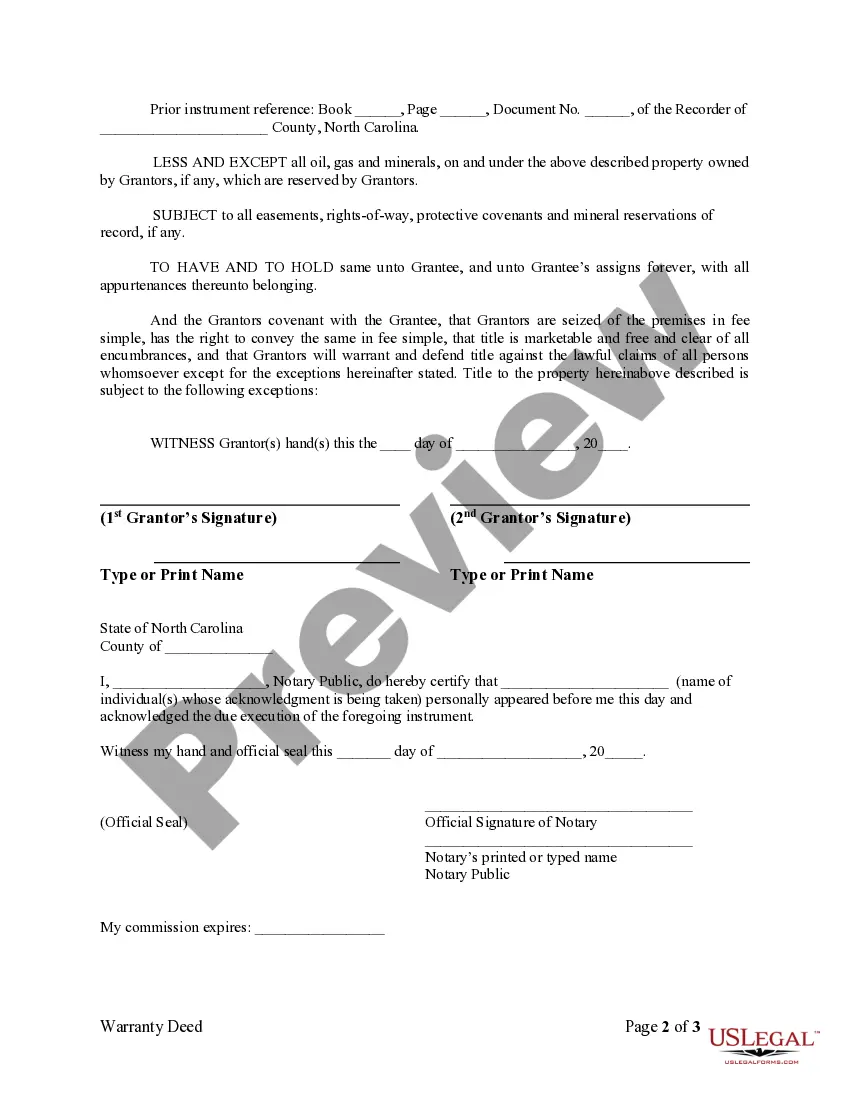
- Reserving Rights: Specification of any mineral rights or reservations made by the grantors.
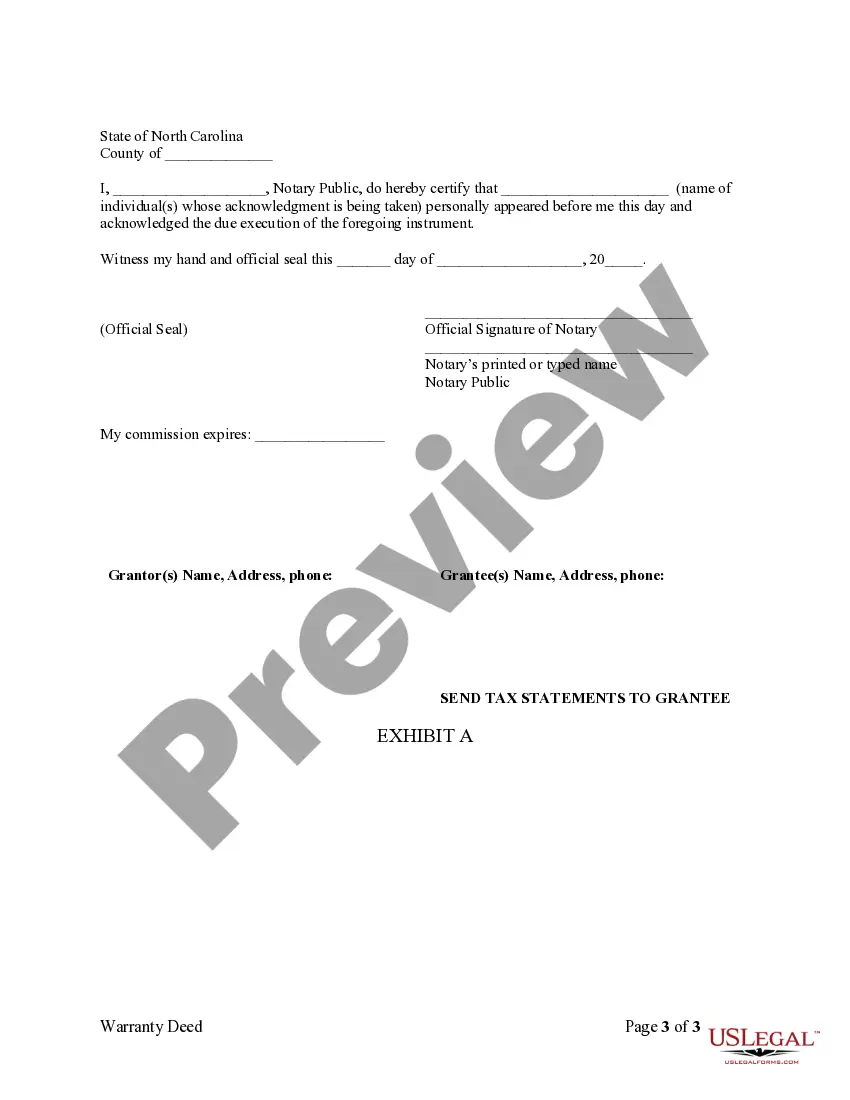
- Execution by Notary: Signature area for notary public acknowledgment, ensuring legal validity.




When to use this form
This form is necessary when a married couple decides to transfer their real property to an LLC for reasons such as liability protection, estate planning, or business management. It is also useful for couples converting personally held property into business assets or when there is a need to formalize the ownership of jointly owned real estate by a business entity.
Intended users of this form
- Married couples who own real estate and wish to transfer it to a limited liability company.
- Business owners seeking to formally register property ownership under their LLC.
- Individuals involved in estate planning who want to secure the business and personal assets together.
- Attorneys or legal representatives handling property transactions for clients in similar situations.
Instructions for completing this form
- Identify the parties: Fill in the names of the husband and wife as grantors.
- Complete the grantee section: Write the name of the LLC receiving the property.
- Describe the property: Provide a detailed legal description of the property in the designated area.
- Sign and date: Both grantors must sign and date the form in the specified areas.
- Notarization: Have the document notarized to ensure its legal validity.
Notarization guidance
To make this form legally binding, it must be notarized. Our online notarization service, powered by Notarize, lets you verify and sign documents remotely through an encrypted video session.
Get your form ready online
Our built-in tools help you complete, sign, share, and store your documents in one place.
Make edits, fill in missing information, and update formatting in US Legal Forms—just like you would in MS Word.
Download a copy, print it, send it by email, or mail it via USPS—whatever works best for your next step.
Sign and collect signatures with our SignNow integration. Send to multiple recipients, set reminders, and more. Go Premium to unlock E-Sign.
If this form requires notarization, complete it online through a secure video call—no need to meet a notary in person or wait for an appointment.
We protect your documents and personal data by following strict security and privacy standards.

Make edits, fill in missing information, and update formatting in US Legal Forms—just like you would in MS Word.

Download a copy, print it, send it by email, or mail it via USPS—whatever works best for your next step.

Sign and collect signatures with our SignNow integration. Send to multiple recipients, set reminders, and more. Go Premium to unlock E-Sign.

If this form requires notarization, complete it online through a secure video call—no need to meet a notary in person or wait for an appointment.

We protect your documents and personal data by following strict security and privacy standards.
Common mistakes to avoid
- Forgetting to include the legal description of the property.
- Not signing the form in front of a notary.
- Omitting the reservation of rights for minerals or other interests.
- Failing to check local recording requirements before submission.
Why complete this form online
- Convenience: Easily access and download the form from anywhere.
- Editability: Customize the form to fit your specific needs before printing.
- Reliability: Ensure that the document is drafted by licensed attorneys to meet legal standards.
- Save time: No need to visit a law office for standard documentation.
Looking for another form?



Form popularity
FAQ
It's important to note that a warranty deed does not actually prove the grantor has ownership (a title search is the best way to prove that), but it is a promise by the grantor that they are transferring ownership and if it turns out they don't actually own the property, the grantor will be responsible for compensating
The answer is yes. Parties to a transaction are always free to prepare their own deeds. If you do so, be sure your deed measures up to your state's legal regulations, to help avert any legal challenge to the deed later.
In a Non-Warranty or Quitclaim Deed, the seller merely is giving the buyer whatever rights, if any, that the seller has in the property and the seller makes no warranties of any nature about the seller's rights in the property.
A warranty deed, also known as a general warranty deed, is a legal real estate document between the seller (grantor) and the buyer (grantee). The deed protects the buyer by pledging that the seller holds clear title to the property and there are no encumbrances, outstanding liens, or mortgages against it.
The name and address of the seller (called the grantor) The name and address of the buyer (called the grantee) A legal description of the property (found on the previous deed) A statement that the grantor is transferring the property to the grantee.
The North Carolina general warranty deed is used to transfer property in North Carolina from one person to another legally.In other words, the seller is liable to the buyer if the buyer finds out there was an undisclosed claim against the property.
A warranty deed is a document often used in real estate that provides the greatest amount of protection to the purchaser of a property. It pledges or warrants that the owner owns the property free and clear of any outstanding liens, mortgages, or other encumbrances against it.