North Carolina General Warranty Deed from Corporation to Corporation
What is this form?
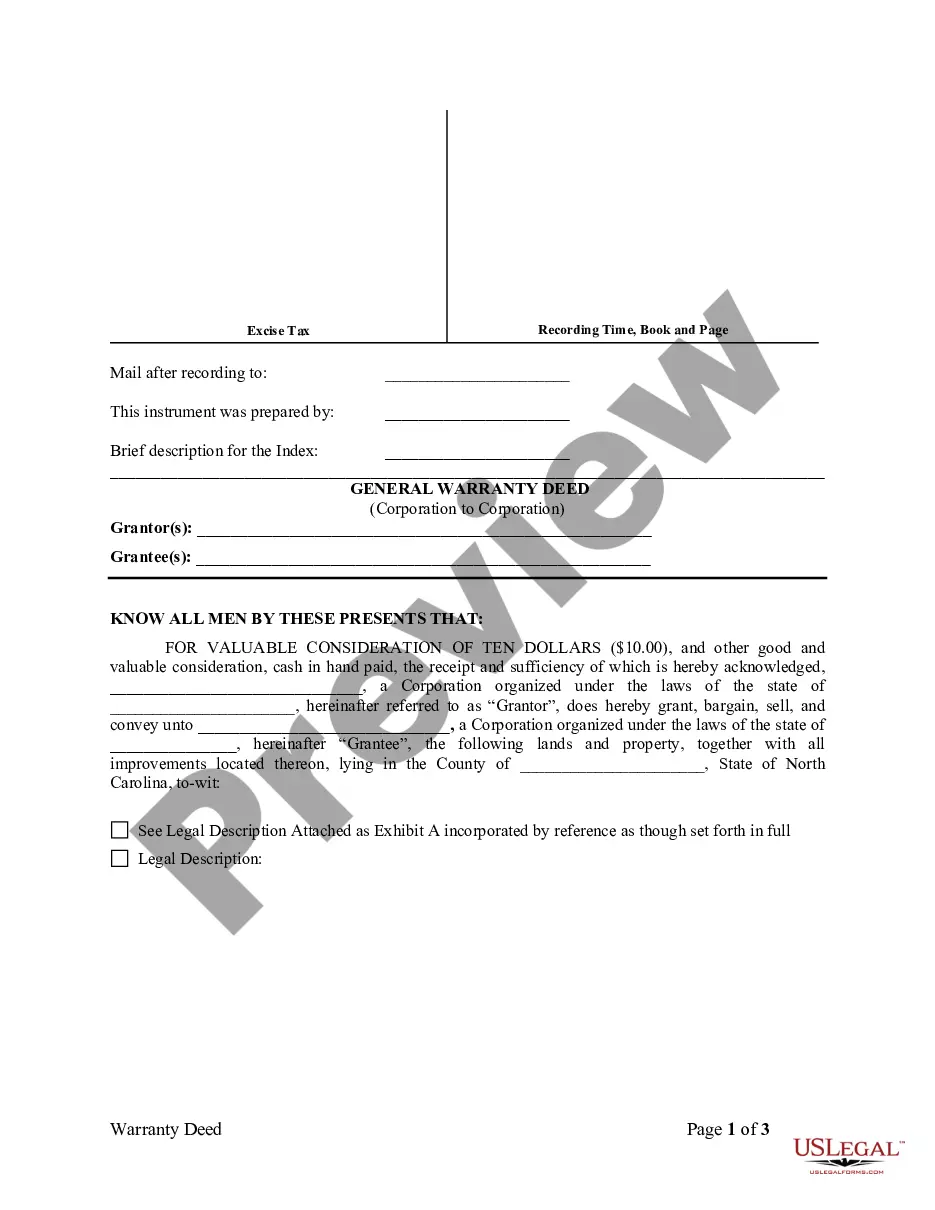
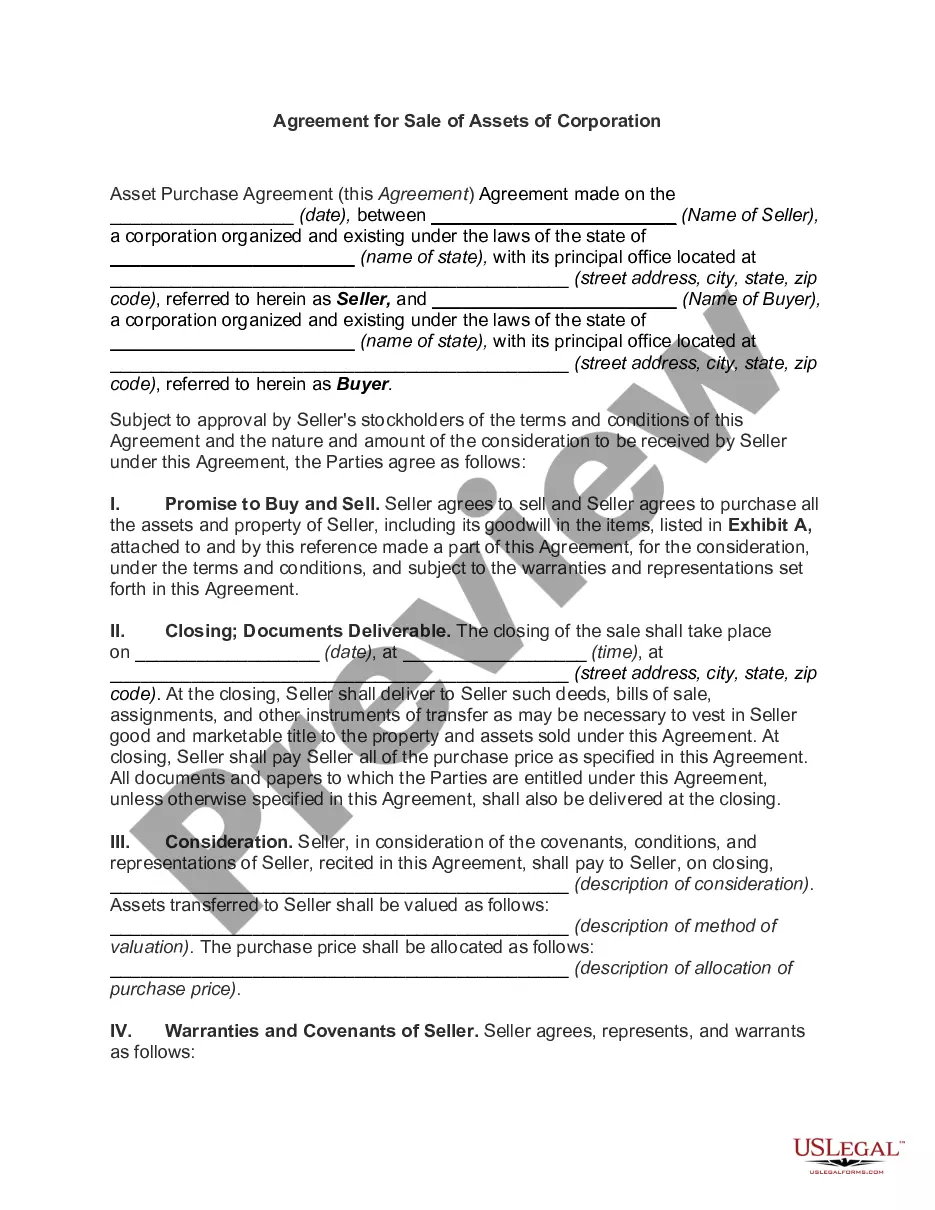
The General Warranty Deed from Corporation to Corporation is a legal document used to transfer property ownership from one corporation to another. This warranty deed provides a guarantee that the Grantor holds a clear title to the property without any encumbrances, except for specified exceptions. It is important to understand how this form differs from other types of deeds, as it specifically addresses transfers between corporations, which may have complex legal considerations.
Form components explained
- Grantor and Grantee identification: Names and details of the corporations involved in the transfer.
- Consideration clause: The acknowledgment of a minimum payment ($10) as a legal basis for the transfer.
- Property description: A section to specify the property being transferred, which may include an attachment for detailed legal descriptions.
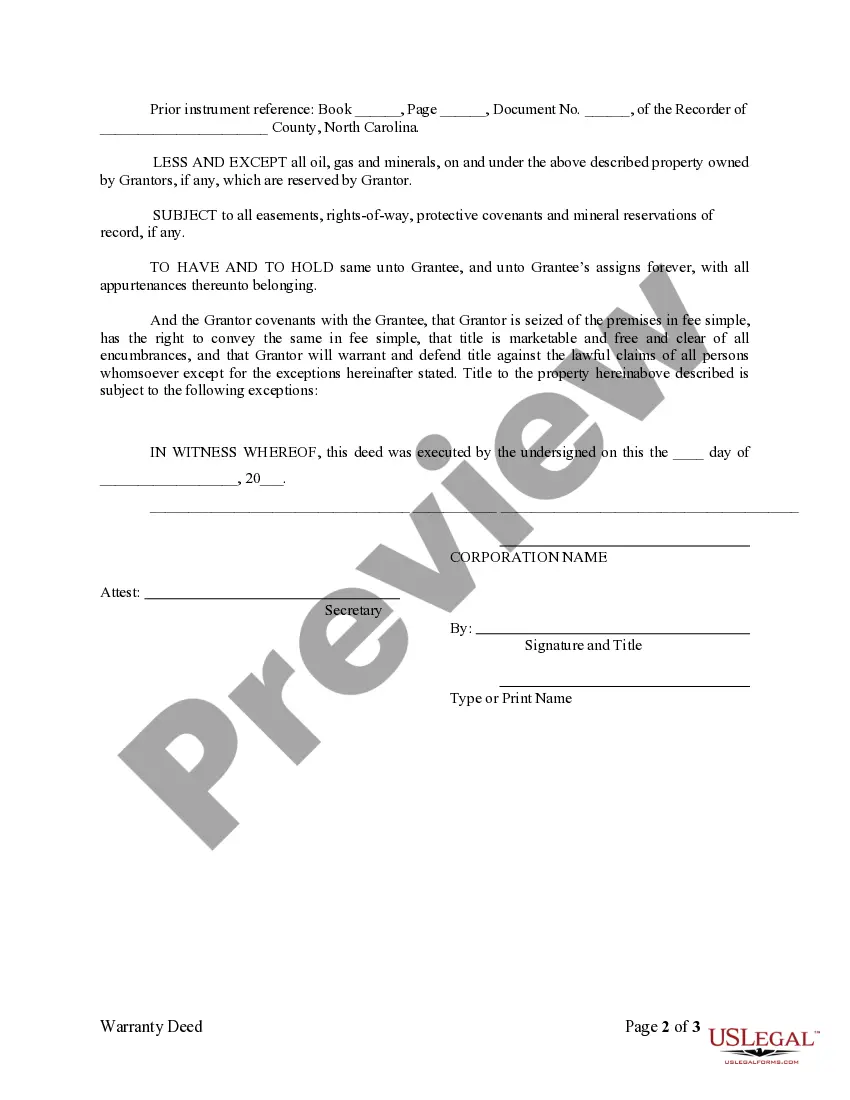
- Title warranty: A clause ensuring the Grantor holds a marketable title and will defend it against claims.
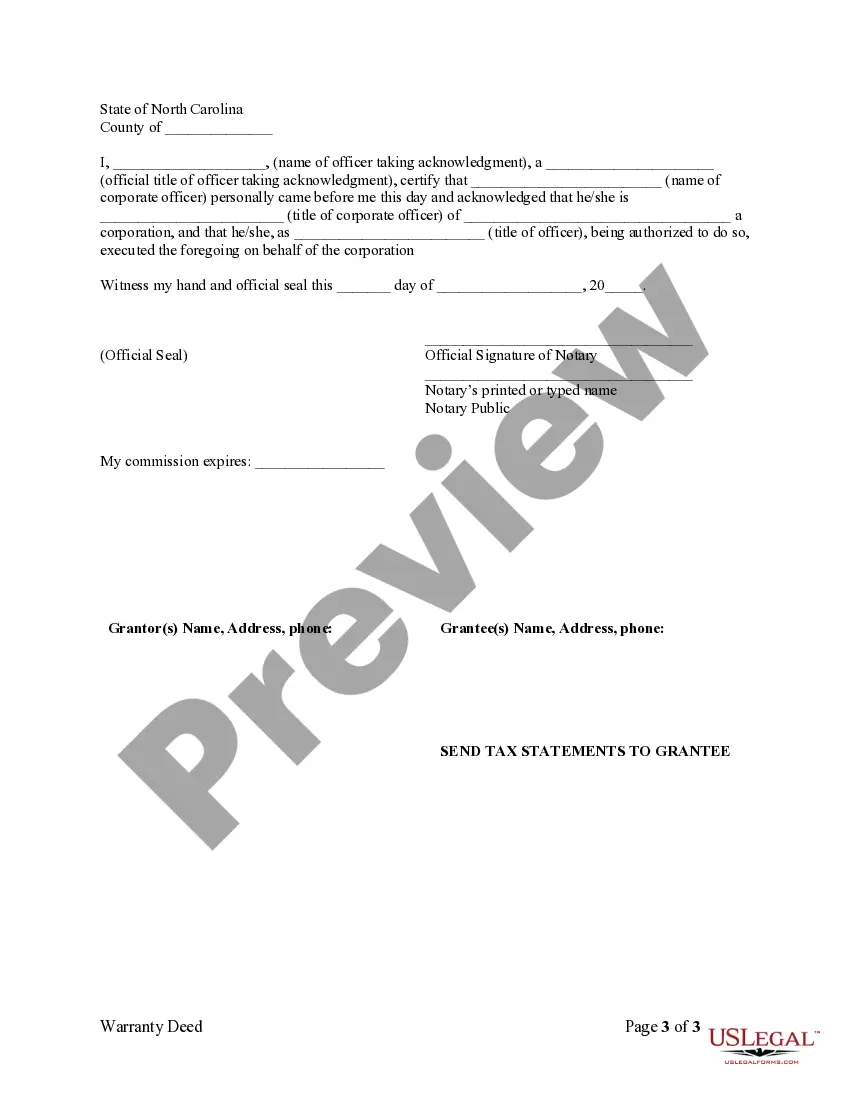
- Execution: Signature lines and witnessing requirements to validate the deed.


When this form is needed
This form should be used when one corporation wishes to transfer ownership of real property to another corporation. It's commonly utilized in various real estate transactions, including business mergers, property sales between corporate entities, or the consolidation of corporate assets. It is important for corporations to have a clear, legally binding document to ensure the rights and title are properly conveyed.
Who needs this form
This form is intended for:
- Corporations engaged in property transactions.
- Corporate legal teams or real estate professionals responsible for real estate management.
- Corporate officers or representatives authorized to handle property transfers on behalf of the company.
How to complete this form
- Identify the parties: Fill in the legal names and details of both the Grantor and Grantee corporations.
- Specify the property: Clearly describe the property being transferred, including any legal description or map attached.
- State the consideration: Acknowledge a nominal amount as the legal consideration for the transfer (e.g., ten dollars).
- Review title warranties: Ensure that the Grantor confirms their ownership and the absence of encumbrances.
- Sign the document: Have authorized representatives of both corporations sign the deed in the presence of witnesses if required.
Is notarization required?
This form needs to be notarized to ensure legal validity. US Legal Forms provides secure online notarization powered by Notarize, allowing you to complete the process through a verified video call, available anytime.
Get your form ready online
Our built-in tools help you complete, sign, share, and store your documents in one place.
Make edits, fill in missing information, and update formatting in US Legal Forms—just like you would in MS Word.
Download a copy, print it, send it by email, or mail it via USPS—whatever works best for your next step.
Sign and collect signatures with our SignNow integration. Send to multiple recipients, set reminders, and more. Go Premium to unlock E-Sign.
If this form requires notarization, complete it online through a secure video call—no need to meet a notary in person or wait for an appointment.
We protect your documents and personal data by following strict security and privacy standards.

Make edits, fill in missing information, and update formatting in US Legal Forms—just like you would in MS Word.

Download a copy, print it, send it by email, or mail it via USPS—whatever works best for your next step.

Sign and collect signatures with our SignNow integration. Send to multiple recipients, set reminders, and more. Go Premium to unlock E-Sign.

If this form requires notarization, complete it online through a secure video call—no need to meet a notary in person or wait for an appointment.

We protect your documents and personal data by following strict security and privacy standards.
Common mistakes
- Failing to include complete and accurate property descriptions.
- Not obtaining the necessary signatures from corporate representatives.
- Omitting the required legal considerations or undervaluing the property transfer.
- Neglecting to check for existing encumbrances that must be disclosed.
Why complete this form online
- Convenient access to template forms that are legally compliant.
- Easy editability to customize the deed for specific corporate needs.
- Reliability, as these forms are drafted by licensed attorneys with expertise in property law.
Legal use & context
- This deed provides assurances about the title, minimizing risk for the grantee.
- The General Warranty Deed is enforceable in real estate transactions, making it a preferred choice for corporate transfers.
- Incorrect or incomplete filings can lead to disputes or challenges to the title after the transfer.
Key takeaways
- The General Warranty Deed is essential for transferring property ownership between corporations.
- Complete and accurate information is crucial for the deed's effectiveness.
- Understanding state-specific requirements can prevent legal complications post-transaction.
Looking for another form?






Form popularity
FAQ
Retrieve your original deed. Get the appropriate deed form. Draft the deed. Sign the deed before a notary. Record the deed with the county recorder. Obtain the new original deed.
The North Carolina general warranty deed is used to transfer property in North Carolina from one person to another legally.In other words, the seller is liable to the buyer if the buyer finds out there was an undisclosed claim against the property.
Under the Grantor section of the deed, write the name of the person transferring title. Under Grantee, write the name of the person receiving title. Describe the parcel of land. Use the street address and include the North Carolina County where the land is located.
A warranty deed, also known as a general warranty deed, is a legal real estate document between the seller (grantor) and the buyer (grantee). The deed protects the buyer by pledging that the seller holds clear title to the property and there are no encumbrances, outstanding liens, or mortgages against it.
To transfer ownership of land in North Carolina, the owner must execute and file a new deed with the register of deeds for the North Carolina county where the property is located.
When ownership in North Carolina real estate is transferred, an excise tax of $1 per $500 is levied on the value of the property. For example, a $600 transfer tax would be imposed on the sale of a $300,000 home. Transfer taxes in North Carolina are typically paid by the seller.
Corporate warranty deeds offer the seller's guarantee to the buyer in regards to the validity of the chain of title. Generally, special warranty deeds only protect against problems occurring since the seller purchased the property.
Basically it is exactly the same document. Title Deed is just a more common name that is used. The legal documentation submitted when transferring a property is called a Deed of Transfer.Next time you order a Title Deed and receive a Deed of Transfer, don't be alarmed, they are the same document.
Identify the donee or recipient. Discuss terms and conditions with that person. Complete a change of ownership form. Change the title on the deed. Hire a real estate attorney to prepare the deed. Notarize and file the deed.