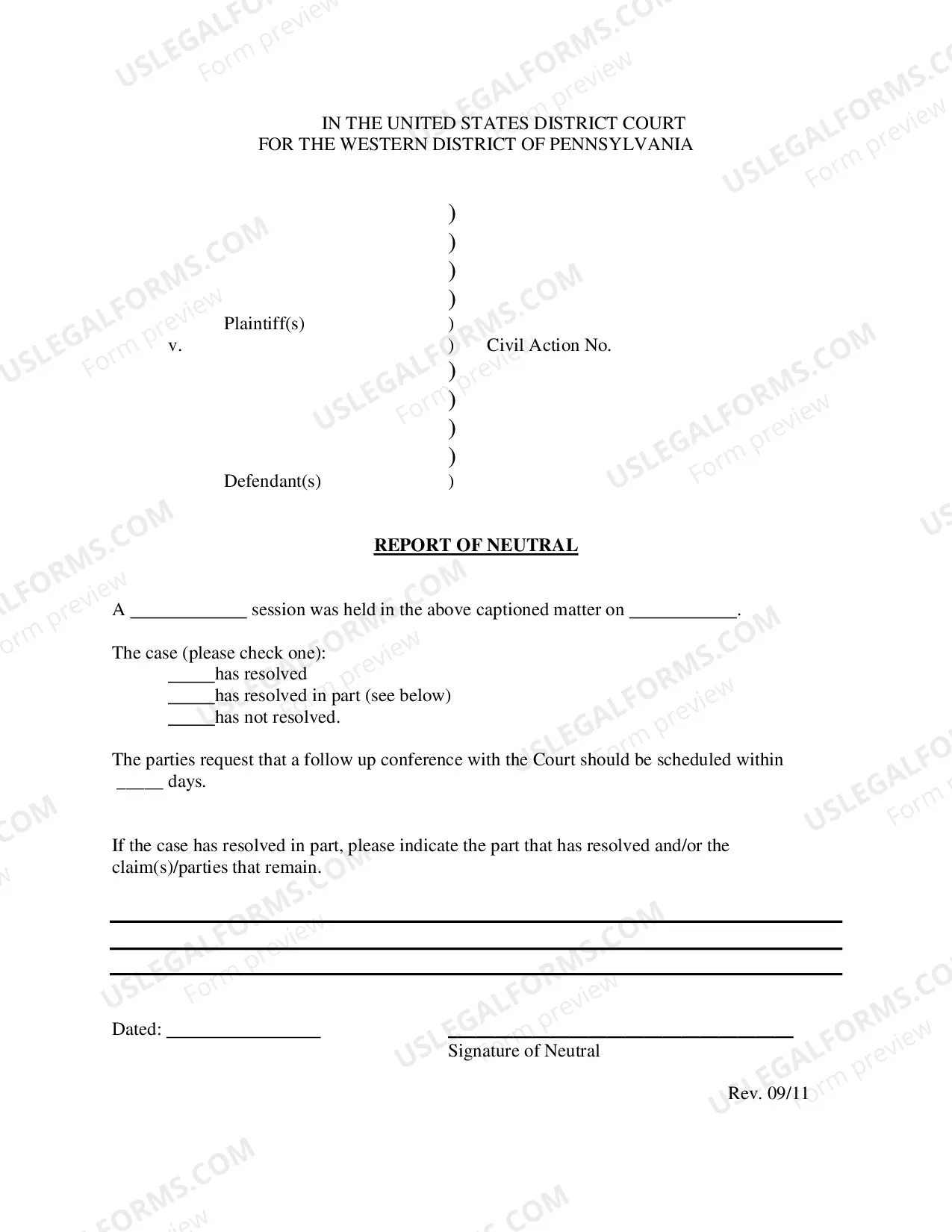
Due Diligence List
About this form
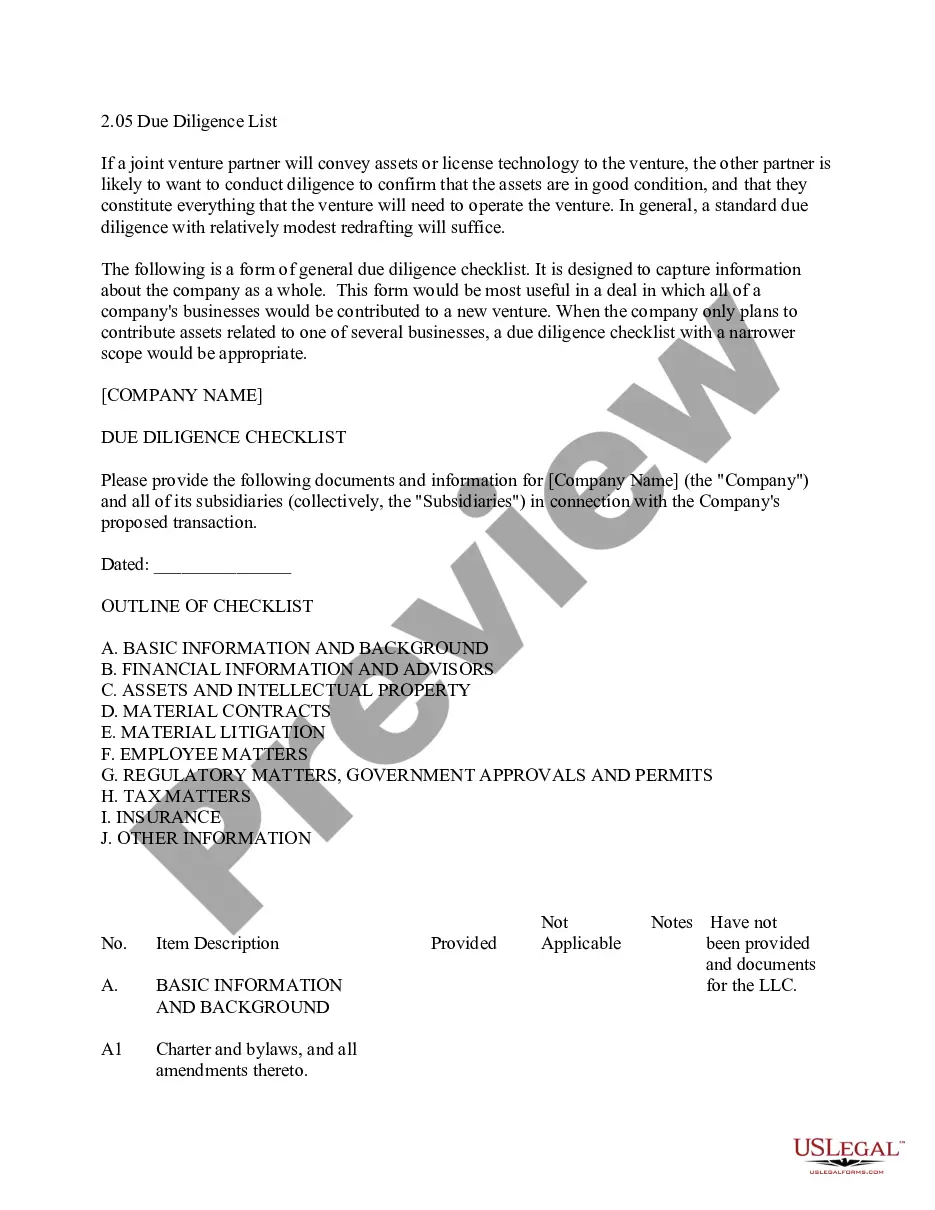
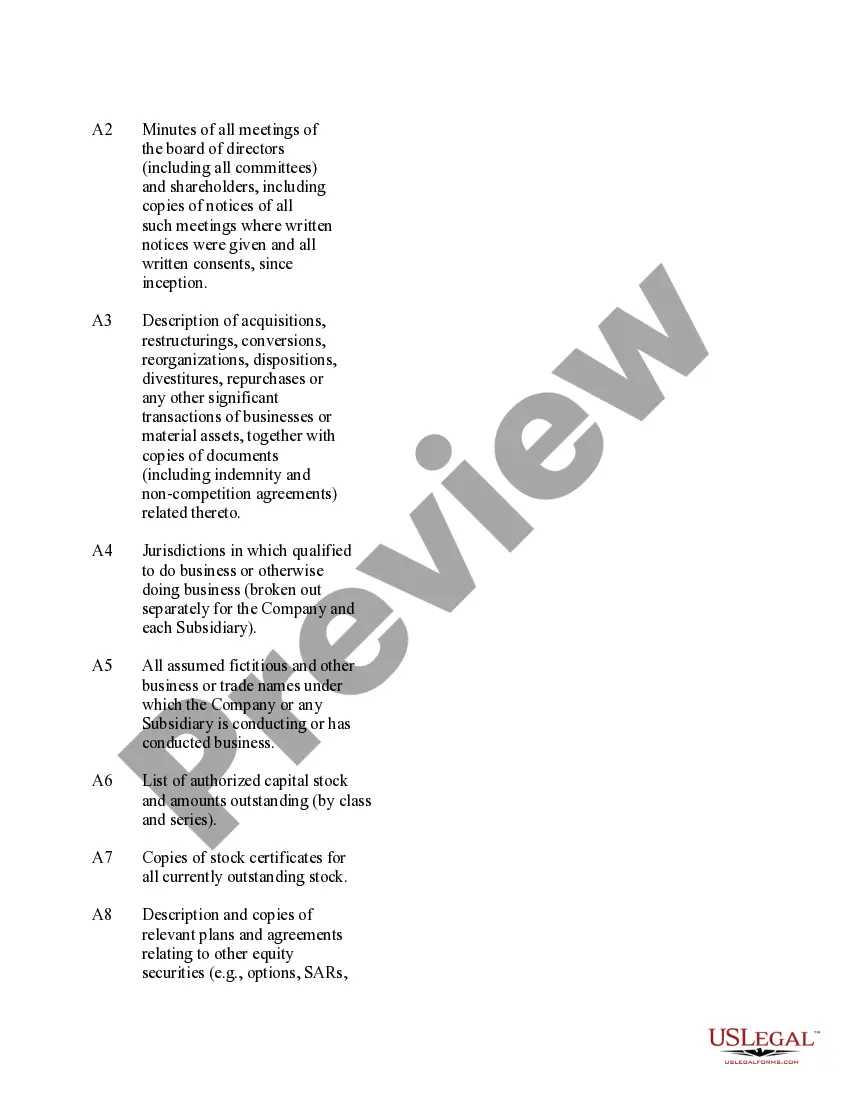
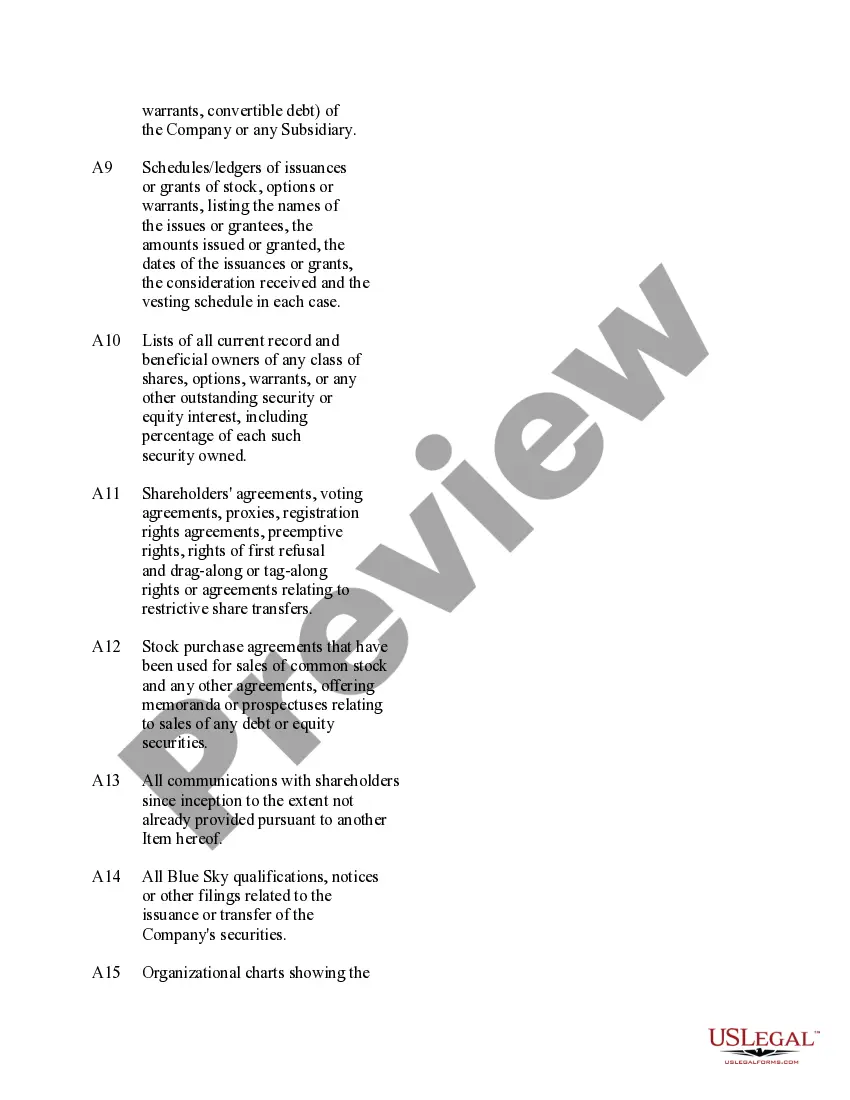
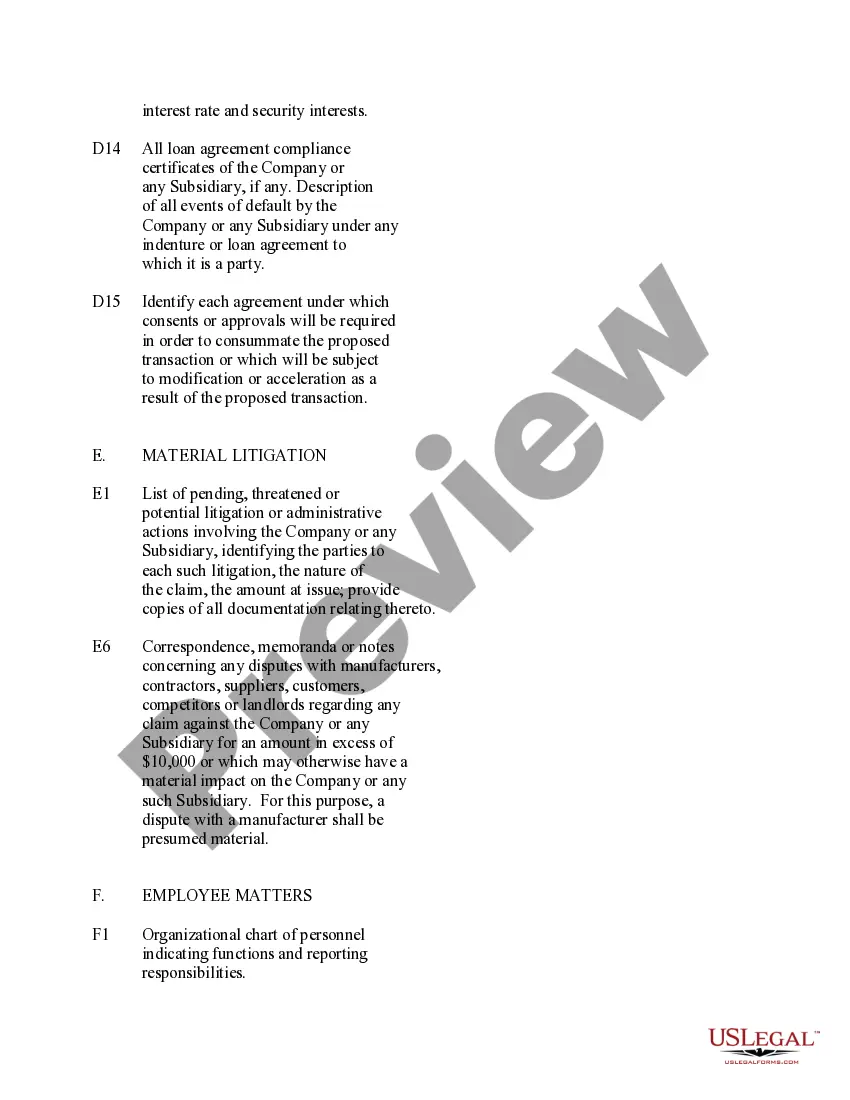
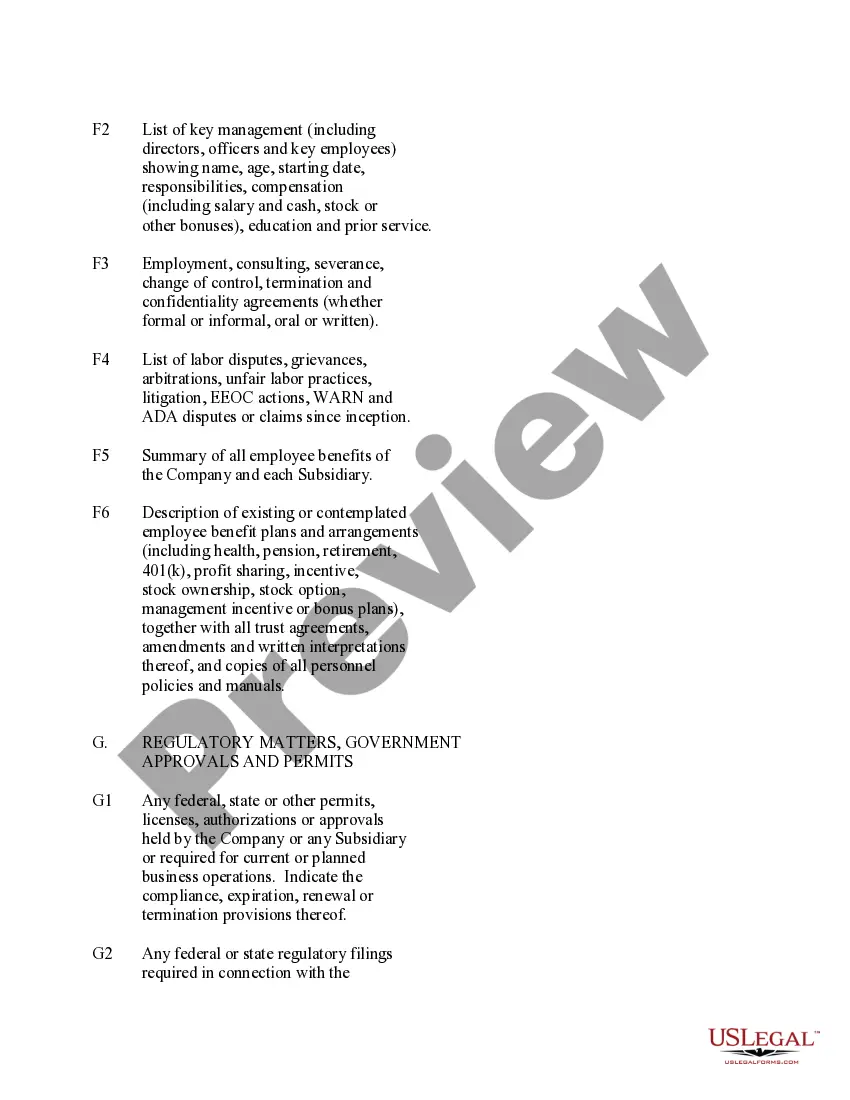
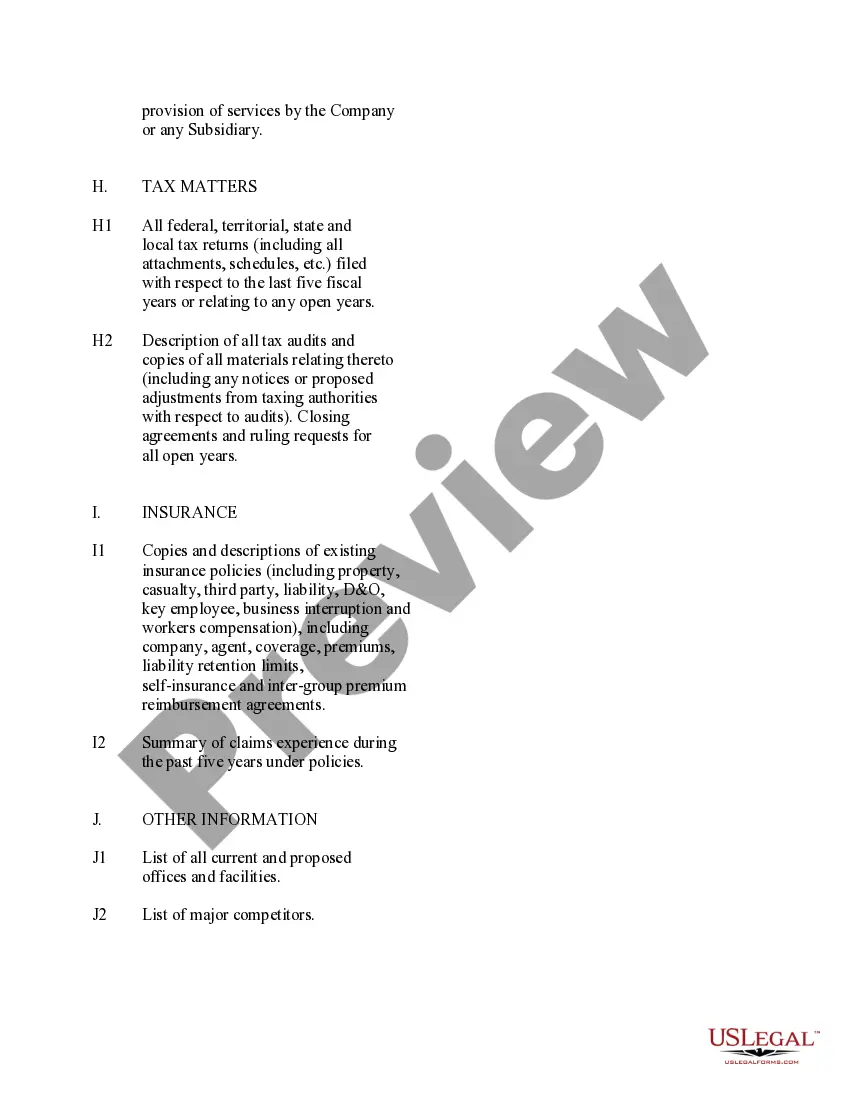
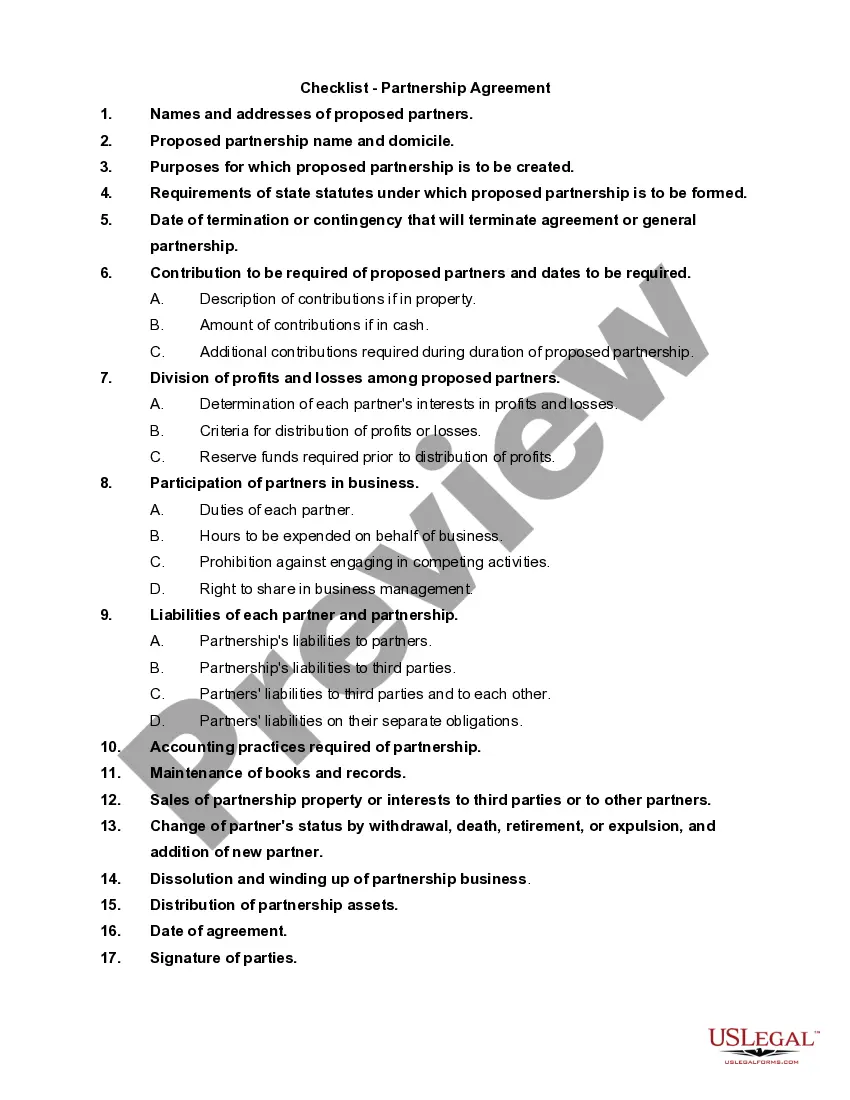
The Due Diligence List is a comprehensive checklist designed to guide parties through the due diligence process in a joint venture or similar transaction. This form helps ensure that all necessary documents and information about a company and its subsidiaries are gathered and reviewed. Unlike other forms that may focus on specific areas, this checklist covers a broad range of topics, making it an essential tool for verifying the condition of assets and operational capabilities before finalizing a deal.
Key parts of this document
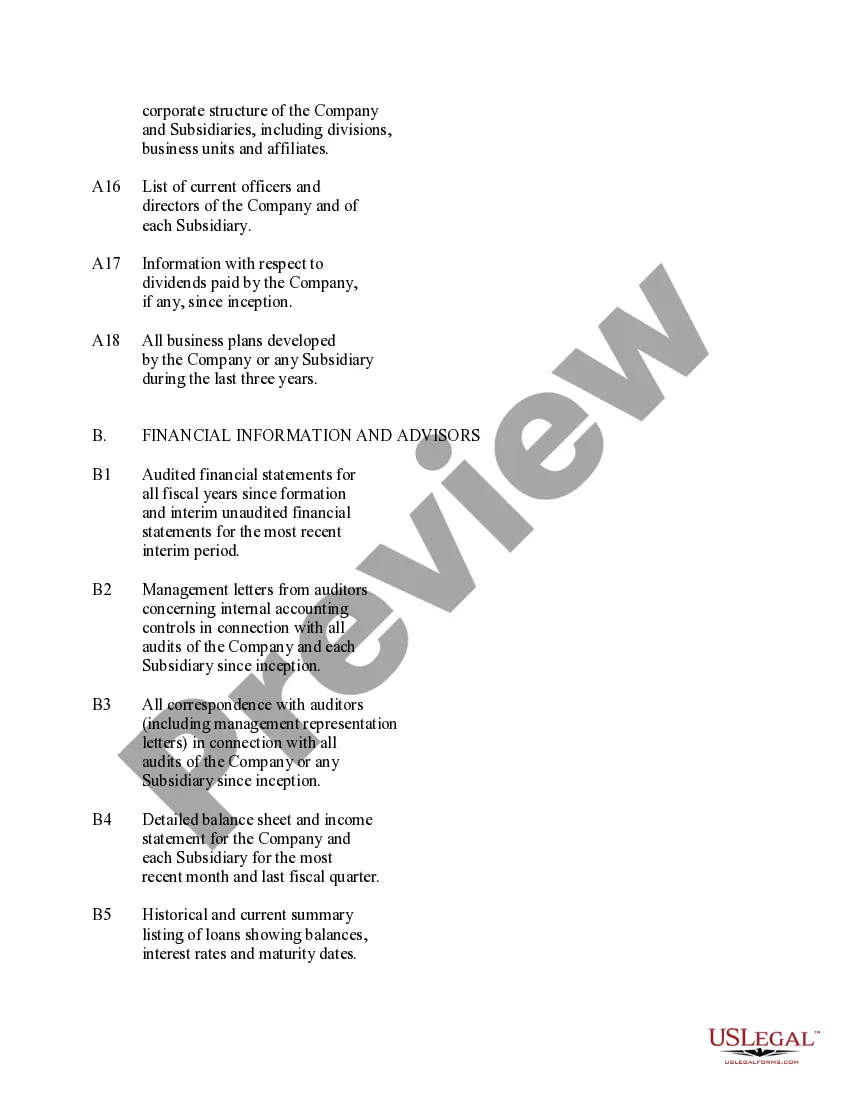
- Basic information and background of the company
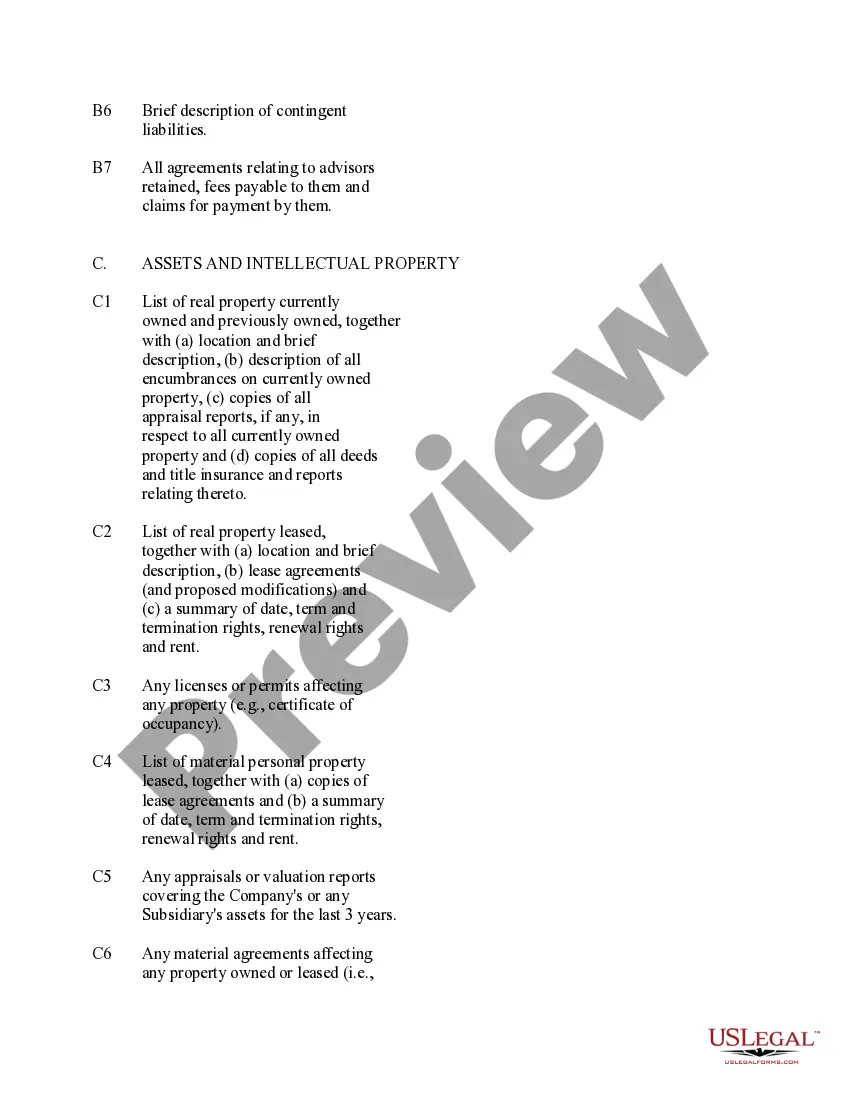
- Financial information and advisors involved
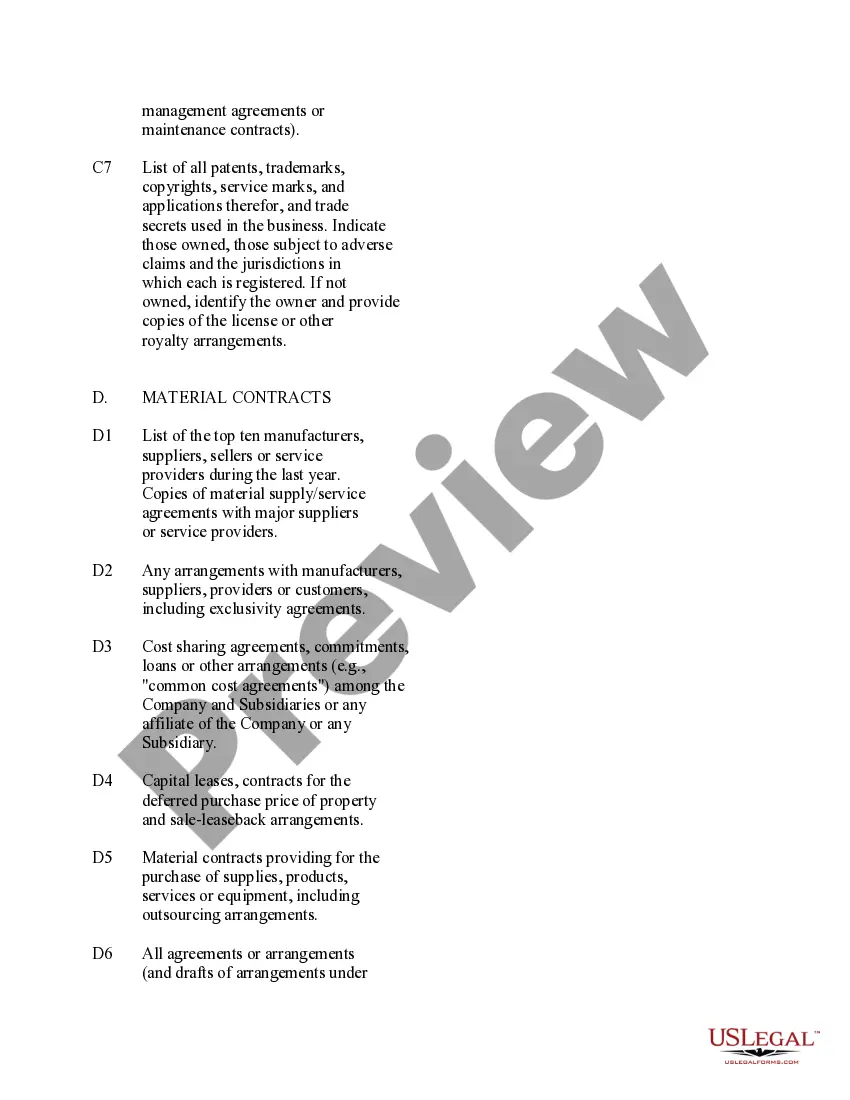
- Assets and intellectual property documentation
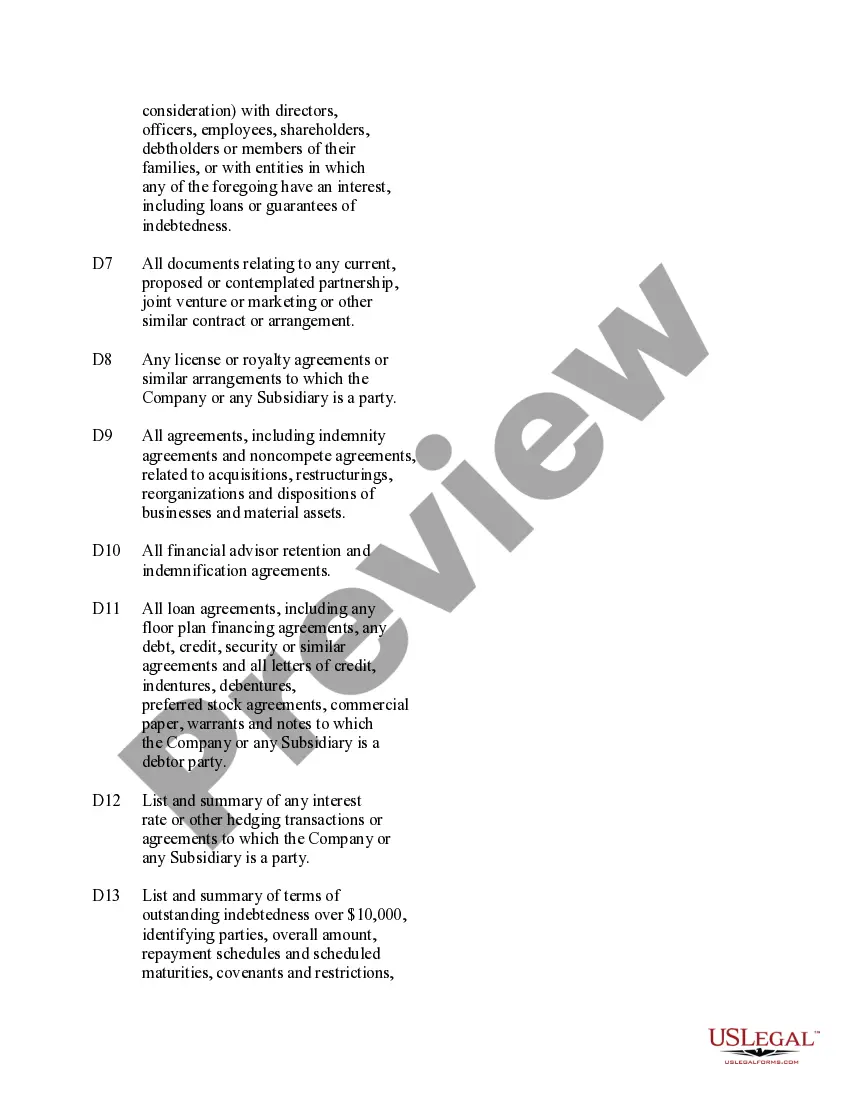
- Material contracts and agreements
- Employee matters and organizational details
- Tax matters and regulatory compliance



Situations where this form applies
This form is useful in various situations, such as when you are entering a joint venture, acquiring a business, or contributing assets to a newly formed entity. It helps parties confirm that all necessary due diligence is conducted, ensuring that the transaction proceeds with a clear understanding of the involved companies' assets, liabilities, and operations.
Who needs this form
- Businesses entering a joint venture
- Companies preparing for an acquisition
- Investors conducting due diligence on potential investments
- Legal advisors assisting clients with business transactions
How to prepare this document
- Identify the company and its subsidiaries that will be included in the due diligence process.
- Gather and provide the required documents and information listed in each section of the checklist.
- Review any missing items and ensure all necessary data is included for a thorough evaluation.
- Share the completed checklist with all relevant parties involved in the transaction.
- Use the checklist as a guide for discussions and negotiations regarding the venture.
Is notarization required?
This form usually doesn’t need to be notarized. However, local laws or specific transactions may require it. Our online notarization service, powered by Notarize, lets you complete it remotely through a secure video session, available 24/7.
Get your form ready online
Our built-in tools help you complete, sign, share, and store your documents in one place.
Make edits, fill in missing information, and update formatting in US Legal Forms—just like you would in MS Word.
Download a copy, print it, send it by email, or mail it via USPS—whatever works best for your next step.
Sign and collect signatures with our SignNow integration. Send to multiple recipients, set reminders, and more. Go Premium to unlock E-Sign.
If this form requires notarization, complete it online through a secure video call—no need to meet a notary in person or wait for an appointment.
We protect your documents and personal data by following strict security and privacy standards.

Make edits, fill in missing information, and update formatting in US Legal Forms—just like you would in MS Word.

Download a copy, print it, send it by email, or mail it via USPS—whatever works best for your next step.

Sign and collect signatures with our SignNow integration. Send to multiple recipients, set reminders, and more. Go Premium to unlock E-Sign.

If this form requires notarization, complete it online through a secure video call—no need to meet a notary in person or wait for an appointment.

We protect your documents and personal data by following strict security and privacy standards.
Avoid these common issues
- Failing to provide all requested documentation
- Neglecting to update information for subsidiaries
- Overlooking specific legal requirements in the due diligence process
- Relying on verbal agreements rather than documented contracts
Why use this form online
- Convenient download options for easy access and printing
- Editable format allows customization to fit your specific needs
- Quickly helps organize and streamline the due diligence process
- Reliability of forms drafted by licensed attorneys
Legal use & context
- The due diligence checklist aids in assessing liability and operational readiness.
- Documenting the due diligence process can serve as protection in case of disputes.
- Ensures compliance with applicable legal standards relevant to business transactions.
Quick recap
- Use the Due Diligence List for thorough preparation in significant business transactions.
- Ensure all necessary information is gathered to avoid any potential legal issues.
- Consult a legal professional for guidance specific to your jurisdiction.
Looking for another form?

Form popularity
FAQ
Your due diligence should include bank agreements, loans, collateral pledges, warranties, installment sales, distribution contracts, stock purchases, mergers, acquisitions or noncompetition agreements.
A due diligence checklist is an organized way to analyze a company. The checklist will include all the areas to be analyzed, such as ownership and organization, assets and operations, the financial ratios, shareholder value, processes and policies, future growth potential, management, and human resources.
Financial due diligence. Legal due diligence. Tax due diligence. Operational due diligence. IP due diligence. Commercial due diligence. IT due diligence. HR due diligence.
Due diligence is defined as an investigation of a potential investment (such as a stock) or product to confirm all facts. These facts can include such items as reviewing all financial records, past company performance, plus anything else deemed material.
Ask for three references and personally verify at least two. For professional positions, verify that the person has the credentials they listed on their resume. Test their skills to assure they have core knowledge. Psychological testing is important for high stress positions.
Company information. Who owns the company? Finances. Where are the company's quarterly and annual financial statements from the past several years? Products and services. What are the company's current and future products and services? Customers. Technology assets. IP assets. Physical assets. Legal issues.
The purpose of a legal due diligence is to assess the potential risks of a transaction by investigating the obligations and liabilities of the target company.A seller will usually expect a non-disclosure agreement to be signed by the potential purchaser prior to the legal due diligence being undertaken.
Due diligence is a process of research and analysis that is initiated before an acquisition, investment, business partnership or bank loan, in order to determine the value of the subject of the due diligence or whether there are any major issues involved.