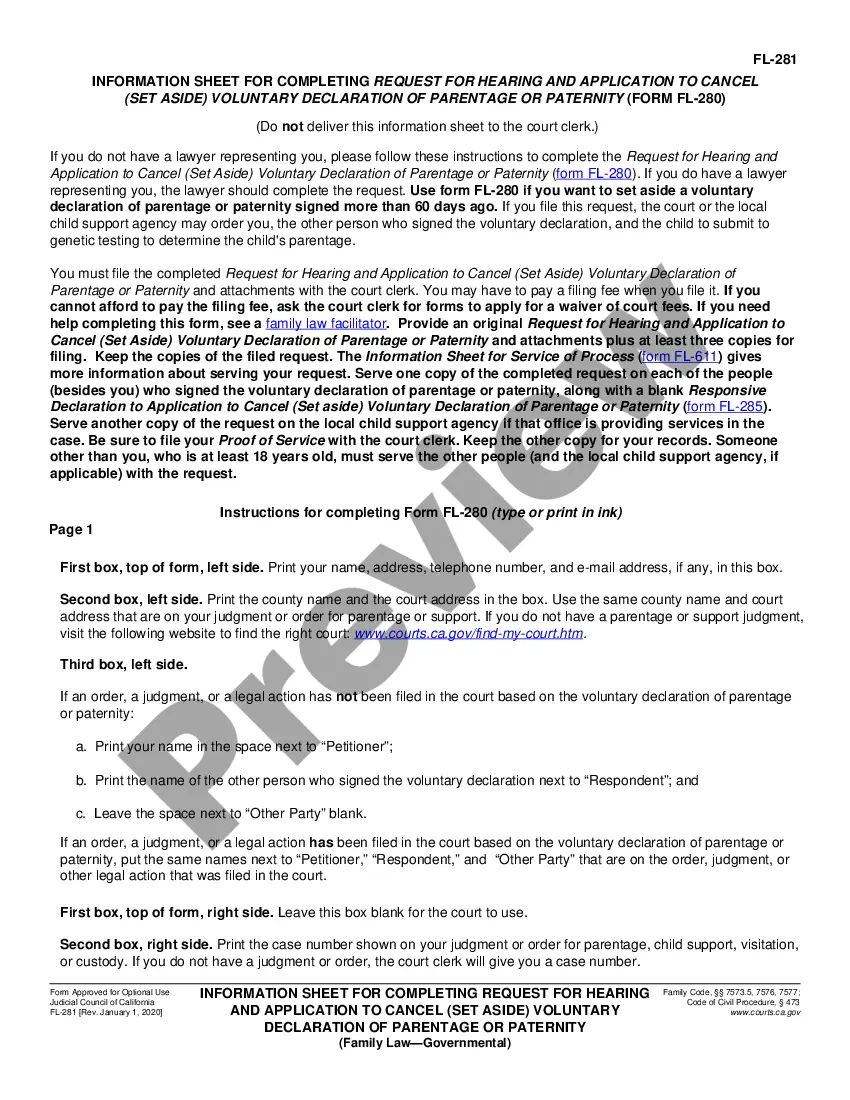
Mississippi Complaint to Confirm Title and Remove Clouds and Complaint for Slander of Title
About this form
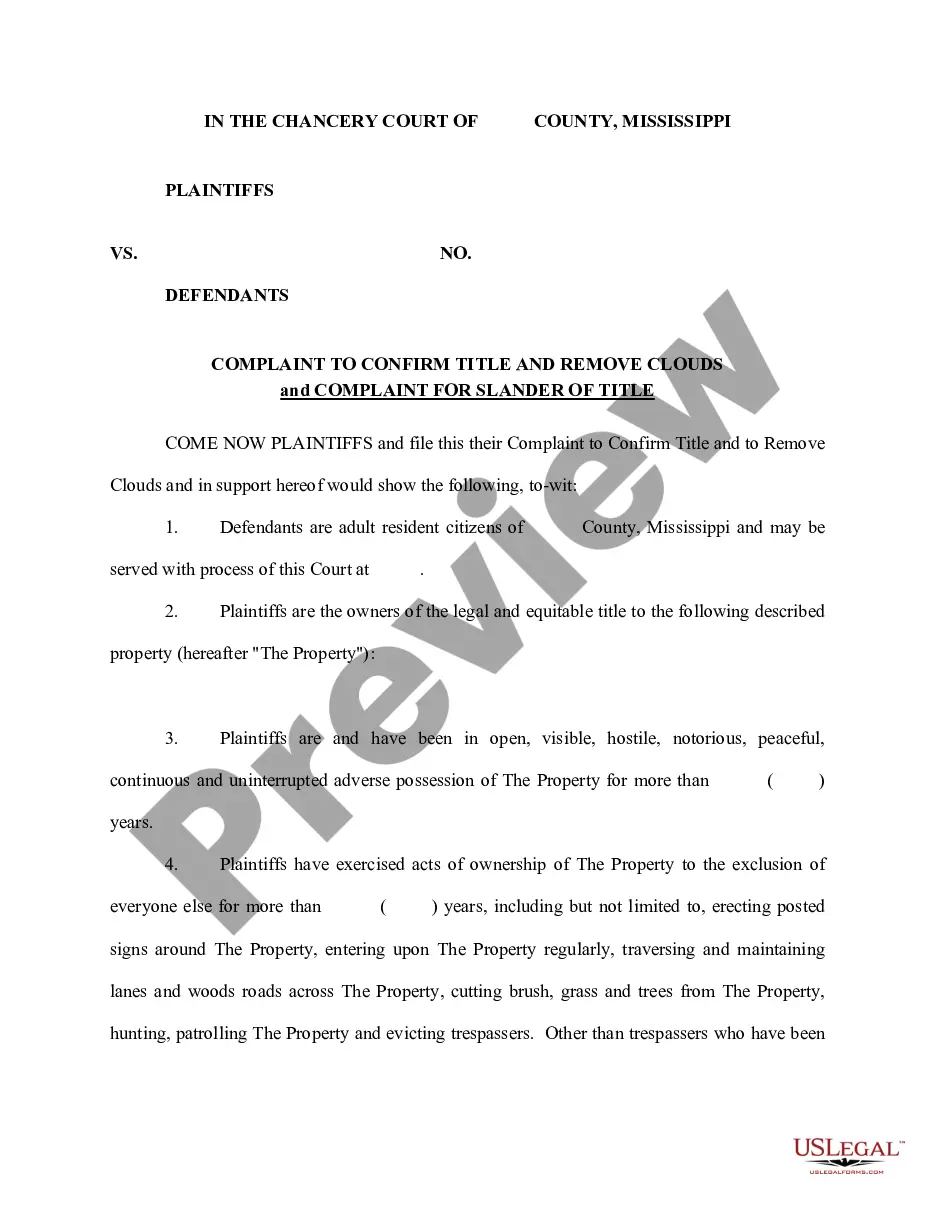
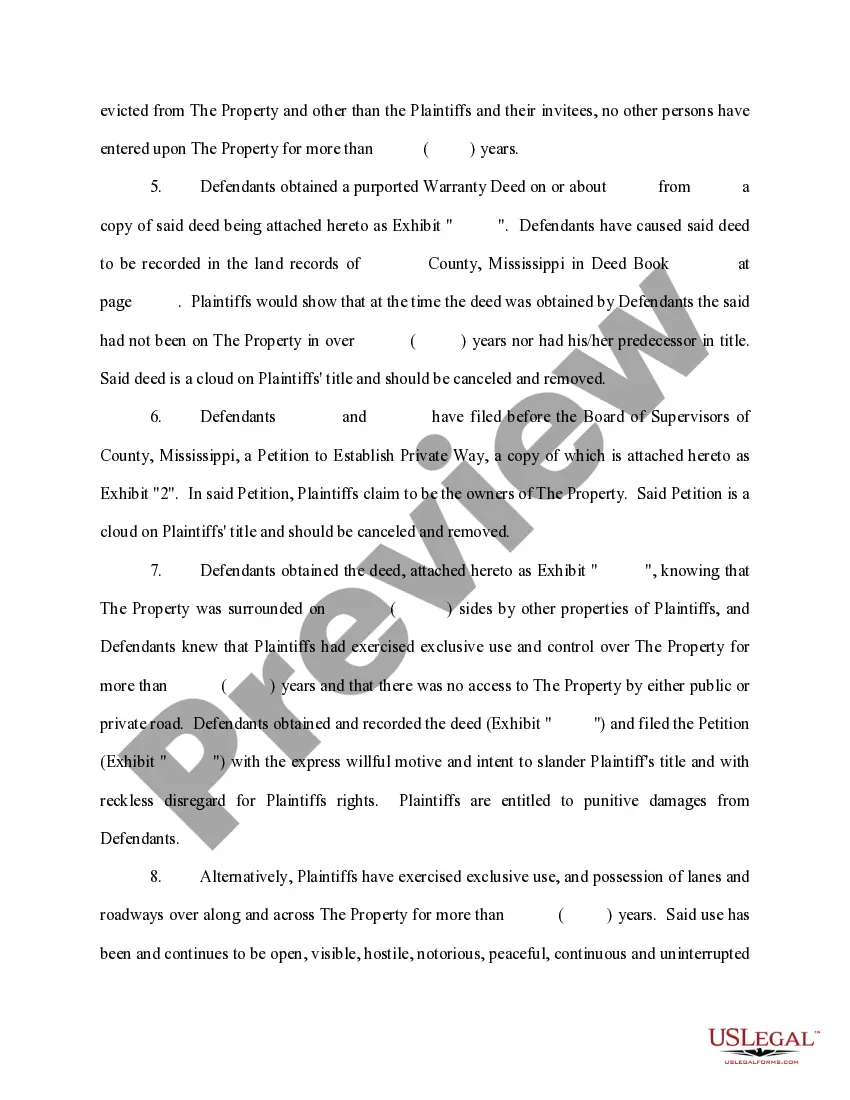
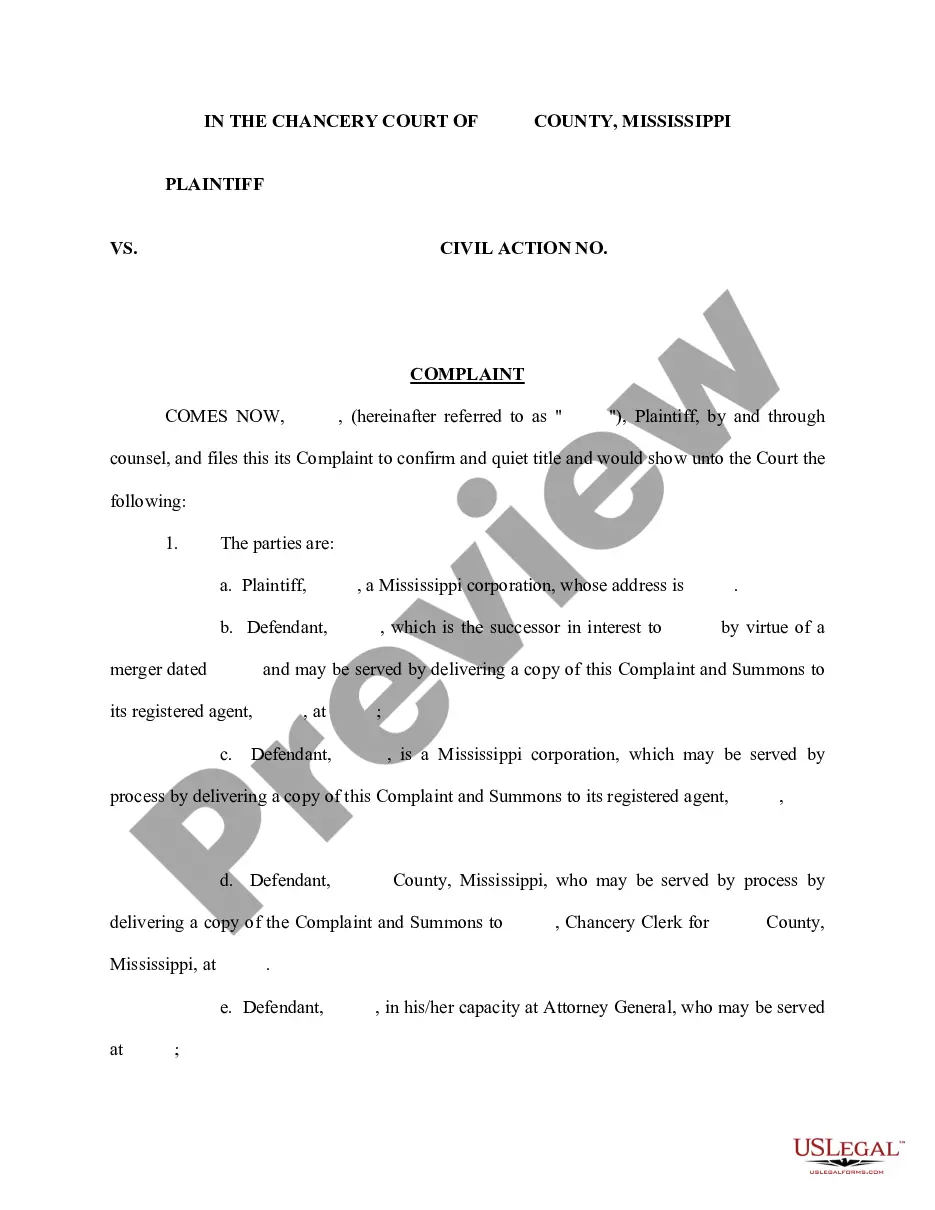
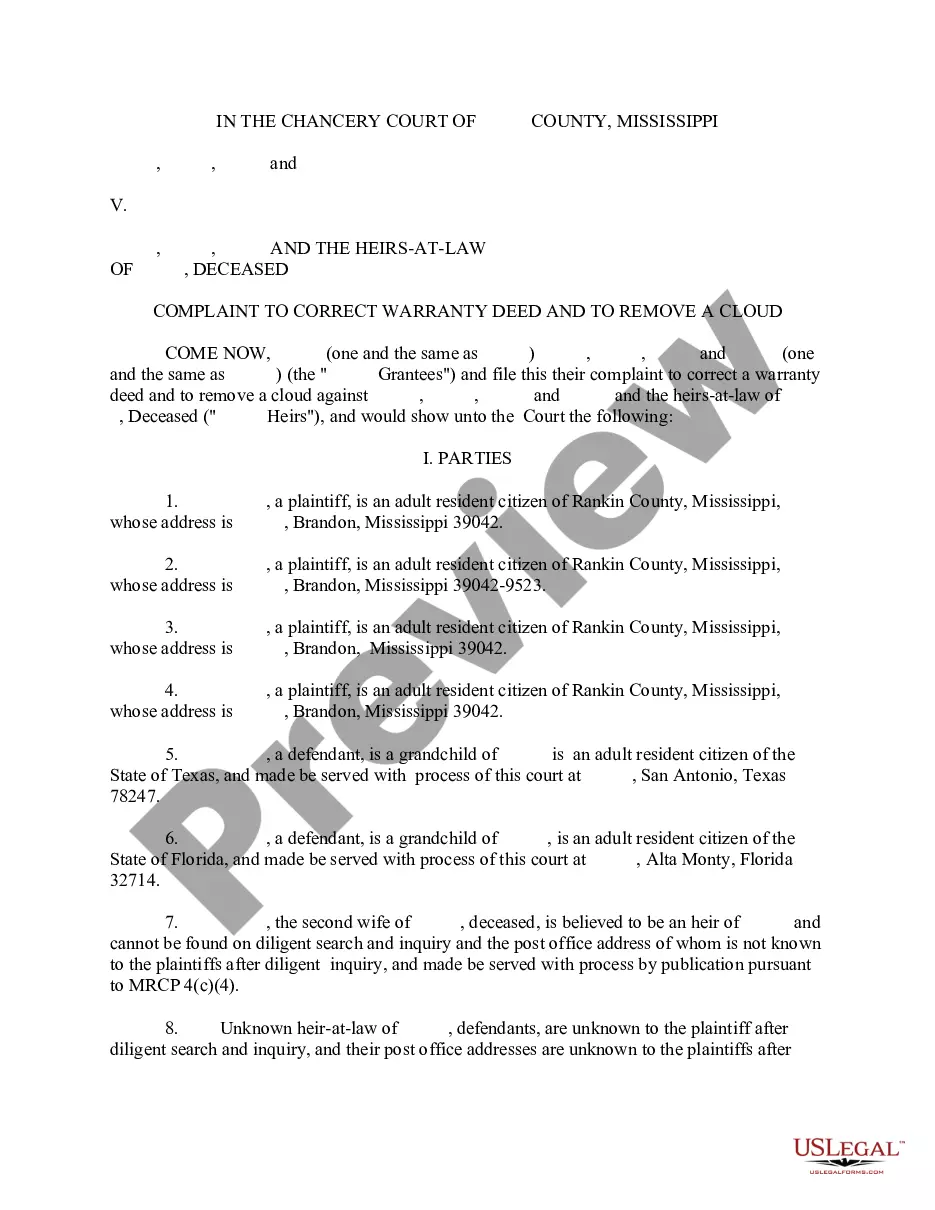
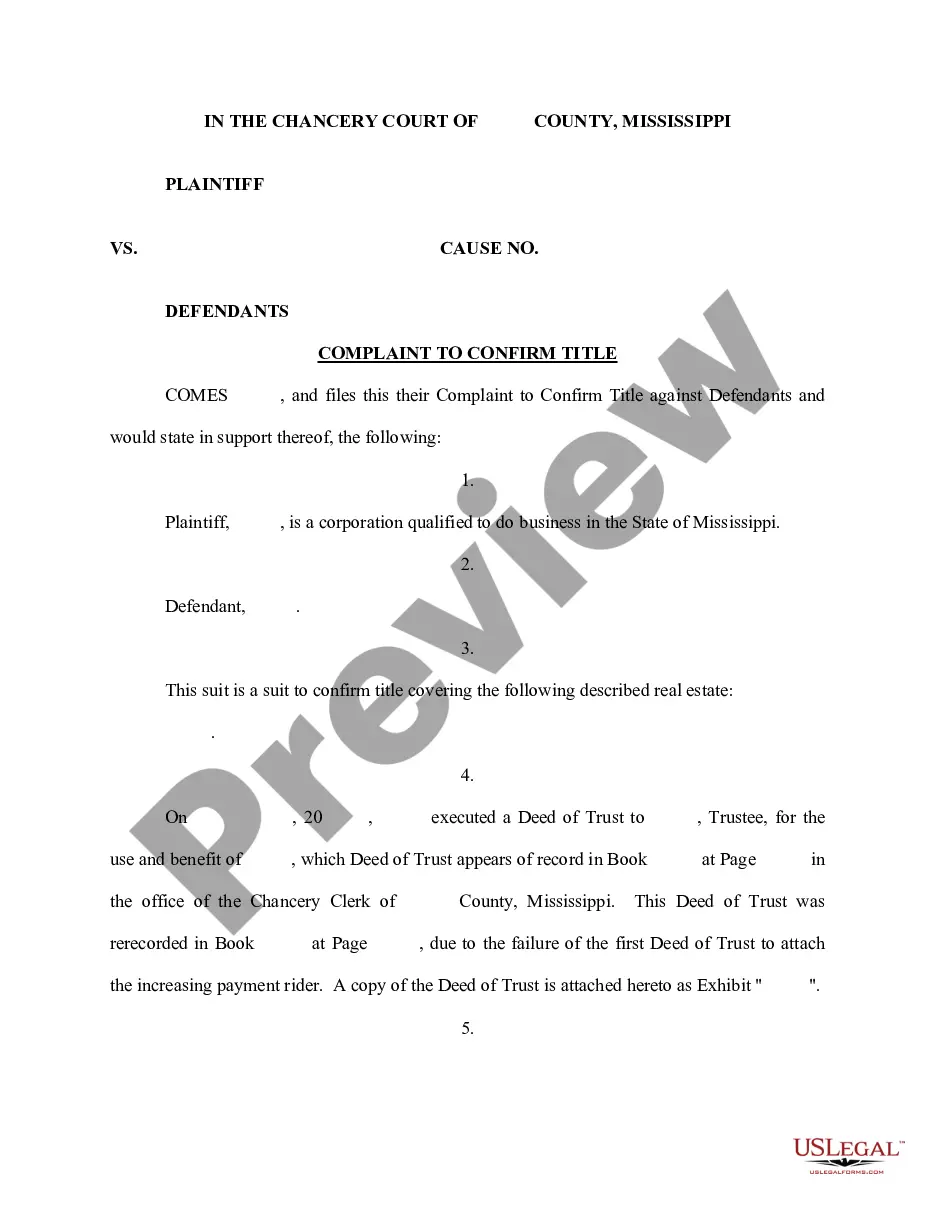
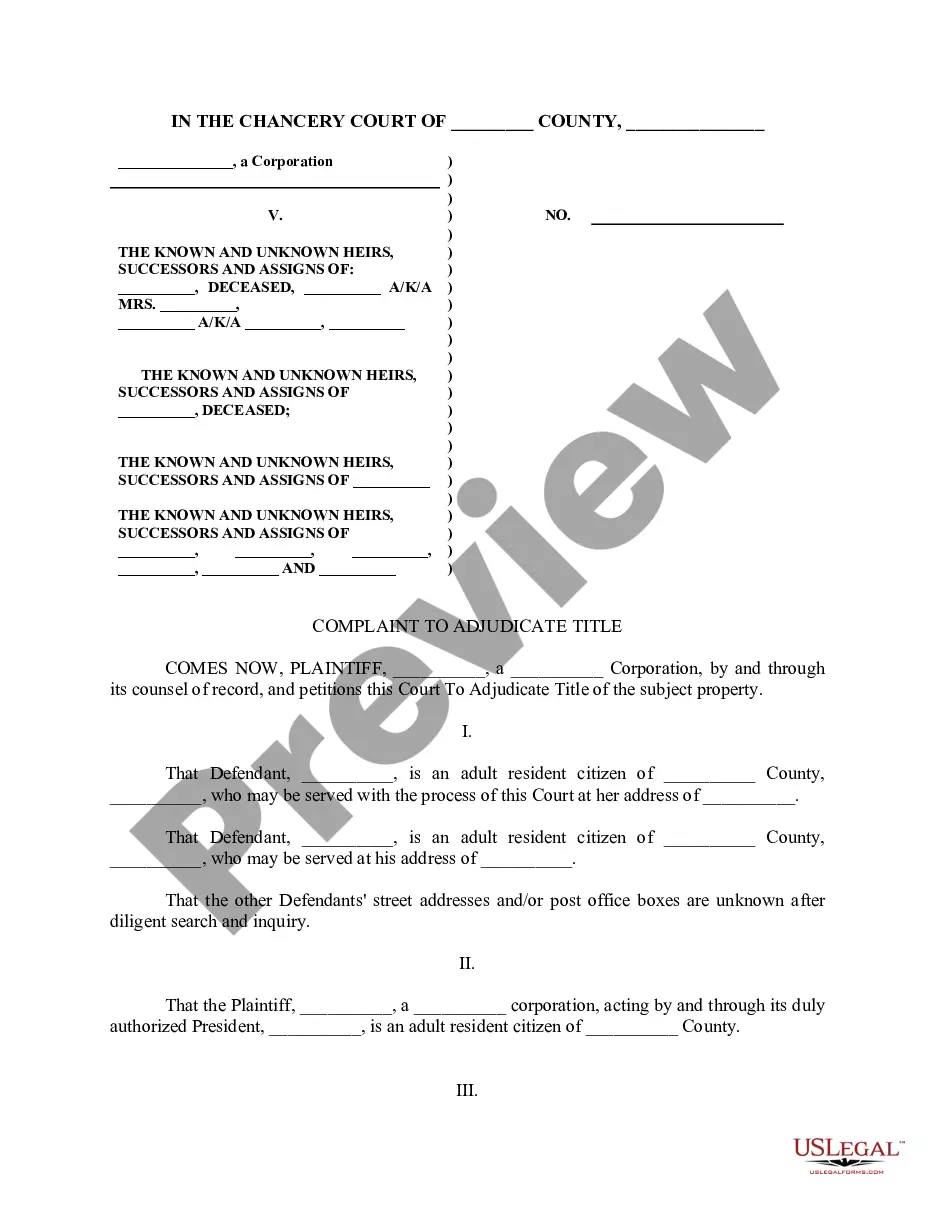
The Complaint to Confirm Title and Remove Clouds and Complaint for Slander of Title is a legal document that initiates a court action. It serves as the first pleading filed in a lawsuit, outlining the claims against the defendants and the relief sought by the plaintiffs. This form is specifically designed to confirm ownership of a property and to remove any legal disputes regarding the title, as well as address issues of slander of title, making it distinct from other general complaint forms.
Form components explained
- Introduction of parties involved in the case.
- A detailed statement of the property in question.
- Claims of adverse possession regarding title confirmation.
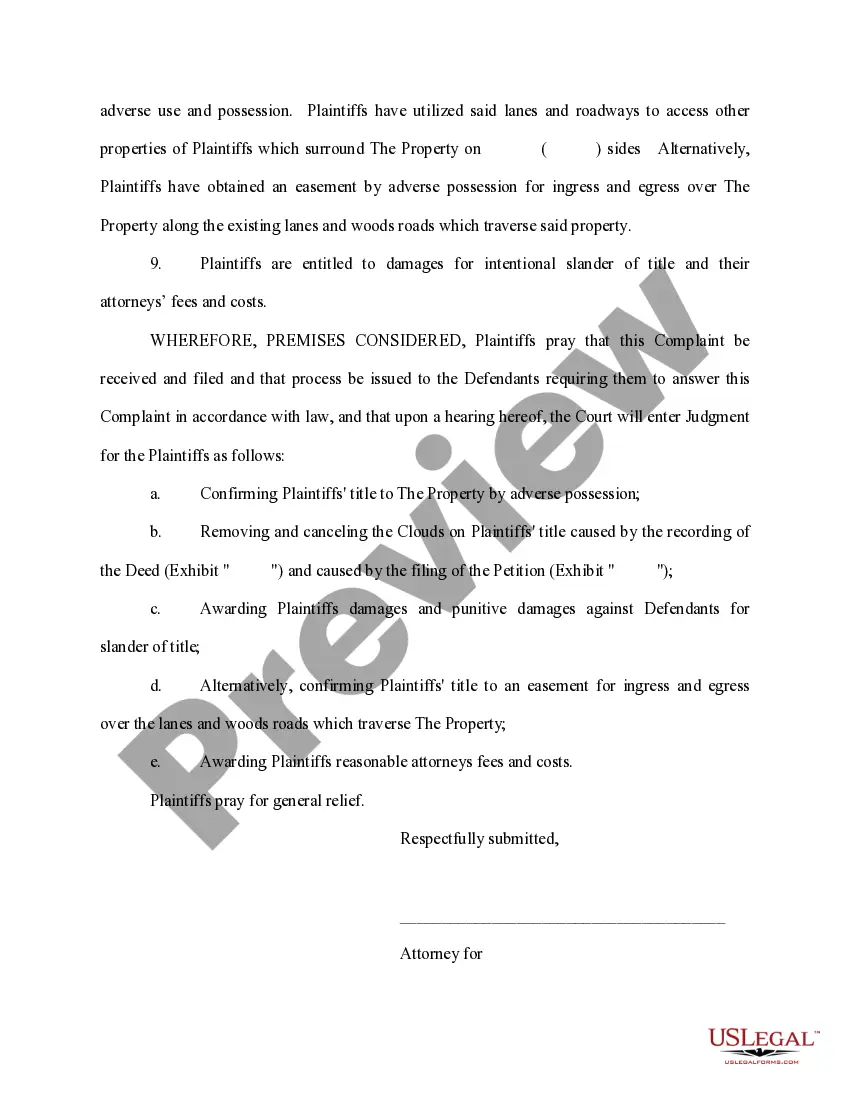
- Request for removal of clouds on the title, including legal slander issues.
- A demand for reasonable attorney's fees and costs associated with the case.
- A general prayer for relief, allowing the court to grant any other suitable remedies.
Situations where this form applies
This form is typically used when an individual or entity believes they have a valid legal claim to a property, but their ownership is disputed. It is necessary in situations where there may be defects in the title due to misinformation or slanderous claims by others, or when trying to confirm ownership through adverse possession. Using this form can help clarify legal rights to the property and address any slander affecting the title.
Who needs this form
- Property owners seeking to confirm their title against disputes.
- Individuals facing challenges to their property ownership due to claims made by others.
- Property owners who believe their title has been slandered and need legal recourse.
- Legal professionals handling property disputes for clients.
How to complete this form
- Identify the parties by entering the names and addresses of the plaintiffs and defendants.
- Clearly specify the property in question, including a legal description if available.
- Detail any claims of adverse possession to confirm title.
- Describe the slander of title and how it has impacted ownership.
- Include a request for attorney's fees and any additional relief sought from the court.
- Sign and date the form in the designated areas before submission.
Notarization guidance
This form does not typically require notarization unless specified by local law. Always check your jurisdiction's requirements to ensure compliance.
Get your form ready online
Our built-in tools help you complete, sign, share, and store your documents in one place.
Make edits, fill in missing information, and update formatting in US Legal Forms—just like you would in MS Word.
Download a copy, print it, send it by email, or mail it via USPS—whatever works best for your next step.
Sign and collect signatures with our SignNow integration. Send to multiple recipients, set reminders, and more. Go Premium to unlock E-Sign.
If this form requires notarization, complete it online through a secure video call—no need to meet a notary in person or wait for an appointment.
We protect your documents and personal data by following strict security and privacy standards.

Make edits, fill in missing information, and update formatting in US Legal Forms—just like you would in MS Word.

Download a copy, print it, send it by email, or mail it via USPS—whatever works best for your next step.

Sign and collect signatures with our SignNow integration. Send to multiple recipients, set reminders, and more. Go Premium to unlock E-Sign.

If this form requires notarization, complete it online through a secure video call—no need to meet a notary in person or wait for an appointment.

We protect your documents and personal data by following strict security and privacy standards.
Typical mistakes to avoid
- Failing to accurately describe the property, leading to confusion.
- Not including all necessary parties, which could delay the process.
- Leaving out critical details regarding claims of slander or adverse possession.
- Not signing the document or missing the date, which can invalidate the form.
Advantages of online completion
- Convenient access to legal documents from anywhere at any time.
- Easy customization to fit specific facts and circumstances.
- Reliability of professionally drafted templates created by licensed attorneys.
- Immediate downloading and printing options to expedite the filing process.
Summary of main points
- The form addresses property title issues and slander of title, crucial for owners facing disputes.
- Understanding the structure of the form is essential for accurate completion and submission.
- Check local state requirements to ensure the document meets legal standards.
- Avoid common mistakes for timely and effective legal action.
Looking for another form?
Form popularity
FAQ
Call a Lawyer. If you believe you have been a victim of slander, then you can file a defamation suit and get special damages. But slander claims can be complicated and very detailed. An attorney experienced in defamation can help you with your legal issue and determine whether you can bring a defamation suit.
Call a Lawyer. If you believe you have been a victim of slander, then you can file a defamation suit and get special damages. But slander claims can be complicated and very detailed. An attorney experienced in defamation can help you with your legal issue and determine whether you can bring a defamation suit.
Slander is a spoken type of untrue defamatory statement that is made about you.The second two aspects of a defamation of character case are more difficult to prove. There is no way to show that another individual made a statement with the intention of causing you harm until it actually causes you problems.
Yes, so long as the person or business is identifiable by the defamatory words or material, it is possible to bring a claim for defamation.
Yes, you can file suit against someone spreading lies about you. Often times, it's easy for a local attorney to send a letter to the individual, demanding that they cease spreading the rumors.
Written defamation is called "libel," while spoken defamation is called "slander." Defamation is not a crime, but it is a "tort" (a civil wrong, rather than a criminal wrong). A person who has been defamed can sue the person who did the defaming for damages.
Stopping Slander and Libel If someone has defamed you or you know that they are about to do so, you need to take action to protect your interests. You have basically three legal choices: file a lawsuit, seek a protective order or write a cease and desist order.
The defamatory statement must be a lie. There must be actual harm. You need evidence. Calm down. Call a lawyer. Consult a reputation management expert.