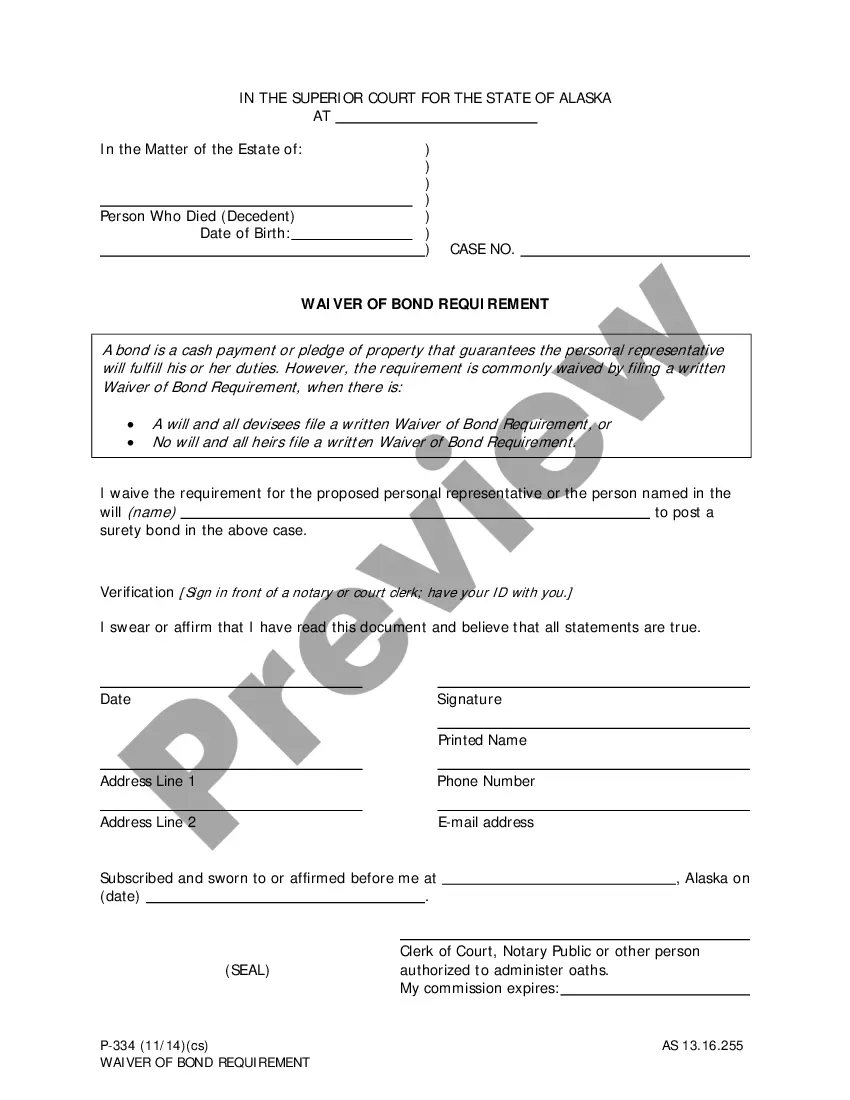
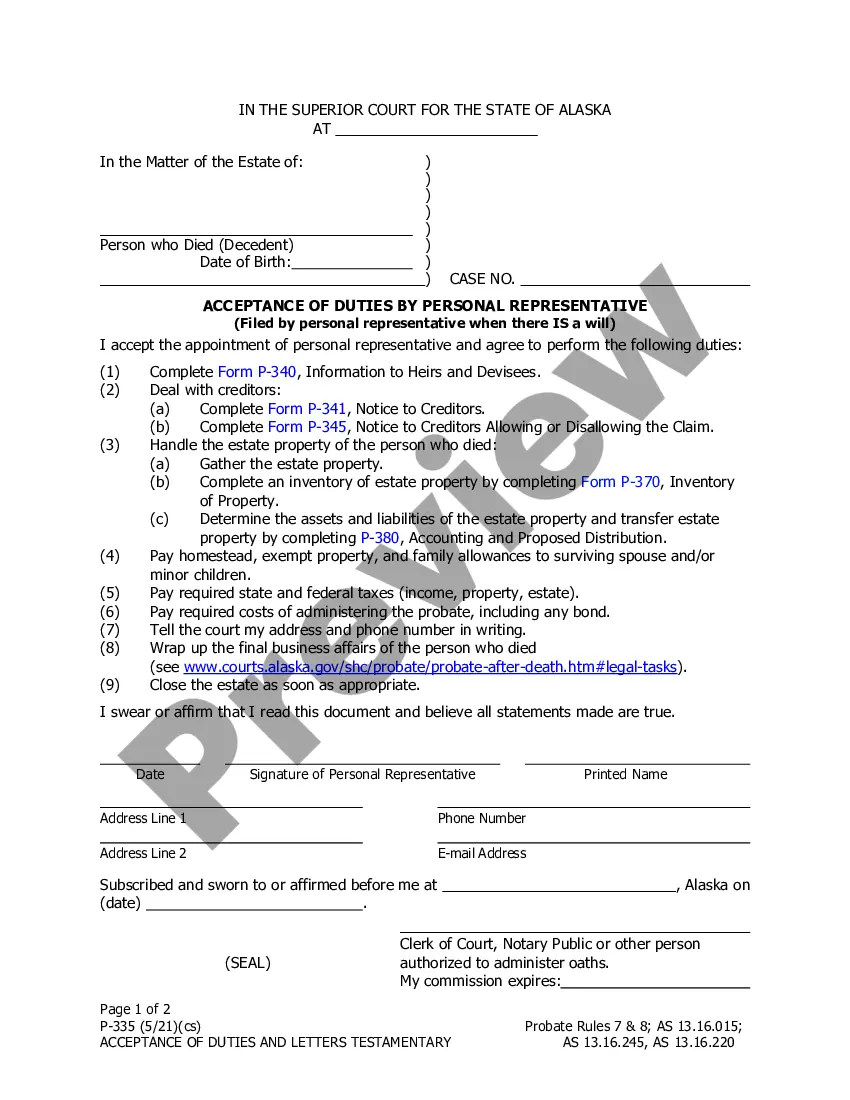
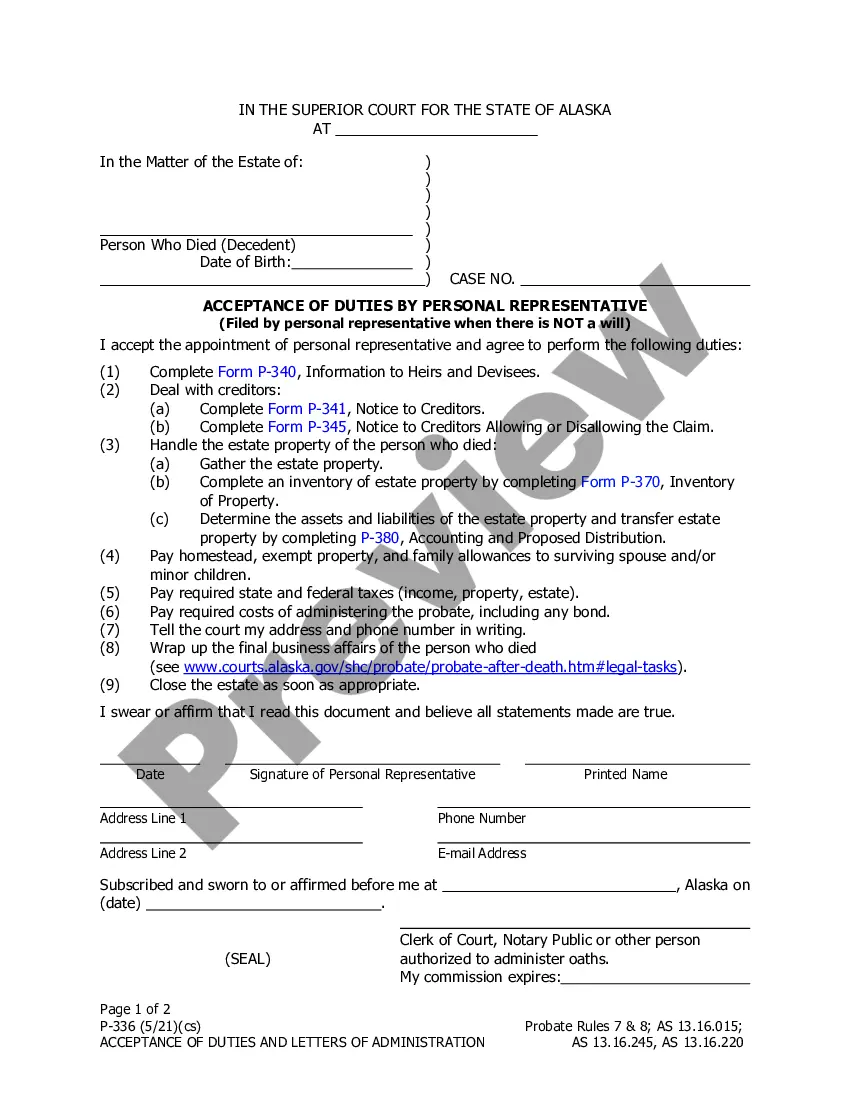
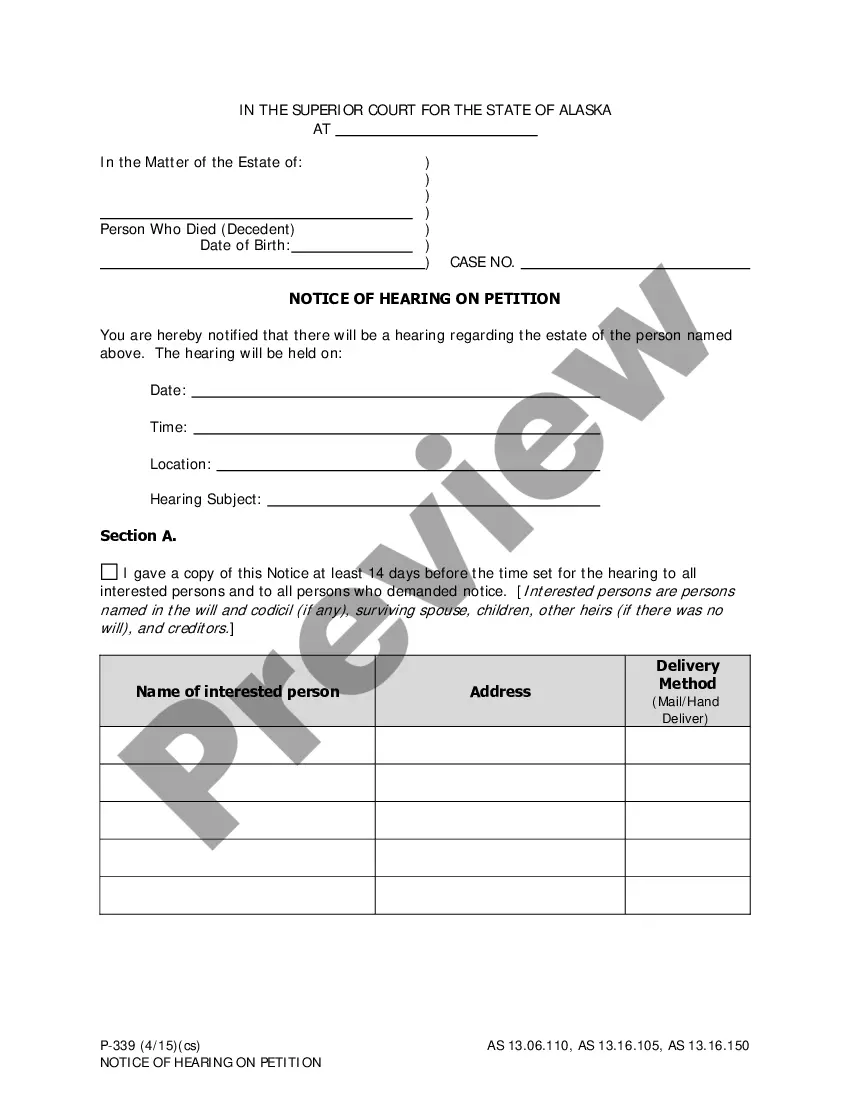
Complaint to Adjudicate Title
Understanding this form
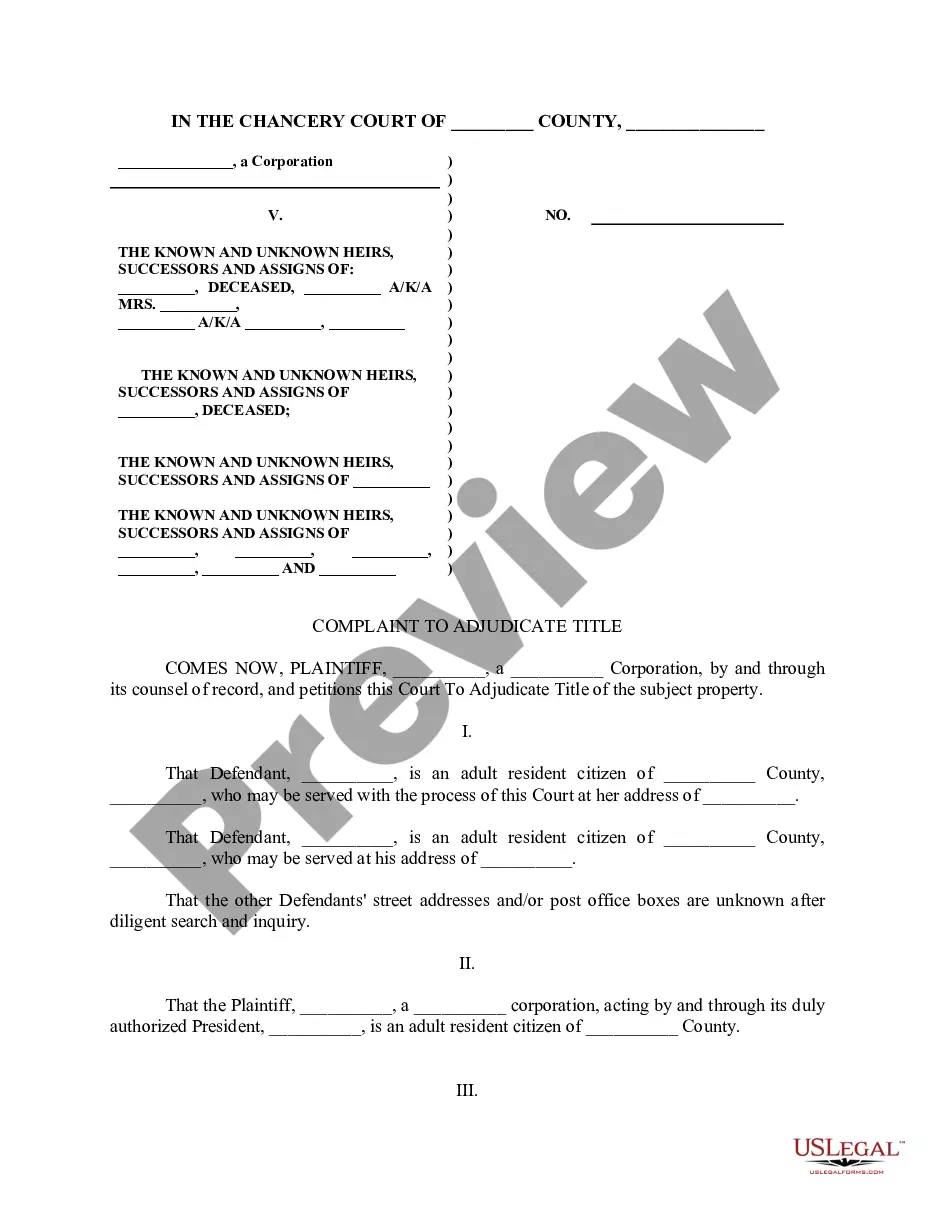
The Complaint to Adjudicate Title is a legal document used in civil lawsuits to resolve disputes over property ownership. This form serves as a model for individuals or entities seeking to establish or clarify their title to real property. Unlike other forms, it includes specific details about the property's history and the parties involved, ensuring that all relevant information is presented to the court for consideration.
Main sections of this form
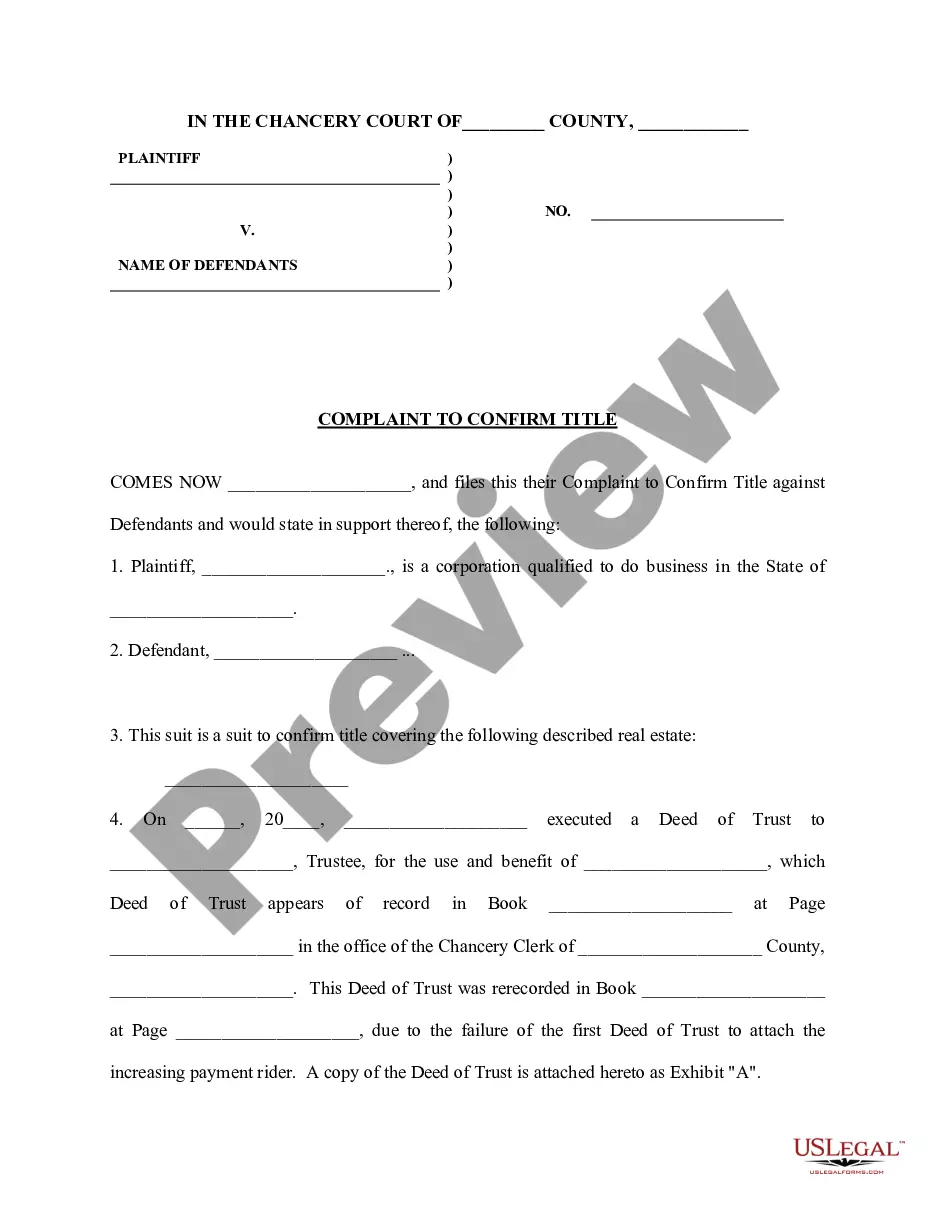
- Identification of the plaintiff and defendants, including their contact information.
- A detailed description of the property involved in the dispute.
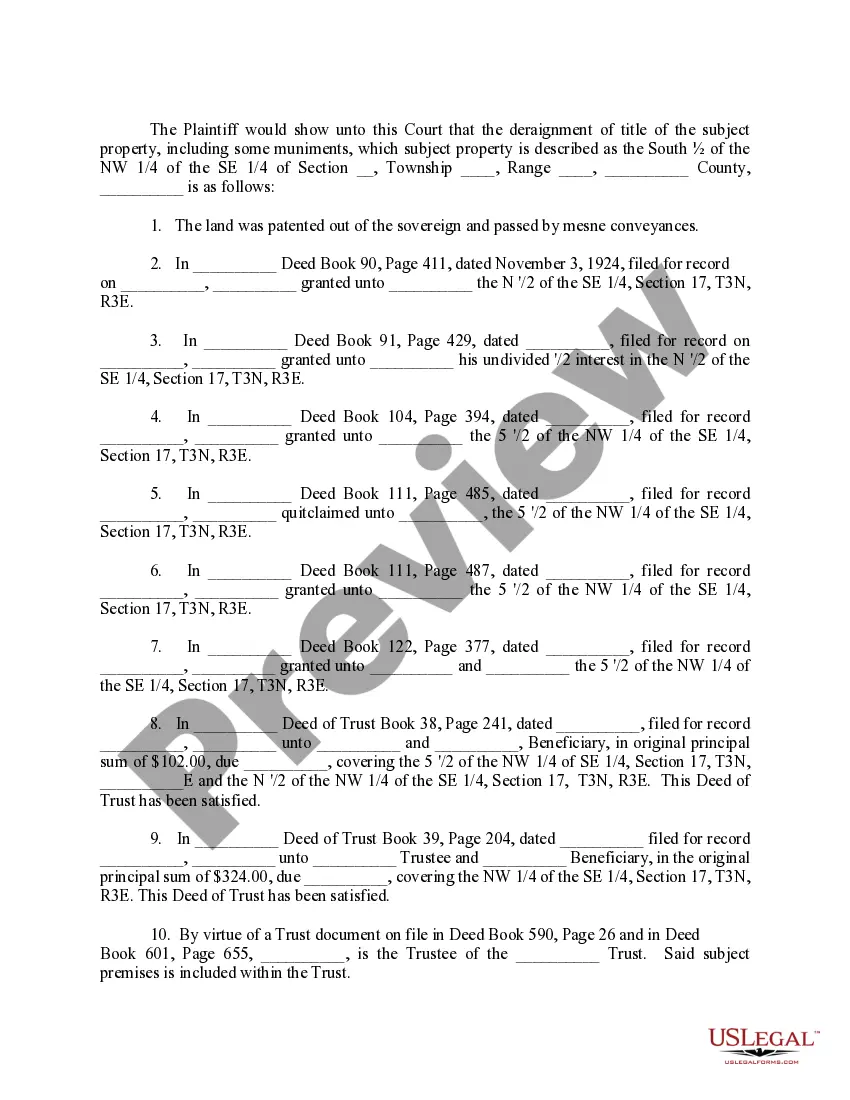
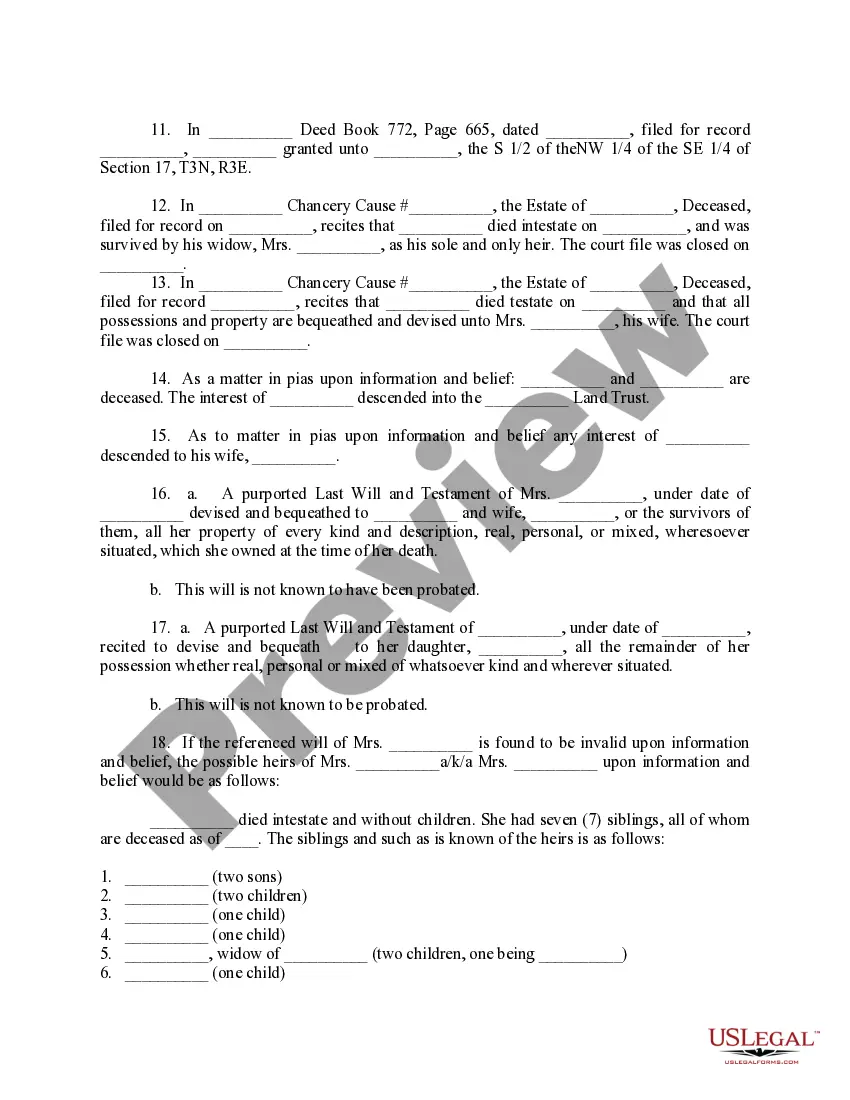
- Historical background outlining the chain of title for the property.
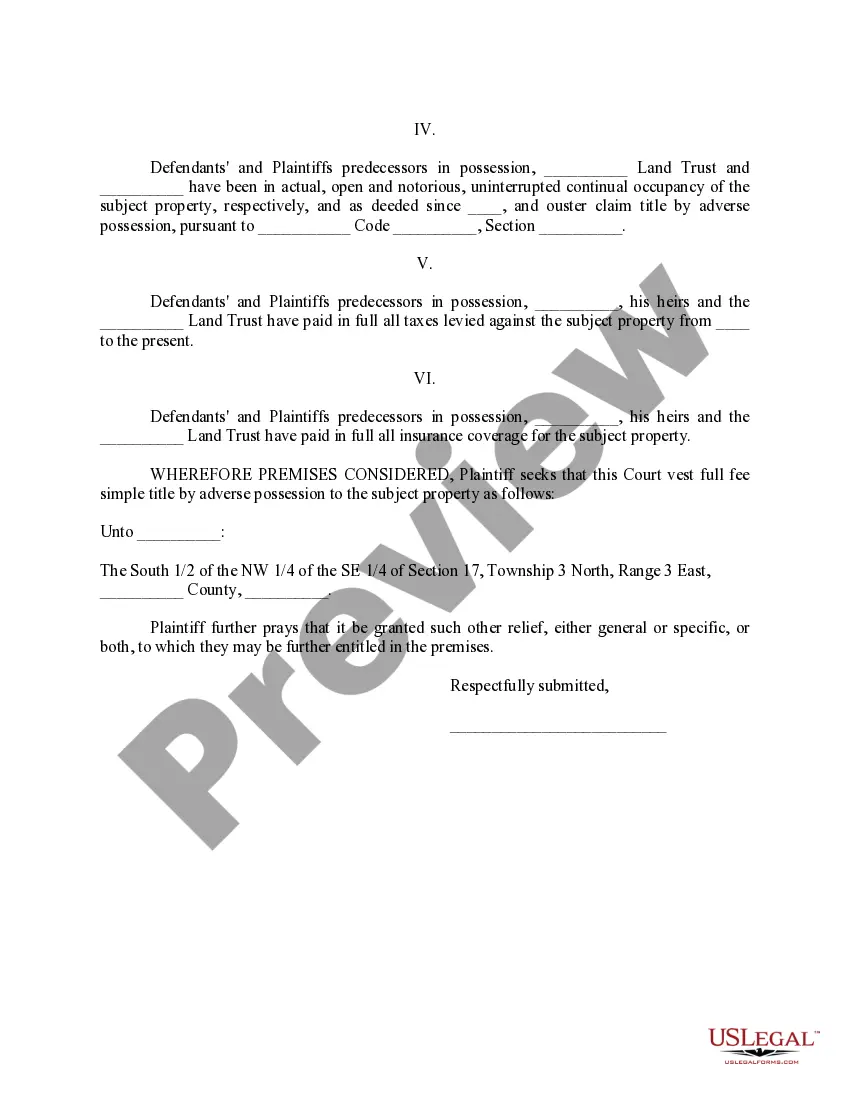
- Claims regarding adverse possession and fulfillment of tax obligations.
- A request for the court to grant a clear title based on the claims presented.


When to use this document
This form is necessary when you need to legally assert your claim to a property title, especially if there are multiple potential heirs or disputes regarding ownership. Common situations include the passing of a property owner without a clear will, adverse possession claims, or when prior owners may have unpaid taxes affecting the title.
Who needs this form
- Individuals or corporations seeking to clarify ownership of a property.
- Heirs or successors of deceased property owners trying to establish clear title.
- Land trusts or other entities involved in property ownership disputes.
Instructions for completing this form
- Identify all parties involved, including plaintiffs and defendants, and provide their full names and addresses.
- Clearly describe the property in question, including legal descriptions and any relevant identifying information.
- Document the history and chain of title, detailing any prior ownership and relevant transactions.
- State any claims regarding adverse possession and the handling of taxes associated with the property.
- Sign and date the form to affirm its accuracy and commitment to proceed with the complaint.
Notarization requirements for this form
This form does not typically require notarization unless specified by local law. However, it is advisable to check your state's regulations to confirm whether notarization is necessary for your specific situation.
Get your form ready online
Our built-in tools help you complete, sign, share, and store your documents in one place.
Make edits, fill in missing information, and update formatting in US Legal Forms—just like you would in MS Word.
Download a copy, print it, send it by email, or mail it via USPS—whatever works best for your next step.
Sign and collect signatures with our SignNow integration. Send to multiple recipients, set reminders, and more. Go Premium to unlock E-Sign.
If this form requires notarization, complete it online through a secure video call—no need to meet a notary in person or wait for an appointment.
We protect your documents and personal data by following strict security and privacy standards.

Make edits, fill in missing information, and update formatting in US Legal Forms—just like you would in MS Word.

Download a copy, print it, send it by email, or mail it via USPS—whatever works best for your next step.

Sign and collect signatures with our SignNow integration. Send to multiple recipients, set reminders, and more. Go Premium to unlock E-Sign.

If this form requires notarization, complete it online through a secure video call—no need to meet a notary in person or wait for an appointment.

We protect your documents and personal data by following strict security and privacy standards.
Common mistakes
- Failing to include all relevant parties, which can delay the hearing process.
- Neglecting to provide a complete history of the property's ownership.
- Not adapting the form to meet specific state requirements, risking invalidation.
Advantages of online completion
- Convenient access to a template that can be downloaded and completed at your own pace.
- Easily editable to tailor the document to your unique circumstances.
- Reliability of using professionally drafted forms by licensed attorneys.
Legal use & context
- This form is legally binding once filed with the appropriate court.
- It provides a formal mechanism to resolve disputes over property title issues.
- The validity of the claims depends on the accuracy of the information provided and adherence to local rules.
Summary of main points
- The Complaint to Adjudicate Title is essential for establishing ownership rights in disputed property cases.
- Accurate completion of all sections is crucial for the form to be accepted by the court.
- Understanding your stateâs requirements can prevent delays in the adjudication process.
Looking for another form?

Form popularity
FAQ
Comply With the Relevant Federal, State, and Local Rules. Research Before Writing. Allege Subject Matter Jurisdiction, Personal Jurisdiction, and Venue. Draft Concise and Plain Statement of the Facts. Draft Separate Counts for Each Legal Claim. Plead Facts With Particularity Where Necessary.
Comply With the Relevant Federal, State, and Local Rules. Research Before Writing. Allege Subject Matter Jurisdiction, Personal Jurisdiction, and Venue. Draft Concise and Plain Statement of the Facts. Draft Separate Counts for Each Legal Claim. Plead Facts With Particularity Where Necessary.
Cases that raise a "federal question" involving the United States Government , the U.S. Constitution, or other federal laws; and. Cases involving diversity of citizenship," which are disputes between two parties not from the same state or country, and where the claim meets a set dollar threshold for damages.
Pleadings are certain formal documents filed with the court that state the parties' basic positions.Probably the most important pleading in a civil case, since by setting out the plaintiff's version of the facts and specifying the damages, it frames the issues of the case.
Noun. artful pleading (countable and uncountable, plural artful pleadings) (US law) The filing under state law of a claim naturally arising under federal law.
The four elements that a plaintiff must prove to win a negligence suit are 1) Duty, 2) Breach, 3) Cause, and 4) Harm.
Comply With the Relevant Federal, State, and Local Rules. Research Before Writing. Allege Subject Matter Jurisdiction, Personal Jurisdiction, and Venue. Draft Concise and Plain Statement of the Facts. Draft Separate Counts for Each Legal Claim. Plead Facts With Particularity Where Necessary.
Well-Pleaded Complaint Rule This means that the plaintiff's initial complaint must contain the references to the federal question and the federal issue evoked. The federal question and issue cannot arise in an anticipated defense, it must be presented from the initial complaint.
Be brief. Answer the allegations in the complaint with one or two sentences. Again remember that the statements you make in your answer can be used as admissions against you. Your response to the allegations in the complaint may admit part of the statement in the specific paragraph and deny part.