Tennessee Closing Statement

Understanding this form
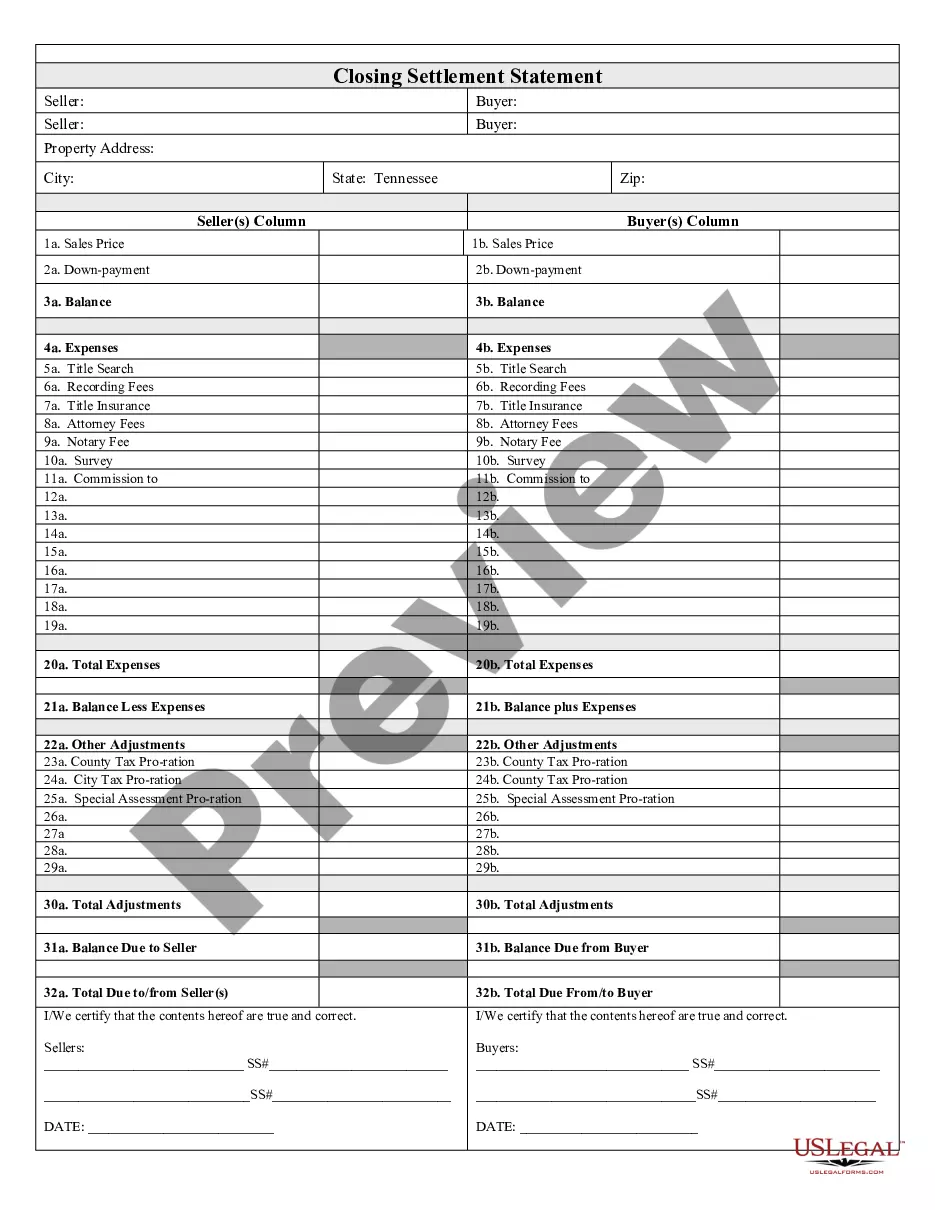
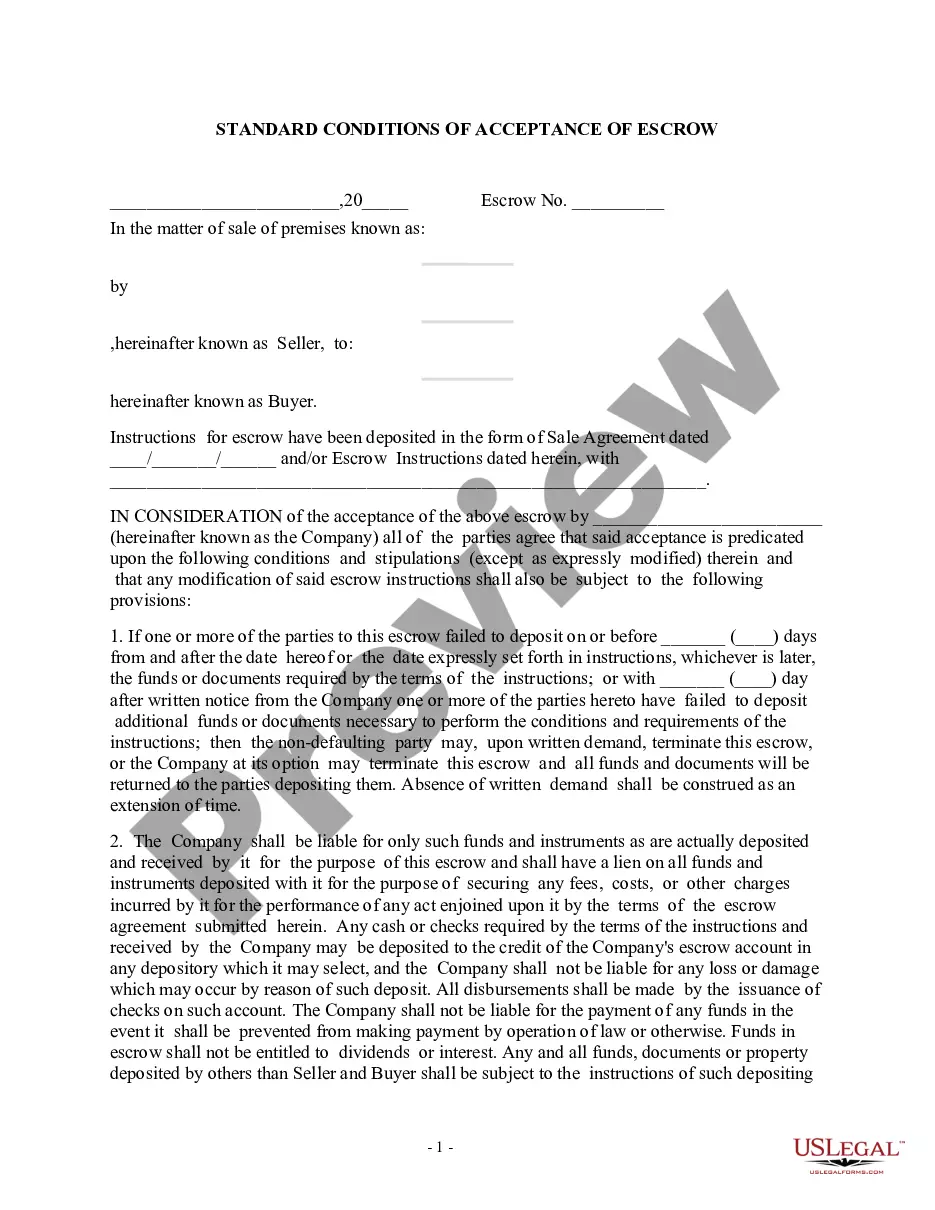
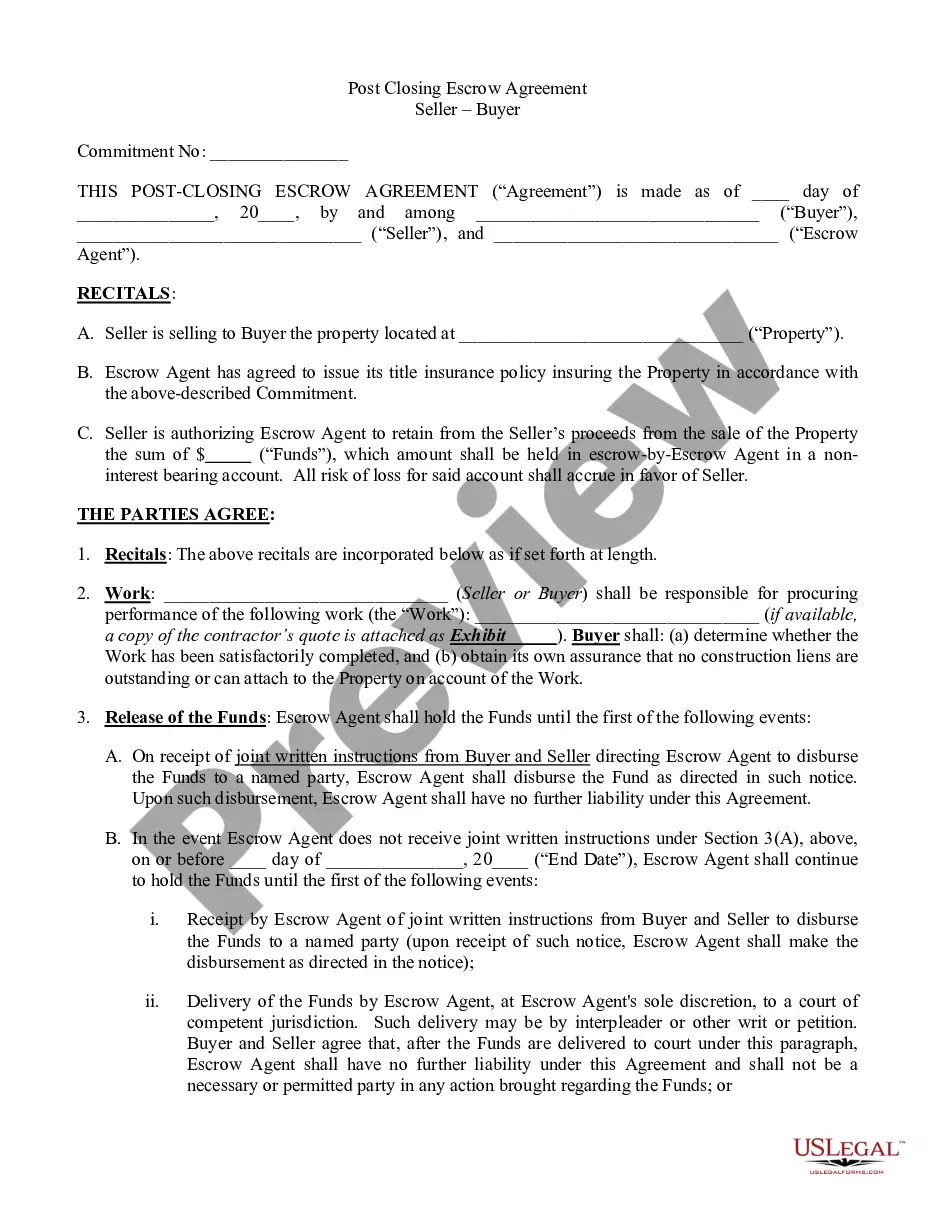
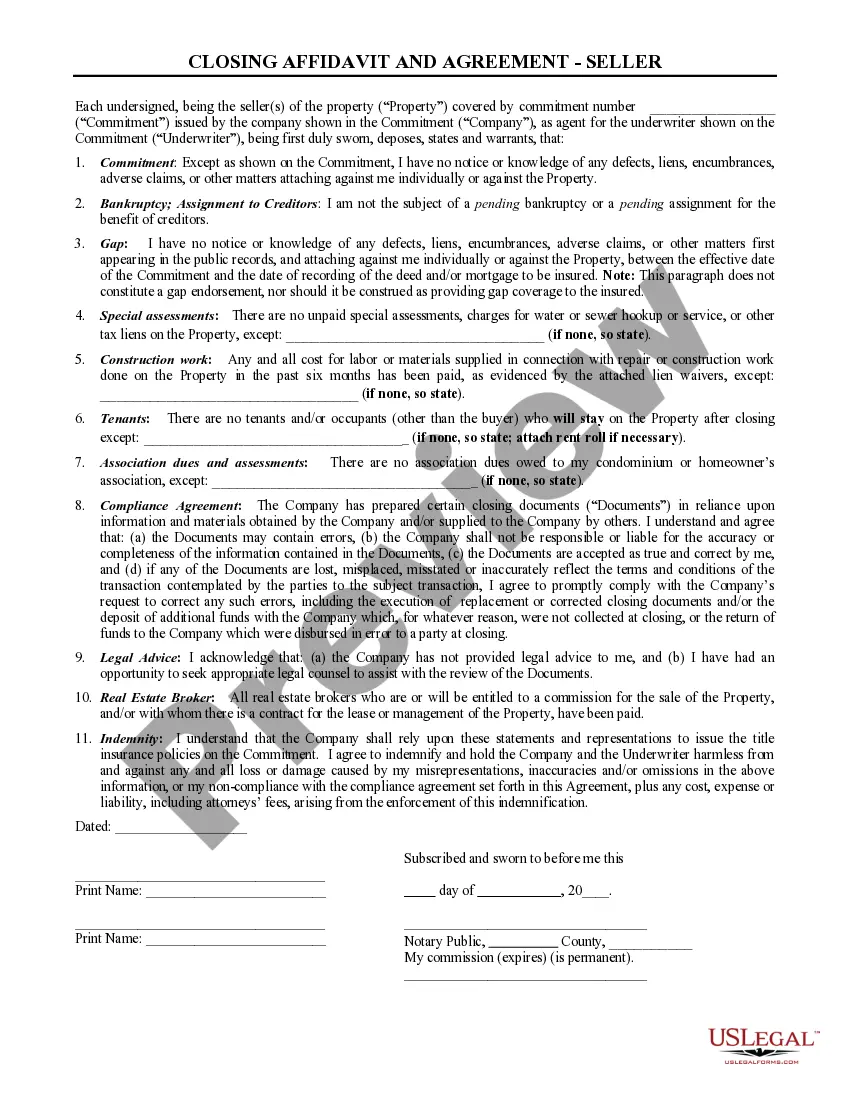
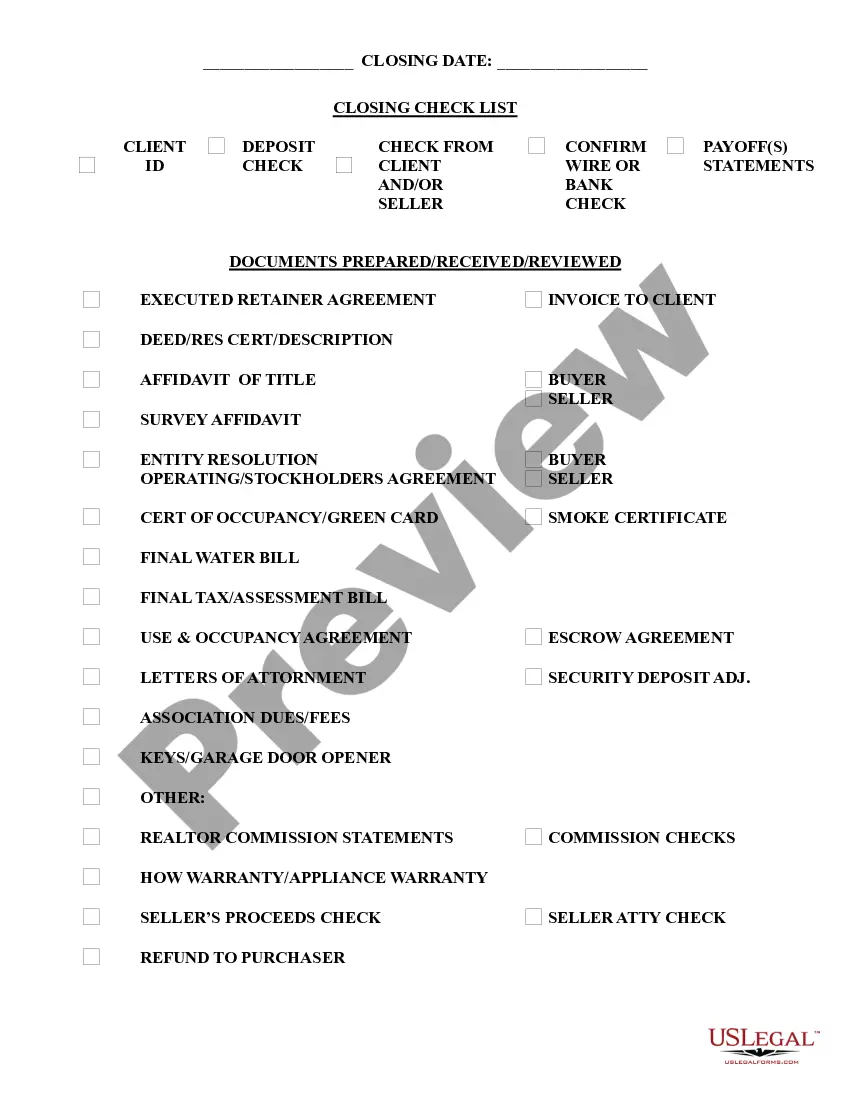
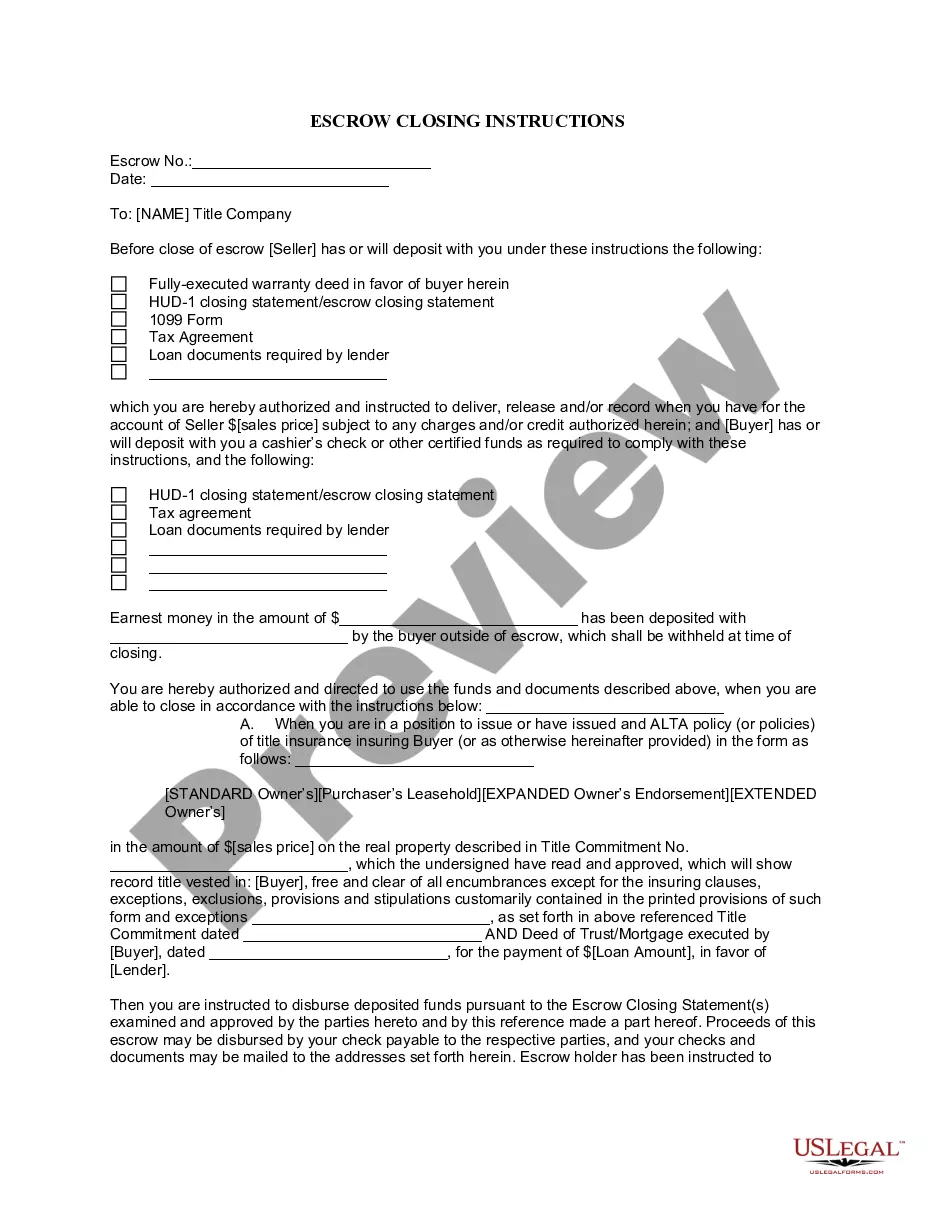
The Closing Statement is a critical document used in real estate transactions, specifically for cash sales or owner-financed deals. This statement outlines the financial details of the transaction, including the closing costs, credits, and the final balance due to the parties involved. Unlike other forms, a Closing Statement is signed by both the seller and buyer to verify the accuracy of the financial information presented.
Key parts of this document
- Balance: This section reflects the amounts due or owed after expenses are deducted.
- Expenses: A detailed list of fees associated with the transaction, including title search, recording fees, and title insurance.
- Attorney Fees: Costs incurred from legal assistance during the closing process.
- Notary Fee: The fee charged for notarizing the document to ensure its validity.
- Tax Pro-ration: Adjustments for county, city, and special assessments related to taxes.
- Certification: Signature fields for both sellers and buyers to confirm the accuracy of the information provided.

Situations where this form applies
This form should be used whenever a real estate transaction is finalized, particularly in cash sales or scenarios involving owner financing. It is essential for clearly documenting the financial aspects of the transaction, helping prevent any disputes and ensuring all parties are informed about the costs involved.
Who should use this form
- Property sellers and buyers engaged in a real estate transaction.
- Real estate agents assisting clients in closing property purchases.
- Attorneys representing clients in real estate dealings.
- Lenders involved in owner financing agreements.
How to prepare this document
- Identify the parties involved: Clearly state the names of the seller(s) and buyer(s).
- Specify the property: Provide a detailed description of the property being sold.
- List all expenses: Fill in all relevant expense items listed in the form based on the transaction's details.
- Calculate balances: Ensure all calculations for balances due or owed are accurate.
- Obtain signatures: Have both the seller(s) and buyer(s) sign and date the form to certify its accuracy.
Does this form need to be notarized?
Notarization is required for this form to take effect. Our online notarization service, powered by Notarize, lets you verify and sign documents remotely through an encrypted video session, available 24/7.
Get your form ready online
Our built-in tools help you complete, sign, share, and store your documents in one place.
Make edits, fill in missing information, and update formatting in US Legal Forms—just like you would in MS Word.
Download a copy, print it, send it by email, or mail it via USPS—whatever works best for your next step.
Sign and collect signatures with our SignNow integration. Send to multiple recipients, set reminders, and more. Go Premium to unlock E-Sign.
If this form requires notarization, complete it online through a secure video call—no need to meet a notary in person or wait for an appointment.
We protect your documents and personal data by following strict security and privacy standards.

Make edits, fill in missing information, and update formatting in US Legal Forms—just like you would in MS Word.

Download a copy, print it, send it by email, or mail it via USPS—whatever works best for your next step.

Sign and collect signatures with our SignNow integration. Send to multiple recipients, set reminders, and more. Go Premium to unlock E-Sign.

If this form requires notarization, complete it online through a secure video call—no need to meet a notary in person or wait for an appointment.

We protect your documents and personal data by following strict security and privacy standards.
Mistakes to watch out for
- Neglecting to include all relevant expenses, leading to inaccurate balances.
- Failing to obtain proper signatures from both parties.
- Forgetting to confirm the accuracy of calculations before completion.
- Using outdated templates that do not reflect the current regulatory requirements.
Benefits of using this form online
- Convenience: Download and complete the form at any time and from anywhere.
- Editability: Easily customize the form fields to fit your specific transaction needs.
- Reliability: Forms are drafted by licensed attorneys to ensure legal accuracy and compliance.
Looking for another form?
Form popularity
FAQ
(In the trial court, the first name listed is the plaintiff, the party bringing the suit. The name following the "v" is the defendant. If the case is appealed, as in this example, the name of the petitioner (appellant) is usually listed first, and the name of the respondent (appellee) is listed second.
The defendant usually goes second. The plaintiff or prosecution is usually then permitted a final rebuttal argument. In some jurisdictions, however, this form is condensed, and the prosecution or plaintiff goes second, after the defense, with no rebuttals.
In a criminal trial by judge alone, these final arguments are delivered by Crown and defence counsel after the defence's case is finished. If defence counsel has presented evidence then she or he will be the first to make final arguments. Crown counsel will speak last.
A summary of the evidence. any reasonable inferences that can be draw from the evidence. an attack on any holes or weaknesses in the other side's case. a summary of the law for the jury and a reminder to follow it, and.
Stay Physically Close To Each Other. Agree To Make Small Changes. Use A Safe Word. Go Ahead And Take A Break. Agree To Disagree. Take The Argument Somewhere Else. Disagree Through A Different Medium. Go For A Walk Together.
Unlike the buyer, who may have to attend the closing to sign original loan documents delivered by the lender to the closing, you, as the seller, may or may not need to attend. For either a conventional escrow closing or a table closing, you may be able to pre-sign the deed and other transfer documents.
In closing argument, the prosecutor gives a beginning closing argument, followed by the defense;s final summation, followed by the prosecutor's final summation.
Each closing argument usually lasts 20-60 minutes. Some jurisdictions limit how long the closing may be, and some jurisdictions allow some of that time to be reserved for later.
Unlike the buyer, who may have to attend the closing to sign original loan documents delivered by the lender to the closing, you, as the seller, may or may not need to attend. For either a conventional escrow closing or a table closing, you may be able to pre-sign the deed and other transfer documents.