Missouri Warning of Default on Commercial Lease
What is this form?
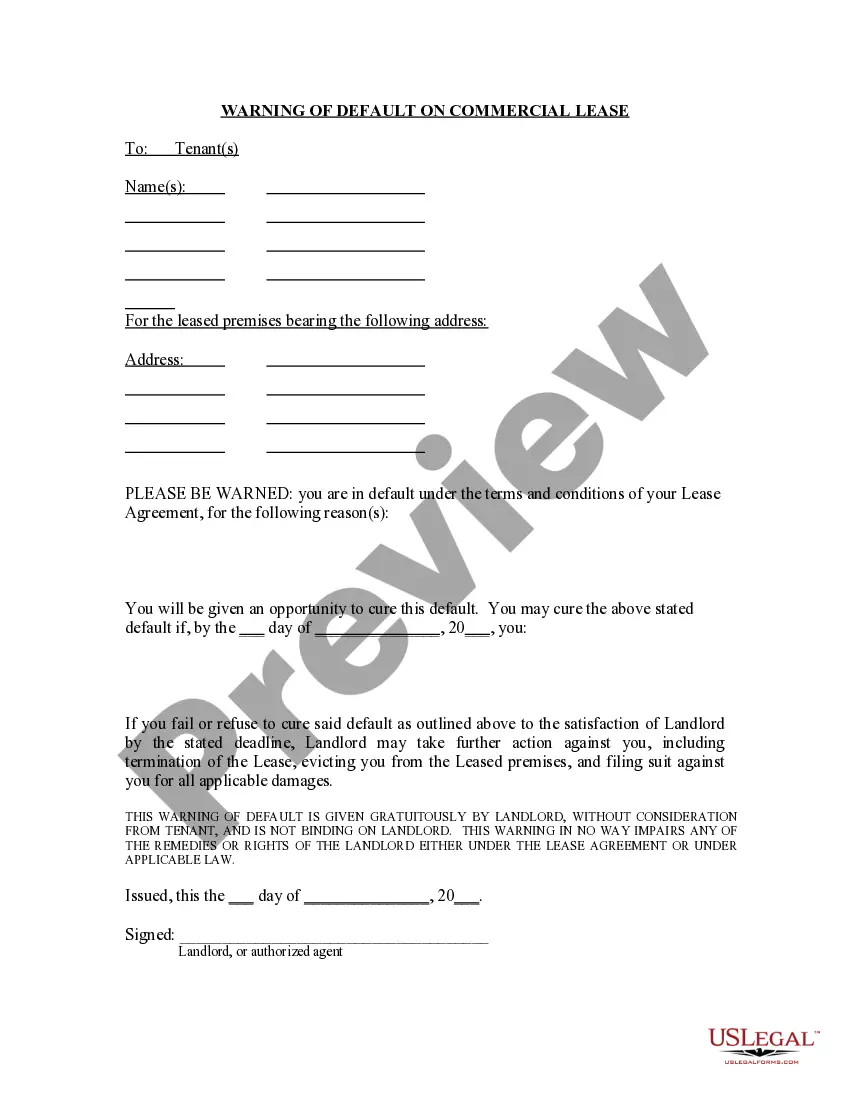
The Warning of Default on Commercial Lease is a letter from a landlord to a tenant that alerts the tenant to a potential default under their lease agreement. This form specifically addresses situations where the tenant has failed to meet agreed-upon conditions, typically regarding rent payments. Unlike a formal eviction notice, this warning allows the tenant the opportunity to remedy the situation before further legal actions are pursued.
Main sections of this form
- Header indicating the warning is provided gratuitously and is not binding on the landlord.
- Date of issuance, allowing for proper documentation.
- Signature line for the landlord or authorized agent to validate the warning.

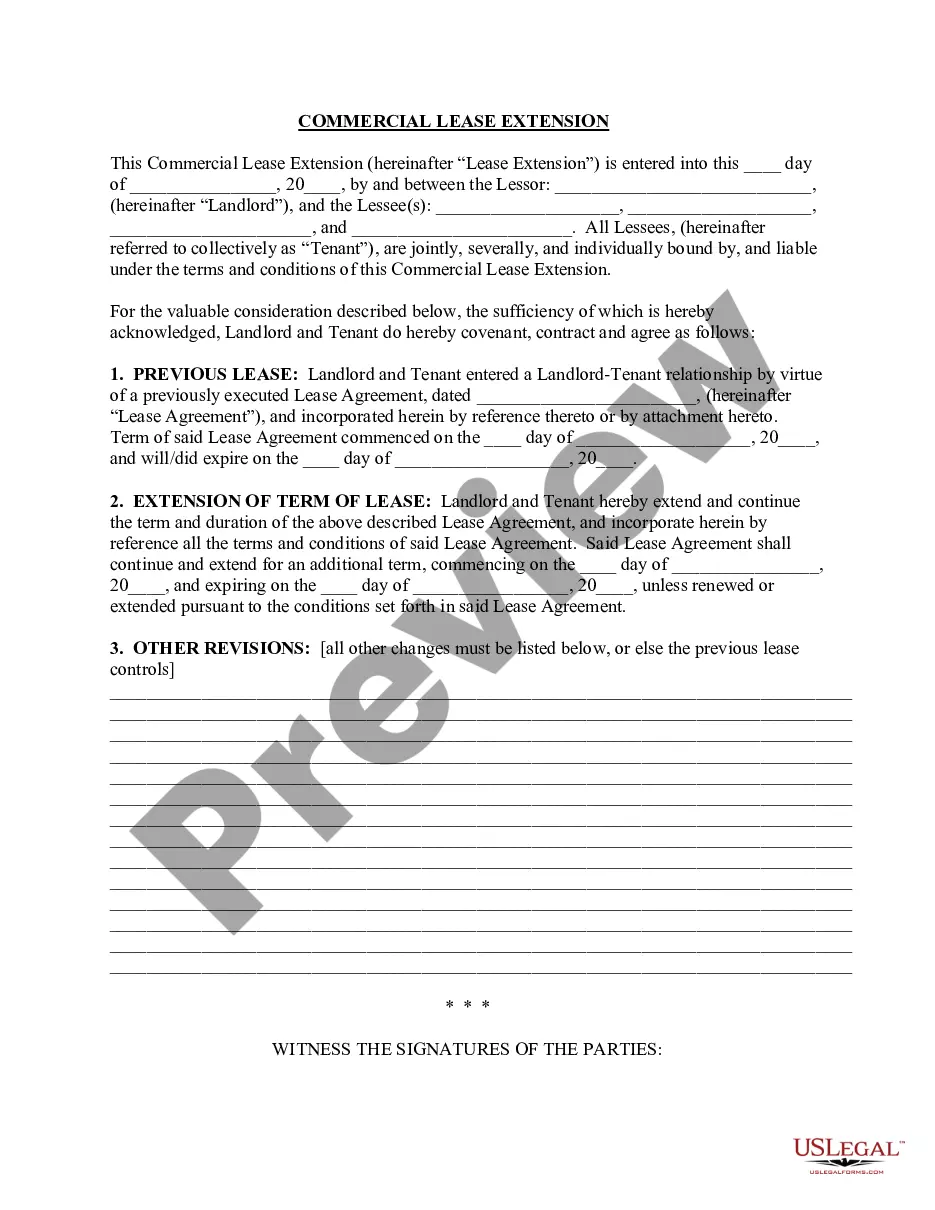
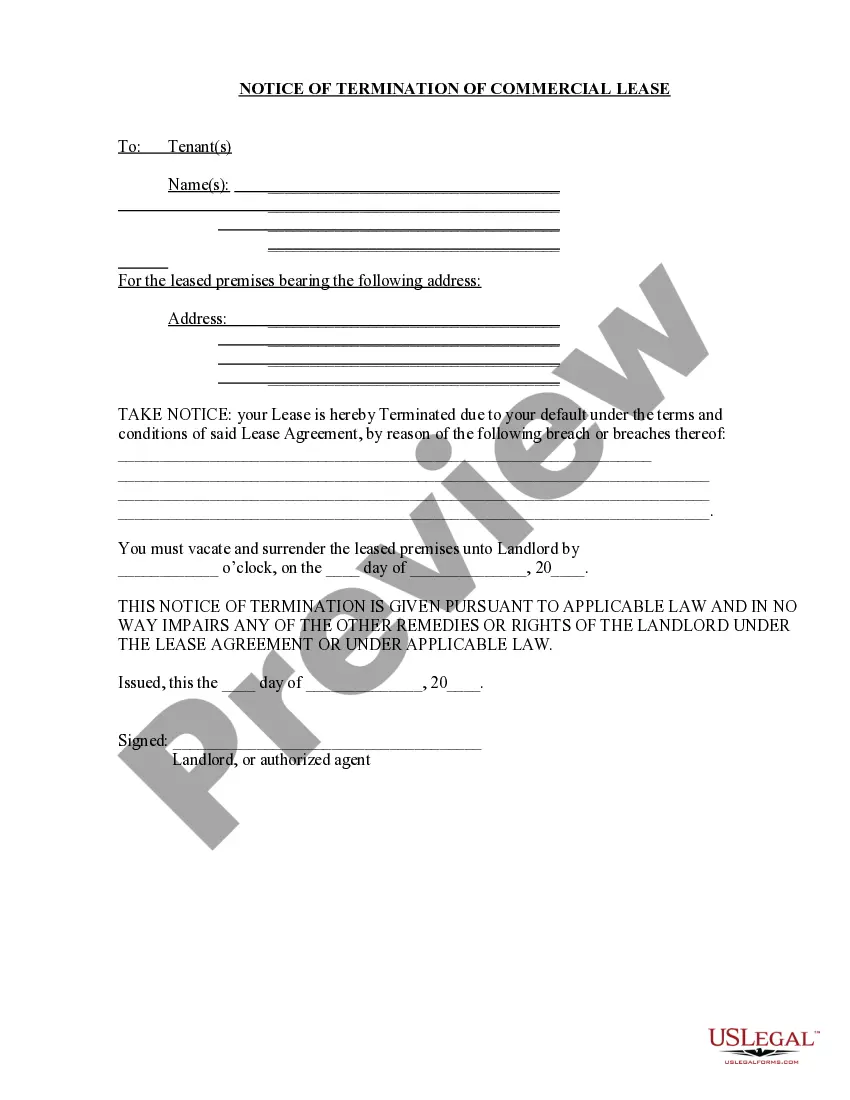
Common use cases
This form should be used when a landlord believes a tenant is in default of their commercial lease, primarily for failing to pay rent or meet other significant obligations under the lease terms. It is a proactive step, providing the tenant with notification and a chance to resolve the issue before eviction proceedings begin.
Who can use this document
- Commercial landlords who need to formally notify tenants of defaults.
- Property management companies acting on behalf of landlords.
- Tenants who wish to understand their landlord's obligations regarding lease defaults.
Steps to complete this form
- Identify the parties involved by including the landlord's name and the tenant's name.
- Specify the property by including the address and details pertinent to the lease.
- Enter the date of issuance in the designated field.
- Provide a clear statement of the default issue.
- Sign the form at the bottom to validate the warning.
Is notarization required?
This form does not typically require notarization unless specified by local law. Ensure compliance with any regional rules that may apply.
Get your form ready online
Our built-in tools help you complete, sign, share, and store your documents in one place.
Make edits, fill in missing information, and update formatting in US Legal Forms—just like you would in MS Word.
Download a copy, print it, send it by email, or mail it via USPS—whatever works best for your next step.
Sign and collect signatures with our SignNow integration. Send to multiple recipients, set reminders, and more. Go Premium to unlock E-Sign.
If this form requires notarization, complete it online through a secure video call—no need to meet a notary in person or wait for an appointment.
We protect your documents and personal data by following strict security and privacy standards.

Make edits, fill in missing information, and update formatting in US Legal Forms—just like you would in MS Word.

Download a copy, print it, send it by email, or mail it via USPS—whatever works best for your next step.

Sign and collect signatures with our SignNow integration. Send to multiple recipients, set reminders, and more. Go Premium to unlock E-Sign.

If this form requires notarization, complete it online through a secure video call—no need to meet a notary in person or wait for an appointment.

We protect your documents and personal data by following strict security and privacy standards.
Common mistakes to avoid
- Failing to provide the correct date, which can affect the validity of the warning.
- Neglecting to clearly outline the nature of the default, leading to confusion for the tenant.
- Not signing the form or providing an unauthorized signature.
Benefits of using this form online
- Immediate access to a professionally drafted form, saving time in the process.
- Easy customization options to tailor the form to specific scenarios.
- Secure document storage for your legal records and easy access when needed.
Legal use & context
- This warning serves as a formal notice under landlord-tenant law, providing the tenant with an opportunity to correct the identified issues.
- Failure to issue this warning before eviction may impact the landlord's ability to proceed with legal action.
- The notice reinforces the landlord's rights under the lease agreement and applicable state laws.
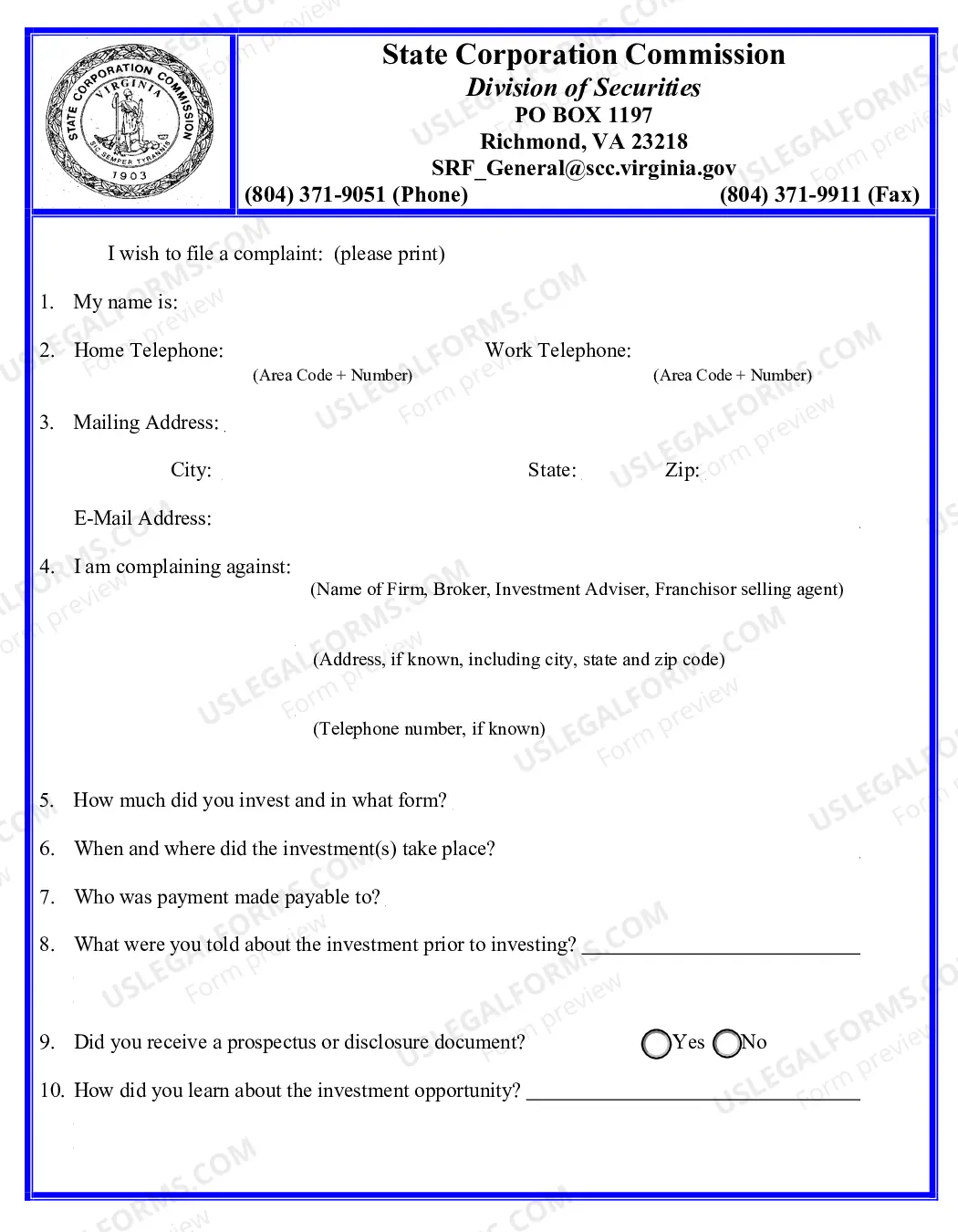
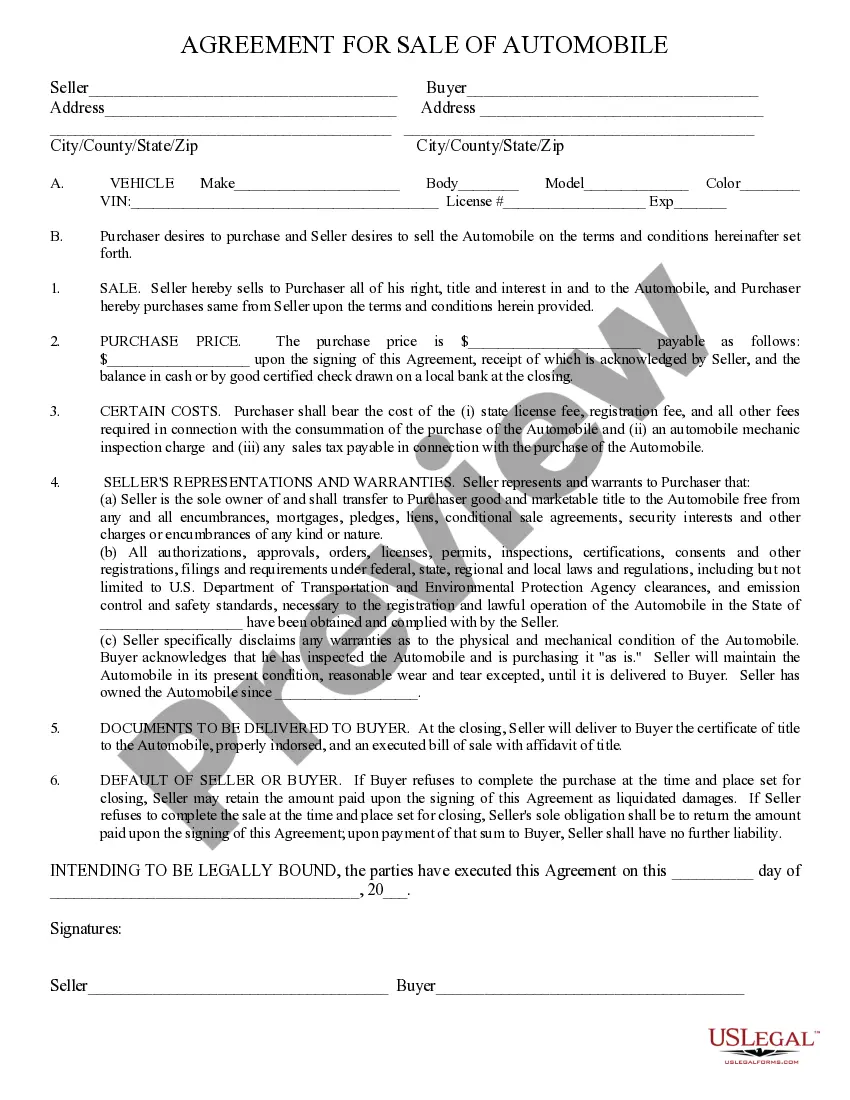
Looking for another form?




Form popularity
FAQ
To evict a commercial tenant in Missouri, follow a structured process that starts with a Missouri Warning of Default on Commercial Lease. This document formally notifies the tenant of their lease violations, providing them an opportunity to correct the issue. If the tenant fails to comply, you can proceed with filing an eviction lawsuit in court. Utilizing resources like US Legal Forms can ensure you have the correct documentation and guidance throughout this process.
If you default on a business lease, the landlord may take various actions, including issuing a Notice of Default, seeking eviction, or pursuing legal remedies for unpaid rent. Defaulting can have serious consequences, including damage to your business reputation and financial stability. To manage these risks, consider using resources like USLegalForms, which can provide guidance on dealing with a Missouri Warning of Default on Commercial Lease effectively.
The default clause in a commercial lease outlines the conditions under which a tenant is considered in default. This clause typically includes scenarios such as late payments, lease violations, or failure to maintain the property. Knowing the implications of the default clause helps you navigate potential issues and understand the importance of addressing a Missouri Warning of Default on Commercial Lease promptly.
In Missouri, a 14/30 notice is a legal notification regarding lease defaults. It provides tenants with 14 days to rectify the default, such as paying overdue rent, before the landlord can proceed with eviction actions. Understanding the significance of the Missouri Warning of Default on Commercial Lease is crucial for both tenants and landlords to ensure compliance and avoid legal complications.
A Notice of Default on a commercial lease is a formal document that informs a tenant of their failure to meet the terms of the lease agreement. This notice serves as a warning and outlines the specific issues, such as unpaid rent or violation of lease terms. Receiving this notice is an essential step in the legal process, particularly in Missouri, where a Missouri Warning of Default on Commercial Lease must comply with state requirements.
Paying the remainder of the rent still owed on the lease in full; Paying a specified amount of liquidated damages as outlined in the contract terms; Paying an additional amount of punitive damages, dependent on local state laws; and/or.
For example, the lease may provide that in case of default, the landlord can recover late fees and interest. If the lease is a net lease, it may provide for the landlord to recover such things as property taxes, insurance, utilities, maintenance and repairs.
Anyone renting a building, whether for commercial or personal use, has the right to privacy. You are entitled to do anything on the property that you wish, so long as whatever you are doing is legal. The landlord cannot prevent you from operating your business nor from allowing guests or patrons on the property.
A break-early fee is a lump sum payment. The amount of the break-early fee will vary greatly depending upon the commercial tenant's specific circumstances. In exchange for the break-early fee, the landlord will agree to release the commercial tenant from all of its obligations under the commercial lease.
CALGARY -- The province says commercial landlords will no longer be allowed to evict business tenants without first applying for rental relief from the government.